Paul Tagliamonte: Reverse Engineering (another) Restaurant Pager system
 Some of you may remember that I recently felt a bit underwhelmed
by the last pager I reverse engineered the Retekess TD-158,
mostly due to how intuitive their design decions were. It was pretty easy
to jump to conclusions because they had made some pretty good decisions on
how to do things.
I figured I d spin the wheel again and try a new pager system this time I
went for a SU-68G-10 pager, since I recognized the form factor as another
fairly common unit I ve seen around town. Off to Amazon I went, bought a set,
and got to work trying to track down the FCC filings on this model. I
eventually found what seemed to be the right make/model, and it, once again,
indicated that this system should be operating in the
433 MHz ISM band likely
using OOK modulation. So, figured I d start with the center of the band (again)
at 433.92 MHz, take a capture, test my luck, and was greeted with a now very
familiar sight.
 Same as the last goarounds, except the premable here is a
0 symbol followed
by 6-ish symbol durations of no data, followed by 25 bits of a packet. Careful
readers will observe 26 symbols above after the preamble I did too! The last
0 in the screenshot above is not actually a part of the packet rather,
it s part of the next packet s preamble. Each packet is packed in pretty tight.
By Hand Demodulation Going off the same premise as last time, I figured i d give it a manual demod and see what shakes out (again). This is now the third time i ve run this play, so check out either of my prior two posts for a better written description of what s going on here I ll skip all the details since i d just be copy-pasting from those posts into here. Long story short, I demodulated a call for pager 1, call for pager 10, and a power off command.
| What | Bits |
| Call 1 | 1101111111100100100000000 |
| Call 10 | 1101111111100100010100000 |
| Off | 1101111111100111101101110 |
11011111111001), which means some mix of preamble, system id, or other
system-wide constant. Additionally, The last 9 bits also look like they are our
pager the 1 and 10 pager numbers (LSB bit order) jump right out
(100000000 and 010100000, respectively). That just leaves the two remaining
bits which look to be the action 00 for a Call , and 11 for a Power
off . I don t super love this since command has two bits rather than one, the
base station ID seems really long, and a 9-bit Pager ID is just weird. Also,
what is up with that power-off pager id? Weird. So, let s go and see what we
can do to narrow down and confirm things by hand.
Testing bit flips
Rather than call it a day at that, I figure it s worth a bit of diligence to
make sure it s all correct so I figured we should try sending packets to
my pagers and see how they react to different messages after flipping bits
in parts of the packet.
I implemented a simple base station for the pagers using my Ettus B210mini, and
threw together a simple OOK modulator and transmitter program which allows me
to send specifically crafted test packets on frequency. Implementing the base
station is pretty straightforward, because of the modulation of the signal
(OOK), it s mostly a matter of setting a buffer to 1 and 0 for where the
carrier signal is on or off timed to the sample rate, and sending that off to
the radio. If you re interested in a more detailed writeup on the steps
involved, there s a bit more in my christmas tree post.
First off, I d like to check the base id. I want to know if all the bits in
what I m calling the base id are truly part of the base station ID, or
perhaps they have some other purpose (version, preamble?). I wound up following
a three-step process for every base station id:
- Starting with an unmodified call packet for the pager under test:
- Flip the Nth bit, and transmit the call. See if the pager reacts.
- Hold SET , and pair the pager with the new packet.
- Transmit the call. See if the pager reacts.
- After re-setting the ID, transmit the call with the physical base station,
see if the pager reacts.
- Starting with an unmodified off packet for the pager system
- Flip the Nth bit, transmit the off, see if the pager reacts.
What wound up happening is that changing any bit in the first 14 bits meant
that the packet no longer worked with any pager until it was re-paired, at
which point it begun to work again. This likely means the first 14 bits are
part of the base station ID and not static between base stations, or some
constant like a version or something. All bits appear to be used.
I repeated the same process with the command bits, and found that only 11
and 00 caused the pagers to react for the pager ids i ve tried.
I repeated this process one last time with the pager id bits this time, and
found the last bit in the packet isn t part of the pager ID, and can be either
a 1 or a 0 and still cause the pager to react as if it were a 0. This means
that the last bit is unknown but it has no impact on either a power off or
call, and all messages sent by my base station always have a 0 set. It s not
clear if this is used by anything likely not since setting a bit there
doesn t result in any change of behavior I can see yet.
Final Packet Structure
After playing around with flipping bits and testing, the final structure
I was able to come up with based on behavior I was able to observe from
transmitting hand-crafted packets and watching pagers buzz:
base id
command
pager id
???
Commands
The command section bit comes in two flavors either a call or an off
command.
- Flip the Nth bit, and transmit the call. See if the pager reacts.
- Hold SET , and pair the pager with the new packet.
- Transmit the call. See if the pager reacts.
- After re-setting the ID, transmit the call with the physical base station, see if the pager reacts.
base id
command
pager id
???
Commands
The command section bit comes in two flavors either a call or an off
command.
| Type | Id (2 bits) | Description |
| Call | 00 | Call the pager identified by the id in pager id |
| Off | 11 | Request pagers power off, pager id is always 10110111 |
| What | Description |
| Center Frequency | 433.92 MHz |
| Modulation | OOK |
| Symbol Duration | 1300us |
| Bits | 25 |
| Preamble | 325us of carrier, followed by 8800us of no carrier |
 Dear Debian community,
this is bits from DPL for February.
Ftpmaster team is seeking for new team members
In December, Scott Kitterman announced his retirement from the project.
I personally regret this, as I vividly remember his invaluable support
during the Debian Med sprint at the start of the COVID-19 pandemic. He
even took time off to ensure new packages cleared the queue in under 24
hours. I want to take this opportunity to personally thank Scott for his
contributions during that sprint and for all his work in Debian.
With one fewer FTP assistant, I am concerned about the increased
workload on the remaining team. I encourage anyone in the Debian
community who is interested to consider reaching out to the FTP masters
about joining their team.
If you're wondering about the role of the
 This year I'll be participating of
 [I d like to stop writing posts like this. I ve been trying to work out what to say now for nearly 2 months (writing the mail to
 Most of my Debian contributions this month were
 Network is unreliable. Seems like my router is trying to reconnect every 20 seconds after something triggers.
 by por Andrew Gon alves
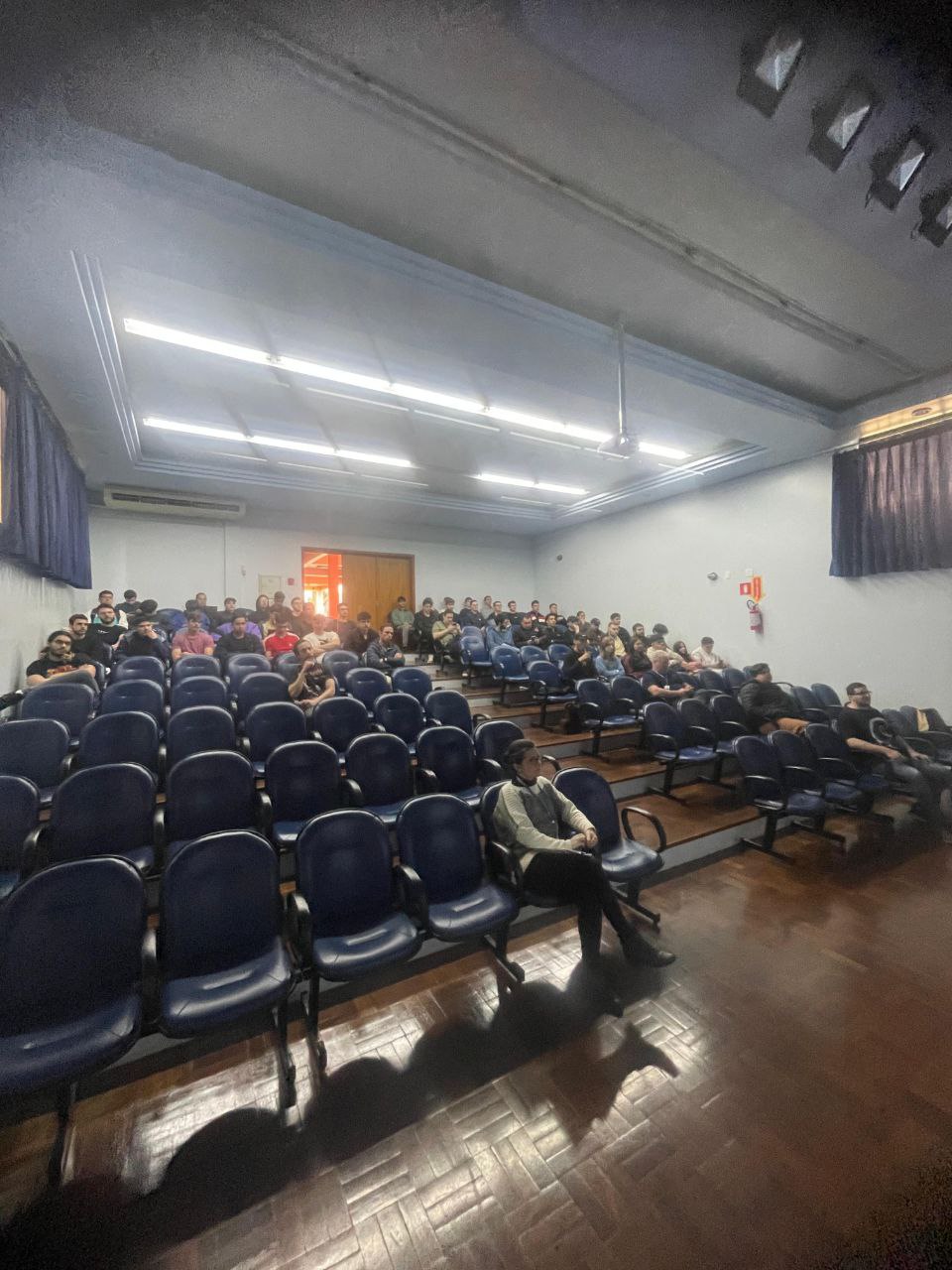
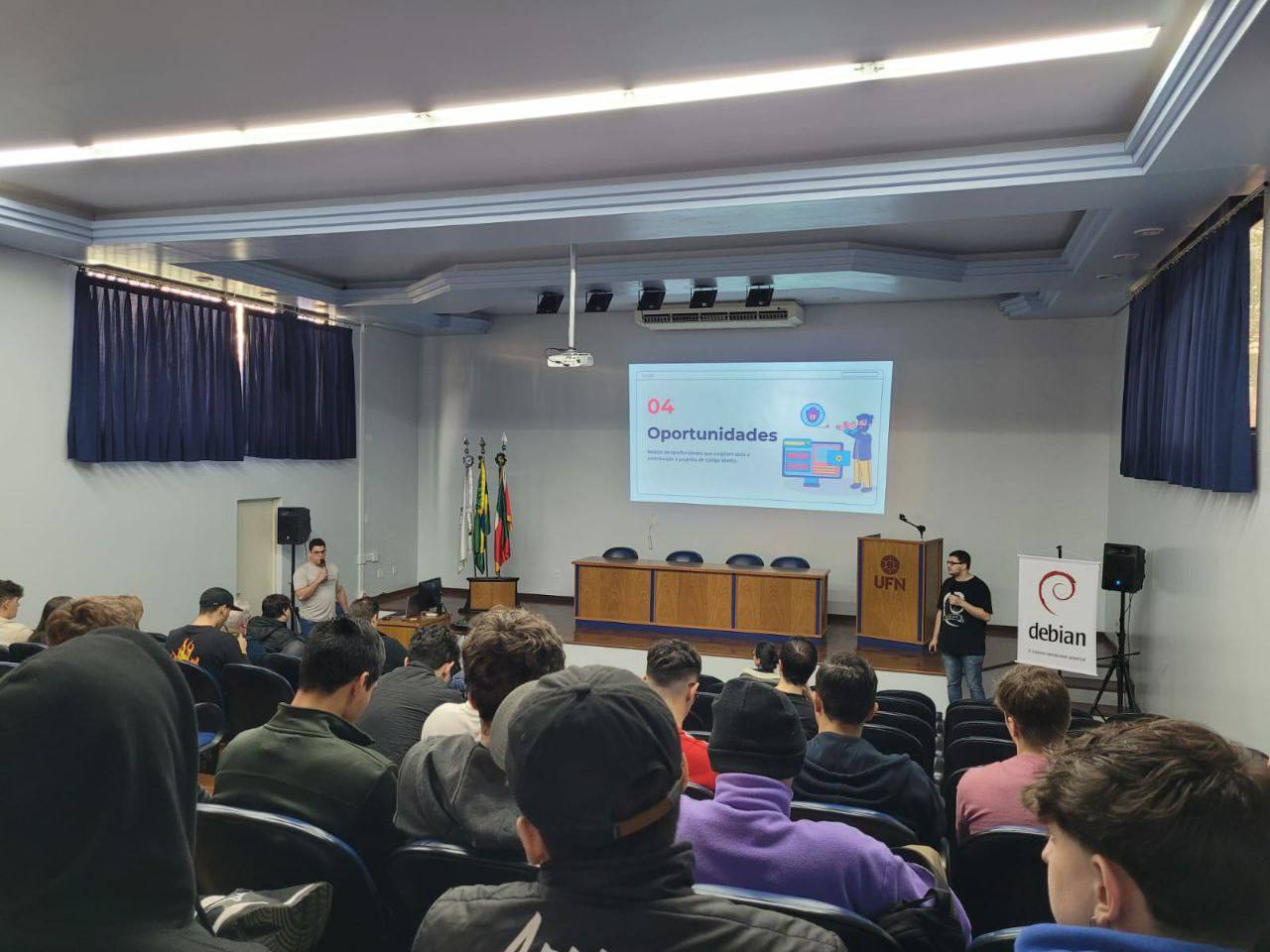
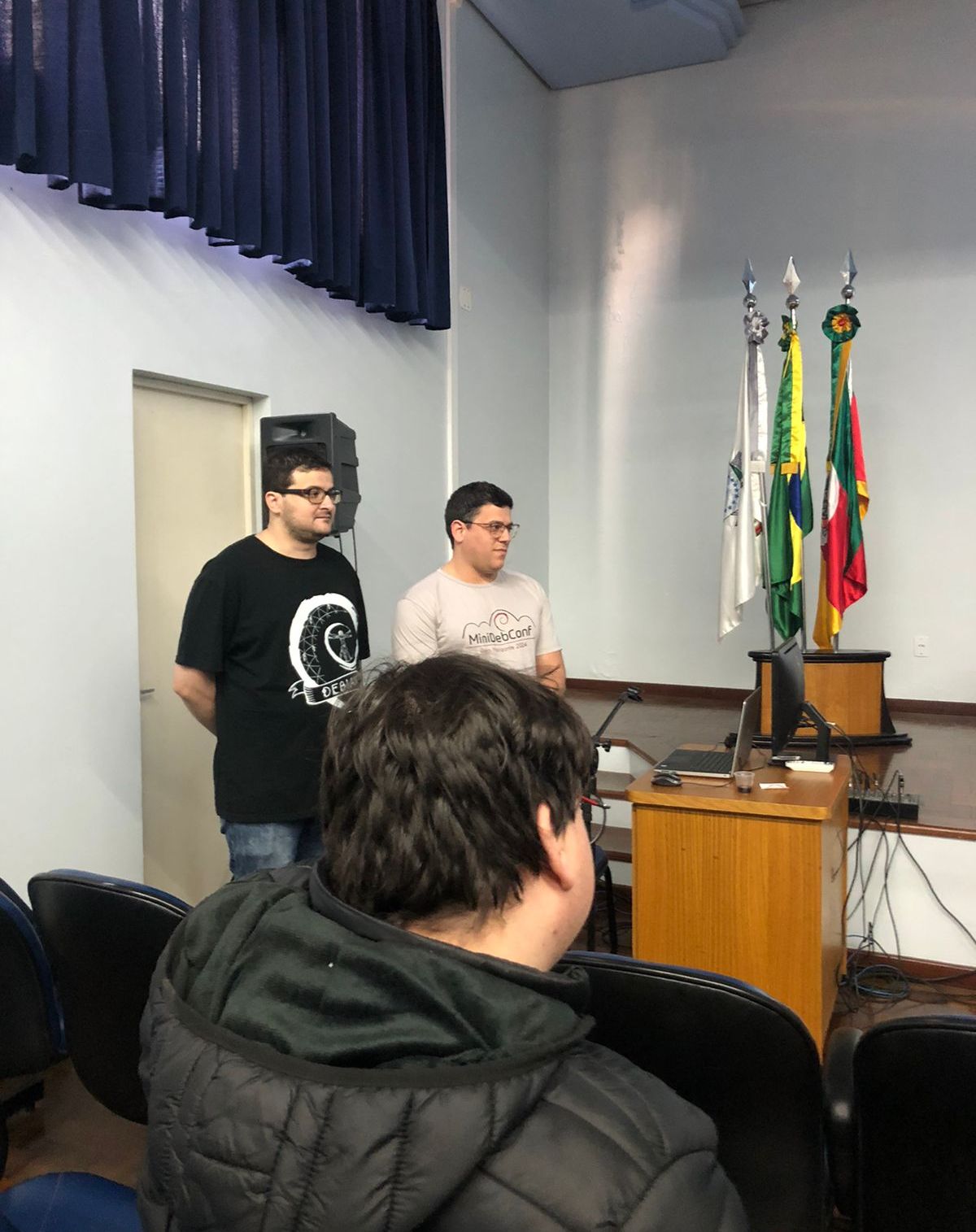
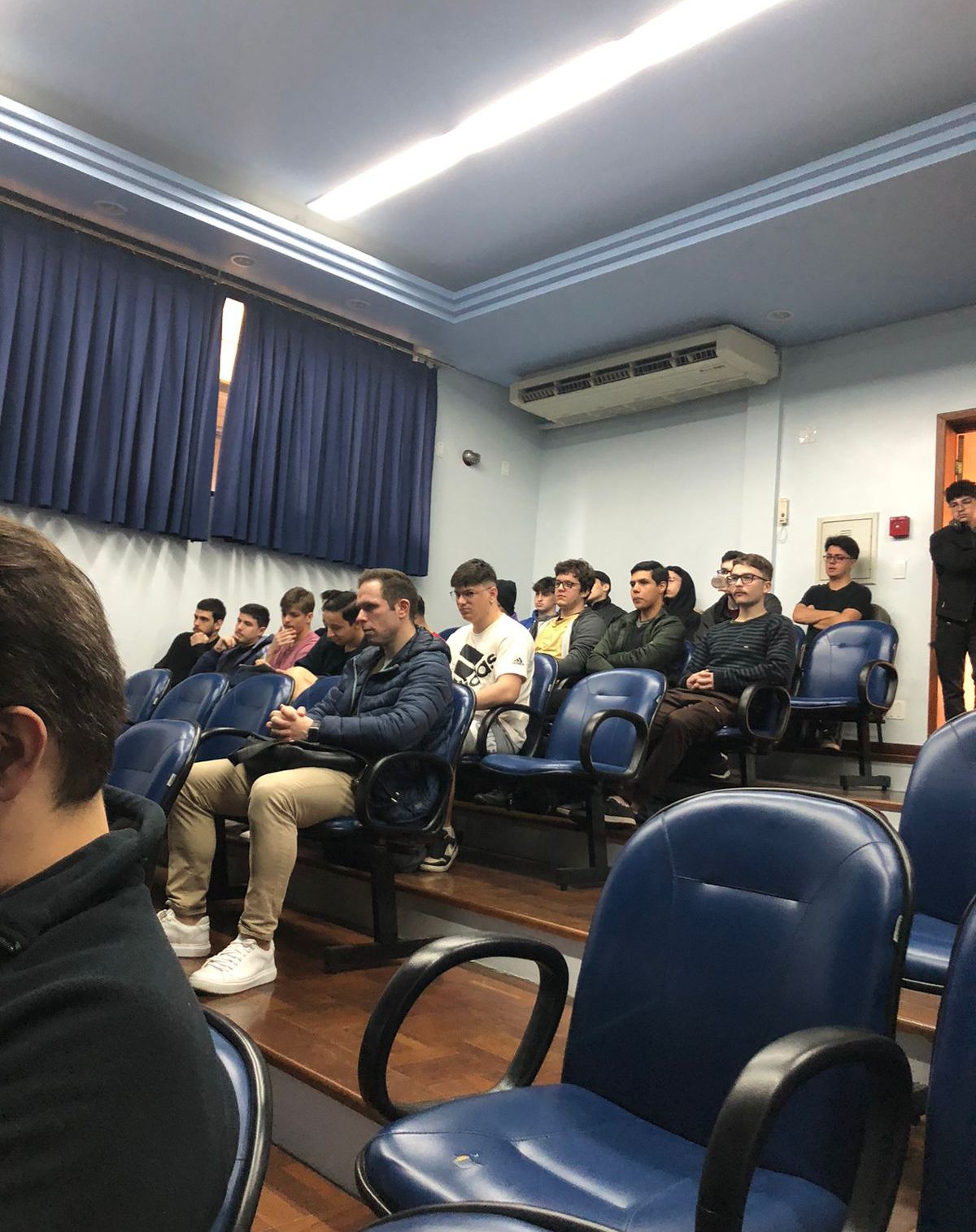
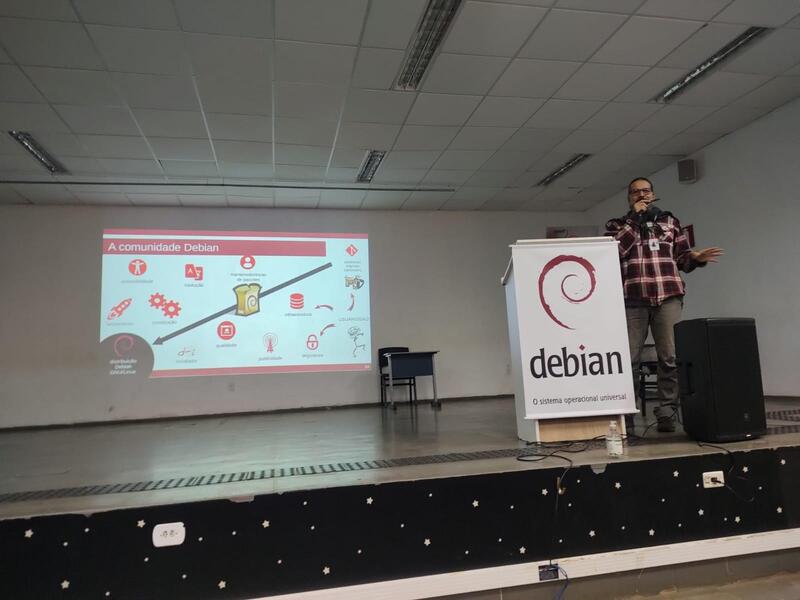
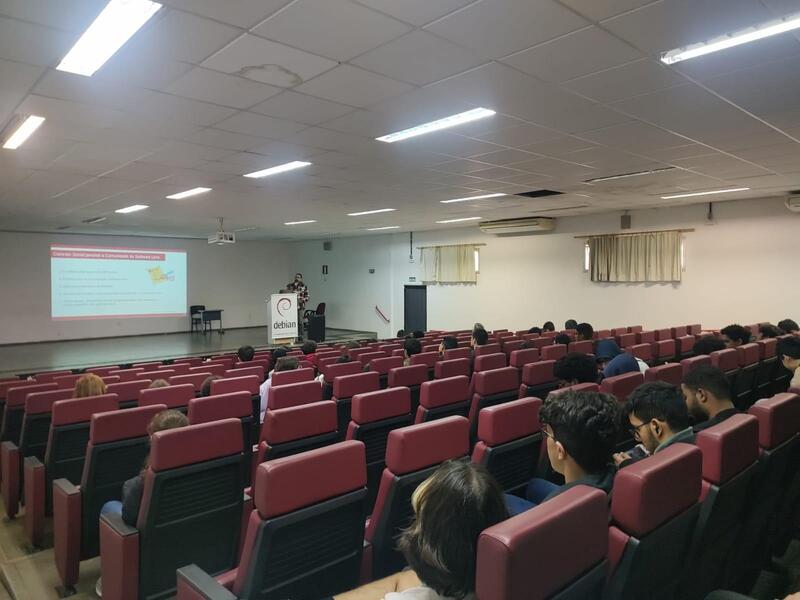
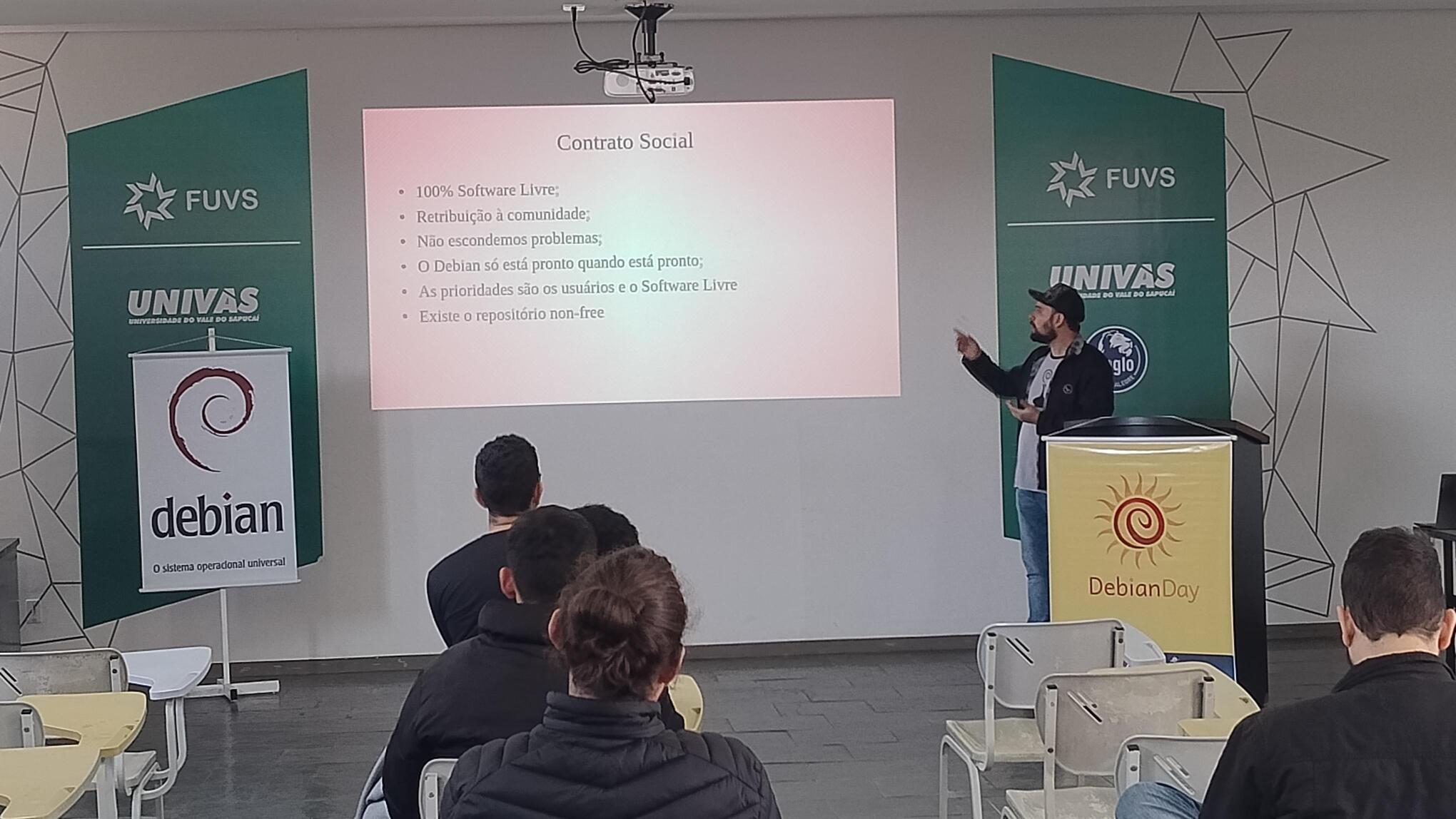
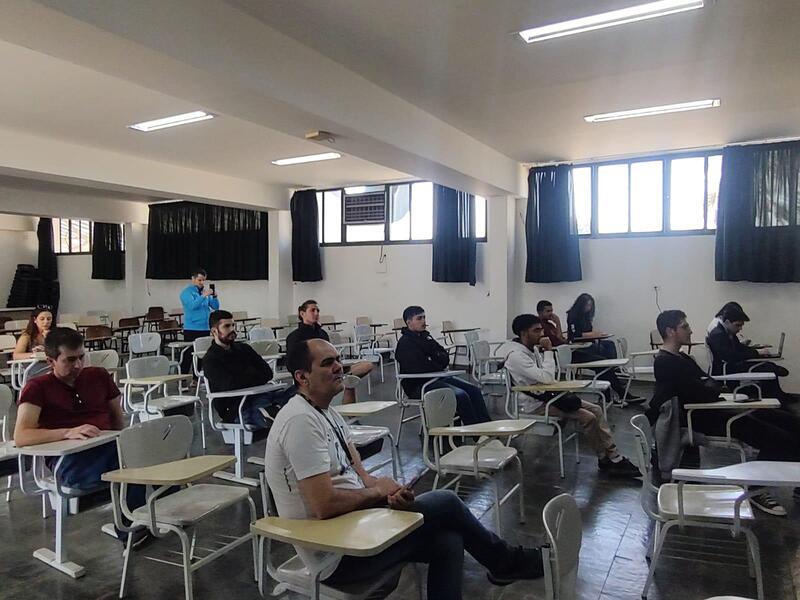
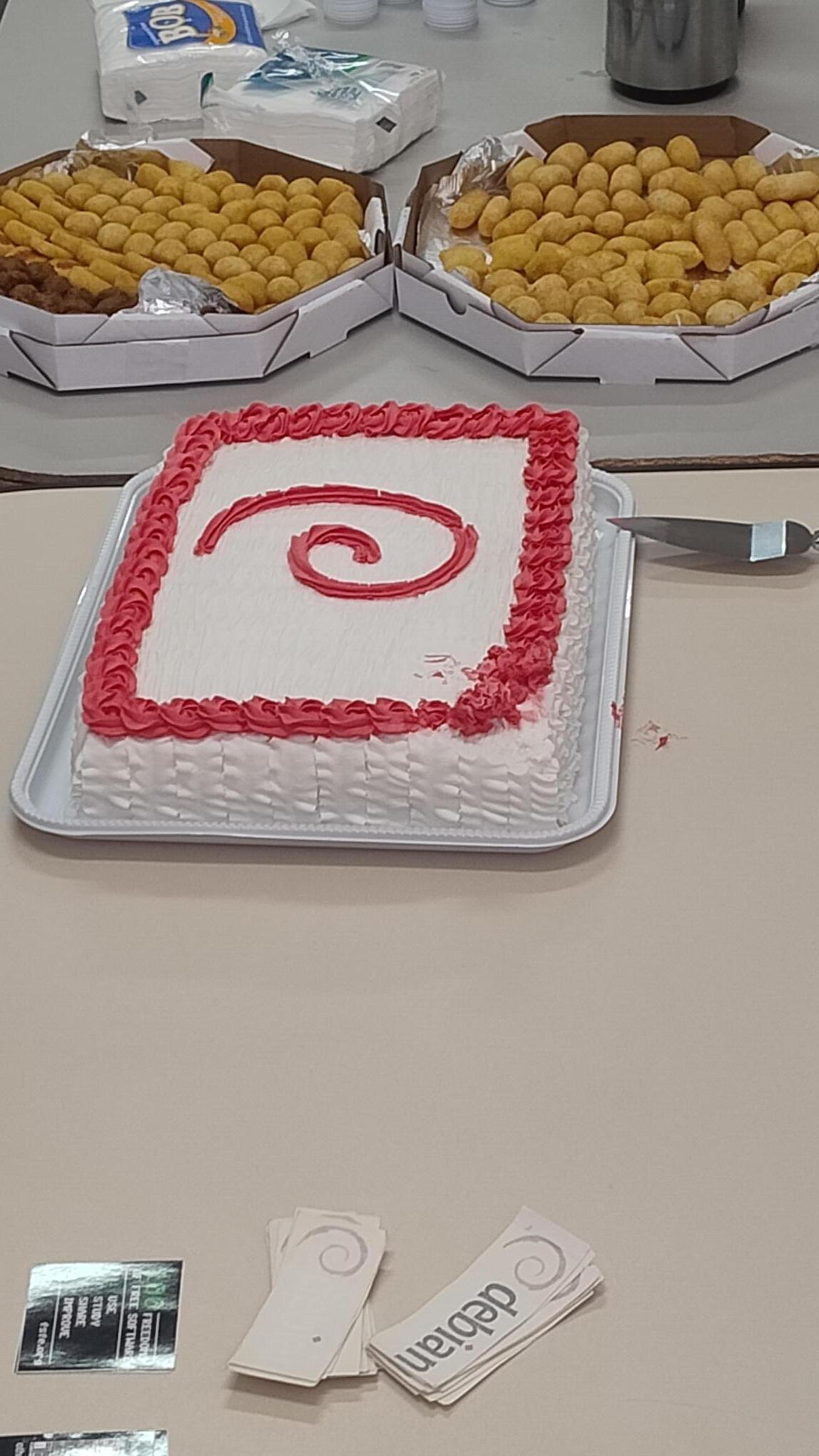
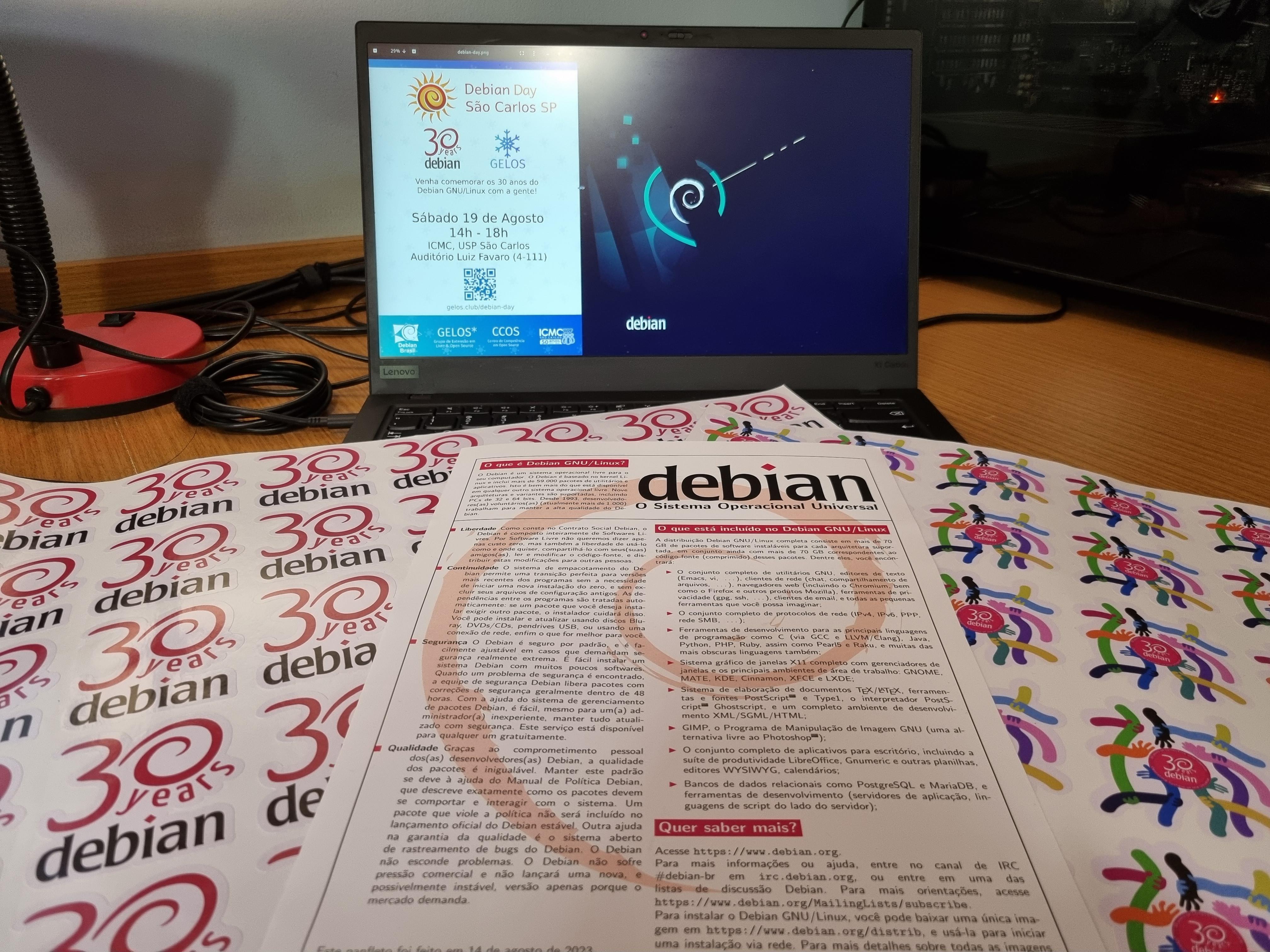 Getting things ready for the event.
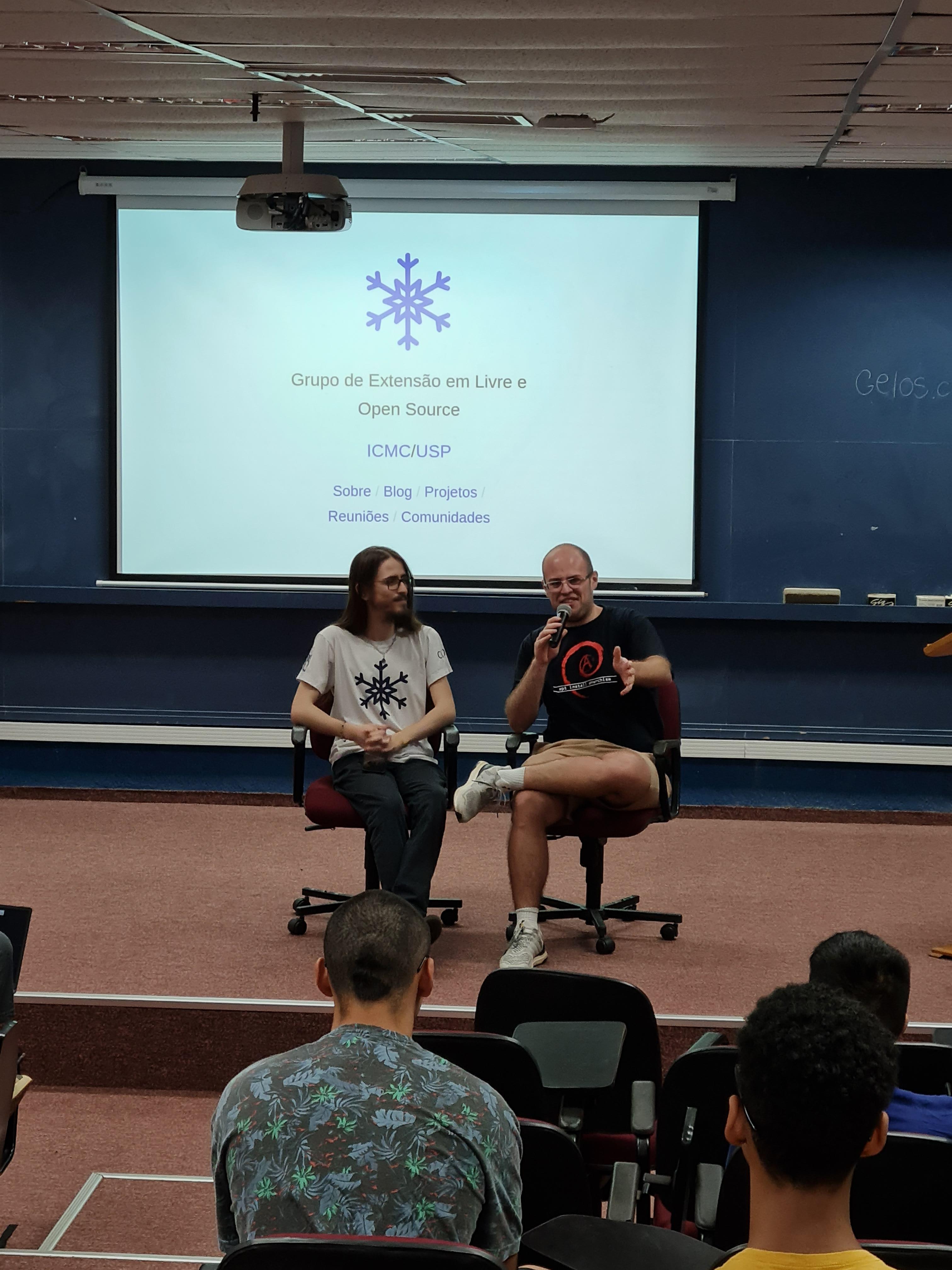 Intro to GELOS talk.
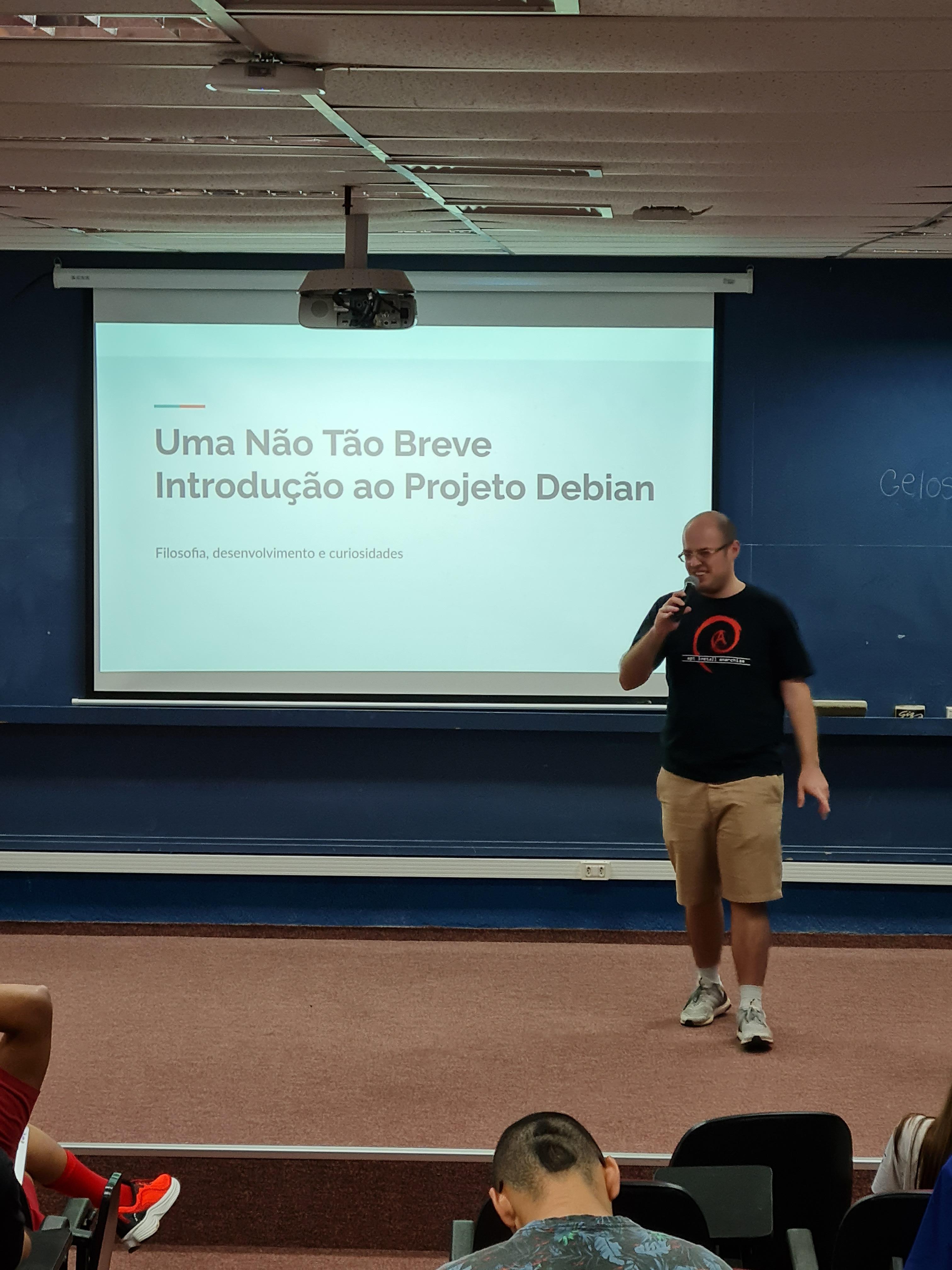 A ~~not so~~ Brief Introdution to the Debian Project talk.
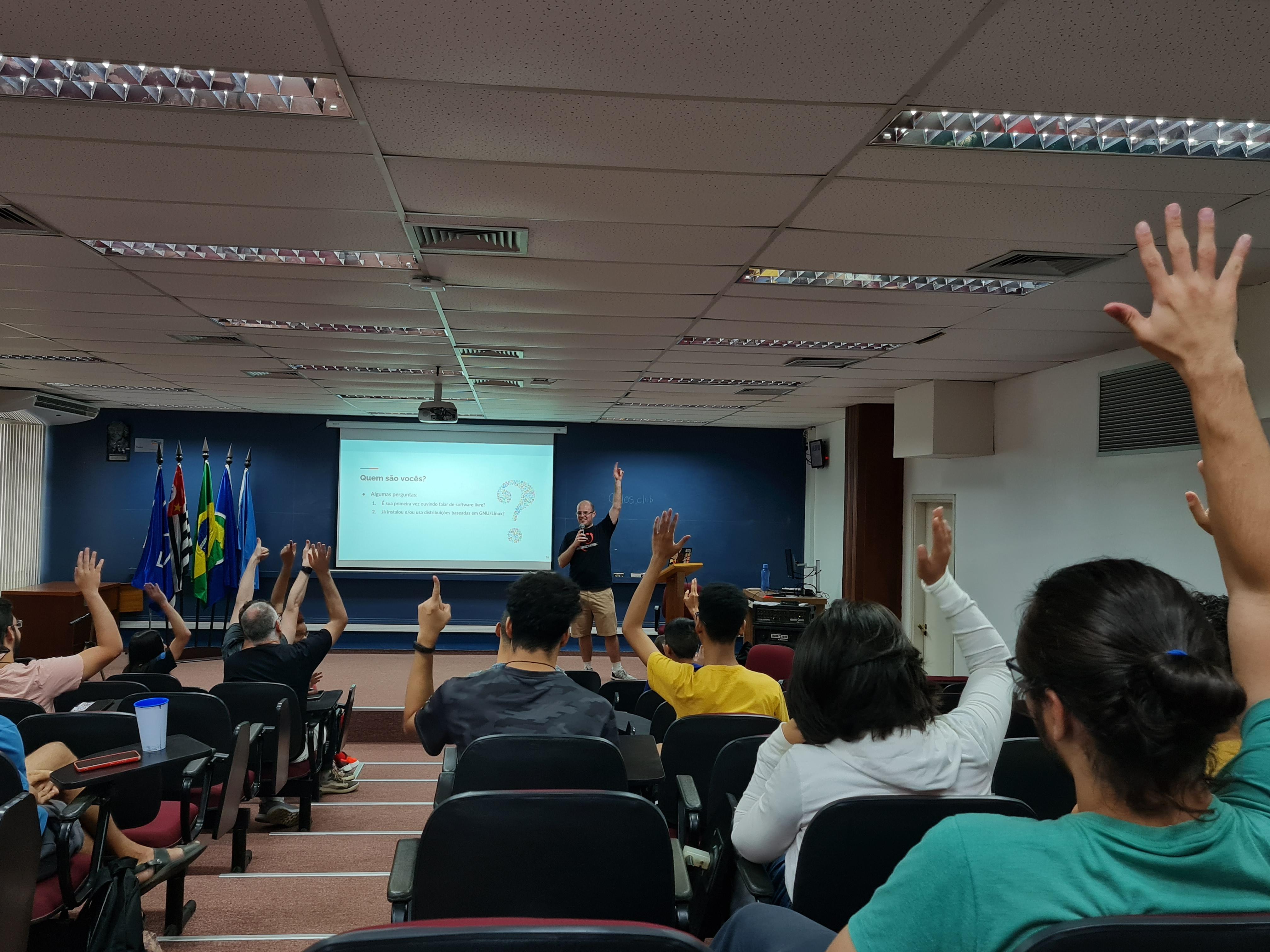 Everyone already knew Debian!
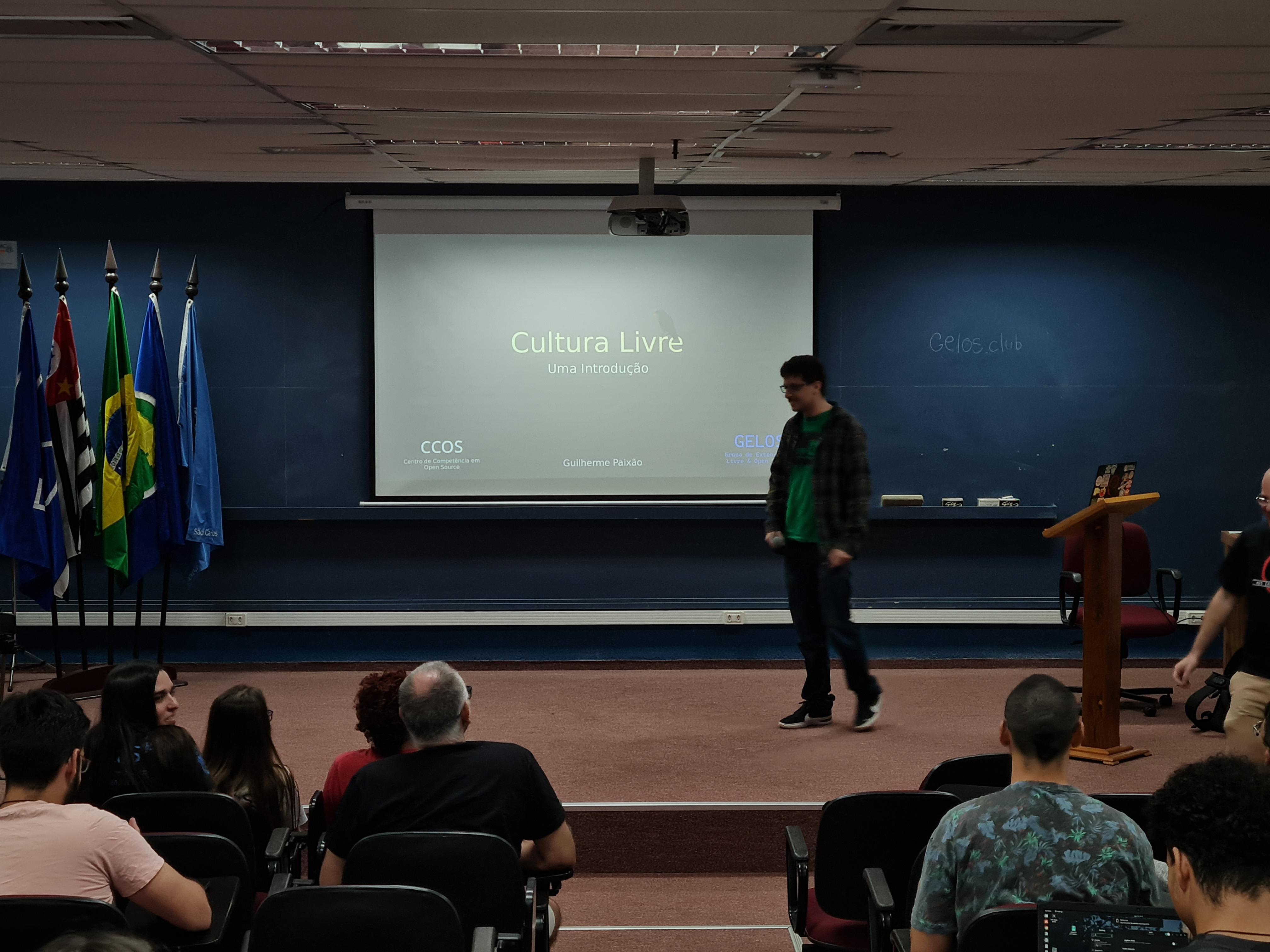 Debian and the Free Culture talk
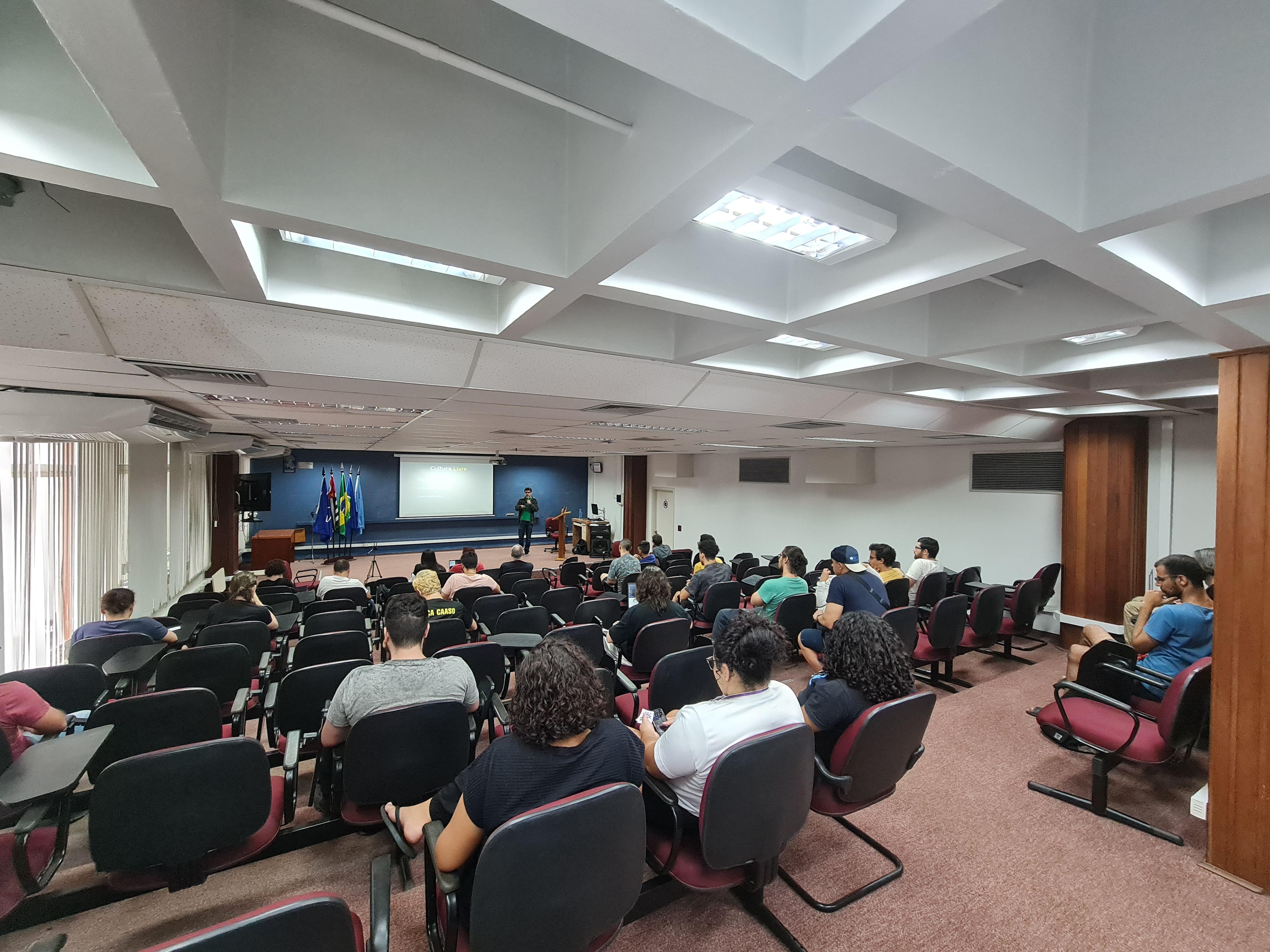 People in the auditorium space.
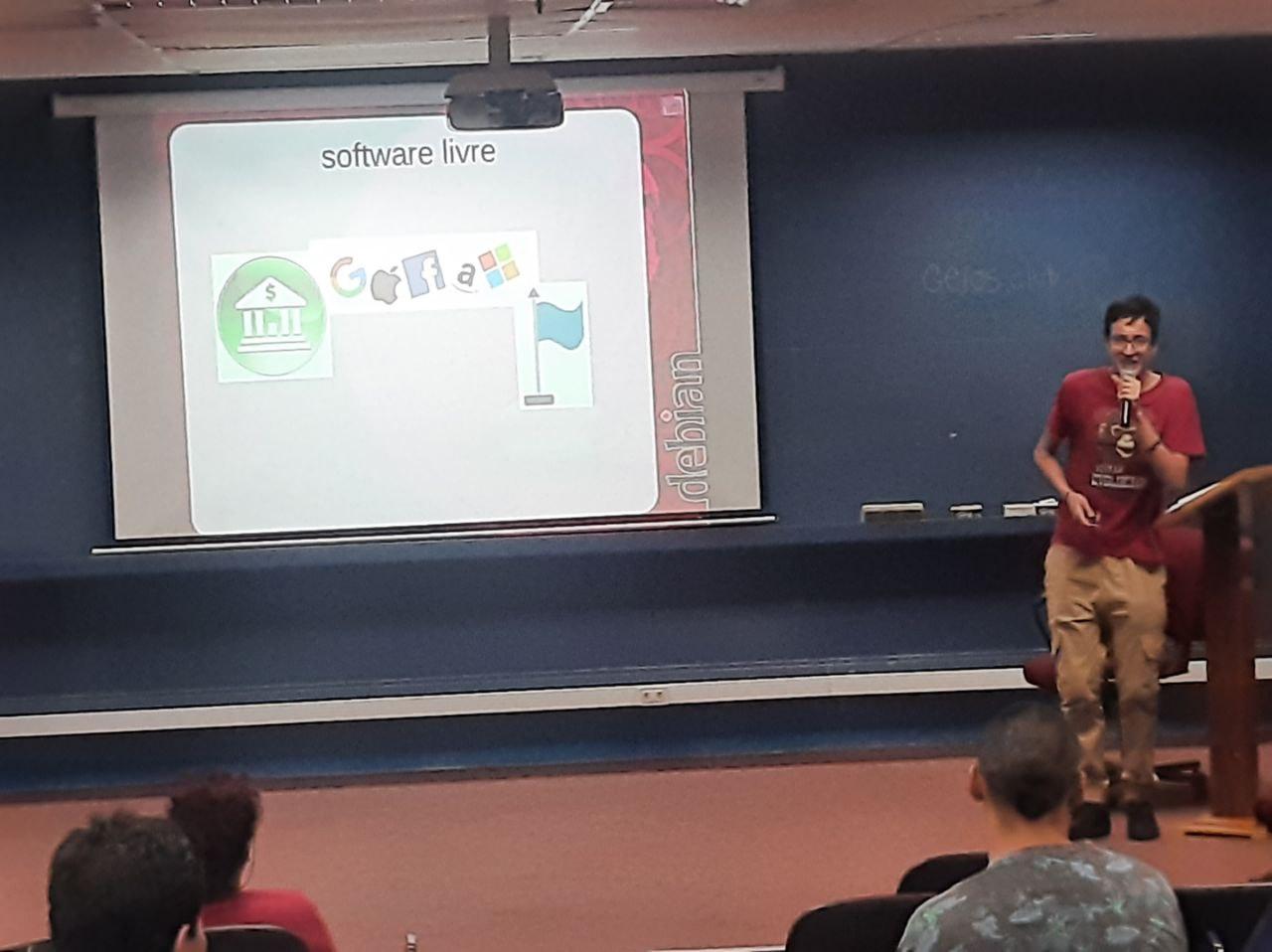 Free Software: the paths to a free life talk
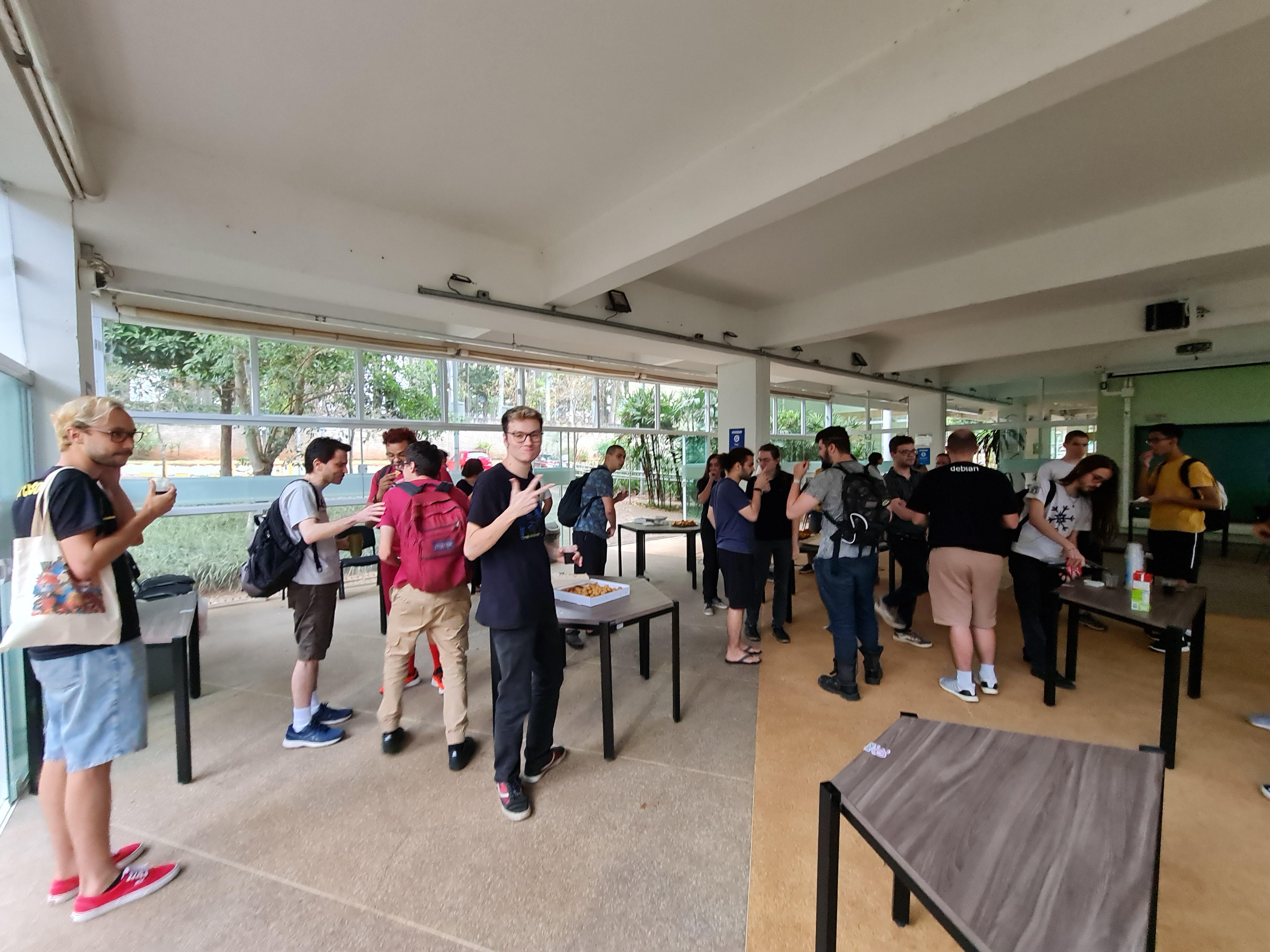 Coffee Break.
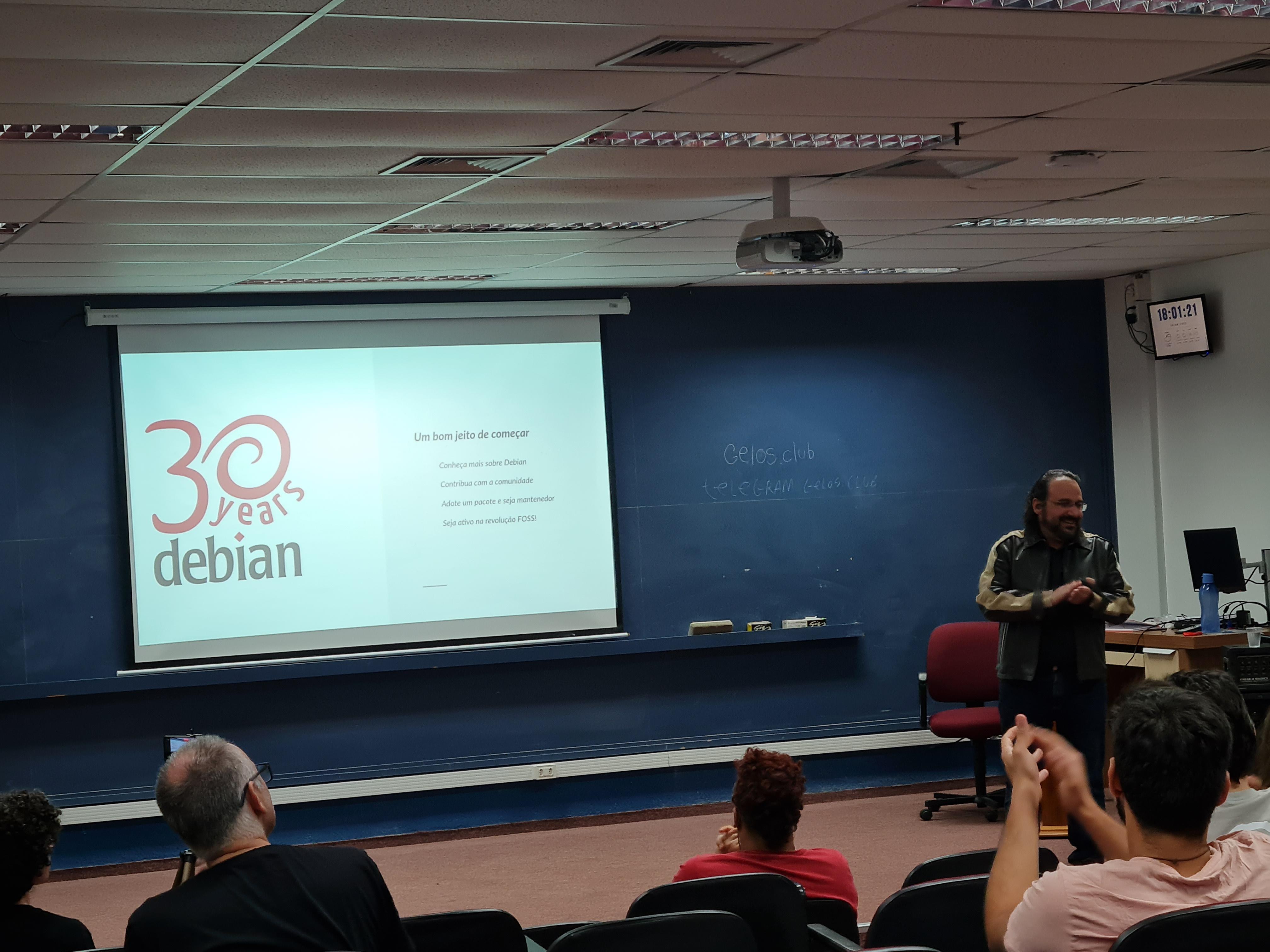 The FOSS Ecosystem and You talk.
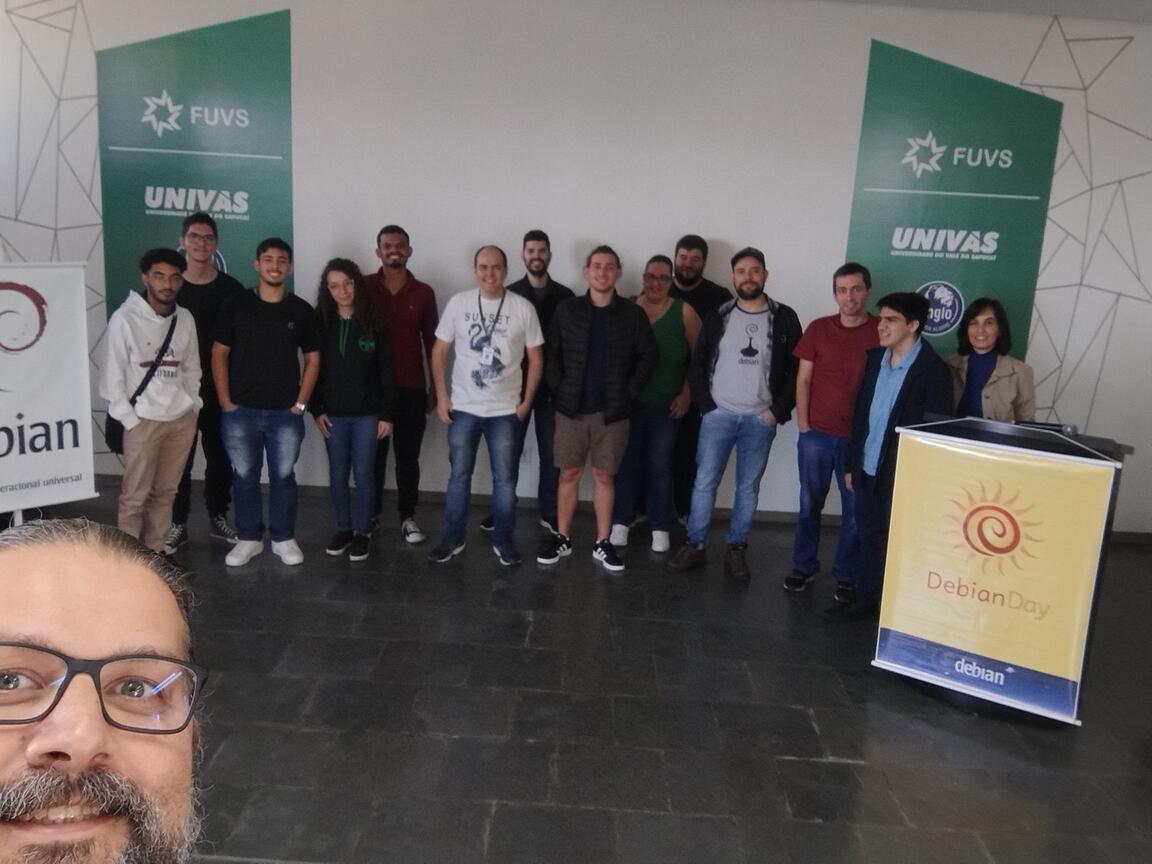
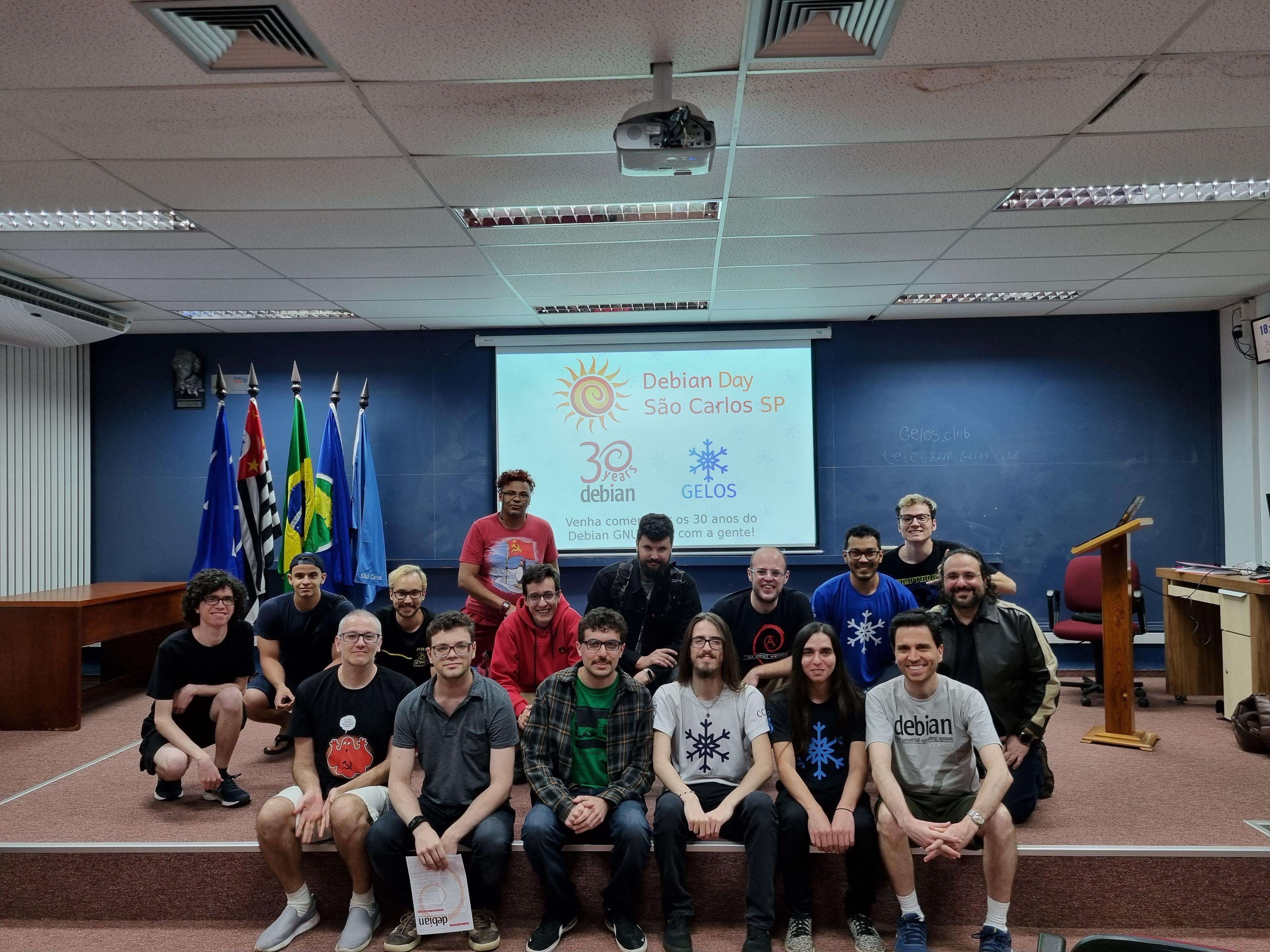 Group photo.
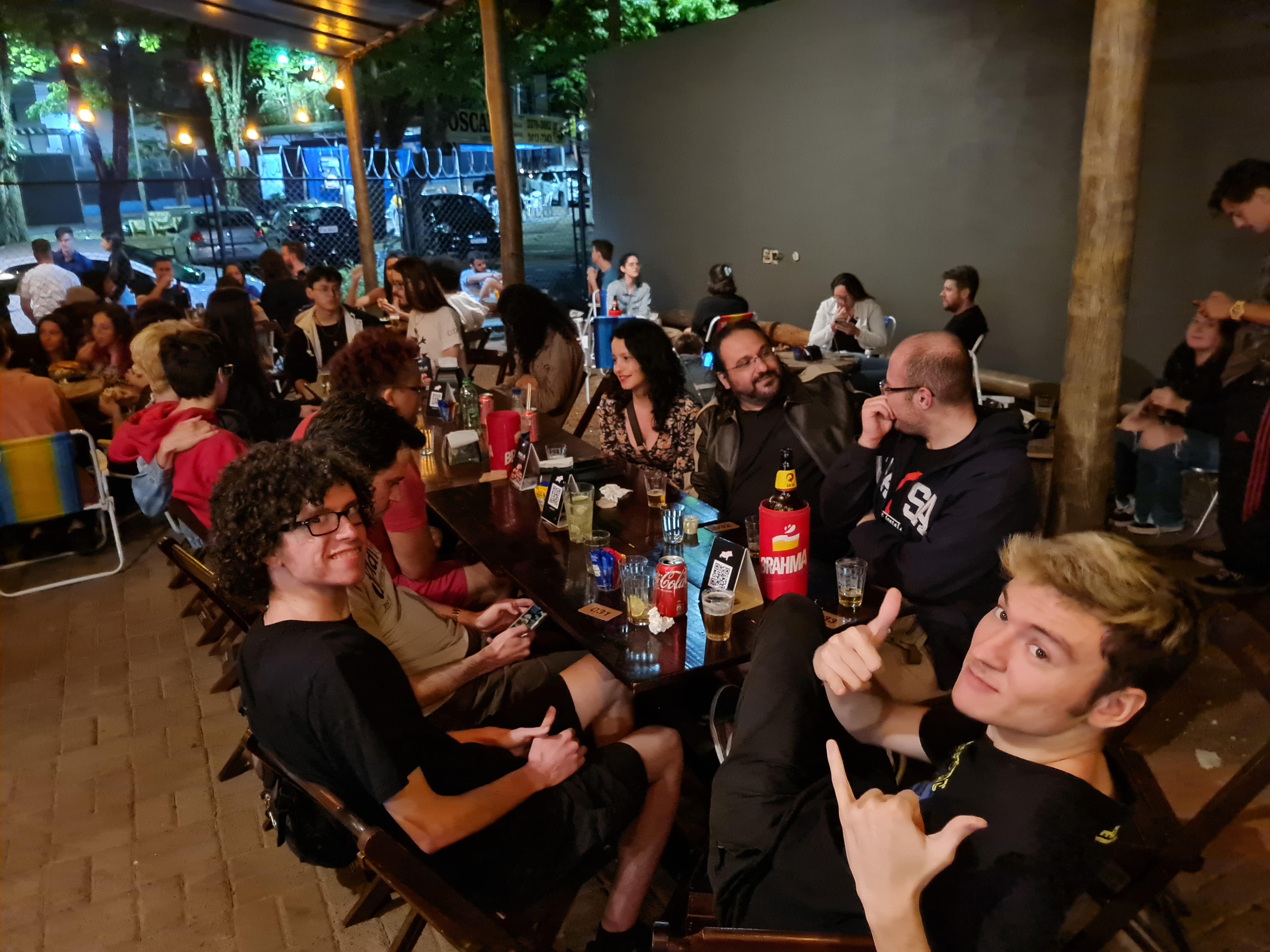 Celebration goes on in the bar.
 Nova gera o: uma entrevista com iniciantes no projeto Debian
 Instala o personalizada e automatizada do Debian com preseed
 Manipulando patches com git-buildpackage
 debian.social: Socializando Debian do jeito Debian
 Proxy reverso com WireGuard
 Celebra o dos 30 anos do Debian!
 Instalando o Debian em disco criptografado com LUKS
 O que a equipe de localiza o j conquistou nesses 30 anos
 Debian - Projeto e Comunidade!
 Design Gr fico e Software livre, o que fazer e por onde come ar
 Another short status update of what happened on my side last
month. One larger blocks are the
 I wanted to follow new content posted to
 So there are only 2 web browser engines, and it seems likely there will
soon only be 1, and making a whole new web browser from the ground up is
effectively impossible because the browsers vendors have weaponized web
standards complexity against any newcomers. Maybe eventually someone will
succeed and there will be 2 again. Best case. What a situation.
So throw out all the web standards. Make a browser that just runs WASM
blobs, and gives them a surface to use, sorta like Wayland does. It has
tabs, and a throbber, and urls, but no HTML, no javascript, no CSS.
Just HTTP of WASM blobs.
This is where the web browser is going eventually anyway, except in the
current line of evolution it will be WASM with all the web standards
complexity baked in and reinforcing the current situation.
Would this be a mass of proprietary software? Have you looked at any
corporate website's "source" lately? But what's important is that this
would make it easy enough to build new browsers that they would stop
being a point of control.
Want a browser that natively supports RSS? Poll the feeds, make a UI,
download the WASM enclosures to view the posts. Want a browser that
supports IPFS or gopher? Fork any browser and add it, the mantenance load
will be minimal. Want to provide access to GPIO pins or something? Add an
extension that can be accessed via the WASI component model. This would
allow for so many things like that which won't and can't happen with the
current market duopoly browser situation.
And as for your WASM web pages, well you can still use HTML if you like. Use
the WASI component model to pull in a HTML engine. It doesn't need to
support everything, just the parts of web standards that you want to use.
Or you can do something entitely different in your WASM that is not HTML
based at all but a better paradigm (oh hi Spritely or display postscript
or gemini capsules or whatever).
Dual innovation sources or duopoly? I know which I'd prefer. This is not my
project to build though.