Joerg Jaspert: Vacation fun
As some people know, I had a vacation in February. Only very few knew
that I was heading down to Taiwan. I was leaving Germany at the 8th
and back here on the 24th of February. Yes, that neatly fit this years
Chinese New
Years parties.
Was at home for four days (and at work for one), after which I went off
to this years Cebit. Until the day I arrived in Taiwan it looked
like we do not have a booth there, but then everything changed while I
was having a nice vacation. I really have to thank
Alex here. Cebit was actually my
task, but he jumped in and did all the preparatory work that was needed
right in the time I started my vacation. Without that either my vacation
would have been much different and less nice or we wouldn t have had a
booth.
I am back home since some days now, without any travel plans for the next
few weeks/months to come. Though I wish I had a job (and private life)
that would allow me to just go off again, ie. something I could do
everywhere where there is net. Meh.
Of course I did take some pictures (more than 2500) and also some notes
during the trip. And having a blog that one or two people read, I think
I should bore you all with it. But hey, you can skip it if you want. :)
Yes, I should really take some time and work a bit on the pictures I
took. Right now I only selected around seven hundred which I show off to
people (and to link to from here), but they are basically just
copies. While some are great in itself, many can need a bit of work here
and there (cut out unimportant, blurry, colors, the usual stuff). And I
also prepared multiple shots for
HDR
processing or to make a panorama view from, but thats something that
takes time and has to wait. Just for the record, I think that
this,
this
and this
are very nice ones.
This is a public version of this text, so names and also various events and days have been cut out. Yes, people who know those in my pictures will know names, but thats no reason to feed the evil $searchengine caches more with hits for their names. Flight down, 8 Feb. Flight down from Frankfurt, using KLM so it went via Amsterdam and Bangkok (short Transit stop) to Taipei. The days before we had lots of snow and cold and all that stuff which tends to get flights cancelled, but I was lucky, none of that for me. The only slightly annoying thing was in Taipei, where KLM demonstrated how much a Business class Priority luggage sign is worth for them sometimes. We came in half an hour before schedule, but then had to wait an hour for our luggage (while all of economy luggage passed by). I think the business class Priority sign actually meant Priority to wait . The food on the flight from AMS to BGK was good, having a No Lactose Meal actually tasting well. Can t remember what it was, but better than the fish I got from BGK to TPE. Catering from Thai Airways, they do not know anything besides Fish when preparing No lactose meal and then they also manage to prepare it in the most boring way possible. Sad thing, but happened four times now, all the times I had catering prepared by them. Other than those points, no trouble at all. Immigration was done in about 20 seconds, customs didn t want to look at me, just the asians in front and behind me, all fine. Met my Travel Companion outside and off we got. First to the Taipei Main Station, where we got some food. Some rice (with a bit of meat) and red sauce, together with a soup. And a glass of tea, but that had an oily surface. Umm. Guess the cup wasn t all that clean, we both skipped that. Then I tried to get money from an ATM. First had to find one that actually wants my european credit card. And then, as usual when I travel offroad, I managed to forget my pin. Bah. Well, found an HSBC somewhere that actually takes my Maestro card, so at some point I got money (a pretty helpful thing, that is).
Wednesday, 10 Feb. First night in a new Timezone which is 7 hours before my normal one. Makes my body think I should not be allowed to sleep much. So it only allowed me some two hours before I woke up again. It didn t listen to any argument and didn t care that it was all dark and night, so I couldn t sleep more. Wellwell, got up at the same time as $TC then, we got some breakfast, egg/ham sandwich and tea. From there I set off and juggled my way through Taipei MRT over to YuanShan Station. It is good for a visit of the Confucius Temple and also the Dalongdong Baoan Temple which is right beside it. Later on I got told there are much more impressive Confucius temples elsewhere, but it is still a good place to start off. And it just means I have one more reason for another visit. After those two temples I moved over to the Taipei Fine Arts Museum. Took about an hour to go through that museum, which again made it pretty clear to me: Some people just have too much time and money. I do not even get the setup in the entry hall, even though it looks nice, and let s not start about the rest they show there. Definitely not my thing, Fine Arts , nothing worth to waste money on, at least for me. So I left there after just about an hour and fought the MRT again. This time it spit me out at the Taipei Zoo station and I went through that. Appearently the nice sunny weather let some animals have fun, and that all in public. Tssk. Won t someone please think of the children?! :) Otherwise it is a pretty big area with lots of animals. Not all of them seem to be in areas that (I think) are big enough for them, though I m no expert in that. But it looked small for them. Also, while I thought it pretty well visited, many people there, I bet for Taiwanese standards the zoo was nearly empty. At least looking at their preparations for queues, like in front of the koala house, they are used to deal with like 20 times the amount of people. I count me lucky that there haven t been that many, else I would have needed to wait everywhere, which I hate. Queues are bad, mmmmmkay? As I already mentioned, the weather that day was pretty nice. Mostly sunny, only few clouds and some 25 til 29 degrees. No rain. Now that s a nice winter day. Dinner was scheduled for 1800h, a Hot Pot session. 5 people in total. Appears you order the meat for the hot pots from the waiter and let them bring it, but all the additional stuff you get yourself. They have a big selection of vegetables, seafood, bread/cake like stuff and whatnot you can take. I first also went there and got a small dish with stuff. But stopped right then and let the Taiwanese do the rest. Better that way, they know it. And hey, we had been 5 and they got stuff for like 35 people. :) It was a nice 2 hour session, in which we had lots of different kinds of additions to the hotpot (two pots actually, one spicy and one not spicy). I know of some meats, some vegetables, but then there also was said to be duck bladder and some other organs which they couldn t (or didn t want to? :) ) name in english. Now, db sounds worse than it is, it doesn t have a special taste and is mostly boring, I think. Of course, not liking seafood, I skipped on that, but about all the rest was nice. I like Hot Pot :) After this session the other 3 left for various reasons and $TC and me had a nice walk around/through the University, before going back to $TCs place.
Thursday, 11 Feb Had another short night as I only got to bed around 2AM, just to get up around 9AM. Additional fun that my body again insisted in being elsewhere, not accustomed to the timezone in Taiwan yet, waking me up a few times during the night. Got an easypass for the MRT as that is a little better than buying a chip for every single trip and battled with MRT again, finally emerging at Danshui station. Sat a bit at the beach eating breakfast before finally starting a walk out to the Fisherman s Wharf . It is some 4 kilometers to it, made out as a bicycle path, but I just walked. Visited Fort San Domingo on the way and then went all the way up in that Wharf area, another kilometer. Got me a nice peppermint ice tea, though it was a funny process to it. The salesperson didn t speak english and my chinese is - well, limited is a too soft word to describe it. But it worked pretty well, with us pointing around on the menu and then the salesman showing me various additions, if I would want them. Like showing a milk bottle Want milk in tea? , showing sugar, At the bridge in that Wharf I was approached by some Asian people, asking me to take a picture of them in front of the bridge. Fine, did it, did it again in another setting and then, when done, they asked me where I am from. When I said Germany they thanked me in German which surprised me a little. :) That is something funny anyways. Wherever I go, people look. They aren t much used to someone my size. Kids are usually more direct with pointing, grinning and sometimes crossing my way on purpose, just saying hi (some kind of test of courage, I bet). Every now and then I also get asked if they can take a picture with me. Right now there are like 20 pictures of me (that I know of) all over Taiwan that I didn t take, nor have. :) Now, who here loves Spongebob? This is the country for you! The picture only shows one small table, you can find much much more. Same goes for Hello Kitty and other such stuff. Dinner this day was initially planned to be at some place called Maokong, but then plans changed, as $TC and others that we should meet there needed to pack for the next day. So $TC and me just went to the Shilin Night Market. Right beside it is a big food plaza. Like a thousand square meters (or probably a few more, what do I know, I haven t measured it, but it wasn t all too big) having some hundred or more little kitchens where you can get a very broad mix of things. We had cold noodles with some slightly spicy sauce and then some fresh guava juice. Tasty tasty. Though noodles with chopsticks was something new, but it worked out well enough. Later I had a noodle soup, that was something more tricky, but in the end you just need to find the right trick. After food we went through the night market. Well. Parts of it. It s big. And its crowded. About the most crowded place I ve been to. Heck, half of Taiwan was in that street area. :) Didn t buy anything. The only stuff I thought interesting was a T-Shirt with a Taiwan map on it, but do try getting some in my size. Ha. Small asians. They say they have big sizes, but then its XL only (or a totally ugly color, brrr). We finished early here, as the packing for the trip starting Friday right in the middle of the night still needed to be done, and getting up at 6AM you do not want to stay up too late. But it was nice there anyways.
Friday, 12 Feb Got up early. I mean, early. 6 AM. ARGS. Not really my favorite thing to do, but as our plan said we have to get the HighSpeedRail to Kaohsiung at 7:42AM there wasn t much else to do. Pretty nice train, lots of room to sit, even in second class. Don t know business, but probably even more. And it looks fast, if I can trust the display it had we where going near 300km/h. After arrival in Kaohsiung we went out to $TC s place to get our luggage away, as it is annoying to move around with all the stuff. I got another easypass here, this time a lent one from $TC s Mother. It s fun, there are two MRT systems in Taiwan using the same technics, basically the one in Kaohsiung is built like the one in Taipei, using the same style of RFID cards (and chips for single trips). But they made them incompatible. One can not use a pass from Taipei in Kaohsiung and vice versa, for whatever reason. It s not like the two cities are very far away from each other, it would actually make sense to be compatible, but that is probably what stops them doing it. We took this Friday and also the Saturday to get around Kaohsiung, visiting several places. As the MRT in Kaohsiung has a different station design at every of its stations we did look at some of those too. Especially Formosa Boulevard , a station that has two points describing it best:
Sunday, 14 Feb; Monday 15 Feb A nice two days some way out of Kaohsiung. Found out I am pretty good at losing various things: I got a bag full of (Li n w ; Syzygium samarangense; wax apple, love apple, java apple, bellfruit, see the wikipedia page for more on it) and about an hour later I totally had lost track where it ended up. The same happened with a big bag of tissues I had bought. Somehow both of the bags got feet and ended up elsewhere without telling me. That one evening we went out for Dinner, a big party of people. Was a place right beside the ocean, so yes, seafood. Oh yay, I don t like that too much. Happy enough there must have been a conversation going on like Hey people, this silly german doesn t like seafood much, lets get one other option too . So we had a plate with some cold chicken on. But I tried various of the seafood dishes too and liked some of them. Actually some I had tried in Germany at some point where I learned to hate them and now I liked them as I got them in Taiwan. People also seemed to think I am good at using chopsticks, though I think I am just fiddling around and be lucky when I get my stuff. But maybe it just means Hey, it looks funny what you are doing. Keep going, we like to laugh. :) ). We actually had been around this place a little earlier that day, taking a walk around it, drinking some tea, that type of thing. And got a set of nice bottles of fresh coconut juice. My first time i got it fresh, I think. But I also managed to lose track of it. I bet somewhere there is a party consisting of tissues, (Li n w ) and a bottle of coconut juice, singing classic songs like Strike, we escaped the german Lunch the other day happened to be a big family meetup. Lots of people, lots of chatting, lots of fun (I think :) ). When we arrived it started out by about all of them trying to get me to sit down somewhere. And me bad impolite german not wanting to. But there was no way to escape, so finally they won and I sat, with a number of people around me, trying to chat with me. Which is actually hard work for both sides, but every now and then gets a good laugh. But my chinese is far far away from being useful for even a small meaningful sentence, so they had to activate their english knowledge, especially for the times $TC had been elsewhere and couldn t help out translating. Somehow the job got done, they asked their questions and I hope they mostly understood my replies. Bad me, speaking too fast english sometimes. We had a nice lunch there, with the most notable part being the way I got called to it. It s interesting how much you can say by just using body language and pointing. (Oh, of course food was very good too, but that fact is one you can take as a given, even if I don t mention it again). Later on a dice game started, and after a short explanation of the rules I joined in. Took only a little, but then I got the rules, its easy. I didn t get any of the chatting that happened during the whole game, but it was very much fun and really insane (so would also fit DebConf very well) and nearly no times you do need words to understand what is going on. I like this game and they gave me a set of dices, so I can train it and come back to play again. Ha. A bit after that dice game people unpacked some of the sweets I brought from Germany. One of them being spicy. Really nicely spicy, at least for the average Taiwanese. If you happen to have been at DebConf9 and also had the luck to be one of those I offered some chocolate or wine gum to, you know what I write about. The stuff here was slightly less spicy, but still more than enough to leave a nice impression. They had lots of - well - fun trying them out, gave a good set of laughter. And ordered more for next time. Uhoh, I already know which I will take with me, but then there have to be special preparations before testing. :) I ve also got invited to come back next year. Might be I haven t made the worst impression. Well, lets see if I can take this up and if they still want me in a years time. At least my chinese should be much better by then, given another year of training. (Even if I find it actually hard to learn. For some reason its not easy for me to memorize language things, at least not chinese. Oh my, one year, I should have some 3 words more, I hope :) ). In the evening, back in Kaohsiung, $TC also told me rules of a second dice game that I had seen some people playing. Also seems like fun if played with enough people.
Tuesday, 16th Feb We started the trip by taking the train from Kaohsiung to Taitung. We had been a little late for it, had to run from the MRT to the train station. Silly me took that as an opportunity to fall down a set of stairs. Only to discover, when getting to the platform, that the Taiwan Railway wanted to give me a feeling of home, delaying the train. First by 31 minutes, later it got up to 43 minutes. Somehow felt like Deutsche Bahn, being late is also their best quality. When the train finally got in we saw that we had been lucky to have seats reserved, this train was full, lots of people moving around within Taiwan that day. We got to Taitung all fine and had the Hotel send someone to pick us up at the train station, as it is a long way from the train station over to the Hotel. Got our room and left it pretty soon again to look around. Spotted a funny little Hello Kitty car and got some food for lunch followed by a walk along the beach. Found some sculptures made of wood, where one of it seems to have some bad stomach problems Later on we had a nice and long walk through Taitung Forest Park. Took some time, got some nice pictures. It was getting dark when we got back into town, time for Dinner already. Yay, food. Next day a train trip to Hualien was set, but only for the afternoon, so we had time to look around. We first went through the Peinan Cultural Park, but unfortunately we had no dog to park there. After that we rented a scooter to get a little farther away from the train station. After getting some fuel for it we headed to National Museum of Prehistory (which was much more interesting than the Fine Arts one earlier) and later on just drove around some time. Just looking around, without a clear direction, simply for the look around. Was fun, but too short actually. But we had to head back at some point to catch our train over to Hualien. In Hualien we again got a Taxi to the Hotel. We left that soon after arriving, Hotel rooms are boring, and it was food time again anyways. Only a little annoying, one of the few days we had rain and I can imagine something nicer than rain when I am outside. But somehow this damn weather doesn t bother to stop raining when I go out.
Thursday, 18th Feb A full day stay in Hualien, no Hotel change. Just a trip over to the Taroko Gorge. Which is a very nice and impressive place to visit, sure too much for a single day, I definitely have to come back here. (Well, I have to come back for multiple other reasons, but this sure is one). We took the bus to the first stop in that park, somewhere around the Leader Village Taroko. Probably a nice place for a night or ten. There was a short trail we followed, getting some more pictures and impressions, but it didn t take us long until we where back in a queue for a bus, this one going all the way up to the furthest away spot a bus goes to. There we had some lunch before we wanted to start walking around. Unfortunately (for my nose) we then passed by a place selling Stinking Tofu . Other customers there said that this is not the best available, but I got a taste of it. Don t really need that version more often, even though its not as bad as it smells or the name suggests. We walked a little there and I got some more pictures before we set off to climb the stairs to the Hsiang-Te Temple of Taroko . Looking down from there we saw a lot of buses which was our sign to get back to the bus station, as the last bus was scheduled to get off somewhere at 3 in the afternoon. And as we didn t have a Hotel place here it is pretty helpful to catch the bus. So we queued up once more and had a bus ride back to the train station. Next time there should definitely be a night or more in some Hotel somewhere there. On the way back we took a slight detour, having another time at the beach, not enjoying the weather which insisted on a little rain and lots of wind.
Friday, 19th Feb This day saw us moving to Luodong, another place with a day of rain. Still, my gps log tells me we where moving around a lot, even though I do not have a single picture from the whole day. And as pictures are the main source of my memory ups. Well, I remember the rain, of course. I also remember that I got a steak at some place and that we bought various kinds of food (and tea and juice! :) ) on one of those markets, eating it in our Hotel room. (Rain is bad, mmmmmmmkay?!). And there was some kind of park too, in which I got a funny little game. Oh well.
Saturday, 20th Feb There is nothing nicer than starting a day with a fun bus trip in the morning. Going high up into the mountains. On a day where the clouds reach down to some level underground, more or less. Using very narrow streets and the usual mountain like narrow curves. While not being able to see far. We got up to Taipingshan all fine but once there we had to wait for our room to be ready. So we took a walk around. Actually not a walk. More a climb. Being a mountain place, and those mountains never having heard of those nice invention called elevator or that other named escalator, people setup stairs. Millions of them. Besides the stairs it is a very nice place to walk around. We took various of the trails through the area and besides me sometimes nearly falling down (damn slippery grounds) it was great. At some point in the afternoon we got our room and also ate some instant noodles before taking another trail, one that took us some 2 hours. You should really take a look at all the pictures I took, as the few I link directly sure do not present this area right. Taipingshan starts at Picture 434 and continues up to Picture 634, but a good number of them is from the second day too.
Sunday, 21st Feb Contrary to the day before there wasn t a single cloud to spot. Ok, ok, there have been some, pictures proof it, but it was a nice sunny day. Nice start of the end of the trip through Taiwan (still one and a half day in Taipei to follow, but the trip around country is over). Of course that meant taking a lot of pictures again, and soon after breakfast we took the BongBong Train over over to the Maosing station. There are again a few prepared trails, most of which we took. We only skipped on the one going to the waterfalls, as it wouldn t have fit into our schedule. Got compensated with a pretty adventurous track with lots of nice sights following the old train tracks. Thanks to a number of landslides there is no train going anymore and thus it is a nice way to walk. It is a 1500m long walk and sometimes you really have to be careful, but it provides many great views and is a really nice trail. Got a few hundred pictures, yay. Including a proof I ve really been there. I hate pictures with me, really, they are just shit by default (maybe I shouldn t be in them?), but in total I got 11 pictures that proof I was really there and not only sent a camera (four of those are included in that gallery I always link to). We got back to the main place around noon and after Lunch we took the Bus back down to Ylan. The bus was scheduled to go at 15:30h, so we went to it fifteen minutes earlier. While we had a sunny day, clouds had started coming in at 15:00h, and at the time the bus started it was all white and there wasn t much too see for the driver again. But it turned out that this makes no difference. The driver must have a very prominent wish to die while taking his passengers with him. Or he is insane. Or has a very important appointment somewhere else. Whatever it is, he drove down, on narrow streets, very tight curves, not too much sight and all that with a speed thats incredible. Several times a part of our bus was out over the abyss. I found it pretty fun and all that, especially as it made for a set of very nice views all over the area, and appearently another passenger thought similar, but $TC did have quite the opposite of thoughts and did not feel all that great. We arrived in Ylan one hour before schedule, which, on a 70km trip through mountain area should give a hint how it was. Took a minute off to regenerate and then we wanted to look around a bit. Having our luggage with us that is annoying so we tried to leave that at the train stations baggage service counter. Turns out the personell there is a bunch of crackmonkeys not following their own advertised opening times. Probably wanted to go home early, those lazy dolts. Fortunately the people at the ticket counter were better and exchanged our tickets and we took the Train back to Taipei a little earlier than initially planned.
Monday, 22nd Feb Bad day for all those people who had a nice vacation during Chinese New Year, they had to get back to work. I didn t have that problem and so went around Taipei a bit. Initially I had plans of going to some tourist spots, like the National Palace Museum or others, but then just skipped them all and just took a walk through various spots of Taipei. Basically just Get out of MRT station XY, walk around . The GPS track later told me that I actually covered about 15 km that way, and my feet agreed to that. At some point I did bypass a German Cuisine restaurant, called Zum Fass . Don t ask me how the food is there, I wasn t in, but still had to grin a little when reading the menu. In the evening we went out to get me some Tea to bring back to Germany. Well, some is some kind of understatement, it was lots, as much as I could pack. But good stuff, some of it is steaming right now right besides the keyboard here. Yummy.
Tuesday, 23rd Feb As always, the worst day of any vacation. The day you have to leave and go back home. My flight was scheduled for 20:00h, so I took another half a day just looking around Taipei. Which made me even more jealous of those not having to get away, as I happened to pass by some preparations for the Lantern festival. Which happened only a few days after I got away. Next year I have to plan better and stay longer, what I saw on preparations, and that only at the Sun Yat-sen Memorial Hall definitely makes it worth it. Timing in the afternoon was very tight, I actually got the last bus that was in time for my flight. Just one later would have created some trouble, my total time on the airport was something around 30 minutes before boarding started. Just enough to get the minimum needed amount of postcards written and off to boarding. The flight back was boring. Food from TPE to BGK was a pretty good variation on No lactose , some noodles with stuff. Of course from BGK over to AMS it was fish again, same boring Thai Catering as usual. I was unable to sleep well on the flight. Somehow I woke up very often despite earplugs and eye mask. With all that I turned out to be half asleep when we arrived in Amsterdam and so I accidently took an opened half litre bottle of water with me through security. Funny, they didn t spot it. Instead they decided to make a big fuss about my camera bag, asking me in detail what I have in there, supposedly trying to check if I know what I carry. And made an even bigger show of scanning it again. And that bad liquid that those idiotic stupid laws written by brainless monkeys from our governments forbid got no notice at all. Imagine what I could have done to air safety with it! Oh my. Back in Germany my luggage got out first, so no waiting at all. I passed by work to leave some weight there (Hello boss, want some tea?) and went back home. This was also my first trip where I had a noticable jetlag after coming back. For nearly a week my damn body insisted on being in Taiwans timezone, waking me up at times I should sleep, feeling tired when I should be awake. Tssk. Conclusion of this trip: I will be back in Taiwan for sure. I don t care if you take this as a promise or threat, but I will be back! :)
This is a public version of this text, so names and also various events and days have been cut out. Yes, people who know those in my pictures will know names, but thats no reason to feed the evil $searchengine caches more with hits for their names. Flight down, 8 Feb. Flight down from Frankfurt, using KLM so it went via Amsterdam and Bangkok (short Transit stop) to Taipei. The days before we had lots of snow and cold and all that stuff which tends to get flights cancelled, but I was lucky, none of that for me. The only slightly annoying thing was in Taipei, where KLM demonstrated how much a Business class Priority luggage sign is worth for them sometimes. We came in half an hour before schedule, but then had to wait an hour for our luggage (while all of economy luggage passed by). I think the business class Priority sign actually meant Priority to wait . The food on the flight from AMS to BGK was good, having a No Lactose Meal actually tasting well. Can t remember what it was, but better than the fish I got from BGK to TPE. Catering from Thai Airways, they do not know anything besides Fish when preparing No lactose meal and then they also manage to prepare it in the most boring way possible. Sad thing, but happened four times now, all the times I had catering prepared by them. Other than those points, no trouble at all. Immigration was done in about 20 seconds, customs didn t want to look at me, just the asians in front and behind me, all fine. Met my Travel Companion outside and off we got. First to the Taipei Main Station, where we got some food. Some rice (with a bit of meat) and red sauce, together with a soup. And a glass of tea, but that had an oily surface. Umm. Guess the cup wasn t all that clean, we both skipped that. Then I tried to get money from an ATM. First had to find one that actually wants my european credit card. And then, as usual when I travel offroad, I managed to forget my pin. Bah. Well, found an HSBC somewhere that actually takes my Maestro card, so at some point I got money (a pretty helpful thing, that is).
Wednesday, 10 Feb. First night in a new Timezone which is 7 hours before my normal one. Makes my body think I should not be allowed to sleep much. So it only allowed me some two hours before I woke up again. It didn t listen to any argument and didn t care that it was all dark and night, so I couldn t sleep more. Wellwell, got up at the same time as $TC then, we got some breakfast, egg/ham sandwich and tea. From there I set off and juggled my way through Taipei MRT over to YuanShan Station. It is good for a visit of the Confucius Temple and also the Dalongdong Baoan Temple which is right beside it. Later on I got told there are much more impressive Confucius temples elsewhere, but it is still a good place to start off. And it just means I have one more reason for another visit. After those two temples I moved over to the Taipei Fine Arts Museum. Took about an hour to go through that museum, which again made it pretty clear to me: Some people just have too much time and money. I do not even get the setup in the entry hall, even though it looks nice, and let s not start about the rest they show there. Definitely not my thing, Fine Arts , nothing worth to waste money on, at least for me. So I left there after just about an hour and fought the MRT again. This time it spit me out at the Taipei Zoo station and I went through that. Appearently the nice sunny weather let some animals have fun, and that all in public. Tssk. Won t someone please think of the children?! :) Otherwise it is a pretty big area with lots of animals. Not all of them seem to be in areas that (I think) are big enough for them, though I m no expert in that. But it looked small for them. Also, while I thought it pretty well visited, many people there, I bet for Taiwanese standards the zoo was nearly empty. At least looking at their preparations for queues, like in front of the koala house, they are used to deal with like 20 times the amount of people. I count me lucky that there haven t been that many, else I would have needed to wait everywhere, which I hate. Queues are bad, mmmmmkay? As I already mentioned, the weather that day was pretty nice. Mostly sunny, only few clouds and some 25 til 29 degrees. No rain. Now that s a nice winter day. Dinner was scheduled for 1800h, a Hot Pot session. 5 people in total. Appears you order the meat for the hot pots from the waiter and let them bring it, but all the additional stuff you get yourself. They have a big selection of vegetables, seafood, bread/cake like stuff and whatnot you can take. I first also went there and got a small dish with stuff. But stopped right then and let the Taiwanese do the rest. Better that way, they know it. And hey, we had been 5 and they got stuff for like 35 people. :) It was a nice 2 hour session, in which we had lots of different kinds of additions to the hotpot (two pots actually, one spicy and one not spicy). I know of some meats, some vegetables, but then there also was said to be duck bladder and some other organs which they couldn t (or didn t want to? :) ) name in english. Now, db sounds worse than it is, it doesn t have a special taste and is mostly boring, I think. Of course, not liking seafood, I skipped on that, but about all the rest was nice. I like Hot Pot :) After this session the other 3 left for various reasons and $TC and me had a nice walk around/through the University, before going back to $TCs place.
Thursday, 11 Feb Had another short night as I only got to bed around 2AM, just to get up around 9AM. Additional fun that my body again insisted in being elsewhere, not accustomed to the timezone in Taiwan yet, waking me up a few times during the night. Got an easypass for the MRT as that is a little better than buying a chip for every single trip and battled with MRT again, finally emerging at Danshui station. Sat a bit at the beach eating breakfast before finally starting a walk out to the Fisherman s Wharf . It is some 4 kilometers to it, made out as a bicycle path, but I just walked. Visited Fort San Domingo on the way and then went all the way up in that Wharf area, another kilometer. Got me a nice peppermint ice tea, though it was a funny process to it. The salesperson didn t speak english and my chinese is - well, limited is a too soft word to describe it. But it worked pretty well, with us pointing around on the menu and then the salesman showing me various additions, if I would want them. Like showing a milk bottle Want milk in tea? , showing sugar, At the bridge in that Wharf I was approached by some Asian people, asking me to take a picture of them in front of the bridge. Fine, did it, did it again in another setting and then, when done, they asked me where I am from. When I said Germany they thanked me in German which surprised me a little. :) That is something funny anyways. Wherever I go, people look. They aren t much used to someone my size. Kids are usually more direct with pointing, grinning and sometimes crossing my way on purpose, just saying hi (some kind of test of courage, I bet). Every now and then I also get asked if they can take a picture with me. Right now there are like 20 pictures of me (that I know of) all over Taiwan that I didn t take, nor have. :) Now, who here loves Spongebob? This is the country for you! The picture only shows one small table, you can find much much more. Same goes for Hello Kitty and other such stuff. Dinner this day was initially planned to be at some place called Maokong, but then plans changed, as $TC and others that we should meet there needed to pack for the next day. So $TC and me just went to the Shilin Night Market. Right beside it is a big food plaza. Like a thousand square meters (or probably a few more, what do I know, I haven t measured it, but it wasn t all too big) having some hundred or more little kitchens where you can get a very broad mix of things. We had cold noodles with some slightly spicy sauce and then some fresh guava juice. Tasty tasty. Though noodles with chopsticks was something new, but it worked out well enough. Later I had a noodle soup, that was something more tricky, but in the end you just need to find the right trick. After food we went through the night market. Well. Parts of it. It s big. And its crowded. About the most crowded place I ve been to. Heck, half of Taiwan was in that street area. :) Didn t buy anything. The only stuff I thought interesting was a T-Shirt with a Taiwan map on it, but do try getting some in my size. Ha. Small asians. They say they have big sizes, but then its XL only (or a totally ugly color, brrr). We finished early here, as the packing for the trip starting Friday right in the middle of the night still needed to be done, and getting up at 6AM you do not want to stay up too late. But it was nice there anyways.
Friday, 12 Feb Got up early. I mean, early. 6 AM. ARGS. Not really my favorite thing to do, but as our plan said we have to get the HighSpeedRail to Kaohsiung at 7:42AM there wasn t much else to do. Pretty nice train, lots of room to sit, even in second class. Don t know business, but probably even more. And it looks fast, if I can trust the display it had we where going near 300km/h. After arrival in Kaohsiung we went out to $TC s place to get our luggage away, as it is annoying to move around with all the stuff. I got another easypass here, this time a lent one from $TC s Mother. It s fun, there are two MRT systems in Taiwan using the same technics, basically the one in Kaohsiung is built like the one in Taipei, using the same style of RFID cards (and chips for single trips). But they made them incompatible. One can not use a pass from Taipei in Kaohsiung and vice versa, for whatever reason. It s not like the two cities are very far away from each other, it would actually make sense to be compatible, but that is probably what stops them doing it. We took this Friday and also the Saturday to get around Kaohsiung, visiting several places. As the MRT in Kaohsiung has a different station design at every of its stations we did look at some of those too. Especially Formosa Boulevard , a station that has two points describing it best:
- it is largely oversized for the function it serves. I guess the people who build it only thought of the health of the passengers, who have to walk a marathon distance from one trainline to the other. It s huge.
- it has a Dome of Light inside, which does look nice. I do have some more pictures of that Dome and whenever I find some time I should try making a nice panorama out of them, but not now.
Sunday, 14 Feb; Monday 15 Feb A nice two days some way out of Kaohsiung. Found out I am pretty good at losing various things: I got a bag full of (Li n w ; Syzygium samarangense; wax apple, love apple, java apple, bellfruit, see the wikipedia page for more on it) and about an hour later I totally had lost track where it ended up. The same happened with a big bag of tissues I had bought. Somehow both of the bags got feet and ended up elsewhere without telling me. That one evening we went out for Dinner, a big party of people. Was a place right beside the ocean, so yes, seafood. Oh yay, I don t like that too much. Happy enough there must have been a conversation going on like Hey people, this silly german doesn t like seafood much, lets get one other option too . So we had a plate with some cold chicken on. But I tried various of the seafood dishes too and liked some of them. Actually some I had tried in Germany at some point where I learned to hate them and now I liked them as I got them in Taiwan. People also seemed to think I am good at using chopsticks, though I think I am just fiddling around and be lucky when I get my stuff. But maybe it just means Hey, it looks funny what you are doing. Keep going, we like to laugh. :) ). We actually had been around this place a little earlier that day, taking a walk around it, drinking some tea, that type of thing. And got a set of nice bottles of fresh coconut juice. My first time i got it fresh, I think. But I also managed to lose track of it. I bet somewhere there is a party consisting of tissues, (Li n w ) and a bottle of coconut juice, singing classic songs like Strike, we escaped the german Lunch the other day happened to be a big family meetup. Lots of people, lots of chatting, lots of fun (I think :) ). When we arrived it started out by about all of them trying to get me to sit down somewhere. And me bad impolite german not wanting to. But there was no way to escape, so finally they won and I sat, with a number of people around me, trying to chat with me. Which is actually hard work for both sides, but every now and then gets a good laugh. But my chinese is far far away from being useful for even a small meaningful sentence, so they had to activate their english knowledge, especially for the times $TC had been elsewhere and couldn t help out translating. Somehow the job got done, they asked their questions and I hope they mostly understood my replies. Bad me, speaking too fast english sometimes. We had a nice lunch there, with the most notable part being the way I got called to it. It s interesting how much you can say by just using body language and pointing. (Oh, of course food was very good too, but that fact is one you can take as a given, even if I don t mention it again). Later on a dice game started, and after a short explanation of the rules I joined in. Took only a little, but then I got the rules, its easy. I didn t get any of the chatting that happened during the whole game, but it was very much fun and really insane (so would also fit DebConf very well) and nearly no times you do need words to understand what is going on. I like this game and they gave me a set of dices, so I can train it and come back to play again. Ha. A bit after that dice game people unpacked some of the sweets I brought from Germany. One of them being spicy. Really nicely spicy, at least for the average Taiwanese. If you happen to have been at DebConf9 and also had the luck to be one of those I offered some chocolate or wine gum to, you know what I write about. The stuff here was slightly less spicy, but still more than enough to leave a nice impression. They had lots of - well - fun trying them out, gave a good set of laughter. And ordered more for next time. Uhoh, I already know which I will take with me, but then there have to be special preparations before testing. :) I ve also got invited to come back next year. Might be I haven t made the worst impression. Well, lets see if I can take this up and if they still want me in a years time. At least my chinese should be much better by then, given another year of training. (Even if I find it actually hard to learn. For some reason its not easy for me to memorize language things, at least not chinese. Oh my, one year, I should have some 3 words more, I hope :) ). In the evening, back in Kaohsiung, $TC also told me rules of a second dice game that I had seen some people playing. Also seems like fun if played with enough people.
Tuesday, 16th Feb We started the trip by taking the train from Kaohsiung to Taitung. We had been a little late for it, had to run from the MRT to the train station. Silly me took that as an opportunity to fall down a set of stairs. Only to discover, when getting to the platform, that the Taiwan Railway wanted to give me a feeling of home, delaying the train. First by 31 minutes, later it got up to 43 minutes. Somehow felt like Deutsche Bahn, being late is also their best quality. When the train finally got in we saw that we had been lucky to have seats reserved, this train was full, lots of people moving around within Taiwan that day. We got to Taitung all fine and had the Hotel send someone to pick us up at the train station, as it is a long way from the train station over to the Hotel. Got our room and left it pretty soon again to look around. Spotted a funny little Hello Kitty car and got some food for lunch followed by a walk along the beach. Found some sculptures made of wood, where one of it seems to have some bad stomach problems Later on we had a nice and long walk through Taitung Forest Park. Took some time, got some nice pictures. It was getting dark when we got back into town, time for Dinner already. Yay, food. Next day a train trip to Hualien was set, but only for the afternoon, so we had time to look around. We first went through the Peinan Cultural Park, but unfortunately we had no dog to park there. After that we rented a scooter to get a little farther away from the train station. After getting some fuel for it we headed to National Museum of Prehistory (which was much more interesting than the Fine Arts one earlier) and later on just drove around some time. Just looking around, without a clear direction, simply for the look around. Was fun, but too short actually. But we had to head back at some point to catch our train over to Hualien. In Hualien we again got a Taxi to the Hotel. We left that soon after arriving, Hotel rooms are boring, and it was food time again anyways. Only a little annoying, one of the few days we had rain and I can imagine something nicer than rain when I am outside. But somehow this damn weather doesn t bother to stop raining when I go out.
Thursday, 18th Feb A full day stay in Hualien, no Hotel change. Just a trip over to the Taroko Gorge. Which is a very nice and impressive place to visit, sure too much for a single day, I definitely have to come back here. (Well, I have to come back for multiple other reasons, but this sure is one). We took the bus to the first stop in that park, somewhere around the Leader Village Taroko. Probably a nice place for a night or ten. There was a short trail we followed, getting some more pictures and impressions, but it didn t take us long until we where back in a queue for a bus, this one going all the way up to the furthest away spot a bus goes to. There we had some lunch before we wanted to start walking around. Unfortunately (for my nose) we then passed by a place selling Stinking Tofu . Other customers there said that this is not the best available, but I got a taste of it. Don t really need that version more often, even though its not as bad as it smells or the name suggests. We walked a little there and I got some more pictures before we set off to climb the stairs to the Hsiang-Te Temple of Taroko . Looking down from there we saw a lot of buses which was our sign to get back to the bus station, as the last bus was scheduled to get off somewhere at 3 in the afternoon. And as we didn t have a Hotel place here it is pretty helpful to catch the bus. So we queued up once more and had a bus ride back to the train station. Next time there should definitely be a night or more in some Hotel somewhere there. On the way back we took a slight detour, having another time at the beach, not enjoying the weather which insisted on a little rain and lots of wind.
Friday, 19th Feb This day saw us moving to Luodong, another place with a day of rain. Still, my gps log tells me we where moving around a lot, even though I do not have a single picture from the whole day. And as pictures are the main source of my memory ups. Well, I remember the rain, of course. I also remember that I got a steak at some place and that we bought various kinds of food (and tea and juice! :) ) on one of those markets, eating it in our Hotel room. (Rain is bad, mmmmmmmkay?!). And there was some kind of park too, in which I got a funny little game. Oh well.
Saturday, 20th Feb There is nothing nicer than starting a day with a fun bus trip in the morning. Going high up into the mountains. On a day where the clouds reach down to some level underground, more or less. Using very narrow streets and the usual mountain like narrow curves. While not being able to see far. We got up to Taipingshan all fine but once there we had to wait for our room to be ready. So we took a walk around. Actually not a walk. More a climb. Being a mountain place, and those mountains never having heard of those nice invention called elevator or that other named escalator, people setup stairs. Millions of them. Besides the stairs it is a very nice place to walk around. We took various of the trails through the area and besides me sometimes nearly falling down (damn slippery grounds) it was great. At some point in the afternoon we got our room and also ate some instant noodles before taking another trail, one that took us some 2 hours. You should really take a look at all the pictures I took, as the few I link directly sure do not present this area right. Taipingshan starts at Picture 434 and continues up to Picture 634, but a good number of them is from the second day too.
Sunday, 21st Feb Contrary to the day before there wasn t a single cloud to spot. Ok, ok, there have been some, pictures proof it, but it was a nice sunny day. Nice start of the end of the trip through Taiwan (still one and a half day in Taipei to follow, but the trip around country is over). Of course that meant taking a lot of pictures again, and soon after breakfast we took the BongBong Train over over to the Maosing station. There are again a few prepared trails, most of which we took. We only skipped on the one going to the waterfalls, as it wouldn t have fit into our schedule. Got compensated with a pretty adventurous track with lots of nice sights following the old train tracks. Thanks to a number of landslides there is no train going anymore and thus it is a nice way to walk. It is a 1500m long walk and sometimes you really have to be careful, but it provides many great views and is a really nice trail. Got a few hundred pictures, yay. Including a proof I ve really been there. I hate pictures with me, really, they are just shit by default (maybe I shouldn t be in them?), but in total I got 11 pictures that proof I was really there and not only sent a camera (four of those are included in that gallery I always link to). We got back to the main place around noon and after Lunch we took the Bus back down to Ylan. The bus was scheduled to go at 15:30h, so we went to it fifteen minutes earlier. While we had a sunny day, clouds had started coming in at 15:00h, and at the time the bus started it was all white and there wasn t much too see for the driver again. But it turned out that this makes no difference. The driver must have a very prominent wish to die while taking his passengers with him. Or he is insane. Or has a very important appointment somewhere else. Whatever it is, he drove down, on narrow streets, very tight curves, not too much sight and all that with a speed thats incredible. Several times a part of our bus was out over the abyss. I found it pretty fun and all that, especially as it made for a set of very nice views all over the area, and appearently another passenger thought similar, but $TC did have quite the opposite of thoughts and did not feel all that great. We arrived in Ylan one hour before schedule, which, on a 70km trip through mountain area should give a hint how it was. Took a minute off to regenerate and then we wanted to look around a bit. Having our luggage with us that is annoying so we tried to leave that at the train stations baggage service counter. Turns out the personell there is a bunch of crackmonkeys not following their own advertised opening times. Probably wanted to go home early, those lazy dolts. Fortunately the people at the ticket counter were better and exchanged our tickets and we took the Train back to Taipei a little earlier than initially planned.
Monday, 22nd Feb Bad day for all those people who had a nice vacation during Chinese New Year, they had to get back to work. I didn t have that problem and so went around Taipei a bit. Initially I had plans of going to some tourist spots, like the National Palace Museum or others, but then just skipped them all and just took a walk through various spots of Taipei. Basically just Get out of MRT station XY, walk around . The GPS track later told me that I actually covered about 15 km that way, and my feet agreed to that. At some point I did bypass a German Cuisine restaurant, called Zum Fass . Don t ask me how the food is there, I wasn t in, but still had to grin a little when reading the menu. In the evening we went out to get me some Tea to bring back to Germany. Well, some is some kind of understatement, it was lots, as much as I could pack. But good stuff, some of it is steaming right now right besides the keyboard here. Yummy.
Tuesday, 23rd Feb As always, the worst day of any vacation. The day you have to leave and go back home. My flight was scheduled for 20:00h, so I took another half a day just looking around Taipei. Which made me even more jealous of those not having to get away, as I happened to pass by some preparations for the Lantern festival. Which happened only a few days after I got away. Next year I have to plan better and stay longer, what I saw on preparations, and that only at the Sun Yat-sen Memorial Hall definitely makes it worth it. Timing in the afternoon was very tight, I actually got the last bus that was in time for my flight. Just one later would have created some trouble, my total time on the airport was something around 30 minutes before boarding started. Just enough to get the minimum needed amount of postcards written and off to boarding. The flight back was boring. Food from TPE to BGK was a pretty good variation on No lactose , some noodles with stuff. Of course from BGK over to AMS it was fish again, same boring Thai Catering as usual. I was unable to sleep well on the flight. Somehow I woke up very often despite earplugs and eye mask. With all that I turned out to be half asleep when we arrived in Amsterdam and so I accidently took an opened half litre bottle of water with me through security. Funny, they didn t spot it. Instead they decided to make a big fuss about my camera bag, asking me in detail what I have in there, supposedly trying to check if I know what I carry. And made an even bigger show of scanning it again. And that bad liquid that those idiotic stupid laws written by brainless monkeys from our governments forbid got no notice at all. Imagine what I could have done to air safety with it! Oh my. Back in Germany my luggage got out first, so no waiting at all. I passed by work to leave some weight there (Hello boss, want some tea?) and went back home. This was also my first trip where I had a noticable jetlag after coming back. For nearly a week my damn body insisted on being in Taiwans timezone, waking me up at times I should sleep, feeling tired when I should be awake. Tssk. Conclusion of this trip: I will be back in Taiwan for sure. I don t care if you take this as a promise or threat, but I will be back! :)
 Today I took a break before my usual lunchtime to go to the movies

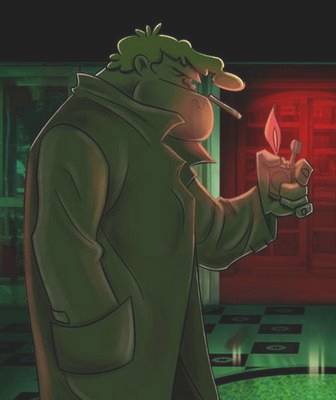 I remember reading it without really understanding its nonsensical violence at first. And, as I said, Fontanarrosa is a very loved cartoonist - In Mexico I think we were much more acquinted with Boogie than with
 By the time this blog entry goes live I'll be running upon my new machine. The migration process was mostly straightfoward and followed my plan:
 Just a kind thank you note to the gThumb authors for completely breaking my workflow by re-inventing the paradigm used to save imported pictures. Until now, all my pictures landed in a predictable location, using a predictable filename pattern that was easily searchable. Not anymore. Now, files land into my home directory, according to some recursive folder pattern that further complicates searching for files and requires a few more clicks to accomplish. Dammit! Couldn't you at least make this configurable, so that those of us who prefer to retain the old paradigm can?!
Note: re-inventing an application's paradigms is always a very bad idea. If you're a software developer who is reading this, please keep it in mind and go scratch your itch to change the world somewhere else. Thank you.
Post Scriptum
Many thanks to Damon Lynch for pointing me to his own professional picture importer called


 This moment has finally arrived! Last Saturday (27-th) on #debconf-team decision was made, DebConf11 is coming to Bosnia and Herzegovina!
 Our team and myself were working on this whole candidature for last ~9 months, and even though we put incredibly amounts on energy, hard work, enthusiasm and everything else that goes along with it, suspense and uncertainty were there until the very last minute! One of our local team members (trip0d s) wife almost gave a birth to their child during the decision process that lasted full 4 hours
 As a remainder we were competing with Ecuador and Germany to win this bid, whole process was excruciating and very emotionally distressful in every possible aspect for every team member; at one point Germany took a slight lead ahead of Bosnian team, while in the end by points Bosnia was in slight lead by 0.25 points, and this is exactly what touched me the most about this whole bid/decision/process.
This is not a great advantage or anything for that matter, but what happened is that in decision process Debian debconf team and its developers picked Bosnia and Herzegovina as a place where they want to have DebConf11! Our main competitors from M nchen, Germany showed a real fair play and at the end even yielded to our side; really to both of you, Michael Banck (azeem) and Andreas Barth (aba) it was a pleasure and honor to compete with you guys!
 See you in NYC for proper handshake and possibly a hug?
 Also I d like to thank Jimmy Kaplowitz (Hydroxide), Moray Allan (moray) who had chairs and who did absolutely incredible job I guess I ll just have to thank the whole debconf orga team for all their amazing work ( can t name names individually because I ll definitely forget someone!)
This bid really reunited whole Bosnia and Herzegovina, this whole process also united all of Balkans and whole of Ex Yugoslavia, which makes me especially happy since today (March 1st) we are celebrating the day we officially separated from Yugoslavia. Now this just one small step forward, since the real work is ahead of us and we re starting it all as soon as tomorrow since there s really a lot that needs to be done.
Again thank you all, we ll give our best for this to be a DebConf you ll remember (as a great one of course!), in the meantime see you in New York City!
Adnan Hodzic aka AbsintheSyringe team leader on behalf of whole debconf11-team.
 After some stability problems and an unresolvable PCI IRQ problem with my
 On Saturday, I joined




