
Taking a good group photo consists of multiple aspects:
- hardware
- scouting
- organization
- preparation
- execution
- processing
- publishing
I can say with confidence that nearly everything here comes from having failed to do these things right
at least once, even on the latest attempts, so this is an ideal to reach towards, not something we expect to
hit every time.
The Goal
The main goal of a big event group photo is capture both the moment itself and each individual person inside
that moment.
We want people, who were
not there to see all the people involved and get an impression of what
it was like being there. It needs to show the breadth and depth of people that make up this group, this project.
And we want people who
were there to be able to look back the next week, the next year
or in ten years and remember - ah, yes, I was there, I was standing right there with this grin on my face next
to this wonderful person and I was feeling great.
Hardware
Based on the goal we want to have high level photographic gear that is able to capture both a broad enough picture
to encompass all the people and some of their surroundings to communicate the context (without undue distortions)
and to deliver enough detail and resolution so that faces and facial expressions and underlying feelings of every
single person in that group could be clearly seen and preserved.
To both capture the context and minimise distortion the final picture should be just a bit wider than normal human
field of view. That is about 50mm for a full-frame camera or 35mm for a typical 1.6 crop camera. You can go a bit
wider if there are no better alternatives (as detailed in the scouting section), but be prepared that corners
of the image will be distorted and not really usable (but we can fix that in processing step). Or you can go
to unusual aspect ratios, like we did in
Debconf 10.
In the absence of a 100MP+ camera, you will need to be stitching together multiple frames to achieve resolution
high enough to have enough pixels-per-face to see emotions clearly. This means that the photos you will actually
be taking will be tighter than the overall field of view mentioned above. Still, a higher resolution camera body
is preferable - nowadays 24MP-32MP cameras APS-C provide a good compromise between resolution and price, but
45-67MP full-frame cameras also exist on the market. Assume that we will be shooting in a bright environment,
so most likely with quite low ISO settings, that means that high-ISO noise characteristics of more expensive
cameras will not really play a role here. You will also not need very fast burst modes, even manual speed of
one frame per second is sufficient.
You will also want to get as much detail as possible out of your lens, and this is the
most important part.
You can do amazing work in all other steps of the process and have a great camera too, but if you pair it with
a lens that is not sharp, then the end result will be disappointing.
You want the lens that is sharpest corner-to-corner when stepped down to about f/8-f/11, that you can get for
your system. You also want that lens to be about 85mm full-size sensor or 50mm for 1.6 crop size. Luckily that kind of
range is also a great range for optical design and sharpest lenses are typically available in exactly these kinds
of sizes. You absolutely want to have a fixed focal length lens, not a zoom lens. Even profession grade zoom lenses
often deliver worse image quality compared to fixed lenses that cost less 1/10th of their price (when shooting in
the same focal length). Newer design lenses are better than older lenses - optical design, coatings and precision
manufacturing have advanced a lot over the decades. Retro look is great for mood, but not as good for actual
resolution and clarity. You don't need to overpay for most expensive lenses because those often only improve
image quality on lower F-stops. To encompass the whole group we will need to shoot at f/8 and in bright light,
so the extra benefits of those f/1.2-capable super expensive lenses will not come into play here.
We will have no use for a flash here. A tripod will be too restrictive when rapidly repositioning the camera between
different parts of the panorama shoot. But a monopod might help with stability - I have not tried that myself,
however.
For my last photos I used a Canon EOS R7 (32.5MP) with Canon RF 50mm f/1.8 STM lens and considering an upgrade
to Sigma 56mm f/1.4 DC DN for the next time.
Scouting
Scouting a good location for the group photo is another big chunk of a successful picture. The critical piece of
the puzzle is lens-to-face distance. In order to keep everyone's face in-focus and have enough resolution on the
farthest faces (without making nearest faces truly massive) we want to do everything possible to reduce the
variance in lens-to-face distance - to reduce the difference in distance between closest and farthest face.
The most effective way to do that is to have the photographer climb higher. To see this in action on the
Debconf photos, compare Debconf6 (very high camera position,
group on level ground - good) to Debconf10 (camera not too high, group on stairs, still good) and to Debconf17
(camera could not get high enough and the group is on flat ground - not great). Even the Debconf25 photo was
suboptimal from this perspective. The Debconf23 photo was a very good example from the recent years - good height
and also the group was positioned in a semi-circle so there were no people directly in front and very near to
the camera.
So you are looking for the highest point you could get to (even if that requires a special permission of key or a
ladder) with a field large enough to fit the whole group comfortably. How to check that? Normally I simply take a
photo from the top of the whole area and note down from there where the extreme corners of the group could be
and still be fully seen in the shot - not blocked by trees, buildings and shadows. Then I go down and measure
that space. Rule of thumb being - people in one horizontal line can stand 1 normal length step from each other and
two horizontal lines can be half a step from each other vertically. So I can just measure a rough rectangle in
steps, multiply the sides, multiply that by two and I have the rough number of people that can fit there for the
photo.
Once you have a candidate location or two, it is important to check them at the same time-of-day as you plan to
do the photo (see organization section for that). You want to make sure that the whole area of the group is in the
same illumination - if half of the group is in the sun and half in a shadow, then you will be having a very bad
time later. The absolute ideal positioning for the group photo is to have everyone be in shadow, but still have
enough bright skies and bright buildings in front of the people to give good illumination of the faces. Worst
you can do is have the sun be behind the people (so all the faces are really dark) and second worst is have the sun
be directly in front of the group, so that the faces are very well illuminated, but everyone's eyes are closed
because they are being blinded by the sun. And sometimes all you can do is pray for some light clouds to provide
for even and dispersed light. Debconf23 was very lucky that way.
Another consideration is to how people are going to get to that place. You need to consider accessibility needs
of people (it is ok, if it takes more effort or time, but it needs to be organized and communicated well in
advance). And you need to consider how the big masses of people will be getting there - how to tell people where
exactly it is and how to get there from various locations where people might be hanging out during the event?
Having an alternate location indoors might be necessary if the weather report for the next days is not sufficiently
predictable. We had to use that contingency in Debconf9, for example.
Organization
It's hard to take a good group photo if half of the group does not show up or is too late, so this needs some
organization to happen smoothly.
First of all you need to choose date and time for the photo. The photo does not take too much time from the
schedule of the event and can be squeezed in after all the other events are already scheduled. In fact I prefer
that as it allows you the flexibility of choosing the date based on weather conditions and time based on light
and shadow conditions in potential photo spots. You don't want to choose the daytrip day as most people will be
away and return times are not really predictable. You do not want to choose the morning after Cheese and Wine
party for obvious reasons. First day and last two days are also sub-optimal as some people arrive late and some
leave early for various personal reasons. Also
you don't want it to happen just before Cheese and Wine either
because then you'd have very little time and clarity to do the processing of the image on the same day.
For timing, the best way, in my experience, is to schedule the photo directly after the end of talk sessions before
a meal break - lunch or dinner. Typically in the Debconf schedule there are 2-3 daily breaks planned, say for
Debconf25 there was lunch, afternoon break and dinner. Talks are planned to end ~10 minutes before those breaks
(and meals) begin, so for example, afternoon break starts at 16:00 and all talks in the previous block end at
15:50. In such a case just schedule the "Group photo" event from 15:50 to 16:05. This gives people the info to go
there
directly from the end of all talks and that they will have sufficient time for break/meal afterwards.
Do not forget to specify the location (as exactly as possible) in that event entry and make sure to post it at
least two days in advance. People often want to wear something specific for the photo and thus need to know about it
in advance. This also makes sure that people do not make alternate food plans for that specific break and don't
leave the venue.
Announce the date, time and the exact location as wide as possible, don't be shy. Announce and discuss mailing
lists, IRC, Signal, Telegram, make sure the front desk knows in case anyone asks in-person, ... Check that it
is again included in the announcements email on the day preceding the photo date.
When the date has arrived, it is a good idea to check in early with people with special mobility needs to make
sure they know where to go, how to get there and how much time they will need to be able to get there on time.
As the final round of talks before the group photo is starting up, it is time to recruit "runners". I've had great
success with this technique. The idea is pretty simple - for each room where people congregate (talk rooms,
hacklabs, cafeteria, outside hackspace, front-desk, ...) go there and choose one person. You want to choose a person
that you will recognise and remember among everyone else in the group, either because of who they are or what they
are wearing, whatever works best for you. If they agree to help, instruct them to: "at end of talk, announce that
the group photo happening now and the location, herd people towards the photo location, be the last person out,
make sure there are no stragglers from this area behind you, when you arrive to the photo place I will assume
that everyone else from this room is also now there, when you are there catch my attention and show this sign so
I know for sure that it is all good and make sure that I did see it from you". With that sorted out all you will
need to remember is how many runners you recruited and how many have reported in to figure out if everyone has now
arrived or if we still have to wait for someone or some group.
Then you will only have one last point of organization left - shaping the crowd into a group. People will not
know what your vision for the group photo is, so you will have to give clear and LOUD instructions on where
people should
not be standing. Use clear, large gestures to support your words. You want to compact the group,
have the people that just joined in the last moment and are standing to the side come deeper in and join the
crowd. Have any holes in the middle of the crowd filled in. Forming a semi-circle instead of a blob helps with
averaging face-to-lens distances. Make sure people are not in unexpected shadows. Make sure carried objects, like
umbrellas of flags do not cover the faces of other people. Take the time to look at everyone face to make sure there
are no people hiding behind someone's shoulder - typically they are not aware that their face is in fact not really
visible. If there are such people, call them out and point directly at them and encourage them to step forward, if
they wish to do so. You are the
only one seeing the final picture now and only you can correct it before
capturing the moment. So a few extra seconds here are worth taking, even if 300+ people are standing in scorching
heat and waiting on you.
When you are happy with what you are seeing, make sure to tell people clearly that you are now about to take
the pictures and
again remind them not to move and
explicitly not to turn their heads to the side until you
are done (this is the source of most of the extra work in processing). Be very loud and clear and make sure
you have everyone's undivided attention
before you start saying the important stuff.
When done - say so. There will be other groups that will want to also have a photo taken after the main group
is a bit more dispersed, so don't run away. Typically at least the T-shirt group will want a picture and also
all the organizers.
Final bit of organization during the group photo shooting itself is the sneaky self-insert. You may choose not
to bother with it, or do it in the simplest way, like I did in Debconf6, but if you really want to blend in with
the crowd, you need to have someone else take a photo of you in the exact same location at the same date and time
from the same location. So you should already during shaping the crowd decide where you would fit in, it is easiest
to blend in at the back of the crowd and to one or other side, so that it appears like you are just standing behind
the shoulders of a couple peoples. Remember that spot - it is easiest if you stand in the exact same ground spot
when your photo is taken. Just go down, recruit a volunteer to take your photo, make sure the settings are fixed
to the same ones as for the group photo shots and have them take a handful of shots of you - one of you centered in
the camera frame and a couple more with you more towards the corners of the frame. This distortion from being
off-center in the frame may be important later.
Preparation
In addition to preparing the crowd for the photo, you also need to prepare yourself and the equipment. Make sure
you have dusted your camera sensor and cleaned both inside and outside glass of your lens. It is usually a good
idea to remove any filters from the lens. Install the hood, if that could help with blocking the sun flares.
Make sure you have the right lens and that you have installed the right lens.
For fixed settings I typically shoot in JPEG with RAW being there more like an emergency backup. The extra dynamic
range of RAW could be used, but it is really complex to do that in combination with image blending and it is
hard to get right, so I prefer an all-JPEG workflow and fix the dynamic range in the scene itself, before shooting.
For Canon I am using the Standard profile that boosts the color saturation and sharpness a bit as I just enjoy
that look and find it hard to get anything significantly better from RAW data even with a lot of effort.
In any case make sure you have enough space on the cards to take at least 100 images and that you have a full
battery. Do not use high speed burst setting because it is then too easy to take too many pictures at the start
of the sequence and be stuck with your camera still in "Busy" state writing big RAW files to slowish SD cards
and not allowing you to finish the full picture rapidly.
You want to have the shutter speed at at least 1/100th of a second to prevent blur from both your hand movements
and also from people in the shot moving around a bit (image stabilisation will not help you there). And you want
to have the aperture to be around f/8 - lower apertures risk people in front or behind falling out of focus, make
the lenses look less sharp. Higher apertures also start to become less sharp due to diffraction effects above f/8.
ISO should stay as low as possible, ideally at ISO 100, but if there is not enough light then upping the ISO to 400
would be the first step that I would try to do and second would be decreasing the aperture to f/5.6. If there is
too much light, then increasing the shutter speed should be the safe thing to do.
As people start to arrive into the shooting location - check the exposure and nail down the settings, ideally in
manual mode. Consider that left side could be a bit lighter or darker than right side. Err on the side of making
the picture a bit too dark as there is more depth to darkness before cut-off compared to clipping on the high
end. However, do not trust the exposure detection, instead take a picture and look specifically at skin tones in
faces of people that already are standing in the photo area. Faces are the key bit and the exposure needs to be
adjusted just to the faces and ignore darker of lighter clothing. Do some test shots and find settings where faces
look not too bright, but also not very dark and fix those settings in manual mode.
Now you are ready for the action. Shape the crowd, check the faces and the action can start!
Execution
During taking of the group photo you want to finish it fast, but at the same time you have to take the time to
make it right. If you hurry too much under pressure, you risk being left with unusably blurry images and the
whole effort wasted. Having already prepared and verified the manual settings makes it easier.
When you are taking pictures, you have to remain as still as possible - even at very high
shutter speeds even slow hand movements are still bad for image quality. So think of the movement as of
biathlon athlete shooting the very middle of five, very separate targets - take a burst, reframe, then steady
up for a second and only then take the next burst. 3 frames per burst are sufficient. 90% of the time the very
first photo of a burst will be best. As you move from frame to frame, aim for just a bit more than half-frame
overlap. This will give the opportunity to skip frames if all is good, but also have backup coverage of every
face in case of problems. Proceed systematically, I typically start off on the top left of the crowd, then
go right until the end of the line, then shift down half a frame and go left until the end and repeat until
I am done with the crowd.
After that it is
very helpful to also immediately take photos of a "frame" around
the whole crowd. Stitching process often distorts the frames in weird ways that leave holes in the resulting image
that you can fill if you have a wide frame around the crowd. It is possible to compensate with creative
cutouts in the final image (like Debconf9), but the more framing room you make, the more flexible you will be
able to be with cropping of the final photo. The frame also gives you the opportunity to capture more of the
context of the place and space.
As an example, Debconf25 group photo in the end consisted from 9 images + 1 for sick people + 1 for me. I ended
up missing the framing shots for bottom left, top left and top right corners. To get there I took 68 images. And
in some years it was more than a hundred.
Processing
This part might be less stressful than taking the pictures from intensity perspective, but it lasts longer. Depending
on you luck, skill and perfectionism it can take anywhere from 3 to 9 hours of work to complete.
Before you start, however, you should first request things that you will need for other people. This
can even be
done before taking the actual group photo, but usually I forget. To finish the photo you will need three things:
- good quality vector graphics of the current Debconf logo
- good quality vector graphics of the next years Debconf logo (even if preliminary)
- motto of the conference
The first two you should be able to get from the respective organizers. The motto is harder. I typically try to
ask the current DPL to come up with something describing the current mood of the project or of the event, but
it is rare that it is that easy. Most of the time I came up with something as I was editing the photo and
reflecting on what was the mood, the feeling, the mojo of this conference and of this year was like. Bend that
around a recognisable phrase or expression, make it a bit more insider-relevant and you are on the right path.
Some years this was the hardest part.
For the panorama stitching I will describe the workflow that has served me good for years, but maybe there are
better ways possible nowadays. Feel free to let me know!
First I would save all photos taken and select one sharpest photo from every burst. Next I would select the minimal
number of photos that appear to be covering the entire crowd. The fewer images you use, the better in the end
because the most quality problems crop up in the areas where photos are getting stitched together. Fewer seams
leads to fewer issues.
Open
Hugin (you will also need enblend and enfuse installed)
and import your minimal set of images into it. Click the "Align" button and wait a while - the processor will be
trying to figure out keypoints in each image and then try to match these points between the images to try to
fit them all together into a single projection. To do that it will distort the images. This is the trial and error
process part. You may need to add, remove or replace images to get the stitching to work or to work better. You
may want to add more of the frame images to fill the ragged holes around the image.
After initial alignment, go to "Move/Drag" tab and move the image a bit up in the projected field of view and
make it a bit more central visually. That will help a bit with the distortions in the near-by people and people
in the corners of the image. In the "Crop" tab set the initial crop - leave it generous, you can always crop more
in later steps. Do not be afraid of leaving in sizable chunks of black homes, empty skies or grass. All of that
can be filled in later as well.
Go back to the "Assistant" tab and click "Create panorama". It is good enough to have JPEG output at 100% quality
using exposure corrected low dynamic range output option. Make sure to check the "Keep intermediate images" option.
This will not only generate the final, merged panorama, but also keep around the individual images
after
perspective correction and exposure blending steps. These are critical for fixing blending error in the next step.
You might need to go back a forth a few times with a different sets of source images, maybe adding some image
between other two, maybe removing another to reach a better starting point. The key part to pay attention - how
many ugly stitches are there in the image. Check every face, the blending algorithms do not recognise faces and
sometimes try to stitch one face from two or more images creating very weird effects. They
can be fixed in the
next step, but it is rather hard manual work, so the fewer such faces are in the blended image, the less work
you will have. In some years I've managed to find a combination where all faces were good and in other years
I had to manually fix 13-15 faces.
Do not try to blend the extra pictures (like with you or with sick people) into the main panorama with Hugin - it
will get very confused with the parts of the grass that it is able to see where other people were standing.
The next is the final processing in
GIMP. Think of it like
a large and complex project - do as much as possible in separate layers, save often.
Fixing wrongly stitched faces and also putting yourself into the photo are very similar activities in the end.
Just the scale and the source differ. For yourself you just cut out yourself (upper torso is enough) from the
separate photo. For corrupted face, choose one of two intermediate images that the Hugin created where the
face is transformed, but not yet merged (with a different version of itself). In either case crop the photo to
roughly the interesting size and put roughly in the right spot as a separate layer on top of the group photo
background. Reduce the opacity of the small layer to 30-40% and zoom in to 400%. With that it is much simpler to
position the layer with pixel precision. Then all you need to do is add a layer mask to this layer and paint it
just right. Basically in layer mask black means transparent and white means non-transparent. So you need to
just
make everything that is you have white mask and everything that is not you have black mask. And smudge the border
a bit with finger tool or blur to make the transition smoother. Easy to say. Hard to do. This is what takes most
of the actual work hours in post-processing.
You
might miss someone. I am sure Phill is just thrilled to see me in the very middle of the Debconf25 final
picture .... But do try to fix them all.
Use large, sweeping geometric figures to cover up black holes, empty grass fields and other sub-optimal corner
features. And then use that newly created free space to put in a large version of the logo of this years
conference, decently sized motto and slightly smaller invitation to the next years conference.
Do not forget to add a copyright and license statement somewhere in the corner in smaller, but still well
readable font. I am using a text like: "Photo by: Full Name, Email: fullemail@debian.org, License: GPLv2+ or
CCv3-BY" This ensures that this image may be used in any press coverage (with basic attribution) and also
can be included in any GPL-licensed software, if that ever comes up. The same statement is also in the
metadata of the image file (see Image-Metadata-Edit metadata in GIMP) along with information that states
that this is "Debian Developer Conference Group photo, City, Country, Year".
Image->Image properties->Comment is another place where GIMP hides this EXIF information.
For ease of use, in addition to a full-resolution image it is also useful to make a lower resolution version
that would still fit on a 4K screen at full resolution, so about 3840px wide. Some photo hosting services set
other limits for image size as well, so it might be needed to scale the image down below 100Mpix to upload it
to Google Photos, for example.
Publishing
So, it is finally 1AM and the group photo is ready! How do you push it out to people? Well, in all possible ways
and places. Again - don't be shy, people do really want to see it.
Push it to whatever you use for your shared photos. Push it to
Debconf shared git (note that this is GIT-LFS repo, make sure
you know how to add content to the LFS specifically). All permanent links to that in
GroupPhotosAll wiki. And then send those links to IRC, Signal,
Telegram groups, debconf-announce mailing list. Publish it in your blog and push that to
Debian Planet. Push it in Threads, Bluesky and Mastodon.
Send an email separately to Debconf orga team. And one to
Debian Publicity Team so they can put it into the
Debian Home Page and push via Debian micronews accounts.
And that is about it. Now you can go back to enjoying the rest of the conference. Or running around doing other
things that you think need to be done. It's up to you. You did it. This moment will remain with people for a
very long time. And you helped.
Questions? Feedback? Just ask
here or
here.
 Following up on my previous
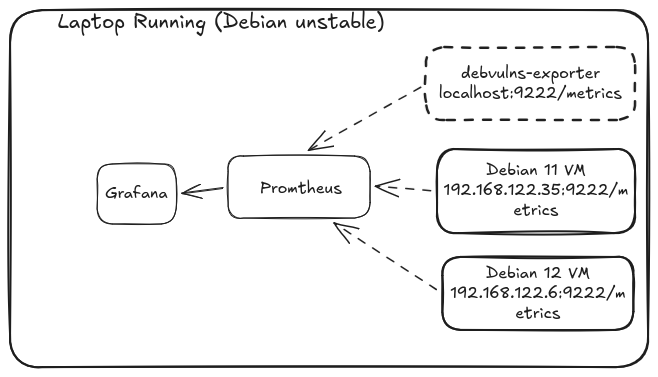 Rather than constructing the Grafana dashboard from scratch, I used Claude 4.6
Sonnet via Antigravity to generate the layout configuration. The generated
dashboard for the local testbed functions effectively:
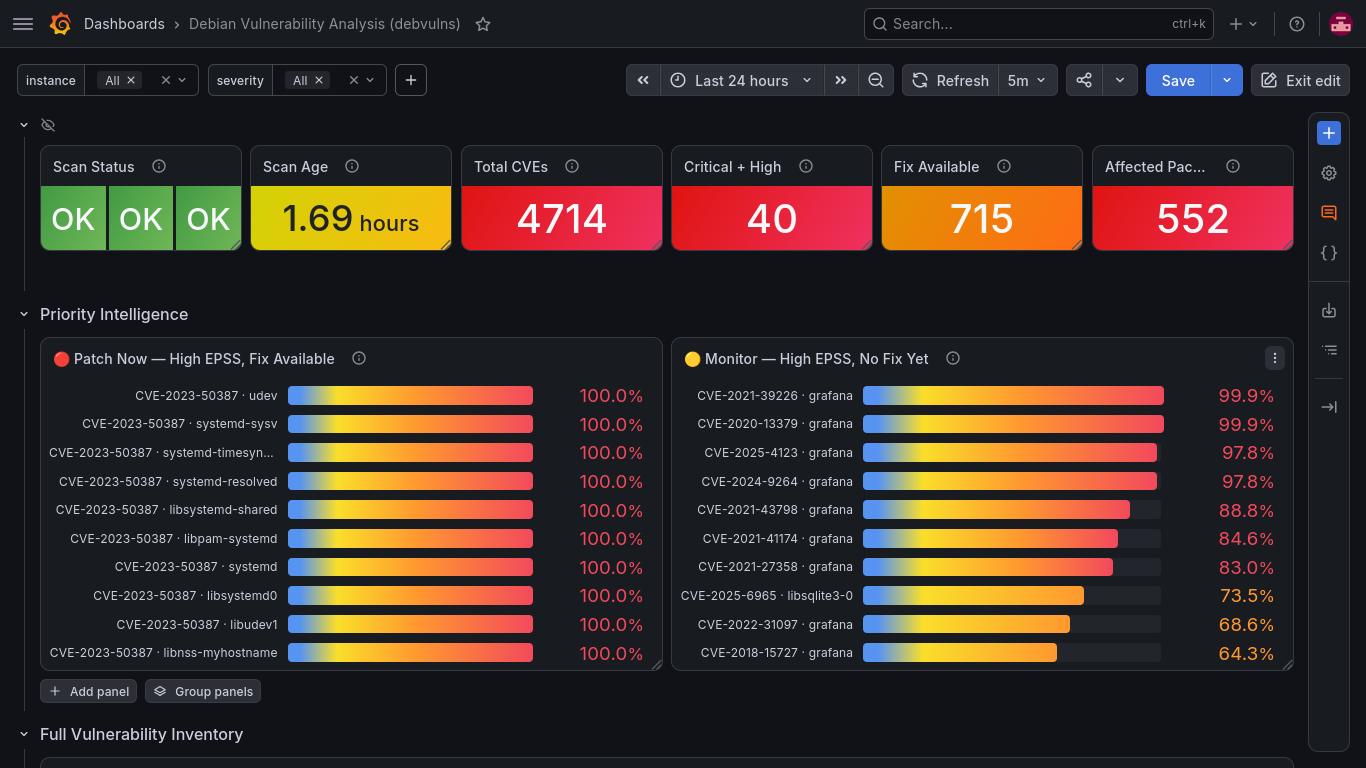 The complete, ready-to-import Grafana dashboard configuration is included
directly in the debvulns
 (no, this isn't a blog post about Joy Division songs)







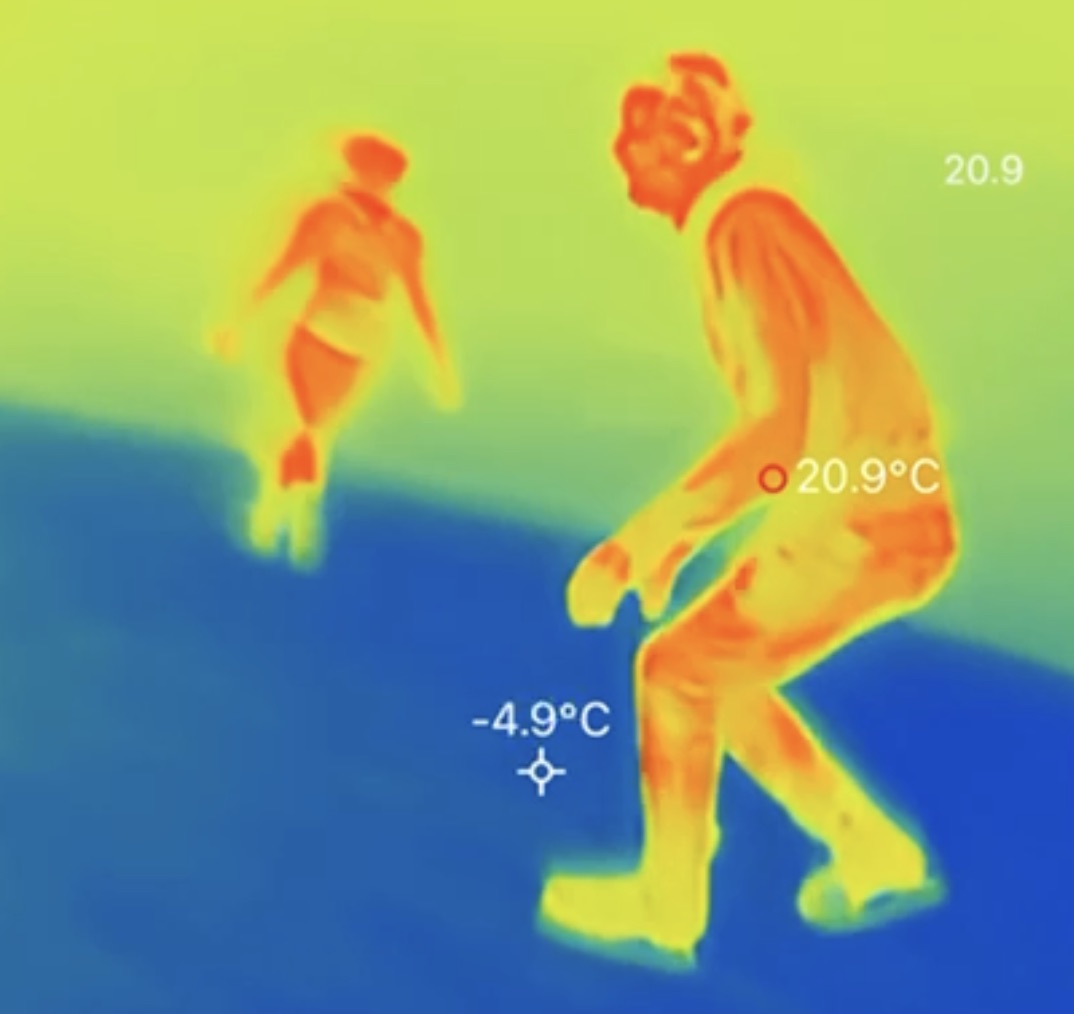
 (These numbers will not sum to 100% for reasons which are obvious if
you look at the crossbars. Also they re approximations.)
Less than half of the page (44% if you exclude the inline related
links) is actual news text/images; the rest are links trying to help
you find the next thing to read/watch. I do not want this.
I m sure this A/B tests well in terms of reader figures, but it
sometimes leaves me exhausted it must take subconscious mental
energy to ignore, or I spend too much time trying to keep on top of
things.
And remember, this is a publicly-funded site that does not rely on
advertising!
 Earlier this year, I made myself a new hat (it will be blogged), and I
wanted to put a nice cockade on it.
So, I looked for suitable ribbons, and couldn t find any.
I found some ribbon that looked passable, but the colours I wanted
weren t available, so I set up the website to notify me, and kept
working on the hat.
Eventually the hat was done, the ribbon was still not available, so I
decorated the hat with fake flowers from my stash, and started wearing
it.
And that s when I got notified that the ribbon was back in stock.
By the time the ribbon arrived, I had decided that the hat looked better
with the flowers, and project cockade was put on hold, possibly for a
future hat.
And then June came, and what could be a better time than that for a
project based on flag colours?
As I feared, the ribbon I got wasn t the best: it was a bit too stiff
and plasticy, and not really usable for many other things. It did
however work well enough for a cockade, and I decided it was a good
chance to try different methods and designs, and then make another one
to take pictures and publish step-by-step instructions.
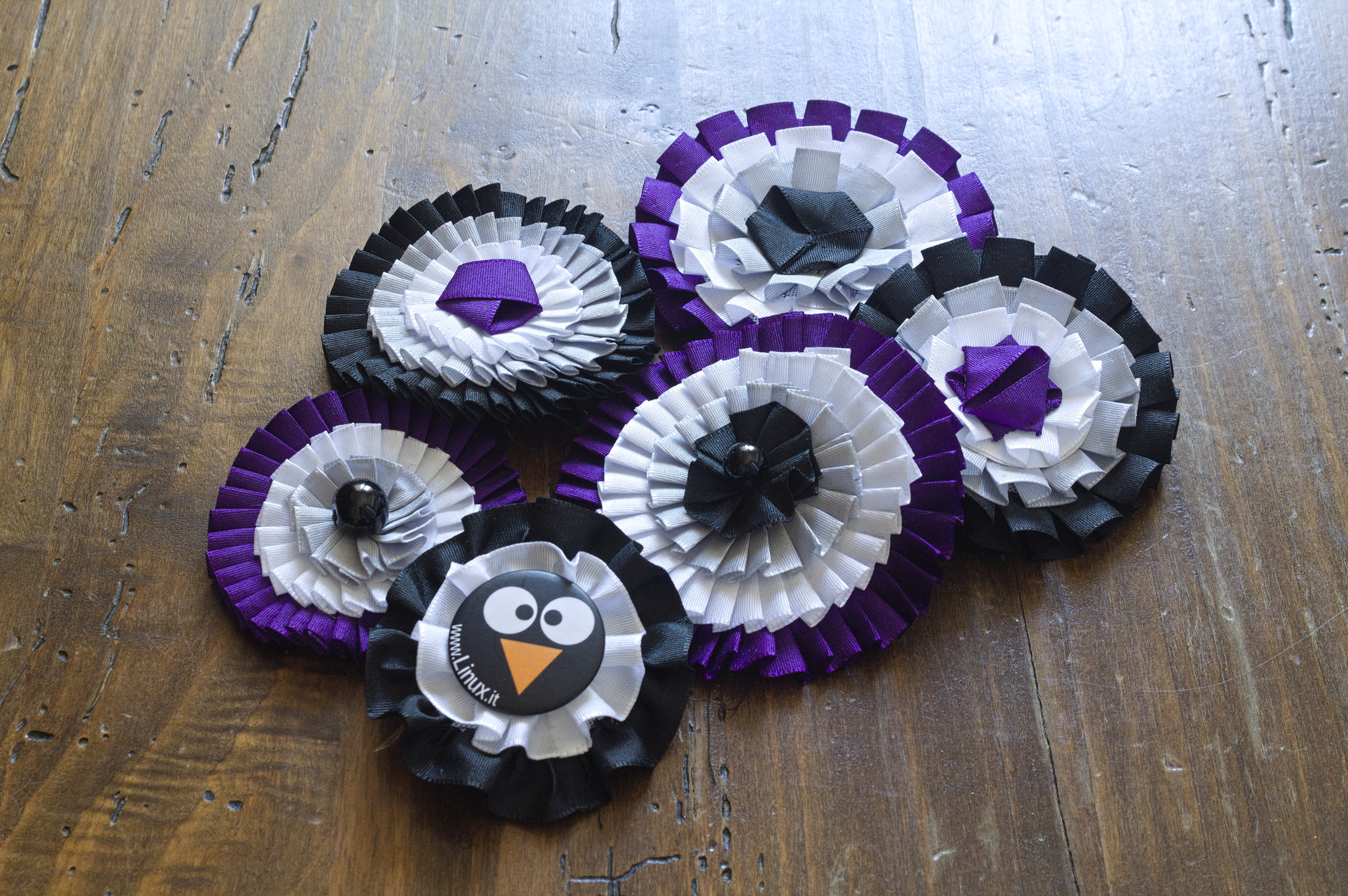
And that s the perfect recipe to find oneself surrounded by a somewhat
unreasonable number of very similar cockades, I guess.
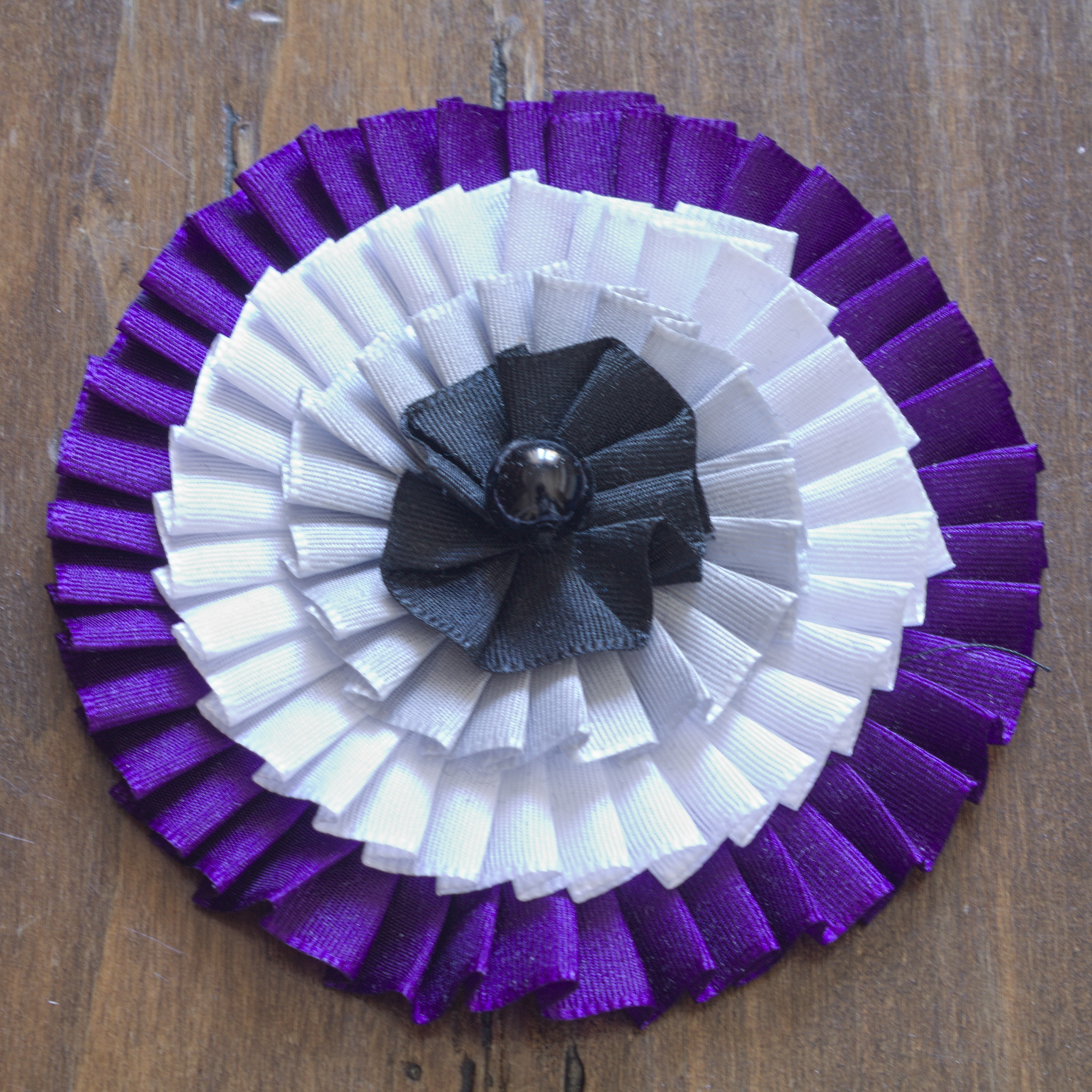 I looked around for instructions, and the ones that gave a result that
was closer to my mental idea of a cockade were the ones by
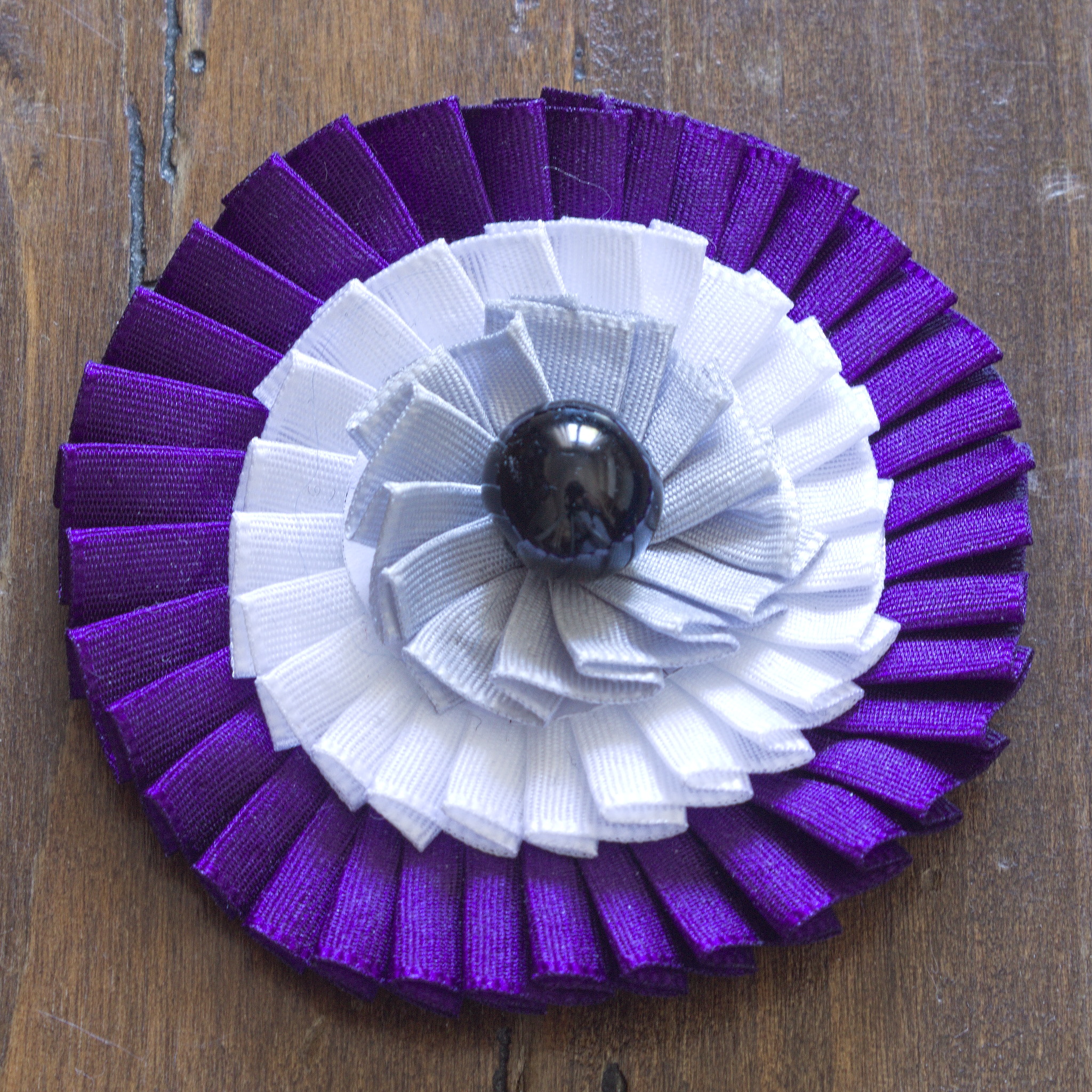 The second cockade I made was indeed more satisfactory, and I also
started to experiment with making a center piece with ribbons, to cut
down on the types of materials needed.
On this one I also tried to add a pin backing, so that I could write
instructions on how to do it in what I believe is a more stable way than
simply adding it to the felt backing at the end.
I m not sure whether the other ones will be tacked to a hat, and thus
won t require pins at all, or if I ll just put them on some dress with
pins hidden under the ribbon layers.
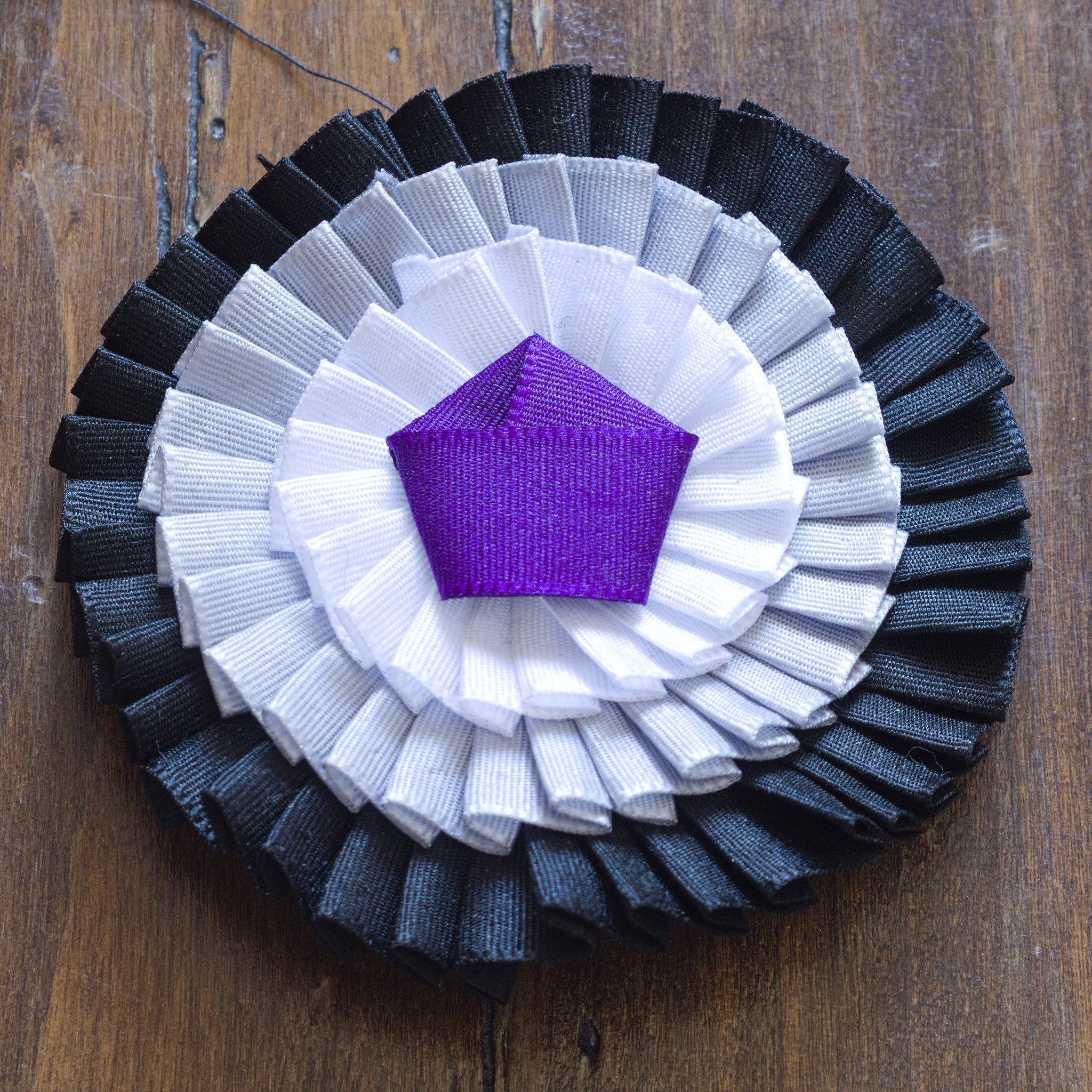 And then I was ready to make a third cockade, taking step by step
pictures for my website, and I planned to start on it the next morning.
Trenord had different ideas.
Thanks to the combination of independent but complete disruptions on
two nearby train lines, I spent the morning driving a couple of people
to the nearest station that was still being served by trains, and then
back home less than 10 minutes before I had to start working, which if
you ask
 After I ve finished that one, at the very end of June I quickly made the
last two centrepieces, taking pictures for the instructions, and in the
next few days I also finished the cockades.
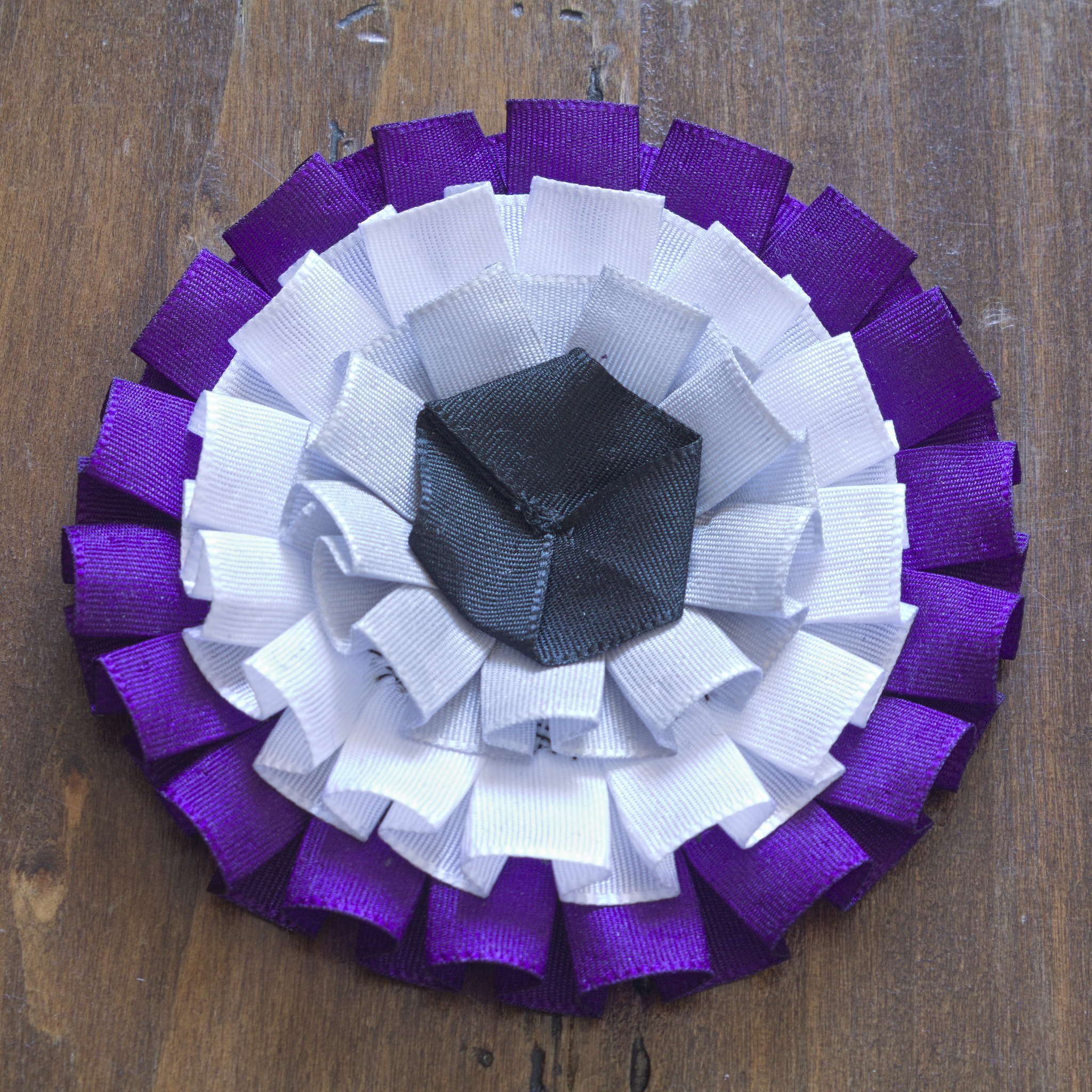 This time, instead of plain pleats I tried to use box pleats, and I
quite like the look they give, so if in the future I ll have a need for
more cockades I may use again this pleating pattern.
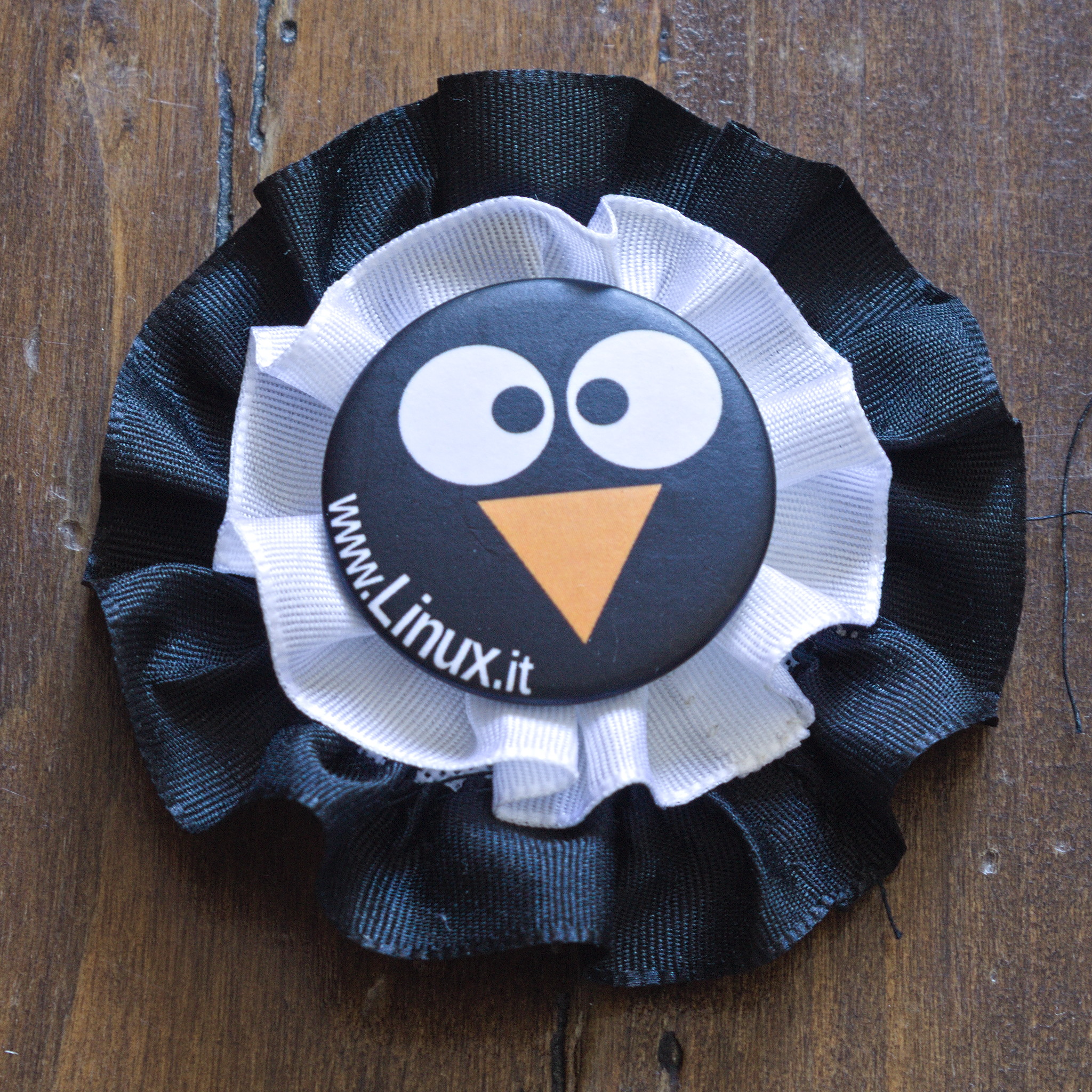 For the last cockade I wanted to try two things: putting a pin in the
middle as a centrepiece, and gathering the ribbons.
For the pin, I found that the only one I had that had a colour scheme
compatible with the ribbons I had was one with the penguin from
linux.it, which had a black background, so I put black ribbon on the
outside and white next to it for contrast.
And gathering was done with a whipped gather with ribbons that were one
and a half times the outer circumference of their slot, and looks decent
enough, but I think I prefer the look of pleated cockades a lot. Maybe
it would look better with a softer ribbon.
Anyway, I think this is plenty of cockades for the time being, unless I
get tempted by buying more colours of ribbon to make different ones. But
I m not making an online purchase just for those. I am not.

 Team Rcpp is excited to share that an brandnew new version 1.1.2 of
Rcpp is now on
 As is the case for many people working in the security industry, the last
few months of my life have been focused on dealing with people wanting to
use LLMs everywhere. From an enterprise security perspective that s not an
inherent problem - what s more of a problem is that people want those agents
to have access to resources like their calendar and email and so on, and now
we have somewhat non-deterministic agents that seem very enthusiastic to
achieve what you asked whether that s a good idea or not, and we re
combining this with credentials that give them access to sensitive data, and
leaving those credentials on disk where they can be committed into git repos
or exfiltrated to some other service to make use of them on the agent s
behalf or well just any other number of things, at which point your CEO s
email is suddenly readable by everyone and you re having a bad day.
As I mentioned in my