Search Results: "lamby"

21 July 2014

Chris Lamb: Disabling internet for specific processes with libfiu

My primary usecase is to prevent testsuites and build systems from contacting internet-based services. This, at the very least, introduces an element of non-determinism and malicious code at worst. I use Alberto Bertogli's libfiu for this, specifically the fiu-run utility which part of the fiu-utils package on Debian and Ubuntu. Here's a contrived example, where I prevent Curl from talking to the internet:
$ fiu-run -x -c 'enable name=posix/io/net/connect' curl google.com
curl: (6) Couldn't resolve host 'google.com'
... and here's an example of it detecting two possibly internet-connecting tests:
$ fiu-run -x -c 'enable name=posix/io/net/connect' ./manage.py text
[..]
----------------------------------------------------------------------
Ran 892 tests in 2.495s
FAILED (errors=2)
Destroying test database for alias 'default'...

Note that libfiu inherits all the drawbacks of LD_PRELOAD; in particular, we cannot limit the child process that calls setuid binaries such as /bin/ping:
$ fiu-run -x -c 'enable name=posix/io/net/connect' ping google.com
PING google.com (173.194.41.65) 56(84) bytes of data.
64 bytes from lhr08s01.1e100.net (17.194.41.65): icmp_req=1 ttl=57 time=21.7 ms
64 bytes from lhr08s01.1e100.net (17.194.41.65): icmp_req=2 ttl=57 time=18.9 ms
[..]
Whilst it would certainly be more robust and flexible to use iptables such as allowing localhost and other local socket connections but disabling all others I gravitate towards this entirely userspace solution as it requires no setup and I can quickly modify it to block other calls on an ad-hoc basis. The list of other "modules" libfiu supports is viewable here.

30 April 2014

Chris Lamb: Marlon Brando in the Lake District

Alan How:
There's an Italian restaurant somewhere in the Lake District in the north of England. And if you can imagine, there are hills, lots of rain, lakes, and so on and so forth. And inside this Italian restaurant is a huge picture a wall-sized mural of Marlon Brando. Now, I asked my students once: Why Marlon Brando? Well he's The Godfather! I don't think he was a Godfather, you know... But he was in that film, wasn't he? It was called The Godfather. Ah, that film from 40 years ago, virtually.. 1970-something? Yes, yes, but he was The Godfather then, wasn't he? You mean if was a mafiosi? He was a leading figure in gangsterland in New York? Well, yes, he was The Godfather, they keep saying, ... and he was Italian. Well, no, actually he was American... So you get this regular kind of placing and misplacing of the real, ie. a very large American actor who played in a film called The Godfather about American gangsters, or Italian-American gangsters, nothing to do with godfathers in Christianity, in the north of England, stuck on a huge wall in a restaurant. All of which tells us that it's an Italian restaurant. And we don't demure, we don't say "no, that's all untrue", we just take it for granted: "Yeah, that's what it means - it's an Italian restaurant". And it's that kind of slippage between the real and the imagined or the true and the fictional which Baudrillard thinks is becoming inceasingly characteristic of how our society goes on.

14 April 2014

Chris Lamb: Race report: Cambridge Duathlon 2014

(This is my first race of the 2014 season.)


I had entered this race in 2013 and found it was effective for focusing winter training. As triathlons do not typically start until May in the UK, scheduling earlier races can be motivating in the colder winter months. I didn't have any clear goals for the race except to blow out the cobwebs and improve on my 2013 time. I couldn't set reasonable or reliable target times after considerable "long & slow" training in the off-season but I did want to test some new equipment and stategies, especially race pacing with a power meter, but also a new wheelset, crankset and helmet. Preparation was both accidentally and deliberately compromised: I did very little race-specific training as my season is based around an entirely different intensity of race, but compounding this I was confined to bed the weekend before. Sleep was acceptable in the preceding days and I felt moderately fresh on race morning. Nutrition-wise, I had porridge and bread with jam for breakfast, a PowerGel before the race, 750ml of PowerBar Perform on the bike along with a "Hydro" PowerGel with caffeine at approximately 30km.
Run 1 (7.5km) A few minutes before the start my race number belt the only truly untested equipment that day refused to tighten. However, I decided that once the race began I would either ignore it or even discard it, risking disqualification. Despite letting everyone go up the road, my first km was still too fast so I dialed down the effort, settling into a "10k" pace and began overtaking other runners. The Fen winds and drag-strip uphill from 3km provided a bit of pacing challenge for someone used to shelter and shorter hills but I kept a metered effort through into transition.
Time
33:01 (4:24/km, T1: 00:47) Last year: 37:47 (5:02/km)
Bike (40km) Although my 2014 bike setup features a power meter, I had not yet had the chance to perform an FTP test outdoors. I was thus was not able to calculate a definitive target power for the bike leg. However, data from my road bike suggested I set a power ceiling of 250W on the longer hills. This was extremely effective in avoiding going "into the red" and compromising the second run. This lends yet more weight to the idea that a power meter in multisport events is "almost like cheating". I was not entirely comfortable with my bike position: not only were my thin sunglasses making me raise my head more than I needed to, I found myself creeping forward onto the nose of my saddle. This is sub-optimal, even if only considering that I am not training in that position. Overall, the bike was uneventful with the only memorable moment provided by a wasp that got stuck between my head and a helmet vent. Coming into transition I didn't feel like I had really pushed myself that hard probably a good sign but the time difference from last year's bike leg (1:16:11) was a little underwhelming.
Time
1:10:45 (T2: 00:58)
Run 2 (7.5km) After leaving transition, my legs were extremely uncooperative and I had great difficulty in pacing myself in the first kilometer. Concentrating hard on reducing my cadence as well as using my rehearsed mental cue, I managed to settle down. The following 4 kilometers were a mental struggle rather than a physical one, modulo having to force a few burps to ease some discomfort, possibly from drinking too much or too fast on the bike. I had planned to "unload" as soon as I reached 6km but I didn't really have it in me. Whilst I am physiologically faster compared to last year, I suspect the lack of threshold-level running over the winter meant the mental component required for digging deep will require some coaxing to return. However, it is said that you have successfully paced a duathlon if the second run faster than the first. On this criterion, this was a success, but it would have been a bonus to have really felt completely completely drained at the end of the day, if only from a neo-Calvinist perspective.
Time
32:46 (4:22/km) / Last year: 38:10 (5:05/km)

Overall
Total time
2:18:19
A race that goes almost entirely to plan is a bit of a paradox there's certainly satisfaction in setting goals and hitting them without issue, but this is a gratification of slow-burning fire rather than the jubilation of a fireworks display. However, it was nice to learn that I managed to finish 5th in my age group despite this race attracting an extremely strong field: as an indicator, the age-group athlete finishing immediately before me was seven minutes faster and the overall winner finished in 1:54:53 (!). The race identified the following areas to work on:
  • Perform an outdoors FTP on my time-trial bike outdoors to develop an optimum power plan.
  • Do a few more brick runs, at least to re-acclimatise the feeling.
  • Schedule another bike fit.
Although not strictly race-related, I also need to find techniques to ensure transporting a bike on public transport is less stressful. (Full results & full 2014 race schedule)

11 April 2014

Chris Lamb: 2014 race schedule

Swim 2.4 miles! Bike 112 miles! Run 26.2 miles! Brag for the rest of your life...


In 2013, my training efforts were based around a "70.3"-distance race. In my second year in triathlon I will be targetting my first Ironman-distance event. After some deliberation I decided on the Ironman event in Klagenfurt, Austria (pictured) not only because the location lends a certain tone to the occasion but because the course is suited to my relative strengths within the three disciplines. I've made the following conscious changes to my race scheduling and selection this year: Readers may observe that despite my primary race finishing with a marathon-distance run, I am not racing a standalone marathon in preparation. This is common practice, justified by the run-specific training leading up to a marathon and the recovery period afterwards compromising training overall. For similar reasons, I have also chosen not to race a "70.3" distance event in 2014. Whether to do so is a more contentious issue than whether to run a marathon, but it resolved itself once I could not find an event that was suitably scheduled and I could convince myself that most of the benefits could be achieved through other means.
April 13th

Cambridge Duathlon (link)

Run: 7.5km, bike: 40km, run: 7.5km

May 11th

St Neots Olympic Tri (link)

Swim: 1,500m, bike: 40km, run: 10km

May 17th

ECCA 50-mile cycling time trial (link)

50 miles. Course: E2/50C

June 1st

Icknield RC 100-mile cycling time trial (link)

100 miles. Course: F1/100

June 15th

Cambridge Triathlon (link)

Swim: 1,500m, bike: 40km, run: 10km

June 29th

Ironman Austria (link)

Swim 2.4km, bike: 190km, run: 42.2km

Chris Lamb: My 2014 race schedule

Swim 2.4 miles! Bike 112 miles! Run 26.2 miles! Brag for the rest of your life...


Whilst 2013 was based around a "70.3"-distance race, in my second year in triathlon I will be targetting training solely around my first Ironman-distance event. I chose the Ironman event in Klagenfurt, Austria not only because the location lends a certain tone to the occasion but because the course is suited to my relative strengths within the three disciplines. Compared to 2013 I've made the following conscious changes to my race scheduling and selection: Readers unfamiliar with triathlon training may observe that despite my primary race finishing with a marathon-distance run, I am not racing a standalone marathon in preparation. This is a common practice, justified by the run-specific training leading up to the event as well as the long recovery period afterwards compromising your training overall. For similar reasons, I have also chosen not to race the "70.3" distance event in 2014. Whether to do so is a more contentious issue than whether to run a marathon, but it resolved itself once I could not find an event that was scheduled suitably and I could convince myself that most of the benefits could be achieved through other means.
April 13th

Cambridge Duathlon (link)

Run: 7.5km, bike: 40km, run: 7.5km

May 11th

St Neots Olympic Tri (link)

Swim: 1,500m, bike: 40km, run: 10km

May 17th

ECCA 50-mile cycling time trial (link)

Course: E2/50C

June 1st

Icknield RC 100-mile cycling time trial (link)

Course: F1/100

June 15th

Cambridge Triathlon (link)

Swim: 1,500m, bike: 40km, run: 10km

June 29th

Ironman Austria (link)

Swim 2.4km, bike: 190km, run: 42.2km

23 March 2014

Chris Lamb: Fingerspitzengef hl

Loanwords can often appear more insightful than they really are. How prescient of another culture to codify such a concept into a single word! They surely must have lofty and perceptive discussions if it was necessary to coin and codify one. But whilst there is always the danger of over-inflating the currency of the loanword especially the compound one there must be a few that are worth the trouble. One such term is fingerspitzengef hl. Literally meaning "finger-tips feeling" in German, it attempts to capture the idea of an intuitive sophistication, flair or instinct. Someone exhibiting fingerspitzengef hl would be able to respond appropriately, delicately and tactfully to certain things or situations. Oliver Reichenstein clarifies the distinction from a personal taste:
Whether I like pink or not, sugar in my coffee, red or white wine, these things are a matter of personal taste. These are personal preferences, and both designers and non-designers have them. This is the taste we shouldn't bother discussing. Whether I set a text s line height to 100% or 150% is not a matter of taste, it is a matter of knowing the principles of typography. However, whether I set a text s line height at 150% or 145% is a matter of Fingerspitzengef hl; wisdom in craft, or sophistication.
Fingerspitzengef hl is therefore not innate and is probably refined over the years via subconscious rather than conscious study and reflection. However, it always flows naturally in the moment, not dissimilar to Castiglione's sprezzatura. Personally, I am particularly enamoured how this concept of a "trained taste" appears to blur the line between an objective and subjective aesthetic, putting me somewhat at odds with those who baldly assert that taste is "obviously" entirely individual.

11 March 2014

Chris Lamb: Two aesthetically pleasing Python snippets

The following Python tree structure recently resurfaced. I find it rare to see functional or recursive techniques expressed so succinctly in Python:
def tree():
    return collections.defaultdict(tree)
Another construction I am quite fond of is:
for _, dirnames, filenames in os.walk(path):
    break
...which leaves dirnames and filenames in the current scope, containing the immediate subdirectories and files of the specified path. Perhaps a little too cute, but appealing in its own way.

18 February 2014

Chris Lamb: Estimating Training Stress Score (TSS) for running on Strava

In cycling, a ride's Training Stress Score is a function of that ride's duration, average power and the intensity of the ride relative to the rider's capability. This Slowtwitch article provides a good overview on how intensity and TSS is calculated on a bike. However, having TSS values for other sports allows a multisport athelete to take into consideration the physiological cost of activities in different sports. This is achieved by ensuring, say, 50 TSS on the bike "counts" the same as a 50 TSS run. This can be used to simply determine the length, intensity and scheduling of the athletes next workout (to ensure adequate recovery) regardless of the combination of sports, or to identify the athlete's long-term tolerance to and targets for training load using metrics such as Chronic Training Load. To make this possible when using Strava, I wrote a Chrome extension that estimates the TSS score of a run from its Grade Adjusted Pace distribution:
https://chris-lamb.co.uk/wp-content/2014/strava-rtss.png

The "TSS (estimated)" value is calculated by the extension.

Source code is available. If you found this Strava extension useful, you might like my extensions to quickly switch between metric and imperial units or to change the default comparison filter.

17 February 2014

Chris Lamb: The effect of pedestaling on TT bike position

To "pedestal" an aerobar means to elevate the bars above the basebar using risers instead of using headset spacers:
https://chris-lamb.co.uk/wp-content/2014/pedestal1.jpg

David Millar, 2010 Giro d'Italia.

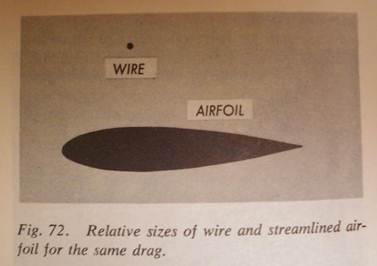
You might do this for a few reasons: https://chris-lamb.co.uk/wp-content/2014/teardrop_vs_cylinder.jpg So, assuming you currently have a bike that uses headset spacers, what would be the effect on your position if you were to replace, say, a 10mm headset spacer with a 10mm armrest riser? First, let us consider the effect of removing the headset spacer. The crucial insight is that removing a 10mm spacer will not lower the stack height ie. the vertical distance relative to the bottom bracket by 10mm. This is because spacers are not oriented perpendicular to the ground; they are stacked along the steerer tube at the head tube angle of the frame. We will assume a head tube angle of 72.5 degrees. We can calculate that removing a 10mm spacer will reduce the stack height by:
sin(72.5 )   10mm = 9.54mm
... and by the same argument it will also increase the effective reach ie. the horizontal distance relative to the bottom bracket by:
cos(72.5 )   10mm = 3.01mm
Next, let us consider the impact of adding the riser. These are oriented perpendicular to the ground, so its addition makes no further change to the reach. However, we can now calculate the overall change in stack height:
  stack = -(sin(72.5 )   10mm) + 10mm = 0.46mm
We can then repeat the calculation for any length of replacement:
Replacement (mm) stack (mm) reach (mm)
10 +0.46 +3.01
20 +0.93 +6.01
30 +1.39 +9.02
40 +1.85 +12.0
50 +2.31 +15.0
60 +2.78 +18.0
From this table, I can discover that if I were to replace 30mm of headset spacers with 30mm of risers it would:
  1. Increase my effective stack height by 1.39mm (likely neglible).
  2. Increase my reach by 9.02mm. This might require me to use a shorter stem to get the same position. If that was undesirable for example, if was already using an extremely short stem I might be forced to abandon the idea altogether.
Three further considerations must be noted:
  1. The resultant low height of the base bar could be quite drastic and prevent you breathing properly whilst climbing.
  2. Having the steerer tube cut down after to removing headset spacers will reduce the resale value of your bike.
  3. You might need to re-cable your brakes as you may have changed the distance the cables must span.
(It may seem odd to provide results for up to 60mm of headset spacers when such a large number of spacers would at the very least void one's warranty. However, I suspect such setups are transiently common within the confines of a fitting studio.)

2 February 2014

Chris Lamb: Defaulting to comparing against yourself on Strava

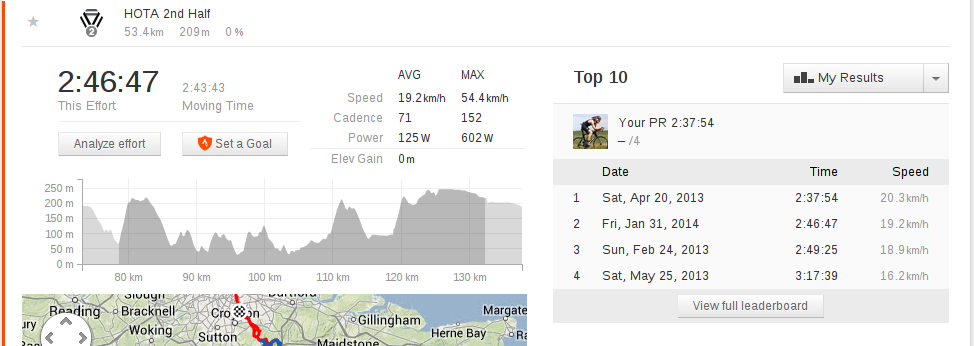
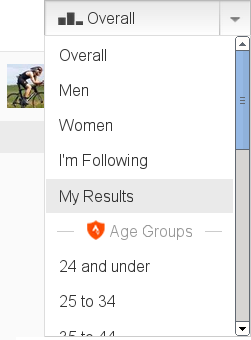
Strava's brand positioning is based around challenging and comparing yourself to others through virtual competitions and leaderboards. I am not against the competitive spirit in principle, but my personal experience is that most psychologically and physiologically rewarding training comes from comparing your own past performances to today or from setting long term goals. I accordingly use the service as a glorified training diary, with the public leaderboards serving only as curiosa or as an occasional check on hubris. (Zen-like introspection aside, using public data as a guide in a metropolis such as London is problematic as rankings are distorted by professional racers, KOM hunters, drafting, fraud and obviously traffic conditions.) To make this easier, I wrote a Chrome extension that changes the default leaderboard to "My Results" instead of "Overall" when viewing a segment effort: https://chris-lamb.co.uk/wp-content/2014/my_results.png The other leaderboards can still be viewed via the usual selector: https://chris-lamb.co.uk/wp-content/2014/my_results_dropdown.png I've found it curious but not altogether surprising how this mere change of default dramatically affects one's mindset. Source code is available. If you found this extension useful, you might like my extension to quickly switch between metric and imperial units.

17 January 2014

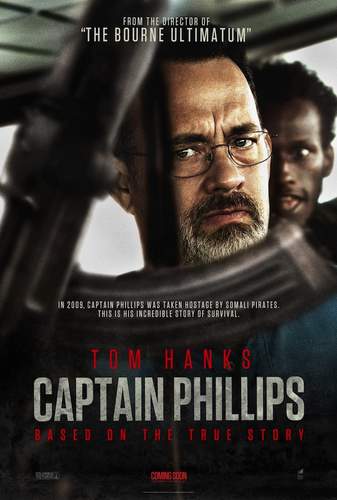
Chris Lamb: Captain Phillips: Pontius Pirate

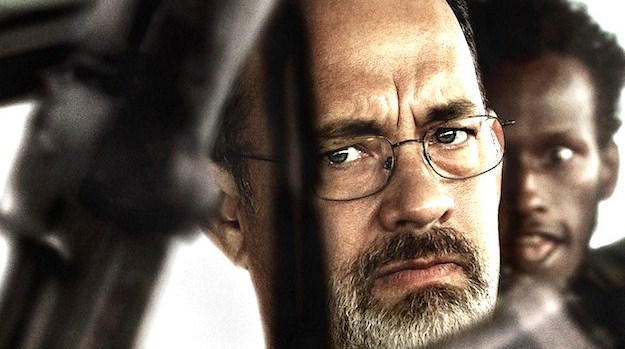
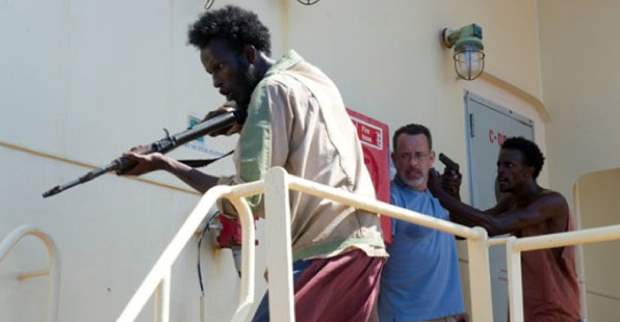
https://chris-lamb.co.uk/wp-content/2014/phillips_b.jpg Somalia's chief exports appear to be morally-ambiguous Salon articles about piracy and sophomoric evidence against libertarianism. However, it is the former topic that Captain Phillips concerns itself with, inspired by the hijacking of the Maersk Alabama container ship in 2009. What is truth? In the end, Captain Phillips does not rise above Pontius Pilate in providing an answer, but it certainly tries using more refined instruments than irony or leaden sarcasm. This motif pervades the film. Obviously, it is based on a "true story" and brings aboard that baggage, but it also permeates the plot in a much deeper sense. For example, Phillips and the US Navy lie almost compulsively to the pirates, whilst the pirates only really lie once (where they put Phillips in greater danger). Notice further that Phillips only starts to tell the truth when he thinks all hope is lost. These telling observations become even more fascinating when you realise that they must be based on the testimony of the, well, liars. Clearly, deception is a weapon to be monopolised and there are few limits on what good guys can or should lie about if they believe they can save lives.
https://chris-lamb.co.uk/wp-content/2014/phillips_c.jpg

Even Phillip's nickname ("Irish") is a falsehood he straight-up admits he is an American citizen.

Futhermore, there is an utterly disarming epilogue where Phillips is being treated for shock by clinical efficient medical staff. Not only will this scuttle any "blanket around the shoulders" clich but is probably a highly accurate portrayal of what actually happens post-trauma. This echoes the kind of truth Werner Herzog aims for in his filmmaking as well his guilt-inducing duality between uncomfortable lingering and compulsive viewing. Lastly, a starter for a meta-discussion: can a film based on real-world events even be "spoilered"? Hearing headlines on the radio before you read your newspaper hardly robs you of a literary journey... Captain Phillips does have some quotidian problems. Firstly, the only tool for ratcheting up tension is for the Somalians to launch verbal broadsides at the Americans, with each compromise somehow escalating the situation. This technique is effective but well before the climatic rescue scene where it is really needed it has been subject to the most extreme diminishing returns. (I cannot be the first to notice the "Africans festooned with guns shouting incomphensively" trope I hope it is based on a Babel-esque mechanism of disorientation from miscommunication rather than anything more unsavoury.)
https://chris-lamb.co.uk/wp-content/2014/phillips_a.jpg

The racist idea that Africans prefer an AK-47 rotated about the Z-axis is socially constructed.

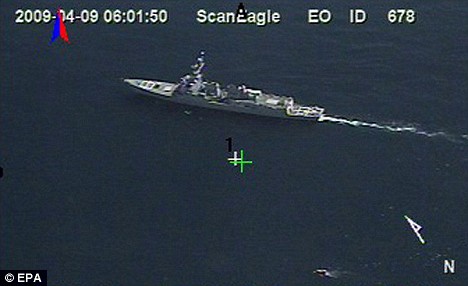
Secondly, the US Navy acts like a teacher with an Ofsted inspector observing quietly from the corner of the classroom; far too well-behaved it suspends belief, with no post-kill gloating or even the tiniest of post-arrest congratulations. Whilst nobody wants to see the Navy overreact badly to other military branches getting all the glory, nobody wants to see a suspiciously bland recruitment vehicle either. Paradoxically, this hermetic treatment made me unduly fascinated by them as if they were part of some military "uncanny valley". Two quick observations:
https://chris-lamb.co.uk/wp-content/2014/phillips_d.jpg

The drone footage: I'd love to write an essay about how Call of Duty might have influenced (or even be) cinema.

Finally, despite the title, the film is actually about two captains; the skillful liar Phillips and ... well, that's the real problem. Whilst Captain Muse is certainly no caricatured Hook, we are offered little depth beyond a "You're not just a fisherman" faux-revelation that leads nowhere. I was left inventing reasons for his akrasia so that he made any sense whatsoever. One could charitably argue that the film attempts to stay objective on Muse, but the inability for the film to take any obvious ethical stance actually seems to confuse and then compromise the narrative. What deeper truth is actually being revealed? Is this film or documentary? Worse still, the moral vacuum is invariably filled by the viewer's existing political outlook: are Somali pirates victims of circumstance who are forced into (alas, regrettable) swashbuckling adventures to pacify plank-threatening warlords? Or are they violent and dangerous criminals who habour an irrational resentment against the West, flimsily represented by material goods in shipping containers? Your improvised answer to this Rorschach test will always sit more haphazardly in the film than any pre-constructed treatment ever could. 6/10

Chris Lamb: Review: Captain Phillips (2013)

https://chris-lamb.co.uk/wp-content/2014/phillips_b.jpg Somalia's chief exports appear to be morally-ambiguous Salon articles about piracy and sophomoric evidence against libertarianism. However, it is the former topic that Captain Phillips concerns itself with, inspired by the hijacking of the Maersk Alabama container ship in 2009. What is truth? In the end, Captain Phillips does not rise above Pontius Pilate in providing an answer, but it certainly tries using more refined instruments than irony or leaden sarcasm. This motif pervades the film. Obviously, it is based on a "true story" and brings aboard all that well-travelled baggage, but it also permeates the plot in a much deeper sense. For example, Phillips and the US Navy lie almost compulsively to the pirates, whilst the pirates only really lie once where they put Phillips in greater danger. Notice further that Phillips only starts to tell the truth when he thinks all hope is lost. These telling observations become even more fascinating when you realise that they must be based on the testimony of the, well, liars. Clearly, deception is a weapon to be monopolised and there are few limits on what good guys can or should lie about if they believe they can save lives.
https://chris-lamb.co.uk/wp-content/2014/phillips_c.jpg

Even Phillip's nickname ("Irish") is a falsehood he straight-up admits he is an American citizen.

Lastly, there is an utterly disarming epilogue where Phillips is being treated for shock by clinical efficient medical staff. Not only will it scuttle any "blanket around the shoulders" clich but is probably a highly accurate portrayal of what actually happens post-trauma. This echoes the kind of truth Werner Herzog often aims for in his filmmaking as well his guilt-inducing duality between uncomfortable lingering and compulsive viewing. Another angle worthy of discussion: can a film based on real-world events even be "spoilered"? Hearing headlines on the before you read the newspaper hardly robs you of a literary journey... Captain Phillips does have some quotidian problems. Firstly, the only tool for ratcheting up tension is for the Somalians to launch verbal broadsides at the Americans, with each compromise somehow escalating the situation further. This technique is genuinely effective but well before the climatic rescue scene where it is really needed it has been subject to the most extreme diminishing returns. (I cannot be the first to notice the "Africans festooned with guns shouting incomphensively" trope I hope it is based on a Babel-esque mechanism of disorientation and miscommunication rather than anything, frankly, unsavoury.)
https://chris-lamb.co.uk/wp-content/2014/phillips_a.jpg

The racist idea that Africans prefer a AK-47 rotated about the Z-axis is socially constructed.

Secondly, the US Navy acts like a teacher with an Ofsted inspector observing quietly from the corner of the classroom; far too well-behaved it suspends belief, with no post-kill gloating or even the tiniest of post-arrest congratulations. Whilst nobody wants to see the Navy overreact badly to other military branches getting all the glory, nobody wants to see a suspiciously bland recruitment vehicle either. Paradoxically, this hermetic treatment made me unduly fascinated by them, as if they were part of some military "uncanny valley". Two quick observations:
https://chris-lamb.co.uk/wp-content/2014/phillips_d.jpg

The drone footage: I'd love to read (or write) an essay about how Call of Duty might have influenced cinema.

Finally, despite the title, the film is actually about two captains; the skillful liar Phillips and ... well, that's the real problem. Whilst Captain Muse is certainly no caricatured Hook, we are offered little depth beyond a "You're not just a fisherman" faux-revelation that leads nowhere. I was left inventing reasons for his akrasia so that he made any sense whatsoever. One could charitably argue that the film attempts to stay objective on Muse, but the inability for the film to take any obvious ethical stance actually seems to confuse and then compromise the narrative. What deeper truth is actually being revealed? Is this film or documentary? Worse still, the moral vacuum is invariably filled by the viewer's existing political outlook: are Somali pirates victims of circumstance who are forced into (alas, regrettable) swashbuckling adventures to pacify plank-threatening warlords? Or are they violent and dangerous criminals who habour an irrational resentment against the West, flimsily represented by material goods in shipping containers? Your improvised answer to this Rorschach test will always sit more haphazardly in the film than any pre-constructed treatment ever could. 6/10
31 December 2013

Chris Lamb: 2013: Selected highlights

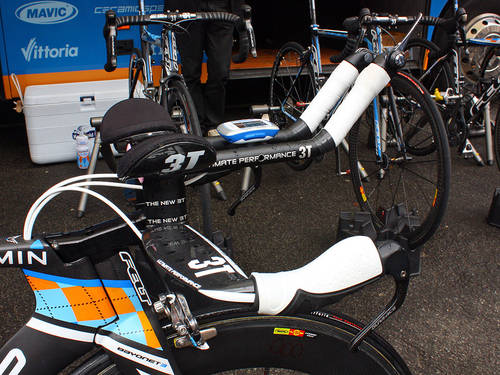
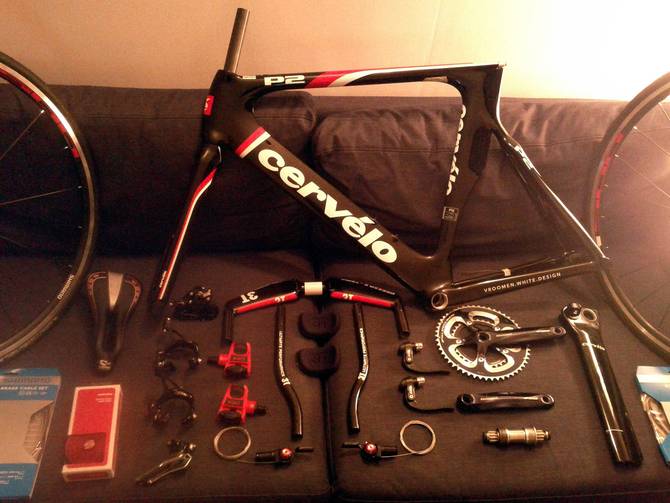
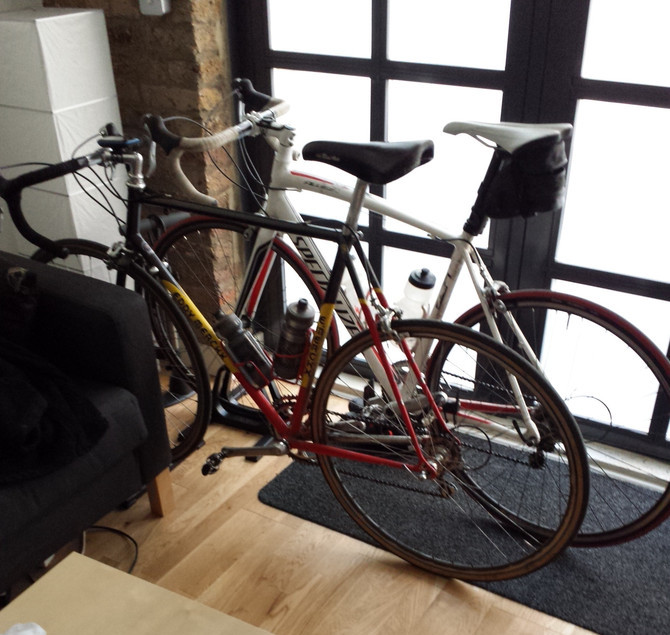
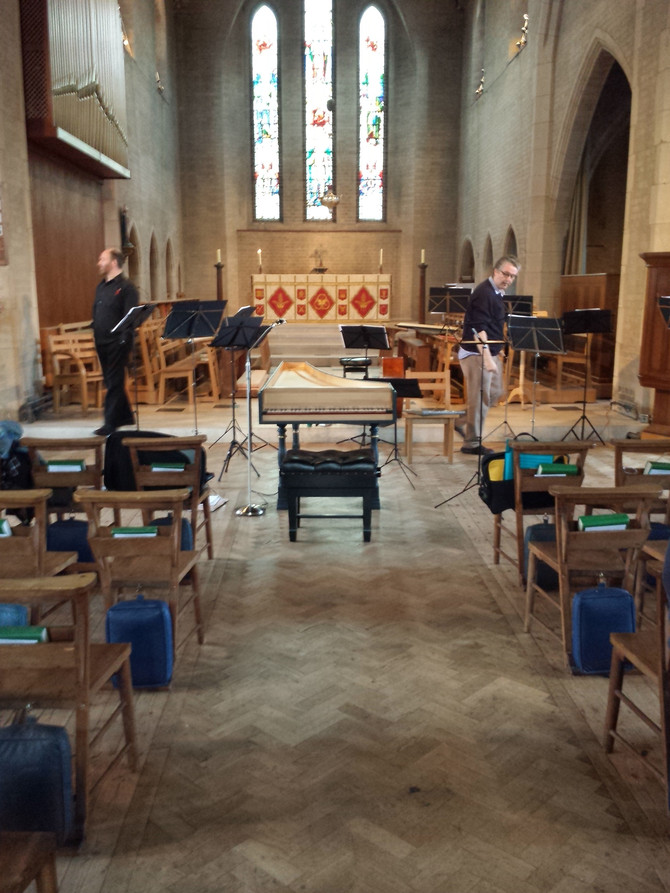
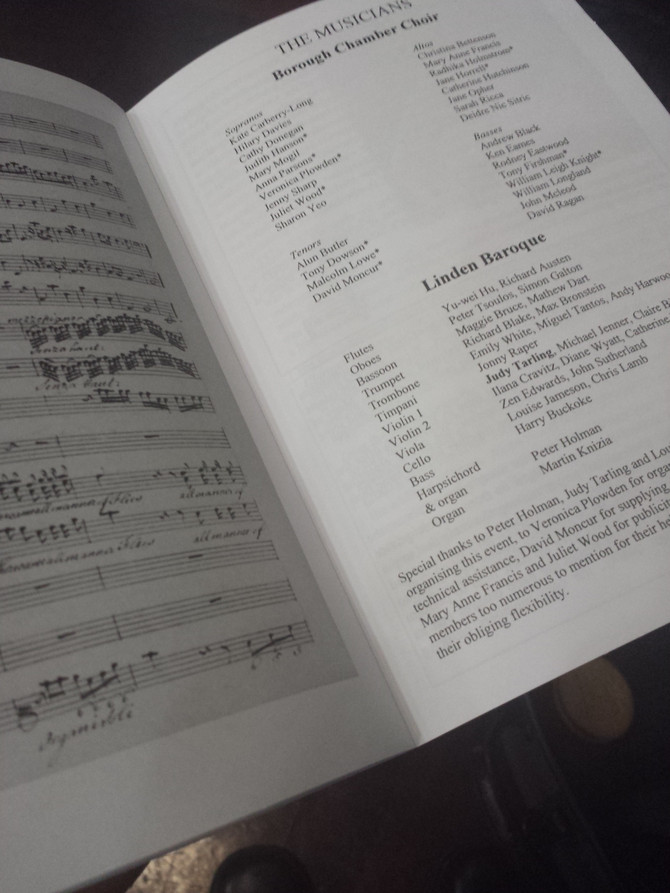
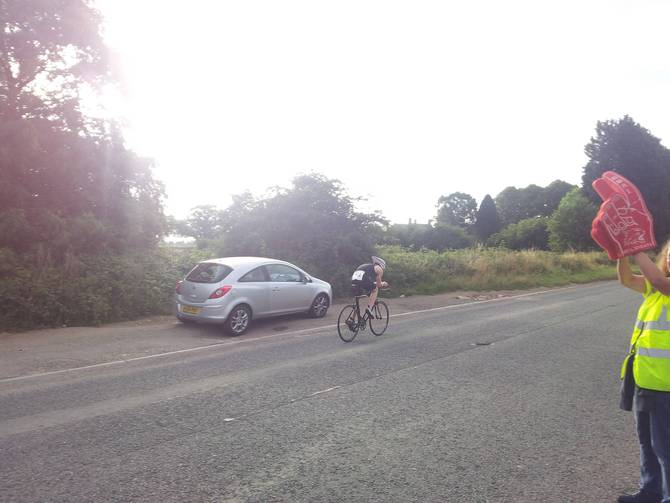
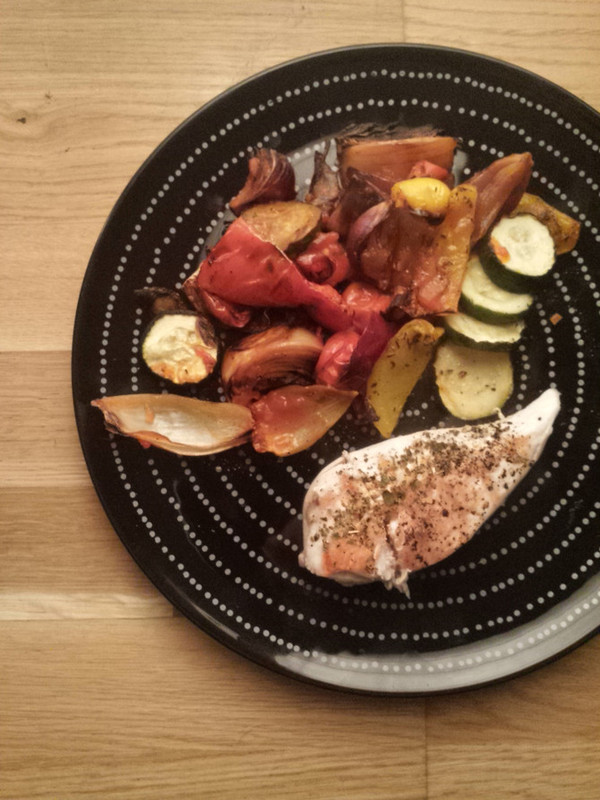
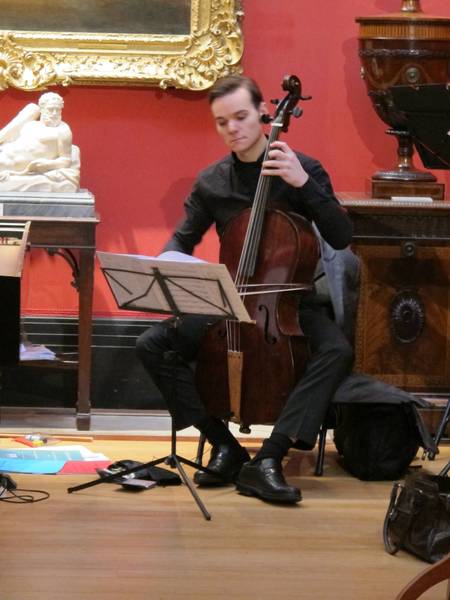
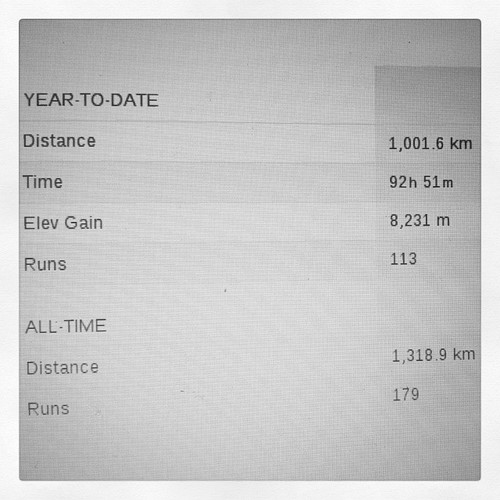
January https://chris-lamb.co.uk/wp-content/2013/highlights/01.jpg Entered monthly 10km races in Regent's Park, reducing my time from 55:07 in January 4th to 43:28 on December 1st. February https://chris-lamb.co.uk/wp-content/2013/highlights/02.jpg Entered the Hell of Ashdown cyclosportive in sub-zero conditions for over 100 miles & 7,500 ft of elevation (actual photo). March https://chris-lamb.co.uk/wp-content/2013/highlights/03.jpg Had my lute returned after it was damaged. April https://chris-lamb.co.uk/wp-content/2013/highlights/04.jpg Had a time-trial bike built and raced my first triathlon, duathlon and aquathlon. May https://chris-lamb.co.uk/wp-content/2013/highlights/05.jpg More biking, including a long ride with my brother. Also performed on the viola da gamba in Bach's St John Passion with Belsize Baroque. June https://chris-lamb.co.uk/wp-content/2013/highlights/06.jpg Two big concerts: Monn's Cello concerto in G minor with the Zadok Baroque Orchestra followed by the Blackfriars Quartet performing Shostakovich's String Quartet No. 8. July https://chris-lamb.co.uk/wp-content/2013/highlights/07.jpg Amongst more triathlon preperation, I performed in a Linden Baroque concert of Handel's Israel in Egypt. August https://chris-lamb.co.uk/wp-content/2013/highlights/08.jpg Raced my biggest event of the year a "Half-Ironman" triathlon hitting my time goal. September https://chris-lamb.co.uk/wp-content/2013/highlights/09.jpg Whilst procrastinating about writing some letters, I created a small service to send letters without a printer. October https://chris-lamb.co.uk/wp-content/2013/highlights/10.jpg Started cooking a little more adventurously. November https://chris-lamb.co.uk/wp-content/2013/highlights/11.jpg Performed Geminiani's arrangement of Corelli's La Folia in the Fitzwilliam Museum with Le Petit Orchestre. December https://chris-lamb.co.uk/wp-content/2013/highlights/12.jpg Ramped up my running volume so I could go over 1000km for the year. (Strava profile)
19 December 2013

Chris Lamb: Quickly switching between imperial and metric units on Strava

British triathletes are quite schizophrenic about their units: not "European" enough to bike using metric units yet not "American" enough to run using their imperial counterparts. Garmin GPS units seem happy enough to accomodate this contradiction but Strava only has a single global setting. Switching units would normally involve visiting your settings page inconvenient when viewing lots of run and bike pages so I wrote a Chrome extension that toggles between the different unit types via a Strava icon in the address bar: https://chris-lamb.co.uk/wp-content/2013/strava-1.png I considered a solution that actually converted the values displayed on the page but the illusion would always be shattered by Javascript elements which would require monkey-patching to ensure the desired unit was rendered: https://chris-lamb.co.uk/wp-content/2013/strava-2.png Source code is available, which should also serve as a template for similar extensions.

15 December 2013

Chris Lamb: Developing responsive websites using the Awesome window manager

Responsive web design is a techinique for offering the optimal user experience across different browser devices without the overhead of separate "mobile" sites or native applications. Whilst there are hundreds of browser plugins that can make it easier to test responsive websites by resizing your browser window, this can also be achieved with a scriptable window manager such as Awesome:
resize = function(width, height, text)
  return function(c)
    local w = capi.screen[c.screen].workarea
    local geo = c:geometry()
    awful.client.floating.set(c, true)
    -- Float before raising
    c:raise()
    naughty.notify(  text = text, timeout = 0.5  )
    c:geometry( 
      x = geo.x,
      -- Constrain Y to workspace or it can start too high
      y = (w.y > geo["y"]) and w.y or geo["y"],
      width = width,
      height = height,
     )
  end
end
resize_reset = function (c)
  awful.client.floating.set(c, false)
end
clientkeys = awful.util.table.join(
  -- [..]
  awful.key(  modkey  , "1", resize( 460, 650, "Extra small")),
  awful.key(  modkey  , "2", resize( 780, 750, "Small")),
  awful.key(  modkey  , "3", resize(1024, 800, "Medium")),
  awful.key(  modkey  , "4", resize(1250, 850, "Large")),
  awful.key(  modkey  , "5", resize_reset)
)
Alt+ 1,2,3,4 will then float and resize the current window to various common device sizes (mine are based on the Bootstrap 3 breakpoints) and Alt+5 will reset it. Not being a plugin has many advantages: not only is it a browser-agnostic solution and one can use keyboard shortcuts not available to plugin developers, it also feels more aesthetically pleasing to solve a problem at the correct abstraction layer.

2 December 2013

Tim Retout: Questhub.io

At the London Perl Workshop last Saturday, one of the lightning talks was about Questhub.io, formerly known as "play-perl.org". It's social gamification for your task list, or something like that. Buzzword-tastic! But most importantly, there seems to be a nice community of programming types to procrastinate with you on your quests. This means I can finally get to work refuting lamby's prediction about gamification of Debian development! Tasks are referred to as "Quests", and are pursued in themed "Realms", for that World of Warcraft feeling. For example, there's a "Perl" realm, and a "Lisp" realm, and a "Haskell" realm, but also non-programming realms like "Fitness" and "Japanese". Of course, part of me now wants to construct a federated version which can be self-hosted. :) Another downside of questhub currently is the lack of SSL support - your session cookies are sent in plain text. I hope this changes soon.

2 October 2013

Chris Lamb: Readers-writers lock in eventlet

The problem: You want to have a critical section of code where concurrent read operations are permitted but exclusive access for write operations multiple readers may read data in parallel but only a single writer is allowed to write data at any one time. Here's an implementation using the eventlet library:
from eventlet import greenthread, hubs
class ReadWriteLock(object):
    """
    Usage::
        lock = ReadWriteLock()
        with lock.reader():
            do_read_ops()
        with lock.writer():
            do_write_ops()
    """
    def __init__(self):
        self.counter = 0
        self._read_waiters = set()
        self._write_waiters = set()
    def reader(self):
        return self.Reader(self)
    def writer(self):
        return self.Writer(self)
    class Base(object):
        def __init__(self, parent):
            self.parent = parent
        def _acquire(self, waiters):
            waiters.add(greenthread.getcurrent())
            try:
                while self.parent.counter != 0:
                    hubs.get_hub().switch()
            finally:
                waiters.discard(greenthread.getcurrent())
        def _exit(self):
            for waiters, fn in (
                (self.parent._read_waiters, lambda x: x >= 0),
                (self.parent._write_waiters, lambda x: x == 0),
            ):
                if not waiters:
                    continue
                hubs.get_hub().schedule_call_global(
                    0, self._release, waiters, fn,
                )
        def _release(self, waiters, fn):
            if waiters and fn(self.parent.counter):
                waiters.pop().switch()
    class Reader(Base):
        def __enter__(self):
            if self.parent.counter < 0:
                self._acquire(self.parent._read_waiters)
            self.parent.counter += 1
        def __exit__(self, *args, **kwargs):
            self.parent.counter -= 1
            self._exit()
    class Writer(Base):
        def __enter__(self):
            if self.parent.counter != 0:
                self._acquire(self.parent._write_waiters)
            self.parent.counter -= 1
        def __exit__(self, *args, **kwargs):
            self.parent.counter += 1
            self._exit()

3 September 2013

Chris Lamb: Using the Garmin 910XT on Linux

The Garmin 910XT is the premier GPS watch for triathlon training and racing.
  1. You'll probably need a newer version of pyusb:

    $ git clone git://github.com/walac/pyusb
    
    There is no need to install it systemwide - you can simply leave it checked out somewhere.
  2. Get the Garmin-Forerunner-610-Extractor project from GitHub:

    $ git clone git://github.com/Tigge/Garmin-Forerunner-610-Extractor.git
    
  3. Turn your watch on and plug in the USB adaptor.

  4. You can now sync your activities:

    $ sudo env PYTHONPATH=/path/to/pyusb ./garmin.py
    Request basic information...
      ANT version:   AJK1.04RAF
      Capabilities:  array('B', [8, 3, 0, 186, 54, 0])
      Serial number: 3480039
    Starting system...
    Searching...
    Authenticating with Forerunner 910XT (3863343203)
     - Passkey: OK
    Downloading 1 file(s)
    Downloading 2013-09-03_21-09-32-80-19364.fit [..........]
    
    The first time you sync, you will have to authenticate on the watch itself. Downloading the activities will be much slower than you expect.
  5. After the syncing has finished, don't forget to turn the watch off. If you are used to the Garmin Edge 800 (which turns itself off when you insert the USB cable) you will probably not have the habit of turning off the unit.

  6. Rather confusingly, your .FIT files are available in the Xdg configuration folder. For example:

    ls -l ~/.config/garmin-extractor/3863343203/activities/
    -rw-r--r-- 1 root root   2688 Jun  9 15:23 2013-06-08_12-33-24-80-2688.fit
    -rw-r--r-- 1 root root   1171 Jun  9 15:23 2013-06-08_12-37-14-80-1171.fit
    -rw-r--r-- 1 root root   6111 Jun  9 15:23 2013-06-08_22-19-28-80-6111.fit
    -rw-r--r-- 1 root root 170327 Jun  9 15:26 2013-06-09_11-09-44-80-170327.fit
    
  7. Strava supports these .fit files through the From File upload option.

31 August 2013

Chris Lamb: Decrypting the Caesar cipher using shell

In cryptography, a Caesar cipher, also known as Caesar's cipher, the shift cipher, Caesar's code or Caesar shift, is one of the simplest and most widely known encryption techniques. It is a type of substitution cipher in which each letter in the plaintext is replaced by a letter some fixed number of positions down the alphabet. [...]
#!/bin/sh
IN="MJHVIZN ZPIO YJHPN"
for I in $(seq 25); do
    echo $I $IN   tr $(printf %$ I s   tr ' ' '.')\A-Z A-ZA-Z
done
This outputs:
1 NKIWJAO AQJP ZKIQO
2 OLJXKBP BRKQ ALJRP
3 PMKYLCQ CSLR BMKSQ
4 QNLZMDR DTMS CNLTR
5 ROMANES EUNT DOMUS
6 SPNBOFT FVOU EPNVT
7 TQOCPGU GWPV FQOWU
8 URPDQHV HXQW GRPXV
9 VSQERIW IYRX HSQYW
10 WTRFSJX JZSY ITRZX
11 XUSGTKY KATZ JUSAY
12 YVTHULZ LBUA KVTBZ
13 ZWUIVMA MCVB LWUCA
14 AXVJWNB NDWC MXVDB
15 BYWKXOC OEXD NYWEC
16 CZXLYPD PFYE OZXFD
17 DAYMZQE QGZF PAYGE
18 EBZNARF RHAG QBZHF
19 FCAOBSG SIBH RCAIG
20 GDBPCTH TJCI SDBJH
21 HECQDUI UKDJ TECKI
22 IFDREVJ VLEK UFDLJ
23 JGESFWK WMFL VGEMK
24 KHFTGXL XNGM WHFNL
25 LIGUHYM YOHN XIGOM
The only line which makes sense is 5 ROMANES EUNT DOMUS, giving us our solution.

Next.

Previous.