There is a bit of context that needs to be shared before I get to this and would be a long one. For reasons known and unknown, I have a lot of sudden electricity outages. Not just me, all those who are on my line. A discussion with a lineman revealed that around 200+ families and businesses are on the same line and when for whatever reason the electricity goes for all. Even some of the traffic lights don t work. This affects software more than hardware or in some cases, both. And more specifically HDD s are vulnerable. I had bought an APC unit several years for precisely this, but over period of time it just couldn t function and trips also when the electricity goes out. It s been 6-7 years so can t even ask customer service to fix the issue and from whatever discussions I have had with APC personnel, the only meaningful difference is to buy a new unit but even then not sure this is an issue that can be resolved, even with that.
That comes to the issue that happens once in a while where the system fsck is unable to repair /home and you need to use an external pen drive for the same. This is my how my hdd stacks up / is on dev/sda7 /boot is on /dev/sda6, /boot/efi is on /dev/sda2 and /home is on /dev/sda8 so theoretically, if /home for some reason doesn t work I should be able drop down on /dev/sda7, unmount /dev/sda8, run fsck and carry on with my work. I tried it number of times but it didn t work. I was dropping down on tty1 and attempting the same, no dice as root/superuser getting the barest x-term. So first I tried asking couple of friends who live nearby me. Unfortunately, both are MS-Windows users and both use what are called as company-owned laptops . Surfing on those systems were a nightmare. Especially the number of pop-ups of ads that the web has become. And to think about how much harassment ublock origin has saved me over the years. One of the more interesting bits from both their devices were showing all and any downloads from fosshub was showing up as malware. I dunno how much of that is true or not as haven t had to use it as most software we get through debian archives or if needed, download from github or wherever and run/install it and you are in business. Some of them even get compiled into a good .deb package but that s outside the conversation atm. My only experience with fosshub was few years before the pandemic and that was good. I dunno if fosshub really has malware or malwarebytes was giving false positives. It also isn t easy to upload a 600 MB+ ISO file somewhere to see whether it really has malware or not. I used to know of a site or two where you could upload a suspicious file and almost 20-30 famous and known antivirus and anti-malware engines would check it and tell you the result. Unfortunately, I have forgotten the URL and seeing things from MS-Windows perspective, things have gotten way worse than before.
So left with no choice, I turned to the local LUG for help. Fortunately, my mobile does have e-mail and I could use gmail to solicit help. While there could have been any number of live CD s that could have helped but one of my first experiences with GNU/Linux was that of Knoppix that I had got from Linux For You (now known as OSFY) sometime in 2003. IIRC, had read an interview of Mr. Klaus Knopper as well and was impressed by it. In those days, Debian wasn t accessible to non-technical users then and Knoppix was a good tool to see it. In fact, think he was the first to come up with the idea of a Live CD and run with it while Canonical/Ubuntu took another 2 years to do it. I think both the CD and the interview by distrowatch was shared by LFY in those early days. Of course, later the story changes after he got married, but I think that is more about Adriane rather than Knoppix. So Vishal Rao helped me out. I got an HP USB 3.2 32GB Type C OTG Flash Drive x5600c (Grey & Black) from a local hardware dealer around similar price point. The dealer is a big one and has almost 200+ people scattered around the city doing channel sales who in turn sell to end users. Asking one of the representatives about their opinion on stopping electronic imports (apparently more things were added later to the list including all sorts of sundry items from digital cameras to shavers and whatnot.) The gentleman replied that he hopes that it would not happen otherwise more than 90% would have to leave their jobs. They already have started into lighting fixtures (LED bulbs, tubelights etc.) but even those would come in the same ban
The main argument as have shared before is that Indian Govt. thinks we need our home grown CPU and while I have no issues with that, as shared before except for RISC-V there is no other space where India could look into doing that. Especially after the Chip Act, Biden has made that any new fabs or any new thing in chip fabrication will only be shared with Five Eyes only. Also, while India is looking to generate about 2000 GW by 2030 by solar, China has an ambitious 20,000 GW generation capacity by the end of this year and the Chinese are the ones who are actually driving down the module prices. The Chinese are also automating their factories as if there s no tomorrow. The end result of both is that China will continue to be the world s factory floor for the foreseeable future and whoever may try whatever policies, it probably is gonna be difficult to compete with them on prices of electronic products. That s the reason the U.S. has been trying so that China doesn t get the latest technology but that perhaps is a story for another day.
HP USB 3.2 Type C OTG Flash Drive x5600c
For people who have had read this blog they know that most of the flash drives today are MLC Drives and do not have the longevity of the SLC Drives. For those who maybe are new, this short brochure/explainer from Kingston should enhance your understanding. SLC Drives are rare and expensive. There are also a huge number of counterfeit flash drives available in the market and almost all the companies efforts whether it s Kingston, HP or any other manufacturer, they have been like a drop in the bucket. Coming back to the topic at hand. While there are some tools that can help you to figure out whether a pen drive is genuine or not. While there are products that can tell you whether they are genuine or not (basically by probing the memory controller and the info. you get from that.) that probably is a discussion left for another day. It took me couple of days and finally I was able to find time to go Vishal s place. The journey of back and forth lasted almost 6 hours, with crazy traffic jams. Tells you why Pune or specifically the Swargate, Hadapsar patch really needs a Metro. While an in-principle nod has been given, it probably is more than 5-7 years or more before we actually have a functioning metro. Even the current route the Metro has was supposed to be done almost 5 years to the date and even the modified plan was of 3 years ago. And even now, most of the Stations still need a lot of work to be done. PMC, Deccan as examples etc. still have loads to be done. Even PMT (Pune Muncipal Transport) that that is supposed to do the last mile connections via its buses has been putting half-hearted attempts
Vishal Rao
While Vishal had apparently seen me and perhaps we had also interacted, this was my first memory of him although we have been on a few boards now and then including stackexchange. He was genuine and warm and shared 4-5 distros with me, including Knoppix and System Rescue as shared by Arun Khan. While this is and was the first time I had heard about Ventoy apparently Vishal has been using it for couple of years now. It s a simple shell script that you need to download and run on your pen drive and then just dump all the .iso images. The easiest way to explain ventoy is that it looks and feels like Grub. Which also reminds me an interaction I had with Vishal on mobile. While troubleshooting the issue, I was unsure whether it was filesystem that was the issue or also systemd was corrupted. Vishal reminded me of putting fastboot to the kernel parameters to see if I m able to boot without fscking and get into userspace i.e. /home. Although journalctl and systemctl were responding even on tty1 still was a bit apprehensive. Using fastboot was able to mount the whole thing and get into userspace and that told me that it s only some of the inodes that need clearing and there probably are some orphaned inodes. While Vishal had got a mini-pc he uses that a server, downloads stuff to it and then downloads stuff from it. From both privacy, backup etc. it is a better way to do things but then you need to laptop to access it. I am sure he probably uses it for virtualization and other ways as well but we just didn t have time for that discussion. Also a mini-pc can set you back anywhere from 25 to 40k depending on the mini-pc and the RAM and the SSD. And you need either a lappy or an Raspberry Pi with some kinda visual display to interact with the mini-pc. While he did share some of the things, there probably could have been a far longer interaction just on that but probably best left for another day.
Now at my end, the system I had bought is about 5-6 years old. At that time it only had 6 USB 2.0 drives and 2 USB 3.0 (A) drives.
The above image does tell of the various form factors. One of the other things is that I found the pendrive and its connectors to be extremely fiddly. It took me number of times fiddling around with it when I was finally able to put in and able to access the pen drive partitions. Unfortunately, was unable to see/use systemrescue but Knoppix booted up fine. I mounted the partitions briefly to see where is what and sure enough /dev/sda8 showed my /home files and folders. Unmounted it, then used $fsck -y /dev/sda8 and back in business.
This concludes what happened.
Updates Quite a bit was left out on the original post, part of which I didn t know and partly stuff which is interesting and perhaps need a blog post of their own. It s sad I won t be part of debconf otherwise who knows what else I would have come to know.
One of the interesting bits that I came to know about last week is the Alibaba T-Head T-Head TH1520 RISC-V CPU and saw it first being demoed on a laptop and then a standalone tablet. The laptop is an interesting proposition considering Alibaba opened up it s chip thing only couple of years ago. To have an SOC within 18 months and then under production for lappies and tablets is practically unheard of especially of a newbie/startup. Even AMD took 3-4 years for its first chip.It seems they (Alibaba) would be parceling them out by quarter end 2023 and another 1000 pieces/Units first quarter next year, while the scale is nothing compared to the behemoths, I think this would be more as a matter of getting feedback on both the hardware and software. The value proposition is much better than what most of us get, at least in India. For example, they are doing a warranty for 5 years and also giving spare parts. RISC-V has been having a lot of resurgence in China in part as its an open standard and partly development will be far cheaper and faster than trying x86 or x86-64. If you look into both the manufacturers, due to monopoly, both of them now give 5-8% increment per year, and if you look back in history, you would find that when more chips were in competition, they used to give 15-20% performance increment per year.
2. While Vishal did share with me what he used and the various ways he uses the mini-pc, I did have a fun speculating on what he could use it. As shared by Romane as his case has shared, the first thing to my mind was backups. Filesystems are notorious in the sense they can be corrupted or can be prone to be corrupted very easily as can be seen above . Backups certainly make a lot of sense, especially rsync.
The other thing that came to my mind was having some sort of A.I. and chat server. IIRC, somebody has put quite a bit of open source public domain data in debian servers that could be used to run either a chatbot or an A.I. or both and use that similar to how chatGPT but with much limited scope than what chatgpt uses. I was also thinking a media server which Vishal did share he does. I may probably visit him sometime to see what choices he did and what he learned in the process, if anything.
Another thing that could be done is just take a dump of any of commodity markets or any markets and have some sort of predictive A.I. or whatever. A whole bunch of people have scammed thousands of Indian users on this, but if you do it on your own and for your own purposes to aid you buy and sell stocks or whatever commodity you may fancy. After all, nowadays markets themselves are virtual.
While Vishal s mini-pc doesn t have any graphics, if it was an AMD APU mini-pc, something like this he could have hosted games in the way of thick server, thin client where all graphics processing happens on the server rather than the client. With virtual reality I think the case for the same case could be made or much more. The only problem with VR/AR is that we don t really have mass-market googles, eye pieces or headset. The only notable project that Google has/had in that place is the Google VR Cardboard headset and the experience is not that great or at least was not that great few years back when I could hear and experience the same. Most of the VR headsets say for example the Meta Quest 2 is for around INR 44k/- while Quest 3 is INR 50k+ and officially not available. As have shared before, the holy grail of VR would be when it falls below INR 10k/- so it becomes just another accessory, not something you really have to save for. There also isn t much content on that but then that is also the whole chicken or egg situation. This again is a non-stop discussion as so much has been happening in that space it needs its own blog post/article whatever.
Till later.
Back in 2015, when PostgreSQL 9.5 alpha 1 was released, I had posted the
PostgreSQL data from Debian's popularity contest.
8 years and 8 PostgreSQL releases later, the graph now looks like this:
Currently, the most popular PostgreSQL on Debian systems is still PostgreSQL 13 (shipped in Bullseye), followed by PostgreSQL 11 (Buster). At the time of writing,
PostgreSQL 9.6 (Stretch) and PostgreSQL 15 (Bookworm) share the third place, with 15 rising quickly.
Now that all the planets are fixed, please see what you missed here!
/https://www.scarlettgatelymoore.dev/kde-a-day-in-the-life-the-kde-snapcrafter-part-2/
EXTREMELY IMPORTANT: I am still looking for a super awesome team lead for a super amazing project involving KDE and Snaps. Time is running out and well the KDE world will be a better a better place if this project goes through! I would like to clarify, this is a paid position! A current KDE developer would be ideal as it is a small team so your time will be split managing and coding alike. If you or anyone you know might be interested please contact me ASAP!
Lots of news on the snap front 23.04.3 is now complete with new snaps! I know, just in time for 23.08.0. I have fixed some major issues in this release, 23.08 should go much quicker. Even quicker if my per repo snapcraft files gets approved!
kirigami-gallery
Itinerary
We have more PIM snaps, however I am waiting for reserved name approvals from the snap store.
I was approached to decouple qt and frameworks sdk snaps and I have agreed for the fact that security updates are near impossible when new versions are released. Conversation here:
https://forum.snapcraft.io/t/proposal-for-changes-to-kde-content-snap-and-extension
I have started qt5 here https://github.com/ScarlettGatelyMoore/qt-5-15-10-snap
And some exciting news I have started the KF6 content pack! I am doing like above and I am using the qt6 content pack Jarred Wilson has made. This is a requirement to start the plasma snap. Progress can be tracked here: https://github.com/ScarlettGatelyMoore/kf6-snap
I am still have on on going request for snapcraft files in their respective repositories. While defending my request I have tested some options. Snapcraft files in the repository does allow for proper snap recipes in launchpad by mirroring the repo in launchpad -> create snap recipe. I created a recipe based on stable branch and it created and published the snap as expected.
After being pointed to the flatpak workflow I discovered snaps has a similiar store feature with github, however I will need to create a github repo for each snap, which is tempting. I want to avoid duplication of snapcraft files, but I guess this is what they do for flatpak? I never received an answer.
Snapcraft: Some more tidying of the qmake plugin and resolved some review conversations.
Debian!
I am back to getting things in Debian proper, starting with the golang packages I was working on for bubble-gum a cool console beautification application. As each one passes through NEW I will keep uploading. I will be checking in with the qt-kde team to see what needs doing. I am looking into seeing if openvoices is still a viable replacement for mycroft, hopefully all that work isn t wasted time.
And finally, I do hate having to ask, but as we quickly approach September, I have not come close to enough to pay my pesky bills, required to have a place to live and eat! I am seeking employment as a backup if my amazing project falls through. I tried to enable ads, but that broke my planet feeds, I can t have that! So without further ado Anything helps! Also please share! Thanks for your consideration.
Em 2023 o tradicional Debian Day est
sendo celebrado de forma especial, afinal no dia 16 de agostoo Debian completou
30 anos!
Para comemorar este marco especial na vida do Debian, a
comunidade Debian Brasil organizou uma semana
de palestras online de 14 a 18 de agosto. O evento foi chamado de
Debian 30 anos.
Foram realizadas 2 palestras por noite, das 19h s 22h, transmitidas pelo canal
Debian Brasil no YouTube
totalizando 10 palestras. As grava es j est o dispon veis tamb m no canal
Debian Brasil no Peertube.
Nas 10 atividades tivemos as participa es de 9 DDs, 1 DM, 3 contribuidores(as).
A audi ncia ao vivo variou bastante, e o pico foi na palestra sobre preseed com
o Eriberto Mota quando tivemos 47 pessoas assistindo.
Obrigado a todos(as) participantes pela contribui o que voc s deram para o
sucesso do nosso evento.
Antonio Terceiro
Aquila Macedo
Charles Melara
Daniel Lenharo de Souza
David Polverari
Eriberto Mota
Giovani Ferreira
Jefferson Maier
Lucas Kanashiro
Paulo Henrique de Lima Santana
Sergio Durigan Junior
Thais Araujo
Thiago Andrade
Veja abaixo as fotos de cada atividade:
Nova gera o: uma entrevista com iniciantes no projeto Debian
Instala o personalizada e automatizada do Debian com preseed
Manipulando patches com git-buildpackage
debian.social: Socializando Debian do jeito Debian
Proxy reverso com WireGuard
Celebra o dos 30 anos do Debian!
Instalando o Debian em disco criptografado com LUKS
O que a equipe de localiza o j conquistou nesses 30 anos
Debian - Projeto e Comunidade!
Design Gr fico e Software livre, o que fazer e por onde come ar
This last weekend I completed a bike rides project I started during the first Covid lockdown in 2020:
I ve cycled to every settlement (and radio observatory) within 20km of my house, in alphabetical order.
Stir crazy
In early 2020, during the first lockdown, I was going a bit stir crazy. Clare said you re going very strange, you have to go out and get some exercise . After a bit of discussion, we came up with this plan: I d visit all the local villages, in alphabetical order.
Choosing the radius
I decided that I would pick a round number of kilometers, as the crow flies, from my house. 20km seemed about right. 25km would have included Ely, which would have been nice, but it would have added a great many places, all of them quite distant.
Software
I wrote a short Rust program to process OSM data into a list of places to visit, and their distances and bearings.
You can download a tarball of the alphabetical villages scanner. (I haven t published the git history because it has my house s GPS coordinates in it, and because I committed the output files from which that location can be derived.)
The Rides
I set off on my first ride, to Aldreth, on Sunday the 31st of May 2020. The final ride collected Yelling, on Saturday the 19th of August 2023.
I did quite a few rides in June and July 2020 - more than one a week. (I d read the lockdown rules, and although some of the government messaging said you should stay near your house, that wasn t in the legislation. Of course I didn t go into any buildings or anything.)
I m not much of a morning person, so I often set off after lunch. For the longer rides I would usually pack a picnic. Almost all of the rides I did just by myself. There were a handful where I had friends along:
Dry Drayton, which I collected with Clare, at night. I held my bike up so the light shone at the village sign, so we could take a photo of it.
Madingley, Melbourn and Meldreth, which was quite an expedition with my friend Ben. We went out as far as Royston and nearby Barley (both outside my radius and not on my list) mostly just so that my project would have visited Hertfordshire.
The Hemingfords, where I had my friend Matthew along, and we had a very nice pub lunch.
Girton and Wilburton, where I visited friends. Indeed, I stopped off in Wilburton on one or two other occasions.
And, of course, Yelling, for which there were four of us, again with a nice lunch (in Eltisley).
I had relatively little mechanical trouble. My worst ride for this was Exning: I got three punctures that day. Luckily the last one was close to home.
I often would stop to take lots of photos en-route. My mum in particular appreciated all the pretty pictures.
Rules
I decided on these rules:
I would cycle to each destination, in order, and it would count as collected if I rode both there and back. I allowed collecting multiple villages in the same outing, provided I did them in the right order. (And obviously I was allowed to pass through places out of order, without counting them.)
I tried to get a picture of the village sign, where there was one. Failing that, I got a picture of something in the village with the village s name on it. I think the only one I didn t manage this for was Westley Bottom; I had to make do with the word Westley on some railway level crossing equipment. In Barway I had to make do with a planning application, stuck to a pole.
I tried not to enter and leave a village by the same road, if possible.
Edge cases
I had to make some decisions:
I decided that I would consider the project complete if I visited everywhere whose centre was within my radius. But the centre of a settlement is rather hard to define. I needed a hard criterion for my OpenStreetMap data mining: a place counted if there was any node, way or relation, with the relevant place tag, any part of which was within my ambit. That included some places that probably oughtn t to have counted, but, fine.
I also decided that I wouldn t visit suburbs of Cambridge, separately from Cambridge itself. I don t consider them separate settlements, at least, not if they re conurbated with Cambridge. So that excluded Trumpington, for example. But I decided that Girton and Fen Ditton were (just) separable. Although the place where I consider Girton and Cambridge to nearly touch, is administratively well inside Girton, I chose to look at land use (on the ground, and in OSM data), rather than administrative boundaries.
But I did visit both Histon and Impington, and all each of the Shelfords and Stapleford, as separate entries in my list. Mostly because otherwise I d have to decide whether to skip (say) Impington, or Histon. Whereas skipping suburbs of Cambridge in favour of Cambridge itself was an easy decision, and it also got rid of a bunch of what would have been quite short, boring, urban expeditions.
I sorted all the Greats and Littles under G and L, rather than (say) Shelford, Great , which seemed like it would be cheating because then I would be able to do Shelford, Great and Shelford, Little in one go.
Northstowe turned from mostly a building site into something that was arguably a settlement, during my project. It wasn t included in the output of my original data mining. Of course it s conurbated with Oakington - but happily, Northstowe inserts right before Oakington in the alphabetical list, so I decided to add it, visiting both the old and new in the same day.
There are a bunch of other minor edge cases. Some villages have an outlying hamlet. Mostly I included these. There are some individual farms, which I generally didn t count.
Some stats
I visited 150 villages plus the Lords Bridge radio observatory. The project took 3 years and 3 months to complete.
There were 96 rides, totalling about 4900km. So my mean distance was around 51km. The median distance per ride was a little higher, at around 52 km, and the median duration (including stoppages) was about 2h40. The total duration, if you add them all up, including stoppages, was about 275h, giving a mean speed including photo stops, lunches and all, of 18kph.
The longest ride was 89.8km, collecting Scotland Farm, Shepreth, and Six Mile Bottom, so riding across the Cam valley. The shortest ride was 7.9km, collecting Cambridge (obviously); and I think that s the only one I did on my Brompton. The rest were all on my trusty Thorn Audax.
My fastest ride (ranking by distance divided by time spent in motion) was to collect Haddenham, where I covered 46.3km in 1h39, giving an average speed in motion of 28.0kph.
The most I collected in one day was 5 places: West Wickham, West Wratting, Westley Bottom, Westley Waterless, and Weston Colville. That was the day of the Wests. (There s only one East: East Hatley.)
Map
Here is a pretty picture of all of my tracklogs:
Edited 2023-08-25 01:32 BST to correct a slip.
For the first time, the city of Belo Horizonte held a
Debian Day to celebrate the
anniversary of the Debian Project.
The communities Debian Minas Gerais
and Free Software Belo Horizonte and Region
felt motivated to celebrate this special date due the 30 years of the Debian
Project in 2023 and they organized a meeting on August 12nd in
UFMG Knowledge Space.
The Debian Day organization in Belo Horizonte received the important support
from UFMG Computer Science Department to book the
room used by the event.
It was scheduled three activities:
Talk: The Debian project wants you! Paulo Henrique de Lima Santana
Talk: Customizing Debian for use in PBH schools: the history of Libertas - Fred Guimar es
Discussion: about the next steps to increase a Free Software community in BH - Bruno Braga Fonseca
In total, 11 people were present and we took a photo with those who stayed
until the end.
I m happy to announce that Netplan version 0.107 is now available on GitHub and is soon to be deployed into a Linux installation near you! Six months and more than 200 commits after the previous version (including a .1 stable release), this release is brought to you by 8 free software contributors from around the globe.
Highlights
Highlights of this release include the new configuration types for veth and dummy interfaces:
Furthermore, we implemented CFFI based Python bindings on top of libnetplan s API, that can easily be consumed by 3rd party applications (see full cffi-bindings.py example):
from netplan import Parser, State, NetDefinition
from netplan import NetplanException, NetplanParserException

parser = Parser()
# Parse the full, existing YAML config hierarchy
parser.load_yaml_hierarchy(rootdir='/')
# Validate the final parser state
state = State()
try:
    # validation of current state + new settings
    state.import_parser_results(parser)
except NetplanParserException as e:
    print('Error in', e.filename, 'Row/Col', e.line, e.column, '->', e.message)
except NetplanException as e:
    print('Error:', e.message)
# Walk through ethernet NetdefIDs in the state and print their backend
# renderer, to demonstrate working with NetDefinitionIterator &
# NetDefinition
for netdef in state.ethernets.values():
    print('Netdef', netdef.id, 'is managed by:', netdef.backend)
    print('Is it configured to use DHCP?', netdef.dhcp4 or netdef.dhcp6)
Some Desperate Glory is a far-future space... opera? That's
probably the right genre classification given the setting, but this book
is much more intense and character-focused than most space opera. It is
Emily Tesh's first novel, although she has two previous novellas that were
published as books.
The alien majo and their nearly all-powerful Wisdom have won the war by
destroying Earth with an antimatter bomb. The remnants of humanity were
absorbed into the sprawling majo civilization. Gaea Station is the lone
exception: a marginally viable station deep in space, formed from a
lifeless rocky planetoid and the coupled hulks of the last four human
dreadnoughts. Gaea Station survives on military discipline, ruthless use
of every available resource, and constant training, raising new
generations of soldiers for the war that it refuses to let end.
While Earth's children live, the enemy shall fear us.
Kyr is a warbreed, one of a genetically engineered line of soldiers that,
following an accident, Gaea Station has lost the ability to make except
the old-fashioned way. Among the Sparrows, her mess group, she is the
best at the simulated combat exercises they use for training. She may be
the best of her age cohort except her twin Magnus. As this novel opens,
she and the rest of the Sparrows are about to get their adult assignments.
Kyr is absolutely focused on living up to her potential and the attention
of her uncle Jole, the leader of the station.
Kyr's future will look nothing like what she expects.
This book was so good, and I despair of explaining why it was so
good without unforgivable spoilers. I can tell you a few things about it,
but be warned that I'll be reduced to helpless gestures and telling you to
just go read it. It's been a very long time since I was this surprised by
a novel, possibly since I read Code Name:
Verity for the first time.
Some Desperate Glory follows Kyr in close third-person throughout
the book, which makes the start of this book daring. If you're getting a
fascist vibe from the setup, you're not wrong, and this is intentional on
Tesh's part. But Kyr is a true believer at the start of the book, so the
first quarter has a protagonist who is sometimes nasty and cruel and who
makes some frustratingly bad decisions. Stay with it, though; Tesh knows
exactly what she's doing.
This is a coming of age story, in a way. Kyr has a lot to learn and a lot
to process, and Some Desperate Glory is about that process. But by
the middle of part three, halfway through the book, I had absolutely no
idea where Tesh was going with the story. She then pulled the rug out
from under me, in the best way, at least twice more. Part five of this
book is an absolute triumph, the payoff for everything that's happened
over the course of the novel, and there is no way I could have predicted
it in advance. It was deeply satisfying in that way where I felt like I
learned some things along with the characters, and where the characters
find a better ending than I could possibly have worked out myself.
Tesh does use some world-building trickery, which is at its most
complicated in part four. That was the one place where I can point to a
few chapters where I thought the world-building got a bit too convenient
in order to enable the plot. But it also allows for some truly incredible
character work. I can't describe that in detail because it would be a
major spoiler, but it's one of my favorite tropes in fiction and Tesh
pulls it off beautifully. The character growth and interaction in this
book is just so good: deep and complicated and nuanced and thoughtful in a
way that revises reader impressions of earlier chapters.
The other great thing about this book is that for a 400+ page novel, it
moves right along. Both plot and character development is beautifully
paced with only a few lulls. Tesh also doesn't belabor conversations.
This is a book that provides just the right amount of context for the
reader to fully understand what's going on, and then trusts the reader to
be following along and moves straight to the next twist. That makes it
propulsively readable. I had so much trouble putting this book down at
any time during the second half.
I can't give any specifics, again because of spoilers, but this is not
just a character story. Some Desperate Glory has strong opinions
on how to ethically approach the world, and those ethics are at the center
of the plot. Unlike a lot of books with a moral stance, though, this
novel shows the difficulty of the work of deriving that moral stance. I
have rarely read a book that more perfectly captures the interior
experience of changing one's mind with all of its emotional difficulty and
internal resistance. Tesh provides all the payoff I was looking for as a
reader, but she never makes it easy or gratuitous (with the arguable
exception of one moment at the very end of the book that I think some
people will dislike but that I personally needed).
This is truly great stuff, probably the best science fiction novel that
I've read in several years. Since I read it (I'm late on reviews again),
I've pushed it on several other people, and I've not had a miss yet. The
subject matter is pretty heavy, and this book also uses several tropes
that I personally adore and am therefore incapable of being objective
about, but with those caveats, this gets my highest possible
recommendation.
Some Desperate Glory is a complete story in one novel with a
definite end, although I love these characters so much that I'd happily
read their further adventures, even if those are thematically unnecessary.
Content warnings: Uh, a lot. Genocide, suicide, sexual assault, racism,
sexism, homophobia, misgendering, and torture, and I'm probably forgetting
a few things. Tesh doesn't linger on these long, but most of them are
on-screen. You may have to brace yourself for this one.
Rating: 10 out of 10
Another minor release, now at 0.2.4, of our RcppRedis
package arrived on CRAN
yesterday. RcppRedis
is one of several packages connecting R to the fabulous Redis in-memory datastructure store (and
much more). RcppRedis
does not pretend to be feature complete, but it may do some things
faster than the other interfaces, and also offers an optional coupling
with MessagePack binary
(de)serialization via RcppMsgPack. The
package has carried production loads on a trading floor for several
years. It also supports pub/sub dissemination of streaming market data
as per this
earlier example.
This update is (just like the previous one) fairly mechanical. CRAN noticed a shortcoming of the
default per-package help page in a number of packages, in our case it
was matter of adding one line for a missing alias to the Rd file. We
also demoted the mention of the suggested (but retired) rredis package to a mere
mention in the DESCRIPTION file as a formal Suggests: entry, even with
an added Additional_repositories, create a NOTE. Life is simpler without
those,
The detailed changes list follows.
Changes in version 0.2.4
(2023-08-19)
Add missing alias for RcppRedis-package to
rhiredis.Rd.
Remove Suggests: rredis which triggers a
NOTE nag as it is only on an Additional_repositories .
Sam Hartman wrote an interesting blog post about his work as a sex and intimacy educator and how GPT systems could impact that [1].
I ve read some positive reviews of Replika a commercial system that is somewhat promoted as a counsellor [2], so I decided to try it out. In my brief trial it seemed to be using all the methods that Android pay to play games are known for. Having multiple types of in-game currency, pay to buy new clothes etc for your friend, etc. Basically it seems pretty horrible. I didn t pay for it and the erotic and romantic features all require payment so I didn t test that.
When thinking about this logically, having a system designed to deal with people when they are vulnerable (either being in a romantic relationship or getting counselling) that uses manipulative techniques to get money from them can t have a good result. So a free software system seems the best option.
When I first learned of virtual girlfriends I never thought I would feel compelled to advocate for a free software virtual dating program, but that s where the world has got to.
Virtual girlfriends have been around for years now. Several years ago I watched a documentary about their use in Japan. It seemed a bit strange when a group of men who had virtual girlfriends had a dinner party with their tablets and phones propped up so their girlfriends could join in as they all appeared to be dating the same girl. The documentary didn t go in to enough detail to cover whether the girlfriend app could learn or be customised enough that they would seem to have different personalities.
Virtual boyfriends have also been around for a while apparently without most people noticing. I just Googled it and found a review of a virtual boyfriend app published in 2016!
One thing that will probably concern people is the possibility for virtual dating systems to be used for inappropriate things. That is a reasonable thing to be concerned about but I don t think it s possible to prevent technology that has already been released from doing such things. As a general rule technology can always be used for good and bad things so we need to just make it easy to do good things and let the legal system develop ways of dealing with the bad things.
Inspired by the fine Debian Local Groups all over the world, I ve long since wanted to start one in Cape Town. Unfortunately, there s been many obstacles over the years. Shiny distractions, an epidemic, DPL terms these are just some of the things that got in the way.
Fortunately, things are starting to gain traction, and we re well on our way to forming a bona fide local group for South Africa.
We got together at Woodstock Grill, they have both a nice meeting room, and good food and beverage, also reasonably central for most of us.
Cake
Starting with the important stuff, we got this Debian cake made that ended up much bigger than we expected, at least we all got to take some home too! (it tasted great too)
Yes, cake.
Talk
This event was planned very last minute, so we didn t do any kind of RSVP and I had no idea who exactly would show up, so I went ahead and prepared one of my usual introduction to Linux and Debian talks, and how these things are having an impact on the world out there. I also talked a bit about the community and how we intend to grow our local team here in South Africa. It turned out most of the audience were already experienced Linux users, but I was happy to see that they were very enthusiastic about the local group concept!
While reading through some material to find some inspiration for this talk, I came across an old quote from the original Debian Manifesto that I found very poignant again, so I feel compelled to share (didn t use it in my talk this time though since I didn t cover much current events):
The time has come to concentrate on the future of Linux rather than on the destructive goal of enriching oneself at the expense of the entire Linux community and its future. Ian Murdock, 1994
Debian-ZA logo
Tammy spent some time creating a whole bunch of logo concepts, that she presented to us. They aren t meant as final logo choices, but as initial concepts, and they worked well to invoke a very lively discussion about logos and design!
Here are just some of her designs that I cherry picked since they were the most discussed. We still haven t decided if it will be Debian ZA or Debian-ZA or Debian South Africa, although the latter will probably cause least confusion internationally.
Personally, the last one on this image that I referred to as the carpet is my personal favourite :-)
Happy Birthday Song
John and Heila wrote a happy birthday song. After seeing the lyrics (and considering myself an amateur lyricist) I thought it was way too tacky and I told John to put it away. But when the cake came out, someone said we should sing! and the lyrics quickly re-emerged and was handed out to everyone. It s also meant to be a loopy clip for the upcoming DebConf23. I ll concede that it worked out alright in the end! You judge for yourself:
Mousepads
People still use mousepads? That was my initial reaction when Heila told me that she was going to make some commemorative 30 year Debian mousepads for our birthday event, and they ended up being popular. It s probably a safer surface to put dev boards on than on my desk directly, so at least I do have a use for one!
Group Photo
The group photo, complete with disco ball! We should ve taken this earlier because it was already getting late and some people had to head back home. Lesson learned for next time!
30th Birthday Interview with The Changelog
I also did an interview with The Changelog for Debian s 30th birthday. It was late, and I haven t had a chance to listen to it yet, so I hope their producers managed to edit something coherent out of my usual Debian babbling:
More later
There s so much more I d like to say about Debian, the last 30 years, local groups, the eco-system that we find ourselves in. And, Lemmy! But I ll see if I can get an instance up over the weekend and will then talk about that some more another time.
Taking a hands-on low-level approach to learning AI has been
incredibly rewarding. I wanted to create an achievable task that would
motivate me to learn the tools and get practical experience training and
using large language models. Just at the point when I was starting to
spin up GPU instances, Llama2 was released to the public. So I elected
to start with that model. As I mentioned, I m
interested in exploring how sex-positive AI can help human connection in
positive ways. For that reason, I suspected that Llama2 might not
produce good results without training: some of Meta s safety goals run
counter to what I m trying to explore. I suspected that there might be
more attention paid to safety in the chat variants of Llama2 rather than
the text generation variants, and working against that might be
challenging for a first project, so I started with Llama-2-13b as a
base.
Preparing a Dataset
I elected to generate a fine tuning dataset using fiction. Long term,
that might not be a good fit. But I ve always wanted to understand how
an LLM s tone is adjusted how you get an LLM to speak in a different
voice. So much of fine tuning focuses on examples where a given prompt
produces a particular result. I wanted to understand how to bring in
data that wasn t structured as prompts. The Huggingface course actually
gives an example of how to adjust a model set up for masked language
modeling trained on wikitext to be better at predicting the vocabulary
of movie reviews. There though, doing sample breaks in the dataset at
movie review boundaries makes sense. There s another example of training
an LLM from scratch based on a corpus of python code. Between these two
examples, I figured out what I needed. It was relatively simple in
retrospect: tokenize the whole mess, and treat everything as output.
That is, compute loss on all the tokens.
Long term, using fiction as a way to adjust how the model responds is
likely to be the wrong starting point. However, it maximized focus on
aspects of training I did not understand and allowed me to satisfy my
curiosity.
Rangling the Model
I decided to actually try and add additional training to the model
directly rather than building an adapter and fine tuning a small number
of parameters. Partially this was because I had enough on my mind
without understanding how LoRA adapters work. Partially, I wanted to
gain an appreciation for the infrastructure complexity of AI training. I
have enough of a cloud background that I ought to be able to work on
distributed training. (As it turned out, using BitsAndBytes 8-bit
optimizer, I was just able to fit my task onto a single GPU).
I wasn t even sure that I could make a measurable difference in
Llama-2-13b running 890,000 training tokens through a couple of training
epochs. As it turned out I had nothing to fear on that front.
Getting everything to work was more tricky than I expected. I didn t
have an appreciation for exactly how memory intensive training was. The
Transformers documentation points out that with typical parameters for
mixed-precision training, it takes 18 bytes per model parameter. Using
bfloat16 training and an 8-bit optimizer was enough to get things to
fit.
Of course then I got to play with convergence. My initial optimizer
parameters caused the model to diverge, and before I knew it, my model
had turned to NAN, and would only output newlines. Oops. But looking
back over the logs, watching what happened to the loss, and looking at
the math in the optimizer to understand how I ended up getting something
that rounded to a divide by zero gave me a much better intuition for
what was going on.
The results.
This time around I didn t do anything in the way of quantitative
analysis of what I achieved. Empirically I definitely changed the tone
of the model. The base Llama-2 model tends to steer away from sexual
situations. It s relatively easy to get it to talk about affection and
sometimes attraction. Unsurprisingly, given the design constraints, it
takes a bit to get it to wonder into sexual situations. But if you hit
it hard enough with your prompt, it will go there, and the results are
depressing. At least for prompts I used, it tended to view sex fairly
negatively. It tended to be less coherent than with other prompts. One
inference managed to pop out in the middle of some text that wasn t
hanging together well, Chapter 7 - Rape.
With my training, I did manage to achieve my goal of getting the
model to use more positive language and emotional signaling when talking
about sexual situations. More importantly, I gained a practical
understanding of many ways training can go wrong.
There were overfitting problems: names of characters from my
dataset got more attention than I wished they did. As a model for
interacting with some of the universes I used as input, that was kind of
cool, but if I was looking to just adjust how the model talked about
intimate situations, I massively got things to be too specific.
I gained a new appreciation for how easy it is to trigger
catastrophic forgetting.
I begin to appreciate how this sort of unsupervised training
could be best paired with supervised training to help correct model
confusion. Playing with the model, I often ran into cases where my
reaction was like Well, I don t want to train it to give that response,
but if it ever does wander into this part of the state space, I d like
to at least get it to respond more naturally. And I think I understand
how to approach that either with custom loss functions or manipulating
which tokens compute loss and which ones do not.
And of course realized I need to learn a lot about sanitizing and
preparing datasets.
A lot of articles I ve been reading about training make more sense. I
have better intuition for why you might want to do training a certain
way, or why mechanisms for countering some problem will be
important.
Future Activities:
Look into LoRA adapters; having understood what happens when you
manipulate the model directly, I can now move on to intelligent
solutions.
Look into various mechanisms for rewards and supervised
training.
See how hard it is to train a chat based model out of some of its
safety constraints.
Construct datasets; possibly looking at sources like relationship
questions/advice.
Over 30 years ago the late Ian Murdock
wrote
to the comp.os.linux.development newsgroup about the completion of a brand-new
Linux release which he named "The Debian Linux Release".
He built the release by hand, from scratch, so to speak. Ian laid out
guidelines for how this new release would work, what approach the release
would take regarding its size, manner of upgrades, installation procedures; and
with great care of consideration for users without Internet connection.
Unaware that he had sparked a movement in the fledgling F/OSS community, Ian
worked on and continued to work on Debian. The release, now aided by volunteers
from the newsgroup and around the world, grew and continues to grow as one of
the largest and oldest FREE operating systems that still exist today.
Debian at its core is comprised of Users, Contributors, Developers, and
Sponsors, but most importantly, People. Ians drive and focus remains
embedded in the core of Debian, it remains in all of our work, it remains in
the minds and hands of the users of The Universal Operating System.
The Debian Project is proud and happy to share our anniversary not exclusively
unto ourselves, instead we share this moment with everyone, as we come together
in celebration of a resounding community that works together, effects change,
and continues to make a difference, not just in our work but around the world.
Debian is present in cluster systems, datacenters, desktop computers, embedded
systems, IoT devices, laptops, servers, it may possibly be powering the web
server and device you are reading this article on, and it can also be found in
Spacecraft.
Closer to earth, Debian fully supports projects for accessibility:
Debian Edu/Skolelinux - an operating system
designed for educational use in schools and communities,
Debian Science - providing free
scientific software across many established and emerging fields,
Debian Hamradio - for amateur
radio enthusiasts,
Debian-Accessibility - a
project focused on the design of an operating system suited to fit the
requirements of people with disabilites, and
Debian Astro - focused on supporting
professional and hobbyist astronomers.
Debian strives to give, reach, embrace, mentor, share, and teach with
internships through many programs internally and externally such as the Google
Summer of Code, Outreachy, and the Open Source Promotion Plan.
None of this could be possible without the vast amount of support, care, and
contributions from what started as and is still an all volunteer project.
We celebrate with each and every one who has helped shape Debian over all of
these years and toward the future.
Today we all certainly celebrate 30 years of Debian, but know that Debian
celebrates with each and every one of you all at the same time.
Over the next few days Celebration parties are planned to take place in
Austria, Belgium, Bolivia, Brazil, Bulgaria, Czech Republic, France, Germany
(CCCcamp), India, Iran, Portugal, Serbia, South Africa, and Turkey.
You are of course, invited to join us!
Check out, attend, or form your very own
DebianDay 2023 Event.
See you then!
Thank you, thank you all so very much.
With Love,
The Debian Project
I've been maintaining a number of Perl software packages recently.
There's SReview,
my video review and transcoding system of which I split off
Media::Convert a while
back; and as of about a year ago, I've also added
PtLink, an RSS aggregator
(with future plans for more than just that).
All these come with extensive test suites which can help me ensure that
things continue to work properly when I play with things; and all of
these are hosted on salsa.debian.org, Debian's gitlab instance. Since
we're there anyway, I configured GitLab CI/CD to run a full test suite
of all the software, so that I can't forget, and also so that I know
sooner rather than later when things start breaking.
GitLab has extensive support for various test-related reports, and while
it took a while to be able to enable all of them, I'm happy to report
that today, my perl test suites generate all three possible reports.
They are:
The coverage regex, which captures the total reported coverage for
all modules of the software; it will show the test coverage on the
right-hand side of the job page (as in this
example), and
it will show what the delta in that number is in merge request
summaries (as in this
example
The JUnit report, which tells GitLab in detail which tests were run,
what their result was, and how long the test took (as in this
example)
The cobertura report, which tells GitLab which lines in the software
were ran in the test suite; it will show up coverage of affected lines
in merge requests, but nothing more. Unfortunately, I can't show an
example here, as the information seems to be no longer available once
the merge request has been merged.
Additionally, I also store the native perl Devel::Cover report as job
artifacts, as they show some information that GitLab does not.
It's important to recognize that not all data is useful. For instance,
the JUnit report allows for a test name and for details of the test.
However, the module that generates the JUnit report from TAP test suites does not make a
distinction here; both the test name and the test details are reported
as the same. Additionally, the time a test took is measured as the time
between the end of the previous test and the end of the current one;
there is no "start" marker in the TAP protocol.
That being said, it's still useful to see all the available information
in GitLab. And it's not even all that hard to do:
Let's expand on that a bit.
The first three lines should be clear for anyone who's used GitLab CI/CD
in the past. We create a job called test; we start it in the test
stage, and we run it in the perl:latest docker image. Nothing
spectacular here.
The coverage line contains a regular expression. This is applied by
GitLab to the output of the job; if it matches, then the first bracket
match is extracted, and whatever that contains is assumed to contain the
code coverage percentage for the code; it will be reported as such in
the GitLab UI for the job that was ran, and graphs may be drawn to show
how the coverage changes over time. Additionally, merge requests will
show the delta in the code coverage, which may help deciding whether to
accept a merge request. This regular expression will match on a line of
that the cover program will generate on standard output.
The before_script section installs various perl modules we'll need
later on. First, we intall
ExtUtils::Depends. My code
uses
ExtUtils::MakeMaker,
which ExtUtils::Depends depends on (no pun intended); obviously, if your
perl code doesn't use that, then you don't need to install it. The next
three modules -- Devel::Cover,
TAP::Harness::JUnit and
Devel::Cover::Report::Cobertura
are necessary for the reports, and you should include them if you want
to copy what I'm doing.
Next, we install declared dependencies, which is probably a good idea
for you as well, and then we run perl Makefile.PL, which will generate
the Makefile. If you don't use ExtUtils::MakeMaker, update that part to
do what your build system uses. That should be fairly straightforward.
You'll notice that we don't actually use the Makefile. This is because
we only want to run the test suite, which in our case (since these are
PurePerl modules) doesn't require us to build the software first. One
might consider that this makes the call of perl Makefile.PL useless,
but I think it's a useful test regardless; if that fails, then obviously
we did something wrong and shouldn't even try to go further.
The actual tests are run inside a script snippet, as is usual for
GitLab. However we do a bit more than you would normally expect; this is
required for the reports that we want to generate. Let's unpack what we
do there:
cover -delete
This deletes any coverage database that might exist (e.g., due to
caching or some such). We don't actually expect any coverage database,
but it doesn't hurt.
HARNESS_PERL_SWITCHES='-MDevel::Cover'
This tells the TAP harness that we want it to load the Devel::Cover
addon, which can generate code coverage statistics. It stores that in
the cover_db directory, and allows you to generate all kinds of
reports on the code coverage later (but we don't do that here, yet).
prove -v -l -s
Runs the actual test suite, with verbose output, shuffling (aka,
randomizing) the test suite, and adding the lib directory to perl's
include path. This works for us, again, because we don't actually need
to compile anything; if you do, then -b (for blib) may be required.
ExtUtils::MakeMaker creates a test target in its Makefile, and usually
this is how you invoke the test suite. However, it's not the only way to
do so, and indeed if you want to generate a JUnit XML report then you
can't do that. Instead, in that case, you need to use the prove, so
that you can tell it to load the TAP::Harness::JUnit module by way of
the --harness option, which will then generate the JUnit XML report.
By default, the JUnit XML report is generated in a file
junit_output.xml. It's possible to customize the filename for this
report, but GitLab doesn't care and neither do I, so I don't. Uploading
the JUnit XML format tells GitLab which tests were run and
Finally, we invoke the cover script twice to generate two coverage
reports; once we generate the default report (which generates HTML files
with detailed information on all the code that was triggered in your
test suite), and once with the -report cobertura parameter, which
generates the cobertura XML format.
Once we've generated all our reports, we then need to upload them to
GitLab in the right way. The native perl report, which is in the
cover_db directory, is uploaded as a regular job artifact, which we
can then look at through a web browser, and the two XML reports are
uploaded in the correct way for their respective formats.
All in all, I find that doing this makes it easier to understand how my
code is tested, and why things go wrong when they do.
Je ne me souviens plus de la derni re fois o j'ai utilis la commande make
clean. Si j'empaqu te pour Debian, le travail se fait dans un d p t git,
et j'utilise les commandes git clean -fdx ; git checkout . que je peux
rappeler depuis mon historique des commandes via Ctrl-r la plupart du
temps. Et dans les autres cas, si les sources ne sont pas d j dans git,
alors les commandes git init . ; git add . ; git commit -m 'hopla' r glent
le probl me.
Welcome to the 41th post in the $R^4 series. This
post draws on joint experiments first started by Grant building on the
lovely work done by Eitsupi as
part of our Rocker Project. In
short, r2u is an ideal
match for Codespaces, a
Microsoft/GitHub service to run code locally but in the cloud via
browser or Visual Studio
Code. This posts co-serves as the README.md in the .devcontainer
directory as well as a vignette
for r2u.
So let us get into it. Starting from the r2u repository, the .devcontainer
directory provides a small self-containted file
devcontainer.json to launch an executable environment R
using r2u. It is based on the example in Grant
McDermott s codespaces-r2u repo and reuses its documentation. It is
driven by the Rocker
Project s Devcontainer Features repo creating a fully functioning R
environment for cloud use in a few minutes. And thanks to r2u you can add easily to
this environment by installing new R packages in a fast and failsafe
way.
Try it out
To get started, simply click on the green Code button at the top
right. Then select the Codespaces tab and click the + symbol to
start a new Codespace.
The first time you do this, it will open up a new browser tab where
your Codespace is being instantiated. This first-time instantiation
will take a few minutes (feel free to click View logs to see how
things are progressing) so please be patient. Once built, your Codespace
will deploy almost immediately when you use it again in the future.
After the VS Code editor opens up in your browser, feel free to open
up the examples/sfExample.R
file. It demonstrates how r2u enables us install
packages and their system-dependencies with ease, here
installing packages sf (including all its
geospatial dependencies) and ggplot2 (including
all its dependencies). You can run the code easily in the browser
environment: Highlight or hover over line(s) and execute them by hitting
Cmd+Return (Mac) /
Ctrl+Return (Linux / Windows).
(Both example screenshots reflect the initial codespaces-r2u
repo as well as personal scratchspace one which we started with, both of
course work here too.)
Do not forget to close your Codespace once you have finished using
it. Click the Codespaces tab at the very bottom left of your code
editor / browser and select Close Current Codespace in the resulting
pop-up box. You can restart it at any time, for example by going to
https://github.com/codespaces and clicking on your instance.
Extend r2u with r-universe
r2u offers
fast, easy, reliable access to all of CRAN via binaries for
Ubuntu focal and jammy. When using the latter (as is the default), it
can be combined with r-universe
and its Ubuntu jammy binaries. We demontrates this in a second example
file examples/censusExample.R
which install both the cellxgene-census
and tiledbsoma R
packages as binaries from r-universe (along with about 100
dependencies), downloads single-cell data from Census and uses Seurat to create PCA and
UMAP decomposition plots. Note that in order run this you have to
change the Codespaces default instance from small (4gb ram) to large
(16gb ram).
Local DevContainer build
Codespaces are DevContainers running in the cloud (where
DevContainers are themselves just Docker images running with some VS
Code sugar on top). This gives you the very powerful ability to edit
locally but run remotely in the hosted codespace. To test this setup
locally, simply clone the repo and open it up in VS Code. You will need
to have Docker installed and running on your system (see here). You will also
need the Remote
Development extension (you will probably be prompted to install it
automatically if you do not have it yet). Select Reopen in Container
when prompted. Otherwise, click the >< tab at the
very bottom left of your VS Code editor and select this option. To shut
down the container, simply click the same button and choose Reopen
Folder Locally . You can always search for these commands via the
command palette too (Cmd+Shift+p /
Ctrl+Shift+p).
Use in Your Repo
To add this ability of launching Codespaces in the browser (or
editor) to a repo of yours, create a directory
.devcontainers in your selected repo, and add the file .devcontainers/devcontainer.json.
You can customize it by enabling other feature, or use the
postCreateCommand field to install packages (while taking
full advantage of r2u).
Acknowledgments
There are a few key plumbing pieces that make everything work here.
Thanks to:
Last but not least everybody who helped me make r2u possible, tested it,
or sent hints for improvement.
Colophon
More information about r2u is at its site, and we
answered some question in issues, and at stackoverflow. More questions
are always welcome!
If you like this or other open-source work I do, you can now sponsor me at
GitHub.
and then adding a script for the
routable
state in /etc/networkd-dispatcher/routable.d/iptables:
#!/bin/sh
LOGFILE=/var/log/iptables.log
if [ "$IFACE" = lo ]; then
    echo "$0: ignoring $IFACE for \ $STATE'" >> $LOGFILE
    exit 0
fi
case "$STATE" in
    routable)
        echo "$0: restoring iptables rules for $IFACE" >> $LOGFILE
        /sbin/iptables-restore /etc/network/iptables.up.rules >> $LOGFILE 2>&1
        /sbin/ip6tables-restore /etc/network/ip6tables.up.rules >> $LOGFILE 2>&1
        ;;
    *)
        echo "$0: nothing to do with $IFACE for \ $STATE'" >> $LOGFILE
        ;;
esac
before finally making that script executable (otherwise it won't run):
With this in place, I can put my iptables rules in the usual place
(/etc/network/iptables.up.rules and /etc/network/ip6tables.up.rules) and
use the handy iptables-apply and ip6tables-apply commands to test
any changes to my firewall rules.
Looking at /var/log/iptables.log confirms that it is being called
correctly for each network interface as they are started.
Welcome to the 41th post in the $R^4 series. This
post draws on joint experiments first started by Grant building on the
lovely work Eitsupi as part of
our Rocker Project. In short,
r2u is an ideal match
for Codesspaces, a
Microsoft/GitHub service to run code locally but in the cloud via
browser or Visual Studio
Code. This posts co-serves as the README.md in the .devcontainer
directory as well as a vignette
for r2u.
So let us get into it. Starting from the r2u repository, the .devcontainer
directory provides a small self-containted file
devcontainer.json to launch an executable environment R
using r2u. It is based on the example in Grant
McDermott s codespaces-r2u repo and reuses its documentation. It is
driven by the Rocker
Project s Devcontainer Features repo creating a fully functioning R
environment for cloud use in a few minutes. And thanks to r2u you can add easily to
this environment by installing new R packages in a fast and failsafe
way.
Try it out
To get started, simply click on the green Code button at the top
right. Then select the Codespaces tab and click the + symbol to
start a new Codespace.
The first time you do this, it will open up a new browser tab where
your Codespace is being instantiated. This first-time instantiation
will take a few minutes (feel free to click View logs to see how
things are progressing) so please be patient. Once built, your Codespace
will deploy almost immediately when you use it again in the future.
After the VS Code editor opens up in your browser, feel free to open
up the examples/sfExample.R
file. It demonstrates how r2u enables us install
packages and their system-dependencies with ease, here
installing packages sf (including all its
geospatial dependencies) and ggplot2 (including
all its dependencies). You can run the code easily in the browser
environment: Highlight or hover over line(s) and execute them by hitting
Cmd+Return (Mac) /
Ctrl+Return (Linux / Windows).
(Both example screenshots reflect the initial codespaces-r2u
repo as well as personal scratchspace one which we started with, both of
course work here too.)
Do not forget to close your Codespace once you have finished using
it. Click the Codespaces tab at the very bottom left of your code
editor / browser and select Close Current Codespace in the resulting
pop-up box. You can restart it at any time, for example by going to
https://github.com/codespaces and clicking on your instance.
Extend r2u with r-universe
r2u offers
fast, easy, reliable access to all of CRAN via binaries for
Ubuntu focal and jammy. When using the latter (as is the default), it
can be combined with r-universe
and its Ubuntu jammy binaries. We demontrates this in a second example
file examples/censusExample.R
which install both the cellxgene-census
and tiledbsoma R
packages as binaries from r-universe (along with about 100
dependencies), downloads single-cell data from Census and uses Seurat to create PCA and
UMAP decomposition plots. Note that in order run this you have to
change the Codespaces default instance from small (4gb ram) to large
(16gb ram).
Local DevContainer build
Codespaces are DevContainers running in the cloud (where
DevContainers are themselves just Docker images running with some VS
Code sugar on top). This gives you the very powerful ability to edit
locally but run remotely in the hosted codespace. To test this setup
locally, simply clone the repo and open it up in VS Code. You will need
to have Docker installed and running on your system (see here). You will also
need the Remote
Development extension (you will probably be prompted to install it
automatically if you do not have it yet). Select Reopen in Container
when prompted. Otherwise, click the >< tab at the
very bottom left of your VS Code editor and select this option. To shut
down the container, simply click the same button and choose Reopen
Folder Locally . You can always search for these commands via the
command palette too (Cmd+Shift+p /
Ctrl+Shift+p).
Use in Your Repo
To add this ability of launching Codespaces in the browser (or
editor) to a repo of yours, create a directory
.devcontainers in your selected repo, and add the file .devcontainers/devcontainer.json.
You can customize it by enabling other feature, or use the
postCreateCommand field to install packages (while taking
full advantage of r2u).
Acknowledgments
There are a few key plumbing pieces that make everything work here.
Thanks to:
Last but not least everybody who helped me make r2u possible, tested it,
or sent hints for improvement.
Colophon
More information about r2u is at its site, and we
answered some question in issues, and at stackoverflow. More questions
are always welcome!
If you like this or other open-source work I do, you can now sponsor me at
GitHub.
KDE Skrooge snap
It has been a very busy couple of weeks in the KDE snap world! Here is a rundown of what has been done:
Solved issues with an updated mesa in Jammy causing some apps to seg fault by rebuilding our content pack. Please do a snap refresh if this happens to you.
Resolved our scanner apps not finding any scanners. Skanlite and Skanpage now work as expected and find your scanners, even network scanners!
Fixed an issue with neochat/ruqola that relaunching the application just hangs https://forum.snapcraft.io/t/neochat-autoconnect-requests/36331 and https://bugs.kde.org/show_bug.cgi?id=473003 by allowing access to system password manager. Still working out online accounts ( specifically ubuntu-sso )
Fixed issues with QML and styles not being found or set in many snaps.
Helped FreeCAD update their snap to core22 ( while not KDE, they do use the kde-neon ext ) https://github.com/FreeCAD/FreeCAD-snap/pull/92
New applications completed Skrooge Qrca massif-visualizer
Updating applications to 23.04.3 half way through unfortunately our priority for launchpad builders is last so it is a bottleneck until I sort out how to get them to bump that up.
Updated our content pack to latest in snapcraft upstream for the kde-neon extension.
Various fixes to ease updating our snapcraft files with new releases ( to ease CI automated releases )
An update to the Very exciting news coming soon : While everything went well, it is not (yet!) happening. I do not have the management experience the stakeholders are looking for to run the project. I understand completely! I have the passion and project experience, just not management in this type of project. So with that said, are you a KDE/C++ developer with a management background and have a history of bringing projects to the finishline? Are you interested in an exciting new project with new technologies? Talk to me! I can be reached via sgmoore on the various chat channels, sgmoore at kde dot org, or connect via linkedin and message: https://www.linkedin.com/in/scarlettgatelymoore If you know anyone that might be interested, please point them here!
As this project gets further delayed, it leaves me without an income still. If you or someone you know has any short term contract work let me know. Pesky bills and life expenses don t pay themselves If you can spare some change ( anything helps ) please consider a donation. https://gofund.me/5d0691bc
A big thank you to the community for making my work possible thus far!
 There is a bit of context that needs to be shared before I get to this and would be a long one. For reasons known and unknown, I have a lot of sudden electricity outages. Not just me, all those who are on my line. A discussion with a lineman revealed that around 200+ families and businesses are on the same line and when for whatever reason the electricity goes for all. Even some of the traffic lights don t work. This affects software more than hardware or in some cases, both. And more specifically HDD s are vulnerable. I had bought an APC unit several years for precisely this, but over period of time it just couldn t function and trips also when the electricity goes out. It s been 6-7 years so can t even ask customer service to fix the issue and from whatever discussions I have had with APC personnel, the only meaningful difference is to buy a new unit but even then not sure this is an issue that can be resolved, even with that.
That comes to the issue that happens once in a while where the system fsck is unable to repair /home and you need to use an external pen drive for the same. This is my how my hdd stacks up
 The main argument as have shared before is that Indian Govt. thinks we need our home grown CPU and while I have no issues with that, as shared before except for RISC-V there is no other space where India could look into doing that. Especially after the Chip Act, Biden has made that any new fabs or any new thing in chip fabrication will only be shared with Five Eyes only. Also, while India is looking to generate about 2000 GW by 2030 by solar, China has an ambitious 20,000 GW generation capacity by the end of this year and the Chinese are the ones who are actually driving down the module prices. The Chinese are also automating their factories as if there s no tomorrow. The end result of both is that China will continue to be the world s factory floor for the foreseeable future and whoever may try whatever policies, it probably is gonna be difficult to compete with them on prices of electronic products. That s the reason the U.S. has been trying so that China doesn t get the latest technology but that perhaps is a story for another day.

 . Backups certainly make a lot of sense, especially rsync.
The other thing that came to my mind was having some sort of A.I. and chat server. IIRC, somebody has put quite a bit of open source public domain data in debian servers that could be used to run either a chatbot or an A.I. or both and use that similar to how chatGPT but with much limited scope than what chatgpt uses. I was also thinking a media server which Vishal did share he does. I may probably visit him sometime to see what choices he did and what he learned in the process, if anything.
Another thing that could be done is just take a dump of any of commodity markets or any markets and have some sort of predictive A.I. or whatever. A whole bunch of people have scammed thousands of Indian users on this, but if you do it on your own and for your own purposes to aid you buy and sell stocks or whatever commodity you may fancy. After all, nowadays markets themselves are virtual.
While Vishal s mini-pc doesn t have any graphics, if it was an AMD APU mini-pc, something like this he could have hosted games in the way of thick server, thin client where all graphics processing happens on the server rather than the client. With virtual reality I think the case for the same case could be made or much more. The only problem with VR/AR is that we don t really have mass-market googles, eye pieces or headset. The only notable project that Google has/had in that place is the Google VR Cardboard headset and the experience is not that great or at least was not that great few years back when I could hear and experience the same. Most of the VR headsets say for example the Meta Quest 2 is for around INR 44k/- while Quest 3 is INR 50k+ and officially not available. As have shared before, the holy grail of VR would be when it falls below INR 10k/- so it becomes just another accessory, not something you really have to save for. There also isn t much content on that but then that is also the whole chicken or egg situation. This again is a non-stop discussion as so much has been happening in that space it needs its own blog post/article whatever.
Till later.
 Back in 2015, when PostgreSQL 9.5 alpha 1 was released, I had posted the
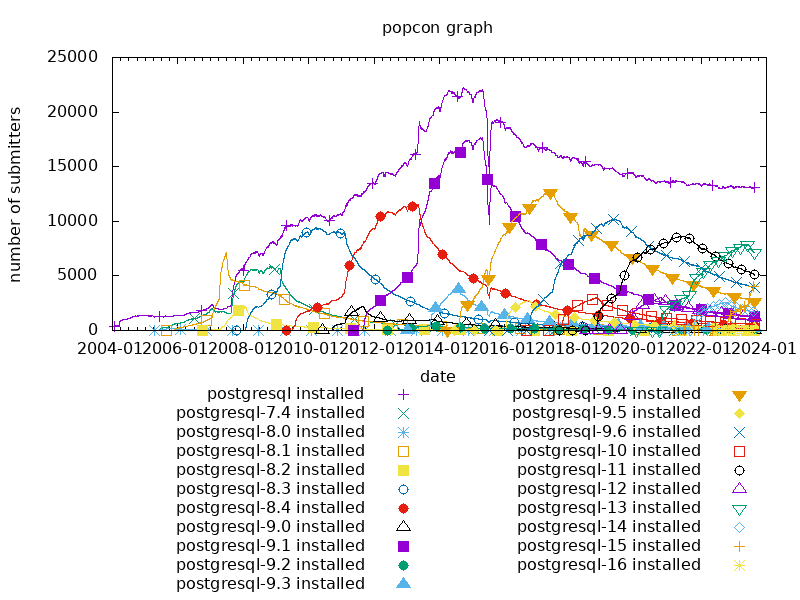
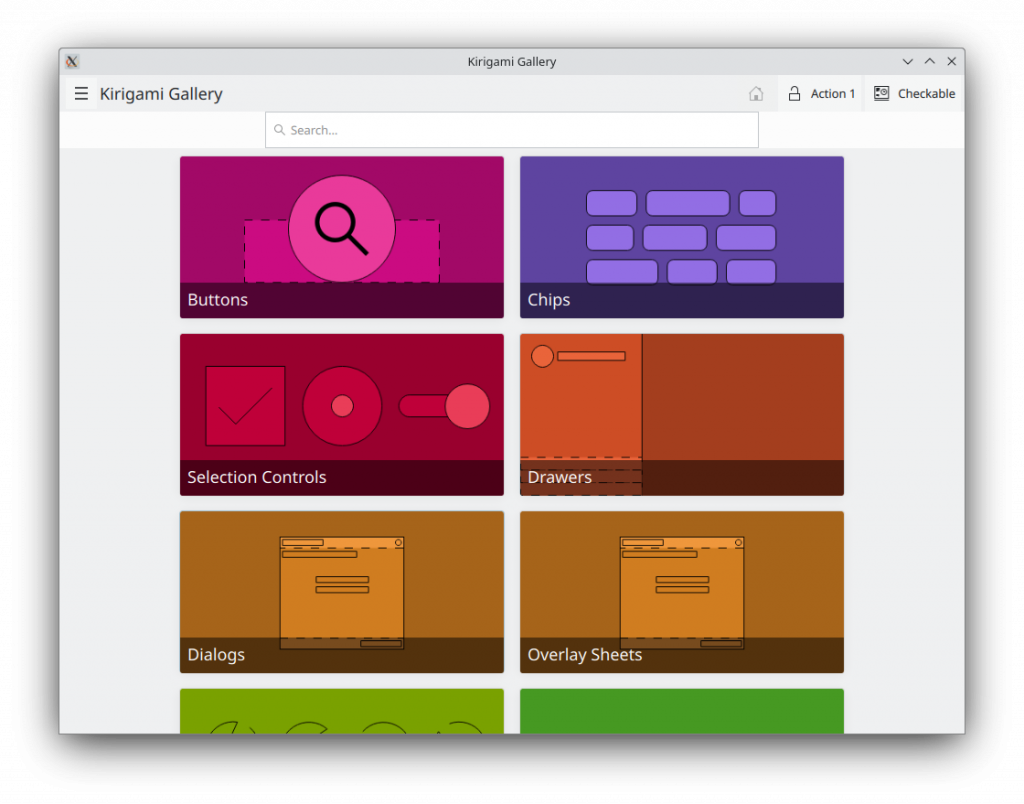
 Em 2023 o tradicional
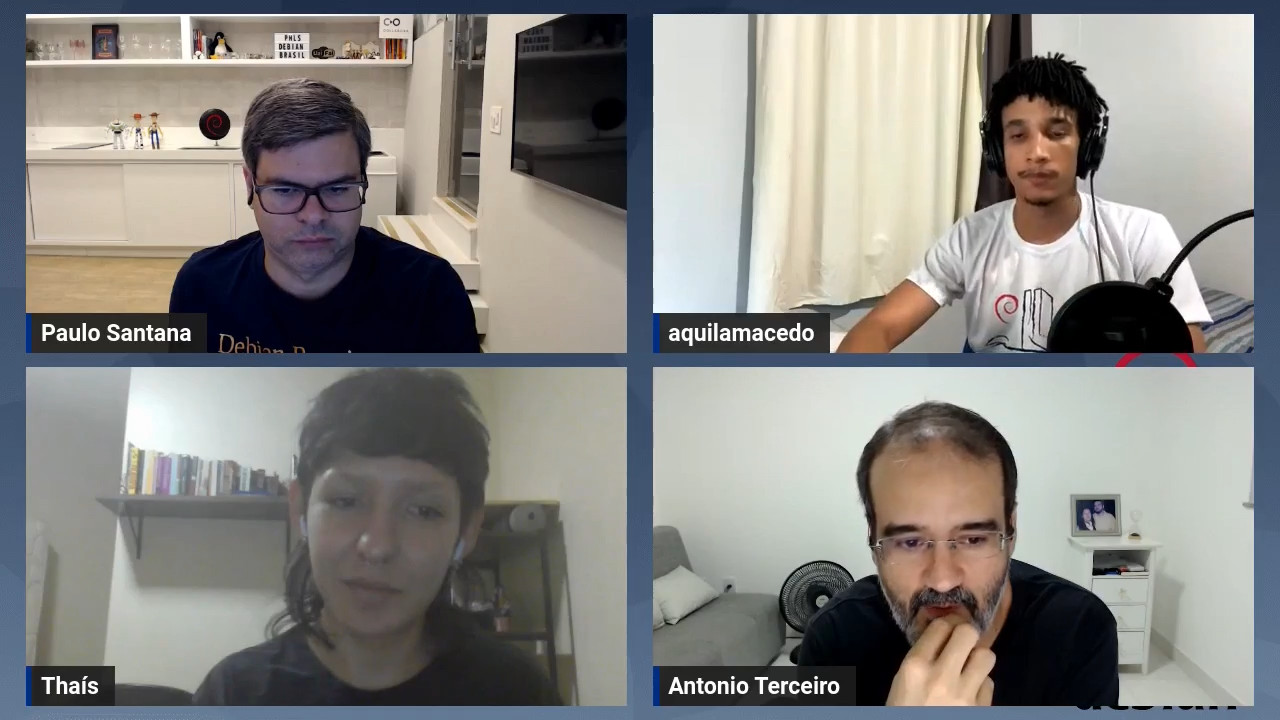
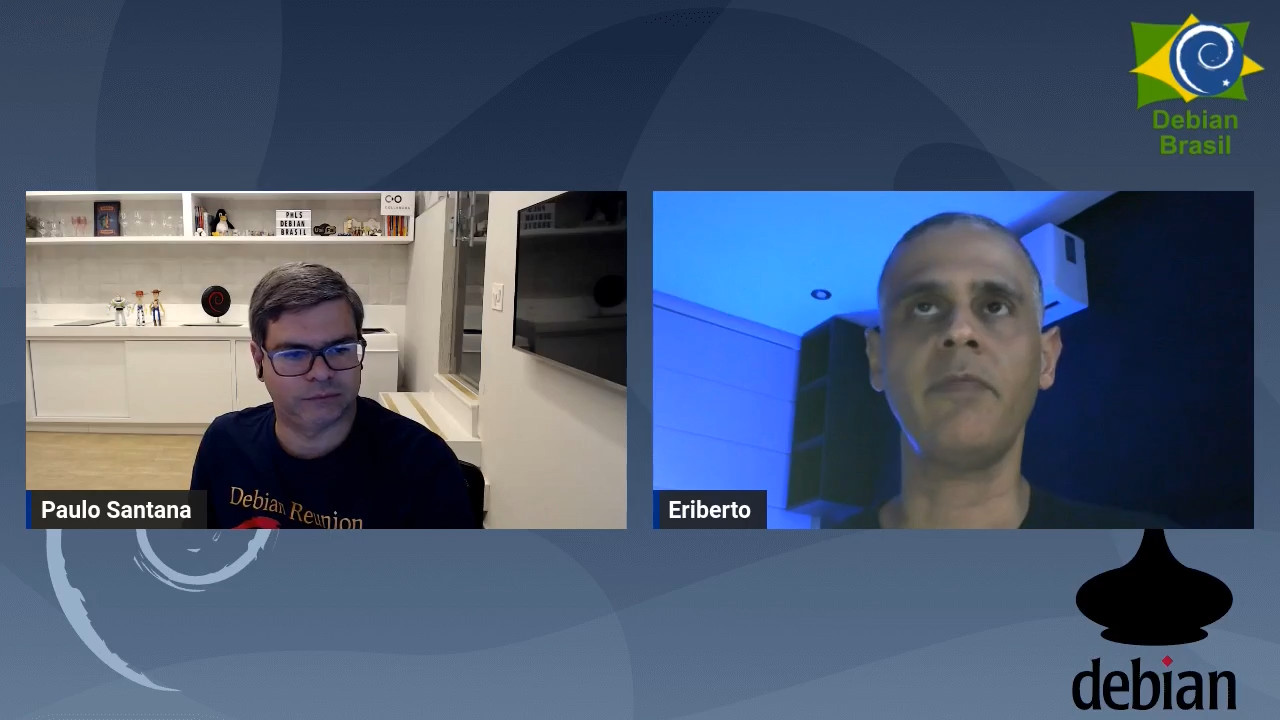
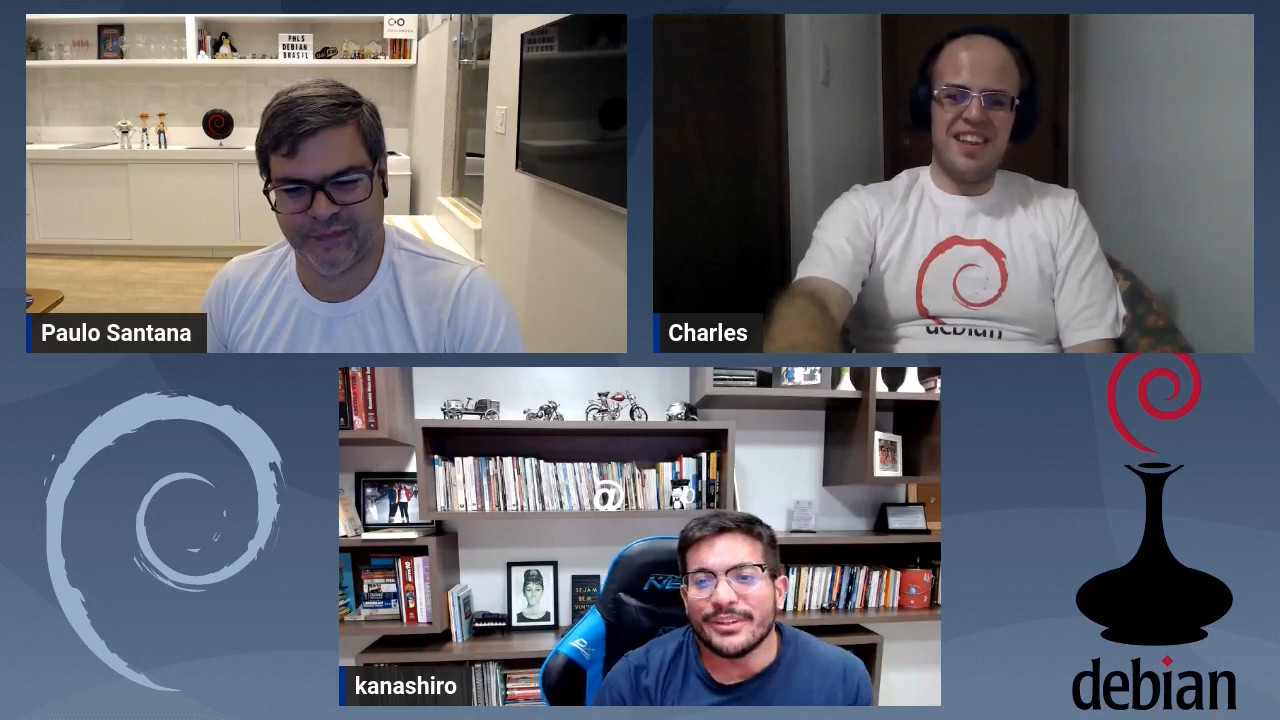
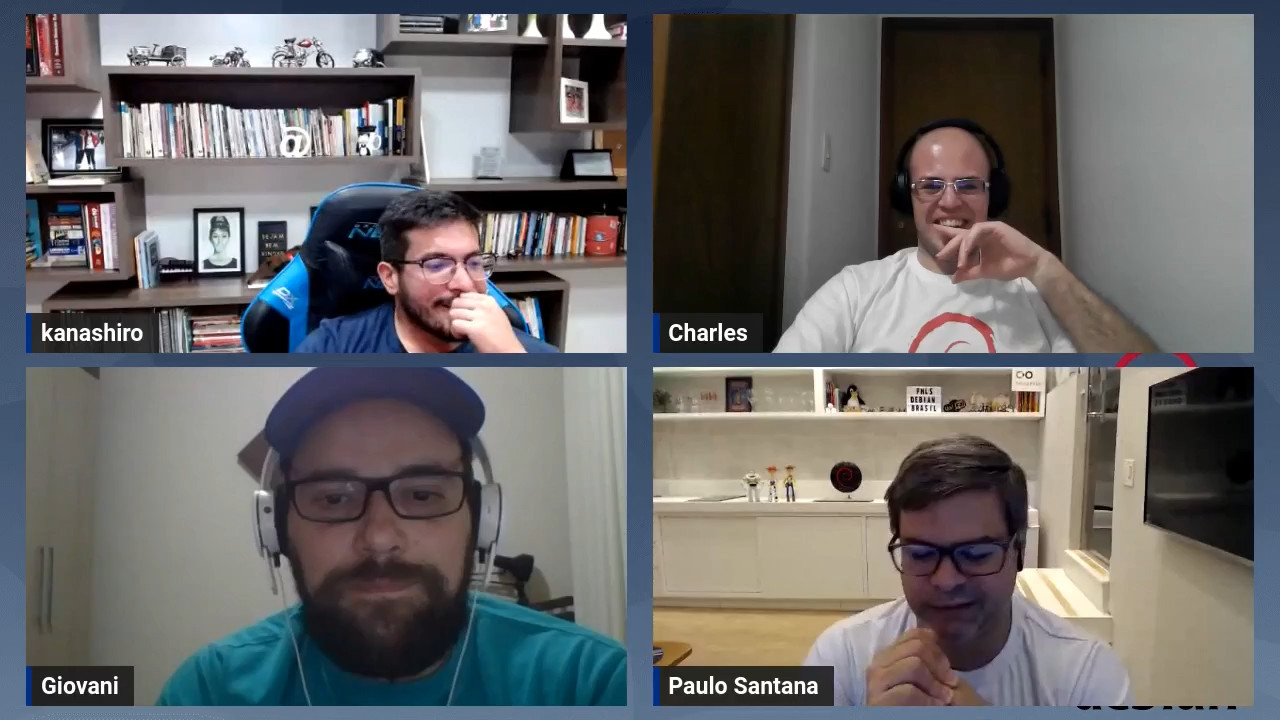

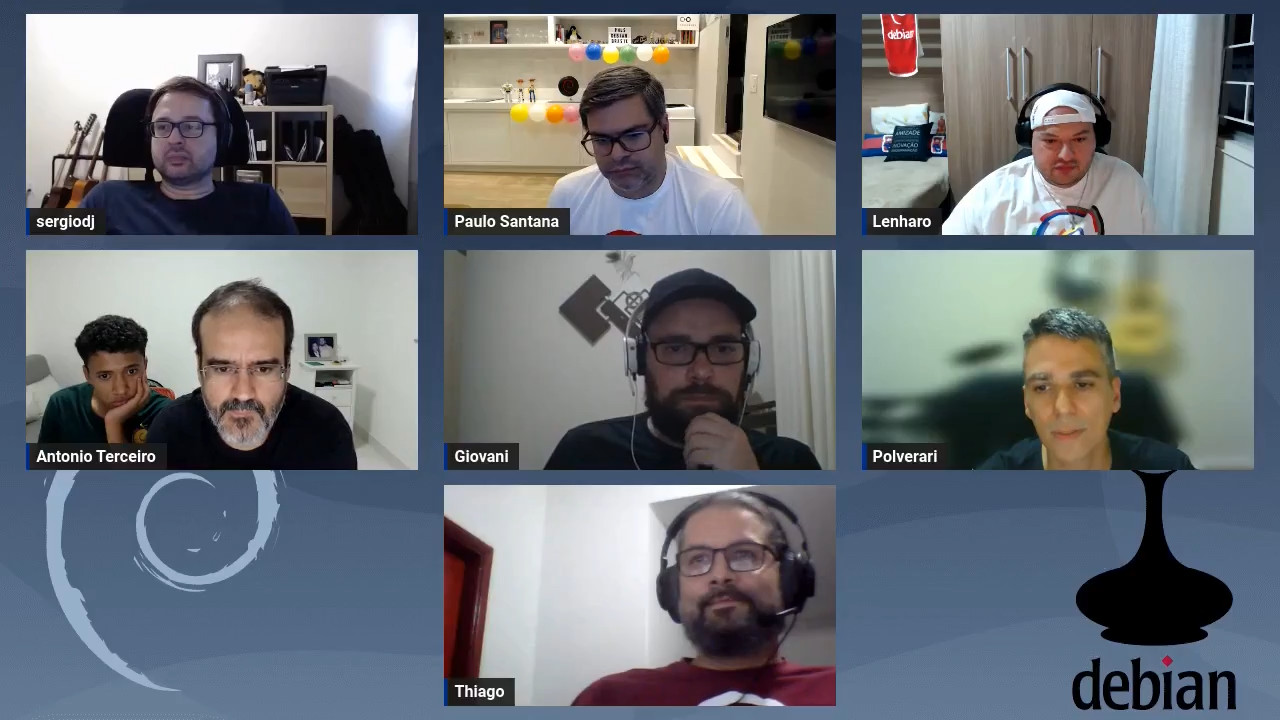
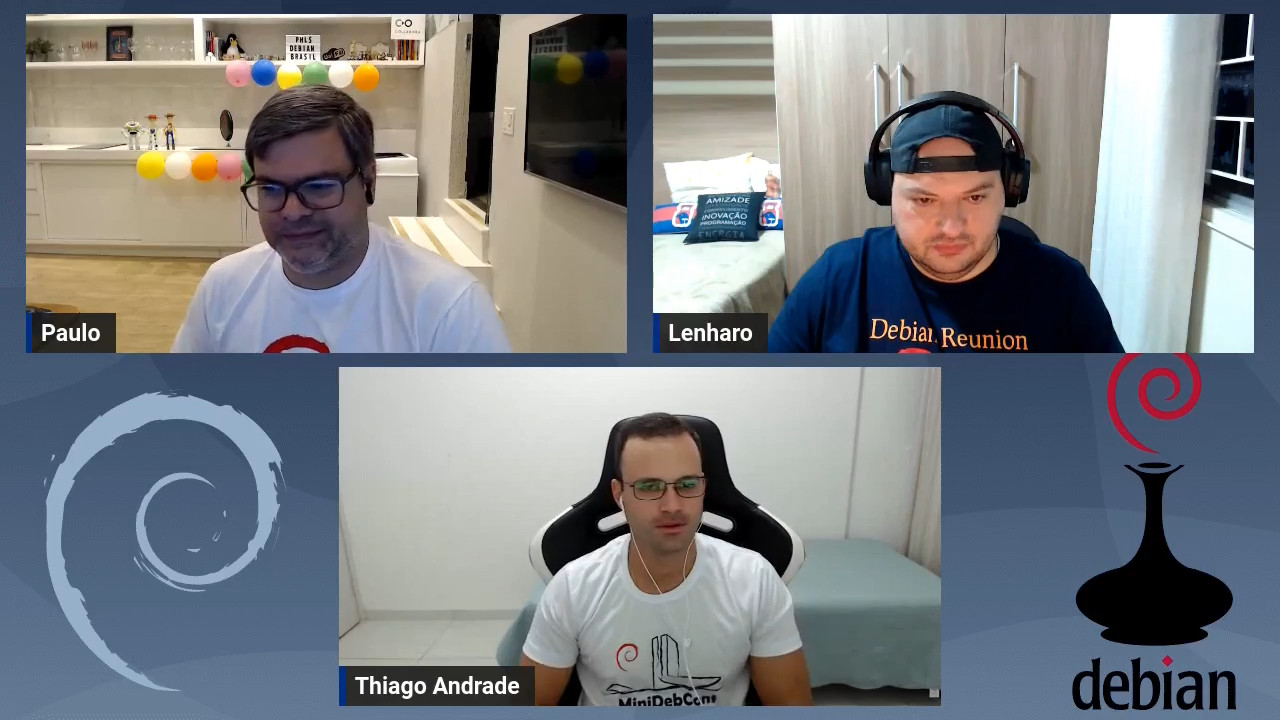
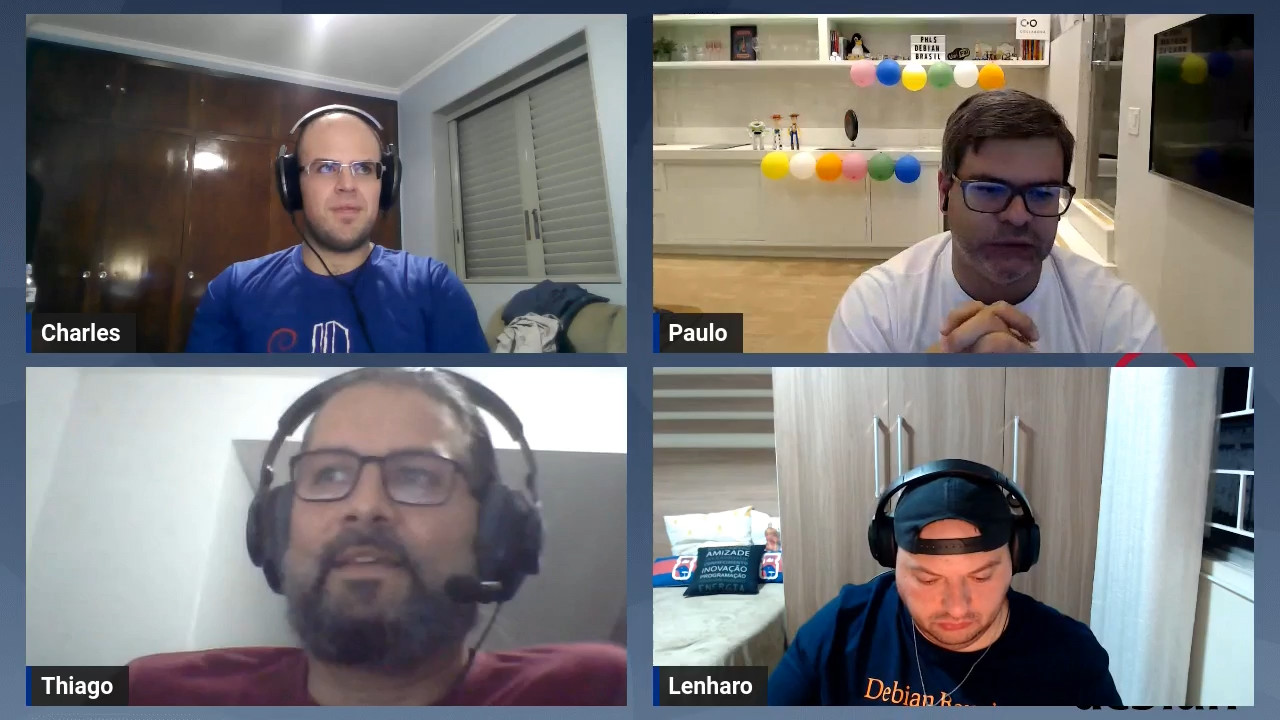
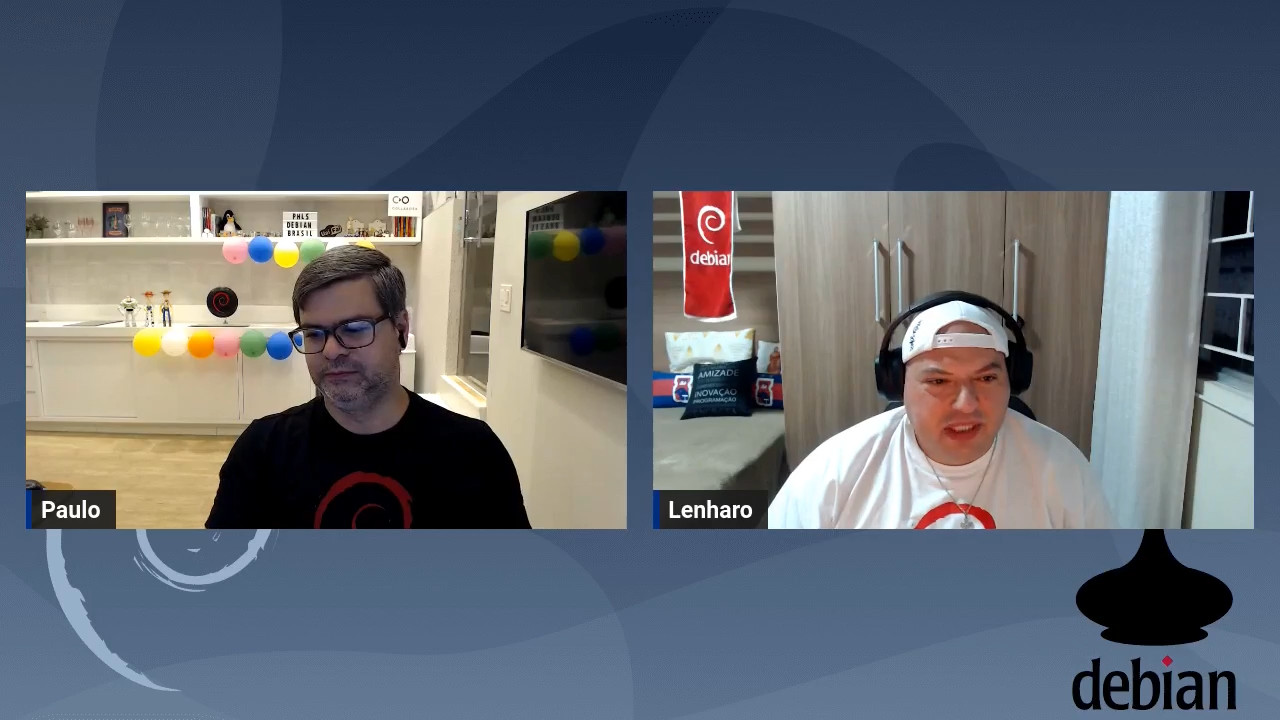
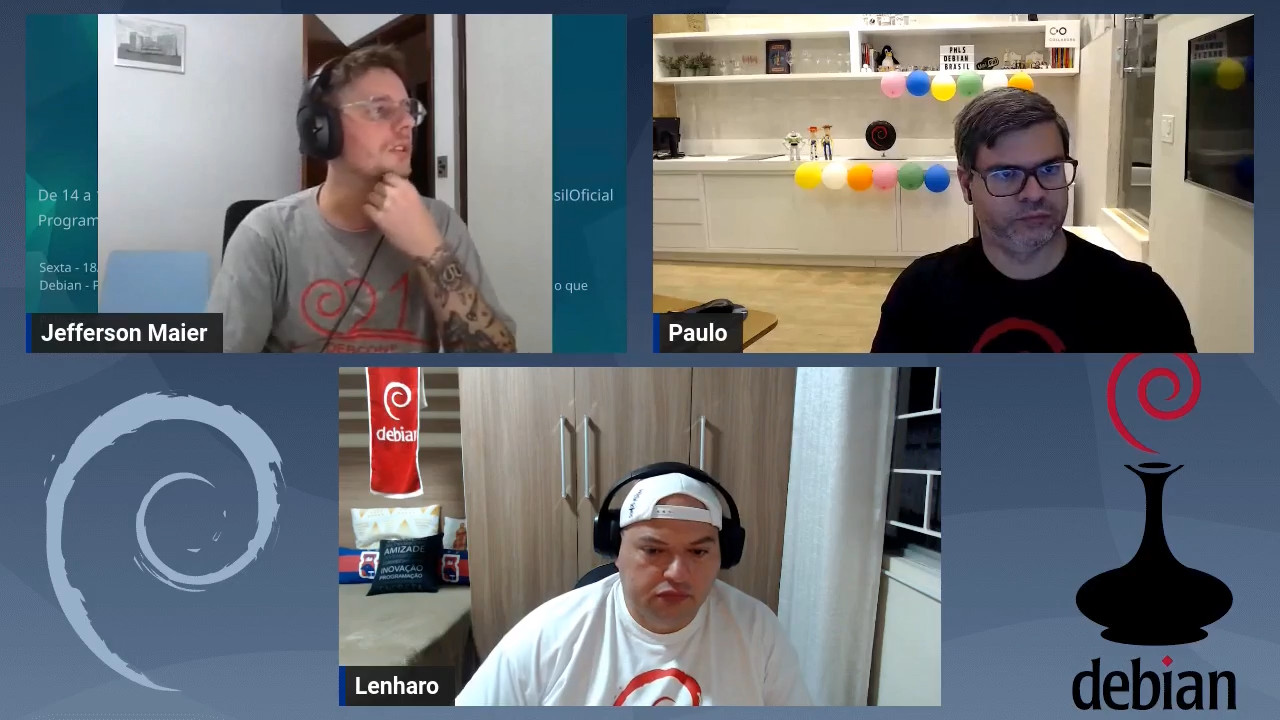
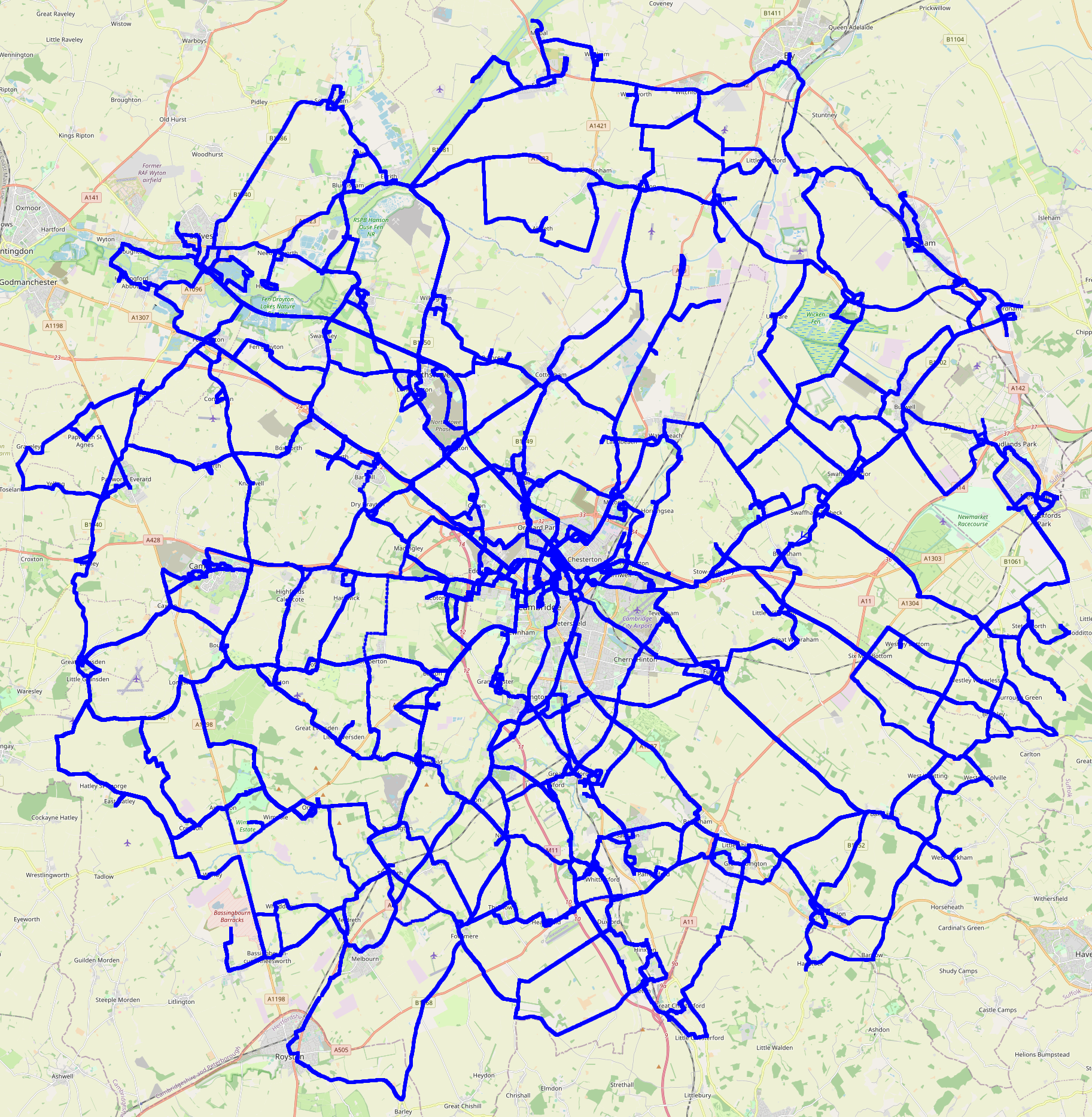 Edited 2023-08-25 01:32 BST to correct a slip.
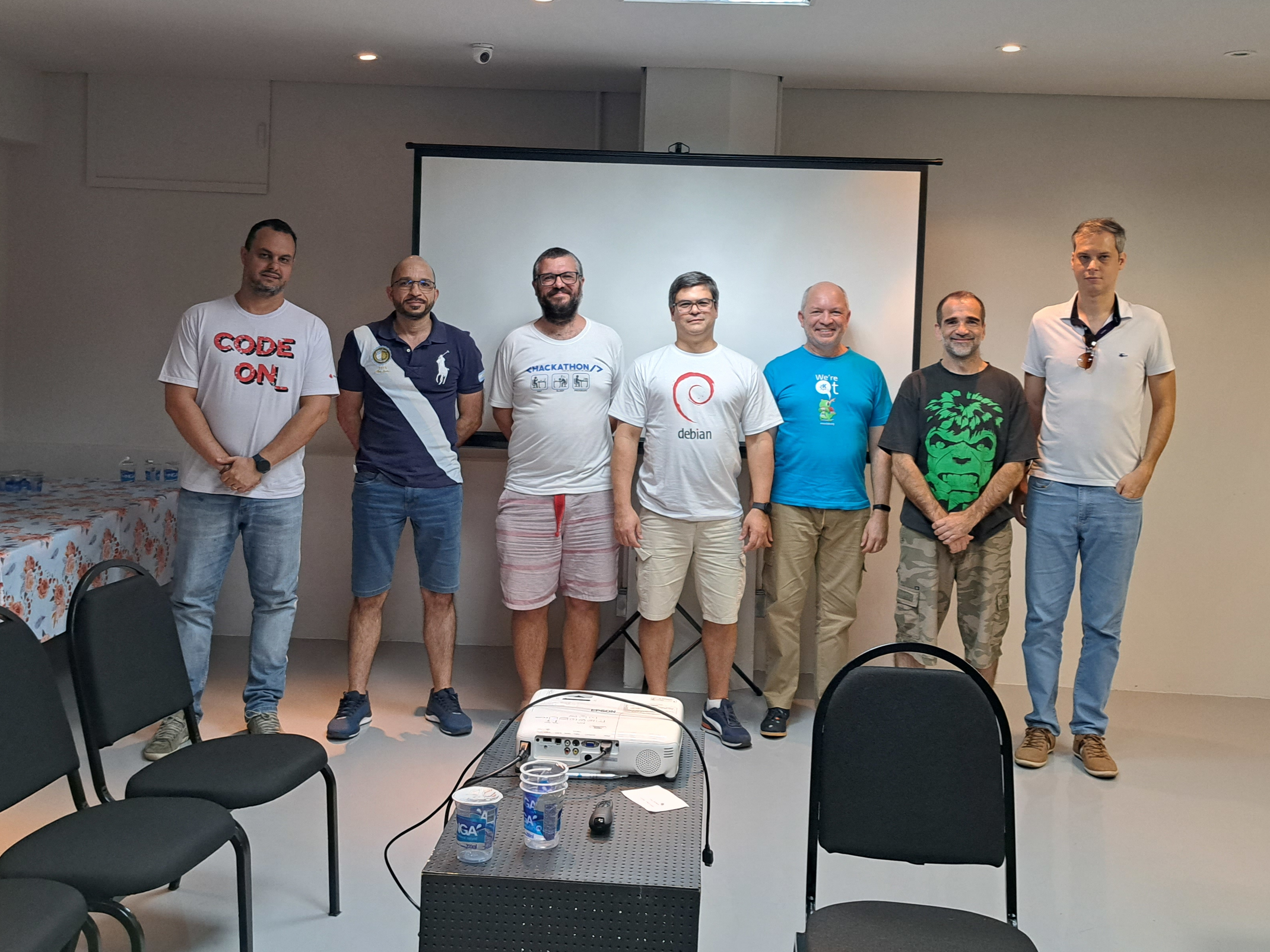
 Another minor release, now at 0.2.4, of our
 Inspired by the fine Debian Local Groups all over the world, I ve long since wanted to start one in Cape Town. Unfortunately, there s been many obstacles over the years. Shiny distractions, an epidemic, DPL terms these are just some of the things that got in the way.
Fortunately, things are starting to gain traction, and we re well on our way to forming a bona fide local group for South Africa.
We got together at Woodstock Grill, they have both a nice meeting room, and good food and beverage, also reasonably central for most of us.
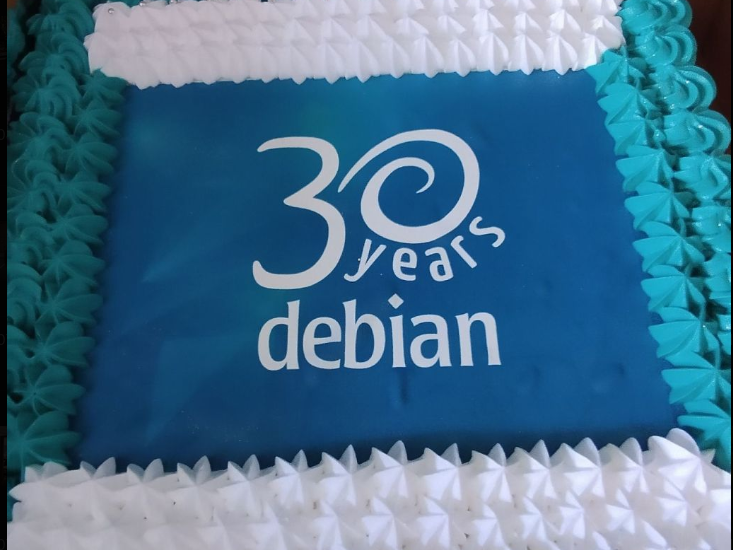
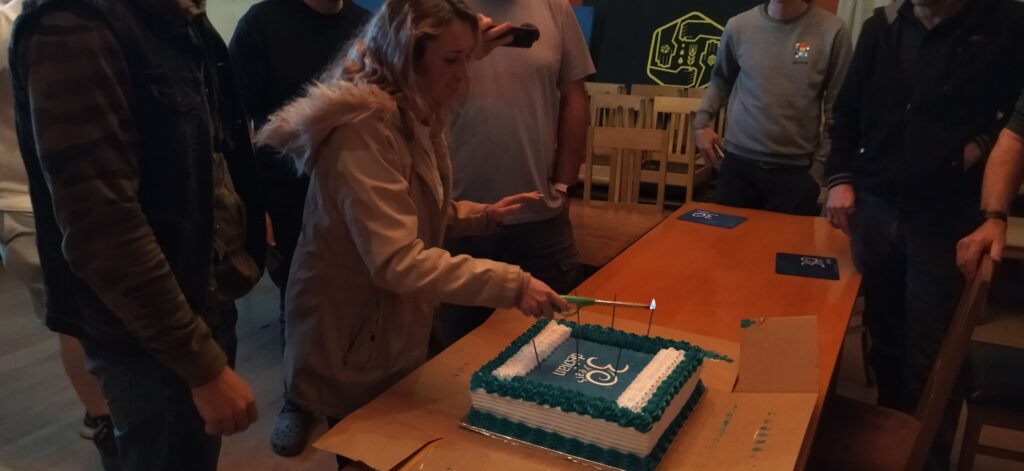
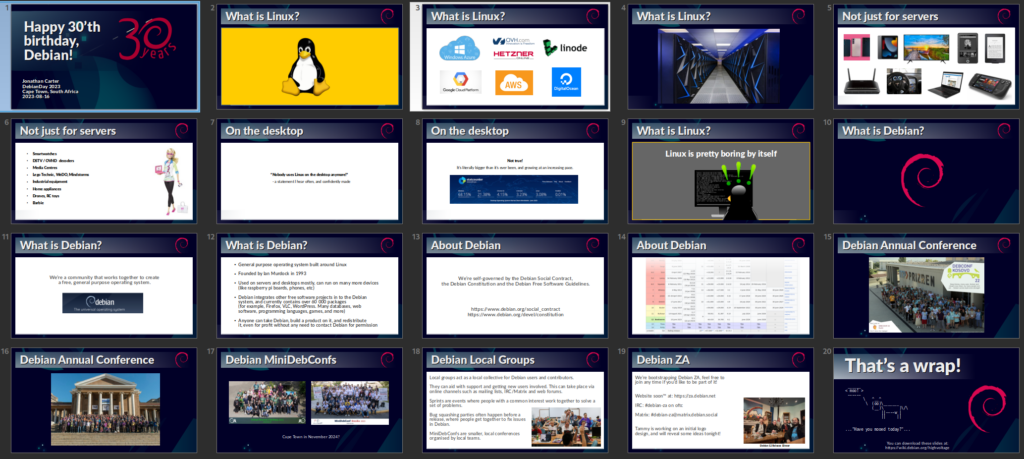
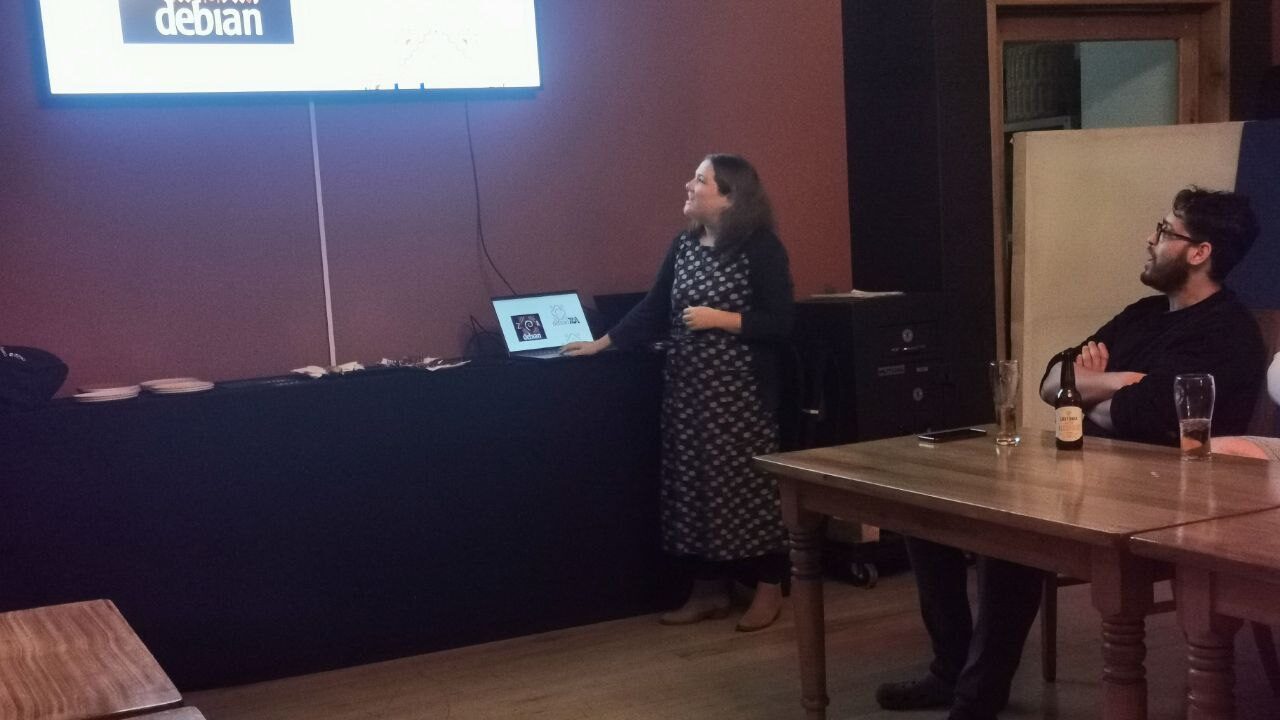
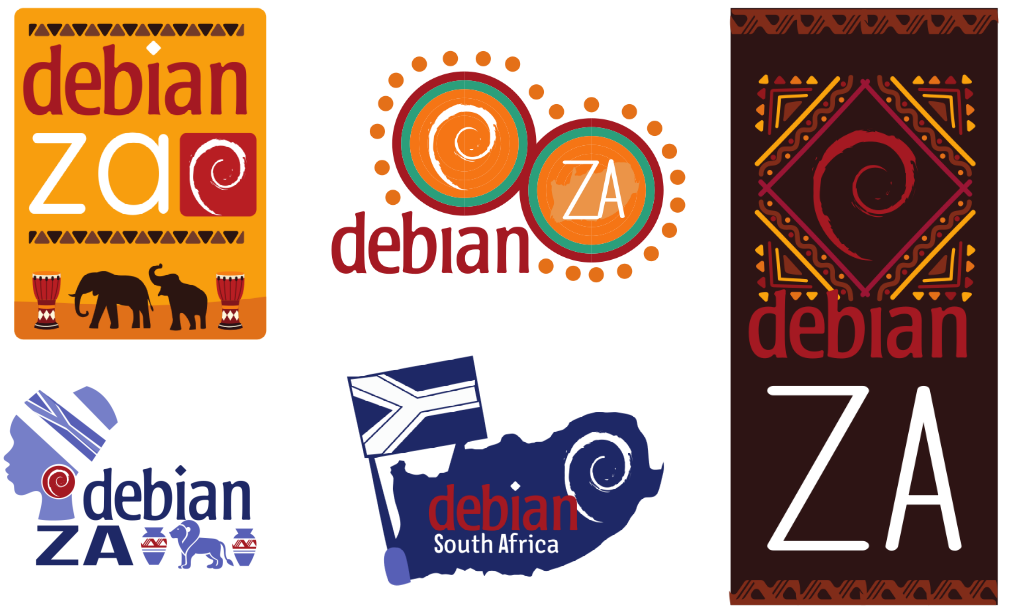
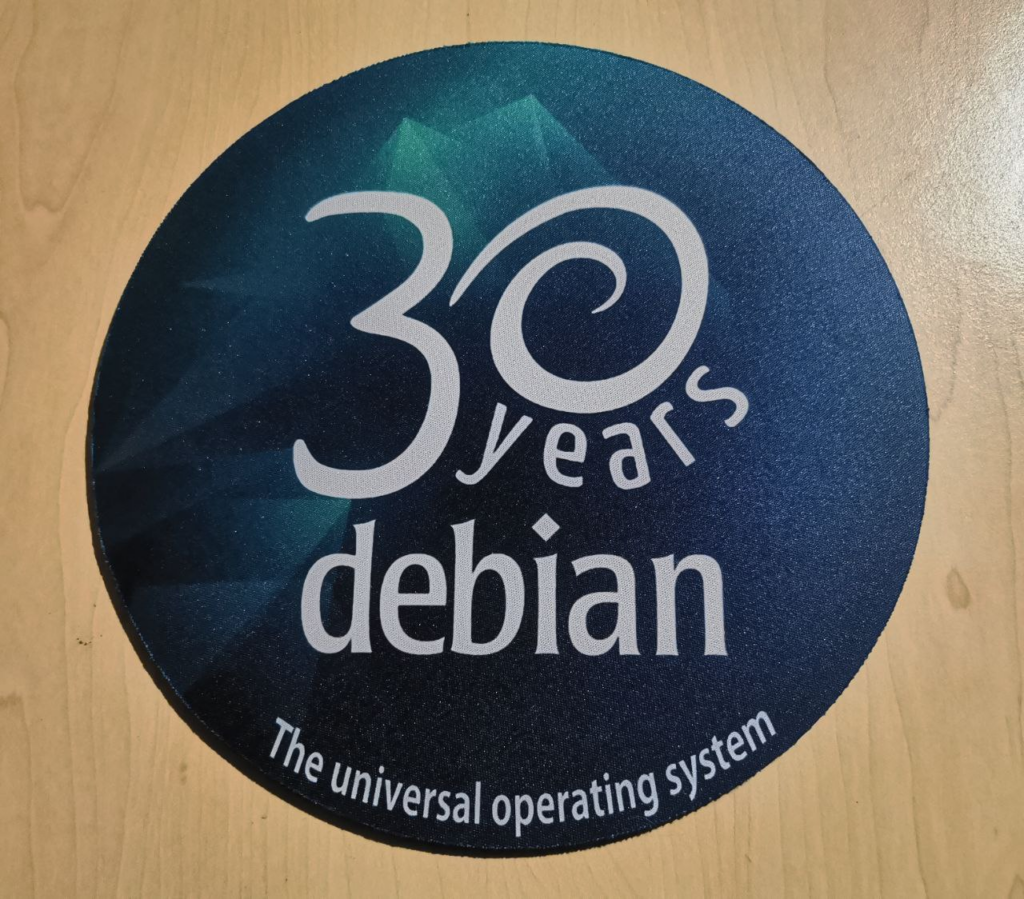
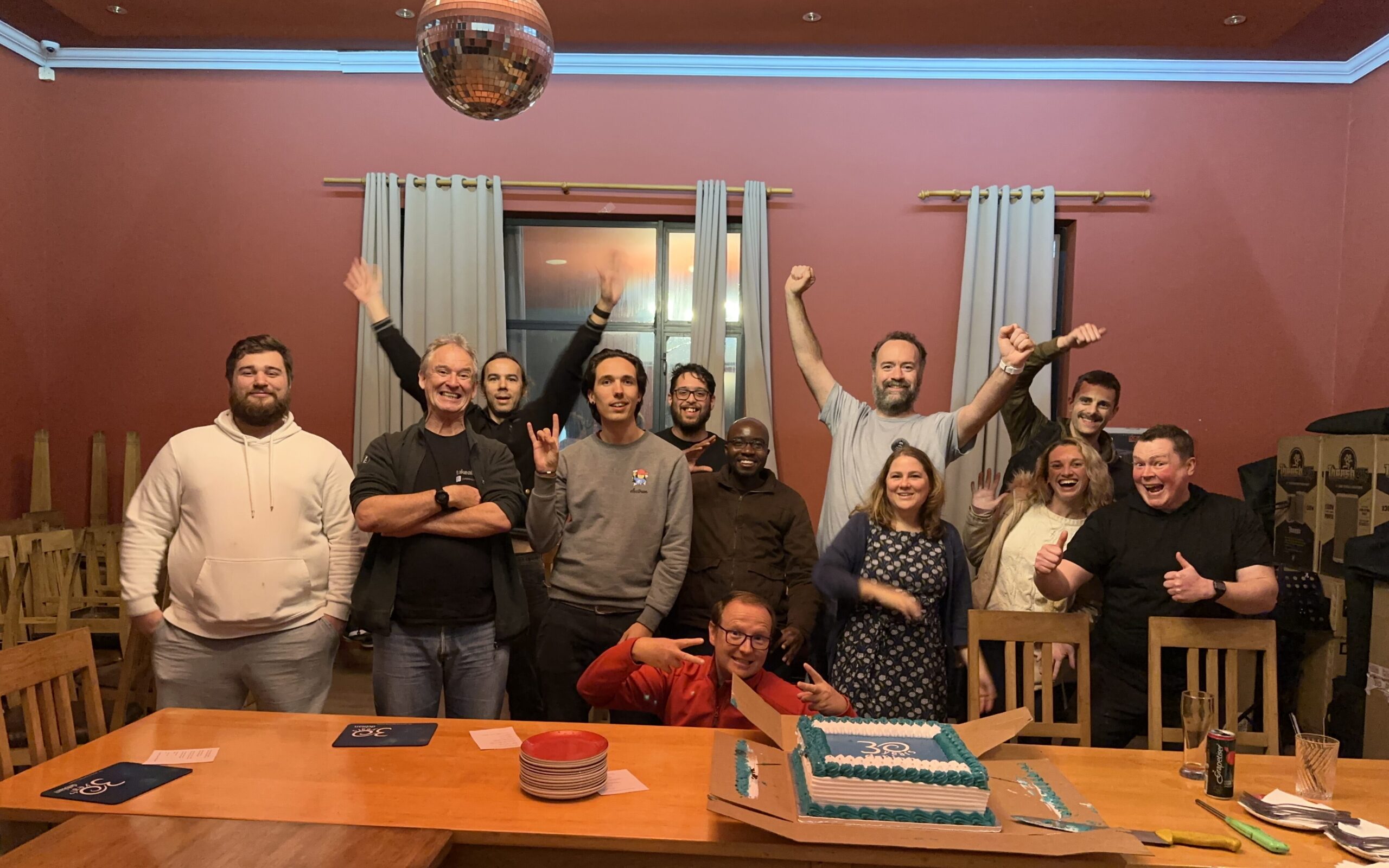

 I've been maintaining a number of Perl software packages recently.
There's
 Je ne me souviens plus de la derni re fois o j'ai utilis la commande
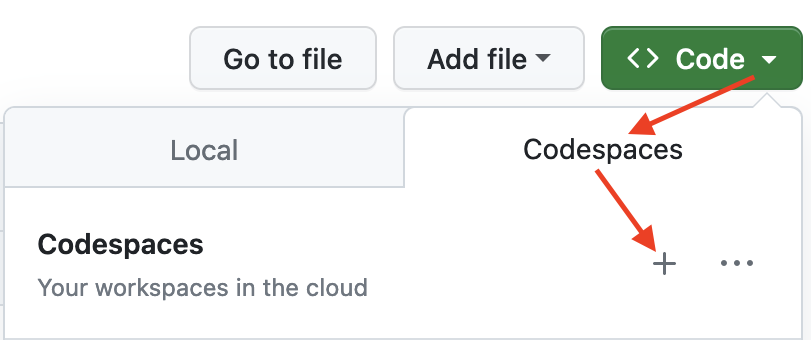 The first time you do this, it will open up a new browser tab where
your Codespace is being instantiated. This first-time instantiation
will take a few minutes (feel free to click View logs to see how
things are progressing) so please be patient. Once built, your Codespace
will deploy almost immediately when you use it again in the future.
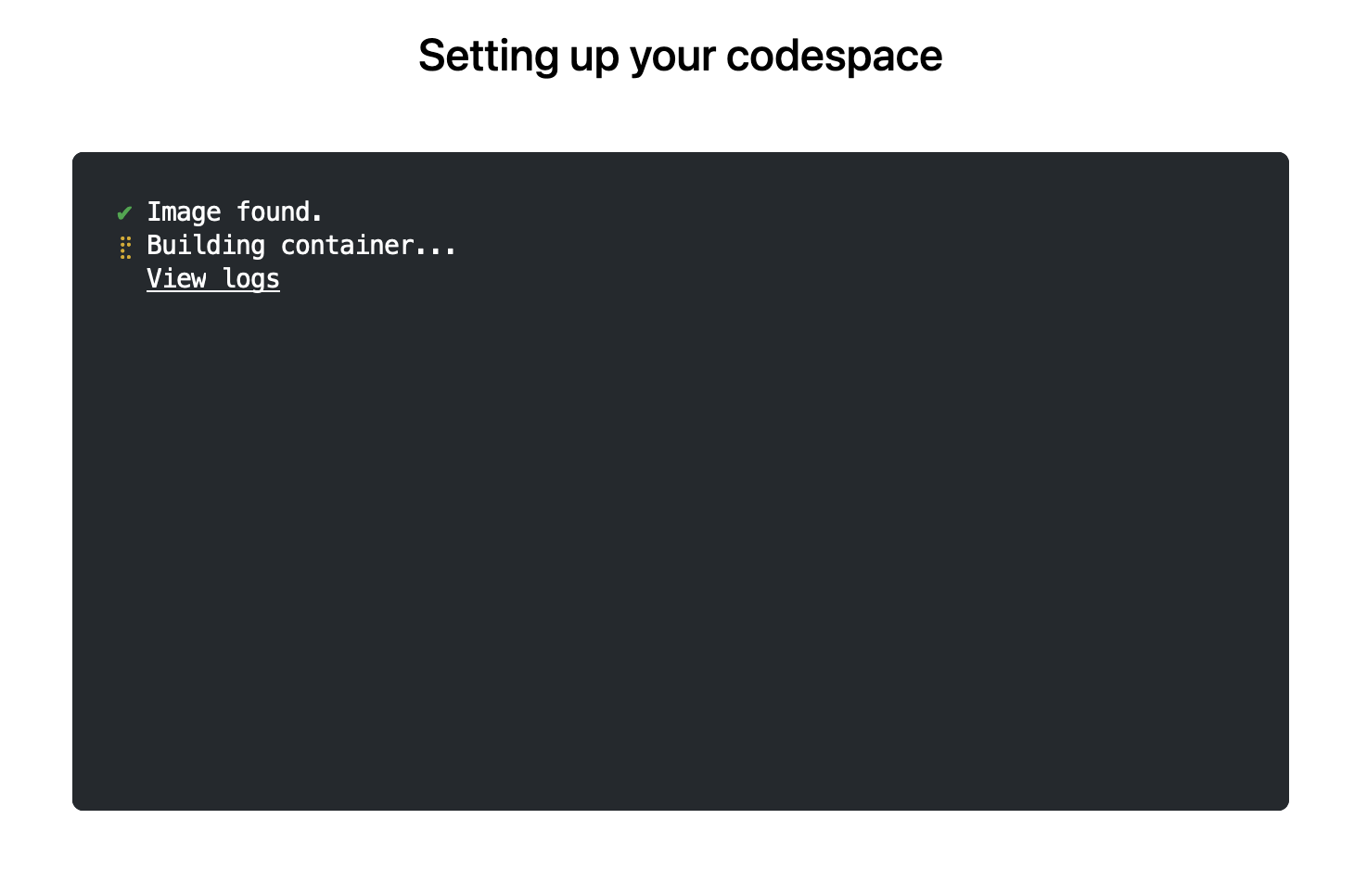 After the VS Code editor opens up in your browser, feel free to open
up the
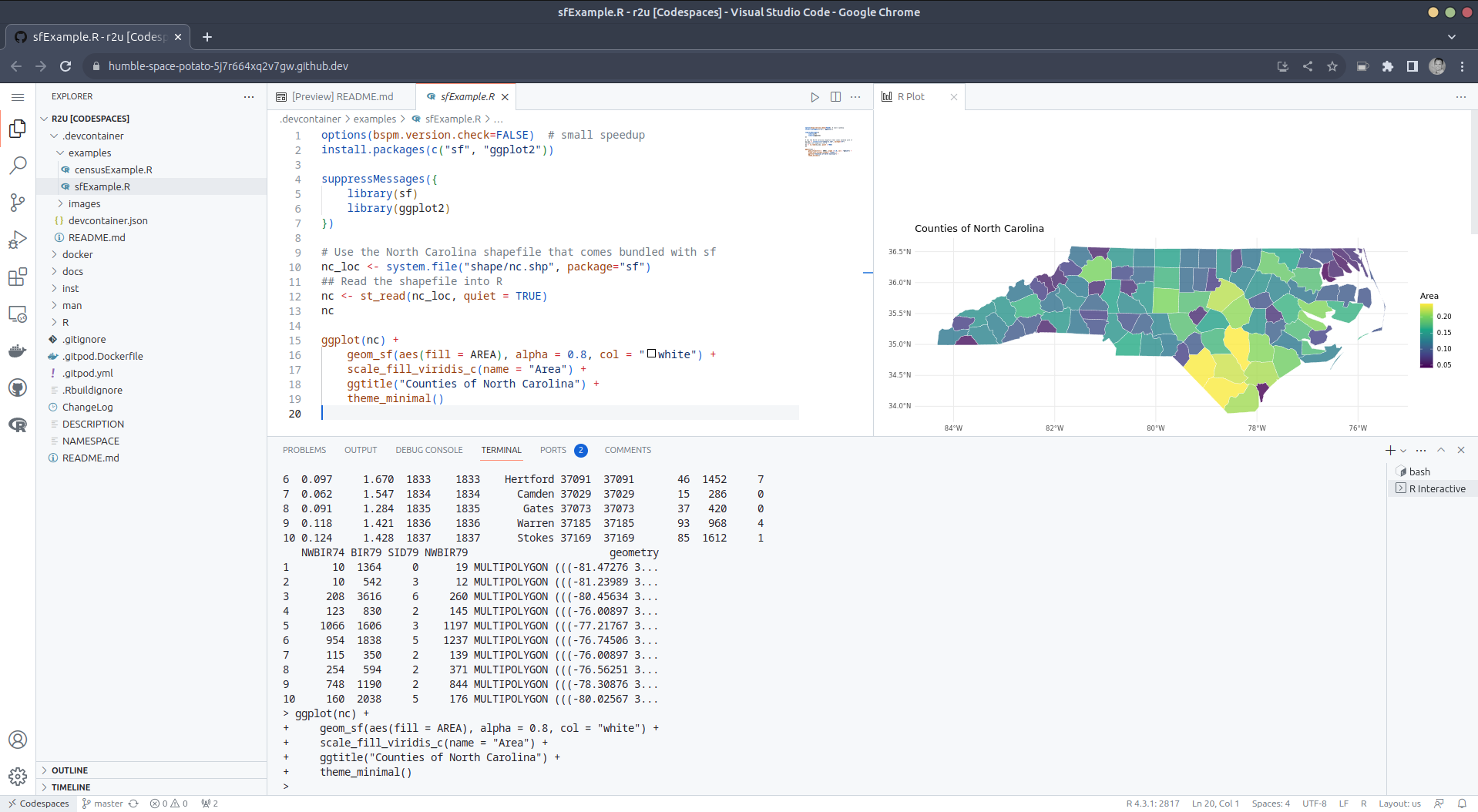 (Both example screenshots reflect the initial
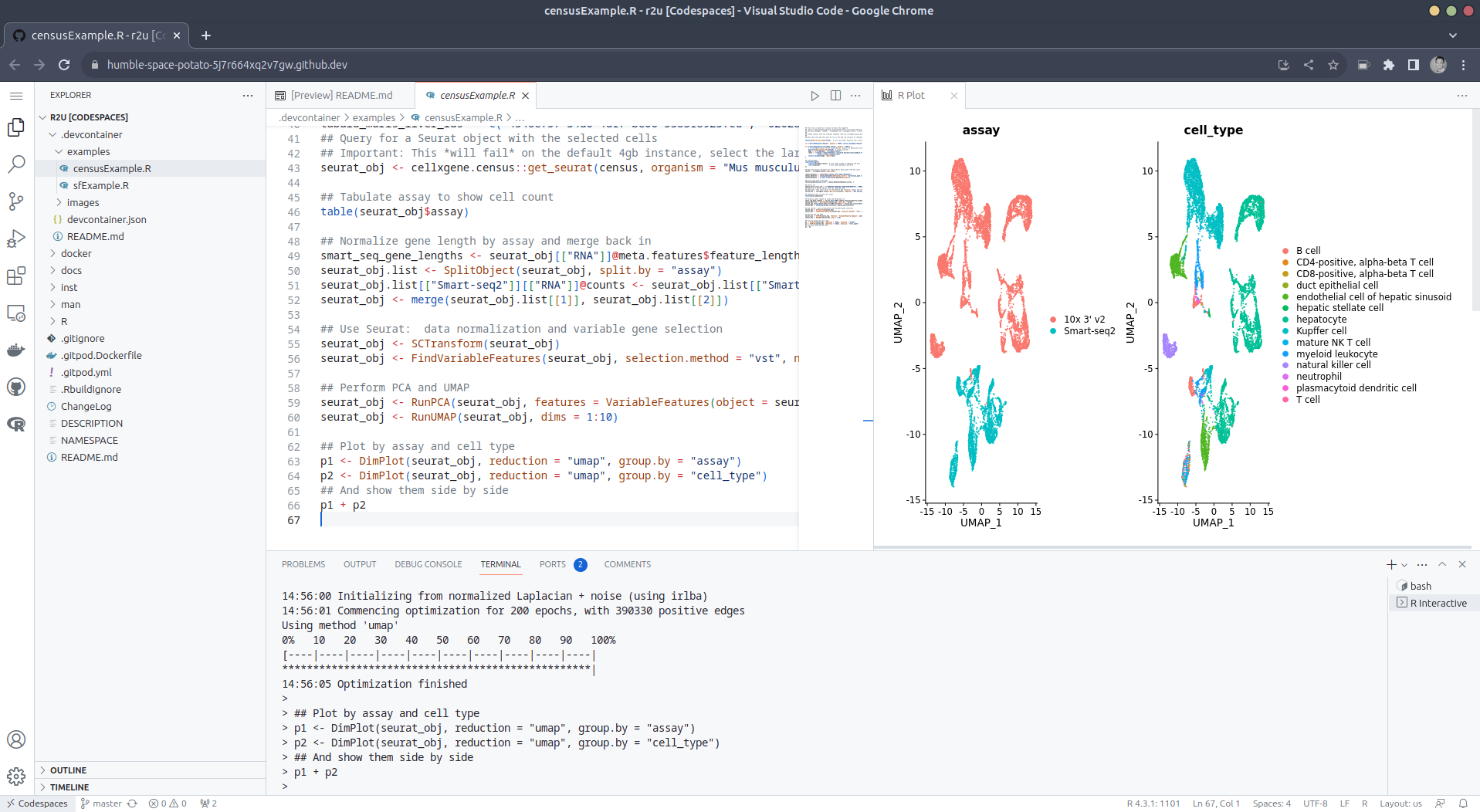
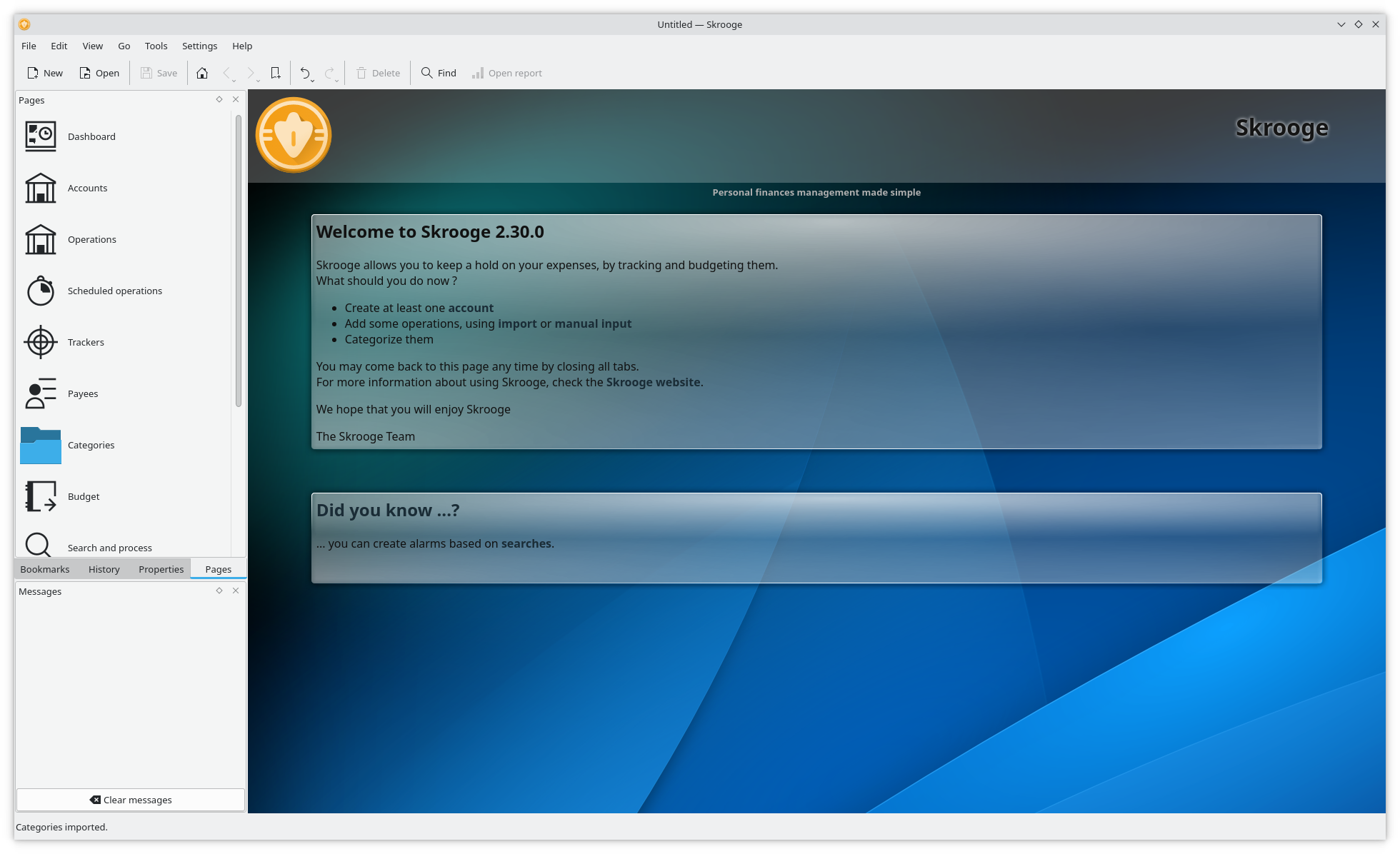 KDE Skrooge snap
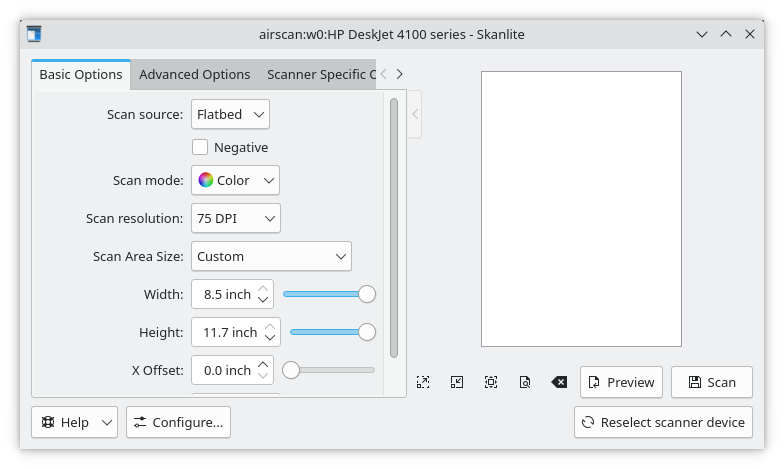
 If you can spare some change ( anything helps ) please consider a donation.