John Goerzen: Consider Security First
I write this in the context of my decision to ditch Raspberry Pi OS and move everything I possibly can, including my Raspberry Pi devices, to Debian. I will write about that later.
But for now, I wanted to comment on something I think is often overlooked and misunderstood by people considering distributions or operating systems: the huge importance of getting security updates in an automated and easy way.
Background
Let s assume that these statements are true, which I think are well-supported by available evidence:
Background
Let s assume that these statements are true, which I think are well-supported by available evidence:
-
Every computer system (OS plus applications) that can do useful modern work has security vulnerabilities, some of which are unknown at any given point in time;
-
During the lifetime of that computer system, some of these vulnerabilities will be discovered. For a (hopefully large) subset of those vulnerabilities, timely patches will become available.
Now then, it follows that applying those timely patches is a critical part of having a system that it as secure as possible. Of course, you have to do other things as well good passwords, secure practices, etc but, fundamentally, if your system lacks patches for known vulnerabilities, you ve already lost at the security ballgame.
How to stay patched
There is something of a continuum of how you might patch your system. It runs roughly like this, from best to worst:
-
All components are kept up-to-date automatically, with no intervention from the user/operator
-
The operator is automatically alerted to necessary patches, and they can be easily installed with minimal intervention
-
The operator is automatically alerted to necessary patches, but they require significant effort to apply
-
The operator has no way to detect vulnerabilities or necessary patches
It should be obvious that the first situation is ideal. Every other situation relies on the timeliness of human action to keep up-to-date with security patches. This is a fallible situation; humans are busy, take trips, dismiss alerts, miss alerts, etc. That said, it is rare to find any system living truly all the way in that scenario, as you ll see.
What is your system ?
A critical point here is: what is your system ? It includes:
- Your kernel
- Your base operating system
- Your applications
- All the libraries needed to run all of the above
Some OSs, such as Debian, make little or no distinction between the base OS and the applications. Others, such as many BSDs, have a distinction there. And in some cases, people will compile or install applications outside of any OS mechanism. (It must be stressed that by doing so, you are taking the responsibility of patching them on your own shoulders.)
How do common systems stack up?
-
Debian, with its support for unattended-upgrades, needrestart, debian-security-support, and such, is largely category 1. It can automatically apply security patches, in most cases can restart the necessary services for the patch to take effect, and will alert you when some processes or the system must be manually restarted for a patch to take effect (for instance, a kernel update). Those cases requiring manual intervention are category 2. The debian-security-support package will even warn you of gaps in the system. You can also use debsecan to scan for known vulnerabilities on a given installation.
-
FreeBSD has no way to automatically install security patches for things in the packages collection. As with many rolling-release systems, you can t automate the installation of these security patches with FreeBSD because it is not safe to blindly update packages. It s not safe to blindly update packages because they may bring along more than just security patches: they may represent major upgrades that introduce incompatibilities, etc. Unlike Debian s practice of backporting fixes and thus producing narrowly-tailored patches, forcing upgrades to newer versions precludes a minimal intervention install. Therefore, rolling release systems are category 3.
-
Things such as Snap, Flatpak, AppImage, Docker containers, Electron apps, and third-party binaries often contain embedded libraries and such for which you have no easy visibility into their status. For instance, if there was a bug in libpng, would you know how many of your containers had a vulnerability? These systems are category 4 you don t even know if you re vulnerable. It s for this reason that my Debian-based Docker containers apply security patches before starting processes, and also run unattended-upgrades and friends.
The pernicious library problem
As mentioned in my last category above, hidden vulnerabilities can be a big problem. I ve been writing about this for years. Back in 2017, I wrote an article focused on Docker containers, but which applies to the other systems like Snap and so forth. I cited a study back then that Over 80% of the :latest versions of official images contained at least one high severity vulnerability. The situation is no better now. In December 2023, it was reported that, two years after the critical Log4Shell vulnerability, 25% of apps were still vulnerable to it. Also, only 21% of developers ever update third-party libraries after introducing them into their projects.
Clearly, you can t rely on these images with embedded libraries to be secure. And since they are black box, they are difficult to audit.
Debian s policy of always splitting libraries out from packages is hugely beneficial; it allows finegrained analysis of not just vulnerabilities, but also the dependency graph. If there s a vulnerability in libpng, you have one place to patch it and you also know exactly what components of your system use it.
If you use snaps, or AppImages, you can t know if they contain a deeply embedded vulnerability, nor could you patch it yourself if you even knew. You are at the mercy of upstream detecting and remedying the problem a dicey situation at best.
Who makes the patches?
Fundamentally, humans produce security patches. Often, but not always, patches originate with the authors of a program and then are integrated into distribution packages. It should be noted that every security team has finite resources; there will always be some CVEs that aren t patched in a given system for various reasons; perhaps they are not exploitable, or are too low-impact, or have better mitigations than patches.
Debian has an excellent security team; they manage the process of integrating patches into Debian, produce Debian Security Advisories, maintain the Debian Security Tracker (which maintains cross-references with the CVE database), etc.
Some distributions don t have this infrastructure. For instance, I was unable to find this kind of tracker for Devuan or Raspberry Pi OS. In contrast, Ubuntu and Arch Linux both seem to have active security teams with trackers and advisories.
Implications for Raspberry Pi OS and others
As I mentioned above, I m transitioning my Pi devices off Raspberry Pi OS (Raspbian). Security is one reason. Although Raspbian is a fork of Debian, and you can install packages like unattended-upgrades on it, they don t work right because they use the Debian infrastructure, and Raspbian hasn t modified them to use their own infrastructure. I don t see any Raspberry Pi OS security advisories, trackers, etc. In short, they lack the infrastructure to support those Debian tools anyhow.
Not only that, but Raspbian lags behind Debian in both new releases and new security patches, sometimes by days or weeks.
Live Migrating from Raspberry Pi OS bullseye to Debian bookworm contains instructions for migrating Raspberry Pis to Debian.
- All components are kept up-to-date automatically, with no intervention from the user/operator
- The operator is automatically alerted to necessary patches, and they can be easily installed with minimal intervention
- The operator is automatically alerted to necessary patches, but they require significant effort to apply
- The operator has no way to detect vulnerabilities or necessary patches
What is your system ?
A critical point here is: what is your system ? It includes:
- Your kernel
- Your base operating system
- Your applications
- All the libraries needed to run all of the above
Some OSs, such as Debian, make little or no distinction between the base OS and the applications. Others, such as many BSDs, have a distinction there. And in some cases, people will compile or install applications outside of any OS mechanism. (It must be stressed that by doing so, you are taking the responsibility of patching them on your own shoulders.)
How do common systems stack up?
-
Debian, with its support for unattended-upgrades, needrestart, debian-security-support, and such, is largely category 1. It can automatically apply security patches, in most cases can restart the necessary services for the patch to take effect, and will alert you when some processes or the system must be manually restarted for a patch to take effect (for instance, a kernel update). Those cases requiring manual intervention are category 2. The debian-security-support package will even warn you of gaps in the system. You can also use debsecan to scan for known vulnerabilities on a given installation.
-
FreeBSD has no way to automatically install security patches for things in the packages collection. As with many rolling-release systems, you can t automate the installation of these security patches with FreeBSD because it is not safe to blindly update packages. It s not safe to blindly update packages because they may bring along more than just security patches: they may represent major upgrades that introduce incompatibilities, etc. Unlike Debian s practice of backporting fixes and thus producing narrowly-tailored patches, forcing upgrades to newer versions precludes a minimal intervention install. Therefore, rolling release systems are category 3.
-
Things such as Snap, Flatpak, AppImage, Docker containers, Electron apps, and third-party binaries often contain embedded libraries and such for which you have no easy visibility into their status. For instance, if there was a bug in libpng, would you know how many of your containers had a vulnerability? These systems are category 4 you don t even know if you re vulnerable. It s for this reason that my Debian-based Docker containers apply security patches before starting processes, and also run unattended-upgrades and friends.
The pernicious library problem
As mentioned in my last category above, hidden vulnerabilities can be a big problem. I ve been writing about this for years. Back in 2017, I wrote an article focused on Docker containers, but which applies to the other systems like Snap and so forth. I cited a study back then that Over 80% of the :latest versions of official images contained at least one high severity vulnerability. The situation is no better now. In December 2023, it was reported that, two years after the critical Log4Shell vulnerability, 25% of apps were still vulnerable to it. Also, only 21% of developers ever update third-party libraries after introducing them into their projects.
Clearly, you can t rely on these images with embedded libraries to be secure. And since they are black box, they are difficult to audit.
Debian s policy of always splitting libraries out from packages is hugely beneficial; it allows finegrained analysis of not just vulnerabilities, but also the dependency graph. If there s a vulnerability in libpng, you have one place to patch it and you also know exactly what components of your system use it.
If you use snaps, or AppImages, you can t know if they contain a deeply embedded vulnerability, nor could you patch it yourself if you even knew. You are at the mercy of upstream detecting and remedying the problem a dicey situation at best.
Who makes the patches?
Fundamentally, humans produce security patches. Often, but not always, patches originate with the authors of a program and then are integrated into distribution packages. It should be noted that every security team has finite resources; there will always be some CVEs that aren t patched in a given system for various reasons; perhaps they are not exploitable, or are too low-impact, or have better mitigations than patches.
Debian has an excellent security team; they manage the process of integrating patches into Debian, produce Debian Security Advisories, maintain the Debian Security Tracker (which maintains cross-references with the CVE database), etc.
Some distributions don t have this infrastructure. For instance, I was unable to find this kind of tracker for Devuan or Raspberry Pi OS. In contrast, Ubuntu and Arch Linux both seem to have active security teams with trackers and advisories.
Implications for Raspberry Pi OS and others
As I mentioned above, I m transitioning my Pi devices off Raspberry Pi OS (Raspbian). Security is one reason. Although Raspbian is a fork of Debian, and you can install packages like unattended-upgrades on it, they don t work right because they use the Debian infrastructure, and Raspbian hasn t modified them to use their own infrastructure. I don t see any Raspberry Pi OS security advisories, trackers, etc. In short, they lack the infrastructure to support those Debian tools anyhow.
Not only that, but Raspbian lags behind Debian in both new releases and new security patches, sometimes by days or weeks.
Live Migrating from Raspberry Pi OS bullseye to Debian bookworm contains instructions for migrating Raspberry Pis to Debian.
- Debian, with its support for unattended-upgrades, needrestart, debian-security-support, and such, is largely category 1. It can automatically apply security patches, in most cases can restart the necessary services for the patch to take effect, and will alert you when some processes or the system must be manually restarted for a patch to take effect (for instance, a kernel update). Those cases requiring manual intervention are category 2. The debian-security-support package will even warn you of gaps in the system. You can also use debsecan to scan for known vulnerabilities on a given installation.
- FreeBSD has no way to automatically install security patches for things in the packages collection. As with many rolling-release systems, you can t automate the installation of these security patches with FreeBSD because it is not safe to blindly update packages. It s not safe to blindly update packages because they may bring along more than just security patches: they may represent major upgrades that introduce incompatibilities, etc. Unlike Debian s practice of backporting fixes and thus producing narrowly-tailored patches, forcing upgrades to newer versions precludes a minimal intervention install. Therefore, rolling release systems are category 3.
- Things such as Snap, Flatpak, AppImage, Docker containers, Electron apps, and third-party binaries often contain embedded libraries and such for which you have no easy visibility into their status. For instance, if there was a bug in libpng, would you know how many of your containers had a vulnerability? These systems are category 4 you don t even know if you re vulnerable. It s for this reason that my Debian-based Docker containers apply security patches before starting processes, and also run unattended-upgrades and friends.
 Libraries are collections of code that are intended to be usable by multiple consumers (if you're interested in the etymology, watch
 One of the knitting projects I m working on is a big bottom-up
triangular shawl in less-than-fingering weight yarn (NM 1/15): it feels
like a cloud should by all rights feel, and I have good expectations out
of it, but it s taking forever and a day.
And then one day last spring I started thinking in the general direction
of top-down shawls, and decided I couldn t wait until I had finished the
first one to see if I could design one.
For my first attempt I used an odd ball of 50% wool 50% plastic I had in
my stash and worked it on 12 mm tree trunks, and I quickly made
something between a scarf and a shawl that got some use during the
summer thunderstorms when temperatures got a bit lower, but not really
cold. I was happy with the shape, not with the exact position of the
increases, but I had ideas for improvements, so I just had to try
another time.
Digging through the stash I found four balls of Drops Alpaca in two
shades of grey: I had bought it with the intent to test its durability
in somewhat more demanding situations (such as gloves or even socks),
but then the LYS

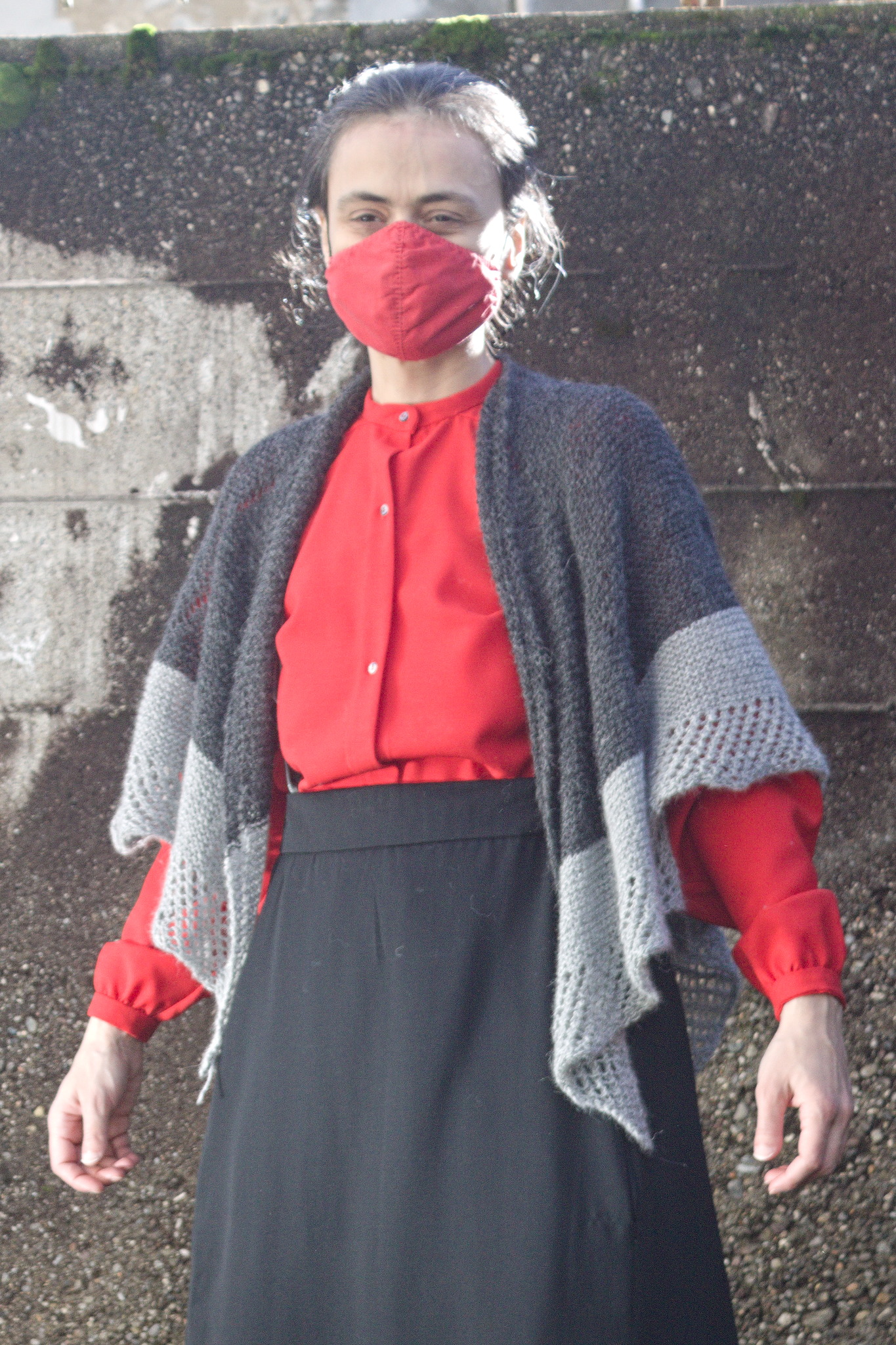 I m glad that I did it, however, as it s still soft and warm, but now
also looks nicer.
The pattern is of course online as #FreeSoftWear on
 Figure 1: Content-Security-Policy browser communication
This is revolutionary, because it allows servers to receive feedback
in real time on errors that may be appearing in the browser s console.
 By the influencers on the famous proprietary video platform
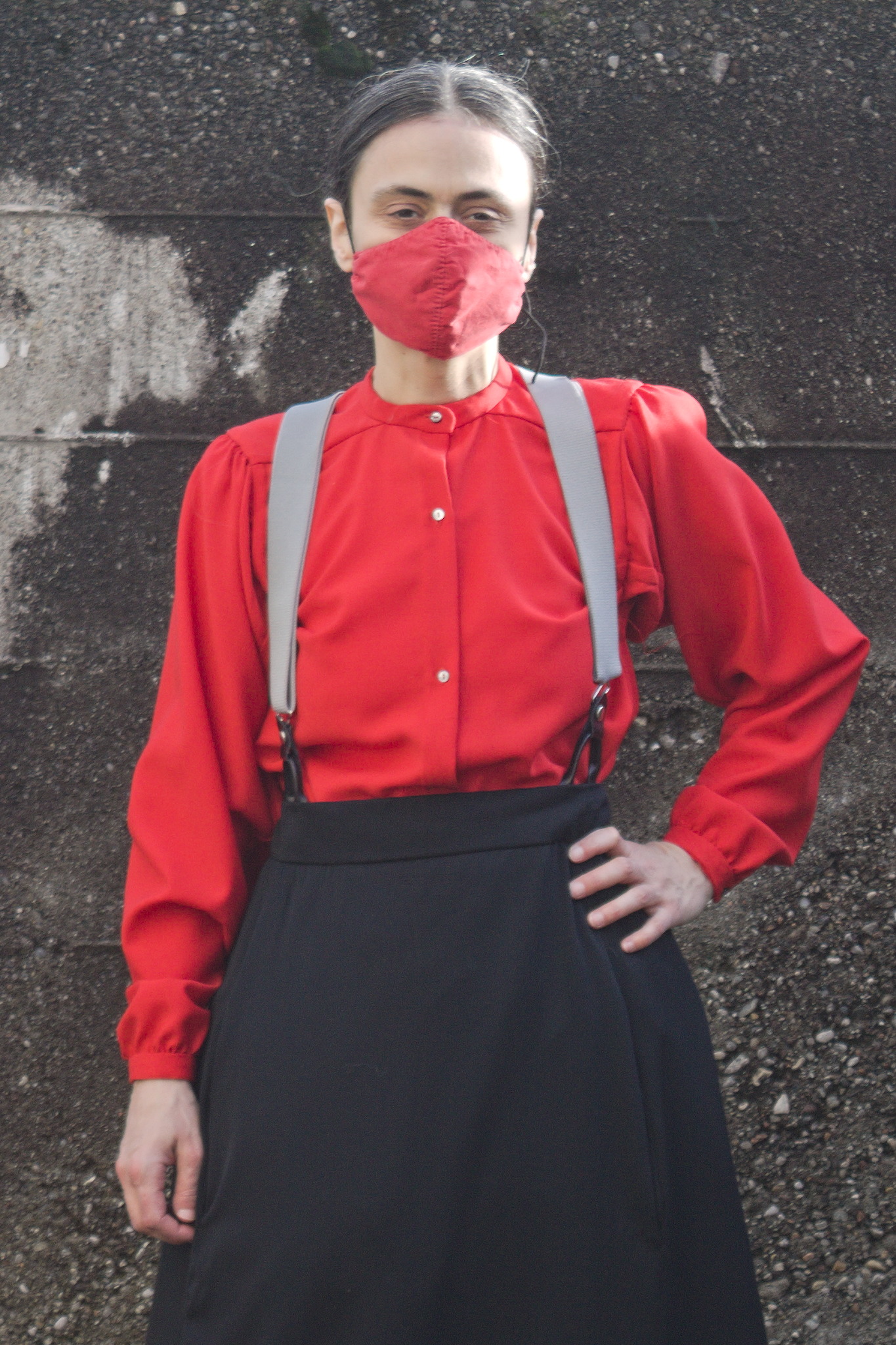 Anyway, my brain suddenly decided that I needed a red wool dress, fitted
enough to give some bust support. I had already made a
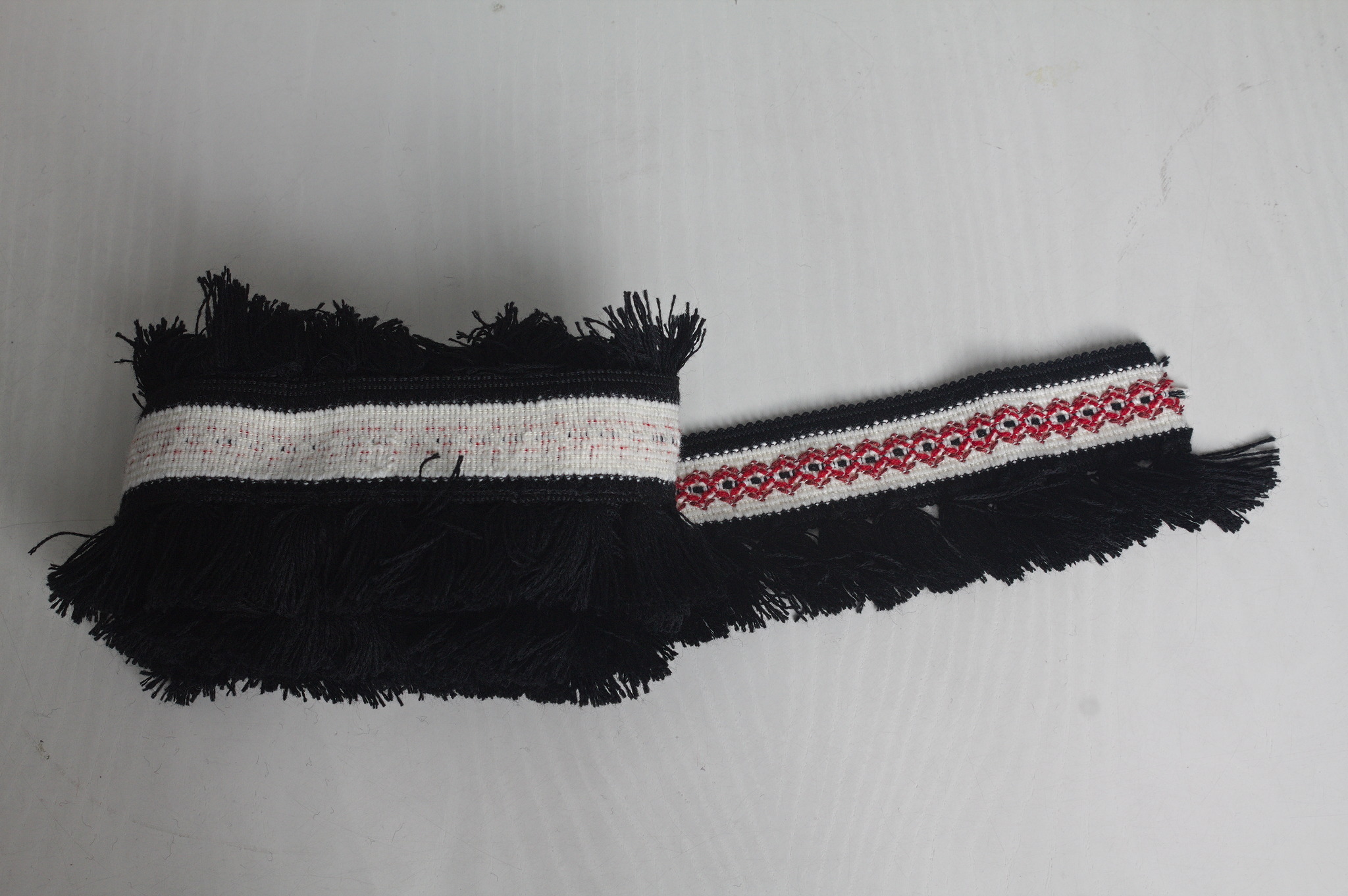 I knew that I didn t have enough fabric to add a flounce to the hem, as
in the cotton dress, but then I remembered that some time ago I fell for
a piece of fringed trim in black, white and red. I did a quick check
that the red wasn t clashing (it wasn t) and I knew I had a plan for the
hem decoration.
Then I spent a week finishing other projects, and the more I thought
about this dress, the more I was tempted to have spiral lacing at the
front rather than buttons, as a nod to the kirtle inspiration.
It may end up be a bit of a hassle, but if it is too much I can always
add a hidden zipper on a side seam, and only have to undo a bit of the
lacing around the neckhole to wear the dress.
Finally, I could start working on the dress: I cut all of the main
pieces, and since the seam lines were quite curved I marked them with
tailor s tacks, which I don t exactly enjoy doing or removing, but are
the only method that was guaranteed to survive while manipulating this
fabric (and not leave traces afterwards).
 While cutting the front pieces I accidentally cut the high neck line
instead of the one I had used on the cotton dress: I decided to go for
it also on the back pieces and decide later whether I wanted to lower
it.
Since this is a modern dress, with no historical accuracy at all, and I
have access to a serger, I decided to use some dark blue cotton voile
I ve had in my stash for quite some time, cut into bias strip, to bind
the raw edges before sewing. This works significantly better than bought
bias tape, which is a bit too stiff for this.
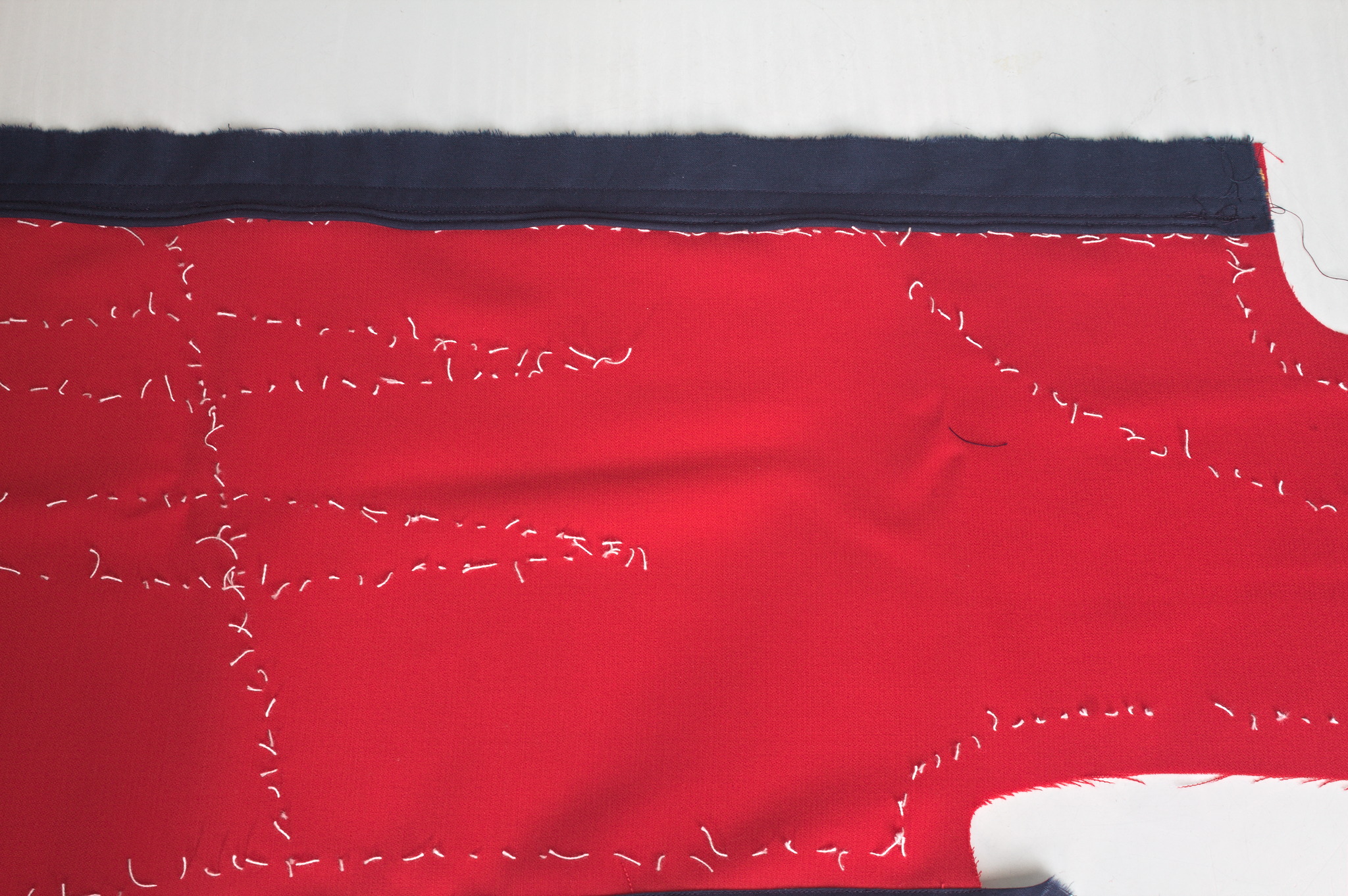 For the front opening, I ve decided to reinforce the areas where the
lacing holes will be with cotton: I ve used some other navy blue cotton,
also from the stash, and added two lines of cording to stiffen the front
edge.
So I ve cut the front in two pieces rather than on the fold, sewn the
reinforcements to the sewing allowances in such a way that the corded
edge was aligned with the center front and then sewn the bottom of the
front seam from just before the end of the reinforcements to the hem.
 The allowances are then folded back, and then they are kept in place
by the worked lacing holes. The cotton was pinked, while for the wool I
used the selvedge of the fabric and there was no need for any finishing.
Behind the opening I ve added a modesty placket: I ve cut a strip of red
wool, a strip of cotton, folded the edge of the strip of cotton to the
center, added cording to the long sides, pressed the allowances of the
wool towards the wrong side, and then handstitched the cotton to the
wool, wrong sides facing. This was finally handstitched to one side of
the sewing allowance of the center front.
I ve also decided to add real pockets, rather than just slits, and for
some reason I decided to add them by hand after I had sewn the dress, so
I ve left opening in the side back seams, where the slits were in the
cotton dress. I ve also already worn the dress, but haven t added the
pockets yet, as I m still debating about their shape. This will be fixed
in the near future.
Another thing that will have to be fixed is the trim situation: I like
the fringe at the bottom, and I had enough to also make a belt, but this
makes the top of the dress a bit empty. I can t use the same fringe
tape, as it is too wide, but it would be nice to have something smaller
that matches the patterned part. And I think I can make something
suitable with tablet weaving, but I m not sure on which materials to
use, so it will have to be on hold for a while, until I decide on the
supplies and have the time for making it.
Another improvement I d like to add are detached sleeves, both matching
(I should still have just enough fabric) and contrasting, but first I
want to learn more about real kirtle construction, and maybe start
making sleeves that would be suitable also for a real kirtle.
Meanwhile, I ve worn it on Christmas (over my 1700s menswear shirt with
big sleeves) and may wear it again tomorrow (if I bother to dress up to
spend New Year s Eve at home :D )
 Read all parts of the series
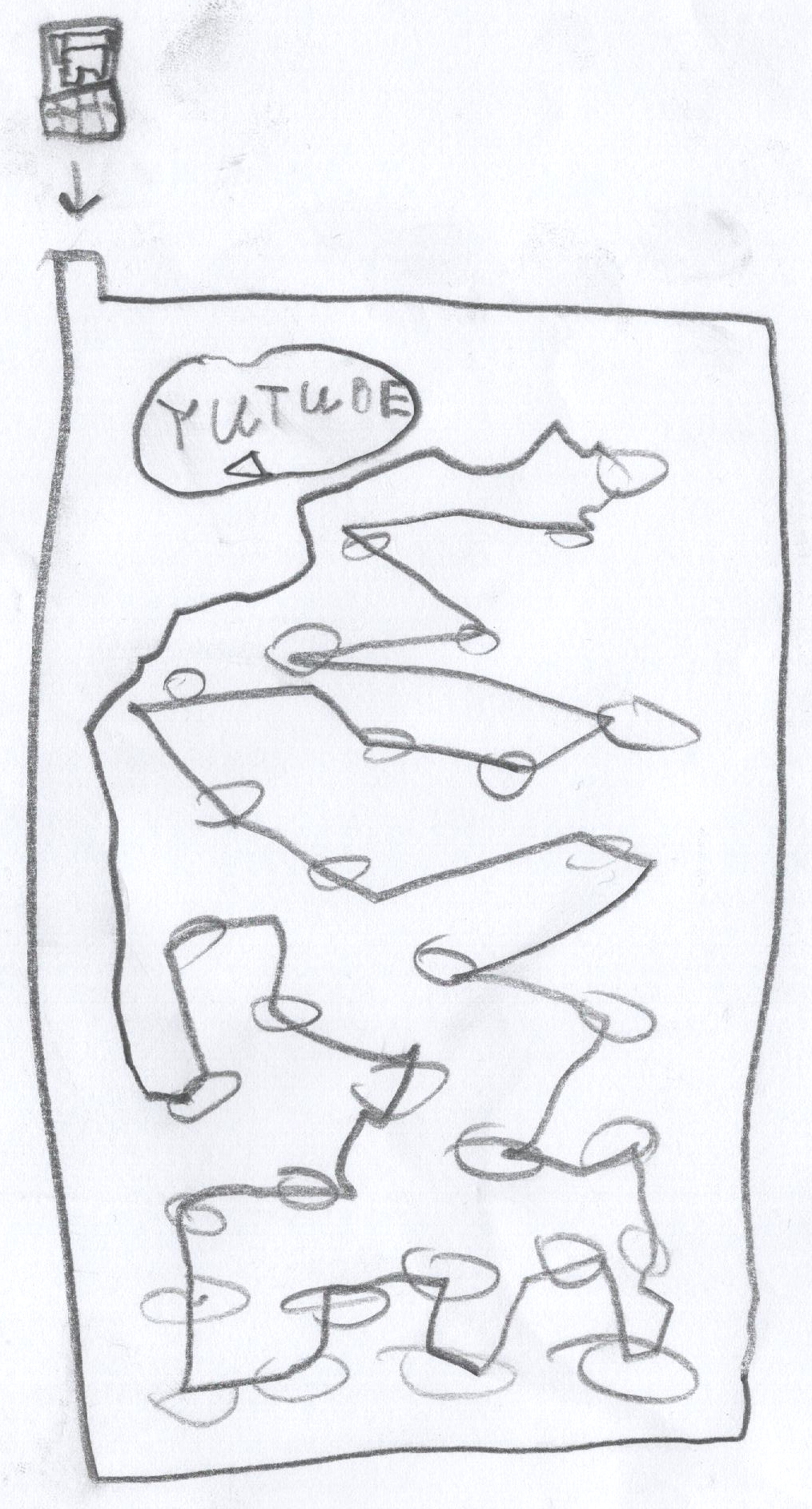
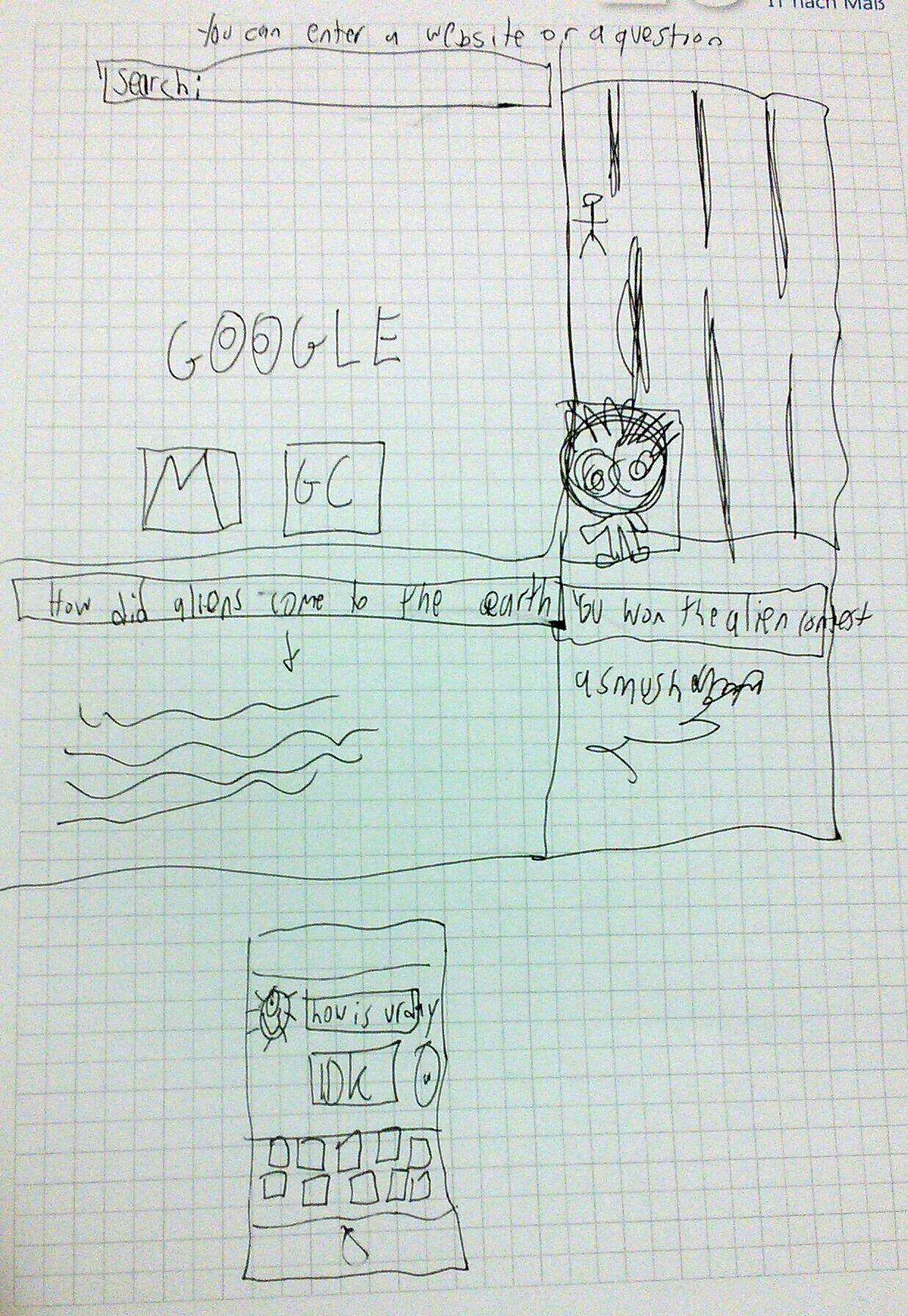 And here s what he explains about his drawing:
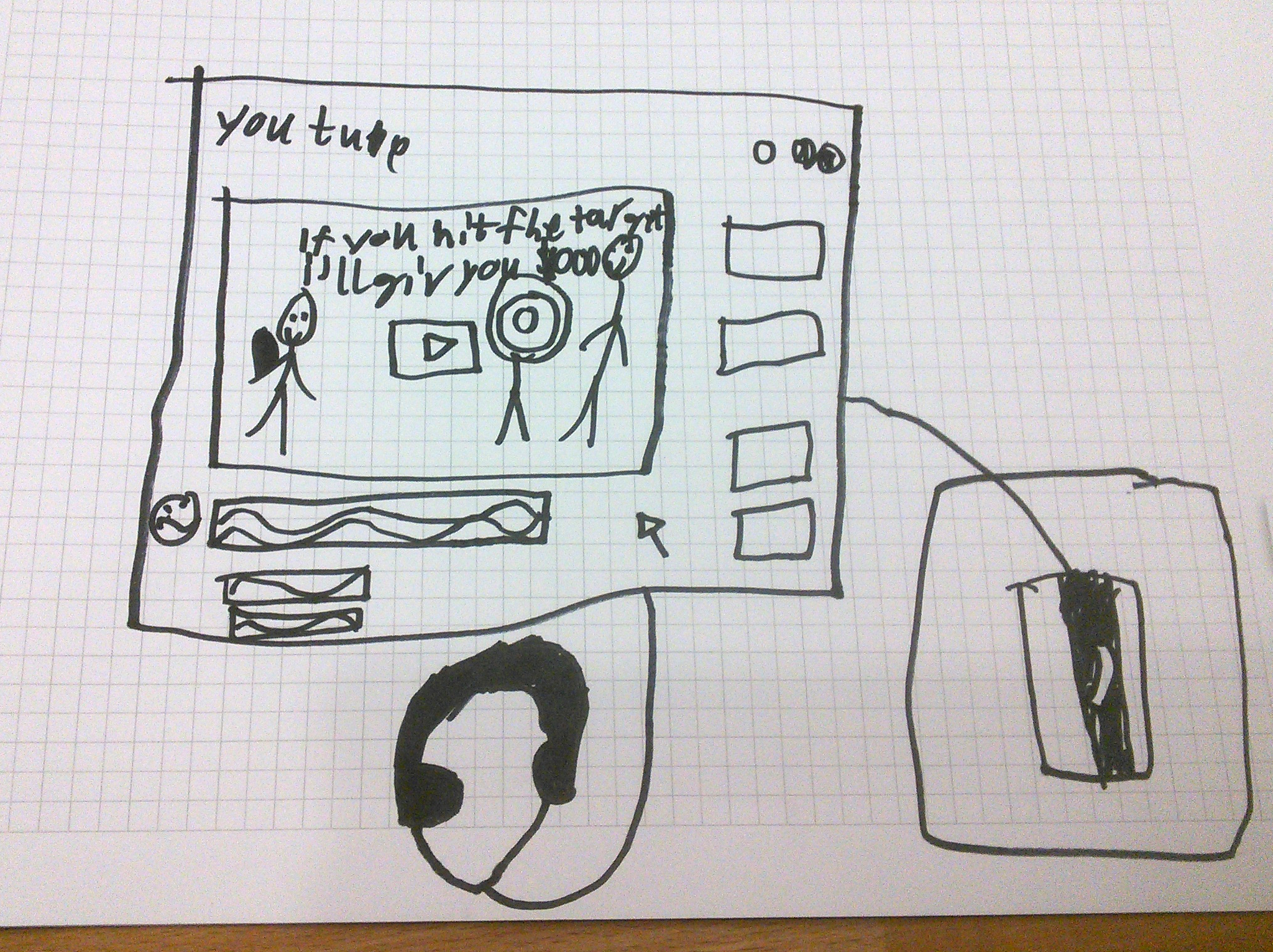 In their drawing we see a Youtube prank channel on a screen, an external
trackpad on the right (likely it s not a touch screen), and headphones.
Notice how there is no keyboard, or maybe it s folded away.
If you could ask a nice and friendly dragon anything you d like to
learn about the internet, what would it be?
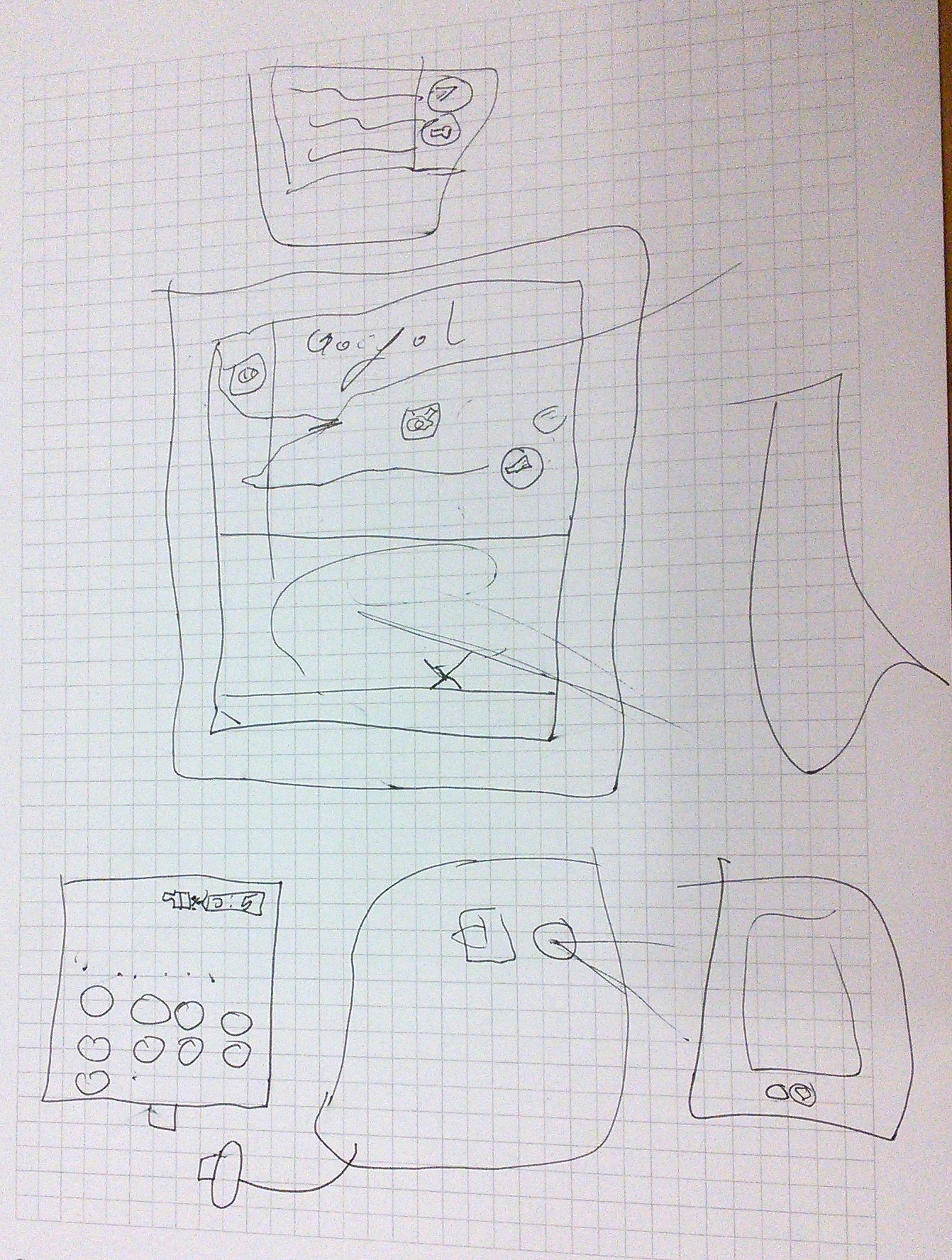 In her drawing, we see again Google - it s clearly everywhere - and also
the interfaces for calling and texting someone.
To explain what the internet is, besides the fact that one
can use it for calling and listening to music, she says:
 When I asked if he knew what actually happens between the device and a
website he visits, he put forth the hypothesis of the existence of some
kind of
 Debian Public Statement about the EU Cyber Resilience Act and the Product Liability Directive
The European Union is currently preparing a regulation "on horizontal
cybersecurity requirements for products with digital elements" known as the
Cyber Resilience Act (CRA). It is currently in the final "trilogue" phase of
the legislative process. The act includes a set of essential cybersecurity and
vulnerability handling requirements for manufacturers. It will require products
to be accompanied by information and instructions to the user. Manufacturers
will need to perform risk assessments and produce technical documentation and,
for critical components, have third-party audits conducted. Discovered security
issues will have to be reported to European authorities within 25 hours (1).
The CRA will be followed up by the Product Liability Directive (PLD) which will
introduce compulsory liability for software.
While a lot of these regulations seem reasonable, the Debian project believes
that there are grave problems for Free Software projects attached to them.
Therefore, the Debian project issues the following statement:
 The Emacs part is superceded by
 This post describes how I m using