Search Results: "sven"

14 September 2015

Sven Hoexter: mysql password hash

Note to myself how the mysql PASSWORD() function works as a one-liner:
echo -n foobar   openssl sha1 -binary   openssl sha1 -hex   sed 's/(stdin)= /*/'   tr '[:lower:]' '[:upper:]'

4 September 2015

Sven Hoexter: wildcard SubjectAlternativeNames

After my experiment with a few more SANs then usual, I received the advice that multiple wildcards should in theory work as well. In practise I could not get something like 'DNS: . .sven.stormbind.net' to be accepted by any decent browser. The other obstacle would be to find a CA to sign it for you. As far as I can tell everyone sticks to the wildcard definition given in the CAB BR.
Wildcard Certificate: A Certficiate containing an asterisk (*) in the left-most position of any of the
Subject Fully-Qualified Domain Names contained in the Certificate.
That said I could reduce the number of SANs from 1960 to 90 when I added a wildcard SAN per person. That's also a number small enough for the Internet Explorer to not fail during the handshake. I rejected that option initially because I thought that multiple wildcards on one certificate are not accepted by browsers. In practise it just seems to be a rarely available option provided on the market.

30 August 2015

Sven Hoexter: 1960 SubjectAlternativeNames on one certificate

tl;dr; You can add 1960+ SubjectAlternativeNames on one certificate and at least Firefox and Chrome are working fine with that. Internet Explorer failed but I did not investigate why. So why would you want to have close to 2K SANs on one certificate? While we're working on adopting a more dynamic development workflow at my workplace we're currently bound to a central development system. From there we serve a classic virtual hosting setup with "projectname.username.devel.ourdomain.example" mapped on "/web/username/projectname/". That is 100% dynamic with wildcard DNS entries and you can just add a new project to your folder and use it directly. All of that is served from just a single VirtualHost. Now our developers started to go through all our active projects to make them fit for serving via HTTPS. While we can verify the proper usage of https on our staging system where we've validating certificates, that's not the way you'd like to work. So someone approached me to look into a solution for our development system. Obvious choices like wildcard certificates do not work here because we've two dynamic components in the FQDN. So we would've to buy a wildcard certificate for every developer and we would've to create a VirtualHost entry for every new developer. That's expensive and we don't want all that additional work. So I started to search for documented limits on the number of SANs you can have on a certificate. The good news: there are none. The RFC does not define a limit. So much about the theory. ;) Following Ivans excellent documentation I setup an internal CA and an ugly "find ... sed ... tr ..." one-liner later I had a properly formated openssl config file to generate a CSR with all 1960 "projectname.username..." SAN combinations found on the development system. Two openssl invocations (CSR generation and signing) later I had a signed certificate with 1960 SANs on it. I imported the internal CA I created in Firefox and Chrome, and to my surprise it worked. Noteworthy: To sign with "openssl ca" without interactive prompts you've to use the "-batch" option. I'm thinking about regenerating the certificate every morning so our developers just have to create a new project directory and within 24h serving via HTTPS would be enabled. The only thing I'm currently pondering about is how to properly run the CA in a corporate Windows world. We could of course ask the Windows guys to include it for everyone but then we would've to really invest time in properly running the CA. I'd like to avoid that hassle. So I'd guess we just stick to providing the CA for those developers who need it. This all or nothing model is a constant PITA, and you really do not want to get owned via your own badly managed CA. :( Regarding Internet Explorer it jumped in my face with a strange error message that recommended to enable TLS 1.0, 1.1 and 1.2 in the options menu. Of course that's already enable. I'll try to take a look at the handshake next week, but I bet we've to accept for the moment that IE will not work with so many SANs. Would be interesting to try out Windows 10 with Spartan, but well I'm not that interested in Windows to invest more time on that front. Other TLS implementations, like Java, would be also interesting to test.

Ben Hutchings: Securing www.decadent.org.uk

Sven Hoexter replied to my previous entry to say that WoSign also provides free DV TLS certificates. What's more, they allow up to 10 alternate names, unlike StartSSL. So I've gone ahead with a new certificate for www.decadent.org.uk and other virtual servers including git.decadent.org.uk. WoSign sensibly mandates a key length of 2048 bits, and together with the default TLS configuration for Apache in Debian 'jessie' this resulted in a A- rating from Qualys SSL Server Test. I then disabled non-PFS and otherwise weak cipher suites in /etc/apache2/mods-enabled/ssl.conf:
SSLCipherSuite HIGH:!aNULL:!kRSA:!3DES
This resulted in an A rating. Finally, I added redirection of all plaintext HTTP connections to HTTP-S (which is easier than working out how to make the virtual server work with and without TLS, anyway). I enabled HSTS for each VirtualHost:
Header always set Strict-Transport-Security "max-age=31536000; includeSubDomains"
This resulted in an A+ rating. These web sites will now be inaccessible to Java 6 and IE on Windows XP, but that's no great loss (1 in 1500 hits over the past few weeks).

4 August 2015

Sven Hoexter: TLS scanning and IPv6

I just noticed that SSLLabs now supports IPv6. I could not find an announcement for it but I'd guess it's already there for some time. There is also a new sslscan release in experimental with IPv6 support. Thanks to Marvin and formorer who finally made that happen. Update: Since this won't hit official backports.d.o soon I've done a pbuilder build for jessie.

3 August 2015

Sven Hoexter: Failing with F5: CMP - Clustered Multiprocessing

The last Whiteboard Wednesday tackled a few of the gotchas of the F5 CMP implementation. I take that as an opportunity to finish a blog post I started to write six month ago on this topic. I've run into two scenarios where CMP got in my way: All of this happened on TMOS 11.4.1+HF run on BigIP 2K systems. Since F5 is sometimes moving very quickly you might not experience those issues on other hardware or with a different software release. applying low and strict connection limits Apparently connection limits are counted on a per tmm level and are not shared between the tmm processes running on different CPUs. So if you've two CPU cores with HT you'll see four tmm processes that will all enforce the connection limit. If you have a max connection limit set to two you might still see a maximum of eight connections. That is a very bad thing if you abuse the F5 to limit your outbound connections because your counter part is not able to enforce connection limits, but forces you via a contract to not open more then two connections. Disable CMP and it will all end on the same tmm process and suddenly your connection limits work as expected. If your connection limit is big enough you can cheat, say it's twelve connections, you can configure a limit of three. With four processes that makes a max of twelve connections as required. Though due to the hashing and distribution among the tmm processes it could happen that you reject connections on one process while others are idle. Another option would be to enter the dirty land of iRules and tables to maintain your own connection count table. There are examples given in the F5 devcentral community, but the best resolution you can get, without starting to scan the whole table on every request, is X requests per minute. active health checks Active monitoring checks were added to detect the operational state of our application servers. Now imagine you have some realtime processing with over a hundred requests per minute. So in case you've issues with one instance you'd like to remove it from the pool rather sooner then later, which requires frequent checking. So here is a simple active http check:
defaults-from http-appmon
destination *:*
interval 9
recv "^HTTP/1\\.1 200 OK"
send "GET /mon/state HTTP/1.1\\r\\nHost: MON\\r\\nConnection: Close\\r\\n\\r\\n"
time-until-up 0
timeout 2
up-interval 1
(Configuration options are described here) With an up-interval of 1 second and a timeout of 2 seconds someone naive like me expected that a fatal issue like a crashed application would be detected within three seconds and no more requests should hit the application after second 3. That turned out to be slightly longer, at least 4s for this case, often longer. Also for a regular maintenance we had to instruct our scripts to flip the application monitor to unavailable and wait for interval X tmm process count + timeout + 1s + max allowed request duration. That is not an instant off. If you use tcpdump (on the F5 where it's patched to show you the tmm that received the request) to look at the health check traffic you'll notice that the tmm threads pass around the handle to do a health check. So my guess is the threads do only sync the health check state of the application when they're due to run the health check. Makes sense performance wise but if you operate with longer timeouts and bigger intervals you will definetly loose a notable amount of requests. Even in our low end case we already loose a notable amount of requests in 4s. While you could resent them you never know exactly if a request was already processed or not. So you have to ensure that somewhere else in your stack. One option is to disable CMP but I guess that's not an option for most people that are required to scale out to handle the load and not only for the sake of redundancy. If you're running the balancer only for the sake of redundancy the choice is easy. You find a hint on this kind of issue if you lookup the documentation for the inband monitor: Note: Systems with multiple tmm processes use a per-process number to calculate failures, depending on the specified load balancing method. That case is a bit different due to the nature of the monitor but points in the same direction. The actual check is executed by bigd according to this document, so I'm pretty sure I'm still missing some pieces of the picture. Just be warned that you've to really test your outage scenarios and you should double check it if you run a transaction based service that is sensitive to lost requests.

Sven Hoexter: mod_realdoc packages

I'm currently looking at mod_realdoc from Rasmus Lerdorf / etsy, to find out if it can scratch one of my itches at work. Since the packaging in the etsy github repository is slightly incomplete, and there are no real tarball releases I've rolled one on my own. For Debian/jessie I've dumped a test build here and for Ubuntu 14.04 I've wrestled with launchpad.net and created a ppa.

24 July 2015

Simon Kainz: DUCK challenge: week 3

One more update on the the DUCK challenge: In the current week, the following packages were fixed and uploaded into unstable: So we had 10 packages fixed and uploaded by 8 different uploaders. A big "Thank You" to you!! Since the start of this challenge, a total of 35 packages, uploaded by 25 different persons were fixed. Here is a quick overview:
Week 1 Week 2 Week 3 Week 4 Week 5 Week 6 Week 7
# Packages 10 15 10 - - - -
Total 10 25 35 - - - -
The list of the fixed and updated packages is availabe here. I will try to update this ~daily. If I missed one of your uploads, please drop me a line. There is still lots of time till the end of DebConf15 and the end of the DUCK Challenge, so please get involved. Pevious articles are here: Week 1, Week 2.

22 July 2015

Sven Hoexter: moto g falcon CM 12.1 nightly - eating the battery alive

At least the nightly builds from 2015-07-21 to 2015-07-24 eat the battery alive. Until that one is fixed one can downgrade to cm-12.1-20150720-NIGHTLY-falcon.zip. The downgrade fixed the issue for me. Update: I'm now running fine with the build from 2015-07-26.

21 July 2015

Sven Hoexter: O: courierpassd

In case you're one of the few still depending on courierpassd and would like to see it to be part of stretch, please pick it up. I'm inclined to fill a request for removal before we release stretch in case nobody picks it up.

14 July 2015

Sven Hoexter: some more thoughts on DHE usage

I looked a bit more into the possible arguments to keep DHE alive once you support ECDHE and you only expect traffic from endusers with a real browser (machine2machine traffic with access from obscure libraries is a different matter). From the SSL Labs checks we can deduce the following components that support DHE but do not support ECDHE: Windows XP does not support forward secrecy at all, and all other browsers beside IE (except for the first Chrome releases) bring their own TLS implementation. A very interesting data point is the cipher usage graphing provided by Wikimedia you can find on this dashboard. Currently I see roughly 4% of connections to be negotiated with some variant of a DHE cipher. That is after all not much, so I'm tempted to disable DHE for HTTPS where I've working ECDHE support soon. I'd first like to gather some stats from the BigIPs which I'm babysitting but that unfortunately is not that easy. As far as I can tell the only option is to insert a header a via an iRule and log the header on a backend system. Or you can setup HSL and log directly from the iRule.

9 July 2015

Sven Hoexter: Ubuntu 14.04 upstart and bonding

As usual when you add something new to your technology stack you'll find a "new" issue. A bit late in the game I made my first contact today with Ubuntu in the 14.04 incarnation when a colleague tried to stop and start a bond with:
ifdown bond0 && ifup bond0
About an hour later I had a virtual machine running and found the same bug in the pre-up ifenslave script which I later found to be already described in LP1269921. Apparantly Ubuntu integrated parts of the networking stuff with upstart and udev but did not care about how to cater people with bonding setups. At least the official documentation is very sparse on that topic. While someone from sysEleven rewrote the ifenslave script, I found that way too invasive and not well to handle. You can either push it via a configuration management system and overwrite a package owned script, or you roll you own package. So after some tinkering I decided to go with a different dirty workaround and setup the bond itself via pre-up snippets. In my test case it looks like this:
auto eth1 eth2 bond0
iface eth1 inet manual
  bond-master bond0
iface eth2 inet manual
  bond-master bond0
iface bond0 inet static
  address 192.168.1.1
  netmask 255.255.255.0
  bond-primary eth1
  bond-slaves eth1 eth2
  pre-up echo +bond0 > /sys/class/net/bonding_masters   true
  pre-up ifenslave bond0 eth1 eth2
I'm not yet sure if that breaks some other features of the ifenslave integration in ifupdown, but it seems to work so far. Let's see how far I can get with it.

8 July 2015

Sven Hoexter: for the reproducible builds gang

I gave up maintaining the LyX package about five years ago, but I still care. So I filled #9414 some time ago and it should be fixed for the next major release 2.2.0. So in case someone from the reproducible builds gang starts to look at LyX please hold the line and wait for the next major release instead.

Sven Hoexter: F5 BigIP and 1K DH parameter vs SSL Labs

So as a consequence of the weakdh issue(s) Qualys SSL Labs started to cap the rating at a B level if you provide DH cipher suites with 1K DH parameter. Now if you're terminating your TLS connections on F5s BigIP you're currently not able to change the DH parameter (they're random but of a fixed size). Finally there is a public comment from F5 written by Brian McHenry which is worth reading if you're running those boxes. As a side note, what most people running on TMOS 11.6.x should've already done is preferring ECDHE over DHE, which would look like this:
ciphers "!LOW:!SSLv3:!MD5:!RC4-SHA:!EXPORT:ECDHE+AES-GCM:ECDHE+AES:DHE+AES-GCM:DHE+AES:DHE+3DES:AES-GCM+RSA:RSA+AES:RSA+3DES"
That of course does not bring back the somewhat overrated A grade on the SSL Labs site. That boils down to choosing to provide DHE with 1K DH parameter or let everyone else, who does not yet support ECDHE, use RSA with your 2K public key. Honestly, for a public portal with a very wide range of users, I'm far from sure which one is the better choice. Looking at the weakest link "RSA+3DES" with TLSv1.0 is nothing that can convince the paranoid, but this cipher setting would bring you back the A grade:
ciphers "!LOW:!SSLv3:!MD5:!RC4-SHA:!EXPORT:ECDHE+AES-GCM:ECDHE+AES:AES-GCM+RSA:RSA+AES:RSA+3DES"

28 June 2015

Sven Hoexter: moto g GPS reset when it is not working with CM 12.1

There seems to be an issue with the moto g, CM 12.1 (nightlies) and the GPS. My GPS receiver stopped to work as well and I could recover it with the following steps in fastboot mode as described on xda-developers.
fastboot erase modemst1
fastboot erase modemst2
fastboot reboot
That even works with the 4.2.2 fastboot packaged in anroid-tools-fastboot.

22 June 2015

Sven Hoexter: Free SSL/TLS snakeoil from wosign.com

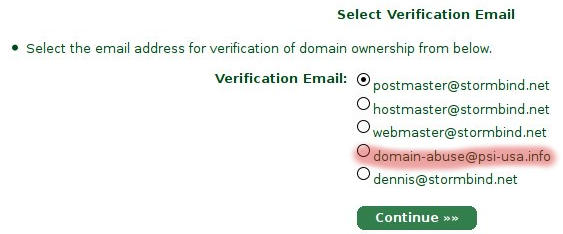
I've been a proponet of CaCert.org for a long time and I'm still using those certificates in some places, but lately I gave in and searched for something that validates even on iOS. It's not that I strictly need it, it's more a favour to make life for friends and family easier. I turned down startssl.com because I always manage to somehow lose the client certificate for the portal login. Plus I failed to generate several certificates for subdomains within the primary domain. I want to use different keys on purpose so SANs are not helpful, neither are wildcard certs for which you've to pay anyway. Another point against a wildcard cert from startssl is that I'd like to refrain from sending in my scanned papers for verification. On a sidenote I'm also not a fan of random email address extractions from whois to sent validation codes to. I just don't see why the abuse desk of a registrar should be able to authorize on DV certificates for a domain under my control. startssl abuse desk in dv validation So I decided to pay the self proclaimed leader of the snakeoil industrie (Comodo) via cheapsslshop.com. That made 12USD for a 3 year Comodo DV certificate. Fair enough for the mailsetup I share with a few friends, and the cheapest one I could find at that time. Actually no hassle with logins or verification. It looks a bit like a scam but the payment is done via 2checkout if I remember correctly and the certificate got issued via a voucher code by Comodo directly. Drawback: credit card payment. Now while we're all waiting for letsencrypt.org I learned about the free offer of wosign.com. The CA is issued by the StartSSL Root CA, so technically we're very close to step one. Beside of that I only had to turn off uBlock origin and the rest of the JavaScript worked fine with Iceweasel once I clicked on the validity time selection checkbox. They offer the certificate for up to 3 years, you can paste your own csr and you can add up to 100 SANs. The only drawback is that it took them about 12 hours to issue the certificate and the mails look a hell lot like spam if you sent them through Spamassassin. That provides now a free and validating certificate for sven.stormbind.net in case you'd like to check out the chain. The validation chain is even one certificate shorter then the chain for the certificate I bought from Comodo. So in case anyone else is waiting for letsencrypt to start, you might want to check wosign until Mozilla et al are ready. From my point of view the only reason to pay one of the major CAs is for the service of running a reliable OCSP system. I also pointed that out here. It's more and more about the service you buy and no longer just money for a few ones and zeroes.

1 June 2015

Sven Hoexter: Out of the comfort zone: CentOS 5 mock chroot and /etc/filesystems vs net-snmp

It turned out that my adventure in backporting net-snmp from CentOS 7 to CentOS 5 has a regression issue with disk stats. The logs provided us with the following error message
2015-05-29T10:27:14+02:00 foobar snmpd[2200]: Cannot statfs
but only on CentOS 5. CentOS 6, build on the same CentOS 7 VM also with mock, worked like a charm. When I attached strace to the snmpd process I could see that the calls to statfs() were executed with an empty string, so no path was supplied. A bit of source code grep'ing already pointed in the direction of #define ETC_MNTTAB but at that point I didn't believe that the chroot could be the culprit. So it took some discussions with the colleagues until I did a test build, the old way with a "./configure --prefix=$HOME/snmpd && make && make install", on a real system. To my surprise that worked. Since I did not fold in all the patches from the CentOS 7 rpm I expected that one of the patches broke something along the way for old Linux releases. So I went on, disabled nearly all patches in the spec file, build again in a chroot and the resulting binary still did not work. Somehow the chroot was at fault. Looking closer at the configure magic linked above you'll see it iterates through a list of various files that contain the list of mounted disks on various of *nix systems. For some unknown reason my CentOS 5 chroot is not populated with a proper /etc/mtab linked to the systems /proc/self/mounts while the one for CentOS 6 is. With /etc/mtab missing the configure script happily picks up /etc/filesystems which is, you might or might not know this, the /etc/fstab pendant on AIX. But on a CentOS system that just contains a list of filesystems. That indeed could not work out and explains why the build itself succeeded but parsing a filesystem path out of that file did not. Luckily we can override that stuff easily with the '--with-mnttab="/etc/mtab"' configure option of net-snmp, but the "/etc/filesystems" file on CentOS was something I did not expect and never noticed before. Hint: for the function of /etc/filesystems take a look at man 8 mount and the section about the "-t" parameter.

28 May 2015

Sven Hoexter: RMS, free software and where I fail the goal

You might have already read this comment by RMS in the Guardian. That comment and a recent discussion about the relevance of GPL changes post GPLv2 made me think again about the battle RMS started to fight. While some think RMS should "retire", at least I still fail on my personal goal to not depend on non-free software and services. So for me this battle is far from over, and here is my personal list of "non-free debt" I've to pay off. general purpose systems aka your computer Looking at the increasing list of firmware blobs required to use a GPU, wireless chipsets and more and more wired NICs, the situation seems to be worse then in the late 90s. Back then the primary issue was finding supported hardware, but the driver was free. Nowadays even the open sourced firmware often requires obscure patched compilers to build. If I look at this stuff I think the OpenBSD project got that right with the more radical position. Oh and then there is CPU microcode. I'm not yet sure what to think about it, but in the end it's software and it's not open source. So it's non-free software running on my system. Maybe my memory is blurred due to the fact, that the seperation of firmware from the Linux kernel, and proper firmware loading got implemented only years later. I remember the discussion about the pwc driver and its removal from Linux. Maybe the situation wasn't better at that time but the firmware was just hidden inside the Linux driver code? On my system at work I've to add the Flash plugin to the list due to my latest test with Prezi which I'll touch later. I also own a few Humble Indie bundles. I played parts of Osmos after a recommendation by Joey Hess, I later finished to play through Limbo and I got pretty far with Machinarium on a Windows system I still had at that time. I also tried a few others but never got far or soon lost interest. Another thing I can not really get rid of is unrar because of stuff I need to pull from xda-developer links just to keep a cell phone running. Update: Josh Triplett pointed out that there is unar available in the Debian archive. And indeed that one works on the rar file I just extracted. Android ecosystem I will soon get rid of a stock S3 mini and try to replace it with a moto g loaded with CyanogenMod. That leaves me with a working phone with a OS that just works because of a shitload of non-free blobs. The time and work required to get there is another story. Among others you need a new bootloader that requires a newer fastboot compared to what we have in Jessie, and later you also need the newer adb to be able to sideload the CM image. There I gave in and just downloaded the pre build SDK from Google. And there you've another binary I did not even try to build from source. Same for the CM image itself, though that's not that much different from using a GNU/Linux distribution if you ignore the trust issues. It's hard to trust the phone I've build that way, but it's the best I can get at the moment with at least some bigger chunks of free software inside. So let's move to the applications on the phone. I do not use GooglePlay, so I rely on f-droid and freeware I can download directly from the vendor. "Cloud" services This category mixes a lot with the stuff listed above, most of them are not only an application, in fact Threema and Wunderlist are useless without the backend service. And Opera is just degraded to a browser - and to be replaced with Firefox - if you discount the compression proxy. The other big addition in this category is Prezi. We tried it out at work after it got into my focus due to a post by Dave Aitel. It's kind of the poster child of non-freeness. It requires a non-free, unstable, insecure and half way deprecated browser plugin to work, you can not download your result in a useful format, you've to buy storage for your presentation at this one vendor, you've to pay if you want to keep your presentation private. It's the perfect lockin situation. But still it's very convenient, prevents a lot of common mistakes you can make when you create a presentation and they invented a new concept of presenting. I know about impress.js(hosted on a non-free platform by the way, but at least you can export it from there) and I also know about hovercraft. I'm impressed by them, but it's still not close to the ease of use of Prezi. So here you can also very prominently see the cost of free and non-free software. Invest the time and write something cool with CSS3 and impress.js or pay Prezi to just klick yourself through. To add something about the instability - I had to use a windows laptop for presenting with Prezi because the Flash plugin on Jessie crashed in the presentation mode, I did not yet check the latest Flash update. I guess that did not make the situation worse, it already is horrible. Update: Daniel Kahn Gillmore pointed out that you can combine inkscape with sozi, though the Debian package is in desperate need for an active maintainer, see also #692989. I also use kind of database services like duden.de and dict.cc. When I was younger you bought such things printed on dead trees but they did not update very well. Thinking a bit further, a Certification Authority is not only questionable due to the whole trust issue, they also provide OCSP responder as kind of a web service. And I've already had the experience what the internet looks like when the OCSP systems of GlobalSign failed. So there is still a lot to fight for and a lot of "personal non-free debt" to pay off.

17 May 2015

Lunar: Reproducible builds: week 2 in Stretch cycle

What happened about the reproducible builds effort for this week: Media coverage Debian's effort on reproducible builds has been covered in the June 2015 issue of Linux Magazin in Germany. Cover of Linux Magazin June 2015 Article about reproducible builds in Linux Magazin June 2015 Toolchain fixes josch rebased the experimental version of debhelper on 9.20150507. Packages fixed The following 515 packages became reproducible due to changes of their build dependencies: airport-utils, airspy-host, all-in-one-sidebar, ampache, aptfs, arpack, asciio, aspell-kk, asused, balance, batmand, binutils-avr, bioperl, bpm-tools, c2050, cakephp-instaweb, carton, cbp2make, checkbot, checksecurity, chemeq, chronicle, cube2-data, cucumber, darkstat, debci, desktop-file-utils, dh-linktree, django-pagination, dosbox, eekboek, emboss-explorer, encfs, exabgp, fbasics, fife, fonts-lexi-saebom, gdnsd, glances, gnome-clocks, gunicorn, haproxy, haskell-aws, haskell-base-unicode-symbols, haskell-base64-bytestring, haskell-basic-prelude, haskell-binary-shared, haskell-binary, haskell-bitarray, haskell-bool-extras, haskell-boolean, haskell-boomerang, haskell-bytestring-lexing, haskell-bytestring-mmap, haskell-config-value, haskell-mueval, haskell-tasty-kat, itk3, jnr-constants, jshon, kalternatives, kdepim-runtime, kdevplatform, kwalletcli, lemonldap-ng, libalgorithm-combinatorics-perl, libalgorithm-diff-xs-perl, libany-uri-escape-perl, libanyevent-http-scopedclient-perl, libanyevent-perl, libanyevent-processor-perl, libapache-session-wrapper-perl, libapache-sessionx-perl, libapp-options-perl, libarch-perl, libarchive-peek-perl, libaudio-flac-header-perl, libaudio-wav-perl, libaudio-wma-perl, libauth-yubikey-decrypter-perl, libauthen-krb5-simple-perl, libauthen-simple-perl, libautobox-dump-perl, libb-keywords-perl, libbarcode-code128-perl, libbio-das-lite-perl, libbio-mage-perl, libbrowser-open-perl, libbusiness-creditcard-perl, libbusiness-edifact-interchange-perl, libbusiness-isbn-data-perl, libbusiness-tax-vat-validation-perl, libcache-historical-perl, libcache-memcached-perl, libcairo-gobject-perl, libcarp-always-perl, libcarp-fix-1-25-perl, libcatalyst-action-serialize-data-serializer-perl, libcatalyst-controller-formbuilder-perl, libcatalyst-dispatchtype-regex-perl, libcatalyst-plugin-authentication-perl, libcatalyst-plugin-authorization-acl-perl, libcatalyst-plugin-session-store-cache-perl, libcatalyst-plugin-session-store-fastmmap-perl, libcatalyst-plugin-static-simple-perl, libcatalyst-view-gd-perl, libcgi-application-dispatch-perl, libcgi-application-plugin-authentication-perl, libcgi-application-plugin-logdispatch-perl, libcgi-application-plugin-session-perl, libcgi-application-server-perl, libcgi-compile-perl, libcgi-xmlform-perl, libclass-accessor-classy-perl, libclass-accessor-lvalue-perl, libclass-accessor-perl, libclass-c3-adopt-next-perl, libclass-dbi-plugin-type-perl, libclass-field-perl, libclass-handle-perl, libclass-load-perl, libclass-ooorno-perl, libclass-prototyped-perl, libclass-returnvalue-perl, libclass-singleton-perl, libclass-std-fast-perl, libclone-perl, libconfig-auto-perl, libconfig-jfdi-perl, libconfig-simple-perl, libconvert-basen-perl, libconvert-ber-perl, libcpan-checksums-perl, libcpanplus-dist-build-perl, libcriticism-perl, libcrypt-cracklib-perl, libcrypt-dh-gmp-perl, libcrypt-mysql-perl, libcrypt-passwdmd5-perl, libcrypt-simple-perl, libcss-packer-perl, libcss-tiny-perl, libcurses-widgets-perl, libdaemon-control-perl, libdancer-plugin-database-perl, libdancer-session-cookie-perl, libdancer2-plugin-database-perl, libdata-format-html-perl, libdata-uuid-libuuid-perl, libdata-validate-domain-perl, libdate-jd-perl, libdate-simple-perl, libdatetime-astro-sunrise-perl, libdatetime-event-cron-perl, libdatetime-format-dbi-perl, libdatetime-format-epoch-perl, libdatetime-format-mail-perl, libdatetime-tiny-perl, libdatrie, libdb-file-lock-perl, libdbd-firebird-perl, libdbix-abstract-perl, libdbix-class-datetime-epoch-perl, libdbix-class-dynamicdefault-perl, libdbix-class-introspectablem2m-perl, libdbix-class-timestamp-perl, libdbix-connector-perl, libdbix-oo-perl, libdbix-searchbuilder-perl, libdbix-xml-rdb-perl, libdevel-stacktrace-ashtml-perl, libdigest-hmac-perl, libdist-zilla-plugin-emailnotify-perl, libemail-date-format-perl, libemail-mime-perl, libemail-received-perl, libemail-sender-perl, libemail-simple-perl, libencode-detect-perl, libexporter-tidy-perl, libextutils-cchecker-perl, libextutils-installpaths-perl, libextutils-libbuilder-perl, libextutils-makemaker-cpanfile-perl, libextutils-typemap-perl, libfile-counterfile-perl, libfile-pushd-perl, libfile-read-perl, libfile-touch-perl, libfile-type-perl, libfinance-bank-ie-permanenttsb-perl, libfont-freetype-perl, libfrontier-rpc-perl, libgd-securityimage-perl, libgeo-coordinates-utm-perl, libgit-pureperl-perl, libgnome2-canvas-perl, libgnome2-wnck-perl, libgraph-readwrite-perl, libgraphics-colornames-www-perl, libgssapi-perl, libgtk2-appindicator-perl, libgtk2-gladexml-simple-perl, libgtk2-notify-perl, libhash-asobject-perl, libhash-moreutils-perl, libhtml-calendarmonthsimple-perl, libhtml-display-perl, libhtml-fillinform-perl, libhtml-form-perl, libhtml-formhandler-model-dbic-perl, libhtml-html5-entities-perl, libhtml-linkextractor-perl, libhtml-tableextract-perl, libhtml-widget-perl, libhtml-widgets-selectlayers-perl, libhtml-wikiconverter-mediawiki-perl, libhttp-async-perl, libhttp-body-perl, libhttp-date-perl, libimage-imlib2-perl, libimdb-film-perl, libimport-into-perl, libindirect-perl, libio-bufferedselect-perl, libio-compress-lzma-perl, libio-compress-perl, libio-handle-util-perl, libio-interface-perl, libio-multiplex-perl, libio-socket-inet6-perl, libipc-system-simple-perl, libiptables-chainmgr-perl, libjoda-time-java, libjsr305-java, libkiokudb-perl, liblemonldap-ng-cli-perl, liblexical-var-perl, liblingua-en-fathom-perl, liblinux-dvb-perl, liblocales-perl, liblog-dispatch-configurator-any-perl, liblog-log4perl-perl, liblog-report-lexicon-perl, liblwp-mediatypes-perl, liblwp-protocol-https-perl, liblwpx-paranoidagent-perl, libmail-sendeasy-perl, libmarc-xml-perl, libmason-plugin-routersimple-perl, libmasonx-processdir-perl, libmath-base85-perl, libmath-basecalc-perl, libmath-basecnv-perl, libmath-bigint-perl, libmath-convexhull-perl, libmath-gmp-perl, libmath-gradient-perl, libmath-random-isaac-perl, libmath-random-oo-perl, libmath-random-tt800-perl, libmath-tamuanova-perl, libmemoize-expirelru-perl, libmemoize-memcached-perl, libmime-base32-perl, libmime-lite-tt-perl, libmixin-extrafields-param-perl, libmock-quick-perl, libmodule-cpanfile-perl, libmodule-load-conditional-perl, libmodule-starter-pbp-perl, libmodule-util-perl, libmodule-versions-report-perl, libmongodbx-class-perl, libmoo-perl, libmoosex-app-cmd-perl, libmoosex-attributehelpers-perl, libmoosex-blessed-reconstruct-perl, libmoosex-insideout-perl, libmoosex-relatedclassroles-perl, libmoosex-role-timer-perl, libmoosex-role-withoverloading-perl, libmoosex-storage-perl, libmoosex-types-common-perl, libmoosex-types-uri-perl, libmoox-singleton-perl, libmoox-types-mooselike-numeric-perl, libmousex-foreign-perl, libmp3-tag-perl, libmysql-diff-perl, libnamespace-clean-perl, libnet-bonjour-perl, libnet-cli-interact-perl, libnet-daap-dmap-perl, libnet-dbus-glib-perl, libnet-dns-perl, libnet-frame-perl, libnet-google-authsub-perl, libnet-https-any-perl, libnet-https-nb-perl, libnet-idn-encode-perl, libnet-idn-nameprep-perl, libnet-imap-client-perl, libnet-irc-perl, libnet-mac-vendor-perl, libnet-openid-server-perl, libnet-smtp-ssl-perl, libnet-smtp-tls-perl, libnet-smtpauth-perl, libnet-snpp-perl, libnet-sslglue-perl, libnet-telnet-perl, libnhgri-blastall-perl, libnumber-range-perl, libobject-signature-perl, libogg-vorbis-header-pureperl-perl, libopenoffice-oodoc-perl, libparse-cpan-packages-perl, libparse-debian-packages-perl, libparse-fixedlength-perl, libparse-syslog-perl, libparse-win32registry-perl, libpdf-create-perl, libpdf-report-perl, libperl-destruct-level-perl, libperl-metrics-simple-perl, libperl-minimumversion-perl, libperl6-slurp-perl, libpgobject-simple-perl, libplack-middleware-fixmissingbodyinredirect-perl, libplack-test-externalserver-perl, libplucene-perl, libpod-tests-perl, libpoe-component-client-ping-perl, libpoe-component-jabber-perl, libpoe-component-resolver-perl, libpoe-component-server-soap-perl, libpoe-component-syndicator-perl, libposix-strftime-compiler-perl, libposix-strptime-perl, libpostscript-simple-perl, libproc-processtable-perl, libprotocol-osc-perl, librcs-perl, libreadonly-xs-perl, libreturn-multilevel-perl, librivescript-perl, librouter-simple-perl, librrd-simple-perl, libsafe-isa-perl, libscope-guard-perl, libsemver-perl, libset-tiny-perl, libsharyanto-file-util-perl, libshell-command-perl, libsnmp-info-perl, libsoap-lite-perl, libstat-lsmode-perl, libstatistics-online-perl, libstring-compare-constanttime-perl, libstring-format-perl, libstring-toidentifier-en-perl, libstring-tt-perl, libsub-recursive-perl, libsvg-tt-graph-perl, libsvn-notify-perl, libswish-api-common-perl, libtap-formatter-junit-perl, libtap-harness-archive-perl, libtemplate-plugin-number-format-perl, libtemplate-plugin-yaml-perl, libtemplate-tiny-perl, libtenjin-perl, libterm-visual-perl, libtest-block-perl, libtest-carp-perl, libtest-classapi-perl, libtest-cmd-perl, libtest-consistentversion-perl, libtest-data-perl, libtest-databaserow-perl, libtest-differences-perl, libtest-file-sharedir-perl, libtest-hasversion-perl, libtest-kwalitee-perl, libtest-lectrotest-perl, libtest-module-used-perl, libtest-object-perl, libtest-perl-critic-perl, libtest-pod-coverage-perl, libtest-script-perl, libtest-script-run-perl, libtest-spelling-perl, libtest-strict-perl, libtest-synopsis-perl, libtest-trap-perl, libtest-unit-perl, libtest-utf8-perl, libtest-without-module-perl, libtest-www-selenium-perl, libtest-xml-simple-perl, libtest-yaml-perl, libtex-encode-perl, libtext-bibtex-perl, libtext-csv-encoded-perl, libtext-csv-perl, libtext-dhcpleases-perl, libtext-diff-perl, libtext-quoted-perl, libtext-trac-perl, libtext-vfile-asdata-perl, libthai, libthread-conveyor-perl, libthread-sigmask-perl, libtie-cphash-perl, libtie-ical-perl, libtime-stopwatch-perl, libtk-dirselect-perl, libtk-pod-perl, libtorrent, libturpial, libunicode-japanese-perl, libunicode-maputf8-perl, libunicode-stringprep-perl, libuniversal-isa-perl, libuniversal-moniker-perl, liburi-encode-perl, libvi-quickfix-perl, libvideo-capture-v4l-perl, libvideo-fourcc-info-perl, libwiki-toolkit-plugin-rss-reader-perl, libwww-mechanize-formfiller-perl, libwww-mechanize-gzip-perl, libwww-mechanize-perl, libwww-opensearch-perl, libx11-freedesktop-desktopentry-perl, libxc, libxml-dtdparser-perl, libxml-easy-perl, libxml-handler-trees-perl, libxml-libxml-iterator-perl, libxml-libxslt-perl, libxml-rss-perl, libxml-validator-schema-perl, libxml-xpathengine-perl, libxml-xql-perl, llvm-py, madbomber, makefs, mdpress, media-player-info, meta-kde-telepathy, metamonger, mmm-mode, mupen64plus-audio-sdl, mupen64plus-rsp-hle, mupen64plus-ui-console, mupen64plus-video-z64, mussort, newpid, node-formidable, node-github-url-from-git, node-transformers, nsnake, odin, otcl, parsley, pax, pcsc-perl, pd-purepd, pen, prank, proj, proot, puppet-module-puppetlabs-postgresql, python-async, python-pysnmp4, qrencode, r-bioc-graph, r-bioc-hypergraph, r-bioc-iranges, r-bioc-xvector, r-cran-pscl, rbenv, rlinetd, rs, ruby-ascii85, ruby-cutest, ruby-ejs, ruby-factory-girl, ruby-hdfeos5, ruby-kpeg, ruby-libxml, ruby-password, ruby-zip-zip, sdl-sound1.2, stterm, systemd, taktuk, tcc, tryton-modules-account-invoice, ttf-summersby, tupi, tuxpuck, unknown-horizons, unsafe-mock, vcheck, versiontools, vim-addon-manager, vlfeat, vsearch, xacobeo, xen-tools, yubikey-personalization-gui, yubikey-personalization. The following packages became reproducible after getting fixed: Some uploads fixed some reproducibility issues but not all of them: Patches submitted which did not make their way to the archive yet: reproducible.debian.net Alioth now hosts a script that can be used to redo builds and test for a package. This was preliminary done manually through requests over the IRC channel. This should reduce the number of interruptions for jenkins' maintainers The graph of the oldest build per day has been fixed. Maintainance scripts will not error out when they are no files to remove. Holger Levsen started work on being able to test variations of CPU features and build date (as in build in another month of 1984) by using virtual machines. debbindiff development Version 18 has been released. It will uses proper comparators for pk3 and info files. Tar member names are now assumed to be UTF-8 encoded. The limit for the maximum number of different lines has been removed. Let's see on reproducible.debian.net how it goes for pathological cases. It's now possible to specify both --html and --text output. When neither of them is specified, the default will be to print a text report on the standard output (thanks to Paul Wise for the suggestion). Documentation update Nicolas Boulenguez investigated Ada libraries. Package reviews 451 obsolete reviews have been removed and 156 added this week. New identified issues: running kernel version getting captured, random filenames in GHC debug symbols, and timestamps in headers generated by qdbusxml2cpp. Misc. Holger Levsen went to re:publica and talked about reproducible builds to developers and users there. Holger also had a chance to meet FreeBSD developers and discuss the status of FreeBSD. Investigations have started on how it could be made part of our current test system. Laurent Guerby gave Lunar access to systems in the GCC Compile Farm. Hopefully access to these powerful machines will help to fix packages for GCC, Iceweasel, and similar packages requiring long build times.

21 April 2015

Manuel A. Fernandez Montecelo: About the Debian GNU/Linux port for OpenRISC or1k

In my previous post I mentioned my involvement with the OpenRISC or1k port. It was the technical activity in which I spent most time during 2014 (Debian and otherwise, day job aside). I thought that it would be nice to talk a bit about the port for people who don't know about it, and give an update for those who do know and care. So this post explains a bit how it came to be, details about its development, and finally the current status. It is going to be written as a rather personal account, for that matter, since I did not get involved enough in the OpenRISC community at large to learn much about its internal workings and aspects that I was not directly involved with. There is not much information about all of this elsewhere, only bits and pieces scattered here and there, but specially not much public information at all about the development of the Debian port. There is an OpenRISC entry in the Debian wiki, but it does not contain much information yet. Hopefully, this piece will help a bit to preserve history and give an insight for future porters. First Things First I imagine that most people reading this post will be familiar with the terminology, but just in case, to create a new Debian port means to get a Debian system (GNU/Linux variant, in this case) to run in the OpenRISC or1k computer architecture. Setting to one side all differences between hardware and software, and as described in their site:
The aim of the OpenRISC project is to create free and open source computing platforms
It is therefore a good match for the purposes of Debian and Free Software world in general. The processor has not been produced in silicon, or not available for the masses in any case. People with the necessary know-how can download the hardware description (Verilog) and synthesise it in a FPGA, or otherwise use simulators. It is not some piece of hardware that people can purchase yet, and there are no plans to mass-produce it in the near future either. The two people (including me) involved in this Debian port did not have the hardware, so we created the port entirely through cross-compiling from other architectures, and then compiling inside Qemu. In a sense, we were creating a Debian port for hardware that "does not [phisically] exist". The software that we built was tested by people who had hardware available in FPGA, though, so it was at least usable. I understand that people working in the arm64 port had to work similarly in the initial phases, working in the dark without access to real hardware to compile or test. The Spark The first time that I heard about the initiative to create the port was in late February of 2014, in a post which appeared in Linux Weekly News (sent by Paul Wise) and Slashdot. The original post announcing it was actually from late January, from Christian Svensson (blueCmd):
Some people know that I've been working on porting Glibc and doing some toolchain work. My evil master plan was to make a Debian port, and today I'm a happy hacker indeed! Below is a link to a screencast of me installing Debian for OpenRISC, installing python2.7 via apt-get (which you shouldn't do in or1ksim, it takes ages! (but it works!)) and running a small Python script. http://asciinema.org/a/7362
So, now, what can a Debian Hacker do when reading this? (Even if one's Hackery Level is not that high, as it is my case). And well, How Hard Can It Be? I mean, Really? Well, in my own defence, I knew that the answer to the last two questions would be a resounding Very . But for some reason the idea grabbed me and I couldn't help but think that it would be a Really Exciting Project, and that somehow I would like to get involved. So I wrote to Christian offering my help after considering it for a few days, around mid March, and he welcomed me aboard. The Ball Was Already Rolling Christian had already been in contact with the people behind DebianBootstrap, and he had already created the repository http://openrisc.debian.net/ with many packages of the base system and beyond (read: packages name_version_or1k.deb available to download and install). Still nowadays the packages are not signed with proper keys, though, so use your judgement if you want to try them. After a few weeks, I got up to speed with the status of the project and got my system working with the necessary tools. This meant basically sbuild/schroot to compile new packages, with the base system that Christian already got working, installed in a chroot, probably with the help of debootstrap, and qemu-system-or1k to simulate the system. Only a few of the packages were different from the version in Debian, like gcc, binutils or glibc -- they had not been upstreamed yet. sbuild ran through qemu-system-or1k, so the compilation of new packages could happen "natively" (running inside Qemu) rather than cross-compiling the packages, pulling _or1k.deb packages for dependencies from the repository that he had prepared, and _all.deb packages from snapshots.debian.org. I started by trying to get the packages that I [co-]maintain in Debian compiled for this architecture, creating the corresponding _or1k.deb. For most of them, though, I needed many dependencies compiled before I could even compile my packages. The GNU autotools / autoreconf Problem Since very early, many of the packages failed to build with messages such as:
Invalid configuration 'or1k-linux-gnu': machine 'or1k' not recognized
configure: error: /bin/bash ../config.sub or1k-linux-gnu failed
This means that software packages based on GNU autotools and using configure scripts need recent versions of the files config.sub and config.guess that they ship in their root directory, to be able to detect the architecture and generate the code accordingly. This is counter-intuitive, having into account that GNU autotools were designed to help with portability. Yet, in the case of creating new Debian ports, it meant that unless upstream had very recent versions of config. guess,sub , it would prevent the package to compile straight away in the new architectures -- even if invoking gcc without ado would have worked without problems in most cases for native compilation. Of course this did not only affect or1k, and there was already the autoreconf effort underway as a way to update these files automatically when building Debian packages, pushed by people porting Debian to the new architectures added in 2013/2014 (mips64el, arm64, ppc64el), which encountered the same roadblock. This affected around a thousand source packages in unstable. A Royal Pain. Also, all of their reverse dependencies (packages that depended on those to be built) could not be compiled straight away. The bugs were not Release Critical, though (none of these architectures were officially accepted at the time), so for people not concerned with the new ports there was no big incentive to get them fixed. This problem, which conceptually is easily solvable, prevented new ports to even attempt compile vast portions of the archive straight away (cleanly, without modifications to the package or to the host system), for weeks or months. The GNU autotools / autoreconf Solution We tackled this problem mainly in two ways. First, more useful for Debian in general, was to do as other porters were doing and submit bug reports and patches to Debian packages requesting them to use autoreconf, and NMUing packages (uploading changes to the archive without the official maintainers' intervention). A few NMUs were made for packages which had bug reports with patches available for a while, that were in the critical path to get many other packages compiled, and that were orphan or had almost no maintainer activity. The people working in the other new ports, and mainly Ubuntu people which helped with some of those ports and wanted to support them, had submitted a large amount of requests since late 2013, so there was no shortage of NMUs to be made. Some porters, not being Debian Developers, could not easily get the changes applied; so I also helped a bit the porters of other architectures, specially later on before the freeze of Jessie, to get as many packages compiled in those architectures as possible. The second way was to create dpkg-buildpackage hooks that updated unconditionally config. guess,sub before attempting to build the package in the local build system. This local and temporary solution allowed us in the or1k port to get many _or1k.deb packages in the experimental repository, which in turn would allow many more packages to compile. After a few weeks, I set up many sbuilds in a multi-core machine attempting to build uninterruptedly packages that were not previously built and which had their dependencies available. Every now and then (typically several times per day in peak times) I pushed the resulting _or1k.deb files to the repository, so more packages would have the necessary dependencies ready to attempt to build. Christian was doing something similar, and by April at peak times, among the two of us, we were compiling some days more than a hundred packages -- a huge amount of packages did not need any change other than up-to-date config. guess,sub files. At some point, late April, Christian set up wanna-build in a few hosts to do this more elegantly and smartly than my method, and more effectively as well. Ugly Hacks, Bugs and Shortcomings in the Toolchain and Qemu Some packages are extremely important because many other packages need them to compile (like cmake, Qt or GTK+), and they are themselves very complex and have dependency loops. They had deeper problems than the autoreconf issue and needed some seriously dirty hacking to get them built. To try to get as many packages compiled as possible, we sometimes compiled these important packages with some functionality disabled, disabling some binary packages (e.g. Java bindings) or specially disabling documentation (using DEB_BUILD_OPTIONS=nodoc when possible, and more aggressively when needed by removing chunks of debian/rules). I tried to use the more aggressive methods in as few packages as possible, though, about a dozen in total. We also used DEB_BUILD_OPTIONS=nocheck for speeding up compilation and avoiding build failures -- many packages' tests failed due to qemu-system-or1k not supporting multi-threading, which we could do nothing about at the time, but otherwise the packages mostly passed tests fine. Due to bugs and shortcomings in Qemu and the toolchain --like the compiler lacking atomics, missing functionality in glibc, Qemu entering in endless loops, or programs segfaulting (especially gettext, used by many packages and causing the packages failing to build)--, we had to resort to some very creative ways or time-consuming dull work to edit debian/rules, or to create wrappers of the real programs avoiding or forcing certain options (like gcc -O0, since -O2 made buggy binaries too often). To avoid having a mix of cleanly compiled and hacked packages in the same repository, Christian set up a two-tiered repository system -- the clean one and the dirty one. In the dirty one we dumped all of the packages that we got built, no matter how. The packages in the clean one could use packages from the dirty one to build, but they themselves were compiled without any hackery. Of course this was not a completely airtight solution, since they could contain code injected at build time from the "dirty repository" (e.g. by static linking), and perhaps other quirks. We hoped to get rid of these problems later by rebuilding all packages against clean builds of all their dependencies. In addition, Christian also spent significant amounts of time working inside the OpenRISC community, debugging problems, testing and recompiling special versions of the toolchain that we could use to advance in our compilation of the whole archive. There were other people in the OpenRISC community implementing the necessary bits in the toolchain, but I don't know the details. Good Progress Olof Kindgren wrote the OpenRISC health report April 2014 (actually posted in May), explaining the status at the time of projects in the broad OpenRISC community, and talking about the software side, Debian port included. Sadly, I think that there have been no more "health reports" since then. There was also a new post in Slashdot entitled OpenRISC Gains Atomic Operations and Multicore Support shortly thereafter. In the side of the Debian port, from time to time new versions of packages entered unstable and we started to use those newer versions. Some of them had nice fixes, like the autoreconf updates, so they did not require local modifications. In other cases, the new versions failed to build when old ones had worked (e.g. because the newer versions added support and dependencies of new versions of gnutls, systemd or other packages not yet available for or1k), and we had to repeat or create more nasty hacks to get the packages built again. But in general, progress was very good. There were about 10k arch-dependent packages in Debian at the time, and we got about half of them compiled by the beginning of May, counting clean and dirty. And, if I recall correctly, there were around the same number of arch=all (which can be installed in any architecture, after the package is built in one of them). Counting both, it meant that systems using or1k got about 15k packages available, or 75% of the whole Debian archive (at least "main", we excluded "contrib" and "non-free"). Not bad. By the middle to end of May, we had about 6k arch-dependent packages compiled, and 4k to go. The count of packages eventually reached ~6.6k at its peak (I think that in June/July). Many had been built with hacks and not rebuilt cleanly yet, but everything was fine until the amount of packages built plateaued. Plateauing There were multiple reasons for that. One of them is that after having fixed the autoreconf issue locally in some packages, new versions were uploaded to Debian without fixing that problem (in many cases there was no bug report or patch yet, so it was understandable; in other cases the requests were ignored). The wanna-build for the clean repository set up by Christian rightly considered the package out-of-date and prepared to build the more recent version, that failed. Then, other packages entering the unstable archive and build-depending on newer versions of those could not be built ("BD-Uninstallable"), until we built the newer versions of the dependencies in the dirty repository with local hacks. Consequently, the count of cleanly built packages went back-and-forth, when not backwards. More challenging was the fact that when creating a new port, language compilers which are written in that same language need to be built for that architecture first. Sometimes it is not the compiler, but compile-time or run-time support for modules of a language are not ported yet. Obviously, as with other dependencies, large amounts of packages written in those languages are bound to remain uncompiled for a long time. As Colin Watson explained in porting Haskell's GHC to arm64 and ppc64el, untangling some of the chicken-and-egg problems of language compilers for new ports is extremely challenging. Perl and Python are pretty much a pre-requisite of the base Debian system, and Christian got them working early on. But for example in May, 247 packages depended on r-base-dev (GNU R) for building, and 736 on ghc, and we did not have these dependencies compiled. Just counting those two, 1k source packages of the remaining 4k to 5k to be compiled for the new architecture would have to wait for a long time. Then there was Java, Mono, etc... Even more worrying problems were the pending issues with the toolchain, like atomics in glibc, or make check failing for some packages in the clean repository built with wanna-build. Christian continued to work on the toolchain and liasing with the rest of the OpenRISC community, I continued to request more changes to the Debian archive through a few requests to use autoreconf, and pushing a few more NMUs. Though many requests were attended, I soon got negative replies/reactions and backed off a bit. In the meantime, the porters of other new architectures at the time were mostly submitting requests to support them and not NMUing much either. Upstreaming Things continued more or less in the same state until the end of the summer. The new ports needed as many packages built as possible before the evaluation of which official ports to accept (in early September, I think, the final decision around the time of the freeze). Porters of the other new architectures (and maintainers, and other helpful Debian Developers) were by then more active in pushing for changes, specially remaining autoreconf issues, many of which benefited or1k. As I said before, I also kept pushing NMUs now and then, specially during summer, for packages which were not of immediate benefit for our port but helped the others (e.g. ppc64el needed updates to ltmain.sh for libtool which were not necessary for or1k, in addition to config. guess,sub ). In parallel in the or1k camp, there were patches that needed changes to be sent upstream, like for example Python's NumPy, that I submitted in May to the Debian package and upstream, and was uploaded to Debian in September with a new upstream release. Similar paths were followed between May and September for packages such as jemalloc, ocaml, gstreamer0.10, libgc, mesa, X.org's cf module and cmake (patch created by Christian). In April, Christian had reached the amazing milestone of tracking and getting all of the contributors of the port of GNU binutils to assign copyright to the Free Software Foundation (FSF), all of the work was refreshed and upstreamed. In July or August, he started to gather information about the contributors of the GCC port, which had started more than a decade ago. After that, nothing much happened (from the outside) until the end of the year, when Christian sent a message about the status of upstreaming GCC to the OpenRISC community. There was only one remaining person to assign the copyright to the FSF, but it was a blocker. In addition, there was the need to find one or more maintainers to liaise with upstream, review the patches, fix the remaining failures in the test suite and keeping the port in good shape. A few months after that and from what I could gather, the status remains the same. Current Status, and The Future? In terms of the Debian port, there have not been huge visible changes since the end of the summer, and not only because of the Jessie freeze. It seems that for this effort to keep going forward and be sustainable, sorting out the issues with GCC and Glibc is essential. That means having the toolchain completely pushed upstream and in good shape, and particularly completing the copyright assignment. Debian will not accept private forks of those essential packages without a very good reason even in unofficially supported ports; and from the point of view of porters, working in the remaining not-yet-built packages with continuing problems in the toolchain is very frustrating and time-consuming. Other than that, there is already a significant amount of software available that could run in an or1k system, so I think that overall the project has achieved a significant amount of success. Granted, KDE and LibreOffice are not available yet, neither are the tools depending on Haskell or Java. But a lot of software is available (including things high in the stack, like XFCE), and in many aspects it should provide a much more functional system that the one available in Linux (or other free software) systems in the late 1990s. If the blocking issues are sorted out in the near future, the effort needed to get a very functional port, on par with the unofficial Debian ports, should not be that big. In my opinion, and looking at the big picture, not bad at all for an architecture whose hardware implementation is not easy to come by, and in which the port was created almost solely with simulators. That it has been possible to get this far with such meagre resources, it's an amazing feat of Free Software and Debian in particular. As for the future, time will tell, as usual. I will try to keep you posted if there is any significant change in the future.

Next.

Previous.