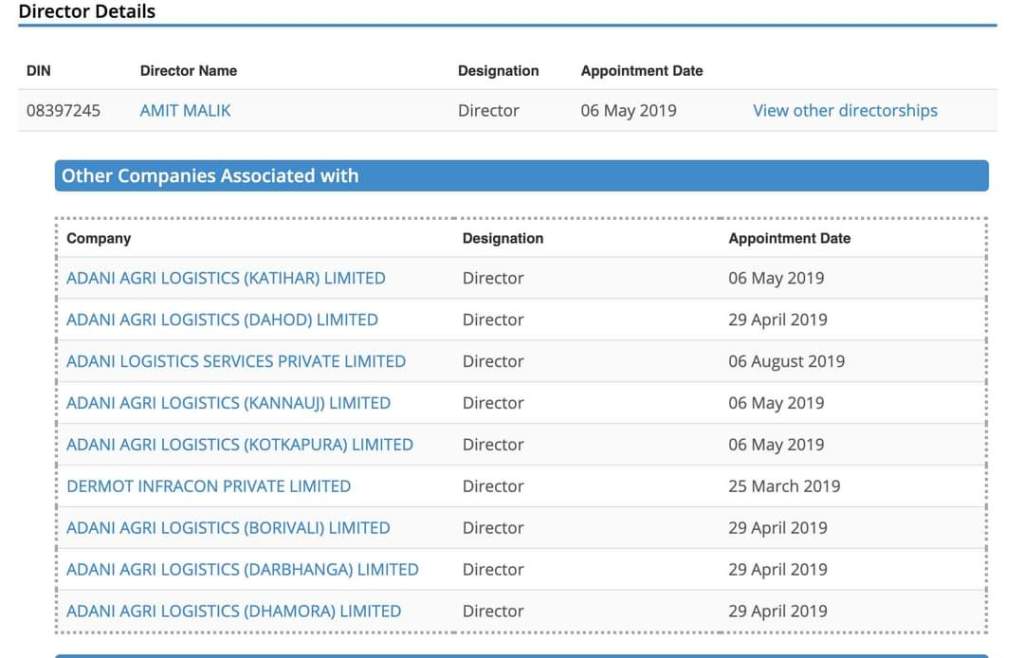
BBI Kenya and live Supreme Court streaming on YT
The last few weeks have been unrelenting as all sorts of news have been coming in, mostly about the downturn in the Economy, Islamophobia in India on the rise, Covid, and electioneering. However, in the last few days, Kenya surpassed India in live-streaming proceeds in a Court of Appeals about BBI or Building Bridges Initiative. A background filler article on the topic can be found in BBC. The live-streaming was done via YT and if wants to they can start from
https://www.youtube.com/watch?v=JIQzpmVKvro
One can also subscribe to K24TV which took the initiative of sharing the proceedings with people worldwide. If K24TV continues to share SC proceedings of Kenya, that would add to the soft power of Kenya. I will not go into the details of the case as Gautam Bhatia who has been following the goings-on in Kenya is a far better authority on the subject. In fact, just recently he shared about another Kenyan judgment from a trial which can be seen here. He has shared the proceedings and some hot takes on the Twitter thread started by him. Probably after a couple of weeks or more when he has processed what all has happened there, he may also share some nuances although many of his thoughts would probably go to his book on Comparative Constitutional Law which he hopes to publish maybe in 2021/2022 or whenever he can. Such televised proceedings are sure to alleviate the standing of Kenya internationally. There has been a proposal to do similar broadcasts by India but with surveillance built-in, so they know who is watching. The problems with the architecture and the surveillance built-in have been shared by Srinivas Kodali or DigitalDutta quite a few times, but that probably is a story for another day.
Uttar Pradesh Population Control BillHindus comprise 83% of Indian couples with more than two child children
The U.P. Population Bill came and it came with lot of prejudices. One of the prejudices is the idea that Muslims create or procreate to have the most children. Even with data is presented as shared above from NFHS National Family Health Survey which is supposed to carry our surveys every few years did the last one around 4 years back. The analysis from it has been instrumental not only in preparing graphs as above but also sharing about what sort of death toll must have been in rural India. And as somebody who have had the opportunity in the past, can vouch that you need to be extremely lucky if something happens to you when you are in a rural area.
Even in places like Bodh Gaya (have been there) where millions of tourists come as it is one of the places not to be missed on the Buddhism tourist circuit, the medical facilities are pretty underwhelming. I am not citing it simply because there are too many such newspaper reports from even before the pandemic, and both the State and the Central Govt. response has been dismal. Just a few months back, they were recalled. There were reports of votes being bought at INR 1000/- (around $14) and a bottle or two of liquor. There used to be a time when election monitoring whether national or state used to be a thing, and you had LTO s (Long-time Observers) and STO s (Short-Term Observers) to make sure that the election has been neutral. This has been on the decline in this regime, but that probably is for another time altogether. Although, have to point out the article which I had shared a few months ago on the private healthcare model is flawed especially for rural areas. Instead of going for cheap, telemedicine centers that run some version of a Linux distro. And can provide a variety of services, I know Kerala and Tamil Nadu from South India have experimented in past but such engagements need to be scaled up. This probably will come to know when the next time I visit those places (sadly due to the virus, not anytime soonish.:( ) .
Going back to the original topic, though, I had shared Hans Rosling s famous Ted talk on population growth which shows that even countries which we would not normally associate with family planning for e.g. the middle-east and Africa have also been falling quite rapidly. Of course, when people have deeply held prejudices, then it is difficult. Even when sharing China as to how they had to let go of their old policy in 2016 as they had the thing for leftover men . I also shared the powerful movie So Long my Son. I even shared how in Haryana women were and are trafficked and have been an issue for centuries but as neither suits the RW propaganda, they simply refuse to engage. They are more repulsed by people who publish this news rather than those who are actually practicing it, as that is culture . There is also teenage pregnancy, female infanticide, sex-selective abortion, etc., etc. It is just all too horrible to contemplate.
Personal anecdote I know a couple, or they used to be a couple, where the gentleman wanted to have a male child. It was only after they got an autistic child, they got their DNA tested and came to know that the gentleman had a genetic problem. He again forced and had another child, and that too turned out to be autistic. Finally, he left the wife and the children, divorced them and lived with another woman. Almost a decade of the wife s life was ruined. The wife before marriage was a gifted programmer employed at IBM. This was an arranged marriage. After this, if you are thinking of marrying, apart from doing astrology charts, also look up DNA compatibility charts. Far better than ruining yours or the women s life. Both the children whom I loved are now in heaven, god bless them
If one wants to, one can read a bit more about the Uttar Pradesh Population bill here. The sad part is that the systems which need fixing, nobody wants to fix. The reason being simple. If you get good health service by public sector, who will go to the private sector. In Europe, AFAIK they have the best medical bang for the money. Even the U.S. looks at Europe and hopes it had the systems that Europe has but that again is probably for another day.
South Africa and India long-lost brothers.
As had shared before, after the 2016 South African Debconf convention, I had been following South Africa. I was happy when FeesMustFall worked and in 2017 the then ANC president Zuma declared it in late 2017. I am sure that people who have been regular visitors to this blog know how my position is on student loans. They also must be knowing that even in U.S. till the 1970s it had free education all the way to be a lawyer and getting a lawyer license. It is only when people like Thurgood Marshall, Martin Luther King Jr., and others from the civil rights movement came out as a major force that the capitalists started imposing fees. They wanted people who could be sold to corporate slavery, and they won. Just last week, Biden took some steps and canceled student loans and is working on steps towards broad debt forgiveness.
Interestingly, NASA has an affirmative diversity program for people from diverse backgrounds, where a couple of UC (Upper Caste) women got the job. While they got the job, the RW (Right-Wing) was overjoyed as they got jobs on merit . Later, it was found that both the women were the third or fourth generation of immigrants in U.S.
NASA Federal Equal Opportunity Policy Directive NPD 3713 2H
Going back to the original question and topic, while there has been a concerning spate of violence, some calling it the worst sort of violence not witnessed since 1994. The problem, as ascertained in that article, is the same as here in India or elsewhere.
Those, again, who have been on my blog know that merit 90% of the time is a function of privilege and there is a vast amount of academic literature which supports that.
If, for a moment, you look at the data that is shared in the graph above which shows that 83% of Hindus and 13% of Muslims have more than 2 children, what does it show, it shows that 83+13 = 96% of the population is living in insecurity. The 5% are the ones who have actually consolidated more power during this regime rule in India. Similarly, from what I understood living in Cape Town for about a month, it is the Dutch Afrikaans as they like to call themselves and the immigrants who come from abroad who have enjoyed the fruits of tourism and money and power while the rest of the country is dying due to poverty. It is the same there, it is the same here. Corruption is also rampant in both countries, and the judiciary is virtually absent from both communities in India and SA. Interestingly, South Africa and India have been at loggerheads, but I suspect that is more due to the money and lobbying power by the Dutch. Usually, those who have money power, do get laws and even press on their side, and it is usually the ruling party in power. I cannot help but share about the Gupta brothers and their corruption as I came to know about it in 2016. And as have shared that I m related to Gupta s on my mother s side, not those specific ones but Gupta as a clan. The history of the Gupta dynasty does go back to the 3rd-4th century.
Equally interesting have been Sonali Ranade s series of articles which she wrote in National Herald, the latest on exports which is actually the key to taking India out of poverty rather than anything else. While in other countries Exporters are given all sort of subsidies, here it is being worked as how to give them less. This was in Economic times hardly a week back Export incentive schemes being reduced
I can t imagine the incredible stupidity done by the Finance Minister. And then in an attempt to prove that, they will attempt to present a rosy picture with numbers that have nothing to do with reality.
Interestingly enough, India at one time was a major exporter of apples, especially from Kashmir. Now instead of exporting, we are importing them from Afghanistan as well as Belgium and now even from the UK. Those who might not want to use the Twitter link could use this article. Of course, what India got out of this trade deal is not known. One can see that the UK got the better deal from this. Instead of investing in our own capacity expansion, we are investing in increasing the capacity of others. This is at the time when due to fuel price hike (Central taxes 66%) demand is completely flat. And this is when our own CEA (Chief Economic Adviser) tells us that growth will be at the most 6-7% and that too in 2023-2024 while currently, the inflation rate is around 12%. Is it then any wonder that almost 70% are living on Govt. ration and people in the streets of Kolkata, Assam, and other places have to sell kidneys to make sure they have some money for their kids for tomorrow. Now I have nothing against the UK but trade negotiation is an art. Sadly, this has been going on for the last few years. The politicians in India fool the public by always telling of future trade deals. Sadly, as any businessman knows, once you have compromised, you always have to compromise. And the more you compromise, the more you weaken the hand for any future trade deals. IIT pupil tries to sell kidney to repay loan, but no takers for Dalit organ.
The above was from yesterday s Times of India. Just goes to show how much people are suffering. There have been reports in vernacular papers of quite a few people from across regions and communities are doing this so they can live without pain a bit.
Almost all the time, the politicians are saved as only few understand international trade, the diplomacy and the surrounding geopolitics around it. And this sadly, is as much to do with basic education as much as it is to any other factor
Suli Deals
About a month back on the holy day of Ramzan or Ramadan as it is known in the west, which is beloved by Muslims, a couple of Muslim women were targeted and virtually auctioned. Soon, there was a flood and a GitHub repository was created where hundreds of Muslim women, especially those who have a voice and fearlessly talk about their understanding about issues and things, were being virtually auctioned. One week after the FIR was put up, to date none of the people mentioned in the FIR have been arrested. In fact, just yesterday, there was an open letter which was published by livelaw. I have saved a copy on WordPress just in case something does go wrong. Other than the disgust we feel, can t say much as no action being taken by GOI and police.
IT Rules 2021 and Big Media
After almost a year of sleeping when most activists were screaming hoarsely about how the new IT rules are dangerous for one and all, big media finally woke up a few weeks back and listed a writ petition in Madras High Court of the same. Although to be frank, the real writ petition was filed In February 2021, classical singer, performer T.M. Krishna in Madras High Court. Again, a copy of the writ petition, I have hosted on WordPress. On 23rd June 2021, a group of 13 media outlets and a journalist have challenged the IT Rules, 2021.
The Contention came from Digital News Publishers Association which is made up of the following news companies: ABP Network Private Limited, Amar Ujala Limited, DB Corp Limited, Express Network Pvt Ltd, HT Digital Streams Limited, IE Online Media Services Pvt Ltd, Jagran Prakashan Limited, Lokmat Media Private Limited, NDTV Convergence Limited, TV Today Network Limited, The Malayala Manorama Co (P) Ltd, Times Internet Limited, and Ushodaya Enterprises Private Limited. All the above are heavyweights in the markets where they operate. The reason being simple, when these media organizations came into being, the idea was to have self-regulation, which by and large has worked. Now, the present Govt. wants each news item to be okayed by them before publication. This is nothing but blatant misuse of power and an attempt at censorship. In fact, the Tamil Nadu BJP president himself made a promise of the same. And of course, what is true and what is a lie, only GOI knows and will decide for the rest of the country. If somebody remembers Joseph Goebbels at this stage, it is merely a coincidence. Anyways, 3 days ago Supreme Court on 14th July the Honorable Supreme Court asked the Madras High Court to transfer all the petitions to SC. This, the Madras High Court denied as cited/shared by Meera Emmanuel, a reporter who works with barandbench. The Court says nothing doing, let this happen and then the SC can entertain the motion of doing it that level. At the same time, they would have the benefit of Madras High Court opinion as well. It gave the center two weeks to file a reply. So, either of end-week of July or latest by August first week, we might be able to read the Center s reply on the same. The SC could do a forceful intervention, but it would lead to similar outrage as has been witnessed in the past when a judge commented that if the SC has to do it all, then why do we need the High Courts, district courts etc. let all the solutions come from SC itself. This was, admittedly, frustration on the part of the judge, but due in part to the needless intervention of SC time and time again. But the concerns had been felt around all the different courts in the country.
Sedition Law
A couple of days ago, the Supreme Court under the guidance of Honorable CJI NV Ramanna, entertained the PIL filed by Maj Gen S G Vombatkere (Retd.) which asked simply that the sedition law which was used in the colonial times by the British to quell dissent by Mahatma Gandhi and Bal Gangadhar Tilak during the Indian freedom struggle. A good background filler article can be found on MSN which tells about some recent cases but more importantly how historically the sedition law was used to quell dissent during India s Independence. Another article on MSN actually elaborates on the PIL filed by Maj Gen S. G. Vombatkere. Another article on MSN tells how sedition law has been challenged and changed in 10 odd countries. I find it equally sad and equally hilarious that the Indian media whose job is to share news and opinion on this topic is being instead of being shared more by MSN. Although, I would be bereft of my duty if I did not share the editorial on the same topic by the Hindu and Deccan Chronicle. Also, an interesting question to ask is, are there only 10 countries in the world that have sedition laws? AFAIK, there are roughly 200 odd countries as recognized by WTO. If 190 odd countries do not have sedition laws, it also tells a lot about them and a lot about the remaining 10. Also, it came to light that police are still filing laws under sec66A which was declared null and void a few years ago. It was replaced with section 124A if memory serves right and it has more checks and balances.
Danish Siddiqui, Pulitzer award-winning and death in Afghanistan
Before I start with Danish Siddiqui, let me share an anecdote that I think I have shared on the blog years ago about how photojournalists are. Again, those who know me and those who follow me know how much I am mad both about trains and planes (civil aviation). A few months back, I had shared a blog post about some of the biggest railway systems in the world which shows that privatization of Railways doesn t necessarily lead to up-gradation of services but definitely leads to an increase in tariff/fares. Just had a conversation couple of days ago on Twitter and realized that need to also put a blog post about civil aviation in India and the problems it faces, but I digress.
This was about a gentleman who wanted to take a photo of a particular train coming out of a valley at a certain tunnel at two different heights, one from below and one from above the train. This was several years ago, and while I did share that award-winning photograph then, it probably would take me quite a bit of time and effort to again look it up on my blog and share.
The logistics though were far more interesting and intricate than I had first even thought of. We came around a couple of days before the train was supposed to pass that tunnel and the valley. More than half a dozen or maybe more shots were taken throughout the day by the cameras. The idea was to see how much light was being captured by the cameras and how much exposure was to be given so that the picture isn t whitened out or is too black.
Weather is the strangest of foes for a photojournalist or even photographers, and the more you are in nature, the more unpredictable it is and can be. We were also at a certain height, so care had to be taken in case light rainfall happens or dew falls, both not good for digital cameras.
And dew is something which will happen regardless of what you want. So while the two days our gentleman cameraman fiddled with the settings to figure out correct exposure settings, we had one other gentleman who was supposed to take the train from an earlier station and apprise us if the train was late or not.
The most ideal time would be at 0600 hrs. When the train would enter the tunnel and come out and the mixture of early morning sun rays, dew, the flowers in the valley, and the train would give a beautiful effect. We could stretch it to maybe 0700 hrs.
Anything after that would just be useless, as it wouldn t have the same effect. And of all this depended on nature. If the skies were to remain too dark, nothing we could do about it, if the dewdrops didn t fall it would all be over.
On the day of the shoot, we were told by our compatriot that the train was late by half an hour. We sank a little on hearing that news. Although Photoshop and others can do touch-ups, most professionals like to take as authentic a snap as possible. Everything had been set up to perfection. The wide-angle lenses on both the cameras with protections were set up. The tension you could cut with a knife. While we had a light breakfast, I took a bit more and went in the woods to shit and basically not be there. This was too tensed up for me. Returned an hour to find everybody in a good mood. Apparently, the shoot went well. One of the two captured it for good enough. Now, this is and was in a benign environment where the only foe was the environment. A bad shot would have meant another week in the valley, something which I was not looking forward to. Those who have lived with photographers and photojournalists know how self-involved they can be in their craft, while how grumpy they can be if they had a bad shoot. For those, who don t know, it is challenging to be friends with such people for a long time. I wish they would scream more at nature and let out the frustrations they have after a bad shoot. But again, this is in a very safe environment.
Now let s cut to Danish Siddiqui and the kind of photojournalism he followed. He followed a much more riskier sort of photojournalism than the one described above. Krittivas Mukherjee in his Twitter thread shared how reporters in most advanced countries are trained in multiple areas, from risk assessment to how to behave in case you are kidnapped, are in riots, hostage situations, etc. They are also trained in all sorts of medical training from treating gunshot wounds, CPR, and other survival methods. They are supposed to carry medical equipment along with their photography equipment. Sadly, these concepts are unknown in India. And even then they get killed. Sadly, he attributes his death to the thrill of taking an exclusive photograph. And the gentleman s bio reads that he is a diplomat. Talk about tone-deafness
On another completely different level was Karen Hao who was full of empathy as she shared the humility, grace, warmth and kinship she describes in her interaction with the photojournalist. His body of work can be seen via his ted talk in 2020 where he shared a brief collage of his works. Latest, though in a turnaround, the Taliban have claimed no involvement in the death of photojournalist Danish Siddiqui. This could be in part to show the Taliban in a more favorable light as they do and would want to be showcased as progressive, even though they are forcing that all women within a certain age become concubines or marry the fighters and killing the minority Hazaras or doing vile deeds with them. Meanwhile, statements made by Hillary Clinton almost a decade, 12 years ago have come back into circulation which stated how the U.S. itself created the Taliban to thwart the Soviet Union and once that job was finished, forgot all about it. And then in 2001, it landed back in Afghanistan while the real terrorists were Saudi. To date, not all documents of 9/11 are in the public domain. One can find more information of the same here. This is gonna take probably another few years before Saudi Arabia s whole role in the September 11 attacks will be known.
Last but not the least, came to know about the Pegasus spyware and how many prominent people in some nations were targeted, including in mine India. Will not talk more as it s already a big blog post and Pegasus revelations need an article on its own.
This blog post is about my observations of some of the plants in my home garden.
While still a n00b on the subject, these notes are my observations and experiences over days, weeks and months. Thankfully, with the capability to take frequent pictures, it has been easy to do an assessment and generate a report of some of these amazing behaviors of plants, in an easy timeline order; all thanks to the EXIF data embedded.
This has very helpfully allowed me to record my, otherwise minor observations, into great detail; and make some sense out of it by correlating the data over time.
It is an emotional experience. You see, plants are amazing. When I sow a sapling, water it, feed it, watch it grow, prune it, medicate it, and what not; I build up affection towards it.
Though, at the same time, to me it is a strict relationship, not too attached; as in it doesn t hurt to uproot a plant if there is a good reason. But still, I find some sort of association to it.
With plants around, it feels I have a lot of lives around me. All prospering, communicating, sharing. And communicate they do. What is needed is just the right language to observe and absorb their signals and decipher what they are trying to say.
Devastation
How in this world, when you are caring for your plants, can it transform:
From This
Healthy Mulberry Plant
Healthy Mulberry Plant
Healthy Bael Plant
To This
Dead Mulberry Plant
Very Sick Bael Plant
With emotions involved, this can be an unpleasant experience.
Bael is a dear plant to me. The plant as a whole has religious values (Shiva). As well, its fruits have lots of health benefits, especially for the intestines. Its leaves have a lot of medicinal properties.
When I planted the Bael, there were a lot of emotions that went along.
On the other hand, the Mulberry is something I put in with a lot of enthusiasm. Mulberries are now rare to find, especially in urban locations. For one, they have a very short shelf life; But more than that, the way lifestyles are heading towards, I was always worried if my children would ever have a day to see and taste these fruits.
The mulberry that I planted, yielded twice; once very soon when I had planted and second, before it died. Infact, it died while during its second yield phase.
It was quite saddening to see that happen. It made me wonder why it happened. I had been caring for the plants fairly well. Watering them timely, feeding them the right amount of nutrients. They were getting a good amount of sun.
But still their health was deteriorating. And then the demise of the Mulberry. Many thoughts hit my mind.
I consulted the claimed experts in the domain, the maali, the gardener. I got a very vague answer; there must be termites in the soil. It didn t make much sense to me. I mean if there are termites they d hit day one. They won t sleep for months and just wake up one fine day and start attacking the roots of particular plants; not all.
I wasn t convinced with the termite theory; But still, give the expert the blind hand, I went with his word.
When my mulberry was dead, I dug its roots. Looking for proof, to see if there were any termites, I uprooted it. But I couldn t find any trace of termites. And the plant next to it was perfectly healthy and blossoming. So I was convinced that it wasn t the termite but something else.
But else what ? I still didn t have an answer to that.
Thinking
The Corona pandemic had embraced and there was a lot to worry, and worry not any, if you change the perspective. With plants around in my home, and our close engagement with them, and the helplessness that I felt after seeking help from the experts, it was time again; to build up some knowledge on the subject.
But how ? How do you go about a subject you have not much clue about ? A subject which has always been around in the surrounding but very seldom have I dedicated focused thought to it. To be honest, the initial thought of diving on the subject made me clueless. I had no idea where to begin with. But, so, as has been my past history, I chose to take it as a curiosity.
I gathered some books, skimmed through a couple of pages. Majority of the books I got hold of were about DIYs and How to do Home Gardening types. It was a decent introduction to a novice but my topic of curiosity was different.
Thankfully, with the Internet, and YouTube in particular, a lot of good stuff is available as documentary videos. While going through some, I came across a video which mentioned about carnivore plants. Like, for example, this one.
Carnivore Plant
This got me thinking that there could be a possibility of something similar, that did the fate to my Mulberry plant. But who did it ? And how to dive further on this suspicion ? And most of all, if that thought of possibility was actually the reality. Or was I just hitting in the dark ?
Beginning
To put some perspective, here s how it started. When we moved into our home, the gardener put in a couple of plants stock, as part of the property handover. Now, I don t exactly recollect the name of the plants that came in stock, neither English nor Hindi; But at my neighbor s place, the plant is still there.
Here are some of the pictures of this beauty. But don t just go by the looks as looks can be deceiving
Dominating Plant
Dominating Plant
Dominating Plant
We hadn t put any serious thought about the plants we were offered by the gardener. After all, we never had ever thought of any mishap either.
Plants we planted
Apart from what was offered by the builder/gardener as part of the property handover, in over the next 6 months of we moving in, I planted 3 tree type plants.
Mulberry
Bael
Rudraksha
The Mulberry, as I have described so far, died a tragic death.
Bael, on the other hand, fought hard. But very little did we know that the plant was struggling the fight. Our impression was that we must have been given a bad breed of the plant. Or maybe the termite theory had some truth.
For the Rudraksha plant, the growth was slow. This was the very first time I had seen a Rudraksha plant, so I had no clue of what its growth rate could be, and what to expect out of it. I wasn t sure if the local climate suited the plant. A quick search showed no objections to the plant in the local climate, but that was it. So my theory has been to put in the plant, and observe.
Here s what my Rudraksha plant looked like during the initial days/weeks of its settlement
Rudraksha Plant
The Hint
Days passed and so on. Not much had progressed in gathering information. The plant s health was usual; deteriorating at a slow pace.
On day, thinking of the documentaries I had been watching, it hit my mind about the plant behavior.
Plants can be Carnivores.
Plants can be Aggressive.
Plants can be Invaders.
Plants can be Territorial.
There are many plants where their aggression can be witnessed with bare human eyes. Like creepers. Some of them are good at spreading tentacles, grabbing onto other plants' stems and branches and spread above it. This was my hint from the documentaries. That s one of the many ways plants set their dominance. That is what hit my mind that if plants are aggressive on the out, underneath the soil, they should be having similar behavior.
I mean, what we see as humans is just a part of the actual plant. More than half of the actual plant is usually underneath the soil, in most plants.
So there s a high chance to get more information out, if you dig the soil and look the roots.
The Digging
As I mentioned earlier, I do establish bindings, emotions and attachments. But not much usually comes in the way to curiosity.
To dig further on the theory that the problem was elsewhere, with within the plants ecosystem, we needed to pick on another subject - the plant.
And the plant we chose was the plant which was planted in the initial offering to us, when we moved into our home. It was the same plant breed which was neighboring all our newly planted trees: Rudraksha, Mulberry and Bael.
If you look closely into the pictures above of these plants, you ll notice the stem of another plant, the Territorial Dominator, is close-by to these 3 plants. That s because the gardener put in a good number of them to get his action item complete.
So we chose to dig and uproot one of those plant to start with. Now, while they may look gentle on the outside, with nice red colored tiny flowers, these plants were giants underneath. Their roots were huge. It took some sweat shredding to single-handedly remove them.
Dominating Plant Uprooted
Dominating Plant Uprooted
Dominating Plant Uprooted
Dominating Plant Uprooted
Today is brighter
Bael
I ll let the pictures do the initial talking today.
Healthy Bael
Healthy Bael
Healthy Bael
Healthy Bael
Healthy Bael
The above ones are pictures of the same Bael plant, which had struggled to live, for almost 14 months. Back then, this plant was starved of its resources. It was dying a slow death out of starvation. After we uprooted the other dominant species, the Bael has recovered and has regained its charm.
In the pictures above of the Bael plant, you can clearly mark out the difference in its stem. The dark colored one is from its months of struggle, while the bright green is from now where it is well nourished and regained its health.
Mulberry
As for the Mulberry, I couldn t save it. But I later managed to get another one. But it turns out I didn t take good, full length pictures of the new mulberry when I planted. The only picture I have is this:
Second Mulberry Plant
I recollect when I brought it home, it was around 1 - 1.5 feet in length.
This is where I have it today: Majestically standing, 12 feet and counting
Second Mulberry Plant 7 feet tall
Rudraksha
Then:
Rudraksha Plant
And now:
I feel quite happy about
Rudraksha Plant
Rudraksha Plant
Rudraksha Plant
All these plants are on the very same soil with the very same care taker. What has changed is my experience and learning.
Plant Co-Existence
Plant co-existence is a difficult topic. My knowledge on plants is very limited in general, and co-existence is something tricky, unexplored, at times invisible (when underneath the soil). So it is a difficult topic. So far, what I ve learnt is purely observations, experiences and hints from the documentaries.
There surely are many many plants that co-exist very well. A good example is my Bael plant itself, which is healthily co-sharing its space with 2 other Croton plants. Same goes for the Rudraksha, which has a close-by neighbor in an Adenium and an Allamanda.
The plant world is mesmerizing. How they behave, communicate and many many more signs. There s so much to observe, learn, explore and document. I hope to have more such observations and experiences to share
The Magician's Nephew is the sixth book of the Chronicles of Narnia
in the original publication order, but it's a prequel, set fifty years
before The Lion, the Witch and the
Wardrobe. It's therefore put first in the new reading order.
I have always loved world-building and continuities and, as a comics book
reader (Marvel primarily), developed a deep enjoyment of filling in the
pieces and reconstructing histories from later stories. It's no wonder
that I love reading The Magician's Nephew after The Lion, the
Witch and the Wardrobe. The experience of fleshing out backstory with
detail and specifics makes me happy. If that's also you, I recommend the
order in which I'm reading these books.
Reading this one first is defensible, though. One of the strongest
arguments for doing so is that it's a much stronger, tighter, and
better-told story than The Lion, the Witch and the Wardrobe, and
therefore might start the series off on a better foot for you. It stands
alone well; you don't need to know any of the later events to enjoy this,
although you will miss the significance of a few things like the lamp post
and you don't get the full introduction to Aslan.
The Magician's Nephew is the story of Polly Plummer, her new
neighbor Digory Kirke, and his Uncle Andrew, who fancies himself a
magician. At the start of the book, Digory's mother is bed-ridden and
dying and Digory is miserable, which is the impetus for a friendship with
Polly. The two decide to explore the crawl space of the row houses in
which they live, seeing if they can get into the empty house past
Digory's. They don't calculate the distances correctly and end up in
Uncle Andrew's workroom, where Digory was forbidden to go. Uncle Andrew
sees this as a golden opportunity to use them for an experiment in travel
to other worlds.
MAJOR SPOILERS BELOW.
The Magician's Nephew, like the best of the Narnia books, does not
drag its feet getting started. It takes a mere 30 pages to introduce all
of the characters, establish a friendship, introduce us to a villain, and
get both of the kids into another world. When Lewis is at his best, he
has an economy of storytelling and a grasp of pacing that I wish was more
common.
It's also stuffed to the brim with ideas, one of the best of which is the
Wood Between the Worlds.
Uncle Andrew has crafted pairs of magic rings, yellow and green, and
tricks Polly into touching one of the yellow ones, causing her to vanish
from our world. He then uses her plight to coerce Digory into going after
her, carrying two green rings that he thinks will bring people back into
our world, and not incidentally also observing that world and returning to
tell Uncle Andrew what it's like. But the world is more complicated than
he thinks it is, and the place where the children find themselves is an
eerie and incredibly peaceful wood, full of grass and trees but apparently
no other living thing, and sprinkled with pools of water.
This was my first encounter with the idea of a world that connects other
worlds, and it remains the most memorable one for me. I love everything
about the Wood: the simplicity of it, the calm that seems in part to be a
defense against intrusion, the hidden danger that one might lose one's way
and confuse the ponds for each other, and even the way that it tends to
make one lose track of why one is there or what one is trying to
accomplish. That quiet forest filled with pools is still an image I use
for infinite creativity and potential. It's quiet and nonthreatening, but
not entirely inviting either; it's magnificently neutral, letting each
person bring what they wish to it.
One of the minor plot points of this book is that Uncle Andrew is wrong
about the rings because he's wrong about the worlds. There aren't just
two worlds; there are an infinite number, with the Wood as a nexus, and
our reality is neither the center nor one of an important pair. The rings
are directional, but relative to the Wood, not our world. The kids, who
are forced to experiment and who have open minds, figure this out quickly,
but Uncle Andrew never shifts his perspective. This isn't important to
the story, but I've always thought it was a nice touch of world-building.
Where this story is heading, of course, is the creation of Narnia and the
beginning of all of the stories told in the rest of the series. But
before that, the kids's first trip out of the Wood is to one of the best
worlds of children's fantasy: Charn.
If the Wood is my mental image of a world nexus, Charn will forever be my
image of a dying world: black sky, swollen red sun, and endless abandoned
and crumbling buildings as far as the eye can see, full of tired silences
and eerie noises. And, of course, the hall of statues, with one of the
most memorable descriptions of history and empire I've ever read (if you
ignore the racialized description):
All of the faces they could see were certainly nice. Both the men and
women looked kind and wise, and they seemed to come of a handsome
race. But after the children had gone a few steps down the room they
came to faces that looked a little different. These were very solemn
faces. You felt you would have to mind your P's and Q's, if you ever
met living people who looked like that. When they had gone a little
farther, they found themselves among faces they didn't like: this was
about the middle of the room. The faces here looked very strong and
proud and happy, but they looked cruel. A little further on, they
looked crueller. Further on again, they were still cruel but they no
longer looked happy. They were even despairing faces: as if the
people they belonged to had done dreadful things and also suffered
dreadful things.
The last statue is of a fierce, proud woman that Digory finds strikingly
beautiful. (Lewis notes in an aside that Polly always said she never
found anything specially beautiful about her. Here, as in
The Silver Chair, the girl is the
sensible one and things would have gone better if the boy had listened to
her, a theme that I find immensely frustrating because Susan was the
sensible one in the first two books of the series but then Lewis threw
that away.)
There is a bell in the middle of this hall, and the pillar that holds that
bell has an inscription on it that I think every kid who grew up on Narnia
knows by heart.
Make your choice, adventurous Stranger;
Strike the bell and bide the danger,
Or wonder, till it drives you mad,
What would have followed if you had.
Polly has no intention of striking the bell, but Digory fights her and
does it anyway, waking Jadis from where she sat as the final statue in the
hall and setting off one of the greatest reimaginings of a villain in
children's literature.
Jadis will, of course, become the White Witch who holds Narnia in endless
winter some thousand Narnian years later. But the White Witch was a
mediocre villain at best, the sort of obvious and cruel villain common in
short fairy tales where the author isn't interested in doing much
characterization. She exists to be evil, do bad things, and be defeated.
She has a few good moments in conflict with Aslan, but that's about it.
Jadis in this book is another matter entirely: proud, brilliant,
dangerous, and creative.
The death of everything on Charn was Jadis's doing: an intentional spell,
used to claim a victory of sorts from the jaws of defeat by her sister in
a civil war. (I find it fascinating that Lewis puts aside his normally
sexist roles here.) Despite the best attempts of the kids to lose her
both in Charn and in the Wood (which is inimical to her, in another nice
bit of world-building), she manages to get back to England with them. The
result is a remarkably good bit of villain characterization.
Jadis is totally out of her element, used to a world-spanning empire run
with magic and (from what hints we get) vaguely medieval technology. Her
plan to take over their local country and eventually the world should be
absurd and is played somewhat for laughs. Her magic, which is her great
weapon, doesn't even work in England. But Jadis learns at a speed
that the reader can watch. She's observant, she pays attention to things
that don't fit her expectations, she changes plans, and she moves with
predatory speed. Within a few hours in London she's stolen jewels and a
horse and carriage, and the local police seem entirely overmatched.
There's no way that one person without magic should be a real danger to
England around the turn of the 20th century, but by the time the kids
manage to pull her back into the Wood, you're not entirely sure England
would have been safe.
A chaotic confrontation, plus the ability of the rings to work their magic
through transitive human contact, ends up with the kids, Uncle Andrew,
Jadis, a taxicab driver and his horse all transported through the Wood to
a new world. In this case, literally a new world: Narnia at the point of
its creation.
Here again, Lewis translates Christian myth, in this case the Genesis
creation story, into a more vivid and in many ways more beautiful story
than the original. Aslan singing the world into existence is an
incredible image, as is the newly-created world so bursting with life that
even things that normally could not grow will do so. (Which, of course,
is why there is a lamp post burning in the middle of the western forest of
Narnia for the Pevensie kids to find later.) I think my favorite part is
the creation of the stars, but the whole sequence is great.
There's also an insightful bit of human psychology. Uncle Andrew can't
believe that a lion is singing, so he convinces himself that Aslan is not
singing, and thus prevents himself from making any sense of the talking
animals later.
Now the trouble about trying to make yourself stupider than you really
are is that you very often succeed.
As with a lot in Lewis, he probably meant this as a statement about faith,
but it generalizes well beyond the religious context.
What disappointed me about the creation story, though, is the animals. I
didn't notice this as a kid, but this re-read has sensitized me to how
Lewis consistently treats the talking animals as less than humans even
though he celebrates them. That happens here too: the newly-created,
newly-awakened animals are curious and excited but kind of dim. Some of
this is an attempt to show that they're young and are just starting to
learn, but it also seems to be an excuse for Aslan to set up a human king
and queen over them instead of teaching them directly how to deal with the
threat of Jadis who the children inadvertently introduced into the world.
The other thing I dislike about The Magician's Nephew is that the
climax is unnecessarily cruel. Once Digory realizes the properties of the
newly-created world, he hopes to find a way to use that to heal his
mother. Aslan points out that he is responsible for Jadis entering the
world and instead sends him on a mission to obtain a fruit that, when
planted, will ward Narnia against her for many years. The same fruit
would heal his mother, and he has to choose Narnia over her. (It's a
fairly explicit parallel to the Garden of Eden, except in this case Digory
passes.)
Aslan, in the end, gives Digory the fruit of the tree that grows, which is
still sufficient to heal his mother, but this sequence made me angry when
re-reading it. Aslan knew all along that what Digory is doing will let
him heal his mother as well, but hides this from him to make it more of a
test. It's cruel and mean; Aslan could have promised to heal Digory's
mother and then seen if he would help Narnia without getting anything in
return other than atoning for his error, but I suppose that was too
transactional for Lewis's theology or something. Meh.
But, despite that, the only reason why this is not the best Narnia book is
because The Voyage of the Dawn Treader
is the only Narnia book that also nails the ending. The Magician's
Nephew, up through Charn, Jadis's rampage through London, and the initial
creation of Narnia, is fully as good, perhaps better. It sags a bit at
the end, partly because it tries to hard to make the Narnian animals
humorous and partly because of the unnecessary emotional torture of
Digory. But this still holds up as the second-best Narnia book, and one I
thoroughly enjoyed re-reading. If anything, Jadis and Charn are even
better than I remembered.
Followed by the last book of the series, the somewhat notorious The
Last Battle.
Rating: 9 out of 10
I have a 2013 model used car that I bought two years ago. It came with
a 7 inch touch screen
infotainment system on its dash
board with
features
like navigation, Bluetooth phone connectivity and a good FM AM radio. Except
the radio I rarely use navigation or Bluetooth phone sync. After couple of months
the touch started to become non-responsive. Since all important things
such as
call termination, mute and volume control have physical switches, I was happy
with it.
During a periodic car check up on a local workshop, mechanic pulled
battery terminals
making the infotainment system locked. Now it ask for 4 digit pass
code. Its one of their ant-theft mechanism and in order to enter those
digits you need a touch responsive screen. So now I am completed locked out.
I visited service center of this car to get it changed, turns out they
don t repair it and only change by the unit. And will cost me
Rs 50,000. Considering my usage is restricted to radio. That price is
way too much.
So my next options were,
Use a normal cheap car radio player. I dropped this plan, since stereo
players comes in very small size and I might need plastic
placeholders to close rest of the area from the 7 inch
screen. This can mess aesthetics of dash board. And it also
affect value of the car if I will sell in future.
Use a 7 inch third party infotainment system available in the
market. I did enquired with local car accessories shop and I
dropped this plan as well because most of them are android and
comes with enormous
number of pre installed apps which I never gonna use it
anyway. And I don t need one more device that need to be
connected to the
Internet. Also the wiring at the back of these devices are
different than what I have already so it need rewiring.
Last option was to change the infotainment system parts my own. I
was under the impression that these units are in-house made,
tightly assembled and sealed with screws that you never see in
your
life and you will never able to be open it up, let alone fix parts.
Couple of articles showed me that car infotainment system
sizes and wiring at the back are actually
standardized. This particular
system s OEM is LG
After gaining confidence from several youtube videos and articles, I
chose the 3rd option and started to disassemble
head unit. Luckily
all those screw driver heads were with me. After taking everything
apart I could see back of touch screen glass bulged and pushing against the
display. The back of the display had a label with its manufacturers name
Innolux display and its model number
AT070TN94. You might know
this company from all those raspberry pi displays in the market. Also
Tesla car makers use Innolux display in their infotainment unit.
I was able to spot an online reseller in Hong Kong. I only
need a touch screen display but to be on the safe side
I also placed order for display as well(Price difference were
negligible) Took 1 month to reach at my hand due to COVID restrictions. I
assembled everything together and collected radio pass code the very
same day I received the item. Everything is working now. yay!
The touch screen + display cost me Rs 6000/-. I can easily get an
average android infotainment around this price. But it was the price I
paid for avoiding e-waste.
So if you have a broken head unit in your pre 2015 era car. Try to
change the parts yourself. Its not complicated like our mobile phones.
The Silver Chair is a sequel to The Voyage of the Dawn Treader and the fourth book of the
Chronicles of Narnia in original publication order. (For more about
publication order, see the introduction to my review of
The Lion, the Witch and the Wardrobe.)
Apart from a few references to The Voyage of the Dawn Treader at
the start, it stands sufficiently on its own that you could read it
without reading the other books, although I have no idea why you'd want
to.
We have finally arrived at my least favorite of the Narnia books and the
one that I sometimes skipped during re-reads. (One of my objections to
the new publication order is that it puts The Silver Chair and
The Last Battle back-to-back, and I don't think you should do that
to yourself as a reader.) I was hoping that there would be previously
unnoticed depth to this book that would redeem it as an adult reader.
Sadly, no; with one very notable exception, it's just not very good.
MAJOR SPOILERS BELOW.
The Silver Chair opens on the grounds of the awful school to which
Eustace's parents sent him: Experiment House. That means it opens (and
closes) with a more extended version of Lewis's rant about schools. I
won't get into this in detail since it's mostly a framing device, but
Lewis is remarkably vicious and petty. His snide contempt for putting
girls and boys in the same school did not age well, nor did his emphasis
at the end of the book that the incompetent head of the school is a woman.
I also raised an eyebrow at holding up ordinary British schools as a model
of preventing bullying.
Thankfully, as Lewis says at the start, this is not a school story. This
is prelude to Jill meeting Eustace and the two of them escaping the
bullies via a magical door into Narnia. Unfortunately, that's the second
place The Silver Chair gets off on the wrong foot.
Jill and Eustace end up in what the reader of the series will recognize as
Aslan's country and almost walk off the vast cliff at the end of the
world, last seen from the bottom in The Voyage of the Dawn Treader.
Eustace freaks out, Jill (who has a much better head for heights) goes
intentionally close to the cliff in a momentary impulse of arrogance
before realizing how high it is, Eustace tries to pull her back, and
somehow Eustace falls over the edge.
I do not have a good head for heights, and I wonder how much of it is due
to this memorable scene. I certainly blame Lewis for my belief that
pulling someone else back from the edge of a cliff can result in you being
pushed off, something that on adult reflection makes very little sense but
which is seared into my lizard brain. But worse, this sets the tone for
the rest of the story: everything is constantly going wrong because
Eustace and Jill either have normal human failings that are
disproportionately punished or don't successfully follow esoteric and
unreasonably opaque instructions from Aslan.
Eustace is safe, of course; Aslan blows him to Narnia and then gives Jill
instructions before sending her afterwards. (I suspect the whole business
with the cliff was an authorial cheat to set up Jill's interaction with
Aslan without Eustace there to explain anything.) She and Eustace have
been summoned to Narnia to find the lost Prince, and she has to memorize
four Signs that will lead her on the right path.
Gah, the Signs. If you were the sort of kid that I was, you immediately
went back and re-read the Signs several times to memorize them like Jill
was told to. The rest of this book was then an exercise in anxious
frustration. First, Eustace is an ass to Jill and refuses to even listen
to the first Sign. They kind of follow the second but only with heavy
foreshadowing that Jill isn't memorizing the Signs every day like she's
supposed to. They mostly botch the third and have to backtrack to follow
it. Meanwhile, the narrator is constantly reminding you that the kids
(and Jill in particular) are screwing up their instructions. On
re-reading, it's clear they're not doing that poorly given how obscure the
Signs are, but the ominous foreshadowing is enough to leave a reader a
nervous wreck.
Worse, Eustace and Jill are just miserable to each other through the whole
book. They constantly bicker and snipe, Eustace doesn't want to listen to
her and blames her for everything, and the hard traveling makes it all
worse. Lewis does know how to tell a satisfying redemption arc; one of
the things I have always liked about Edmund's story is that he learns his
lesson and becomes my favorite character in the subsequent stories. But,
sadly, Eustace's redemption arc is another matter. He's totally different
here than he was at the start of The Voyage of the Dawn Treader (to
the degree that if he didn't have the same name in both books, I wouldn't
recognize him as the same person), but rather than a better person he
seems to have become a different sort of ass. There's no sign here of the
humility and appreciation for friendship that he supposedly learned from
his time as a dragon.
On top of that, the story isn't very interesting. Rilian, the lost
Prince, is a damp squib who talks in the irritating archaic accent that
Lewis insists on using for all Narnian royalty. His story feels like
Lewis lifted it from medieval Arthurian literature; most of it could be
dropped into a collection of stories of knights of the Round Table without
seeming out of place. When you have a country full of talking animals and
weirdly fascinating bits of theology, it's disappointing to get a
garden-variety story about an evil enchantress in which everyone is noble
and tragic and extremely stupid.
Thankfully, The Silver Chair has one important redeeming quality:
Puddleglum.
Puddleglum is a Marsh-wiggle, a bipedal amphibious sort who lives alone in
the northern marshes. He's recruited by the owls to help the kids with
their mission when they fail to get King Caspian's help after blowing the
first Sign. Puddleglum is an absolute delight: endlessly pessimistic,
certain the worst possible thing will happen at any moment, but also
weirdly cheerful about it. I love Eeyore characters in general, but
Puddleglum is even better because he gives the kids' endless bickering
exactly the respect that it deserves.
"But we all need to be very careful about our tempers, seeing all the
hard times we shall have to go through together. Won't do to quarrel,
you know. At any rate, don't begin it too soon. I know these
expeditions usually end that way; knifing one another, I
shouldn't wonder, before all's done. But the longer we can keep off
it "
It's even more obvious on re-reading that Puddleglum is the only effective
member of the party. Jill has only a couple of moments where she gets the
three of them past some obstacle. Eustace is completely useless; I can't
remember a single helpful thing he does in the entire book. Puddleglum
and his pessimistic determination, on the other hand, is right about
nearly everything at each step. And he's the one who takes decisive
action to break the Lady of the Green Kirtle's spell near the end.
I was expecting a bit of sexism and (mostly in upcoming books) racism when
re-reading these books as an adult given when they were written and who
Lewis was, but what has caught me by surprise is the colonialism. Lewis
is weirdly insistent on importing humans from England to fill all the
important roles in stories, even stories that are entirely about Narnians.
I know this is the inherent weakness of portal fantasy, but it bothers me
how little Lewis believes in Narnians solving their own problems.
The Silver Chair makes this blatantly obvious: if Aslan had just
told Puddleglum the same information he told Jill and sent a Badger or a
Beaver or a Mouse along with him, all the evidence in the book says the
whole affair would have been sorted out with much less fuss and anxiety.
Jill and Eustace are far more of a hindrance than a help, which makes for
frustrating reading when they're supposedly the protagonists.
The best part of this book is the underground bits, once they finally get
through the first three Signs and stumble into the Lady's kingdom far
below the surface. Rilian is a great disappointment, but the fight
against the Lady's mind-altering magic leads to one of the great quotes of
the series, on par with Reepicheep's speech in The Voyage of the
Dawn Treader.
"Suppose we have only dreamed, or made up, all those things
trees and grass and sun and moon and stars and Aslan himself. Suppose
we have. Then all I can say is that, in that case, the made-up things
seem a good deal more important than the real ones. Suppose this
black pit of a kingdom of yours is the only world. Well, it
strikes me as a pretty poor one. And that's a funny thing, when you
come to think of it. We're just babies making up a game, if you're
right. But four babies playing a game can make a play-world which
licks your real world hollow. That's why I'm going to stand by the
play world. I'm on Aslan's side even if there isn't any Aslan to lead
it. I'm going to live as like a Narnian as I can even if there isn't
any Narnia. So, thanking you kindly for our supper, if these two
gentlemen and the young lady are ready, we're leaving your court at
once and setting out in the dark to spend our lives looking for
Overland. Not that our lives will be very long, I should think; but
that's small loss if the world's as dull a place as you say."
This is Puddleglum, of course. And yes, I know that this is apologetics
and Lewis is talking about Christianity and making the case for faith
without proof, but put that aside for the moment, because this is still
powerful life philosophy. It's a cynic's litany against cynicism. It's a
pessimist's defense of hope.
Suppose we have only dreamed all those things like justice and fairness
and equality, community and consensus and collaboration, universal basic
income and effective environmentalism. The dreary magic of the realists
and the pragmatists say that such things are baby's games, silly
fantasies. But you can still choose to live like you believe in them. In
Alasdair Gray's reworking of a line from Dennis Lee, "work as if you live
in the early days of a better nation."
That's one moment that I'll always remember from this book. The other is
after they kill the Lady of the Green Kirtle and her magic starts to fade,
they have to escape from the underground caverns while surrounded by the
Earthmen who served her and who they believe are hostile. It's a tense
moment that turns into a delightful celebration when they realize that the
Earthmen were just as much prisoners as the Prince was. They were forced
from a far deeper land below, full of living metals and salamanders who
speak from rivers of fire. It's the one moment in this book that I
thought captured the magical strangeness of Narnia, that sense that there
are wonderful things just out of sight that don't follow the normal
patterns of medieval-ish fantasy.
Other than a few great lines from Puddleglum and some moments in Aslan's
country, the first 60% of this book is a loss and remarkably frustrating
to read. The last 40% isn't bad, although I wish Rilian had any
discernible character other than generic Arthurian knight. I don't know
what Eustace is doing in this book at all other than providing a way for
Jill to get into Narnia, and I wish Lewis had realized Puddleglum could be
the protagonist. But as frustrating as The Silver Chair can be, I
am still glad I re-read it. Puddleglum is one of the truly memorable
characters of children's literature, and it's a shame he's buried in a
weak mid-series book.
Followed, in the original publication order, by The Horse and His
Boy.
Rating: 6 out of 10
The Great Electric Airplane Race
It took me quite sometime to write as have been depressed about things. Then a few days back saw Nova s The Great Electric Airplane Race. While it was fabulous and a pleasure to see and know that there are more than 200 odd startups who are in the race of making an electric airplane which works and has FAA certification. I was disappointed though that there no coverage of any University projects.
From what little I know, almost all advanced materials which U.S. had made has been first researched in mostly Universities and when it is close to fruition then either spin-off as a startup or give to some commercial organization/venture to make it scalable and profitable. If they had, I am sure more people could be convinced to join sciences and engineering in college. I actually do want to come to this as part of both general medicine and vaccine development in U.S. but will come later. The idea that industry works alone should be discouraged, but that perhaps may require another article to articulate why I believe so.
Medical Device Ventilators in India
Before the pandemic, probably most didn t know what a ventilator is and was, at least I didn t, although I probably used it during my somewhat brief hospital stay a couple of years ago. It entered into the Indian twitter lexicon more so in the second wave as the number of people who got infected became more and more and the ventilators which were serving them became less and less just due to sheer mismatch of numbers and requirements.
Rich countries donated/gifted ventilators to India on which GOI put GST of 28%. Apparently, they are a luxury item, just like my hearing aid.
Last week Delhi High Court passed a judgement that imposition of GST should not be on a gift like ventilators or oxygenators. The order can be found here. Even without reading the judgement the shout from the right was judicial activism while after reading it is a good judgement which touches on several points. The first, in itself, stating the dichotomy that if a commercial organization wanted to import a ventilator or an oxygenator the IGST payable is nil while for an individual it is 12%. The State (here State refers to State Government in this case Gujarat Govt.) did reduce the IGST for state from 12% to NIL IGST for federal states but that to till only 30.06.2021. No relief to individuals on that account.
The Court also made use of Mr. Arvind Datar, as Amicus Curiae or friend of court. The petitioner, an 85-year-old gentleman who has put it up has put broad assertions under Article 21 (right to live) and the court in its wisdom also added Article 14 which enshrines equality of everyone before law.
The Amicus Curiae, as his duty, guided the court into how the IGST law works and shared a brief history of the law and the changes happening before and after it. During his submissions, he also shared the Mega Exemption Notification no. 50/2017 under which several items are there which are exempted from putting IGST. The Amicus Curiae did note that such exemptions were also there before Mega Exemption Notification had come into play.
However, DGFT (Directorate General of Foreign Trade) on 30-04-2021 issued notification No. 4/2015-2020 through which oxygenators had been exempted from Custom Duty/BCD (Basic Customs Duty. In another notification on no. 30/2021 dated 01.05.2021 it reduced IGST from 28% to 12% for personal use. If however the oxygenator was procured by a canalizing agency (bodies such as State Trading Corporation of India (STC) or/and Metals and Minerals Corporation (MMTC) and such are defined as canalising agents) then it will be fully exempted from paying any sort of IGST, albeit subject to certain conditions. What the conditions are were not shared in the open court.
The Amicus Curiae further observed that it is contrary to practice where both BCD and IGST has been exempted for canalising agents and others, some IGST has to be paid for personal use. To share within the narrow boundaries of the topic, he shared entry no. 607A of General Exemption no.190 where duty and IGST in case of life-saving drugs are zero provided the life-saving drugs imported have been provided by zero cost from an overseas supplier for personal use.
He further shared that the oxygen generator would fall in the same entry of 607A as it fulfills all the criteria as shared for life-saving medicines and devices. He also used the help of Drugs and Cosmetics Act 1940 which provides such a relief.
The Amicus Curiae further noted that GOI amended its foreign trade policy (2015-2020) via notification no.4/2015-2020, dated 30.04.2021, issued by DGFT where Rakhi and life-saving drugs for personal use has been exempted from BCD till 30-07-2021. No reason not to give the same exemption to oxygenators which fulfill the same thing.
The Amicus Curiae, further observes that there are exceptional circumstances provisions as adverted to in sub-section (2) of Section 25 of the Customs Act, whereby Covid-19 which is known and labelled as a pandemic where the distinctions between the two classes of individuals or agencies do not make any sense. While he did make the observation that exemption from duty is not a right, in the light of the pandemic and Article 14, it does not make sense to have distinctions between the two classes of importers.
He further shared from Circular no. 9/2014-Customs, dated 19.08.2014 by CBEC (Central Board of Excise and Customs) which gave broad exemptions under Section 25 (2) of the same act in respect of goods and services imported for safety and rehabilitation of people suffering and effected by natural disasters and epidemics.
He further submits that the impugned notification is irrational as there is no intelligible differentia rule applied or observed in classifying the import of oxygen concentrators into two categories. One, by the State and its agencies; and the other, by an individual for personal use by way of gift. So there was an absence of adequate determining principle . To bolster his argument, he shared the judgements of
a) Union of India vs. N.S. Rathnam & Sons, (2015) 10 SCC 681 (N.S. Ratnams and Sons Case)
b) Shayara Bano vs. Union of India, (2017) 9 SCC 1 (Shayara Bano Case)
The Amicus Curiae also rightly observed that the right to life also encompasses within it, the right to health. You cannot have one without the other and within that is the right to have affordable treatment. He further stated that the state does not only have a duty but a positive obligation is cast upon it to ensure that the citizen s health is secured. He again cited Navtej Singh Johars vs Union of India (Navtej Singh Johar Case) in defence of right to life. Mr. Datar also shared that unlike in normal circumstances, it is and should be enough to show distinct and noticeable burdensomeness which is directly attributable to the impugned/questionable tax. The gentleman cited Indian Express Newspapers (Bombay) Private Limited vs. Union of India, (1985) 1 SCC 641 (Indian Express case) 1985 which shared both about Article 19 (1) (a) and Article 21.
Bloggers note At this juncture, I should point out which I am sharing the judgement and I would be sharing only the Amicus Curiae POV and then the judge s final observations. While I was reading it, I was stuck by the fact that the Amicus Curiae had cited 4 cases till now, 3 of them are pretty well known both in the legal fraternity and even among public at large. Another 3 which have been shared below which are also of great significance. Hence, felt the need to share the whole judgement.
The Amicus Curiae further observed that this tax would have to be disproportionately will have to be paid by the old and the infirm, and they might find it difficult to pay the amounts needed to pay the customs duty/IGST as well as find the agent to pay in this pandemic.
Blogger Note The situation with the elderly is something like this. Now there are a few things to note, only Central Govt. employees and pensioners get pensions which has been freezed since last year. The rest of the elderly population does not. The rate of interest has fallen to record lows from 5-6% in savings interest rate to 2% and on Fixed Deposits at 4.9% while the nominal inflation rate has up by 6% while CPI and real inflation rates are and would be much more. And this is when there is absolutely no demand in the economy. To add to all this, RBI shared a couple of months ago that fraud of 5 trillion rupees has been committed between 2015 and 2019 in banks. And this is different from the number of record NPA s that have been both in Public and Private Sector banks. To get out of this, the banks have squeezed their customers and are squeezing as well as asking GOI for bailouts. How much GOI is responsible for the frauds as well as NPA s would probably require its own space. And even now, RBI and banks have made heavy provisions as lockdowns are still a facet and are supposed to remain a facet till the end of the year or even next year (all depending upon when we get the vaccine).
The Amicus Curiae further argued that the ventilators which are available locally are of bad quality. The result of all this has resulted in a huge amount of unsurmountable pressure on hospitals which they are unable to overcome. Therefore, the levy of IGST on oxygenators has direct impact on health of the citizen. So the examination of the law should not be by what intention it was but how it is affecting citizen rights now. For this he shared R.C.Cooper vs Union of India (another famous case R.C. Cooper vs Union of India) especially paragraph 49 and Federation of Hotel & Restaurant Association of India vs. Union of India, (1989) at paragraph 46 (Federation of Hotel Case)
Mr. Datar further shared the Supreme Court order dated 18.12.2020, passed in Suo Moto Writ Petition(Civil) No.7/2020, to buttress the plea that the right to health includes the right to affordable treatment.
Blogger s Note For those, who don t know Suo Moto is when the Court, whether Supreme Court or the High Courts take up a matter for public good. It could be in anything, law and order, Banking, Finance, Public Health etc. etc. This was the norm before 2014. The excesses of the executive were curtailed by both the Higher and the lower Judiciary. That is and was the reason that Judiciary is and was known as the third pillar of Indian democracy. A good characterization of Suo Moto can be found here.
Before ending his submission, the learned Amicus Curiae also shared Jeeja Ghosh vs. Union of India, (2016) (Jeeja Ghosh Case, an outstanding case as it deals with people with disabilities and their rights and the observations made by the Division Bench of Hon ble Mr. Justice A. K. Sikri as well as Hon ble Mr. Justice R. K. Agrawal.)
After Amicus Curiae completed his submissions, it was the turn of Mr. Sudhir Nandrajog, and he adopted the arguments and submissions made by the Amicus Curiae. The gentleman reiterated the facts of the case and how the impugned notification was violative of both Article 14 and 21 of the Indian Constitution.
Blogger s Note The High Court s judgement which shows all the above arguments by the Amicus Curiae and the petitioner s lawyer also shared the State s view. It is only on page 24, where the Delhi High Court starts to share its own observations on the arguments of both sides.
Judgement continued The first observation that the Court makes is that while the petitioner demonstrated that the impugned tax imposition would have a distinct and noticeable burdensomeness while the State did not state or share in any way how much of a loss it would incur if such a tax were let go and how much additional work would have to be done in order to receive this specific tax. It didn t need to do something which is down the wire or mathematically precise, but it didn t even care to show even theoretically how many people will be affected by the above. The counter-affidavit by the State is silent on the whole issue.
The Court also contended that the State failed to prove how collecting IGST from the concerned individuals would help in fighting coronavirus in any substantial manner for the public at large. The High Court shared observations from the Navtej Singh Johar case where it is observed that the State has both negative and positive obligations to ensure that its citizens are able to enjoy the right to health.
The High Court further made the point that no respectable person does like to be turned into a charity case. If the State contends that those who obey the law should pay the taxes then it is also obligatory on the state s part to lessen exactions such as taxes at the very least in times of war, famine, floods, epidemics and pandemics. Such an approach would lead a person to live a life of dignity which is part of Article 21 of the Constitution.
Another point that was made by the State that only the GST council is able to make any changes as regards to exemptions rather than the State were found to be false as the State had made some exemptions without going to the GST council using its own powers under Section 25 of the Customs Act.
The Court also points out that it does send a discriminatory pattern when somebody like petitioner has to pay the tax for personal use while those who are buying it for commercial use do not have to pay the tax.
The Court agreed of the view of the Amicus Curiae, Mr. Datar that oxygenator should be taxed at NIL rate at IGST as it is part of life-saving drugs and oxygenator fits the bill as medical equipment as it is used in the treatment, mitigation and prevention of spread of Coronavirus. Mr. Datar also did show that oxygenator is placed at the same level as other life-saving drugs. The Court felt further emboldened as the observations by Supreme Court in State of Andhra Pradesh vs. Linde India Limited, 2020 ( State of Andhra Pradesh vs Linde Ltd.)
The Court further shared many subsequent notifications from the State and various press releases by the State itself which does make the Court s point that oxygenators indeed are drugs as defined in the court case above. The State should have it as part of notification 190. This would preserve the start of the notification date from 03.05.2021 and the state would not have to issue a new notification.
The Court further went to postulate that any persons similar to the petitioner could avail of the same, if they furnish a letter of undertaking to an officer designated by the State that the medical equipment would not be put to commercial use. Till the state does not do that, in the interim the importer could give the same undertaking to Joint Secretary, Customs or their nominee can hand over the same to custom officer.
The Court also shared that it does not disagree with the State s arguments but the challenges which have arisen are in a unique time period/circumstances, so they are basing their judgement based on how the situation is.
The Court also mentioned an order given by Supreme Court Diary No. 10669/2020 passed on 20.03.2020 where SC has taken pains to understand the issues faced by the citizens. The court also mentioned the Small Scale Industrial Manufactures Association Case (both of these cases I don t know) .
So in conclusion, the Court holds the imposition of IGST on oxygenator which are imported by individuals as gifts from their relatives as unconstitutional. They also shared that any taxes taken by GOI in above scenario have to be returned. The relief to the state is they will not have to pay interest cost on the same.
To check misuse of the same, the petitioner or people who are in similar circumstances would have to give a letter of undertaking to an officer designated by the State within 7 days of the state notifying the patient or anybody authorized by him/her to act on their behalf to share the letter of undertaking with the State. And till the State doesn t provide an officer, the above will continue.
Hence, both the writ petition and the pending application are disposed off.
The Registry is directed to release any money deposited by the petitioner along with any interest occurred on it (if any) .
At the end they record appreciation of Mr. Arvind Datar, Mr. Zoheb Hossain, Mr. Sudhir Nandrajog as well as Mr. Siddharth Bambha. It is only due to their assistance that the court could reach the conclusion it did.
For Delhi High Court
RAJIV SHAKDHER, J.
TALWANT SINGH, J.
May 21, 2020
Blogger s Observations Now, after the verdict GOI does have few choices, either accept the verdict or appeal in the SC. A third choice is to make a committee and come to the same conclusions via the committee. GOI has done something similar in the past. If that happens and the same conclusions are reached as before, then the aggrieved may have no choice but to appear in the highest court of law. And this will put the aggrieved at a much more vulnerable place than before as SC court fees, lawyer fees etc. are quite high compared to High Courts. So, there is a possibility that the petitioner may not even approach unless and until some non-profit (NGO) does decide to fight and put it up as common cause or something similar.
There is another judgement that I will share, probably tomorrow. Thankfully, that one is pretty short compared to this one. So it should be far more easier to read. FWIW, I did learn about the whole freeenode stuff and many channels who have shifted from freenode to libera. I will share my own experience of the same but that probably will take a day or two.
Zeeshan of IYC (India Youth Congress) along with Salman Khan s non-profit Being Human getting oxygenators
The above picture of Zeeshan. There have been a whole team of Indian Youth Congress workers (main opposition party to the ruling party) who have doing lot of relief effort. They have been buying Oxygenators from abroad with help of Being Human Foundation started by Salman Khan, an actor who works in A-grade movies in Bollywood.
Pandemic Situation in India.
I don t know from where I should start. This is probably a good start. I actually would recommend Indiacable as they do attempt to share some things happening in India from day to day but still there is a lot thatt they just can t cover, nobody can cover. There were two reports which kind of shook me all inside. One which sadly came from the UK publication Independent, probably as no Indian publication would dare publish it. The other from Rural India. I have been privileged in many ways, including friends who have asked me if I need any financial help. But seeing reports like above, these people need more help, guidance and help than I.
While I m never one to say give to Foundations. If some people do want to help people from Maharashtra, then moneylifefoundation could be a good place where they could donate. FWIW, they usually use the foundation to help savers and investors be safe and help in getting money when taken by companies with dubious intentions. That is their drive. Two articles show their bent. The first one is about the Algo scam which I have written previously about the same in this blog. Interestingly, when I talk about this scam, all Modi supporters are silent. The other one does give some idea as to why the Govt. is indifferent. That is going to a heavy cross for all relatives to bear. There has been a lot that has been happening. Now instead of being limited to cities, Covid has now gone hinterland in a big way. One could ask also Praveen as he probably knows what would be good for Kerala and surrounding areas.
The biggest change, however, has been that India is now battling not just the pandemic but also Mucormycosis also known as black fungus and its deadlier cousin the white fungus. Mucormycosis came largely due to an ill-advise given that applying cow dung gives protection to Corona. And many applied it due to faith. And people who know science do know that in fact it has that bacteria.
Sadly, those of us who are and were more interested in law, computer science etc. has now also have to keep on top of what is happening in the medical field. It isn t that I hate it, but it has a lot of costs. From what I could gather on various social media and elsewhere, a single injection of anti-fungal for the above costs INR 3k/- and that needs to be 5 times in a day and that course has to be for three weeks. So even the relatively wealthy people can and will become poor in no time. No wonder thousands of those went to UK, US, Dubai or wherever they could find safe-harbor from the pandemic with no plans of arriving back soon.
There was also the whole bit about FBS or Fetal Bovin Serum. India ordered millions of blood serum products from abroad and continues to. This was quickly shut down as news on Social Media. Apparently, it is only the Indian cow which is worthy of reverence. All other cows and their children are fair game according to those in power. Of course, that discussion was quickly shut down as was the discussion about IGP (Indian Genome Project). People over the years had asked me why India never participated for the HGP (Human Gnome Project). I actually had no answer for that. Then in 2020, there was idea of IGP which was put up and then it was quickly shot down as the results could damage a political party s image. In fact, a note to people who want to join Indian civil services tells the reason exactly. While many countries in the world are hypocrites, including the U.S. none can take the place that India has made for itself in that field.
The Online experience
The vaccination process has been made online and has led to severe heartburn and trouble for many including many memes. For e.g.
Daily work, get up, have a bath, see if you got a slot on the app, sleep. People trying desperately to get a slot, taken from Hindi Movie Dilwale Dulhania Le Jaygenge.
Just to explain what is happening, one has to go to the website of cowin. Sharing a screenshot of the same.
Cowin app. sceeenshot
I have deliberately taken a screenshot of the cowin app. in U.P. which is one of the areas where the ruling party, BJP has. I haven t taken my state for the simple reason, even if a slot is open, it is of no use as there are no vaccines. As have been shared in India Cable as well as in many newspapers, it is the Central Govt. which holds the strings for the vaccines. Maharashtra did put up an international tender but to no effect. All vaccine manufacturers want only Central Govt. for purchases for multiple reasons. And GOI is saying it has no money even though recently it got loans as well as a dividend from RBI to the tune of 99k crore. For what all that money is, we have no clue.
Coming back though, to the issue at hand. the cowin app. is made an open api. While normally, people like us should and are happy when an API is open, it has made those who understand how to use git, compile, etc. better than others. A copy of the public repo. of how you can do the same can be found on Github. Now, obviously, for people like me and many others it has ethical issues.
Kiran s Interview in Times of India (TOI)
There isn t much to say apart from I haven t used it. I just didn t want to. It just is unethical. Hopefully, in the coming days GOI does something better. That is the only thing we are surviving on, hope.
The Toolkit saga
A few days before, GOI shared a toolkit apparently made by Congress to defame the party in power. That toolkit was shared before the press and Altnews did the investigation and promptly shredded the claims. Congress promptly made an FIR in Chhattisgarh where it is in power. The gentleman who made the claims Mr. Sambit Patra refused to appear against the police without evidence citing personal reasons and asking 1 week to appear before them. Apart from Altnews which did a great job, sadly many people didn t even know that there is something called WYSIWYG. I had to explain that so many Industries, whether it is politics, creative industries, legal, ad industries, medical transcription, and imaging all use this, and all the participants use the same version of the software. The reason being that in most Industries, there is a huge loss and issue of legal liabilities if something untoward happens. For e.g. if medical transcription is done in India is wrong (although his or her work will be checked by a superior in the West), but for whatever reason is not, and a wrong diagnosis is put (due to wrong color or something) then a patient could die and the firm who does that work could face heavy penalties which could be the death of them.
There is another myth that Congress has unlimited wealth or huge wealth. I asked if that was the case, why didn t they shift to Mac. Of course, none have answers on this one.
There is another reason why they didn t want to appear. The Rona Wilson investigation by Arsenal Experts also has made them cautious. Previously, they had a free run. Nowadays, software forensic tools are available to one and all. For e.g. Debian itself has a good variety of tools for the same. I remember Vipin s sharing few years back. For those who want to start, just install the apps. and try figuring out. Expertise on using the tools takes years though, as you use the tool day in night.
Update 25/05/2021 Apparently because Twitter made and showcased few tweets as Manipulated Media , those in Govt. are and were dead against it. So they conducted a raid against Twitter India headquarters, knowing fully well that there would be nobody except security. The moment I read this, my mind went to the whole Fruit of the poisonous tree legal doctrine. Sadly though, India doesn t recognize it and in fact, still believes in the pre-colonial era that evidence however collected is good. A good explanation of the same can be found here. There are some exceptions to the rule, but they are done so fine that more often than not, they can t be used in the court of law in India. Although a good RTI was shared by Mr. Saket Gokhale on the same issue, which does raise some interesting points
Twitter India Raid, Saket Gokhale RTI 1 Saket Gokhale RTI query , Twitter India Raid 2
FWIW, Saket has been successful in getting his prayers heard either as answers to RTI queries or then following it up in the various High Courts of India. Of course, those who are in the ruling party ridicule him but are unable to find faults in his application of logic. And quite a few times, I have learned from his applications as well as nuances or whatever is there in law, a judgment or a guideline which he invokes in his prayer. For e.g. the Lalitha Kumari Guidelines which the gentleman has shared in his prayer can be found here. Hence now, it would be upto the Delhi Police Cell to prove their case in response to RTI. He has also trapped them as he has shared they can t give excuses/exemptions which they have tried before.
As I had shared earlier, High Courts in India have woken up, whether it is Delhi, Mumbai, Aurangabad, Madhya Pradesh, Uttar Pradesh, Odisha or Kerala. Just today i.e. on 25th May 2021, Justices Bela Trivedi and Justice Kalra had asked how come all the hospitals don t have NOC from the Fire De[partment. They also questioned the ASG (Assistant Solicitor General) as how BU (Building Use Certificate) has been granted as almost all the 400 hospitals are in residential area. To which the ASG replies, it is the same state in almost 4000 schools as well as 6000 odd factories in Ahemdabad alone, leave the rest of the district and state alone. And this is when last year strict instuctions were passed. They chose to do nothing sadly. I will share a link on this when bar and bench gives me
The Hindu also shared the whole raid on twitter saga.
Conclusion
In conclusion, I sincerely do not where we are headed. The only thing I know is that we cannot expect things to be better before year-end and maybe even after that. It all depends on the vaccines and their availability.
After that ruralindia article, I had to see quite a few movies and whatnot just to get that out of my head. And this is apart from the 1600 odd teachers and workers who have died in the U.P. poll duty. Now, what a loss, not just to the family members of the victims, but a whole generation of school children who would not be able to get quality teaching and be deprived of education. What will be their future, God only knows.
The only good Bollywood movie which I saw was Ramprasad ki Teravi . The movie was an accurate representation of most families in and around me. There was a movie called Sansar (1987) which showed the breakup of the joint family and into a nuclear family. This movie could very well have been a continuation of the same. Even Marathi movies which at one time were very progressive have gone back to the same boy, girl love story routine. Sameer, though released in late 2020, was able to see it only recently. Vakeel Saab was an ok copy of Pink . I loved Sameer as, unlike Salman Khan films, it showed pretty much an authentic human struggle of a person who goes to the Middle East without any qualifications and works as a laborer and the trials he goes through. Somehow, Malayalam movies have a knack for showing truth without much of budget. Most of the Indian web series didn t make an impact. I think many of them were just going through the motions, it seems as everybody is concerned with the well-being of their near and dear ones. There was also this (Trigger Warning: This story discusses organized campaigns glorifying and advocating sexual violence against Muslim women.) Hoping people somehow make it to the other side of the pandemic.
As it is now known, the freenode IRC network has been taken over by a Trumpian wannabe korean royalty bitcoins millionaire. To make a long story short, the former freenode head of staff secretly "sold" the network to this person even if it was not hers to sell, and our lawyers have advised us that there is not much that we can do about it without some of us risking financial ruin. Fuck you Christel, lilo's life work did not deserve this.
What you knew as freenode after 12:00 UTC of May 19 will be managed by different people.
As I have no desire to volunteer under the new regime, this marks the end of my involvement with freenode. It had started in 1999 when I encouraged the good parts of #linux-it to leave ircnet, and soon after I became senior staff. Even if I have not been very active recently, at this point I was the longest-serving freenode staff member and now I expect that I will hold this record forever.
The people that I have met on IRC, on freenode and other networks, have been and still are a very important part of my life, second only to the ones that I have known thanks to Usenet. I am not fine, but I know that the communities which I have been a part of are not defined by a domain name and will regroup somewhere else.
The current freenode staff members have resigned with me, these are some of their farewell messages:
I had a twitter fight few days back with a gentleman and the article is a result of that fight. Sadly, I do not know the name of the gentleman as he goes via a psuedo name and then again I ve not taken permission from him to quote him in either way. So I will just state the observations I was able to make from the conversations we had. As people who read this blog regularly would know, I am and have been against Railway Privatization which is happening in India. And will be sharing some of the case studies from other countries as to how it panned out for them.
UK Railways
How Privatization Fails : Railways
The Above video is by a gentleman called Shaun who basically shared that privatization as far as UK is concerned is nothing but monopolies and while there are complex reasons for the same, the design of the Railways is such that it will always be a monopoly structure. At the most what you can do is have several monopolies but that is all that can happen. The idea of competition just cannot happen. Even the idea that subsidies will be less or/and trains will run on time is far from fact. Both of thesefacts have been checked and found to be truthful by fullfact.org. It is and argued that UK is small and perhaps it doesn t have the right conditions. It is probably true but still we do deserve to have a glance at the UK railway map.
UK railway map with operators
The above map is copyrighted to Map Marketing where you could see it today . As can be seen above most companies had their own specified areas. Now if you had looked at the facts then you would have seen that UK fares have been higher. In fact, an oldish article from Metro (a UK publication) shares the same. In fact, UK nationalized its railways effectively as many large rail operators were running in red. Even Scotland is set to nationalised back in March 2022. Remember this is a country which hasn t seen inflation go upwards of 5% in nearly a decade. The only outlier was 2011 where they indeed breached the 5% mark. So from this, what we see is Private Gains and Private Gains Public Losses perhaps seem fit. But then maybe we didn t use the right example. Perhaps Japan would be better. They have bullet trains while UK is still thinking about it. (HS2).
Japanese Railway
Below is the map of Japanese Railway
Railway map of Japan with private ownership courtesy Wikimedia commons
Japan started privatizing its railway in 1987 and to date it has not been fully privatized. And on top of it, amount as much as 24 trillion of the long-term JNR debt was shouldered by the government at the expense of taxpayers of Japan while also reducing almost 1/4th of it employees. To add to it, while some parts of Japanese Railways did make profits, many of them made profits by doing large-scale non-railway business mostly real estate of land adjacent to railway stations. In many cases, it seems this went all the way up to 60% of the revenue. The most profitable has been the Shinkansen though. And while it has been profitable, it has not been without safety scandals over the years, the biggest in recent years was the 2005 Amagasaki derailment. What was interesting to me was the Aftermath, while the Wikipedia page doesn t share much, I had read at the time and probably could be found how a lot of ordinary people stood up to the companies in a country where it is a known fact that most companies are owned by the Yakuza. And this is a country where people are loyal to their corporation or company no matter what. It is a strange culture to west and also here in India where people change jobs on drop of hat, although nowadays we have record unemployment. So perhaps Japan too does not meet our standard as it doesn t do competition with each other but each is a set monopoly in those regions. Also how much subsidy is there or not is not really transparent.
U.S. Railways
Last, but not the least I share the U.S. Railway map. This is provided by A Mr. Tom Alison on reddit on channel maporn. As the thread itself is archived and I do not know the gentleman concerned, nor have taken permission for the map, hence sharing the compressed version
U.S. Railway lines with the different owners
Now the U.S. Railways is and has always been peculiar as unlike the above two the U.S. has always been more of a freight network. Probably, much of it has to do that in the 1960 s when oil was cheap, the U.S. made zillions of roadways and romanticized the road trip and has been doing it ever since. Also the creation of low-cost airlines definitely didn t help the railways to have more passenger services, in fact the opposite.
There are and have been smaller services and attempts of privatization in both New Zealand and Australia and both have been failures. Please see papers in that regard. My simple point is this, as can be seen above, there have been various attempts at privatization of railways and most of them have been a mixed bag. The only one which comes close to what we think as good is Japanese but that also used a lot of public debt which we don t know what will happen on next. Also for higher-speed train services like a bullet train or whatever, you need to direct, no hair pen bends. In fact, a good talk on the topic is the TBD podcast which while it talks about hyperloop, the same questions is and would be asked if were to do in India. Another thing to be kept in mind is that the Japanese have been exceptional builders and this is because they have been forced to. They live in a seismically active zone which made Fukushima disaster a reality but at the same time, their buildings are earthquake-resistant.
Standard Disclaimer The above is a simplified version of things. I could have added in financial accounts but that again has no set pattern. For e.g. some Railways use accrual, some use cash and some use hybrid. I could have also shared in either the guage or electrification but all have slightly different standards, although uniguage is something that all Railways aspire for and electrification is again something that all Railways want although in many cases it just isn t economically feasible.
Indian Railways
Indian Railways itself recently made the move from Cash to Accrual couple of years back. In-between for a couple of years, it was hybrid. The sad part is and was you can now never measure against past performance in the old way because it is so different. Hence, whether the Railways will be making a loss or a profit, we would come to know only much later. Also, most accountants don t know the new system well, so it is gonna take more time, how much unknown. Sadly, what GOI did a few years back is merge the Railway budget into the Union Budget. Of course, the excuse they gave is too many pressures of new trains, while the truth is, by doing this, they decreased transparency about the whole thing. For e.g. for the last few years, the only state which had significant work being done is in U.P. (Uttar Pradesh) and a bit in Goa, although that is has been protested time and again. I being from the neighborly state of Maharashtra , and have been there several times. Now it does feels all like a dream, going to Goa :(.
Covid news
Now before I jump on the news, I should share the movie Virus (2019) which was made by the talented Aashiq Abu. Even though, am not a Malayalee, I still have enjoyed many of his movies simply because he is a terrific director and Malayalam movies, at least most of them have English subtitles and lot of original content.. Interestingly, unlike the first couple of times when I saw it a couple of years back. The first time I saw it, I couldn t sleep a wink for a week. Even the next time, it was heavy. I had shared the movie with mum, and even she couldn t see it in one go. It is and was that powerful Now maybe because we are headlong in the pandemic, and the madness is all around us. There are two terms that helped me though understand a great deal of what is happening in the movie, the first term was altered sensorium which has been defined here. The other is saturation or to be more precise oxygen saturation . This term has also entered the Indian twitter lexicon quite a bit as India has started running out of oxygen. Just today Delhi High Court did an emergency hearing on the subject late at night. Although there is much to share about the mismanagement of the center, the best piece on the subject has been by Miss Priya Ramani. Yup, the same lady who has won against M.J. Akbar and this is when Mr. Akbar had 100 lawyers for this specific case. It would be interesting to see what happens ahead.
There are however few things even she forgot in her piece, For e.g. reverse migration i.e. from urban to rural migration started again. Twoarticles from different entities sharing a similar outlook.Sadly, the right have no empathy or feeling for either the poor or the sick. Even the labor minister Santosh Gangwar s statement that around 1.04 crores were the only people who walked back home. While there is not much data, however some work/research has been done on migration to cites that the number could be easily 10 times as much. And this was in the lockdown of last year. This year, again the same issue has re-surfaced and migrants learning lessons started leaving cities. And I m ashamed to say I think they are doing the right thing. Most State Governments have not learned lessons nor have they done any work to earn the trust of migrants. This is true of almost all state Governments. Last year, just before the lockdown was announced, me and my friend spent almost 30k getting a cab all the way from Chennai to Pune, how much we paid for the cab, how much we bribed the various people just so we could cross the state borders to return home to our anxious families. Thankfully, unlike the migrants, we were better off although we did make a loss. I probably wouldn t be alive if I were in their situation as many didn t. That number is still in the air undocumented deaths Vaccine issues
Currently, though the issue has been the Vaccine and the pricing of the same. A good article to get a summation of the issues outlined has been shared on Economist. Another article that goes to the heart of the issue is at scroll. To buttress the argument, the SII chairman had shared this few weeks back
Adar Poonawala talking to Vishnu Som on Left, right center, 7th April 2021.
So, a licensee manufacturer wants to make super-profits during the pandemic. And now, as shared above they can very easily do it. Even the quotes given to nearby countries is smaller than the quotes given to Indian states
Prices of AstraZeneca among various states and countries.
The situation around beds, vaccines, oxygen, anything is so dire that people could go to any lengths to save their loved ones. Even if they know if a certain medicine doesn t work. For e.g. Remdesivir, 5 WHO trials have concluded that it doesn t increase mortality. Heck, even AIIMS chief said the same. But both doctors and relatives desperation to cling on hope has made Remdesivir as a black market drug with unoffical prices hovering anywhere between INR 14k/- to INR30k/- per vial. One of the executives of a top firm was also arrested in Gujarat. In Maharashtra, the opposition M.P. came to the rescue of the officials of Bruick pharms in Mumbai.
Sadly, this strange affliction to the party in the center is also there in my extended family. At one end, they will heap praise on Mr. Modi, at the same time they can t get wait to get fast out of India. Many of them have settled in horrors of horror Dubai, as it is the best place to do business, get international schools for the young ones at decent prices, cheaper or maybe a tad more than what they paid in Delhi or elsewhere. Being an Agarwal or a Gupta makes it easier to compartmentalize both things. Ease of doing business, 5 days flat to get a business registered, up and running. And the paranoia is still there. They won t talk on the phone about him because they are afraid they may say something which comes back to bite them. As far as their decision to migrate, can t really blame them. If I were 20-25 yeas younger and my mum were in a better shape than she is, we probably would have migrated as well, although would have preferred Europe than anywhere else.
Internet Freedom and Aarogya Setu App.
Internet Freedom had shared the chilling effects of the Aarogya Setu App. This had also been shared by FSCI in the past, and recently had their handle being banned on Twitter. This was also apparent in a legal bail order which the high court judge gave. While I won t go into the merits and demerits of the bail order, it is astounding for the judge to say that the accused, even though he would be on bail install an app. so he can be surveilled. And this is a high court judge, such a sad state of affairs. We seem to be putting up new lows every day when it comes to judicial jurisprudence. One interesting aspect of the whole case was shared by Aishwarya Iyer. She shared a story that she and her team worked on quint which raises questions on the quality of the work done by Delhi Police. This is of course, up to Delhi Police to ascertain the truth of the matter because unless and until they are able to tie in the PMO s office in for a leak or POTUS s office it hardly seems possible. For e.g. the dates when two heads of state can meet each other would be decided by the secretaries of the two. Once the date is known, it would be shared with the press while at the same time some sort of security apparatus would kick in place. It is incumbent, especially on the host to take as much care as he can of the guest. We all remember that World War 1 (the war to end all wars) started due to the murder of Archduke Ferdinand.
As nobody wants that, the best way is to make sure that a political murder doesn t happen on your watch. Now while I won t comment on what it would be, it would be safe to assume that it would be z+ security along with higher readiness. Especially if it as somebody as important as POTUS. Now, it would be quite a reach for Delhi Police to connect the two dates. They either will have to get creative with the dates or some other way. Otherwise, with practically no knowledge in the public domain, they can t work in limbo. In either case, I do hope the case comes up for hearing soon and we see what the Delhi Police says and contends in the High Court about the same. At the very least, it would be irritating for them to talk of the dates unless they can contend some mass conspiracy which involves the PMO (and would bring into question the constant vetting done by the Intelligence dept. of all those who work in PMO). And this whole case is to kind of shelter to the Delhi riots which happened in which majorly the Muslims died but their deaths lay unaccounted till date
Conclusion
In Conclusion, I would like to share a bit of humor because right now the atmosphere is humorless, both with authoritarian tendencies of the Central Govt. and the mass mismanagement of public health which they now have left to the state to do as they fit. The peice I am sharing is from arre, one of my goto sites whenever I feel low.
Host to Kanchenjunga, the world s third-highest mountain peak and the endangered Red Panda, Sikkim is a state in northeastern India. Nestled between Nepal, Tibet (China), Bhutan and West Bengal (India), the state offers a smorgasbord of cultures and cuisines. That said, it s hardly surprising that the old spice route meanders through western Sikkim, connecting Lhasa with the ports of Bengal. Although the latter could also be attributed to cardamom (kali elaichi), a perennial herb native to Sikkim, which the state is the second-largest producer of, globally. Lastly, having been to and lived in India, all my life, I can confidently say Sikkim is one of the cleanest & safest regions in India, making it ideal for first-time backpackers.
Brief History
17th century: The Kingdom of Sikkim is founded by the Namgyal dynasty and ruled by Buddhist priest-kings known as the Chogyal.
1890: Sikkim becomes a princely state of British India.
1947: Sikkim continues its protectorate status with the Union of India, post-Indian-independence.
1973: Anti-royalist riots take place in front of the Chogyal's palace, by Nepalis seeking greater representation.
1975: Referendum leads to the deposition of the monarchy and Sikkim joins India as its 22nd state.
Languages
Official: English, Nepali, Sikkimese/Bhotia and Lepcha
Though Hindi and Nepali share the same script (Devanagari), they are not mutually intelligible. Yet, most people in Sikkim can understand and speak Hindi.
Ethnicity
Nepalis: Migrated in large numbers (from Nepal) and soon became the dominant community
Bhutias: People of Tibetan origin. Major inhabitants in Northern Sikkim.
Lepchas: Original inhabitants of Sikkim
Food
Tibetan/Nepali dishes (mostly consumed during winter)
Thukpa: Noodle soup, rich in spices and vegetables. Usually contains some form of meat. Common variations: Thenthuk and Gyathuk
Momos: Steamed or fried dumplings, usually with a meat filling.
Saadheko: Spicy marinated chicken salad.
Gundruk Soup: A soup made from Gundruk, a fermented leafy green vegetable.
Sinki : A fermented radish tap-root product, traditionally consumed as a base for soup and as a pickle. Eerily similar to Kimchi.
While pork and beef are pretty common, finding vegetarian dishes is equally easy.
Staple: Dal-Bhat with Subzi. Rice is a lot more common than wheat (rice) possibly due to greater carb content and proximity to West Bengal, India s largest producer of Rice.
Good places to eat in Gangtok
Hamro Bhansa Ghar, Nimtho (Nepali)
Taste of Tibet
Dragon Wok (Chinese & Japanese)
Buddhism in Sikkim
Bayul Demojong (Sikkim), is the most sacred Land in the Himalayas as per the belief of the Northern Buddhists and various religious texts.
Sikkim was blessed by Guru Padmasambhava, the great Buddhist saint who visited Sikkim in the 8th century and consecrated the land.
However, Buddhism is said to have reached Sikkim only in the 17th century with the arrival of three Tibetan monks viz. Rigdzin Goedki Demthruchen, Mon Kathok Sonam Gyaltshen & Rigdzin Legden Je at Yuksom. Together, they established a Buddhist monastery.
In 1642 they crowned Phuntsog Namgyal as the first monarch of Sikkim and gave him the title of Chogyal, or Dharma Raja.
The faith became popular through its royal patronage and soon many villages had their own monastery.
Today Sikkim has over 200 monasteries.
Major monasteries
Rumtek Monastery, 20Km from Gangtok
Lingdum/Ranka Monastery, 17Km from Gangtok
Phodong Monastery, 28Km from Gangtok
Ralang Monastery, 10Km from Ravangla
Tsuklakhang Monastery, Royal Palace, Gangtok
Enchey Monastery, Gangtok
Tashiding Monastery, 35Km from Ravangla
Reaching Sikkim
Gangtok, being the capital, is easiest to reach amongst other regions, by public transport and shared cabs.
About 20 minutes from Siliguri and 4 hours from Gangtok.
Reserved cabs cost about INR 3000. Shared cabs from INR 350.
By Road:
NH10 connects Siliguri to Gangtok
If you can t find buses plying to Gangtok directly, reach Siliguri and then take a cab to Gangtok.
Sikkim Nationalised Transport Div. also runs hourly buses between Siliguri and Gangtok and daily buses on other common routes. They re cheaper than shared cabs.
Wizzride also operates shared cabs between Siliguri/Bagdogra/NJP, Gangtok and Darjeeling. They cost about the same as shared cabs but pack in half as many people in luxury cars (Innova, Xylo, etc.) and are hence more comfortable.
The easiest & most economical way to explore North Sikkim is the 3D/2N package offered by shared-cab drivers.
This includes food, permits, cab rides and accommodation (1N in Lachen and 1N in Lachung)
The accommodation on both nights are at homestays with bare necessities, so keep your hopes low.
In the spirit of sustainable tourism, you ll be asked to discard single-use plastic bottles, so please carry a bottle that you can refill along the way.
Zero Point and Gurdongmer Lake are snow-capped throughout the year
3D/2N Shared-cab Package Itinerary
Day 1
Gangtok (10am) - Chungthang - Lachung (stay)
Day 2
Pre-lunch : Lachung (6am) - Yumthang Valley [12,139ft] - Zero Point - Lachung [15,300ft]
Post-lunch : Lachung - Chungthang - Lachen (stay)
Day 3
Pre-lunch : Lachen (5am) - Kala Patthar - Gurdongmer Lake [16,910ft] - Lachen
Post-lunch : Lachen - Chungthang - Gangtok (7pm)
This itinerary is idealistic and depends on the level of snowfall.
Some drivers might switch up Day 2 and 3 itineraries by visiting Lachen and then Lachung, depending upon the weather.
Areas beyond Lachen & Lachung are heavily militarized since the Indo-China border is only a few miles away.
East Sikkim
Zuluk and Silk Route
Time needed: 2D/1N
Zuluk [9,400ft] is a small hamlet with an excellent view of the eastern Himalayan range including the Kanchenjunga.
Was once a transit point to the historic Silk Route from Tibet (Lhasa) to India (West Bengal).
The drive from Gangtok to Zuluk takes at least four hours. Hence, it makes sense to spend the night at a homestay and space out your trip to Zuluk
Tsomgo Lake and Nathula
Time Needed : 1D
A Protected Area Permit is required to visit these places, due to their proximity to the Chinese border
Located on the Indo-Tibetan border crossing of the Old Silk Route, it is one of the three open trading posts between India and China.
Plays a key role in the Sino-Indian Trade and also serves as an official Border Personnel Meeting(BPM) Point.
May get cordoned off by the Indian Army in event of heavy snowfall or for other security reasons.
West Sikkim
Time needed: 3N/1N
Hostels at Pelling : Mochilerro Ostillo
Itinerary
Day 1: Gangtok - Ravangla - Pelling
Leave Gangtok early, for Ravangla through the Temi Tea Estate route.
Spend some time at the tea garden and then visit Buddha Park at Ravangla
Head to Pelling from Ravangla
Day 2: Pelling sightseeing
Hire a cab and visit Skywalk, Pemayangtse Monastery, Rabdentse Ruins, Kecheopalri Lake, Kanchenjunga Falls.
Day 3: Pelling - Gangtok/Siliguri
Wake up early to catch a glimpse of Kanchenjunga at the Pelling Helipad around sunrise
Head back to Gangtok on a shared-cab
You could take a bus/taxi back to Siliguri if Pelling is your last stop.
Darjeeling
In my opinion, Darjeeling is lovely for a two-day detour on your way back to Bagdogra/Siliguri and not any longer (unless you re a Bengali couple on a honeymoon)
Once a part of Sikkim, Darjeeling was ceded to the East India Company after a series of wars, with Sikkim briefly receiving a grant from EIC for gifting Darjeeling to the latter
Post-independence, Darjeeling was merged with the state of West Bengal.
Reach Darjeeling by noon and check in to your Hostel. I stayed at Hideout.
Spend the evening visiting either a monastery (or the Batasia Loop), Nehru Road and Mall Road.
Grab dinner at Glenary whilst listening to live music.
Day 2:
Wake up early to catch the sunrise and a glimpse of Kanchenjunga at Tiger Hill. Since Tiger Hill is 10km from Darjeeling and requires a permit, book your taxi in advance.
Alternatively, if you don t want to get up at 4am or shell out INR1500 on the cab to Tiger Hill, walk to the Kanchenjunga View Point down Mall Road
Next, queue up outside Keventers for breakfast with a view in a century-old cafe
Get a cab at Gandhi Road and visit a tea garden (Happy Valley is the closest) and the Ropeway. I was lucky to meet 6 other backpackers at my hostel and we ended up pooling the cab at INR 200 per person, with INR 1400 being on the expensive side, but you could bargain.
Get lunch, buy some tea at Golden Tips, pack your bags and hop on a shared-cab back to Siliguri. It took us about 4hrs to reach Siliguri, with an hour to spare before my train.
If you ve still got time on your hands, then check out the Peace Pagoda and the Darjeeling Himalayan Railway (Toy Train). At INR 1500, I found the latter to be too expensive and skipped it.
Tips and hacks
Download offline maps, especially when you re exploring Northern Sikkim.
Food and booze are the cheapest in Gangtok. Stash up before heading to other regions.
In rural areas and some cafes, you may get to try Rhododendron Wine, made from Rhododendron arboreum a.k.a Gurans. Its production is a little hush-hush since the flower is considered holy and is also the National Flower of Nepal.
If you don t want to invest in a new jacket, boots or a pair of gloves, you can always rent them at nominal rates from your hotel or little stores around tourist sites.
Check the weather of a region before heading there. Low visibility and precipitation can quite literally dampen your experience.
Keep your itinerary flexible to accommodate for rest and impromptu plans.
Shops and restaurants close by 8pm in Sikkim and Darjeeling. Plan for the same.
Carry
a couple of extra pairs of socks (woollen, if possible)
a pair of slippers to wear indoors
a reusable water bottle
an umbrella
a power bank
a couple of tablets of Diamox. Helps deal with altitude sickness
extra clothes and wet bags since you may not get a chance to wash/dry your clothes
a few passport size photographs
Shared-cab hacks
Intercity rides can be exhausting. If you can afford it, pay for an additional seat.
Call shotgun on the drives beyond Lachen and Lachung. The views are breathtaking.
Return cabs tend to be cheaper (WB cabs travelling from SK and vice-versa)
Cost
My median daily expenditure (back when I went to Sikkim in early March 2021) was INR 1350.
This includes stay (bunk bed), food, wine and transit (shared cabs)
In my defence, I splurged on food, wine and extra seats in shared cabs, but if you re on a budget, you could easily get by on INR 1 - 1.2k per day.
For a 9-day trip, I ended up shelling out nearly INR 15k, including 2AC trains to & from Kolkata
Note : Summer (March to May) and Autumn (October to December) are peak seasons, and thereby more expensive to travel around.
Souvenirs and things you should buy
Buddhist souvenirs :
Colourful Prayer Flags (great for tying on bikes or behind car windshields)
Miniature Prayer/Mani Wheels
Lucky Charms, Pendants and Key Chains
Cham Dance masks and robes
Singing Bowls
Common symbols: Om mani padme hum, Ashtamangala, Zodiac signs
Prince Caspian is the second book of the Chronicles of Narnia in
the original publication order (the fourth in the new publication order)
and a direct sequel to The Lion, the Witch
and the Wardrobe. As much as I would like to say you could start here
if you wanted less of Lewis's exploration of secondary-world Christianity
and more children's adventure, I'm not sure it would be a good reading
experience. Prince Caspian rests heavily on the events of
The Lion, the Witch and the Wardrobe.
If you haven't already, you may also want to read
my review of that book for some introductory
material about my past relationship with the series and why I follow the
original publication order.
Prince Caspian always feels like the real beginning of a re-read.
Re-reading The Lion, the Witch and the Wardrobe is okay but a bit
of a chore: it's very random, the business with Edmund drags on, and it's
very concerned with hitting the mandatory theological notes. Prince
Caspian is more similar to the following books and feels like Narnia
proper. That said, I have always found the ending of Prince
Caspian oddly forgettable. This re-read helped me see why: one of the
worst bits of the series is in the middle of this book, and then the
dramatic shape of the ending is very strange.
MAJOR SPOILERS BELOW for both this book and The Lion, the
Witch and the Wardrobe.
Prince Caspian opens with the Pevensie kids heading to school by
rail at the end of the summer holidays. They're saying their goodbyes to
each other at a train station when they are first pulled and then dumped
into the middle of a wood. After a bit of exploration and the discovery
of a seashore, they find an overgrown and partly ruined castle.
They have, of course, been pulled back into Narnia, and the castle is Cair
Paravel, their great capital when they ruled as kings and queens. The
twist is that it's over a thousand years later, long enough that Cair
Paravel is now on an island and has been abandoned to the forest. They
discover parts of how that happened when they rescue a dwarf named
Trumpkin from two soldiers who are trying to drown him near the supposedly
haunted woods.
Most of the books in this series have good hooks, but Prince
Caspian has one of the best. I adored everything about the start of this
book as a kid: the initial delight at being by the sea when they were on
their way to boarding school, the realization that getting food was not
going to be easy, the abandoned castle, the dawning understanding of where
they are, the treasure room, and the extended story about Prince Caspian,
his discovery of the Old Narnia, and his flight from his usurper uncle.
It becomes clear from Trumpkin's story that the children were pulled back
into Narnia by Susan's horn (the best artifact in these books), but
Caspian's forces were expecting the great kings and queens of legend from
Narnia's Golden Age. Trumpkin is delightfully nonplussed at four
school-age kids who are determined to join up with Prince Caspian and
help.
That's the first half of Prince Caspian, and it's a solid magical
adventure story with lots of potential. The ending, alas, doesn't
entirely work. And between that, we get the business with Aslan and Lucy
in the woods, or as I thought of it even as a kid, the bit where Aslan is
awful to everyone for no reason.
For those who have forgotten, or who don't care about spoilers, the kids
plus Trumpkin are trying to make their way to Aslan's How (formerly the
Stone Table) where Prince Caspian and his forces were gathered, when they
hit an unexpected deep gorge. Lucy sees Aslan and thinks he's calling for
them to go up the gorge, but none of the other kids or Trumpkin can see
him and only Edmund believes her. They go down instead, which almost gets
them killed by archers. Then, that night, Lucy wakes up and finds Aslan
again, who tells her to wake the others and follow him, but warns she may
have to follow him alone if she can't convince the others to go along.
She wakes them up (which does not go over well), Aslan continues to be
invisible to everyone else despite being right there, Susan is
particularly upset at Lucy, and everything is awful. But this time they
do follow her (with lots of grumbling and over Susan's objections). This,
of course, is the right decision: Aslan leads them to a hidden path that
takes them over the river they're trying to cross, and becomes visible to
everyone when they reach the other side.
This is a mess. It made me angry as a kid, and it still makes me angry
now. No one has ever had trouble seeing Aslan before, so the kids are
rightfully skeptical. By intentionally deceiving them, Aslan puts the
other kids in an awful position: they either have to believe Lucy is
telling the truth and Aslan is being weirdly malicious, or Lucy is
mistaken even though she's certain. It not only leads directly to
conflict among the kids, it makes Lucy (the one who does all the right
things all along) utterly miserable. It's just cruel and mean, for no
purpose.
It seems clear to me that this is C.S. Lewis trying to make a theological
point about faith, and in a way that makes it even worse because I think
he's making a different point than he intended to make. Why is religious
faith necessary; why doesn't God simply make himself apparent to everyone
and remove the doubt? This is one of the major problems in Christian
apologetics, Lewis chooses to raise it here, and the answer he gives is
that God only shows himself to his special favorites and hides from
everyone else as a test. It's clearly not even a question of intention to
have faith; Edmund has way more faith here than Lucy does (since Lucy
doesn't need it) and still doesn't get to see Aslan properly until
everyone else does. Pah.
The worst part of this is that it's effectively the last we see of Susan.
Prince Caspian is otherwise the book in which Susan comes into her
own. The sibling relationship between the kids is great here in general,
but Susan is particularly good. She is the one who takes bold action to
rescue Trumpkin, risking herself by firing an arrow into the helmet of one
of the soldiers despite being the most cautious of the kids. (And then
gets a little defensive about her shot because she doesn't want anyone to
think she would miss that badly at short range, a detail I just love.) I
identified so much with her not wanting to beat Trumpkin at an archery
contest because she felt bad for him (but then doing it anyway). She is,
in short, awesome.
I was fine with her being the most grumpy and frustrated with the argument
over picking a direction. They're all kids, and sometimes one gets grumpy
and frustrated and awful to the people around you. Once everyone sees
Aslan again, Susan offers a truly excellent apology to Lucy, so it seemed
like Lewis was setting up a redemption arc for her the way that he did for
Edmund in The Lion, the Witch and the Wardrobe (although I maintain
that nearly all of this mess was Aslan's fault). But then we never see
Susan's conversation with Aslan, Peter later says he and Susan are now too
old to return to Narnia, and that's it for Susan. Argh.
I'll have more to say about this later (and it's not an original opinion),
but the way Lewis treats Susan is the worst part of this series, and it
adds insult to injury that it happens immediately after she has a chance
to shine.
The rest of the book suffers from the same problem that The Lion,
the Witch and the Wardrobe did, namely that Aslan fixes everything in a
somewhat surreal wild party and it's unclear why the kids needed to be
there. (This is the book where Bacchus and Silenus show up, there is a
staggering quantity of wine for a children's book, and Aslan turns a bunch
of obnoxious school kids into pigs.) The kids do have more of a role to
play this time: Peter and Edmund help save Caspian, and there's a
(somewhat poorly motivated) duel that sends up the ending. But other than
the brief battle in the How, the battle is won by Aslan waking the trees,
and it's not clear why he didn't do that earlier. The ending is, at best,
rushed and not worthy of its excellent setup. I was also disappointed
that the "wait, why are you all kids?" moment was hand-waved away by
Narnia giving the kids magical gravitas.
Lewis never felt in control of either The Lion, the Witch and the
Wardrobe or Prince Caspian. In both cases, he had a great hook
and some ideas of what he wanted to hit along the way, but the endings are
more sense of wonder and random Aslan set pieces than anything that
follows naturally from the setup. This is part of why I'm not commenting
too much on the sour notes, such as the red dwarves being the good and
loyal ones but the black dwarves being suspicious and only out for
themselves. If I thought bits like that were deliberate, I'd complain
more, but instead it feels like Lewis threw random things he liked about
children's books and animal stories into the book and gave it a good stir,
and some of his subconscious prejudices fell into the story along the way.
That said, resolving your civil war children's book by gathering all the
people who hate talking animals (but who have lived in Narnia for
generations) and exiling them through a magical gateway to a conveniently
uninhabited country is certainly a choice, particularly when you wrote the
book only two years after the
Partition of
India. Good lord.
Prince Caspian is a much better book than The Lion, the Witch
and the Wardrobe for the first half, and then it mostly falls apart. The
first half is so good, though. I want to read the book that this could
have become, but I'm not sure anyone else writes quite like Lewis at his
best.
Followed by The Voyage of the Dawn Treader, which is my absolute
favorite of the series.
Rating: 7 out of 10
Note: This is the continuation of part 1 and part 2.
Going forward: growing Freexian
Part 2: Extending the team
By all accounts, Freexian is still a small company which relies largely on me in many aspects. The growth of its business is however providing enough financial margin to allow looking into ways to recruit external help, be it through direct hiring (for French residents) or via long term contracting (for people based in other countries). If you believe you could be the right person for one of the roles listed below, or if you know someone that we should contact, please reach out to raphael@freexian.com.
Project manager
I m looking for someone that cares about Debian and that has the following skills:
knows how to manage developers and software projects
bonus points for any experience in environments mixing volunteers and paid contributors
is fluent and experienced enough in Python to be able to do software design and code reviews
bonus points for experience with: Django, Test Driven Development
That person would handle (some of) the following tasks:
lead the Debian project funding initiative to a success
find useful projects to fund, for example by
discussing with various Debian teams / contributors (including the DPL)
running a survey among Debian developers
doing your own analysis
help with drafting and specifying the various projects
help to find someone to implement and review the projects
coordinate with those persons during execution
manage other free software projects that Freexian would like to pursue
debusine: a software factory tailored for Debian packages
participate in design discussions, set milestones and goals
start with the short term needs of Freexian
but take into account the needs of Debian so that it can replace some aging infrastructure within Debian
coordinate with contractors, possibly implement some parts
maybe coordinate the team of paid LTS/ELTS contributors
Debian/Python Developer
While the current priority is on the above role, there could also be room for a developer role with the following tasks:
Creation and maintenance of Debian packages
Technical support
Software development in Python (debusine, internal infrastructure)
Security support (contributor to Debian LTS)
Sales manager / sales representative
Up until now, the growth of Freexian has mostly been organic, through word of mouth and increased awareness of Debian LTS within the Debian community. We never spent a single euro on advertising, except for one promotional video and for Debconf sponsorship (with a flyer and stickers).
But if we can manage to make a positive impact on Debian through the funding that Freexian brings, then I m interested to grow the company so that we can pay more people to work on Debian. That growth likely would have to go through some more active sales work. At the same time, it is an opportunity for me to delegate (some of) the administrative work that lies solely on my shoulders (invoicing, day to day customer relationship, etc.).
I assume it will be hard to find a member of the Debian community that has an interest in those areas, but who knows
This article is to be continued in an upcoming post. Stay tuned!
When I started my Master's degree in January 2018, I was confident I would be
done in a year and half. After all, I only had one year of classes and I
figured 6 months to write a thesis would be plenty.
Three years later, I'm finally done: the final version of my thesis was
accepted on January 22nd 2021.
My thesis, entitled What are the incentive structures of Free Software? An
economic analysis of Free Software's specific development model, can be found
here1. If you care about such things, both the data and the final
document can be built from source with the code in this git repository.
Results and analysis
My thesis is divided in four main sections:
an introduction to FOSS
a chapter discussing the incentive structures of Free Software (and arguing
the so called Tragedy of the Commons isn't inevitable)
a chapter trying to use empirical data to validate the theories presented in
the previous chapter
an annex on the various FOSS business models
If you're reading this blog post, chances are you'll find both section 1 and 4
a tad boring, as you might already be familiar with these concepts.
Incentives
So, why do people contribute to Free Software? Unsurprisingly, it's
complicated. Many economists have studied this topic, but for some reason, most
research happened in the early 2000s.
Although papers don't all agree with each other and most importantly, about the
variables' importance, the main incentives2 can be summarized by:
expectation of monetary gain
writing FOSS as a hobby (that includes scratching your own itch )
liking the FOSS community and feeling a sense of belonging
altruism (writing FOSS for Good )
Giving weights to these variables is not an easy thing: the FOSS ecosystem is
highly heterogeneous and thus, people tend to write FOSS for different reasons.
Moreover, incentives tend to shift with time as the ecosystem does. People
writing Free Software in the 1990s probably did it for different reasons than
people in 2021.
These four variables can also be divided in two general categories: extrinsic
and intrinsic incentives. Monetary gain expectancy is an extrinsic incentive
(its value is delayed and mediated), whereas the three other ones are intrinsic
(they have an immediate value by themselves).
Empirical analysis
Theory is nice, but it's even better when you can back it up with data. Sadly,
most of the papers on the economic incentives of FOSS are either purely
theoretical, or use sample sizes so small they could as well be.
Using the data from the StackOverflow 2018 survey, I thus
tried to see if I could somehow confirm my previous assumptions.
With 129 questions and more than 100 000 respondents (which after statistical
processing yields between 28 000 and 39 000 observations per variable of
interest), the StackOverflow 2018 survey is a very large dataset compared to
what economists are used to work with.
Sadly, it wasn't entirely enough to come up with hard answers. There is a
strong and significant correlation between writing Free Software and having a
higher salary, but endogeneity problems3 made it hard to give a
reliable estimate of how much money this would represent. Same goes for writing
code has a hobby: it seems there is a strong and significant correlation, but
the exact numbers I came up with cannot really be trusted.
The results on community as an incentive to writing FOSS were the ones that
surprised me the most. Although I expected the relation to be quite strong, the
coefficients predicted were in fact quite small. I theorise this is partly due
to only 8% of the respondents declaring they didn't feel like they belonged in
the IT community. With such a high level of adherence, the margin for
improvement has to be smaller.
As for altruism, I wasn't able get any meaningful results. In my opinion this
is mostly due to the fact there was no explicit survey question on this topic
and I tried to make up for it by cobbling data together.
Kinda anti-climatic, isn't it? I would've loved to come up with decisive
conclusions on this topic, but if there's one thing I learned while writing
this thesis, it is I don't know much after all.
Note that the thesis is written in French.
Of course, life is complex and so are people's motivations. One
could come up with dozen more reasons why people contribute to Free Software.
The "fun" of theoretical modelisation is trying to make complex things
somewhat simpler.
I'll spare you the details, but this means there is no way to
know if this correlation is the result of a causal link between the two
variables. There are ways to deal with this problem (using an instrumental
variables model is a very popular one), but again, the survey didn't
provide the proper instruments to do so. For example, it could very well be
the correlation is due to omitted variables. If you are interested in this
topic (and can read French), I talk about this issue in section 3.2.8.
In the light of WhatsApp s recent move to enforce new Privacy
Agreements onto its users, alternative messenger services like
Signal are currently gaining some more momentum.
While this sounds good, it is hard to believe that this will be more than a
dent in WhatsApp s user base. WhatsApp is way too ubiquitous, and the whole
point of using such a service for most users is to use the one that everyone
is using. Unfortunately.
Convincing WhatsApp users to additionally install Signal is hard: they already
have SMS for the few people that are not using WhatsApp, now expecting them to
install a third app for the same purpose seems ridiculous.
Android mitigates this problem a lot by allowing to make other
apps like Signal the default SMS/MMS app on the phone. Suddenly
people are able to use Signal for SMS/MMS and Signal messages transparently.
Signal is smart enough to figure out if the conversation partner is using
Signal and enables encryption, video calls and other features. If not, it just
falls back to plain old SMS. All in the same app, very convenient for the user!
I don t really get why the same thing is not possible on iOS? Apple
is well known for taking things like privacy and security for its users
seriously, and this seems like a low-hanging fruit. So dear Apple, wouldn t
now be a good time to team up with WhatsApp-alternatives like Signal to help
the users to make the right choice?
Year 2020. What a year! Sure, already around early January there were rumours/noise about Covid-19, but who would have thought where it will end up! Thankfully, none of my close or extended family was directly (medically) affected by Covid, so I/we had a privileged year compared to so many other people.
I thought how to write a mini-summary, but prose is too difficult, so let s just go month-by-month. Please note that my memory is fuzzy after 9 months cooked up in the apartment, so things could 1 month compared to what I wrote.
Timeline
January
Ski weekend. Skiing is awesome! Cancelling a US work trip since there will be more opportunities soon (har har!).
February
Ski vacation. Yep, skiing is awesome. Can t wait for next season (har har!). Discussions about Covid start in the office, but more is this scary or just interesting? (yes, this was before casualties). Then things start escalating, work-from-home at least partially, etc. etc. Definitely not just intersting anymore.
In Garmin-speak, I got ~700+ intensity minutes in February (correlates with activity time, but depends on intensity of the effort whether 1:1 or 2 intensity minutes for one wall-clock minute).
March
Sometimes during the month, my workplace introduces mandatory WFH. I remember being the last person in our team in the office, on the last day we were allowed to work, and cleaning my desk/etc., thinking all this, and we ll be back in 3 weeks or so . Har har!
I buy a webcam, just in case WFH gets extended. And start to increase my sports - getting double the intensity minutes (1500+).
April
Switzerland enters the first, hard, lockdown. Or was it late March? Not entirely sure, but in my mind March was the opening, and April was the first main course.
It is challenging, having to juggle family and work and stressed schedule, but also interesting. Looking back, I think I liked April the most, as people were actually careful at that time.
I continue upgrading my home office - new sound system, so that I don t have to plug in/plug out cables.
1700+ intensity minutes this month.
May
Continued WFH, somewhat routine now. My then internet provider started sucking hard, so I upgrade with good results. I m still happy, half a year later (quite happy, even).
Still going strong otherwise, but waiting for summer vacation, whatever it will be. A tiny bit more effort, so 1800 intensity minutes in May.
June
Switzerland relaxes the lock down, but not my company, so as the rest of the family goes out and about, I start feeling alone in the apartment. And somewhat angry at it, which impacts my sports (counter-intuitively), so I only get 1500 intensity minutes.
I go and buy a coffee machine a real one, that takes beans and grinds them, so I get to enjoy the smell of freshly-ground coffee and the fun of learning about coffee beans, etc. But it occupies the time.
On the work/job front, I think at this time I finally got a workstation for home, instead of a laptop (which was ultra-portable too), so together with the coffee machine, it feels like a normal work environment. Well, modulo all the people. At least I m not crying anymore every time I open a new tab in Chrome
July
Situation is slowly going better, but no, not my company. Still mandatory WFH, with (if I recall correctly) one day per week allowed, and no meeting other people. I get angrier, but manage to channel my energy into sports, almost doubly my efforts in July - 2937 intensity minutes, not quite reaching the 3000 magic number.
I buy more stuff to clean and take care of my bicycles, which I don t really use. So shopping therapy too.
August
The month starts with a one week family vacation, but I take a bike too, so I manage to put in some effort (it was quite nice riding TBH). A bit of changes in the personal life (nothing unexpected), which complicates things a bit, but at this moment I really thought Switzerland is going to continue to decrease in infections/R-factor/etc. so things will get back to normal, right? My company expands a bit the work-from-office part, so I m optimistic.
Sports wise, still going strong, 2500 intensity minutes, preparing for the single race this year.
September
The personal life changes from August start to stabilise, so things become again routine, and I finally get to do a race. Life was good for an extended weekend (well, modulo race angst, but that s part of the fun), and I feel justified to take it slow the week after the race. And the week after that too.
I end up the month with close, but not quite, 1900 intensity minutes.
October
October starts with school holidays and a one week family vacation, but I feel demotivated. Everything is closing down again (well, modulo schools), and I actually have difficulty getting re-adjusted to no longer being alone in the apartment during the work hours.
I only get ~1000 intensity minutes in October, mainly thanks to good late autumn weather and outside rides. And I start playing way more computer games. I also sell my PS4, hoping to get a PS5 next month.
November
November continues to suck. I think my vacation in October was actually detrimental - it broke my rhythm, I don t really do sport anymore, not consistently at least, so I only get 700+ intensity minutes. And I keep playing computer games, even if I missed the PS5 ordering window; so I switch to PC gaming.
My home office feels very crowded, so as kind of anti-shopping therapy, I sell tons of smallish stuff; can t believe how much crap I kept around while not really using it.
I also manage to update/refresh all my Debian packages, since next freeze approaches. Better than for previous releases, so it feels good.
December
December comes, end of the year, the much awaited vacation - which we decide to cancel due to the situation in whole of Switzerland (and neighbouring countries). I basically only play computer games, and get grand total of 345 activity minutes this month.
And since my weight is inversely correlated to my training, I m basically back at my February weight, having lost all the gains I made during the year. I mean, having gained back all the fat I lost. Err, you know what I mean; I m back close to my high-watermark, which is not good.
Conclusion
I was somehow hoping that the end of the year will allow me to reset and restart, but somehow - a few days into January - it doesn t really feel so. My sleep schedule is totally ruined, my motivation is so-so, and I think the way I crashed in October was much harder/worse than I realised at the time, but in a way expected for this crazy year.
I have some projects for 2021 - or at least, I m trying to make up a project list - in order to get a bit more structure in my continued stuck inside the house part, which is especially terrible when on-call. I don t know how the next 3-6 months will evolve, but I m thankful that so far, we are all healthy. Actually, me personally I ve been healthier physically than in other years, due to less contact with other people.
On the other side, thinking of all the health-care workers, or even service workers, my IT job is comfy and all I am is a spoiled person (I could write many posts on specifically this topic). I really need to up my willpower and lower my spoil level. Hints are welcome :(
Wish everybody has a better year in 2021.
Note: this is another article in my series on asynchronous communication in Linux with UUCP and NNCP.
In my previous post, I introduced a way to use ZFS backups over NNCP. In this post, I ll expand on that and also explore non-ZFS backups.
Use of nncp-file instead of nncp-exec
The previous example used nncp-exec (like UUCP s uux), which lets you pipe stdin in, then queues up a request to run a given command with that input on a remote. I discussed that NNCP doesn t guarantee order of execution, but that for the ZFS use case, that was fine since zfs receive would just fail (causing NNCP to try again later).
At present, nncp-exec stores the data piped to it in RAM before generating the outbound packet (the author plans to fix this shortly). That made it unusable for some of my backups, so I set it up another way: with nncp-file, the tool to transfer files to a remote machine. A cron job then picks them up and processes them.
On the machine being backed up, we have to find a way to encode the dataset to be received. I chose to do that as part of the filename, so the updated simplesnap-queue could look like this:
#!/bin/bash
set -e
set -o pipefail
DEST=" echo $1   sed 's,^tank/simplesnap/,,' "
FILE="bakfsfmt2- date "+%s.%N".$$ _ echo "$DEST"   sed 's,/,@,g' "
echo "Processing $DEST to $FILE" >&2
# stdin piped to this
zstd -8 - \
    gpg --compress-algo none --cipher-algo AES256 -e -r 012345...  \
    su nncp -c "/usr/local/nncp/bin/nncp-file -nice B -noprogress - 'backupsvr:$FILE'" >&2
echo "Queued $DEST to $FILE" >&2
I ve added compression and encryption here as well; more on that below.
On the backup server, we would define a different incoming directory for each node in nncp.hjson. For instance:
I ll present the scanning script in a bit.
Offsite Backup Rotation
Most of the time, you don t want just a single drive to store the backups. You d like to have a set. At minimum, one wouldn t be plugged in so lightning wouldn t ruin all your backups. But maybe you d store a second drive at some other location you have access to (friend s house, bank box, etc.)
There are several ways you could solve this:
If the remote machine is at a location with network access and you trust its physical security (remember that although it will store data encrypted at rest and will transport it encrypted, it will in most cases handle un-encrypted data during processing), you could of course send NNCP packets to it over the network at the same time you send them to your local backup system.
Alternatively, if the remote location doesn t have network access or you want to keep it airgapped, you could transport the NNCP packets by USB drive to the remote end.
Or, if you don t want to have any kind of processing capability remotely probably a wise move you could rotate the hard drives themselves, keeping one plugged in locally and unplugging the other to take it offsite.
The third option can be helped with NNCP, too. One way is to create separate NNCP installations for each of the drives that you store data on. Then, whenever one is plugged in, the appropriate NNCP config will be loaded and appropriate packets received and processed. The neighbor machine the spooler would just store up packets for the offsite drive until it comes back onsite (or, perhaps, your airgapped USB transport would do this). Then when it s back onsite, all the queued up ZFS sends get replayed and the backups replicated.
Now, how might you handle this with NNCP?
The simple way would be to have each system generating backups send them to two destinations. For instance:
You could probably also more safely use pee(1) (from moreutils) to do this.
This has an unfortunate result of doubling the network traffic from every machine being backed up. So an alternative option would be to queue the packets to the spooling machine, and run a distribution script from it; something like this, in part:
INCOMINGDIR="/var/local/nncp-bakfs-incoming"
LOCKFILE="$INCOMINGDIR/.lock"
printf -v EVAL_SAFE_LOCKFILE '%q' "$LOCKFILE"
if dotlockfile -r 0 -l -p "$ LOCKFILE "; then
  logit "Lock obtained at $ LOCKFILE  with dotlockfile"
  trap 'ECODE=$?; dotlockfile -u '"$ EVAL_SAFE_LOCKFILE "'; exit $ECODE' EXIT INT TERM
else
  logit "Could not obtain lock at $LOCKFILE; $0 likely already running."
  exit 0
fi
logit "Scanning queue directory..."
cd "$INCOMINGDIR"
for HOST in *; do
   cd "$INCOMINGDIR/$HOST"
   for FILE in bakfsfmt2-*; do
           if [ -f "$FILE" ]; then
                   for BAKFS in backupdisk1 backupdisk2; do
                           runcommand nncp-file -nice B+5 -noprogress "$FILE" "$BAKFS:$HOST/$FILE"
                   done
                   runcommand rm "$FILE"
           else
                   logit "$HOST: Skipping $FILE since it doesn't exist"
           fi
   done
done
logit "Scan complete."
Security Considerations
You ll notice that in my example above, the encryption happens as the root user, but nncp is called under su. This means that even if there is a vulnerability in NNCP, the data would still be protected by GPG. I ll also note here that many sites run ssh as root unnecessarily; the same principles should apply there. (ssh has had vulnerabilities in the past as well). I could have used gpg s built-in compression, but zstd is faster and better, so we can get good performance by using fast compression and piping that to an algorithm that can use hardware acceleration for encryption.
I strongly encourage considering transport, whether ssh or NNCP or UUCP, to be untrusted. Don t run it as root if you can avoid it. In my example, the nncp user, which all NNCP commands are run as, has no access to the backup data at all. So even if NNCP were compromised, my backup data wouldn t be. For even more security, I could also sign the backup stream with gpg and validate that on the receiving end.
I should note, however, that this conversation assumes that a network- or USB-facing ssh or NNCP is more likely to have an exploitable vulnerability than is gpg (which here is just processing a stream). This is probably a safe assumption in general. If you believe gpg is more likely to have an exploitable vulnerability than ssh or NNCP, then obviously you wouldn t take this particular approach.
On the zfs side, the use of -F with zfs receive is avoided; this could lead to a compromised backed-up machine generating a malicious rollback on the destination. Backup zpools should be imported with -R or -N to ensure that a malicious mountpoint property couldn t be used to cause an attack. I choose to use zfs receive -u -o readonly=on which is compatible with both unmounted backup datasets and zpools imported with -R (or both). To access the data in a backup dataset, you would normally clone it and access it there.
The processing script
So, put this all together and look at an example of a processing script that would run from cron as root and process the incoming ZFS data.
#!/bin/bash
set -e
set -o pipefail
# Log a message
logit ()
   logger -p info -t " basename "$0" [$$]" "$1"

# Log an error message
logerror ()
   logger -p err -t " basename "$0" [$$]" "$1"

# Log stdin with the given code.  Used normally to log stderr.
logstdin ()
   logger -p info -t " basename "$0" [$$/$1]"

# Run command, logging stderr and exit code
runcommand ()
   logit "Running $*"
   if "$@" 2> >(logstdin "$1") ; then
      logit "$1 exited successfully"
      return 0
   else
       RETVAL="$?"
       logerror "$1 exited with error $RETVAL"
       return "$RETVAL"
   fi

STORE=backups/simplesnap
INCOMINGDIR=/backups/nncp/incoming
if ! [ -d "$INCOMINGDIR" ]; then
        logerror "$INCOMINGDIR doesn't exist"
        exit 0
fi
LOCKFILE="/backups/nncp/.nncp-backups-zfs-scan.lock"
printf -v EVAL_SAFE_LOCKFILE '%q' "$LOCKFILE"
if dotlockfile -r 0 -l -p "$ LOCKFILE "; then
  logit "Lock obtained at $ LOCKFILE  with dotlockfile"
  trap 'ECODE=$?; dotlockfile -u '"$ EVAL_SAFE_LOCKFILE "'; exit $ECODE' EXIT INT TERM
else
  logit "Could not obtain lock at $LOCKFILE; $0 likely already running."
  exit 0
fi
EXITCODE=0
cd "$INCOMINGDIR"
logit "Scanning queue directory..."
for HOST in *; do
    HOSTPATH="$INCOMINGDIR/$HOST"
    # files like backupsfmt2-134.13134_dest
    for FILE in "$HOSTPATH"/backupsfmt2-[0-9]*_?*; do
        if [ ! -f "$FILE" ]; then
            logit "Skipping non-existent $FILE"
            continue
        fi
        # Now, $DEST will be HOST/DEST.  Strip off the @ also.
        DEST=" echo "$FILE"   sed -e 's/^.*backupsfmt2[^_]*_//' -e 's,@,/,g' "
        if [ -z "$DEST" ]; then
            logerror "Malformed dest in $FILE"
            continue
        fi
        HOST2=" echo "$DEST"   sed 's,/.*,,g' "
        if [ -z "$HOST2" ]; then
            logerror "Malformed DEST $DEST in $FILE"
            continue
        fi
        if [ ! "$HOST" = "$HOST2" ]; then
            logerror "$DIR: $HOST doesn't match $HOST2"
            continue
        fi
        logit "Processing $FILE to $STORE/$DEST"
            if runcommand gpg -q -d < "$FILE"   runcommand zstdcat   runcommand zfs receive -u -o readonly=on "$STORE/$DEST"; then
                logit "Successfully processed $FILE to $STORE/$DEST"
                runcommand rm "$FILE"
        else
                logerror "FAILED to process $FILE to $STORE/$DEST"
                EXITCODE=15
        fi
Applying These Ideas to Non-ZFS Backups
ZFS backups made our job easier in a lot of ways:
ZFS can calculate a diff based on an efficiently-stored previous local state (snapshot or bookmark), rather than a comparison to a remote state (rsync)
ZFS "incremental" sends, while less efficient than rsync, are reasonably efficient, sending only changed blocks
ZFS receive detects and enforces that the incremental source on the local machine must match the incremental source of the original stream, enforcing ordering
Datasets using ZFS encryption can be sent in their encrypted state
Incrementals can be done without a full scan of the filesystem
Some of these benefits you just won't get without ZFS (or something similar like btrfs), but let's see how we could apply these ideas to non-ZFS backups. I will explore the implementation of them in a future post.
When I say "non ZFS", I am being a bit vague as to whether the source, the destination, or both systems are running a non-ZFS filesystem. In general I'll assume that neither are ZFS.
The first and most obvious answer is to just tar up the whole system and send that every day. This is, of course, only suitable for small datasets on a fast network. These tarballs could be unpacked on the destination and stored more efficiently via any number of methods (hardlink trees, a block-level deduplicator like borg or rdedup, or even just simply compressed tarballs).
To make the network trip more efficient, something like rdiff or xdelta could be used. A signature file could be stored on the machine being backed up (generated via tee/pee at stream time), and the next run could simply send an rdiff delta over NNCP. This would be quite network-efficient, but still would require reading every byte of every file on every backup, and would also require quite a bit of temporary space on the receiving end (to apply the delta to the previous tarball and generate a new one).
Alternatively, a program that generates incremental backup files such as rdup could be used. These could be transmitted over NNCP to the backup server, and unpacked there. While perhaps less efficient on the network -- every file with at least one modified byte would be retransmitted in its entirety -- it avoids the need to read every byte of unmodified files or to have enormous temporary space. I should note here that GNU tar claims to have an incremental mode, but it has a potential data loss bug.
There are also some tools with algorithms that may apply well in this use care: syrep and fssync being the two most prominent examples, though rdedup (mentioned above) and the nascent asuran project may also be combinable with other tools to achieve this effect.
I should, of course, conclude this section by mentioning btrfs. Every time I've tried it, I've run into serious bugs, and its status page indicates that only some of them have been resolved. I would not consider using it for something as important as backups. However, if you are comfortable with it, it is likely to be able to run in more constrained environments than ZFS and could probably be processed in much the same way as zfs streams.
Review: The Once and Future Witches, by Alix E. Harrow
Publisher:
Redhook Books
Copyright:
October 2020
ISBN:
0-316-42202-9
Format:
Kindle
Pages:
515
Once upon a time there were three sisters.
They were born in a forgotten kingdom that smelled of honeysuckle and
mud, where the Big Sandy ran wide and the sycamores shone white as
knuckle-bones on the banks. The sisters had no mother and a no-good
father, but they had each other; it might have been enough.
But the sisters were banished from their kingdom, broken and
scattered.
The Once and Future Witches opens with Juniper, the youngest,
arriving in the city of New Salem. The year is 1893, but not in our
world, not quite; Juniper has witch-ways in her pocket and a few words of
power. That's lucky for her because the wanted posters arrived before she
did.
Unbeknownst to her or to each other, her sisters, Agnes and Bella, are
already in New Salem. Agnes works in a cotton mill after having her heart
broken one too many times; the mill is safer because you can't love a
cotton mill. Bella is a junior librarian, meek and nervous and uncertain
but still fascinated by witch-tales and magic. It's Bella who casts the
spell, partly by accident, partly out of wild hope, but it was Juniper
arriving in the city who provided the final component that made it almost
work. Not quite, not completely, but briefly the lost tower of Avalon
appears in St. George's Square. And, more importantly, the three sisters
are reunited.
The world of the Eastwood sisters has magic, but the people in charge of
that world aren't happy about it. Magic is a female thing, contrary to
science and, more importantly, God. History has followed a similar course
to our world in part because magic has been ruthlessly suppressed.
Inquisitors are a recent memory and the cemetery has a witch-yard, where
witches are buried unnamed and their ashes sown with salt. The city of
New Salem is called New Salem because Old Salem, that stronghold of
witchcraft, was burned to the ground and left abandoned, fit only for
tourists to gawk at the supposedly haunted ruins. The women's suffrage
movement is very careful to separate itself from any hint of witchcraft or
scandal, making its appeals solely within the acceptable bounds of the
church.
Juniper is the one who starts to up-end all of that in New Salem. Juniper
was never good at doing what she was told.
This is an angry book that feels like something out of another era, closer
in tone to a Sheri S. Tepper or Joanna Russ novel than the way feminism is
handled in recent work. Some of that is the era of the setting, before
women even had the right to vote. But primarily it's because Harrow, like
those earlier works, is entirely uninterested in making excuses or
apologies for male behavior. She takes an already-heated societal
conflict and gives the underdogs magic, which turns it into a war. There
is likely a better direct analogy from the suffrage movement, but the
comparison that came to my mind was if Martin Luther King, Jr. proved
ineffective or had not existed, and instead Malcolm X or the Black
Panthers became the face of the Civil Rights movement.
It's also an emotionally exhausting book. The protagonists are hurt and
lost and shattered. Their moments of victory are viciously destroyed.
There is torture and a lot of despair. It works thematically; all the
external solutions and mythical saviors fail, but in the process the
sisters build their own strength and their own community and rescue
themselves. But it's hard reading at times if you're emotionally invested
in the characters (and I was very invested). Harrow does try to balance
the losses with triumphs and that becomes more effective and easier to
read in the back half of the book, but I struggled with the grimness at
the start.
One particular problem for me was that the sisters start the book
suspicious and distrustful of each other because of lies and
misunderstandings. This is obvious to the reader, but they don't work
through it until halfway through the book. I can't argue with this as a
piece of characterization it made sense to me that they would have
reacted to their past the way that they did. But it was still immensely
frustrating to read, since in the meantime awful things were happening and
I wanted them to band together to fight. They also worry over the moral
implications of the fate of their father, whereas I thought the only
problem was that the man couldn't die more than once. There too, it makes
sense given the moral framework the sisters were coerced into, but it is
not my moral framework and it was infuriating to see them stay trapped in
it for so long.
The other thing that I found troubling thematically is that Harrow
personalizes evil. I thought the more interesting moral challenge posed
in this book is a society that systematically abuses women and suppresses
their power, but Harrow gradually supplants that systemic conflict with a
villain who has an identity and a backstory. It provides a more
straightforward and satisfying climax, and she does avoid the trap of
letting triumph over one character solve all the broader social problems,
but it still felt too easy. Worse, the motives of the villain turn out to
be at right angles to the structure of the social oppression. It's just a
tool he's using, and while that's also believable, it means the transfer
of the narrative conflict from the societal to the personal feels like a
shying away from a sharper political point. Harrow lets the inhabitants
of New Salem off too easily by giving them the excuse of being manipulated
by an evil mastermind.
What I thought Harrow did handle well was race, and it feels rare to be
able to say this about a book written by and about white women. There are
black women in New Salem as well, and they have their own ways and their
own fight. They are suspicious of the Eastwood sisters because they're
worried white women will stir up trouble and then run away and leave the
consequences to fall on black women... and they're right. An alliance
only forms once the white women show willingness to stay for the hard
parts. Black women are essential to the eventual success of the
protagonists, but the opposite is not necessarily true; they have their
own networks, power, and protections, and would have survived no matter
what the Eastwoods did. The book is the Eastwoods' story, so it's mostly
concerned with white society, but I thought Harrow avoided both making
black women too magical or making white women too central. They instead
operate in parallel worlds that can form the occasional alliance of mutual
understanding.
It helps that Cleopatra Quinn is one of the best characters of the book.
This was hard, emotional reading. It's the sort of book where everything
has a price, even the ending. But I'm very glad I read it. Each of the
three sisters gets their own, very different character arc, and all three
of those arcs are wonderful. Even Agnes, who was the hardest character
for me to like at the start of the book and who I think has the trickiest
story to tell, becomes so much stronger and more vivid by the end of the
book. Sometimes the descriptions are trying a bit too hard and sometimes
the writing is not quite up to the intended goal, but some of the
descriptions are beautiful and memorable, and Harrow's way of weaving the
mythic and the personal together worked for me.
This is a more ambitious book than The Ten
Thousand Doors of January, and while I think the ambition exceeded
Harrow's grasp in a few places and she took a few thematic short-cuts,
most of it works. The characters felt like living and changing people,
which is not easy given how heavily the story structure leans on maiden,
mother, and crone archetypes. It's an uncompromising and furious book
that turns the anger of 1970s feminist SF onto themes that are very
relevant in 2021. You will have to brace yourself for heartbreak and
loss, but I think it's fantasy worth reading. Recommended.
Rating: 8 out of 10
A good backup strategy needs to consider various threats to the integrity of data. For instance:
Building catches fire
Accidental deletion
Equipment failure
Security incident / malware / compromise
It s that last one that is of particular interest today. A lot of backup strategies are such that if a user (or administrator) has their local account or network compromised, their backups could very well be destroyed as well. For instance, do you ssh from the account being backed up to the system holding the backups? Or rsync using a keypair stored on it? Or access S3 buckets, etc? It is trivially easy in many of these schemes to totally ruin cloud-based backups, or even some other schemes. rsync can be run with delete (and often is, to prune remotes), S3 buckets can be deleted, etc. And even if you try to lock down an over-network backup to be append-only, still there are vectors for attack (ssh credentials, OpenSSL bugs, etc). In this post, I try to explore how we can protect against them and still retain some modern conveniences.
A backup scheme also needs to make a balance between:
Cost
Security
Accessibility
Efficiency (of time, bandwidth, storage, etc)
My story so far
About 20 years ago, I had an Exabyte tape drive, with the amazing capacity of 7GB per tape! Eventually as disk prices fell, I had external disks plugged in to a server, and would periodically rotate them offsite. I ve also had various combinations of partial or complete offsite copies over the Internet as well. I have around 6TB of data to back up (after compression), a figure that is growing somewhat rapidly as I digitize some old family recordings and videos.
Since I last wrote about backups 5 years ago, my scheme has been largely unchanged; at present I use ZFS for local and to-disk backups and borg for the copies over the Internet.
Let s take a look at some options that could make this better.
Tape
The original airgapped backup. You back up to a tape, then you take the (fairly cheap) tape out of the drive and put in another one. In cost per GB, tape is probably the cheapest medium out there. But of course it has its drawbacks.
Let s start with cost. To get a drive that can handle capacities of what I d be needing, at least LTO-6 (2.5TB per tape) would be needed, if not LTO-7 (6TB). New, these drives cost several thousand dollars, plus they need LVD SCSI or Fibre Channel cards. You re not going to be hanging one off a Raspberry Pi; these things need a real server with enterprise-style connectivity. If you re particularly lucky, you might find an LTO-6 drive for as low as $500 on eBay. Then there are tapes. A 10-pack of LTO-6 tapes runs more than $200, and provides a total capacity of 25TB sufficient for these needs (note that, of course, you need to have at least double the actual space of the data, to account for multiple full backups in a set). A 5-pack of LTO-7 tapes is a little more expensive, while providing more storage.
So all-in, this is going to be in the best possible scenario nearly $1000, and possibly a lot more. For a large company with many TB of storage, the initial costs can be defrayed due to the cheaper media, but for a home user, not so much.
Consider that 8TB hard drives can be found for $150 $200. A pair of them (for redundancy) would run $300-400, and then you have all the other benefits of disk (quicker access, etc.) Plus they can be driven by something as cheap as a Raspberry Pi.
Fancier tape setups involve auto-changers, but then you re not really airgapped, are you? (If you leave all your tapes in the changer, they can generally be selected and overwritten, barring things like hardware WORM).
As useful as tape is, for this project, it would simply be way more expensive than disk-based options.
Fundamentals of disk-based airgapping
The fundamental thing we need to address with disk-based airgapping is that the machines being backed up have no real-time contact with the backup storage system. This rules out most solutions out there, that want to sync by comparing local state with remote state. If one is willing to throw storage efficiency out the window maybe practical for very small data sets one could just send a full backup daily. But in reality, what is more likely needed is a way to store a local proxy for the remote state. Then a runner device (a USB stick, disk, etc) could be plugged into the network, filled with queued data, then plugged into the backup system to have the data dequeued and processed.
Some may be tempted to short-circuit this and just plug external disks into a backup system. I ve done that for a long time. This is, however, a risk, because it makes those disks vulnerable to whatever may be attacking the local system (anything from lightning to ransomware).
ZFS
ZFS is, it should be no surprise, particularly well suited for this. zfs send/receive can send an incremental stream that represents a delta between two checkpoints (snapshots or bookmarks) on a filesystem. It can do this very efficiently, much more so than walking an entire filesystem tree.
Additionally, with the recent addition of ZFS crypto to ZFS on Linux, the replication stream can optionally reflect the encrypted data. Yes, as long as you don t need to mount them, you can mostly work with ZFS datasets on an encrypted basis, and can directly tell zfs send to just send the encrypted data instead of the decrypted data.
The downside of ZFS is the resource requirements at the destination, which in terms of RAM are higher than most of the older Raspberry Pi-style devices. Still, one could perhaps just save off zfs send streams and restore them later if need be, but that implies a periodic resend of a full stream, an inefficient operation. dedpulicating software such as borg could be used on those streams (though with less effectiveness if they re encrypted).
Tar
Perhaps surprisingly, tar in listed incremental mode can solve this problem for non-ZFS users. It will keep a local cache of the state of the filesystem as of the time of the last run of tar, and can generate new tarballs that reflect the changes since the previous run (even deletions). This can achieve a similar result to the ZFS send/receive, though in a much less elegant way.
Bacula / Bareos
Bacula (and its fork Bareos) both have support for a FIFO destination. Theoretically this could be used to queue of data for transfer to the airgapped machine. This support is very poorly documented in both and is rumored to have bitrotted, however.
rdiff and xdelta
rdiff and xdelta can be used as sort of a non-real-time rsync, at least on a per-file basis. Theoretically, one could generate a full backup (with tar, ZFS send, or whatever), take an rdiff signature, and send over the file while keeping the signature. On the next run, another full backup is piped into rdiff, and on the basis of the signature file of the old and the new data, it produces a binary patch that can be queued for the backup target to update its stored copy of the file.
This leaves history preservation as an exercise to be undertaken on the backup target. It may not necessarily be easy and may not be efficient.
rsync batches
rsync can be used to compute a delta between two directory trees and express this as a single-file batch that can be processed by a remote rsync. Unfortunately this implies the sender must always keep an old tree around (barring a solution such as ZFS snapshots) in order to compute the delta, and of course it still implies the need for history processing on the remote.
Getting the Data There
OK, so you ve got an airgapped system, some sort of runner device for your sneakernet (USB stick, hard drive, etc). Now what?
Obviously you could just copy data on the runner and move it back off at the backup target. But a tool like NNCP (sort of a modernized UUCP) offer a lot of help in automating the process, returning error reports, etc. NNCP can be used online over TCP, over reliable serial links, over ssh, with offline onion routing via intermediaries or directly, etc.
Imagine having an airgapped machine at a different location you go to frequently (workplace, friend, etc). Before leaving, you put a USB stick in your pocket. When you get there, you pop it in. It s despooled and processed while you want, and return emails or whatever are queued up to be sent when you get back home. Not bad, eh?
Future installment
I m going to try some of these approaches and report back on my experiences in the next few weeks.
After an unexpectedly short discussion on debian-project, we re moving forward with this new initiative. The Debian security team submitted a project proposal requesting some improvements to tracker.debian.org, and since nobody of the security team wants to be paid to implement the project, we have opened a request for bids to find someone to implement this on a contractor basis.
If you can code in Python following test-driven development and know the Django framework, feel free to submit a bid! Ideally you have some experience with the security tracker too but that s not a strong requirement.
About the project
If you haven t read the discussion on debian-project, Freexian is putting aside part of the money collected for Debian LTS to use it to fund generic Debian development projects. The goal is two-fold:
First, the LTS work necessarily had an impact on other Debian teams that made the project possible (security team, DSA, buildd, ftpmasters, debian-www mainly) and we wanted to be able to give back to those teams by funding improvements to their infrastructure.
We have always allowed paid contributors to go beyond just preparing security updates for the LTS release. They can pick tasks that improve the LTS project at large (we try to collect such tasks here: https://salsa.debian.org/lts-team/lts-extra-tasks/-/issues) but they should not go over 25% of their allocated monthly hours so this limits their ability to tackle bigger projects and we would like to be able to tackle bigger projects that can have a meaningful impact on the LTS project and/or Debian in general.
We have tried to formalize a process to follow from project submission up to its implementation in this salsa project: https://salsa.debian.org/freexian-team/project-funding https://salsa.debian.org/freexian-team/project-funding/-/blob/master/Rules-LTS.md
We highly encourage the above-mentioned Debian teams to make proposals. A member of those teams can implement the project and be paid for it. Or they can decide to let someone else implement it (we expect some of the paid LTS contributors to be willing to implement such projects), and just play the reviewer role driving the person doing the work in the right direction. Contrary to Google s Summer of code and other similar projects, we put the focus on the results (and not in recruiting new volunteers), so we expect to work with experienced persons to implement the project. But if the reviewer is happy to be a mentor and spend more time, then it s OK for us too. The reviewer is (usually) not a paid position.
If you re not among those teams, but if you have a project that can have a positive impact on Debian LTS (even if only indirectly in the distant future), feel free to try your chance and to submit a proposal.
Issues with Farm Laws
While I have written about the farm laws a bit sometime back. The issue is still in the nation s eye and that is due to the policies which have been done. I have been reading up on it quite a bit and also have been seeing what has been happening in here and now. The problems are with the three bills themselves which I have shared as below
Click to access farmers-produce-trade-and-commerce-promotion-and-facilation-bill.pdfClick to access farmers-empowerment-and-protection-bill.pdfClick to access essential-commodities-bill-2020.pdfBiggest issue with the laws
While there are many issues with the laws themselves but for me the biggest issue is that the fundamental right of the farmer to get justice via civil courts has been railroaded. From the laws itself. Standard disclaimer not a lawyer, please consult one for any issues per-se.
Farmers-produce-trade-and-commerce (promotion and facilitation-bill) 2020
Page 4 Chapter 3 Section 8 (1)8. (1) In case of any dispute arising out of a transaction between the farmer and a trader under section 4, the parties may seek a mutually acceptable solution through conciliation by filing an application to the Sub-Divisional Magistrate who shall refer such dispute to a Conciliation Board to be appointed by him for facilitating the binding settlement of the dispute.
(2) Every Board of Conciliation appointed by the Sub-Divisional Magistrate under sub-section (1), shall consist of a chairperson and such members not less than two and not more than four, as the Sub-Divisional Magistrate may deem fit.10
(5) If the parties to the transaction under sub-section (1) are unable to resolve the dispute within thirty days in the manner set out under this section, they may approach the Sub-Divisional Magistrate concerned who shall be the Sub-Divisional Authority for settlement of such dispute.
(8) Any party aggrieved by the order of the Sub-Divisional Authority may prefer an appeal before the Appellate Authority (Collector or Additional Collector nominated by the Collector) within thirty days of such order who shall dispose of the appeal within thirty days from the date of filing of such appeal.
10. (1) Any person aggrieved by an order under section 9 may, prefer an appeal within sixty days from the date of such order, to an officer not below the rank of Joint Secretary to the Government of India to be nominated by the Central Government for this purpose:
Page 6 of the bill. 13. No suit, prosecution or other legal proceedings shall lie against the Central Government or the State Government, or any officer of the Central Government or the State Government or any other person in respect of anything which is in good faith done or intended to be done under this Act or of any rules or orders made thereunder.
Page 7 of the bill, 15. No civil court shall have jurisdiction to entertain any suit or proceedings in respect of any matter, the cognizance of which can be taken and disposed of by any authority empowered by or under this Act or the rules made thereunder.
Now the same laws have been reiterated for the farmers (Empowerment and Protection) Agreement on Price Assurance and Farm Services Bill, 2020.
The problem is that too much power is being put into the hands of the executive. All the three, whether it is SDM (Sub-Divisional Magistrate) , the Appellate Authority or the Government Secretary directly are subservient to the whims and fancies of the Central Govt. They after all get their salaries from the Govt. itself. So there will be no independent oversight to any injustices done to the farmer.
The third bill i.e. the Essential Commodities Bill, 2020 does away with stock limits on traders and big players like Adani and Ambani. This means that both these players can take and keep produce at their end thereby forcing consumers like you and me who at the retail end would have to pay higher prices for fruits and vegetables while from the producer they will take at the lowest price possible.
While I have shared is just one of the points. That is the reason why even the Supreme Court bar association which almost never takes part in politics has been forced to take sides with the farmers. In many ways, one is forced to remember the Emergency
Update 11/12/20 Came across this article on the wire which tells how everybody s rights, not just the farmer s rights are being shod over. I think it depicts correctly the signs of time to come. While arguing on SM, also came to know about Article 300 (1), thanks to Sachin Kumar which shows multiple instances where Government was sued because somebody was working in official capacity and did mistakes, malafide or otherwise and it was the state who was made to pay.
FWIW, today farmers from Maharashtra, my state arrived at Delhi border where they were also kept at bay. I did come across an infographic which shows how the various states have fared. Most tellingly, is the state of Bihar. It was in 2006 (one of the most backward states) where APMC was taken off. While others have tried to paint a flattering picture of Bihar, they have failed to share that in the interim 15 odd years, there hasn t been any sort of infrastructure created for farmers which is the reason it is still the lowest earner. These are the last available figures we have about the farmer s income. From 2014 to 2020 there hasn t been any update.
Situation Assessment Survey of Agricultural Household 2013 Copyright GOI,
This concludes just one portion of the bill. I will take other parts of the bill. I may dwell on some other parts as and when I have the time. A cartoon which depicts the current issue
I stand with farmers Copyright Sanitary Panels Too much democracy Amitabh Kant
Yesterday, the Niti Aayog chief Amitabh Kant remarked that we are too much of a democracy at an event called for Atmanirbhar Bharat which is basically a coinage for import substitution. Whether this is desirable or not I have argued and if needed will re-argue the same later as well. What is and was interesting were the gentleman s context, the media reactions and our overall Democracy Index which has been going downhill for quite some years. Now the gentleman who is the Niti Aayog chief and who is supposed to have the ear of the Prime Minister had opined it in an event organized by Swarajya Magazine (a far-right magazine) known to be Islamophobic and all things undemocratic. It has been a target of defundthehate campaign and with good reason. But that s a different story altogether. His full statement was as below
Tough reforms are very difficult in the Indian context, as we are too much of a democracy but the government has shown courage and determination in pushing such reforms across sectors, including mining, coal, labour and agriculture. Niti Aayog chief. The upper quotation remarks and the statement has been from the article in Indian Express which I have linked to. I have archived it as a pdf just in case the link goes dead. Yesterday, after the statement became viraled, tweets of media houses which shared the tweet suddenly become unavailable. Seems too much democracy, became too little democracy all of a sudden. I think Mr. Amitabh Kant didn t visualize as the opposition as well as most people who are on Twitter to share their opinion on the same. Few examples
Too much Democracy copyright Satish Acharya
Too much democracy Illustration and Copyright Alok
Sterlite protest 13 dead, 100 injured Copyright Business Standard too much democracy
Erosion of Democracy V-dem institute Copyright The Hindu Web Team
The last one requires a bit more information. This comes from V-Dem Institute which is an independent research institute based out of Department of Political Science, University of Gothenburg, Sweden. I am gonna leave the methods they use for another day as the blog post itself has become rather big/large.
Apart from that is the Economists own Democracy Index -2019
Click to access democracy-index-2019.pdf
Now for many people, both the V-Dem report and the Economist Index are some sort of attack against India. Doesn t matter that in V-Dem 200+ countries have been taken a variety of indicators and data or the Economist which has data from 150+- countries. Somehow India is supposed to be bigger than all these countries, they do think that other countries data specifically our neighbor China or any other neighbor, those are all accurate. How the dissonance is, has to be gauged from statements of various people.
Update 11/12/20 Sadly, the newest V-Dem report marks India as getting into authoritarianism.
Gag on Press and Media owners
I had shared about the gag on the press especially with respect to western media or reports or anything. This news made its way to straitstimes which normally covers a wide-range of stories covering East Asia vis-a-vis India/South-East Asia. What has also been a big worry that most of the media has been in the hands of a few people. Caravan ran a story on the same in 2016, it has been four years, god only knows what the current situation might be. Any wonder that there is dearth of investigative journalism in India.
India media ownership 2016 Copyright Caravan
Incidentally, a reporter called Akarshan Uppal, who is a reporter on a channel called IBN24 had showecased just few days back how Adani has got land which was shot down for land change use in 2017 to 2020 around 100 acres. There seem to be very less details as to how the land was acquired, whose land it was etc. etc. The reporter was supposedly following a story on drugs on which he was attacked and is now lying in hospital.
Akarshan Uppal Reporter, IBN24 Copyright IBN24
While it would take a whole article/blog post to talk about either Adani or Ambani, in the recent case, the land that has been taken over by Adani is 100 acres and there are private rail lines. And all of this was secret till few days back. The place where these massive godowns/silos have been made are Panipat s Jondhan Kalan and Naultha villages in Haryana. This is Adani AgiLogistics. Almost 7 odd companies have registered and come up in the last couple of years. As can be seen, almost all have come up within the last 2-3 years. Seems to be a lot of coincidence, isn t it?
Personal Anecdote on Data Collection and child marriages in India.
Around 1995 -96 when Internet had started to become a thing in India, there had been quite a few non-profits which were working on various issues. One of those which I initially came in contact with and which I found to be a bit absurd was non-profit which was working in the field of women against Violence. Now it is and was not the concept or the idea which was absurd to me, it was what these women were doing. Instead of the traditional ways in which you counsel women and try and figure out issues, these women were collecting data points from newspapers and magazines. This was way way before data science became a thing in India. They had their own structure where a story about violence against women which would be above the fold would be 5 points, the one below 2.5 points, in inner pages, it would be less and less. Patriarchy at that time was so strong, even today is but at that time it was such, that it felt a waste of time. I did consult them but never said that but did privately feel the above. In hindsight, they were doing the right thing and yet even today crimes against women goes unreported and is suppressed by both State and Central Governments as well as NCRB (National Crime Records Bureau).
Interestingly, just few days back, the case against M.J. Akbar by Priya Ramani had taken a back seat and the defamation case by M.J. Akbar was taken forward. Even then, Priya Ramani s counsel s arguments were such that the court wound up in half an hour when they were expecting to do a whole day hearing. The next hearing would be happening today which I will look at in few hours from now. Why Priya Ramani was singled out rather than other tweets may probably be because she is an NRI and most NRI s usually do not want to be part of the bureaucratic Indian court system. This is also the reason that most companies from outside India especially those who are into startups prefer to change ownership, IPR etc. to their own or any country outside India which does make a loss to the exchequer. But this again is a story for another day.
At the end, while I did not want to end on a negative note, it seems in many ways status-quo remains. For e.g. 2 years back, a BJP candidate (part of the ruling dispensation) had made a controversy saying that if they win the police won t interfere in child marriages. This is and was in Rajasthan where they have been trying to eradicate it forever. Till date, neither the NHRC (National Human Rights Commission) nor NCW (National Commission for Women) has taken cognizance of the statement. This is our state of democracy.

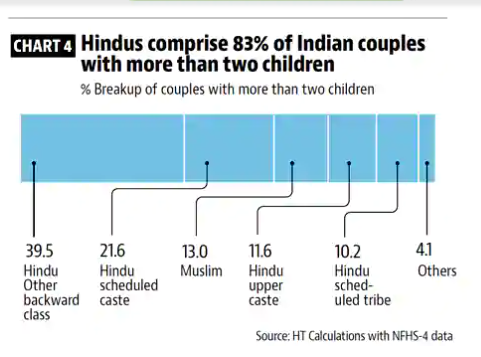 Hindus comprise 83% of Indian couples with more than two child children
 If one wants to, one can read a bit more about the Uttar Pradesh Population bill here. The sad part is that the systems which need fixing, nobody wants to fix. The reason being simple. If you get good health service by public sector, who will go to the private sector. In Europe, AFAIK they have the best medical bang for the money. Even the U.S. looks at Europe and hopes it had the systems that Europe has but that again is probably for another day.
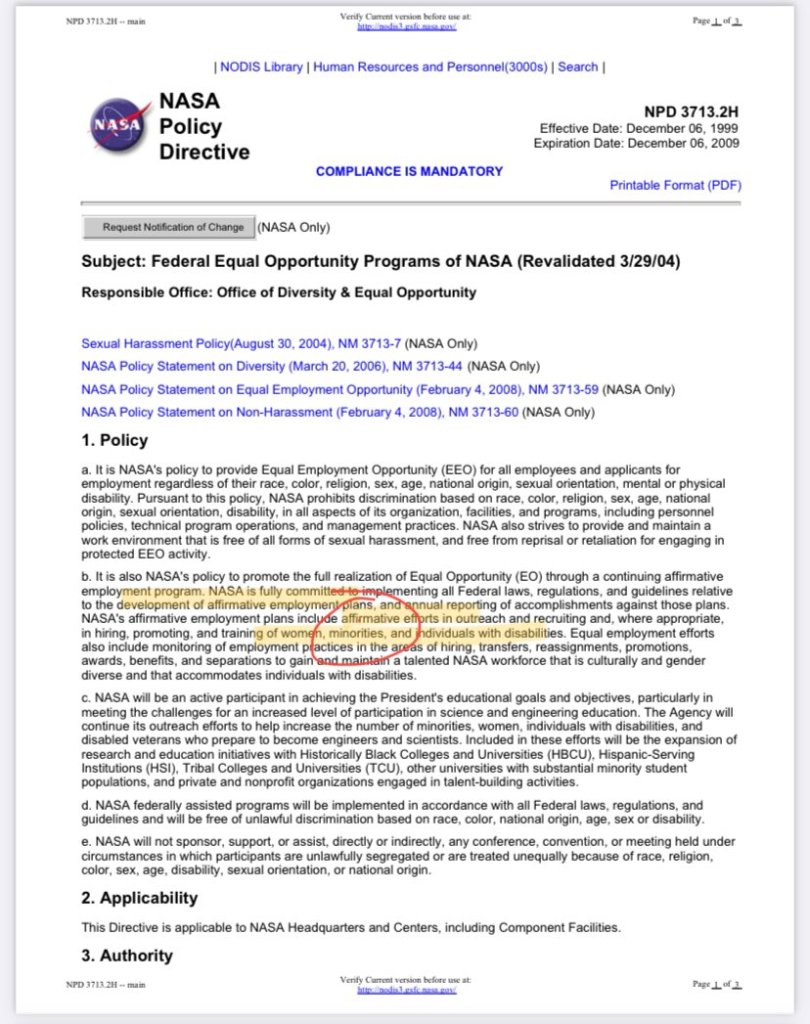 NASA Federal Equal Opportunity Policy Directive NPD 3713 2H
 Export incentive schemes being reduced
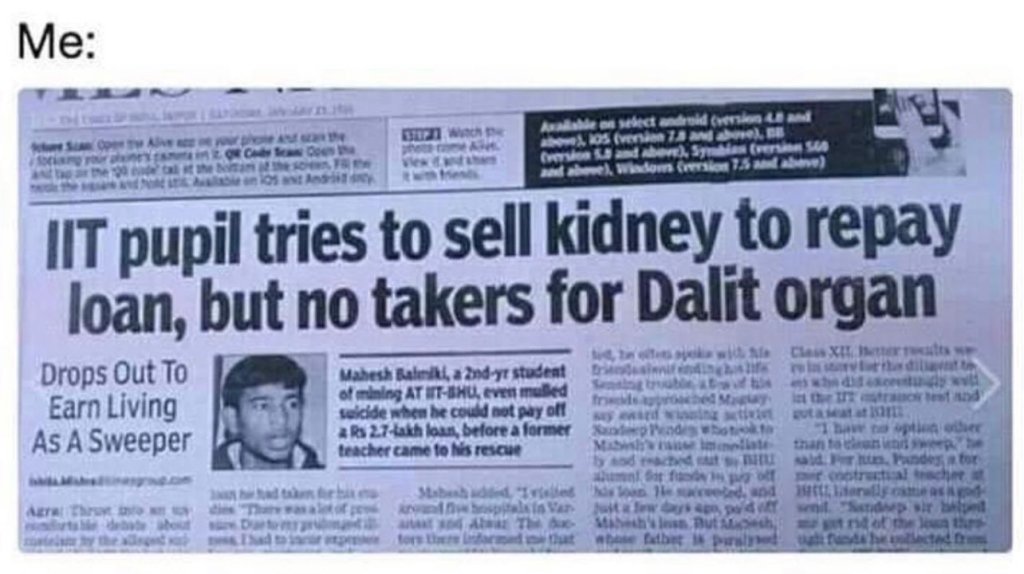 IIT pupil tries to sell kidney to repay loan, but no takers for Dalit organ.
 This blog post is about my observations of some of the plants in my home garden.
While still a n00b on the subject, these notes are my observations and experiences over days, weeks and months. Thankfully, with the capability to take frequent pictures, it has been easy to do an assessment and generate a report of some of these amazing behaviors of plants, in an easy timeline order; all thanks to the EXIF data embedded.
This has very helpfully allowed me to record my, otherwise minor observations, into great detail; and make some sense out of it by correlating the data over time.
It is an emotional experience. You see, plants are amazing. When I sow a sapling, water it, feed it, watch it grow, prune it, medicate it, and what not; I build up affection towards it.
Though, at the same time, to me it is a strict relationship, not too attached; as in it doesn t hurt to uproot a plant if there is a good reason. But still, I find some sort of association to it.
With plants around, it feels I have a lot of lives around me. All prospering, communicating, sharing. And communicate they do. What is needed is just the right language to observe and absorb their signals and decipher what they are trying to say.
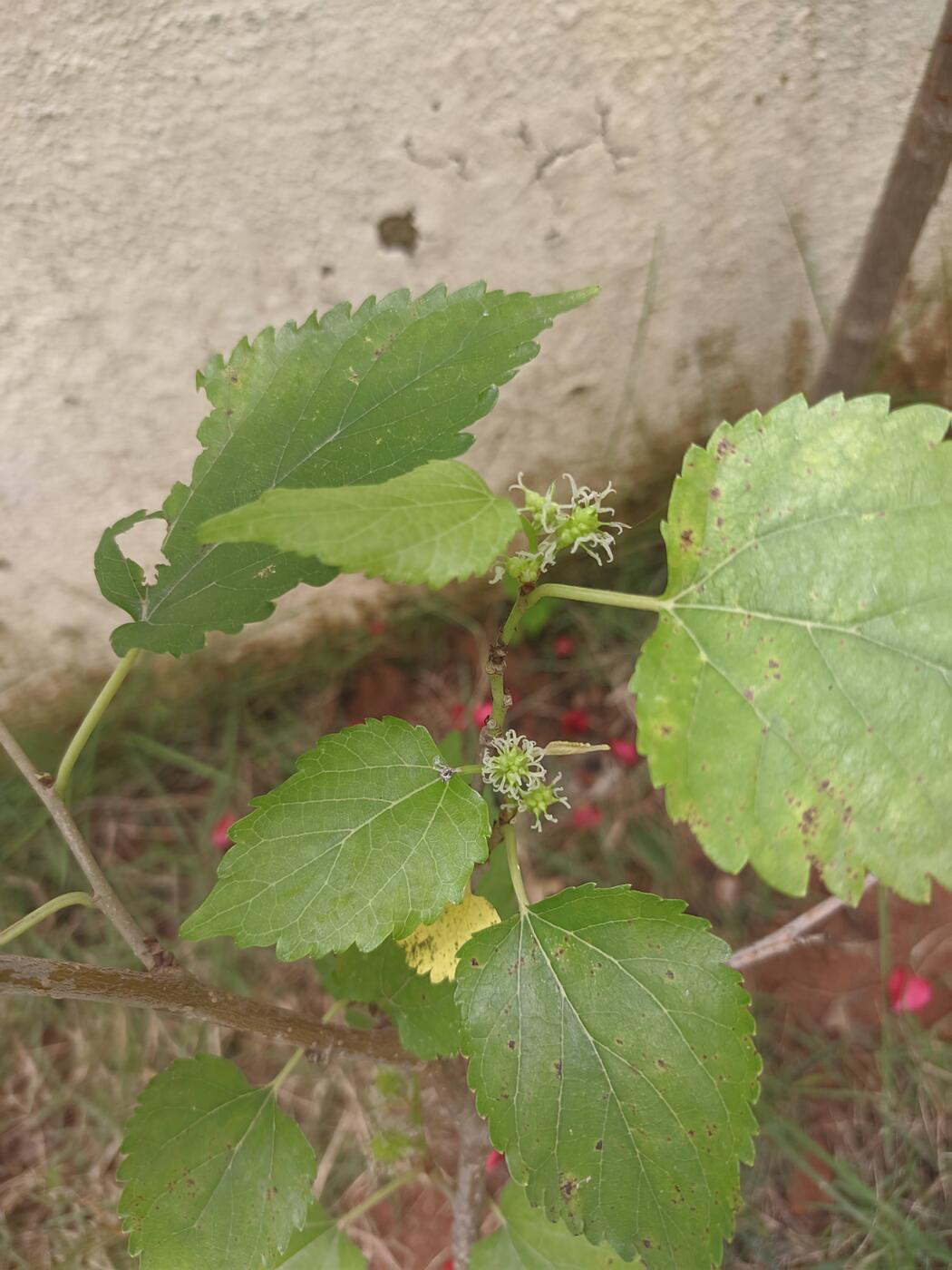
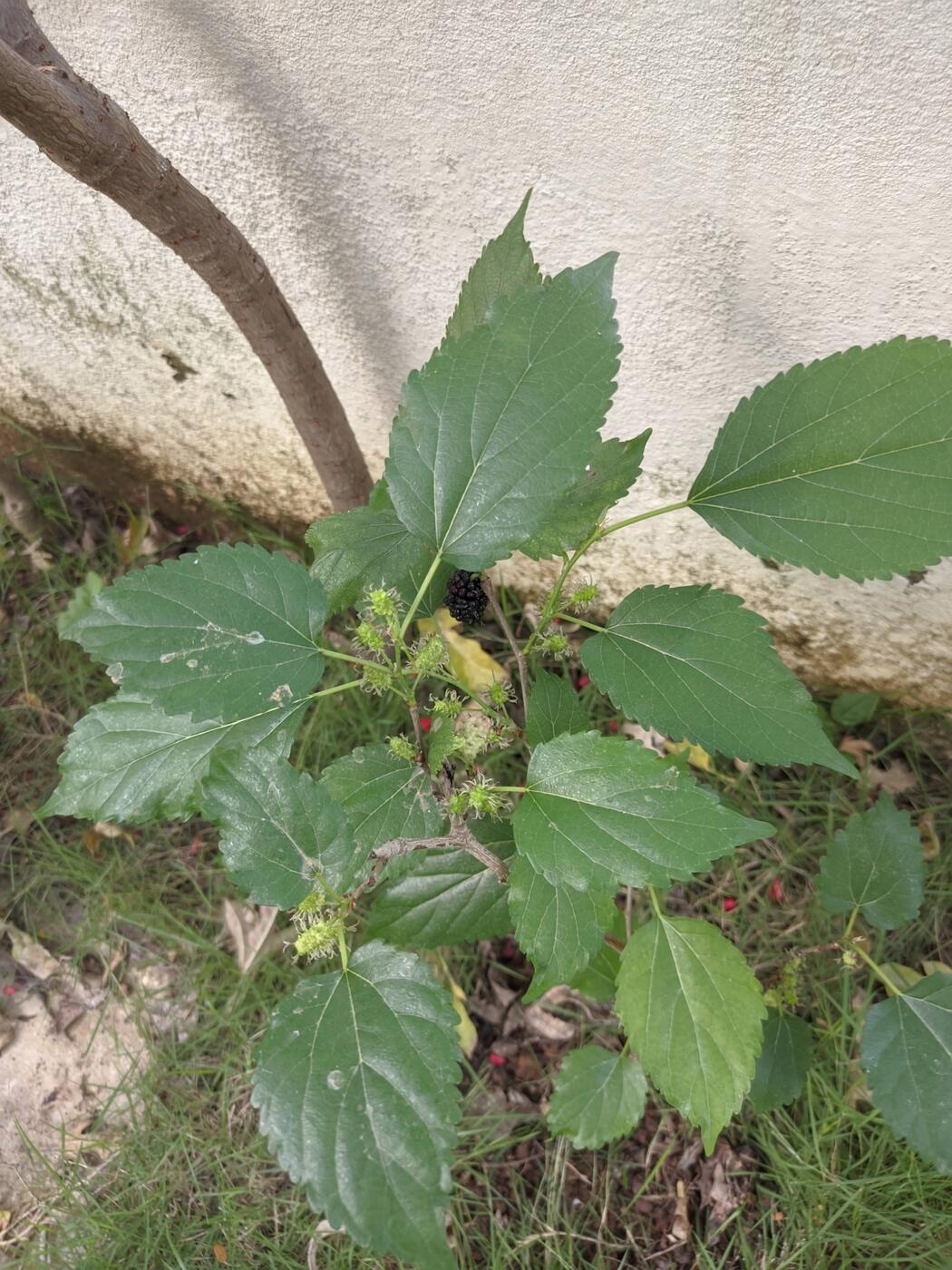
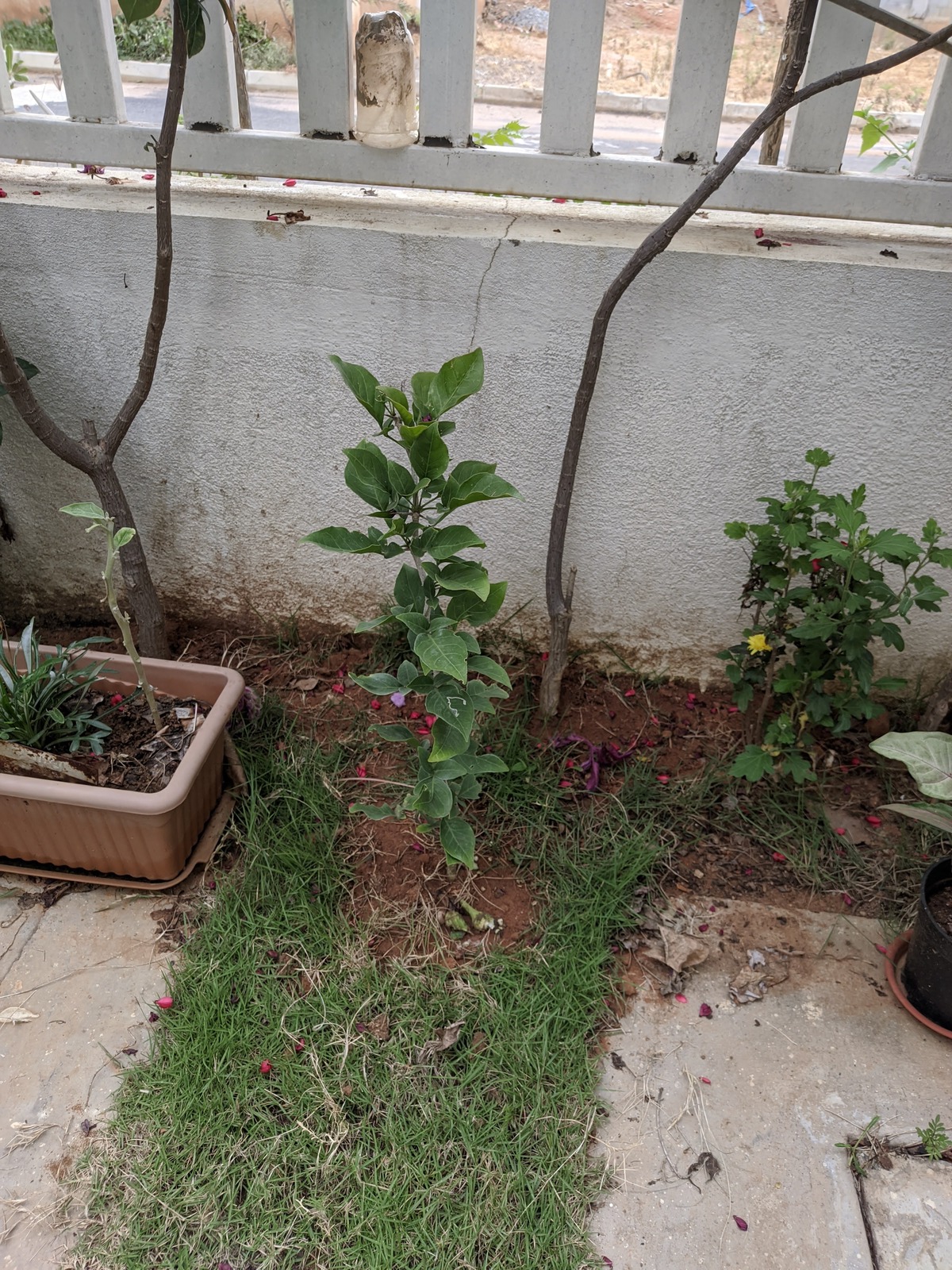
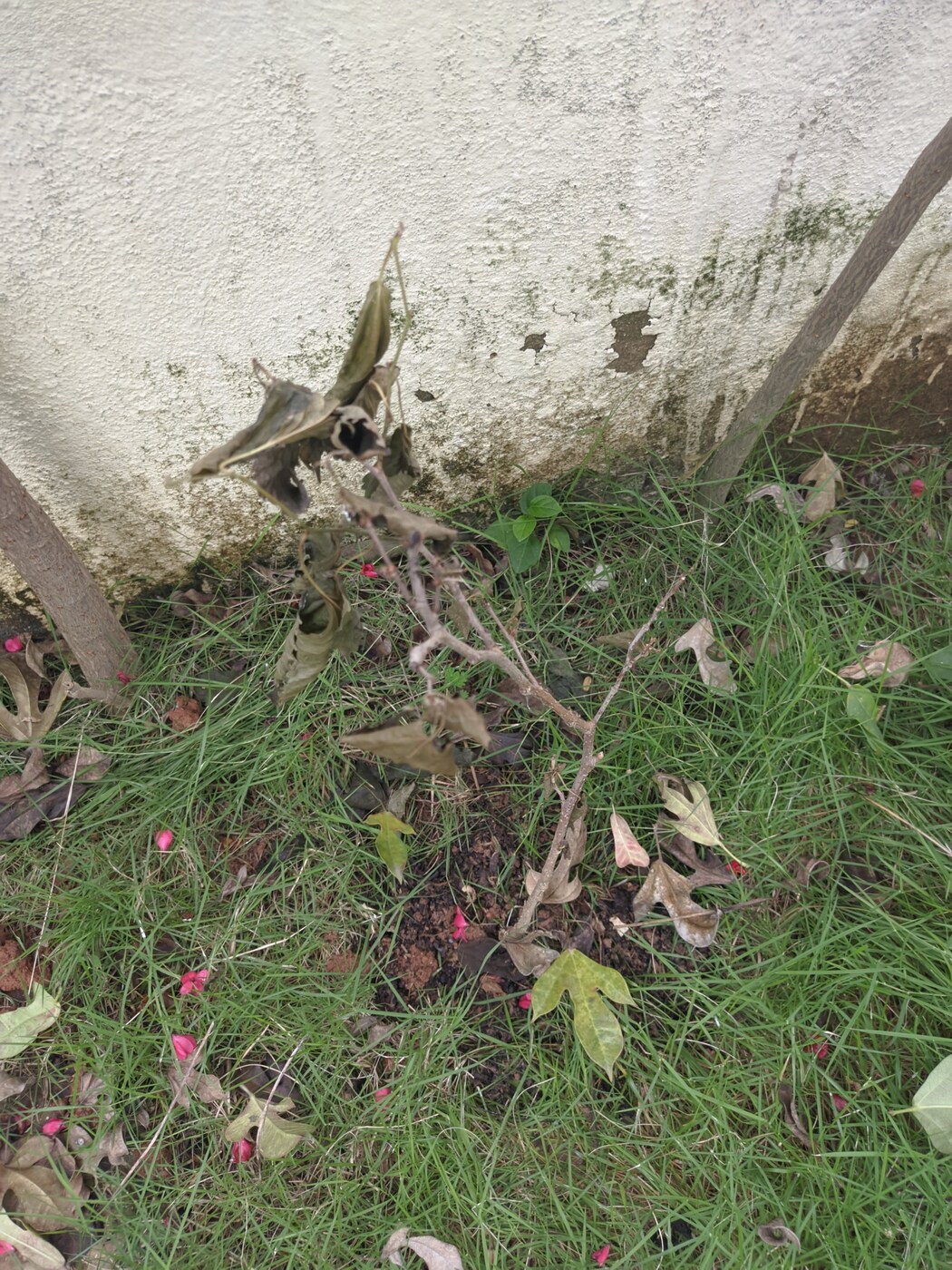

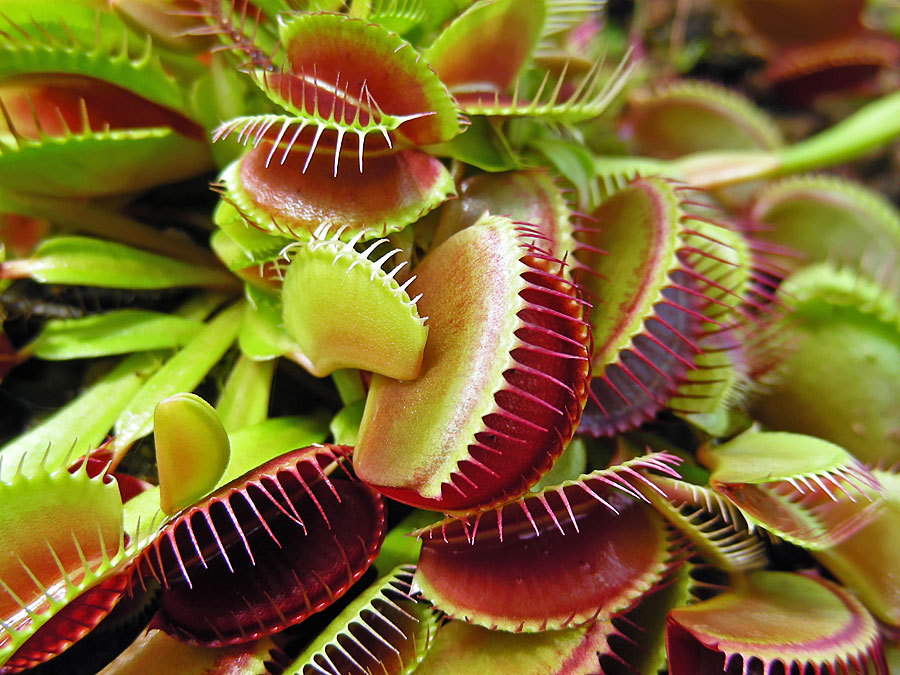
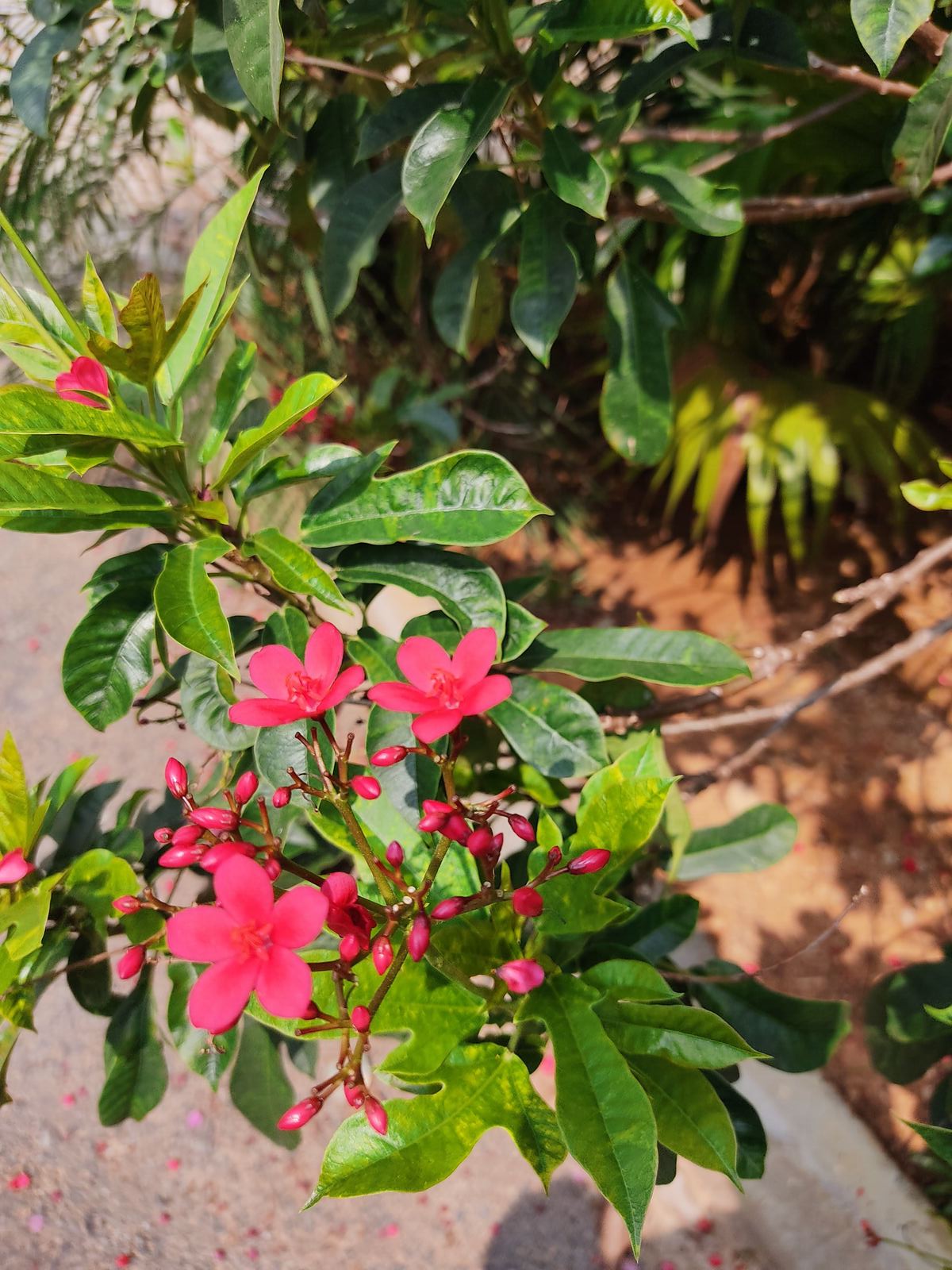
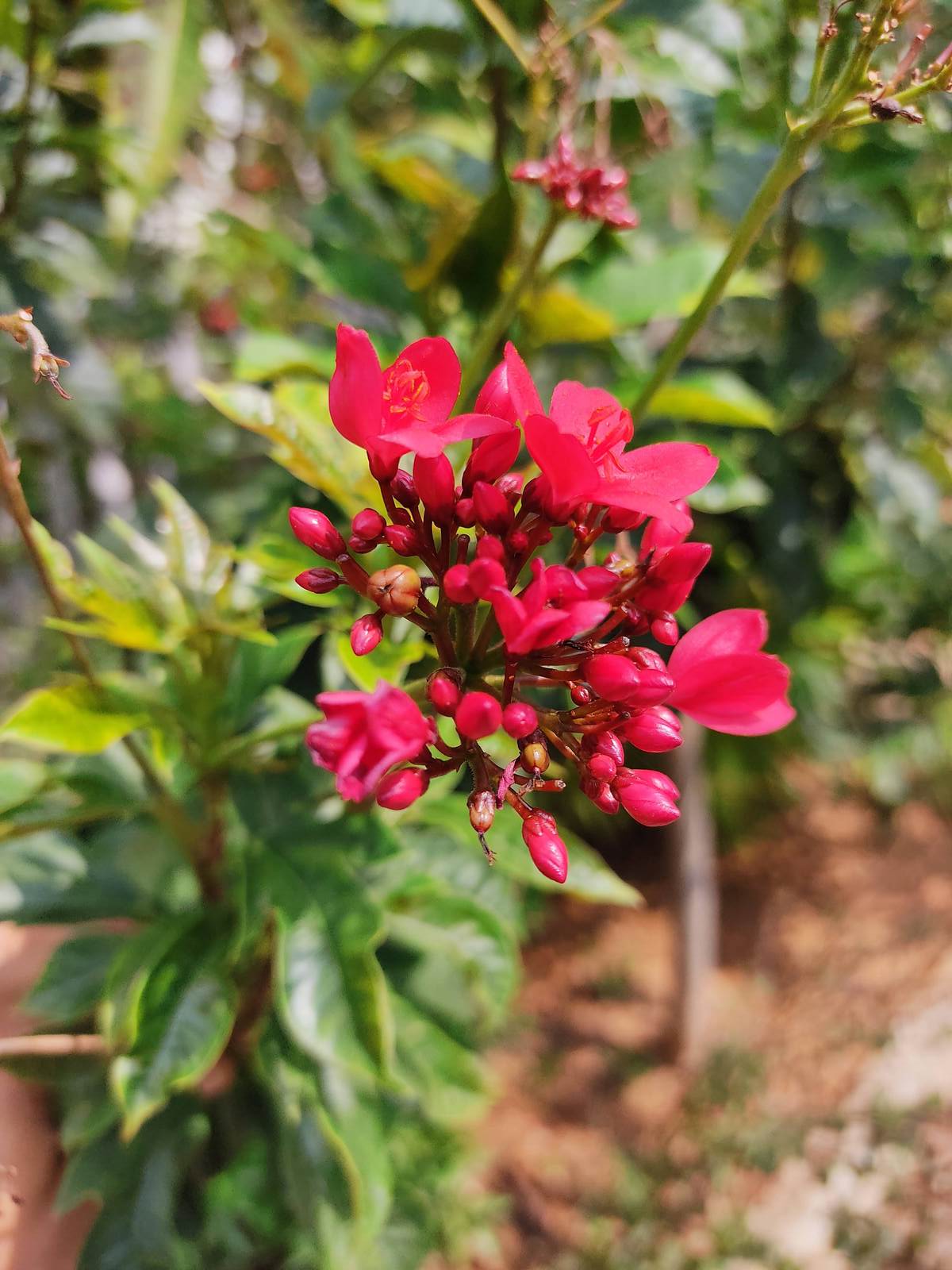
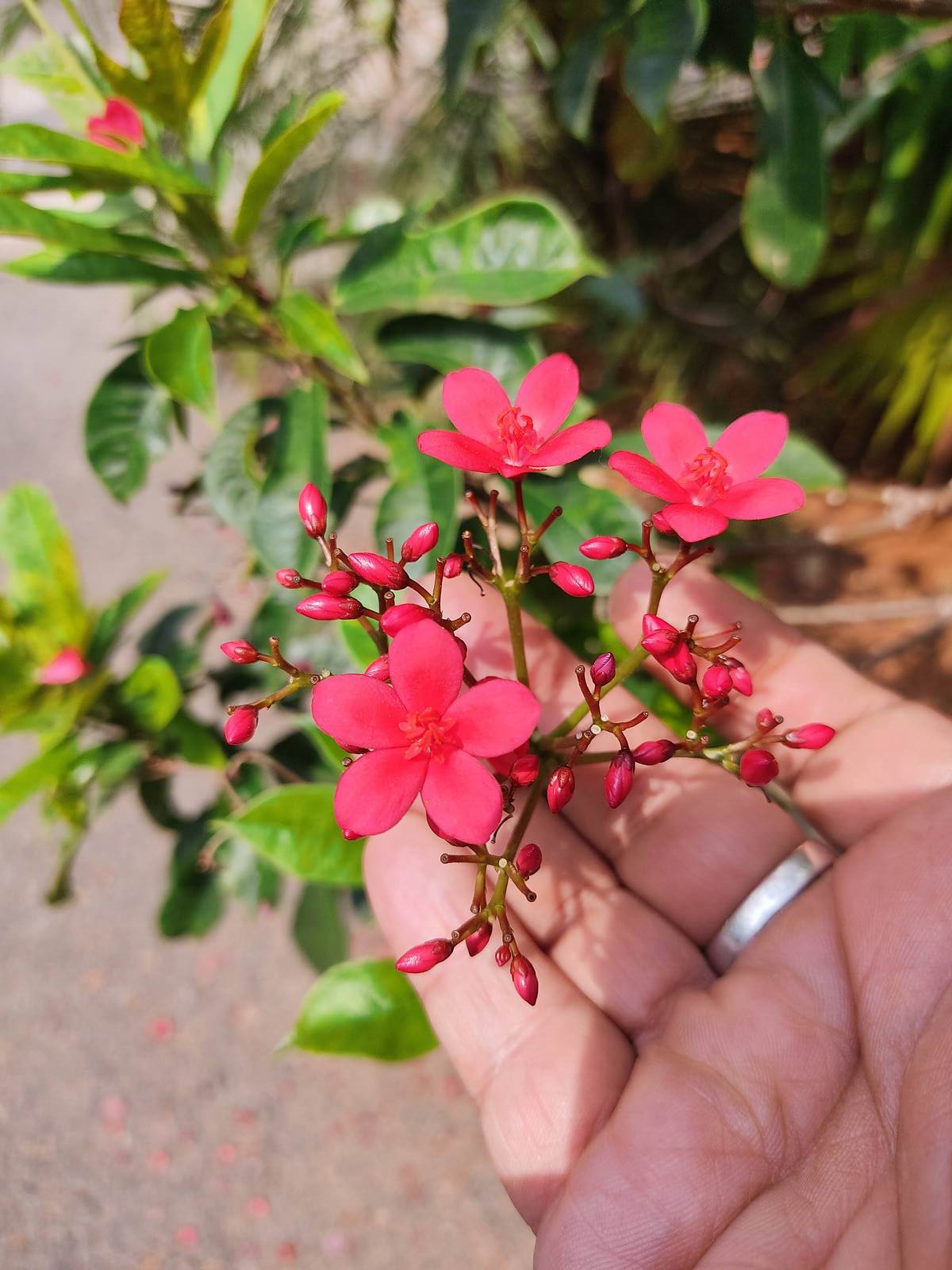
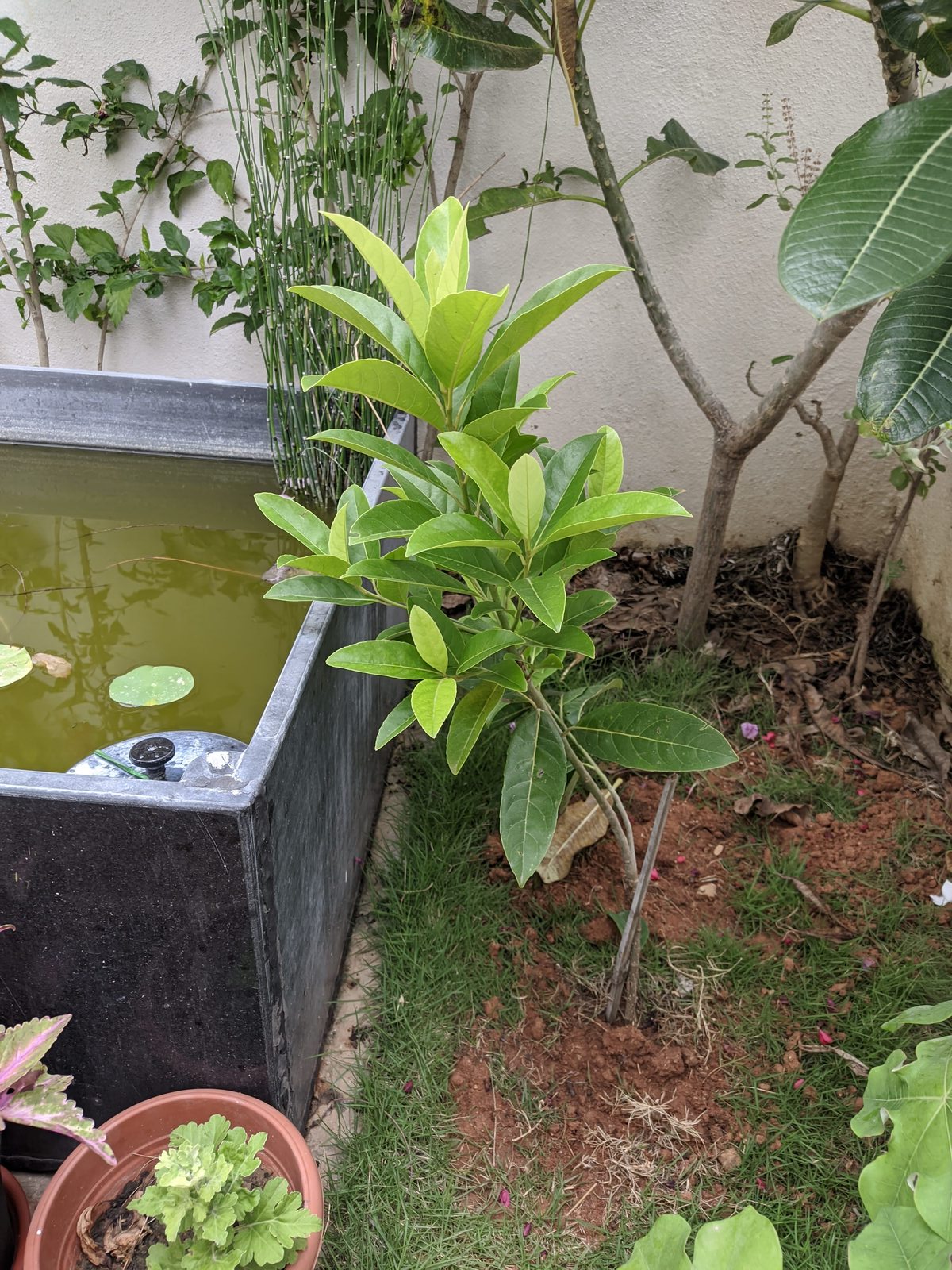
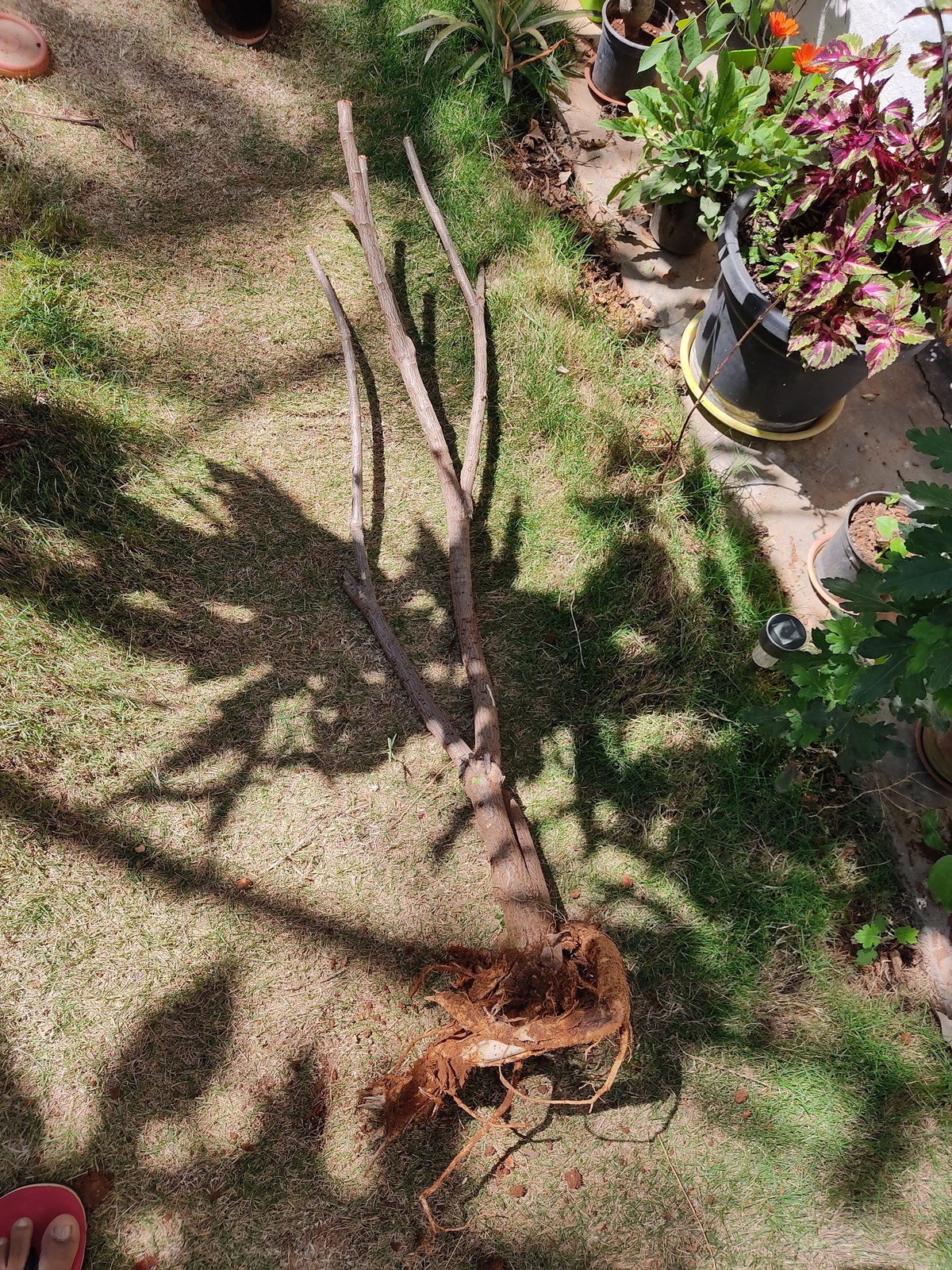
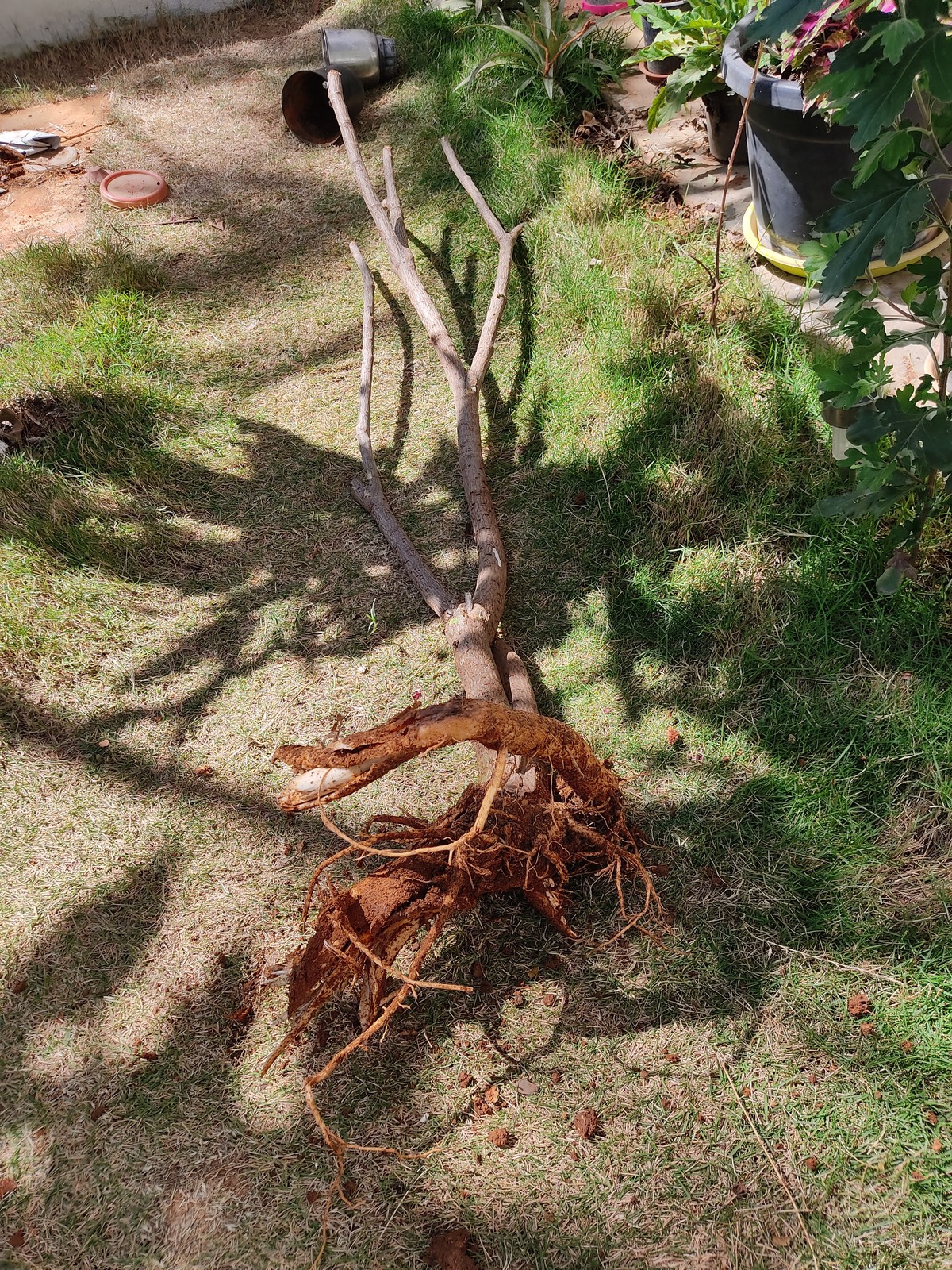
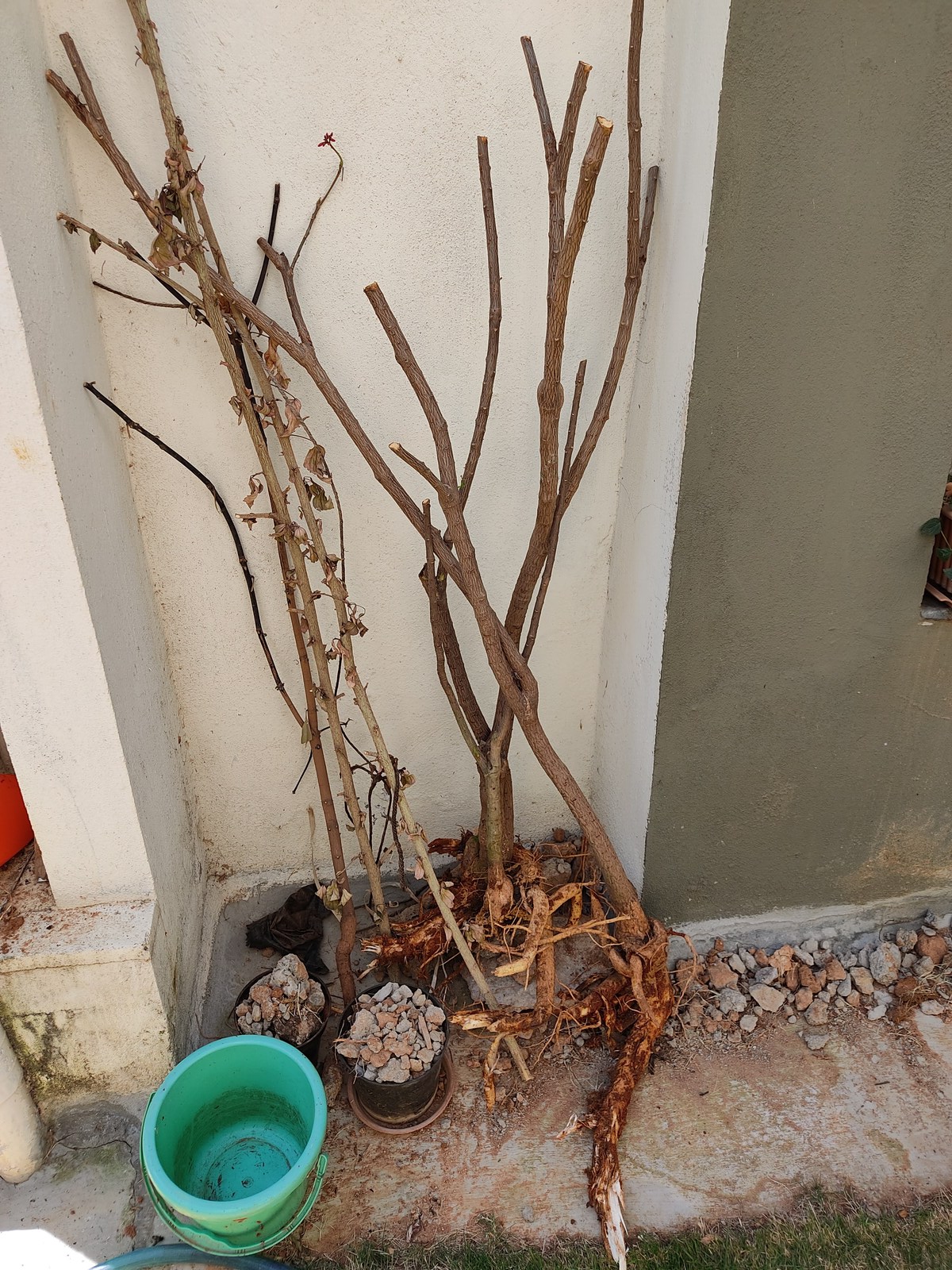
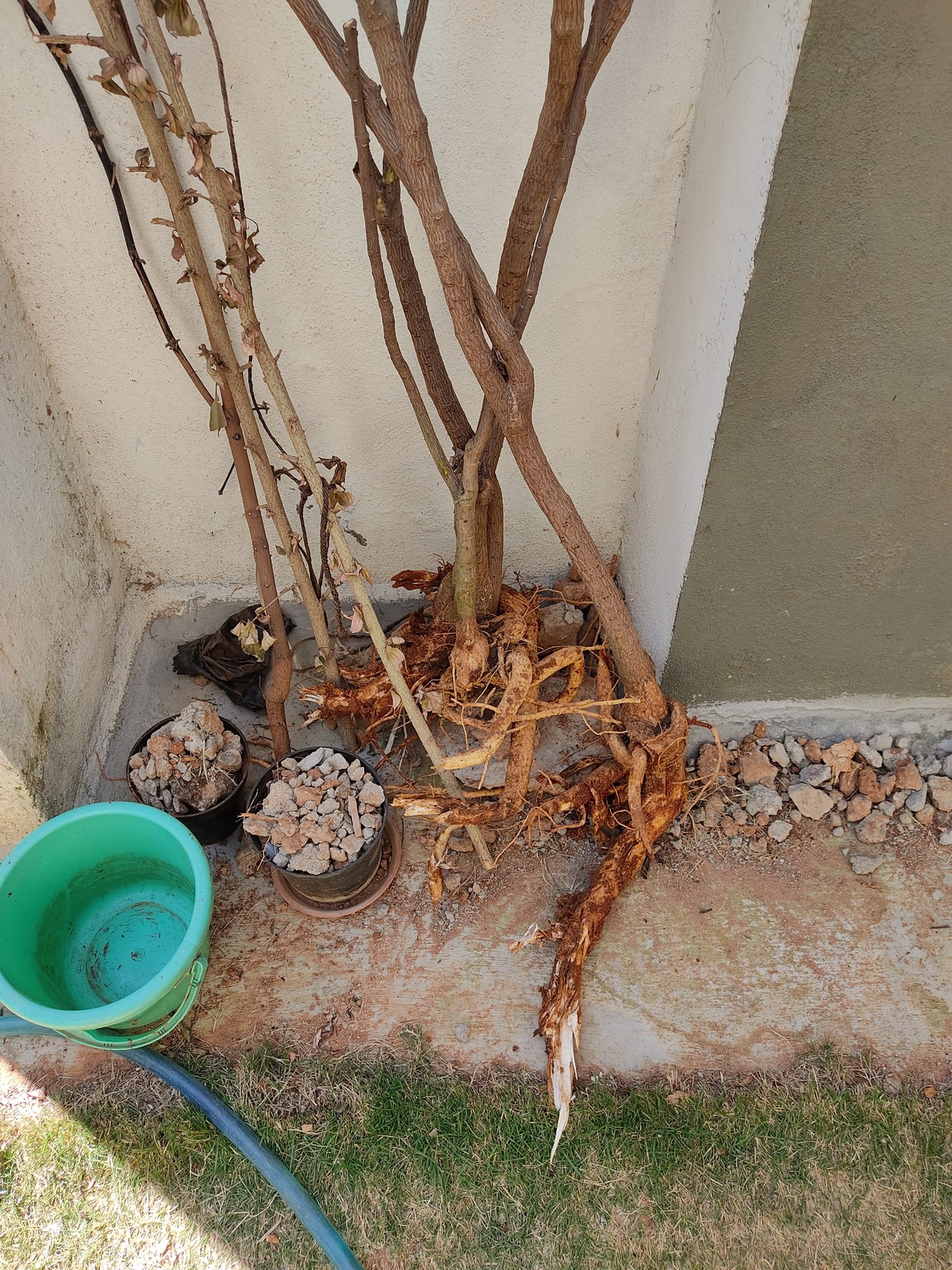
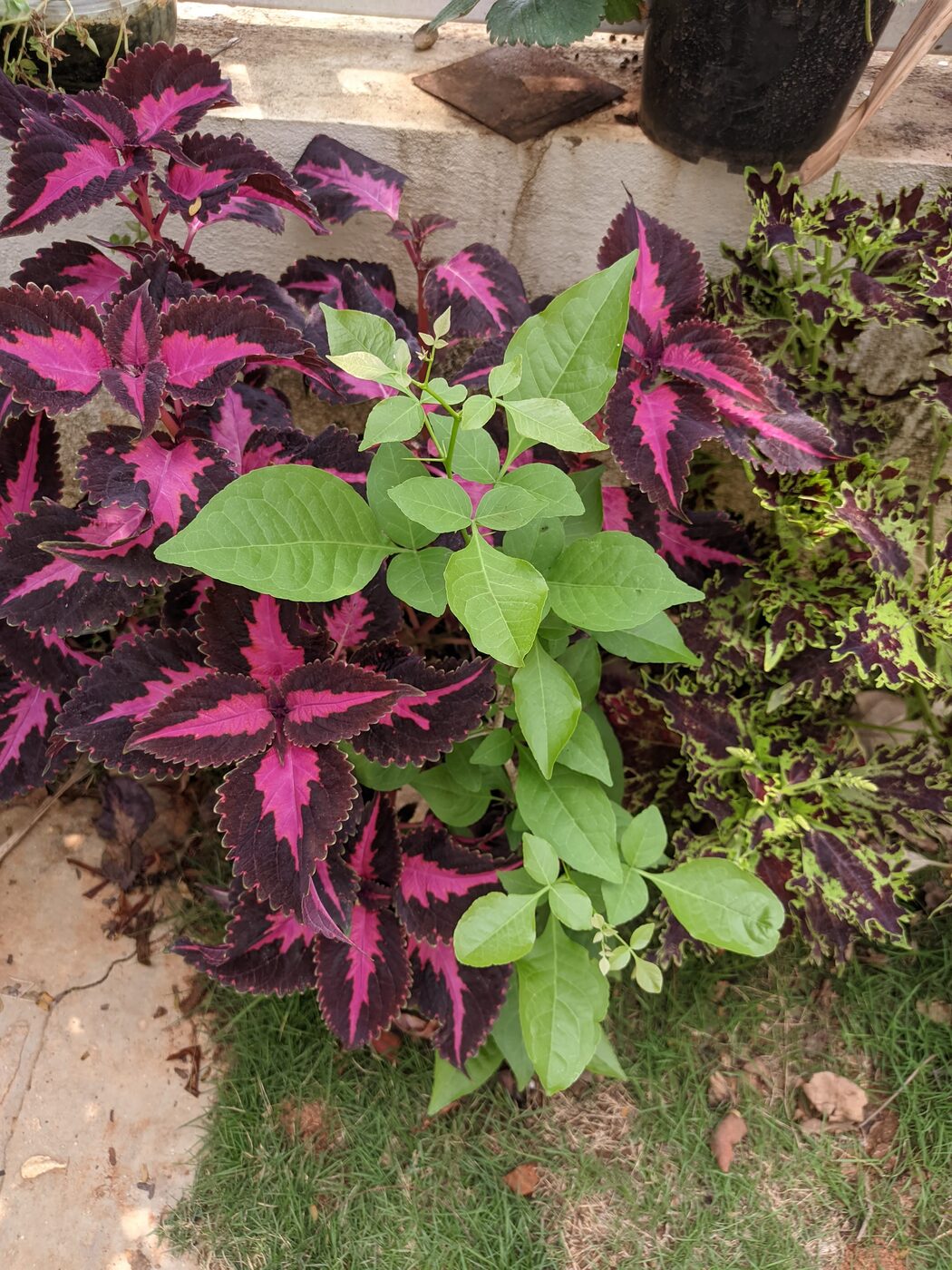

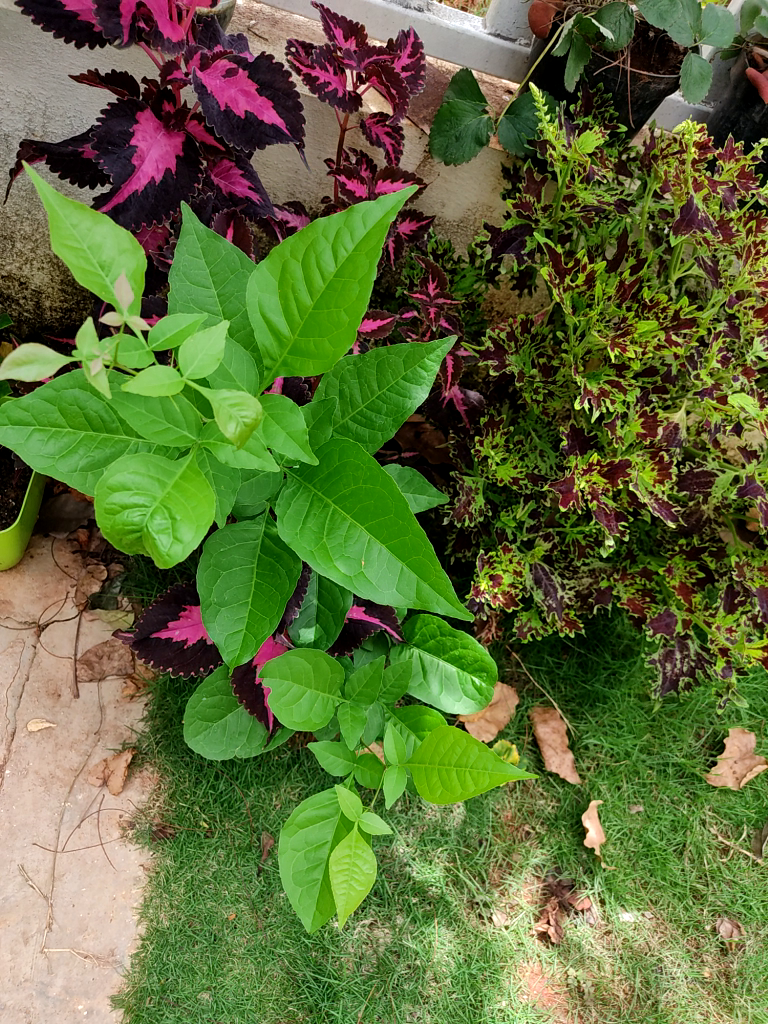



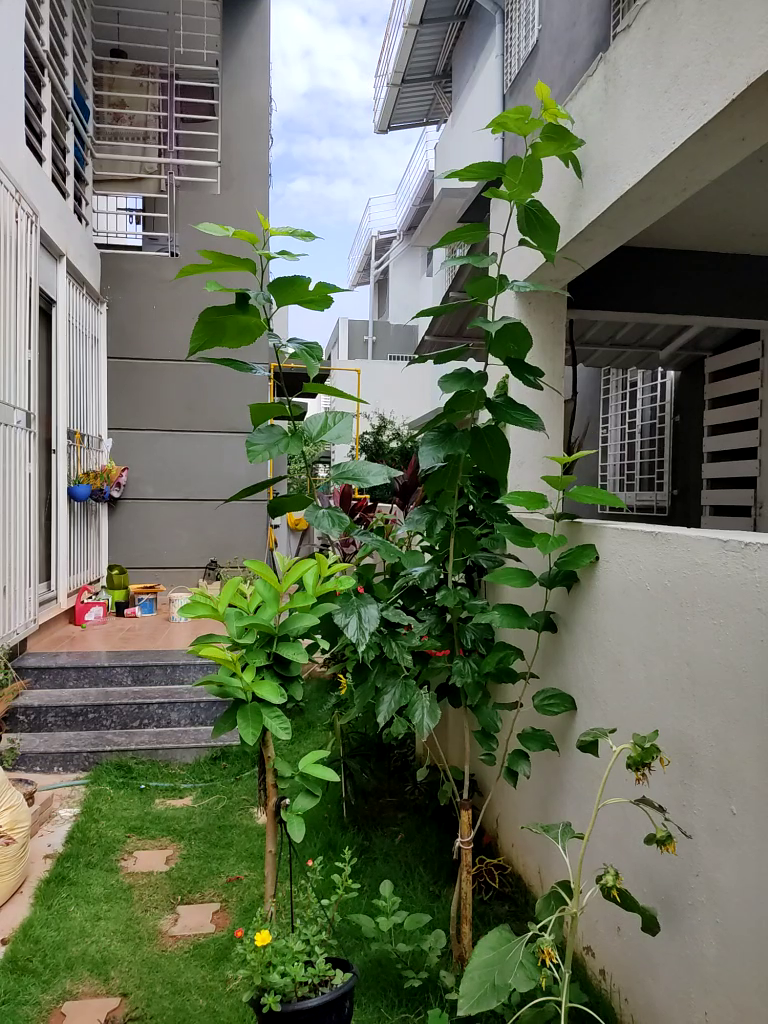
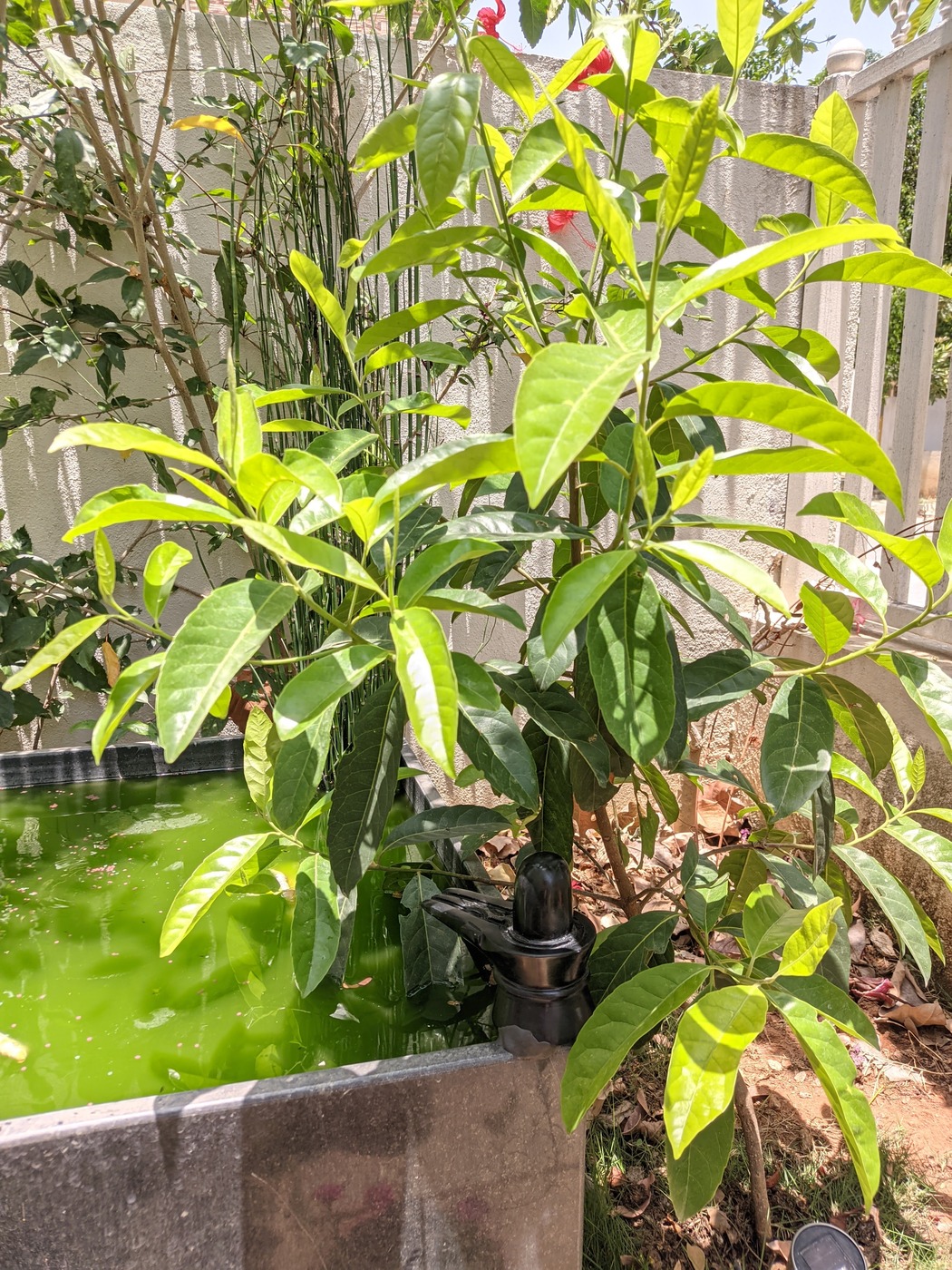
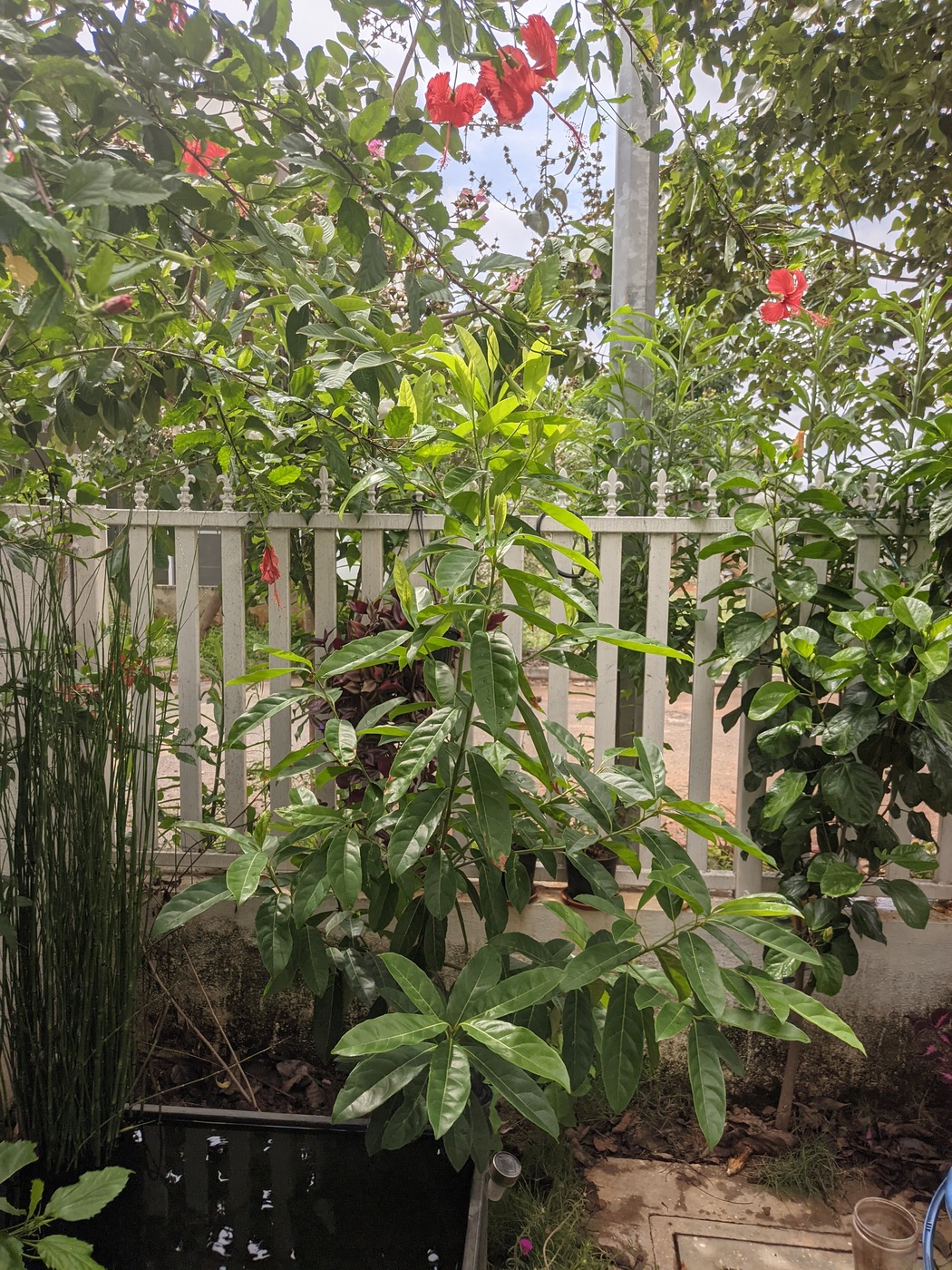
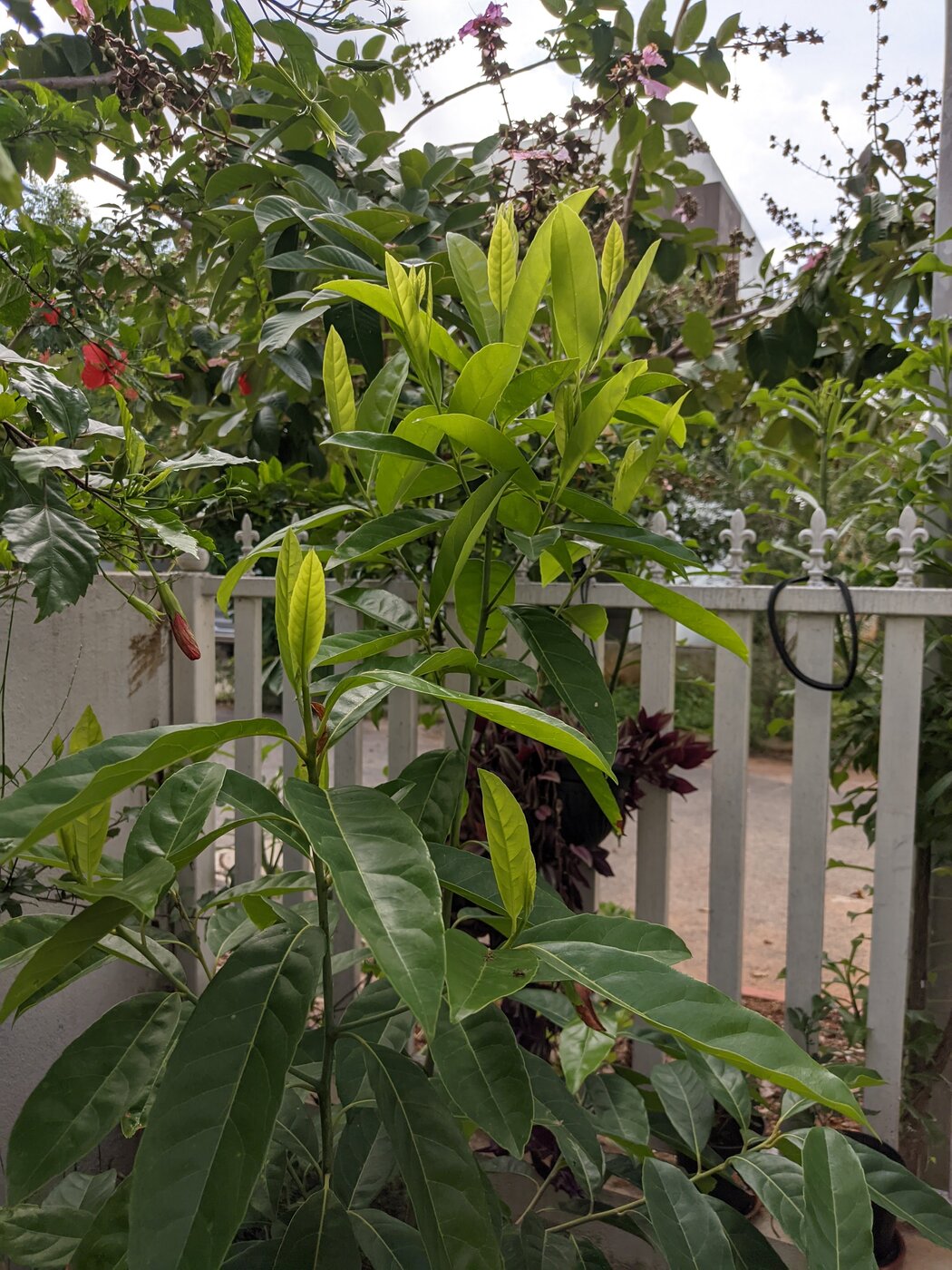
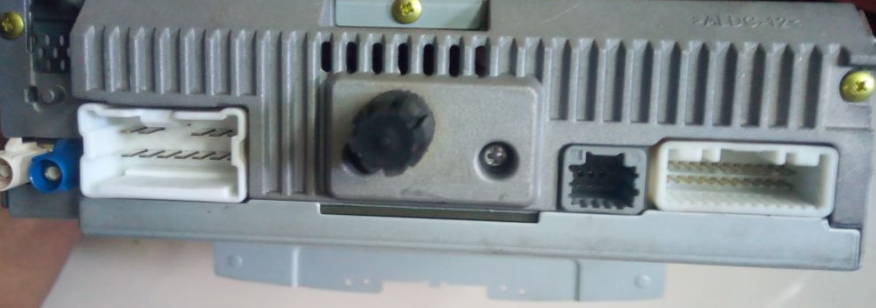
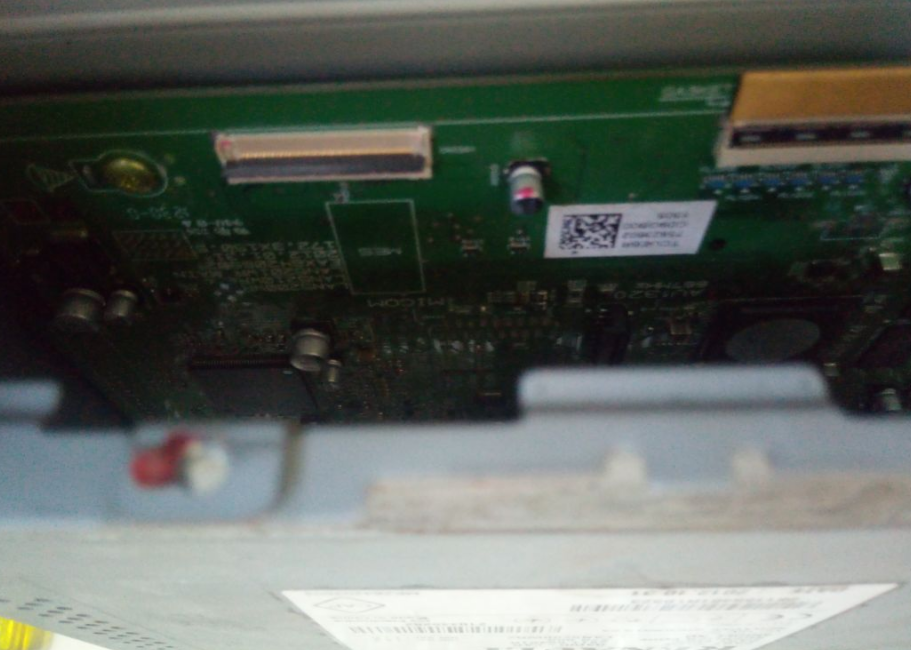
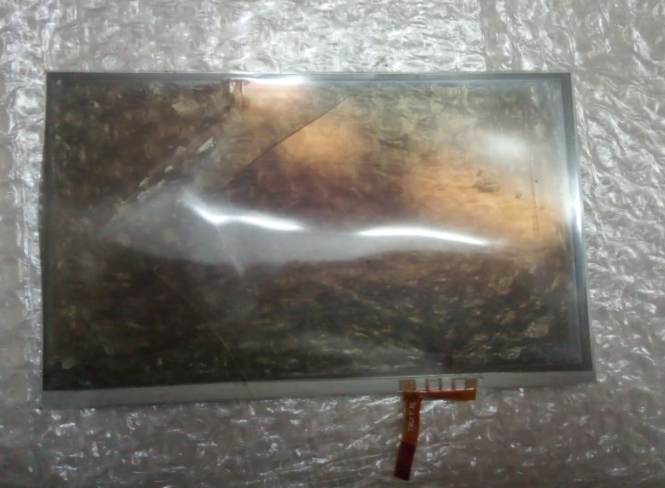
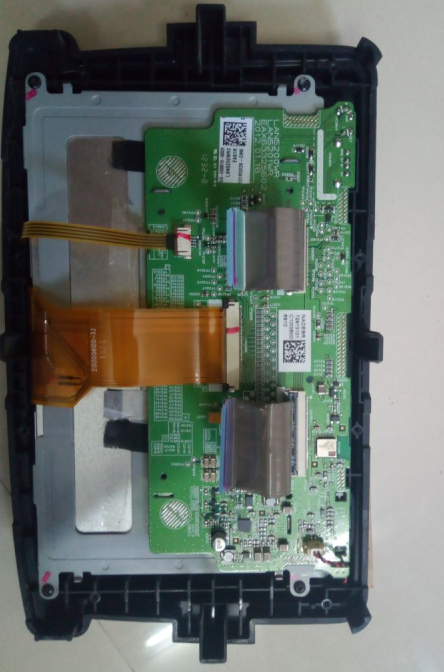
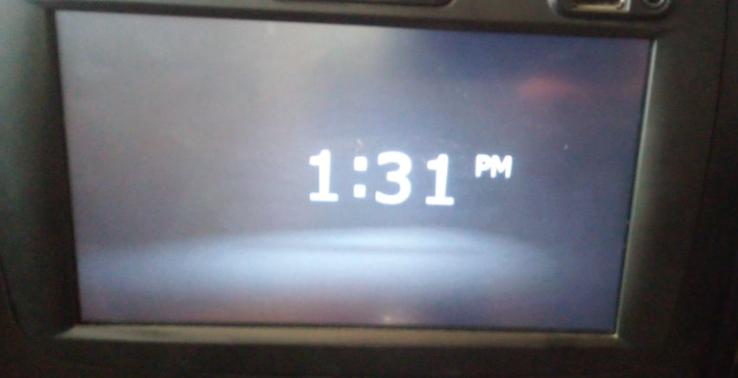
 Zeeshan of IYC (India Youth Congress) along with Salman Khan s non-profit Being Human getting oxygenators


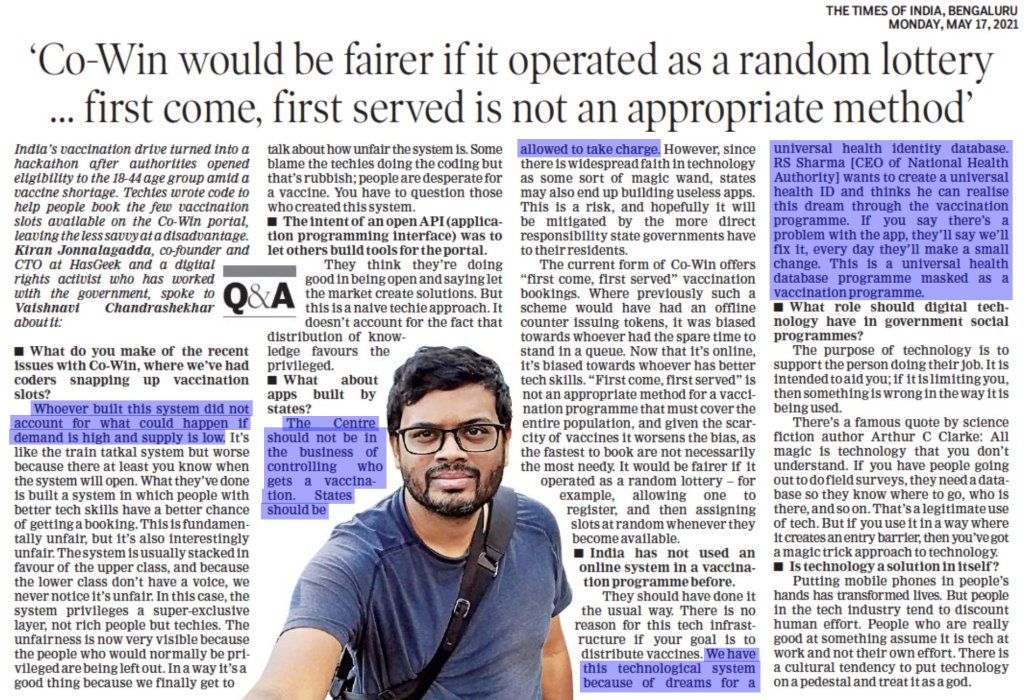
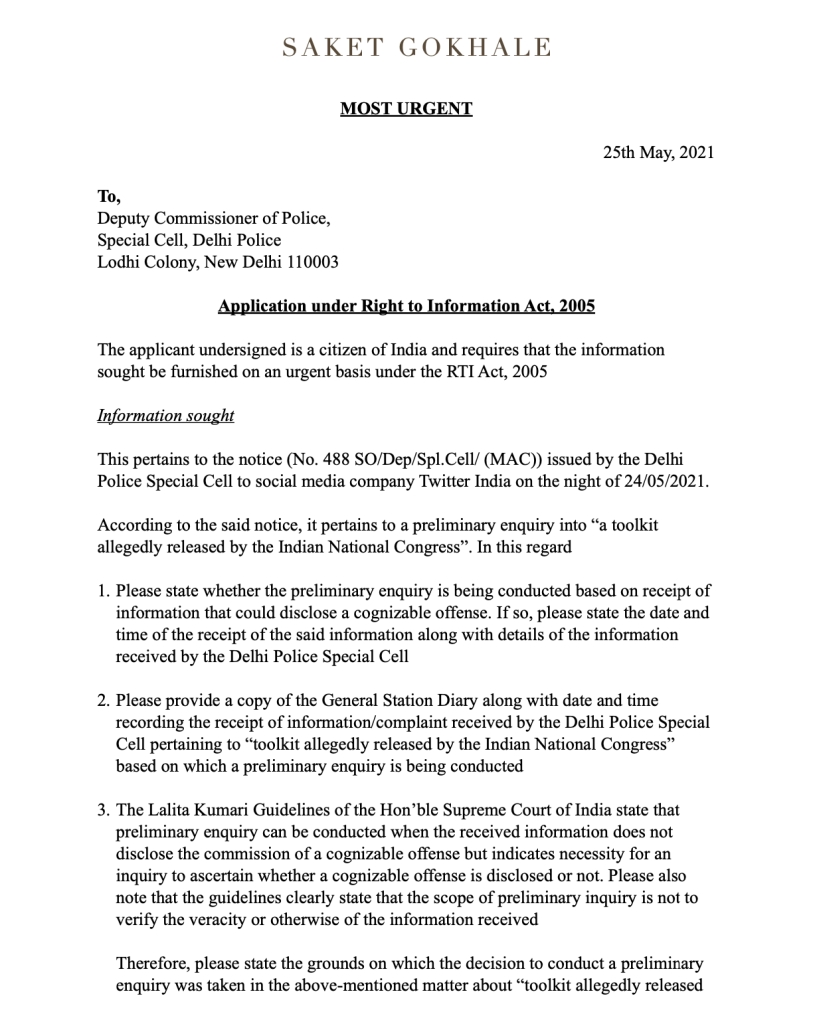

 The Hindu also
 As it is now known, the freenode IRC network has been taken over by a Trumpian wannabe korean royalty bitcoins millionaire. To make a long story short, the former freenode head of staff secretly "sold" the network to this person even if it was not hers to sell, and our lawyers have advised us that there is not much that we can do about it without some of us risking financial ruin. Fuck you Christel, lilo's life work did not deserve this.
What you knew as freenode after 12:00 UTC of May 19 will be managed by different people.
As I have no desire to volunteer under the new regime, this marks the end of my involvement with freenode. It had started in 1999 when I encouraged the good parts of
 UK railway map with operators
 Railway map of Japan with private ownership courtesy Wikimedia commons
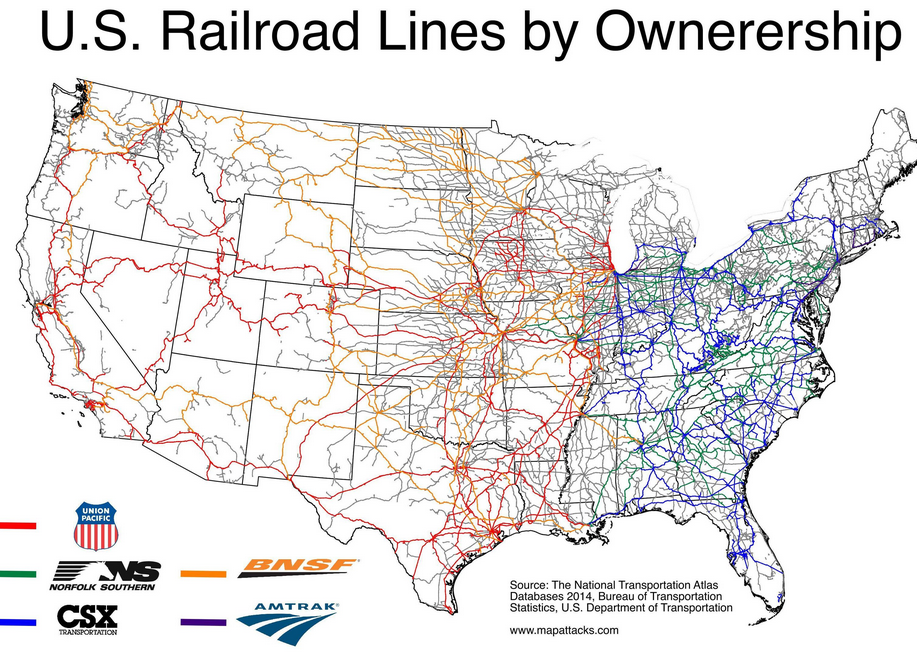



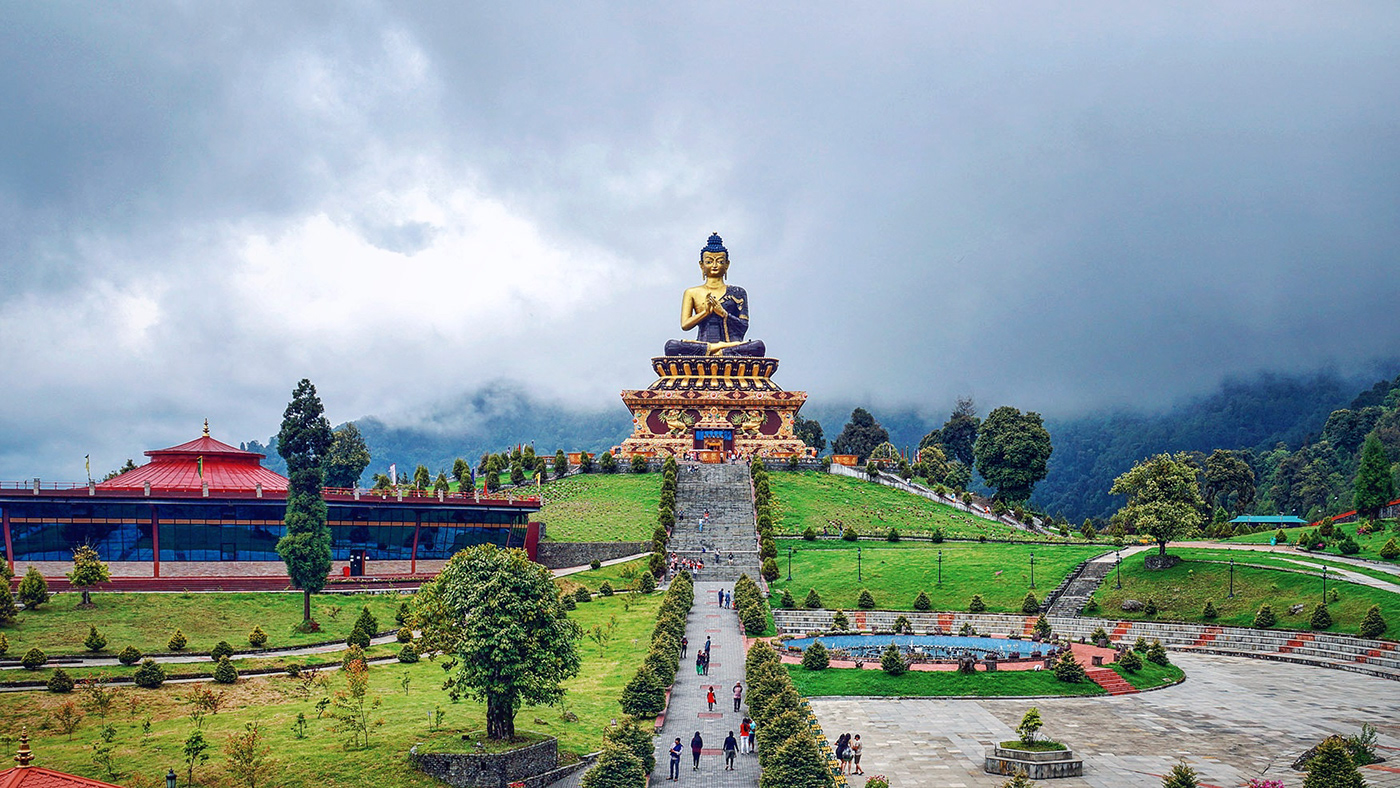


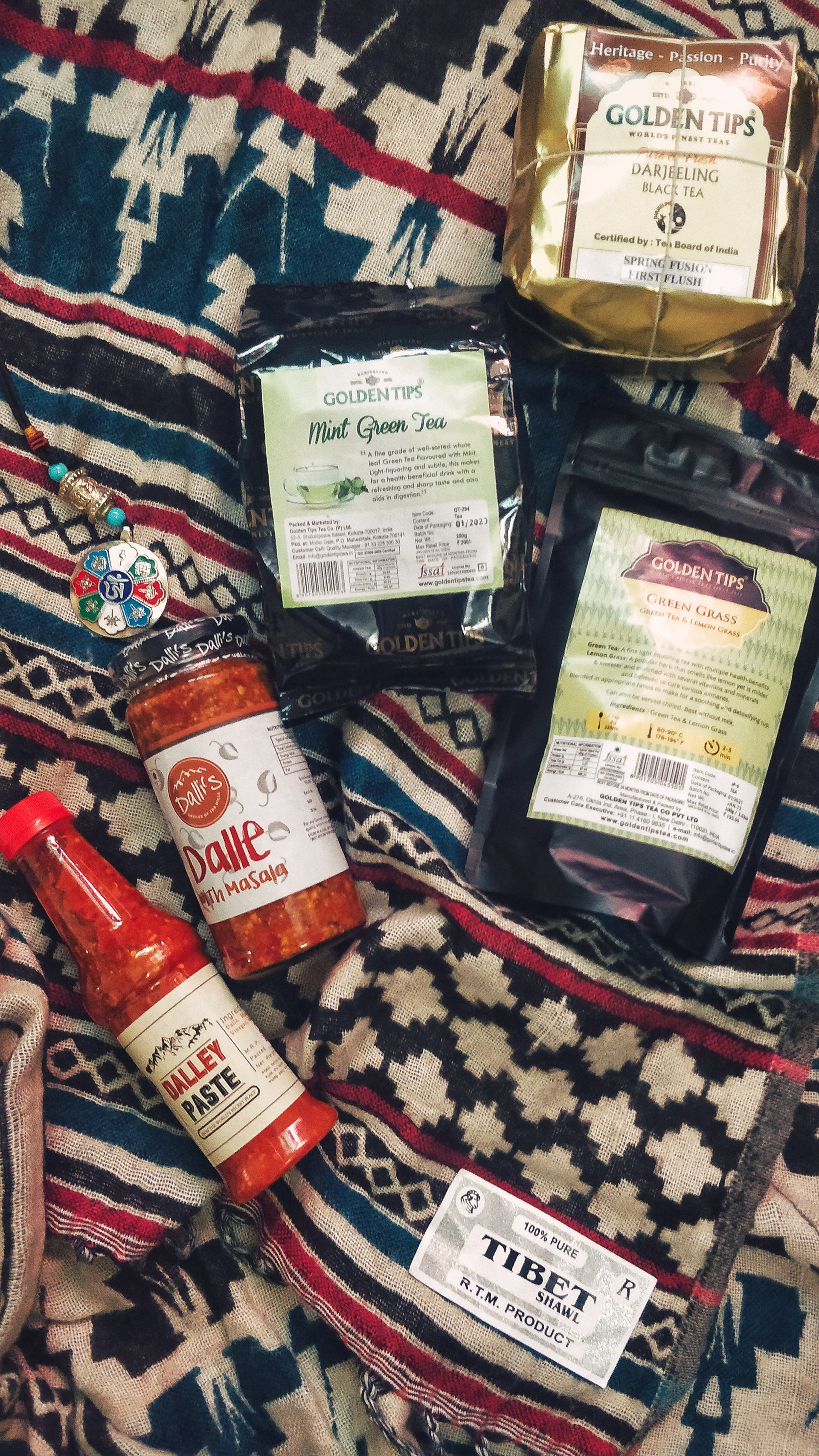
 Note: This is the continuation of
 When I started my Master's degree in January 2018, I was confident I would be
done in a year and half. After all, I only had one year of classes and I
figured 6 months to write a thesis would be plenty.
Three years later, I'm finally done: the final version of my thesis was
accepted on January 22nd 2021.
My thesis, entitled What are the incentive structures of Free Software? An
economic analysis of Free Software's specific development model, can be
 In the light of WhatsApp s recent move to
 After an unexpectedly short


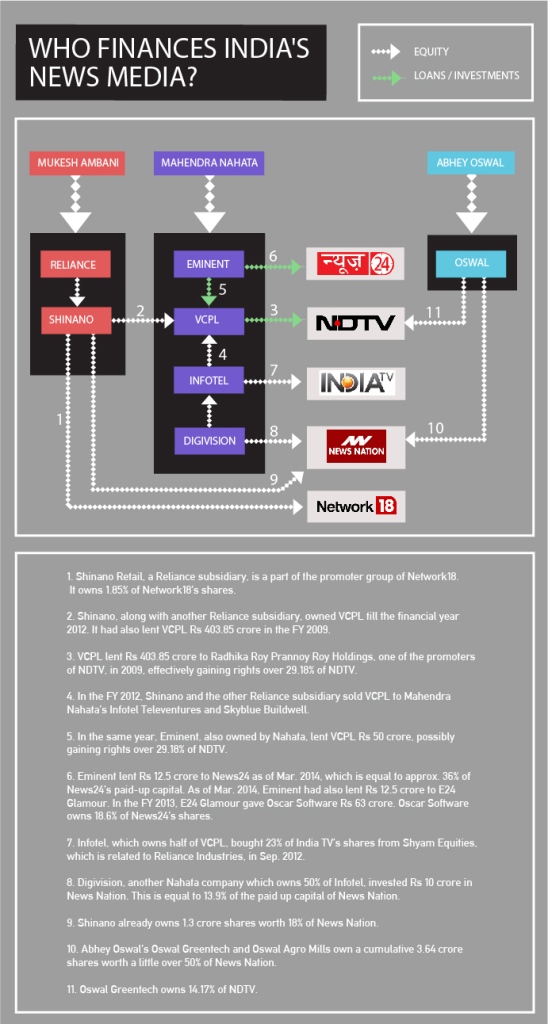
 Akarshan Uppal Reporter, IBN24 Copyright IBN24