Search Results: "jh"

14 April 2014

Daniel Kahn Gillmor: OTR key replacement (heartbleed)

I'm replacing my OTR key for XMPP because of heartbleed (see below). If the plain ASCII text below is mangled beyond verification, you can retrieve a copy of it from my web site that should be able to be verified.
-----BEGIN PGP SIGNED MESSAGE-----
Hash: SHA512
OTR Key Replacement for XMPP dkg@jabber.org
===========================================
Date: 2014-04-14
My main XMPP account is dkg@jabber.org.
I prefer OTR [0] conversations when using XMPP for private
discussions.
I was using irssi to connect to XMPP servers, and irssi relies on
OpenSSL for the TLS connections.  I was using it with versions of
OpenSSL that were vulnerable to the "Heartbleed" attack [1].  It's
possible that my OTR long-term secret key was leaked via this attack.
As a result, I'm changing my OTR key for this account.
The new, correct OTR fingerprint for the XMPP account at dkg@jabber.org is:
  F8953C5D 48ABABA2 F48EE99C D6550A78 A91EF63D
Thanks for taking the time to verify your peers' fingerprints.  Secure
communication is important not only to protect yourself, but also to
protect your friends, their friends and so on.
Happy Hacking,
  --dkg  (Daniel Kahn Gillmor)
Notes:
[0] OTR: https://otr.cypherpunks.ca/
[1] Heartbleed: http://heartbleed.com/
-----BEGIN PGP SIGNATURE-----
Version: GnuPG v1
iQJ8BAEBCgBmBQJTTBF+XxSAAAAAAC4AKGlzc3Vlci1mcHJAbm90YXRpb25zLm9w
ZW5wZ3AuZmlmdGhob3JzZW1hbi5uZXRFQjk2OTEyODdBN0FEREUzNzU3RDkxMUVB
NTI0MDFCMTFCRkRGQTVDAAoJEKUkAbEb/fpcYwkQAKLzEnTV1lrK6YrhdvRnuYnh
Bh9Ad2ZY44RQmN+STMEnCJ4OWbn5qx/NrziNVUZN6JddrEvYUOxME6K0mGHdY2KR
yjLYudsBuSMZQ+5crZkE8rjBL8vDj8Dbn3mHyT8bAbB9cmASESeQMu96vni15ePd
2sB7iBofee9YAoiewI+xRvjo2aRX8nbFSykoIusgnYG2qwo2qPaBVOjmoBPB5YRI
PkN0/hAh11Ky0qQ/GUROytp/BMJXZx2rea2xHs0mplZLqJrX400u1Bawllgz3gfV
qQKKNc3st6iHf3F6p6Z0db9NRq+AJ24fTJNcQ+t07vMZHCWM+hTelofvDyBhqG/r
l8e4gdSh/zWTR/7TR3ZYLCiZzU0uYNd0rE3CcxDbnGTUS1ZxooykWBNIPJMl1DUE
zzcrQleLS5tna1b9la3rJWtFIATyO4dvUXXa9wU3c3+Wr60cSXbsK5OCct2KmiWY
fJme0bpM5m1j7B8QwLzKqy/+YgOOJ05QDVbBZwJn1B7rvUYmb968yLQUqO5Q87L4
GvPB1yY+2bLLF2oFMJJzFmhKuAflslRXyKcAhTmtKZY+hUpxoWuVa1qLU3bQCUSE
MlC4Hv6vaq14BEYLeopoSb7THsIcUdRjho+WEKPkryj6aVZM5WnIGIS/4QtYvWpk
3UsXFdVZGfE9rfCOLf0F
=BGa1
-----END PGP SIGNATURE-----

21 March 2014

Hideki Yamane: my present situation (from Japan)

Vacation at Oosawa Onsen ( ) for a week was so nice. Just I did is sleep, take a bath (hot spring, of course), eat and drink, oh and also some bug squashing :-)


Write introduction about "APT line setting" at monthy "Software Design" magazine April 2014, and brief introduction about Ubuntu for "Linux Engineer Beginners guide (2nd edition)"


Upgrade debian-mirror.sakura.ne.jp mirror (one of ftp.jp.debian.org hosting site) today, from Squeeze to Wheezy with no trouble so it took just 15 minites - smooth :-)


And... oh, I should back to write next article before editor gets angry. Hurry up! ;)

30 January 2014

Rog rio Brito: Trivial fact #2: Harmonic Numbers

I don't know how Debian planet deals with MathJax (it seems to become illegible), but I will try to post this, anyway.
Fact: Since the harmonic numbers can be approximated by the natural logarithm, that is, !!mathjaxbegin-i!! SF9uIFxzaW1lcSBcbG4gbg== !!mathjaxend-i!!, we can clearly see that !!mathjaxbegin-d!! CiBcZnJhY3sxfXtpKzF9ICsgXGNkb3RzICsgXGZyYWN7MX17bn0gPSBIX24gLSBIX2kgXHNpbWVx IFxsbiBuIC0gXGxuIGkgPSBcbG4gXGZyYWN7bn17aX0sCg== !!mathjaxend-d!! which is a trivial approximation that may be handy sometimes. If you spot any errors on this, please let me know.

21 January 2014

John Goerzen: Married!

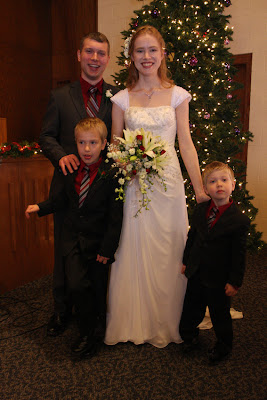
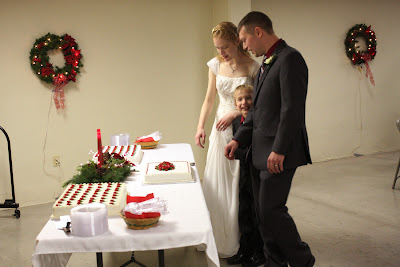
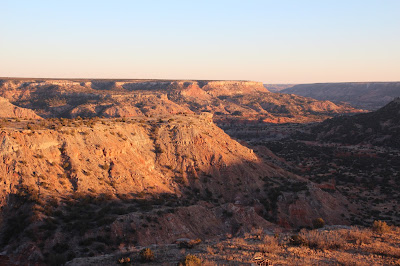
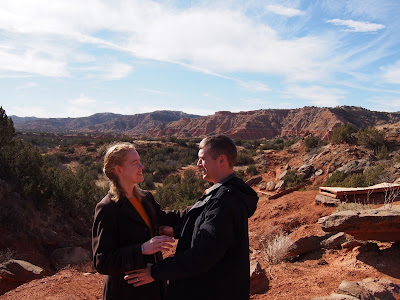
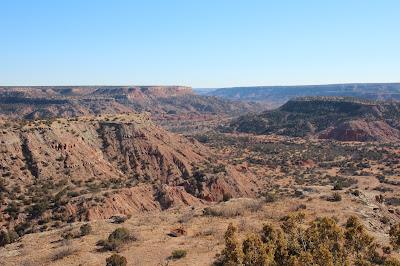
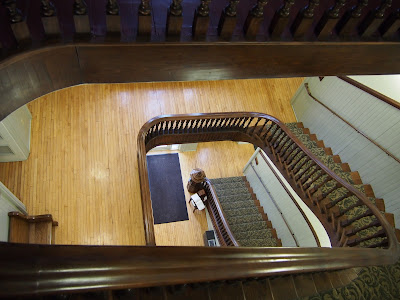
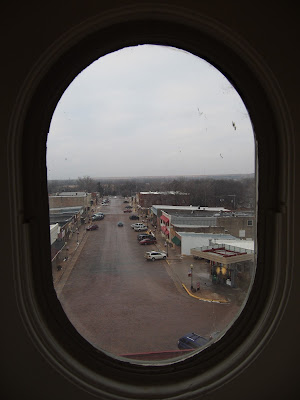
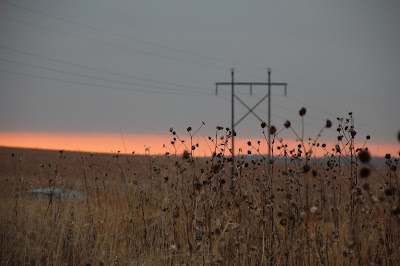
One week before the wedding, to Laura: Mono won t just clear up right away. One week before the wedding, to me: That s going to need stitches. Yes, not long before the wedding, Laura had come down with mononucleosis and I had cut into my finger with a very sharp knife while cutting bread requiring a trip to the emergency room to get stitches. Two days before we got married, instead of moving furniture, I was getting stitches out of my finger. It wasn t the kind of week we had planned. But it was the happiest, most amazing occasion I could have ever imagined. As I wrote last month, I am richly blessed indeed. Our wedding was three days after Christmas. The church was still decorated for Christmas, with the tree in on corner, glittering stars suspended in mid-air on cables from the walls, wreaths and candles in the windows, and it was a joy-filled day. Before the ceremony, we took pictures the only part of the day Jacob and Oliver weren t thrilled with. Nevertheless, we got some fun ones. Laura and I seem to know quite a few pastors between us and not just because Laura is a pastor. My brother officiated with the wedding vows, his wife with scripture and a prayer of blessing, and the church s pastor gave the message. Laura and I wrote in our wedding program, Music has long been a thread running through both our lives. We have enjoyed singing together, playing piano and pennywhistle duets, attending concerts, and even exploring old hymnals. Music is also one of the best ways to have a conversation even a conversation with God. We wrote a page in the program about each of the hymns that were a part of the wedding, and why we picked them. The combined church choirs of my home church and Laura s church sang John Rutter s beautiful arrangement of For the Beauty of the Earth (click here to listen to a different choir). Hearing For the beauty of each hour , For the joy of human love , and Lord of all, to thee we raise this our joyful hymn of praise was perfect for the day. It was with such great happiness that we walked out of the sanctuary, a married couple, to the sound of the congregation singing Joy to the World! Jacob and Oliver were so very excited on our wedding day. They happily explored the church while waiting for things to happen. We had them help us light our unity candle, and they were pleased with that. Jacob loved his suit, which made him look just like me. And they were, of course, delighted with the cake and in the middle of it all. For our honeymoon, we managed to get two weeks of vacation, and spent about half of it at home. We had looked at various options for retreats in the country, but eventually concluded that our house is a retreat in the country, so might as well enjoy it at home. We also went to the Palo Duro Canyon area near Amarillo in the Texas panhandle, staying in a small B&B in Canyon, TX. Palo Duro is the second-largest canyon in North America, and quite colorful year-round. What a beautiful place to go for our honeymoon! By the time we got there, Laura was getting past mono, and we went for hikes in the canyon on two different days hiking a total of 10 miles, including a hike up the side of the canyon. After we got back home, on the last weekday of our honeymoon, we went back to the Flint Hills of Kansas, to some of the same places we had spent our third date. We climbed the windy staircase at the Chase County Courthouse, the oldest courthouse still in use in Kansas. And peered out its famous oval window. We found the last remnant of the old ghost town of Elk, ate at the same restaurant we had that day. It brought back wonderful memories, and it was a good day in itself. Because even though it was a gold, drizzly, overcast day in January, this time, we were married. And this year, Thanksgiving is all year.

20 December 2013

Riku Voipio: Replicant on Galaxy S3

I recently got my self and Galaxy S3 for testing out Replicant, an android image made out of only open source components. Why Galaxy S3? It is well supported in Replicant, almost every driver is already open source. The hardware specs are acceptable, 1.4Ghz quad core, 1GB ram, microsd, and all the peripheral chips one expects for a phone. Galaxy S3 has sold insanely (50 million units supposedly), meaning I won't run out of accessories and aftermarket spare parts any time soon. The massive installed base also means a huge potential user community. S3 is still available as new, with two years of warranty. Why notWhile the S3 is still available new, it is safe to assume production is ending already - 1.5 year old product is ancient history in mobile world! It remains to be seen how much the massive user base will defend against the obsolescence. Upstream kernel support for "old" cpu is open question, replicant is still basing kernel on vendor kernel. Bootloader is unlocked, but it can't be changed due to trusted^Wtreacherous computing, preventing things like boot from sd card. Finally, not everything is open source, the GPU (mali) driver while being reverse engineered, is taking it's time - and the GPS hasn't been reversed yet. Installing replicant Before install, from the original installation, you might want to take a copy of firmware files (since replicant won't provide them). enable developer mode on the S3 and:
sudo apt-get install android-tools
mkdir firmware
adb pull /system/vendor/firmware/
adb pull /system/etc/wifi
After then, just follow official replicant install guide for S3. If you don't mind closed source firmwares, post-install you need to push the firmware files back:

adb shell
mount -o remount,rw /system
adb push . /system/vendor/firmware
Here was my first catch, the wifi firmwares from jelly bean based image were not compatible with older ICS based replicant. Using replicant
Booting to replicant is fast, few seconds to the pin screen. You are treated with the standard android lockscreen, usual slide/pin/pattern options are available. Basic functions like phone, sms and web browsing have icons from the homescreen and work without a hitch. Likewise camera seems to work, really the only smartphone feature missing is GPS. Sidenote - this image looks a LOT better on the S3 than on my thinkpad. No wonder people are flocking to phones and tablets when laptop makers use such crappy components.
The grid menu has the standard android AOSP opensource applications in the ICS style menu with the extra of f-droid icon - which is the installer for open source applications. F-droid is it's own project that complements replicant project by maintaining a catalog of Free Software.
F-droid brings hundreds of open source applications not only for replicant, but for any other android users, including platforms with android compatibility, such as Jolla's Sailfish OS. Of course f-droid client is open source, like the f-droid server (in Debian too). F-droid server is not just repository management, it can take care of building and deploying android apps.
The WebKit based android browser renders web sites without issues, and if you are not happy with, you can download Firefox from f-droid. Many websites will notice you are mobile, and provide mobile web sites, which is sometimes good and sometimes annoying. Worse, some pages detect you are android and only offer you to load their closed android app for viewing the page. OTOH I am already viewing their closed source website, so using closed source app to view it isn't much worse. This keyboard is again the android standard one, but for most unixy people the hacker's keyboard with arrow buttons and ctrl/alt will probably be the one you want. Closing thoughts While using replicant has been very smooth, the lack of GPS is becoming a deal-breaker. I could just copy the gpsd from cyanogen, like some have done, but it kind of beats the purpose of having replicant on the phone. So it might be that I move back to cyanogen, unless I find time to help reverse engineering the BCM4751 GPS.

7 December 2013

Hideki Yamane: I was in Mini DebConf in Taiwan 2013

I've done GPG key sign for Mini DebConf in Taiwan 2013 participates, and written an article for Japanese magazine, Software Design 2014/Jan. This means, my short trip has been ended, at last.


In this event, I've talked about "local community" for Debian, a bit (PDF/ODF are in Debian Wiki).
Local Community for Debian (2013 Taiwan miniDebConf) from Hideki Yamane

Probably you know, most of Debian contributors are in Euro/America(North and South), not in Asia. But there are lots of talented people. It means: there is huge possibility for Debian :)


I hope we Asian Debian people unite and publish its community work more, and do "DebConf in Asia" - in the future.

30 November 2013

Guido G nther: CrystalHD progress

Following up on my port of the crystalhd plugin to the gstreamer 1.0 api I realized that the CrystalHD repo is pretty dormant. After reading slomo's nice article about GStreamer and hardware integration and a short off list mail exchange I decided to split the GStreamer part out of the CrystalHD repo and to try to get the plugin into gst-plugins-bad. Since the kernel part is already in linux kernel's staging area there would not be much left in the repo except for the libcrystalhd library itself and the firmware blobs. So I split them out as well and started to clean them up a bit by moving it to autoconf/automake, dropping the need for a C++ compiler and adding symbol versioning among other things. So up to know video is still smooth with:
gst-launch-1.0 filesrc location=sample.mp4 ! decodebin ! xvimagesink
after jhbuilding up to gst-plugins-bad. There are #ifdefs for macosx and windows but I doubt they're functional but in case anybody is building libcrystalhd on these these platforms it'd be great to know if it still works. Should these efforts lead to the crystalhd plugin being merged into GStreamer getting the kernel driver out of staging would be a great next step. This blog is flattr enabled.

13 November 2013

Andrea Veri: Configuring DNSSEC on your personal domain

Today I ll be working out how to properly configure DNSSEC on a BIND9 installation, I ll also make sure to give you all the needed instructions to properly verify if a specific domain is being correctly covered by DNSSEC itself. In addition to that a few more details will be provided about adding the relevant SSHFP s entries on your DNS zone files to be able to automatically verify the authenticity of your domain when connecting to it with SSH avoiding any possible MITM attack. First of all, let s create the Zone Signing Key (ZSK) which is the key that will be responsible to sign any other record on the zone file which is not a DNSKEY record itself:
dnssec-keygen -a RSASHA1 -b 1024 -n ZONE gnome.org


Note: the dnssec-keygen binary file should be part of bind97 (RHEL 5) or bind (RHEL6) package according to yum whatprovides: RHEL 5:
32:bind97-9.7.0-17.P2.el5_9.2.x86_64 : The Berkeley Internet Name Domain (BIND) DNS (Domain Name System) server
Repo : rhel-x86_64-server-5
Matched from:
Filename : /usr/sbin/dnssec-keygen


RHEL 6:
32:bind-9.8.2-0.17.rc1.el6.3.x86_64 : The Berkeley Internet Name Domain (BIND) DNS (Domain Name System) server
Repo : rhel-x86_64-server-6
Matched from:
Filename : /usr/sbin/dnssec-keygen


Then, create the Key Signing Key (KSK), which will be used to sign all the DNSKEY records:
dnssec-keygen -a RSASHA1 -b 2048 -n ZONE -f KSK gnome.org


Creating the above keys can take several minutes, when done copy the public keys to the zone file this way:
cat Kgnome.org*.key >> gnome.org


When done you can clean out the useless bits from the zone file and just leave the DNSKEY records (which are not commented out as you will notice) An additional and cleaner way of accomplishing the above is to use the INCLUDE rule on the zone file itself as follows:
$INCLUDE /srv/dnssec-keys/Kgnome.org+005+12345.key
$INCLUDE /srv/dnssec-keys/Kgnome.org+005+67890.key


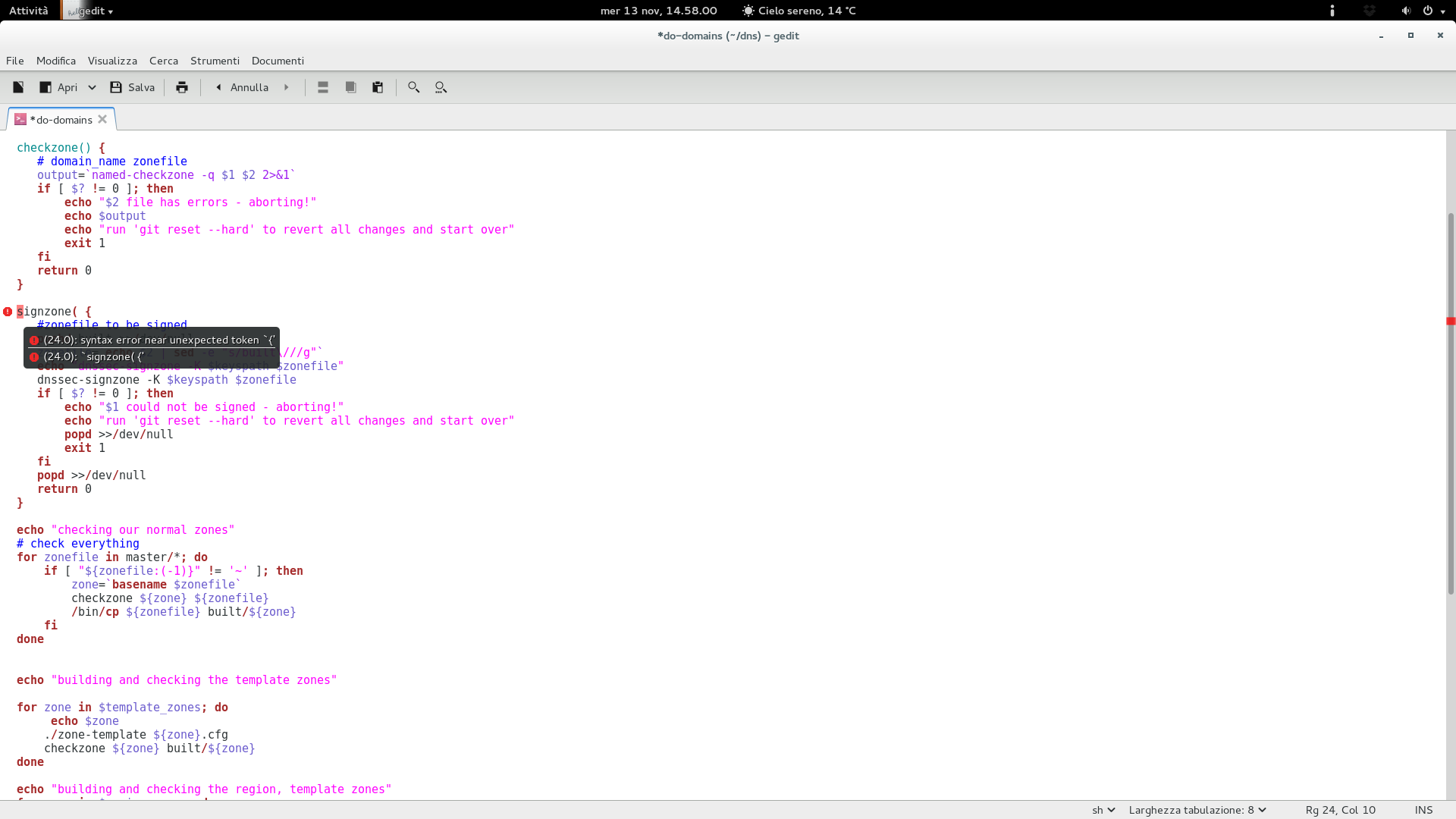
Choosing which method to use is really up to you. Once that is done you can go ahead and sign the zone file. As of myself I m making use of the do-domain script taken from the Fedora Infrastructure Team s repositories. If you are going to use it yourself, make sure to adjust all the relevant variables to match your setup, especially keyspath, region_zones, template_zone, signed_zones and AREA. The do-domain script also checks your zone file through named-checkzone before signing it.
/me while editing the do-domains script with the preview of gnome-code-assistance!

/me while editing the do-domains script with the preview of gnome-code-assistance!

If instead you don t want to use the script above, you can sign the zone file manually in the following way:
dnssec-signzone -K /path/to/your/dnssec/keys -e +3024000 -N INCREMENT gnome.org


By default, the above command will append .signed to the file name, you can modify that behaviour by appending the -f flag to the dnssec-signzone call. The -N INCREMENT will increment the serial number automatically making use of the RFC 1982 arithmetics while the -e flag will extend the zone signature end date from the default 30 days to 35. (this way we can safely run a monthly cron job that will sign the zone file automatically) You can make use of the following script to achieve the above:
#!/bin/sh
SIGNZONE="/usr/sbin/dnssec-signzone"
DNSSEC_KEYS="/srv/dnssec-keys"
NAMEDCHROOT="/var/named/chroot"
ZONEFILES="gnome.org"
cd $NAMEDCHROOT
for ZONE in $ZONEFILES; do
$SIGNZONE -K $DNSSEC_KEYS -e +3024000 -f $ZONE.signed -N INCREMENT $ZONE
done
/sbin/service named reload


Once the zone file has been signed just make sure to include it on named.conf and restart named:
zone "gnome.org"  
file "gnome.org.signed";
 ;


When you re done with that we should be moving ahead adding a DS record for our domain at our domain registrar. My example is taken from the known gandi.net registrar.
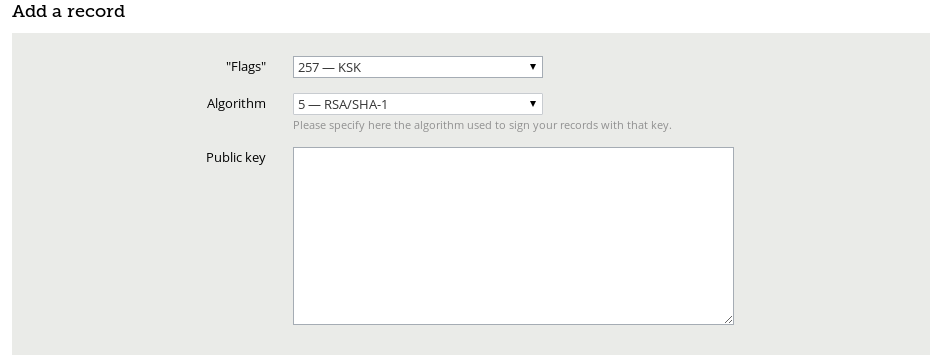
gandi

Gandi s DNSSEC interface

Select KSK (257) and (RSA/SHA-1) on the dropdown list and paste your public key on the box. You will find the public key you need on one of the Kgnome.org*.key files, you should look for the DNSKEY 257 entry as dig DNSKEY gnome.org shows:
;; ANSWER SECTION:
gnome.org. 888 IN DNSKEY 257 3 5 AwEAAbRD7AymDFuKc2iXta7HXZMleMkUMwjOZTsn4f75ZUp0of8TJdlU DtFtqifEBnFcGJU5r+ZVvkBKQ0qDTTjayL54Nz56XGGoIBj6XxbG8Es+ VbZCg0RsetDk5EsxLst0egrvOXga27jbsJ+7Me3D5Xp1bkBnQMrXEXQ9 C43QfO2KUWJVljo1Bii3fTfnHSLRUsbRn8Puz+orK71qxs3G9mgGR6rm n91brkpfmHKr3S9Rbxq8iDRWDPiCaWkI7qfASdFk4TLV0gSVlA3OxyW9 TCkPZStZ5r/WRW2jhUY/kjHERQd4qX5dHAuYrjJSV99P6FfCFXoJ3ty5 s3fl1RZaTo8=


Once that is done you should have a fully covered DNSSEC domain, you can verify that this way:
dig . DNSKEY   grep -Ev '^($ ;)' > root.keys
dig +sigchase +trusted-key=./root.keys gnome.org. A   cat -n


The result:
105 ;; WE HAVE MATERIAL, WE NOW DO VALIDATION
106 ;; VERIFYING DS RRset for org. with DNSKEY:59085: success
107 ;; OK We found DNSKEY (or more) to validate the RRset
108 ;; Ok, find a Trusted Key in the DNSKEY RRset: 19036
109 ;; VERIFYING DNSKEY RRset for . with DNSKEY:19036: success
110
111 ;; Ok this DNSKEY is a Trusted Key, DNSSEC validation is ok: SUCCESS

Bonus content: Adding SSHFP entries for your domain and verifying them You can retrieve the SSHFP entries for a specific host with the following command:
ssh-keygen -r $(hostname --fqdn) -f /etc/ssh/ssh_host_rsa_key.pub


When retrieved just add the SSHFP entry on the zone file for your domain and verify it:
ssh -oVerifyHostKeyDNS=yes -v subdomain.gnome.org


Or directly add the above parameter into your /etc/ssh/ssh_config file this way:
VerifyHostKeyDNS=yes


And run ssh -v subdomain.gnome.org , the result you should receive:
debug1: Server host key: RSA 00:39:fd:1a:a4:2c:6b:28:b8:2e:95:31:c2:90:72:03
debug1: found 1 secure fingerprints in DNS
debug1: matching host key fingerprint found in DNS
debug1: ssh_rsa_verify: signature correct

That s it! Enjoy!

8 October 2013

Thomas Goirand: My old 1024 bits key is dead, please use 0xAC6B43FE

-----BEGIN PGP SIGNED MESSAGE-----
Hash: SHA256
Hi,
I am not using my old GPG key, 0x98EF9A49 anymore. My new key, using
4096 SHA2 256,
with fingerprint:
A0B1 A9F3 5089 5613 0E7A  425C D416 AD15 AC6B 43FE
has replaced the old one in the Debian keyring. Please don't encrypt
message to me using the old key anymore.
Since the idea is that we shouldn't trust 1024 bits keys anymore, I'm
not signing this message with the old key, but only with the new one,
which has gathered enough signatures from Debian Developers (more than a
dozen).
Thomas Goirand (zigo)
-----BEGIN PGP SIGNATURE-----
Version: GnuPG v1.4.12 (GNU/Linux)
iQIcBAEBCAAGBQJSVC02AAoJENQWrRWsa0P+3wAP/i2ORGgXMoQVtjoUNX+x/Ovz
yoNSLztmih4pOLw9+qHJfM+OkBKUPwrkyjgBWkwD2IxoM2WRgNZaY5q/jBEaMVgq
psegqAm99zkX0XJTIYfqwOZFA1JLWMi1uLJQO71j0tkJWPzBSa6Jhai81X89HKgq
PqQXver+WbORHkYGIWwBvwj+VbPZ+ssY7sjbdWTaiMcaYjzLQR4s994FOFfTWH8G
5zLdwj+lD/+tBH90qcB9ETlbSE1WG4zBwz5f4++FcPYVUfBPosE/hcyhIp6p3SPK
8F6B51pUvqwRe52unZcoA30gEtlz+VNHGQ3yF3T1/HPlfkyysAypnZOw0md6CFv8
oIgsT+JBXVavfxxAJtemogyAQ/DPBEGuYmr72SSav+05BluBcK8Oevt3tIKnf7Q5
lPTs7lxGBKI0kSxKttm+JcDNkm70+Olh6bwh2KUPBSyVw0Sf6fmQdJt97tC4q7ky
945l42IGTOSY0rqdmOgCRu8Q5W1Ela9EDZN2jPmPu4P6nzqIRHUw3gS+YBeF1i+H
/2jw4yXSXSYQ+fVWJqNb5R2raR37ytNWcZvZvt4gDxBWRqnaK+UTN6tdF323HKmr
V/67+ewIhFtH6a9W9mPakyfiHqoK6QOyOhdjQIzL+g26QMrjJdOEWkqzvuIboGsw
OnyYVaKsZSFoKBs0kOFw
=qjaO
-----END PGP SIGNATURE-----

5 October 2013

Rémi Vanicat: Key-transition

A recent discussion on debian-project remind me I have to do this:
-----BEGIN PGP SIGNED MESSAGE-----
Hash: SHA1,SHA256
Hello,
I am transitioning GPG keys from an old 1024-bit DSA key to a new
4096-bit RSA key.  The old key will continue to be valid for some
time, but I prefer all new correspondance to be encrypted in the new
key, and will be making all signatures going forward with the new key.
This transition document is signed with both keys to validate the
transition.
If you have signed my old key, I would appreciate signatures on my new
key as well, provided that your signing policy permits that without
reauthenticating me.
The old key, which I am transitional away from, is:
   pub   1024D/9057B5D3 2002-02-07
         Key fingerprint = 7AA1 9755 336C 6D0B 8757  E393 B0E1 98D7 9057 B5D3
The new key, to which I am transitioning, is:
   pub   4096R/31ED8AEF 2009-05-08
         Key fingerprint = DE8F 92CD 16FA 1E5B A16E  E95E D265 C085 31ED 8AEF
To fetch the full new key from a public key server using GnuPG, run:
  gpg --keyserver keys.gnupg.net --recv-key D265C08531ED8AEF
If you have already validated my old key, you can then validate that
the new key is signed by my old key:
  gpg --check-sigs D265C08531ED8AEF
If you then want to sign my new key, a simple and safe way to do that
is by using caff (shipped in Debian as part of the "signing-party"
package) as follows:
  caff D265C08531ED8AEF
Please contact me via e-mail at <vanicat@debian.org> if you have any
questions about this document or this transition.
  Remi vanicat
  vanicat@debian.org
  remi.vanicat@gmail.com
  remi.vanicat@ens-lyon.org
-----BEGIN PGP SIGNATURE-----
Version: GnuPG v1.4.14 (GNU/Linux)
iD8DBQFST8iPsOGY15BXtdMRAggfAJ4z5wEpUy8Bcicv9KTGOjsUAZF2xACfYKv9
GWXh8iT1N2Qqjhwtpvx9B3aJAhUDBQFST8iP0mXAhTHtiu8BCPldEADYM9e/22yu
En8lcZ5UUI/eQ5jFgZaxTZ90ShS0vPD/Mgn6xyKoeigA0Bk4ltTjDXA7vEWXLjOK
gbGv3SvffPJIsR1WJmhYtVyNquJXXjyElEBsbxvCJ/awYdU9BFXPqtLlLVCObvSc
bE9xlJhoLdk3bDqSSTO3nqoDa0qgPnJvwKNYIMBrNavGyIW3QT0BRUCKyBssqh+u
P4x8VhpHiR2Ee4LHfRVeJk+5ncvSXYluAohOXka5AnV2GgFQoVYfFqxn2Gh3BMWC
sqf/NUPnFOCSRw++oNP3mBv3jn/jZuo8BcVOECKL+/dO6/3otgO6a/5tUspfnAJA
m/UxBdc2vs7LkZ0wUipIHg10x4154f+hZfx4WuCJ05X0dqcKeh4eJ0zFBvxMyh+A
o2TfifT9WJlyb+Hah/w1MFAXI8cAj5RvwdVgTzcodXpggtpBpdLDvv3G1KYFm/TG
Zev480N6bGrBb3JKgUtAMuTls8+FngYtYg9YKBiajEDM3MVC+H4MiOzVNKV++y/n
YW3z59Oc04ZMi9hV+uR3kwq8D7aUJmc0QFeOGmq7W9LOjvVO+lTf87l3jh2ahxx/
FgiinSZr1YzE+9OtNj8CTsmAmApIxsTJUCR6h554z+lyrTwc0pdeUwzSWqV84k7G
V6HBmTiw9IGs22+W15pRzq/mCVYdrYT7zQ==
=c5fJ
-----END PGP SIGNATURE-----
Here is the link to the .txt version for easier checking of signature.

2 September 2013

Daniel Pocock: Australia's Labor Party exposed spying on their own members

Australia's Labor Party claims to represent the little guy, advocating the interests of a wide slice of the population over the interests of those who might supposedly exploit them. In this latest blog I'll look at just how the Victorian state branch of the party is emulating the more sinister elements of monitoring and control that you would typically expect from marketers, spammers and the NSA. It makes you wonder, if they do this to their own members, how can Australia's government ever hope to rein in spammers or other undesirable practices? Europe has tried cookie laws and the right to be forgotten, while the ALP has taken these developments almost as a guide to exploiting their own most valuable resource, their membership. The email version of invisible ink Straight out of an email attempting to recruit party members to the federal election campaign, we find that the ALP's logo itself has been turned into a sinister tracking mechanism. Looking underneath the logo, there is a hidden tracking number attached to every message:
http://gallery.mailchimp.com/3021e68df9a7200135725c633/images/Email_Header_ThisisLabor.jpg
There it is, that big long code 3021e68df9a7200135725c633. On it's own, you may think this number can't do much harm. Think again. After all, as the filename says, "ThisisLabor". Reaching the grass roots by long distance email When a party member sees any of the images in the email or clicks any of the links, their email software or web browser sends a HTTP request to the ALP's outsourced tracking server in the United States. Here is an example of what that request may contain:
TCP Headers:
  SOURCE IP ADDRESS: 198.51.100.56
HTTP headers:
  GET /3021e68df9a7200135725c633/images/Email_Header_ThisisLabor.jpg
  HTTP/1.1
  Host: gallery.mailchimp.com
  User-Agent: Mozilla/5.0 (X11; Linux x86_64; rv:17.0) Gecko/20130515 Firefox/17.0 Iceweasel/17.0.6
  Accept: text/html,application/xhtml+xml,application/xml;q=0.9,*/*;q=0.8
  Accept-Language: en-US,en;q=0.5
  Accept-Encoding: gzip, deflate
  X-Forwarded-For: 192.168.1.54
  Connection: keep-alive
These codes are all transmitted from the recipient of the email back to the ALP. Notice the tracking number is in the very first line of the HTTP request? These codes send many details to the tracking server. Just what is revealed?
  • What time the message was read
  • How many times the message was opened
  • Whether the message was read on multiple computers (perhaps it was forwarded)
  • The IP addresses reveal which network was used.
    • For people reading email at work or on wifi, the IP address reveals the name of the employer, it can be easily looked up in this public database. Here is an example querying one of the ALPs own IP addresses, 203.24.72.2
    • For people using an internet connection at home, the IP address reveals the service provider. There is more to it though: if one party member regularly visits another party member and uses their wifi, they will both appear to be using the same IP address and the party will be able to deduce that there is a connection between these two people.
  • The web browser name and version and the operating system name and version.
  • The language normally used on the computer
Crunching the numbers You may think that nobody would be interested in all that data or that it is even too much data for anybody to easily study. Think again. The ALP has outsourced processing of this data to an offshore firm that specializes in bulk email, MailChimp. After lecturing everybody about the dangers of outsourcing, the ALP has literally sold the farm (their own membership data) - to a foreign marketing company. Here are some of the claims MailChimp make on their web site:
"Dig even deeper with Subscriber Activity Reports, which give you a real time report for every subscriber s email activities: when they opened, what they clicked, and when they came back for more. You can even generate a list of people who didn t open, and send them a modified campaign."
That's right: if ALP members don't read their emails fast enough, they will send even more of them. Just who has access to this data? Well, the scope is quite broad. According to these rules, it is not only the dubious officials in the party's state office, but Labor Party regulations also list a whole lot of other officials who have access to some subset of the data: branch and FEA district committees, policy committees and maybe some trade union officials too. Once you start to contemplate this, it becomes apparent that the probability of somebody profiling members at an individual level is very real. On the other hand, those rules clearly do not permit the state branch to process the member's data offshore. Double whammy In fact, even MailChimp is further outsourcing the data. When receiving an image from the booby-trapped link in the email, we receive a response like this:
HTTP/1.1 200 OK
Content-Type: image/jpeg
Content-Length: 407474
Connection: keep-alive
Date: Wed, 10 Jul 2013 06:25:55 GMT
Last-Modified: Tue,  03 Sep 2013 04:05:37 GMT
ETag: "df9a7200135725c6331369a22"
Accept-Ranges: bytes
Server: AmazonS3
Age: 62097
Via: 1.0 e71fe855f29513f54a41e213fe653fb1.cloudfront.net (CloudFront)
X-Cache: Hit from cloudfront
X-Amz-Cf-Id: S2V2aW4gUnVkZCBpcyBhIGJhZCBib3kuCg==
which contains more tracking numbers and clearly indicates that the data is being processed in the massive AmazonS3 (a.k.a Amazon online bookstore) cloud platform. Thanks to cloud computing, there is considerable scope for cross-referencing records across other web sites. The IP address becomes a magic key, allowing a range of sinister forces to join the dots at the click of a button and profile the whole private and professional identity of any individual ALP member. Googling ALP members It doesn't stop there however, after following these links a victim will eventually end up on one of the ALP's own web pages. Looking through the HTML code underneath http://www.viclabor.com.au is very easy, in most web browsers, you can just press Control-U to see what is hidden away in the shadows. Buried in the code, I found this little gem:
  var _gaq = _gaq   [];
  _gaq.push(['_setAccount', 'UA-35325645-1']);
  _gaq.push(['_trackPageview']);
  (function()  
    var ga = document.createElement('script'); ga.type = 'text/javascript'; ga.async = true;
    ga.src = ('https:' == document.location.protocol ? 'https://ssl' : 'http://www') + '.google-analytics.com/ga.js';
    var s = document.getElementsByTagName('script')[0]; s.parentNode.insertBefore(ga, s);
   )();
This may be even scarier: it's a JavaScript code that channels all access to the ALP web site into an outsourced tracking system provided by Google. Google can now cross-reference ALP members against their Gmail accounts, their friends and the topics they search for to further profile the type of advertising they should be exposed to. Google, like any private company, has a loyalty to its shareholders and the laws of the country where it is domiciled. Will that coincide with the best interests of ALP members in Victoria? Australia's other parties: samples needed Do you have similar communications from Australia's other political parties? Please send them to me and I'll be happy to examine them for similar shortcomings.

31 August 2013

Chris Lamb: Decrypting the Caesar cipher using shell

In cryptography, a Caesar cipher, also known as Caesar's cipher, the shift cipher, Caesar's code or Caesar shift, is one of the simplest and most widely known encryption techniques. It is a type of substitution cipher in which each letter in the plaintext is replaced by a letter some fixed number of positions down the alphabet. [...]
#!/bin/sh
IN="MJHVIZN ZPIO YJHPN"
for I in $(seq 25); do
    echo $I $IN   tr $(printf %$ I s   tr ' ' '.')\A-Z A-ZA-Z
done
This outputs:
1 NKIWJAO AQJP ZKIQO
2 OLJXKBP BRKQ ALJRP
3 PMKYLCQ CSLR BMKSQ
4 QNLZMDR DTMS CNLTR
5 ROMANES EUNT DOMUS
6 SPNBOFT FVOU EPNVT
7 TQOCPGU GWPV FQOWU
8 URPDQHV HXQW GRPXV
9 VSQERIW IYRX HSQYW
10 WTRFSJX JZSY ITRZX
11 XUSGTKY KATZ JUSAY
12 YVTHULZ LBUA KVTBZ
13 ZWUIVMA MCVB LWUCA
14 AXVJWNB NDWC MXVDB
15 BYWKXOC OEXD NYWEC
16 CZXLYPD PFYE OZXFD
17 DAYMZQE QGZF PAYGE
18 EBZNARF RHAG QBZHF
19 FCAOBSG SIBH RCAIG
20 GDBPCTH TJCI SDBJH
21 HECQDUI UKDJ TECKI
22 IFDREVJ VLEK UFDLJ
23 JGESFWK WMFL VGEMK
24 KHFTGXL XNGM WHFNL
25 LIGUHYM YOHN XIGOM
The only line which makes sense is 5 ROMANES EUNT DOMUS, giving us our solution.

7 May 2013

Gunnar Wolf: Talking about Debian while Debian was getting released

Last Saturday, I was invited to talk about Debian to Hackerspace DF, a group that is starting to work at a very nice place together with other collectives, in a quite centric place (Colonia Obrera). I know several of the people in the group (visited them a couple of times in the space's previous incarnation), and wish them great luck in this new hackerspace! Anyway I was invited to give an informal talk about Debian. And of course, I was there. And so was Alfredo, who recorded (most of) it. So, in case you want to see me talking about how Debian works, mostly on a social organization level (but also regarding some technical details). Of course, given the talk was completely informal (it started by me standing there, asking, "OK, any questions?"), I managed to mix up some names and stuff... But I hope that, in the end, the participants understood better what Debian means than when we started. Oh, and by the end of the talk, we were all much happier. Not only because I was about to shut up, but because during my talk, we got notice that Debian 7.0 "Wheezy" was released. Anyway If you want to see me talking for ~1hr, you can download the video or watch it on YouTube.

3 April 2013

Luke Faraone: Teaching free/open source to high school students

A few weeks ago I taught a class on Open Source: Contributing to free culture (catalog entry) for Spark, a one-day program put on by the student-run MIT Educational Studies Program. I was fortunate to have two helpful co-teachers, Tyler Hallada and Jacob Hurwitz, who assisted with the lesson plan and the in class lecture.

We ended up teaching 3 sessions of the 1hr 50min class that Saturday, with about 10 students in each session.

I was pretty impressed by the quality of the students; a number of them had used GNU/Linux before, but even those who hadn't were able to gain something from the experience. The class was broken up into three segments:

  1. Lecture on a brief history of open source and the free software movement
  2. Small research project on an open source project
  3. Lab where students could work through OpenHatch's training missions
The point was to mix up what could otherwise be a very boring lecture.

I think we might have missed the mark on the last bit, as I get the feeling that we didn't end up giving the students good actionables. While the quality of OpenHatch is high and the organization's campus outreach programs are amazing, skills practice only goes so far without clear direction to apply said skills. I'll be following up with the class participants to see how they're progressing on their own open source contributor journey, and will post updates if I have any.

While not an OpenHatch event, if this sort of thing interests you, OpenHatch runs a series of events like this one and has a mailing list for discussing planning and sharing best practices. Subscribe and say hi!

The presentation is enclosed below, and of course is licensed under CreativeCommons Attribution-ShareAlike 3.0. [PDF]

<iframe allowfullscreen="true" frameborder="0" height="389" mozallowfullscreen="true" src="https://docs.google.com/presentation/d/14R1o_5rOfjCw19mFtxZj29HQOhlJWK0F53MNj5tL8iU/embed?start=false&amp;loop=false&amp;delayms=3000" webkitallowfullscreen="true" width="480"></iframe>

19 March 2013

Daniel Pocock: My low-tech investment strategy

People often ask me why I invest in low-tech, old-school investments like gold and silver bullion. Surely for somebody working with technology every day, I would have some advantage in the world of investment? The events of Cyprus this week should provide a clear answer: we've all been told that there is nothing safer than cash in the bank, protected by a Government deposit insurance scheme. Yet it appears that in a pattern reminiscent of the real life Ocean's 11 bank robbery, the culprits waited for a long weekend and set about doing the unthinkable after the lights went out on a Friday night. Three days wasn't enough for them to complete their plan (or getaway?), and so Cypriot banks are closed for a further two days. Just like in the type of bank robbery seen in the movies, the money was put there by people who worked for it, and it is taken away by people who didn't. Sadly, this is also a reflection on a society as a whole. As a result of apathy, contentedness, obsession with non-issues such as immigration, or excuses about how we don't care about politics, nobody has bothered to watch the politicians. The 2008 British film The Bank Job showed real robbers sent into a bank in the traditional manner (it is based on the true story of the 1971 Baker Street robbery). Although not substantiated, conjecture in the press suggests that British authorities were involved and got real crooks to make it look authentic. Today's press suggests that Cypriot authorities are in a similar way trying to make it look like Germany is the bad guy. Back to the gold and silver. A recent report in Science Magazine suggests it takes 100,000 years for natural processes such as earthquakes to create even small deposits of precious metals. Most politicians are taking their pension in less than 10 years and wouldn't have the time or power to interfere with or manipulate such an inherently natural physical phenomenon, and this is why bullion has remained a consistent and respected investment for thousands of years. Does anyone imagine that fresh reserves of gold are forming in the cavities under Cyprus during this week's tremors? Or will those cavities be somewhat more sparse?

13 February 2013

Hideki Yamane: introducing debian-mirror.sakura.ne.jp

Now we Debian JP (local Debian community in Japan) are pleased to announce new Debian full-mirror server named debian-mirror.sakura.ne.jp is running, kindly offered by Sakura Internet, Inc. which is one of most famous VPS/hosting provider in Japan.

So, their VPS/hosting user can use it without any setting now via magical GeoMirror as ftp.jp.debian.org (thanks to Yasuhiro Araki).

It is run at Ishikari DC, northen island Hokkaido.


I had a chance to visit there 3 month ago (you can see my entry in Google+ if you want), it was so interesting and exciting. They are trying to make power-saved data center as Google, Facebook or so, and it had succeed now since its PUE (Power Usage Effectiveness) is same level as Google one, wow :-)

I hope we will provide stable and comfortable Debian environment to their users and they would use Debian more and more, then we'll get their "wants" and "needs" to improve Debian itself.

Thanks to folks in Sakura Internet!

Jan Wagner: Searching painting: Strawberry and Man on Pumps with Sparkling wine

We are searching a motive for a painting or a painting itself for a quite while now. This should find it's place in our living room. Unfortunately we didn't found one, which matched our both prospect and/or wasn't compatible with the rest of our living room. Yesterday we stumbled upon a motive which was quite nice, but was too small and it was neighter possible to get it in a bigger size nor to find out who was the origin painter of the picture. Now we are searching for the name of the picture and/or the painter. Any hints appreciated at 'blog - at - waja - dot - info'. A photo with higher resolution can be found here Update: Okay ... an unknown people (many thanks) hinted me, that google image search is the tool that could be very usefull. Google revealed that the painter is Inna Panasenko. P.S. Is it noticeable that I'm in vacation mode? ;)

30 January 2013

Rog rio Brito: Looking for (Free) a Video Editor

Let's suppose that you went to a show of your favourite some time ago and you were able to sneak in a camera (well, in those times, cell phones weren't able to record much more than 176x144 pixels at 12fps). But, then, you suddenly found that some people uploaded (short) fragments of that very same show to youtube and, collecting those, you may be able to create a "multi-camera" version of the video that you can record to keep of your memorable concert. The multi-camera, in the sense above, is not the same as multiple angles (like some DVDs), but something like a TV broadcast, where the stage is filmed by cameras positioned at some places and the image that is broadcast is switched from time to time according to that who is singing, or playing etc. So, Dear Lazyweb, do we happen to have any Free Software (preferably already packaged in Debian) that is able to help with the task of "aligning" (in time) videos from various (different) sources so as to produce one multi-camera video? What would my options be? I asked this on youtube for a person that did exactly what I want and their answer was Sony Vegas, which I fear that does not exactly would be allowed in Debian. :) Any comments are welcome, thanks, and if I am successful, I will upload the final video. :)

29 January 2013

Jonathan Carter: Ubuntu Developer Summit for 13.04 (Raring)

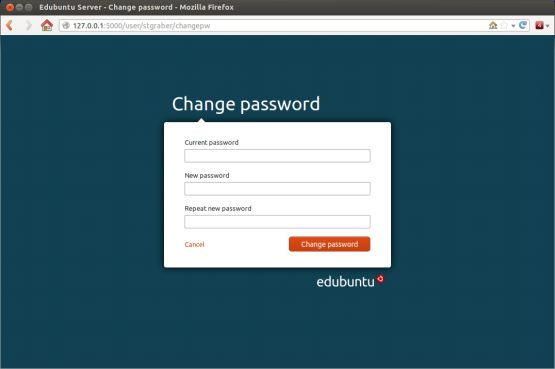
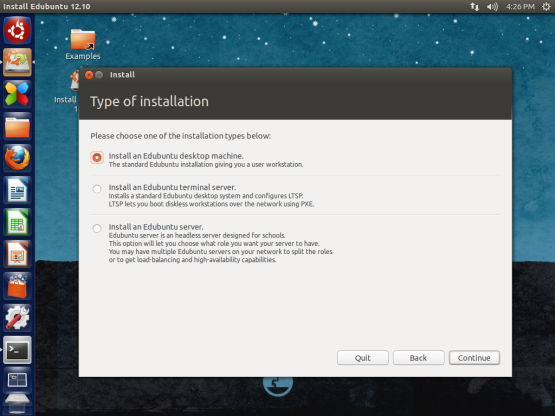
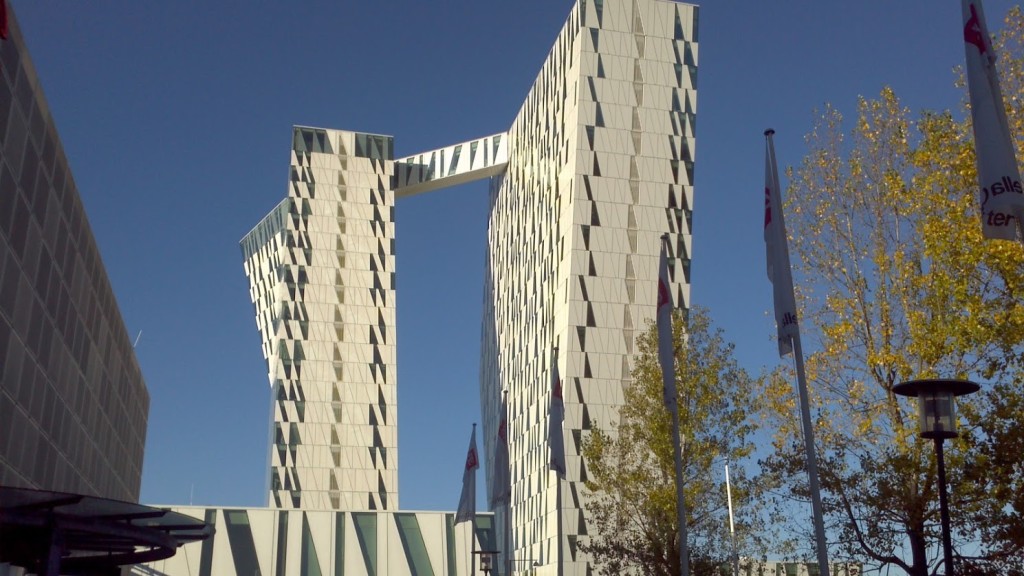
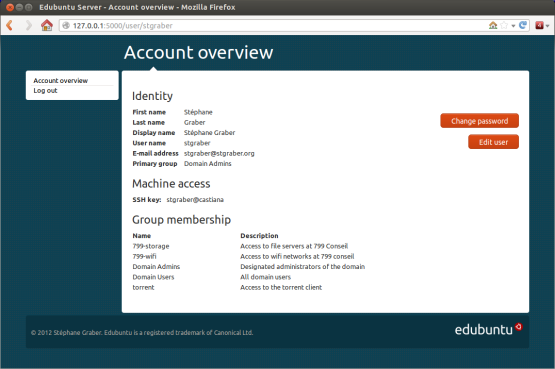
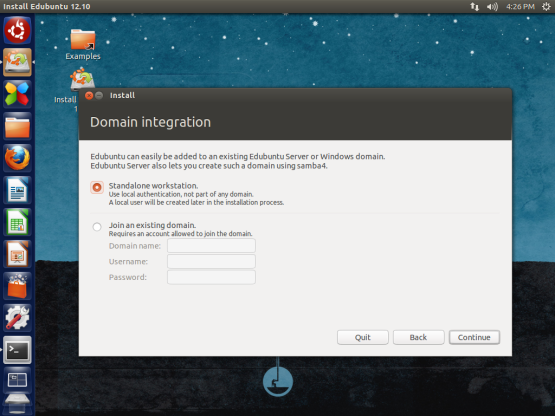
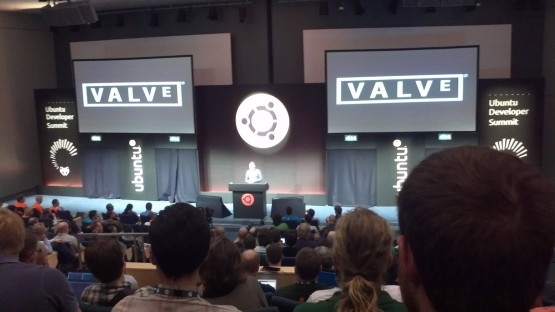
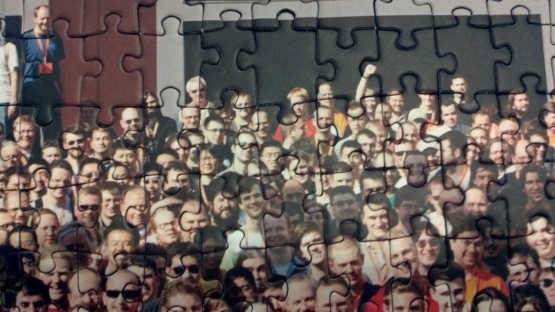
The War on Time Whoosh! I ve been incredibly quiet on my blog for the last 2-3 months. It s been a crazy time but I ll catch up and explain everything over the next few entries. Firstly, I d like to get out a few details about the last Ubuntu Developer Summit that took place in Copenhagen, Denmark in October. I m usually really good at getting my blog post out by the end of UDS or a day or two after, but this time it just flew by so incredibly fast for me that I couldn t keep up. It was a bit shorter than usual at 4 days, as apposed to the usual 5. The reason I heard for that was that people commented in previous post-UDS surveys that 5 days were too long, which is especially understandable for Canonical staff who are often in sprints (away from home) for the week before the UDS as well. I think the shorter period works well, it might need a bit more fine-tuning, I think the summary session at the end wasn t that useful because, like me, there wasn t enough time for people to process the vast amount of data generated during UDS and give nice summaries on it. Overall, it was a great get-together of people who care about Ubuntu and also many areas of interest outside of Ubuntu. Copenhagen, Denmark I didn t take many photos this UDS, my camera is broken and only takes blurry pics (not my fault I swear!). So I just ended up taking a few pictures with my phone. Go tag yourself on Google+ if you were there. One of the first interesting things I saw when arriving in Copenhagen was the hotel we stayed in. The origami-like design reminded me of the design of the Quantal Quetzel logo that is used for the current stable Ubuntu release. 2012-10-28_05-50-14_21 quantal The Road ahead for Edubuntu to 14.04 and beyond St phane previously posted about the vision we share for Edubuntu 14.04 and beyond, this was what was mostly discussed during UDS and how we ll approach those goals for the 13.04 release. This release will mostly focus on the Edubuntu Server aspect. If everything works out, you will be able to use the standard Edubuntu DVD to also install an Edubuntu Server system that will act as a Linux container host as well as an Active Directory compatible directory server using Samba 4. The catch with Samba 4 is that it doesn t have many administration tools for Linux yet. St phane has started work on a web interface for Edubuntu server that looks quite nice already. I m supposed to do some CSS work on it, but I have to say it looks really nice already, it s based on the MAAS service theme and St phane did some colour changes and fixes on it already. edu-server-account edu-server-password From the Edubuntu installer, you ll be able to choose whether this machine should act as a domain server, or whether you would like to join an existing domain. Since Edubuntu Server is highly compatible with Microsoft Active Directory, the installer will connect to it regardless of whether it s a Windows Domain or Edubuntu Domain. This should make it really easy for administrators in schools with mixed environments and where complete infrastructure migrations are planned. Authentication Options Choosing machine role You will be able to connect to the same domain whether you re using Edubuntu on thin clients, desktops or tablets and everything is controllable using the Epoptes administration tool. Many people are asking whether this is planned for Ubuntu / Ubuntu Server as well, since this could be incredibly useful in other organisations who have a domain infrastructure. It s currently meant to be easily rebrandable and the aim is to have it available as a general solution for Ubuntu once all the pieces work together. Empowering Ubuntu Flavours This cycle, Ubuntu is making some changes to the release schedule. One of the biggest changes made this cycle is that the alpha and beta releases are being dropped for the main Ubunut product. This session was about establishing how much divergence and changes the Ubuntu Flavours (Ubuntu Studio, Mythbuntu, Kubuntu, Lubuntu and Edubuntu) could have from the main release cycle. Edubuntu and Kubuntu decided to be a bit more conservative and maintain the snapshot releases. For Edubuntu it has certainly helped so far in identifying and finding some early bugs and I m already glad that we did that. Mythbuntu is also a notable exception since it will now only do LTS releases. We re tempted to change Edubuntu s official policy that the LTS releases are the main releases and treat the releases in between more like technology previews for the next LTS. It s already not such a far stretch from the truth, but we ll need to properly review and communicate that at some point. Valve at UDS and Steam for Linux One of the first plenaries was from Valve where Drew Bliss talked about Steam on Linux. Steam is one of the most popular publishing and distribution systems for games and up until recently it has only been available on Windows and Mac. Valve (the company behind Steam and many popular games such as Half Life and Portal) are actively working on porting games to run natively on Linux as well. Some people have asked me what I think about it, since the system is essentially using a free software platform to promote a lot of non-free software. My views on this is pretty simple, I think it s an overwhelmingly good thing for Linux desktop adoption and it s been proven to be a good thing for people who don t even play games. Since the announcement from Valve, Nvidia has already doubled perfomance in many cases for its Linux drivers. AMD, who have been slacking on Linux support the last few years have beefed up their support drastically with the announcement of new drivers that were released earlier this month. This new collection of AMD drivers also adds support for a range of cards where the drivers were completely discontinued, giving new life to many older laptops and machines which would be destined for the dumpster otherwise. This benefits not only gamers, but everyone from an average office worker who wants snappy office suite performance and fast web browsing to designers who work with graphics, videos and computer aided design. Also, it means that many home users who prefer Linux-based systems would no longer need to dual-boot to Windows or OS X for their games. While Steam will actively be promoting non-free software, it more than makes up for that by the enablement it does for the free software eco-system. I think anyone who disagrees with that is somewhat of a purist and should be more willing to make compromises in order to make progress. Ubuntu Release Changes Last week, there was a lot of media noise stating that Ubuntu will no longer do releases and will become a rolling release except for the LTS releases. This is certainly not the case, at least not any time soon. One meme that I ve noticed increasingly over the last UDSs was that there s an increasing desire to improve the LTS releases and using the usual Ubuntu releases more and more for experimentation purposes. I think there s more and more consensus that the current 6 month cycle isn t really optimal and that there must be a better way to get Ubuntu to the masses, it s just the details of what the better way is that leaves a lot to be figured out. There s a desire between developers to provide better support (better SRUs and backports) for the LTS releases to make it easier for people to stick with it and still have access to new features and hardware support. Having less versions between LTS releases will certainly make that easier. In my opinion it will probably take at least another 2 cycles worth of looking at all the factors from different angles and getting feedback from all the stakeholders before a good plan will have formed for the future of Ubuntu releases. I m glad to see that there is so much enthusiastic discussion around this and I m eager to see how Ubuntu s releases will continue to evolve. Lightning Talks Lightning talks are a lot like punk-rock songs. When it s good, it s really, really amazingly good and fun. When it s bad, at least it will be over soon :) Unfortunately, since it s been a few months since the UDS, I can t remember all the details of the lightning talks, but one thing that I find worth mentioning is that they re not just awesome for the topic they aim to produce (for example, the one lightning talks session I attended was on the topic of Tests in your software ), but since they are more demo-like than presentation-like, you get to learn a lot of neat tricks and cool things that you didn t know before. Every few minutes someone would do something and I d hear someone say something like Awesome! I didn t know you could do that with apt-daemon! . It s fun and educational and I hope lightning talks will continue to be a tradition at future UDSs. Social Stefano Rivera (fellow MOTU, Debianista, Capetonian, Clugger) wins the prize for person I ve seen in the most countries in one year. In 2012, I saw him in Cape Town for Scaleconf, Managua during Debconf, Oakland for a previous UDS and Copenhagen for this UDS. Sometimes when I look at silly little statistics like that I realise what a great adventure the year was! Between the meet n greet, an evening of lightning talks and the closing party (which was viking themed and pretty awesome) there was just one free evening left. I used it to gather with the Debian folk who were at UDS. It was great to see how many Debian people were attending, I think we had around a dozen or so people at the dinner and there were even more who couldn t make it since they work for Canonical or Linaro and had to attend team dinners the same evening. It was as usual, great to put some more faces to names and get to know some people better. It was also great to have a UDS with many strong technical community folk present who is willing to engage in discussion. There were still a few people who felt missing but it was less than at some previous UDSs. I also discovered my face on a few puzzles! They were a *great* idea, I saw a few people come and go to work on them during the week, they seem to have acted as good menial activities for people to fix their brains when they got fried during sessions :) 2012-10-31_14-32-28_374 Overall, this was a good and punchy UDS. I ll probably not make the next one in Oakland due to many changes in my life currently taking place (although I will remotely participate), but will probably make the one later this year, especially if it s in Europe. I ll also make a point of live-blogging a bit more, it s just so hard remembering all the details a few months after the fact. Thanks to everyone who contributed their piece in making it a great week!
Next.

Previous.