Review:
The Faithless, by C.L. Clark
| Series: |
Magic of the Lost #2 |
| Publisher: |
Orbit |
| Copyright: |
March 2023 |
| ISBN: |
0-316-54283-0 |
| Format: |
Kindle |
| Pages: |
527 |
The Faithless is the second book in a political fantasy series that
seems likely to be a trilogy. It is a direct sequel to
The Unbroken, which you should read
first. As usual, Orbit made it unnecessarily hard to get re-immersed in
the world by refusing to provide memory aids for readers who read books as
they come out instead of only when the series is complete, but this is not
the fault of Clark or the book and you've heard me rant about this before.
The Unbroken was set in Qaz l (not-Algeria).
The Faithless,
as readers of the first book might guess from the title, is set in
Balladaire (not-France). This is the palace intrigue book. Princess Luca
is fighting for her throne against her uncle, the regent. Touraine is
trying to represent her people. Whether and to what extent those
interests are aligned is much of the meat of this book.
Normally I enjoy palace intrigue novels for the competence porn: watching
someone navigate a complex political situation with skill and cunning, or
upend the entire system by building unlikely coalitions or using
unexpected routes to power. If you are similar, be warned that this is
not what you're going to get. Touraine is a fish out of water with no
idea how to navigate the Balladairan court, and does not magically become
an expert in the course of this novel. Luca has the knowledge, but she's
unsure, conflicted, and largely out-maneuvered. That means you will have
to brace for some painful scenes of some of the worst people apparently
getting what they want.
Despite that, I could not put this down. It was infuriating, frustrating,
and a much slower burn than I prefer, but the layers of complex
motivations that Clark builds up provided a different sort of payoff.
Two books in, the shape of this series is becoming clearer. This series
is about empire and colonialism, but with considerably more complexity
than fantasy normally brings to that topic. Power does not loosen its
grasp easily, and it has numerous tools for subtle punishment after
apparent upstart victories. Righteous causes rarely call banners to your
side; instead, they create opportunities for other people to maneuver to
their own advantage. Touraine has some amount of power now, but it's far
from obvious how to use it. Her life's training tells her that exercising
power will only cause trouble, and her enemies are more than happy to
reinforce that message at every opportunity.
Most notable to me is Clark's bitingly honest portrayal of the supposed
allies within the colonial power. It is clear that Luca is attempting to
take the most ethical actions as she defines them, but it's remarkable how
those efforts inevitably imply that Touraine should help Luca now in
exchange for Luca's tenuous and less-defined possible future aid. This is
not even a lie; it may be an accurate summary of Balladairan politics.
And yet, somehow what Balladaire needs always matters more than the needs
of their abused colony.
Underscoring this, Clark introduces another faction in the form of a
populist movement against the Balladairan monarchy. The details of that
setup in another fantasy novel would make them allies of the Qaz l. Here,
as is so often the case in real life, a substantial portion of the
populists are even more xenophobic and racist than the nobility. There
are no easy alliances.
The trump card that Qaz l holds is magic. They have it, and (for reasons
explored in
The Unbroken) Balladaire needs it, although that is a
position held by Luca's faction and not by her uncle. But even Luca wants
to reduce that magic to a manageable technology, like any other element of
the Balladairan state. She wants to understand it, harness it, and bring
it under local control. Touraine, trained by Balladaire and facing
Balladairan political problems, has the same tendency. The magic, at
least in this book, refuses not in the flashy, rebellious way that it
would in most fantasy, but in a frustrating and incomprehensible lack of
predictable or convenient rules. I think this will feel like a plot
device to some readers, and that is to some extent true, but I think I see
glimmers of Clark setting up a conflict of world views that will play out
in the third book.
I think some people are going to bounce off this book. It's frustrating,
enraging, at times melodramatic, and does not offer the cathartic payoff
typically offered in fantasy novels of this type. Usually these are
things I would be complaining about as well. And yet, I found it
satisfyingly challenging, engrossing, and memorable. I spent a lot of the
book yelling "just kill him already" at the characters, but I think one of
Clark's points is that overcoming colonial relationships requires a lot
more than just killing one evil man. The characters profoundly fail to
execute some clever and victorious strategy. Instead, as in the first
book, they muddle through, making the best choice that they can see in
each moment, making lots of mistakes, and paying heavy prices. It's
realistic in a way that has nothing to do with blood or violence or
grittiness. (Although I did appreciate having the thin thread of Pruett's
story and its highly satisfying conclusion.)
This is also a slow-burn romance, and there too I think opinions will
differ. Touraine and Luca keep circling back to the same arguments and
the same frustrations, and there were times that this felt repetitive. It
also adds a lot of personal drama to the politics in a way that
occasionally made me dubious. But here too, I think Clark is partly using
the romance to illustrate the deeper political points.
Luca is often insufferable, cruel and ambitious in ways she doesn't
realize, and only vaguely able to understand the Qaz l perspective; in
short, she's the pragmatic centrist reformer. I am dubious that her
ethics would lead her to anything other than endless compromise without
Touraine to push her. To Luca's credit, she also realizes that and wants
to be a better person, but struggles to have the courage to act on it.
Touraine both does and does not want to manipulate her; she wants Luca's
help (and more), but it's not clear Luca will give it under acceptable
terms, or even understand how much she's demanding. It's that
foundational conflict that turns the romance into a slow burn by pushing
them apart. Apparently I have more patience for this type of on-again,
off-again relationship than one based on artificial miscommunication.
The more I noticed the political subtext, the more engaging I found the
romance on the surface.
I picked this up because I'd read several books about black characters
written by white authors, and while there was nothing that wrong with
those books, the politics felt a little too reductionist and simplified.
I wanted a book that was going to force me out of comfortable political
assumptions.
The Faithless did exactly what I was looking for, and
I am definitely here for the rest of the series. In that sense,
recommended, although do not go into this book hoping for adroit court
maneuvering and competence porn.
Followed by
The Sovereign, which does not yet have a release date.
Content warnings: Child death, attempted cultural genocide.
Rating: 7 out of 10
 I ended 2022 with a musical retrospective and very much enjoyed writing
that blog post. As such, I have decided to do the same for 2023! From now on,
this will probably be an annual thing :)
Albums
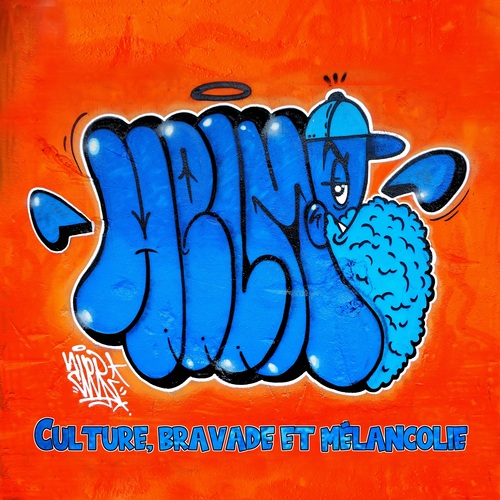
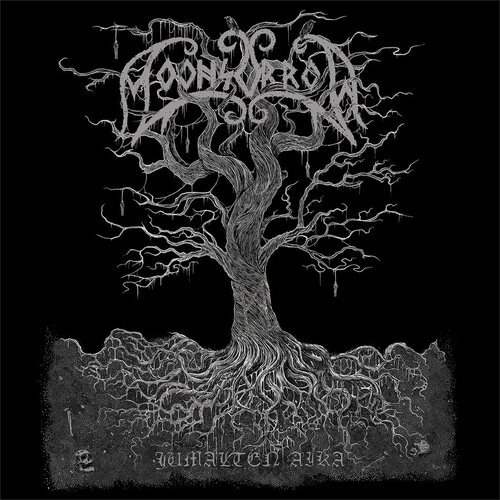
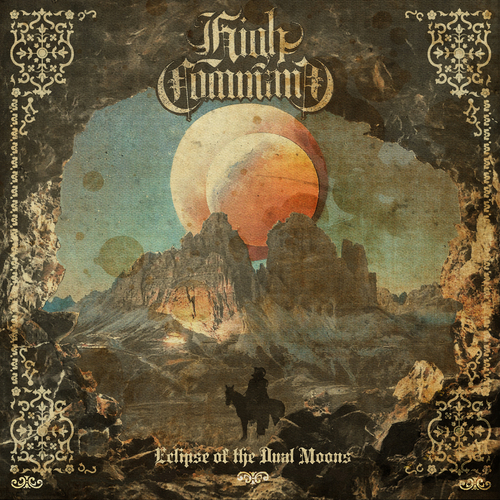
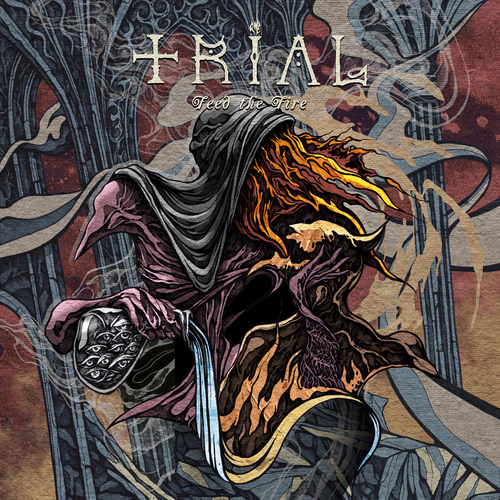
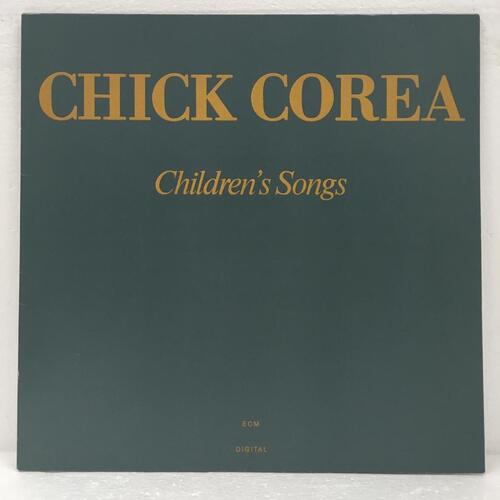
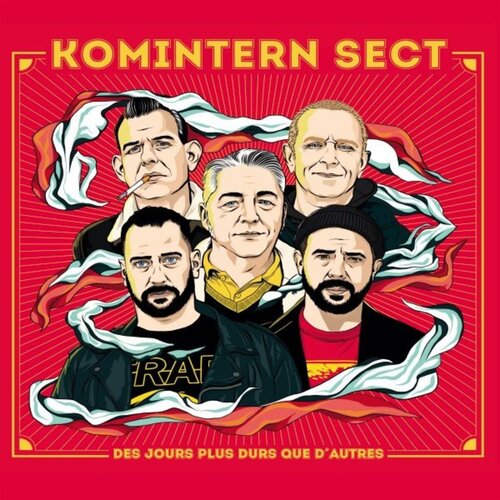
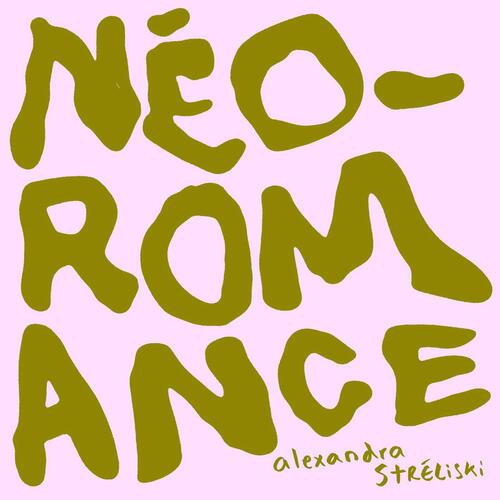
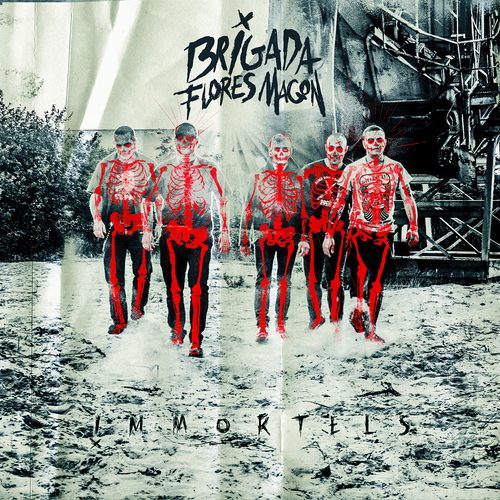
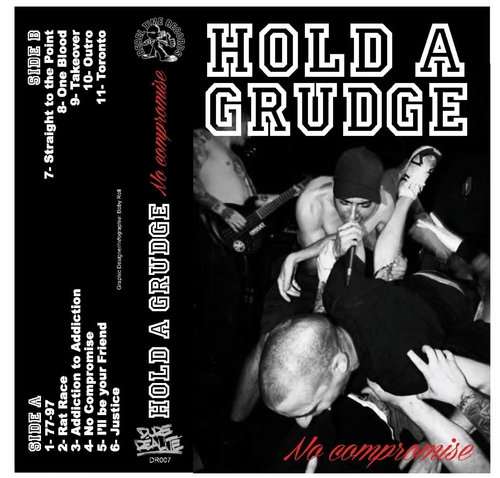
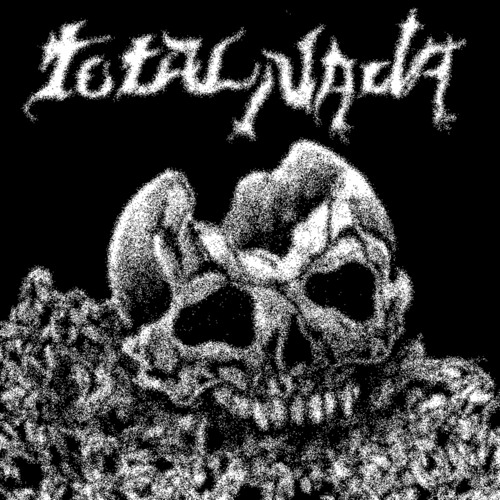
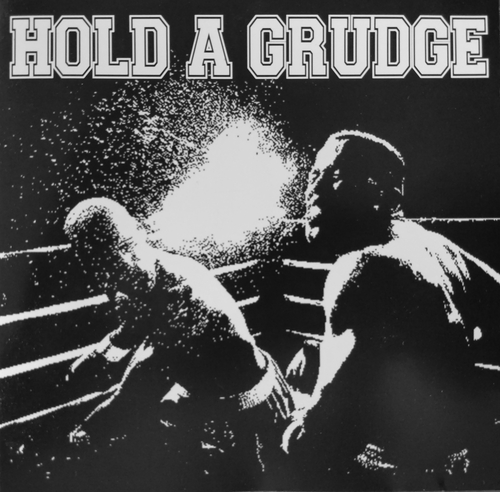
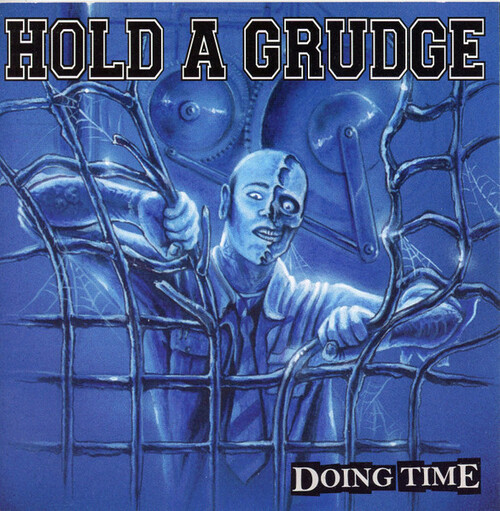
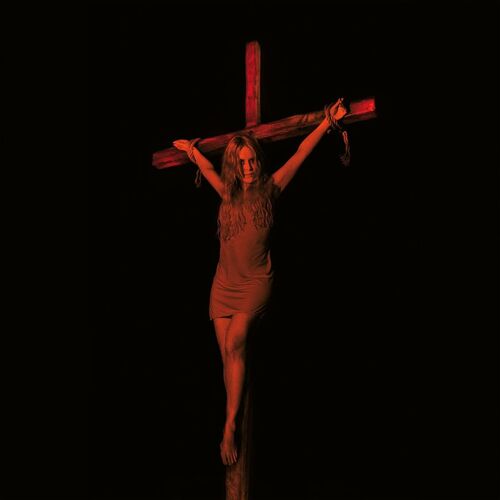
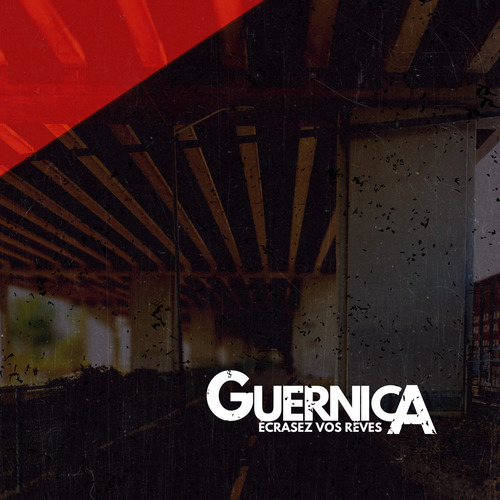
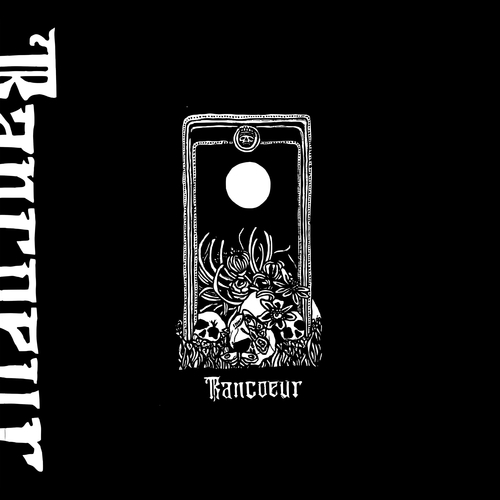
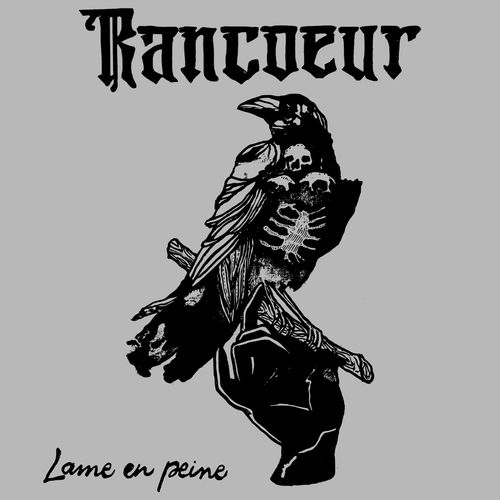
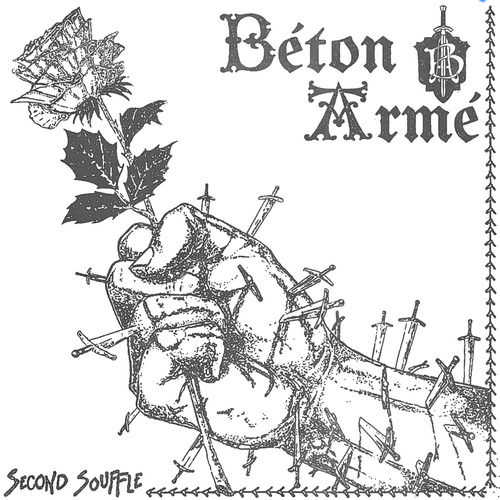
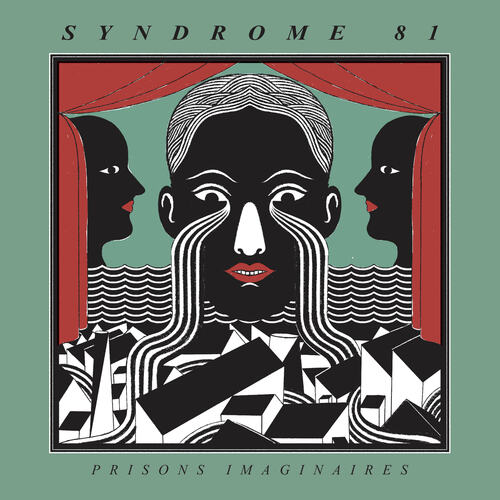
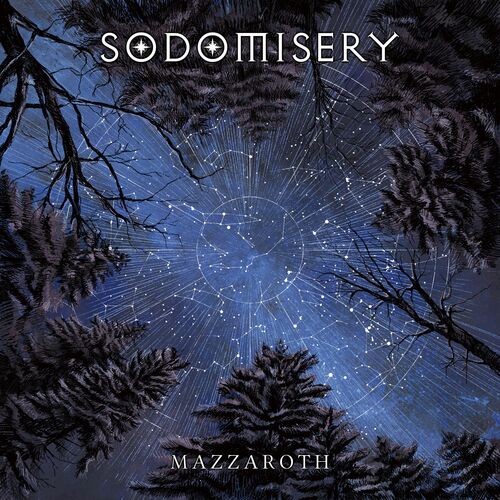
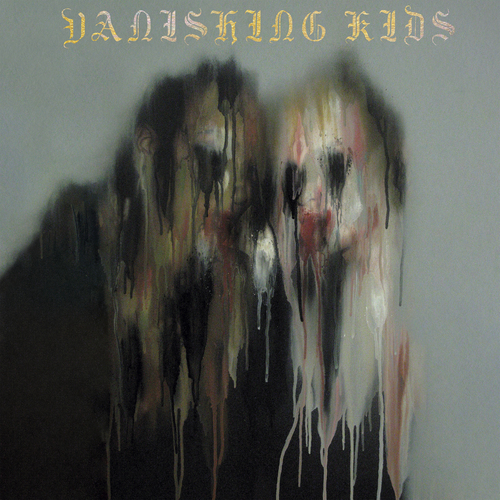
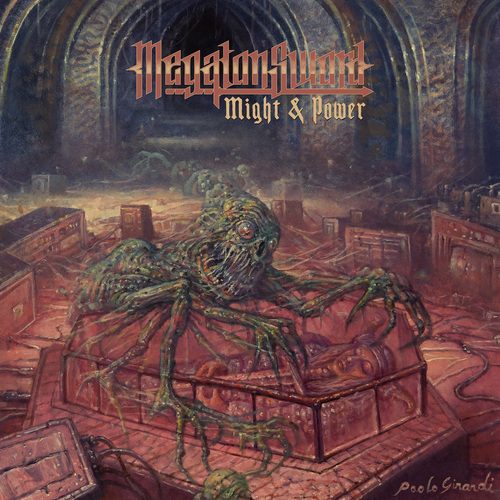
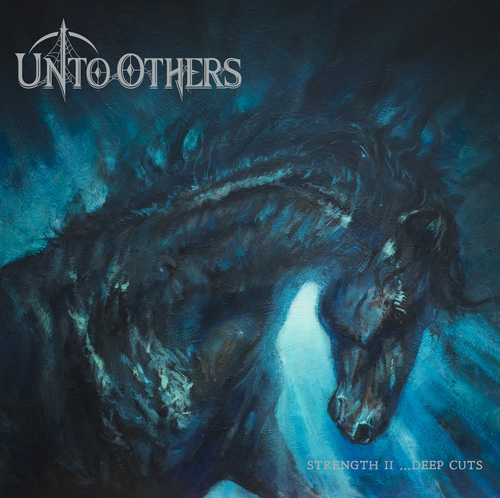
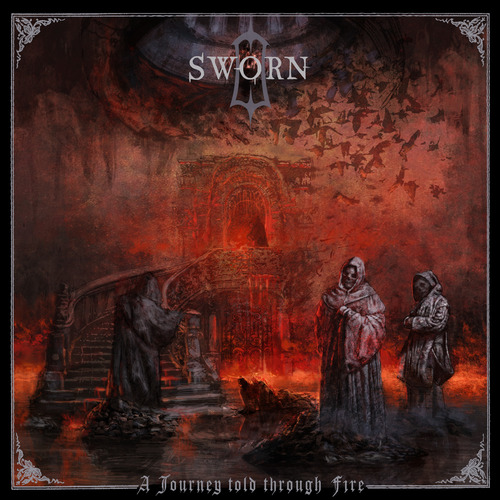
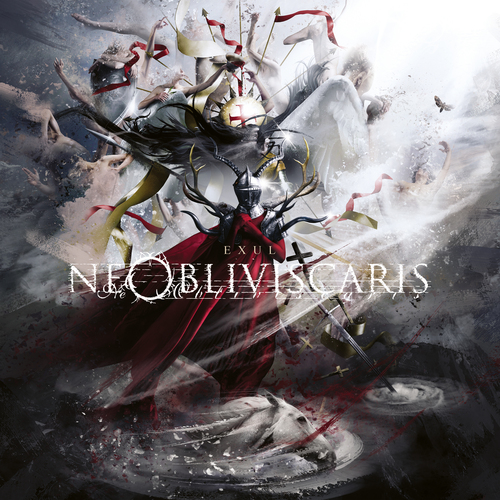
In 2023, I added 73 new albums to my collection nearly 2 albums every three
weeks! I listed them below in the order in which I acquired them.
I purchased most of these albums when I could and borrowed the rest at
libraries. If you want to browse though, I added links to the album covers
pointing either to websites where you can buy them or to Discogs when digital
copies weren't available.
Once again this year, it seems that Punk (mostly O !) and Metal dominate my
list, mostly fueled by Angry Metal Guy and the amazing Montr al
Skinhead/Punk concert scene.
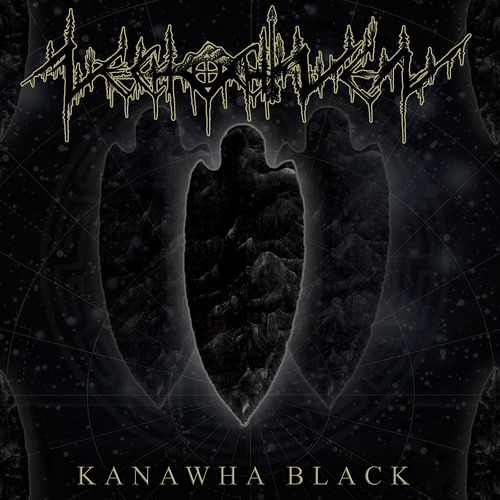
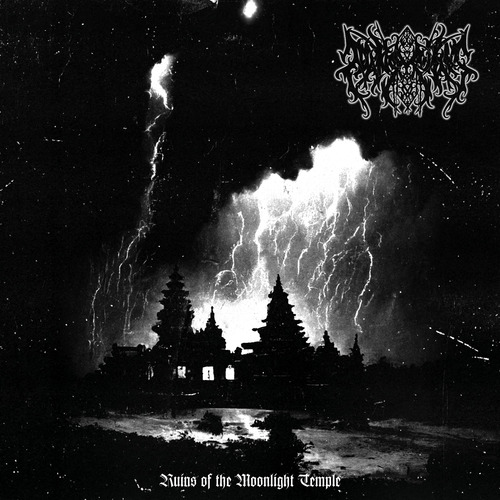
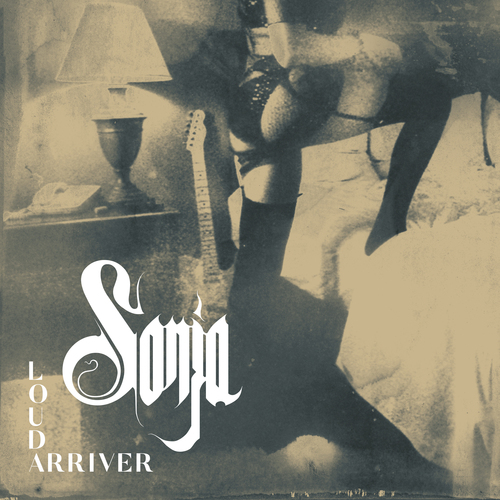

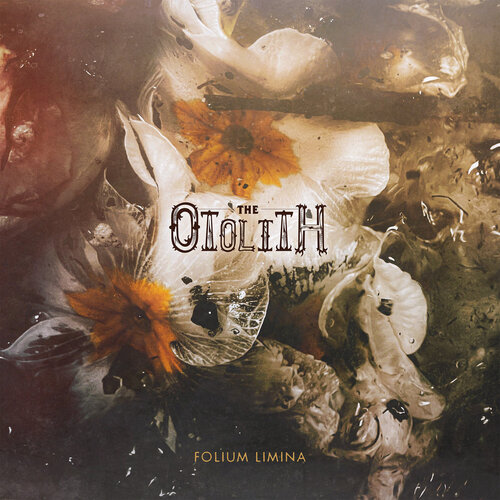


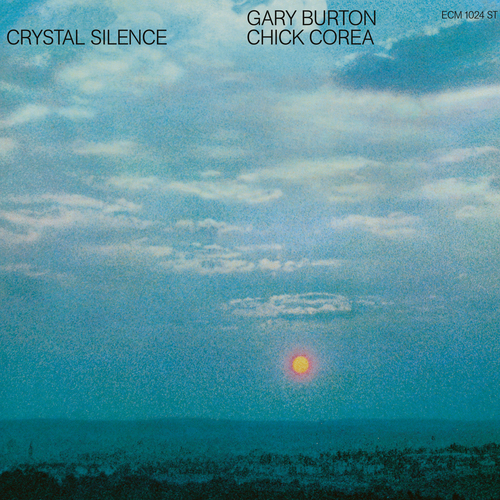
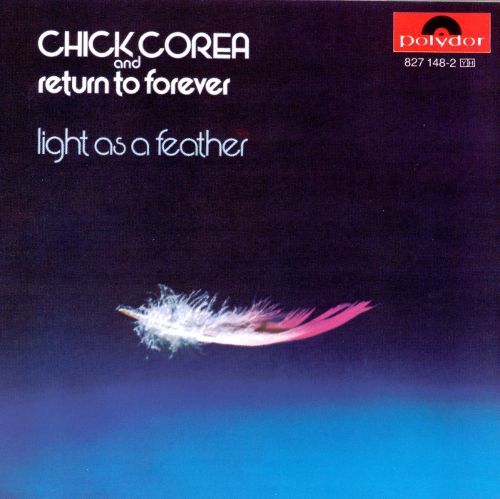




















 This year was hard from a personal and work point of view, which impacted the amount of Free Software bits I ended up doing - even when I had the time I often wasn t in the right head space to make progress on things. However writing this annual recap up has been a useful exercise, as I achieved more than I realised. For previous years see
 CW for body size change mentions
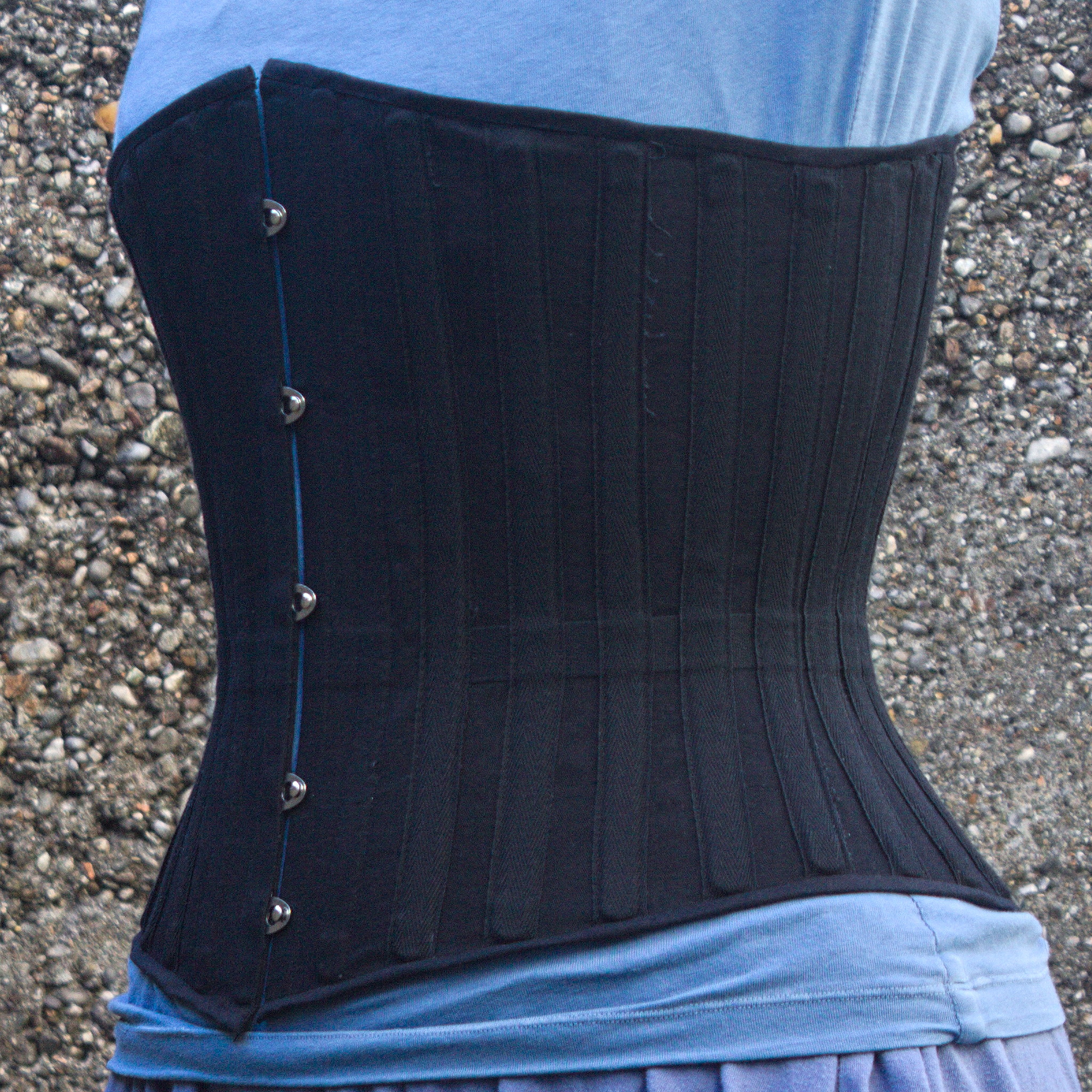
I needed a corset, badly.
Years ago I had a chance to have my measurements taken by a former
professional corset maker and then a lesson in how to draft an underbust
corset, and that lead to me learning how nice wearing a well-fitted
corset feels.
Later I tried to extend that pattern up for a midbust corset, with
success.
And then my body changed suddenly, and I was no longer able to wear
either of those, and after a while I started missing them.
Since my body was still changing (if no longer drastically so), and I
didn t want to use expensive materials for something that had a risk of
not fitting after too little time, I decided to start by making myself a
summer lightweight corset in aida cloth and plastic boning (for which I
had already bought materials). It fitted, but not as well as the first
two ones, and I ve worn it quite a bit.
I still wanted back the feeling of wearing a comfy, heavy contraption of
coutil and steel, however.
After a lot of procrastination I redrafted a new pattern, scrapped
everything, tried again, had my measurements taken by a dressmaker
[#dressmaker], put them in the draft, cut a first mock-up in cheap
cotton, fixed the position of a seam, did a second mock-up in denim
[#jeans] from an old pair of jeans, and then cut into the cheap
herringbone coutil I was planning to use.
And that s when I went to see which one of the busks in my stash would
work, and realized that I had used a wrong vertical measurement and the
front of the corset was way too long for a midbust corset.
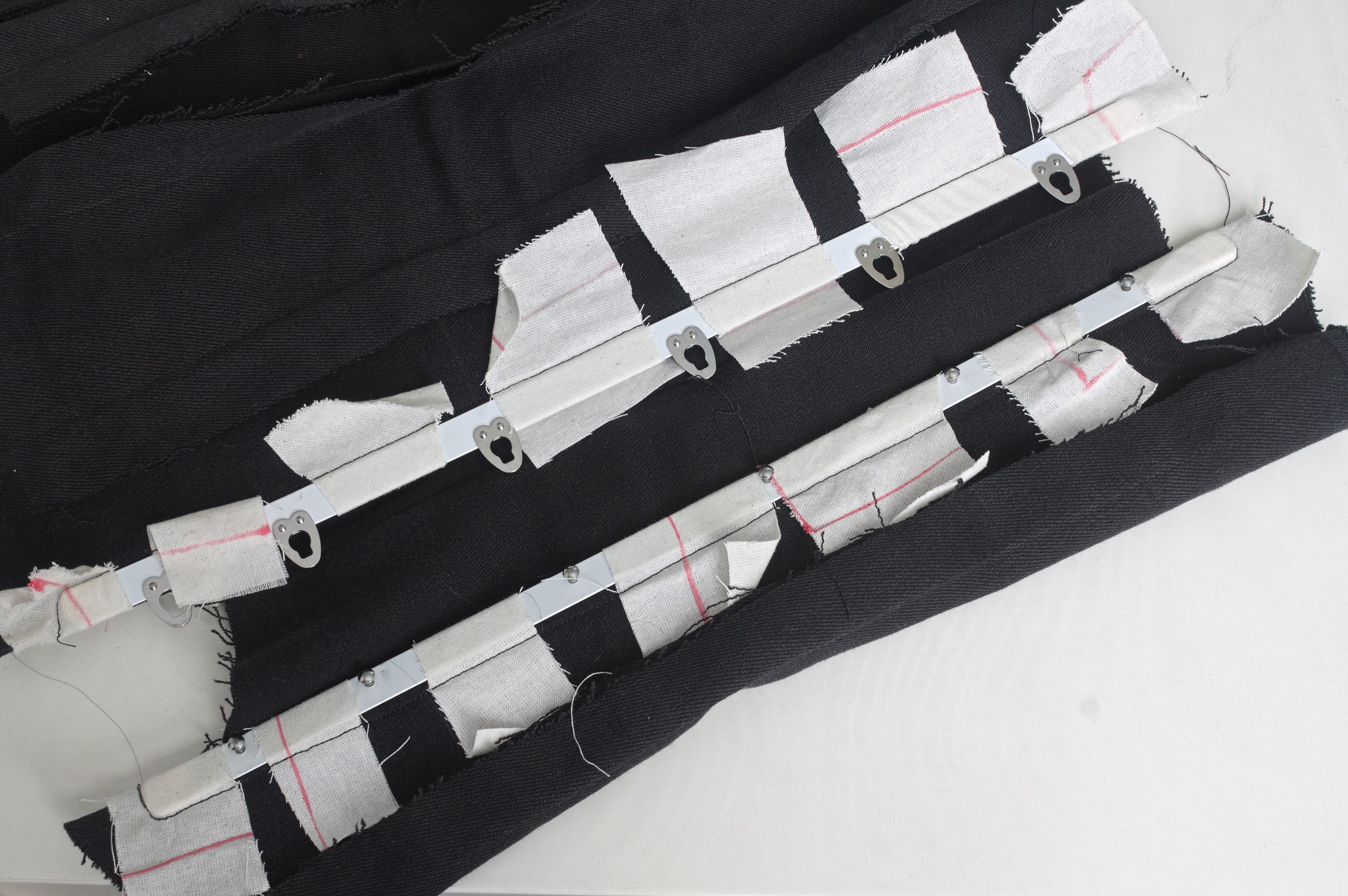 Luckily I also had a few longer busks, I basted one to the denim mock up
and tried to wear it for a few hours, to see if it was too long to be
comfortable. It was just a bit, on the bottom, which could be easily
fixed with the Power Tools
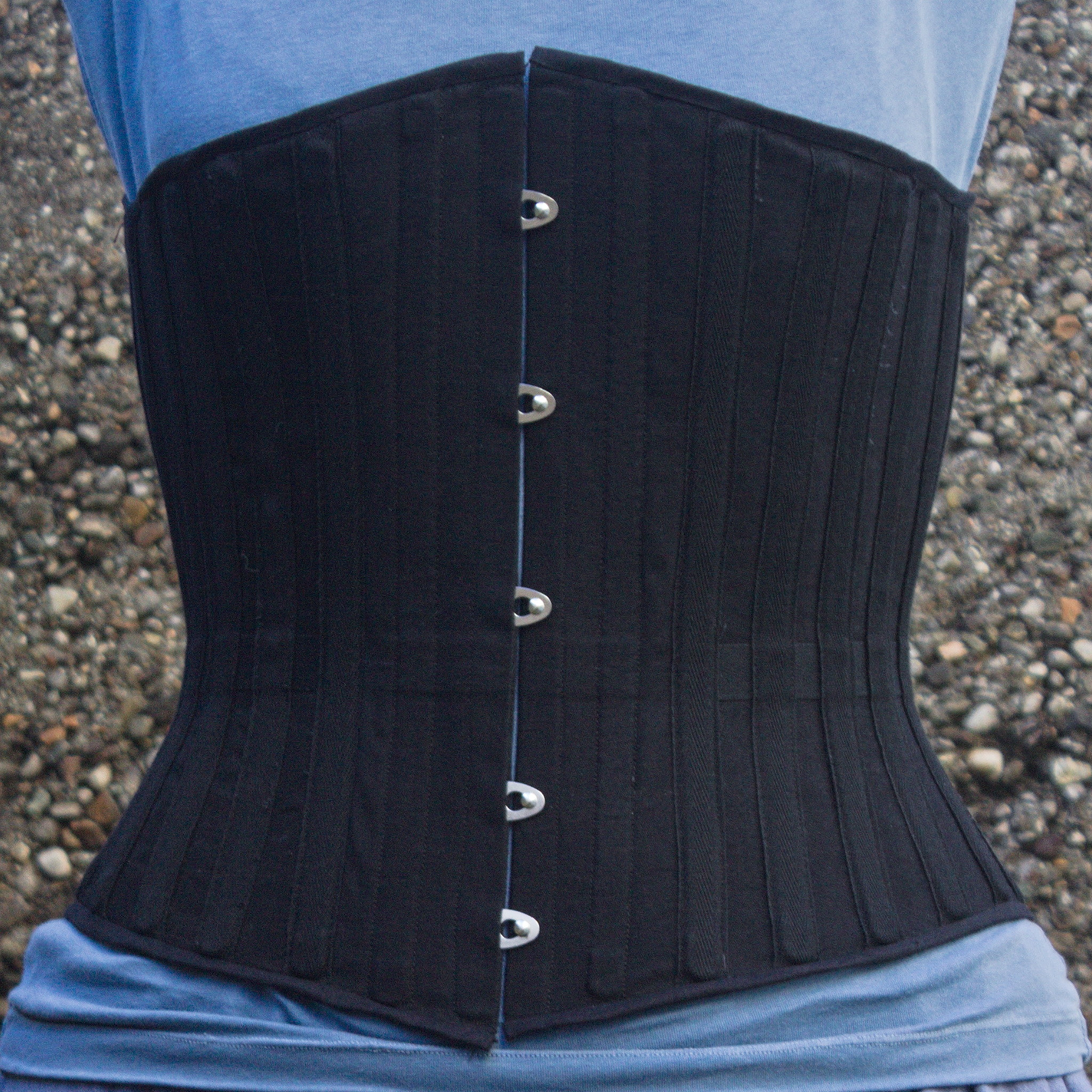 I could have been a bit more precise with the binding, as it doesn t
align precisely at the front edge, but then again, it s underwear,
nobody other than me and everybody who reads this post is going to see
it and I was in a hurry to see it finished. I will be more careful with
the next one.
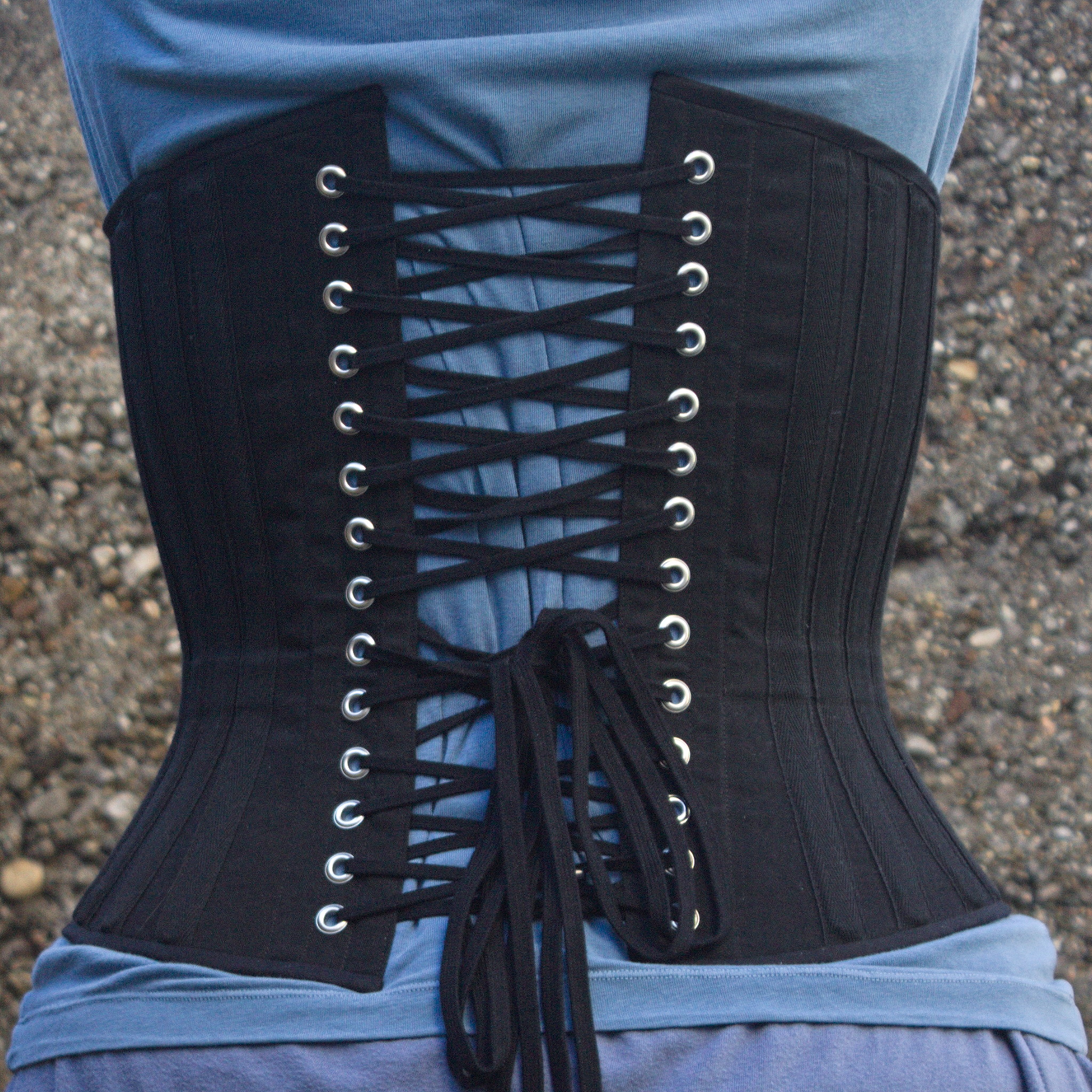 I also think that I haven t been careful enough when pressing the seams
and applying the tape, and I ve lost about a cm of width per part, so
I m using a lacing gap that is a bit wider than I planned for, but that
may change as the corset gets worn, and is still within tolerance.
Also, on the morning after I had finished the corset I woke up and
realized that I had forgotten to add garter tabs at the bottom edge.
I don t know whether I will ever use them, but I wanted the option, so
maybe I ll try to add them later on, especially if I can do it without
undoing the binding.
The next step would have been flossing, which I proceeded to postpone
until I ve worn the corset for a while: not because there is any reason
for it, but because I still don t know how I want to do it :)
What was left was finishing and uploading the
 Now copy the ISO image to the newly created instance and extract
its data:
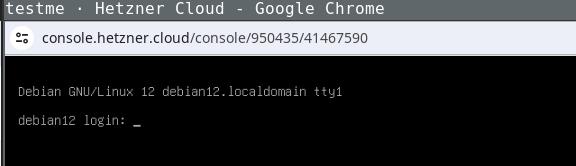
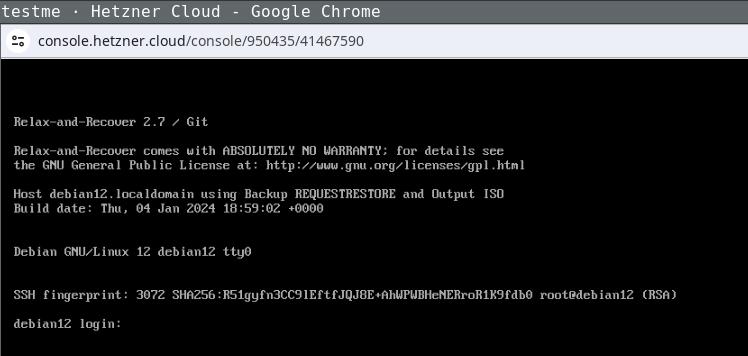 Login the recovery console (root without password) and fix its default route to
make it reachable:
 Being able to use this procedure for complete disaster recovery within Hetzner
cloud VPS (using off-site backups) gives me a better feeling, too.
 For the purposes of what I m trying to fix, there are two paths that matter.

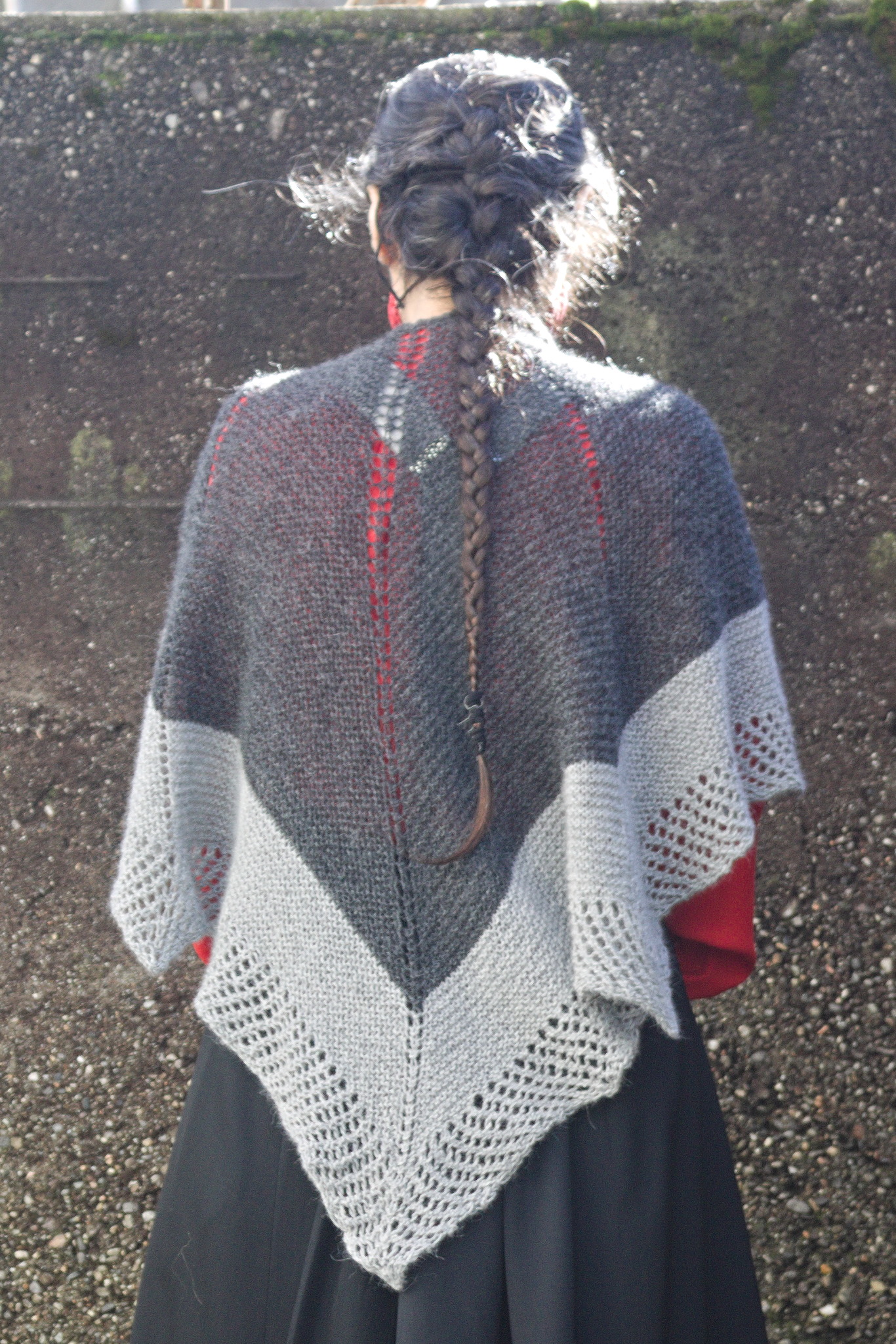 One of the knitting projects I m working on is a big bottom-up
triangular shawl in less-than-fingering weight yarn (NM 1/15): it feels
like a cloud should by all rights feel, and I have good expectations out
of it, but it s taking forever and a day.
And then one day last spring I started thinking in the general direction
of top-down shawls, and decided I couldn t wait until I had finished the
first one to see if I could design one.
For my first attempt I used an odd ball of 50% wool 50% plastic I had in
my stash and worked it on 12 mm tree trunks, and I quickly made
something between a scarf and a shawl that got some use during the
summer thunderstorms when temperatures got a bit lower, but not really
cold. I was happy with the shape, not with the exact position of the
increases, but I had ideas for improvements, so I just had to try
another time.
Digging through the stash I found four balls of Drops Alpaca in two
shades of grey: I had bought it with the intent to test its durability
in somewhat more demanding situations (such as gloves or even socks),
but then the LYS
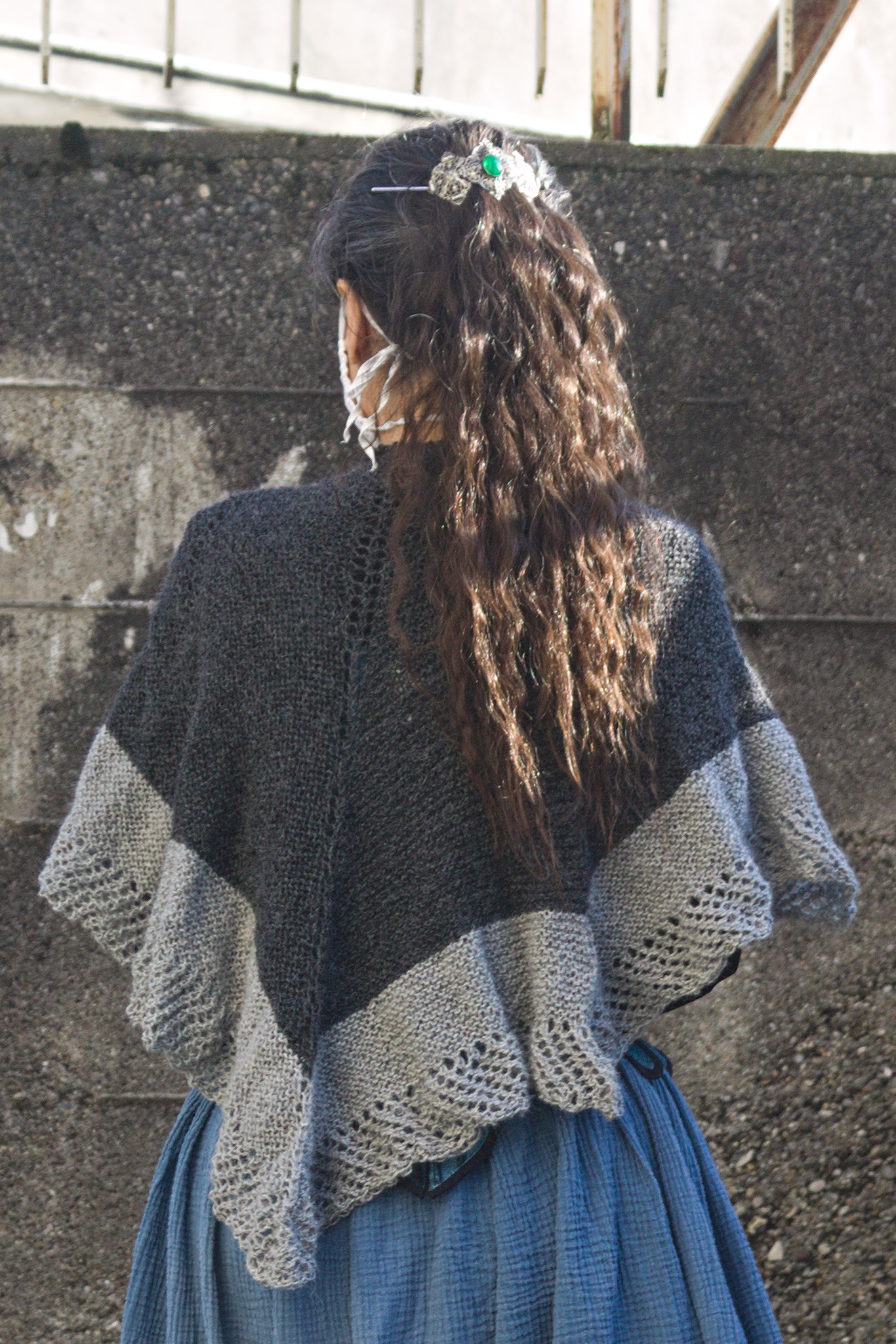
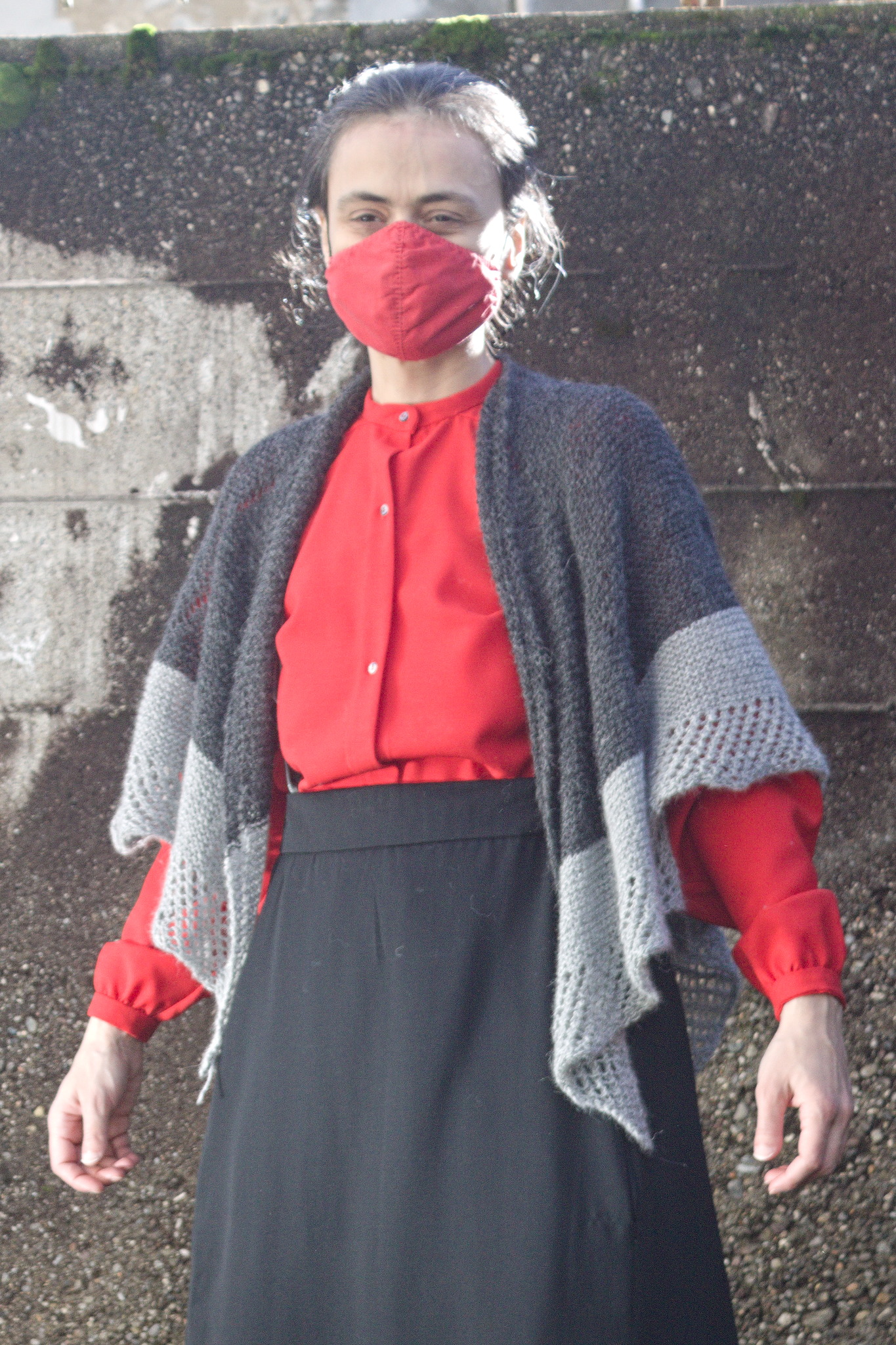 I m glad that I did it, however, as it s still soft and warm, but now
also looks nicer.
The pattern is of course online as #FreeSoftWear on
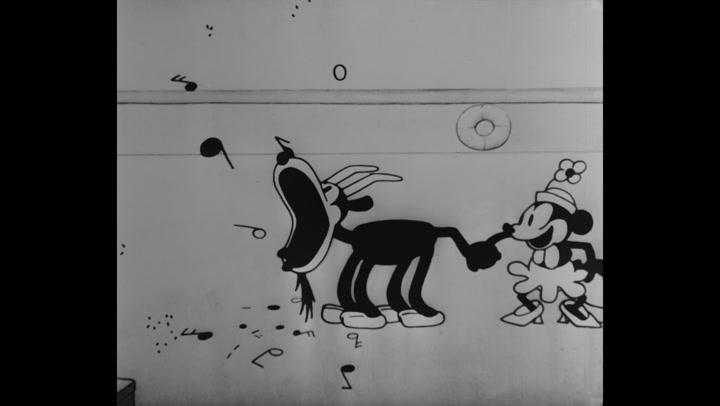 Today, the animation figure Mickey Mouse finally was released from
the corporate copyright prison, as the 1928 movie
 This post should have marked the beginning of my yearly roundups of the favourite books and movies I read and watched in 2023.
However, due to coming down with a nasty bout of flu recently and other sundry commitments, I wasn't able to undertake writing the necessary four or five blog posts In lieu of this, however, I will simply present my (unordered and unadorned) highlights for now. Do get in touch if this (or any of my previous posts) have spurred you into picking something up yourself








 By the influencers on the famous proprietary video platform
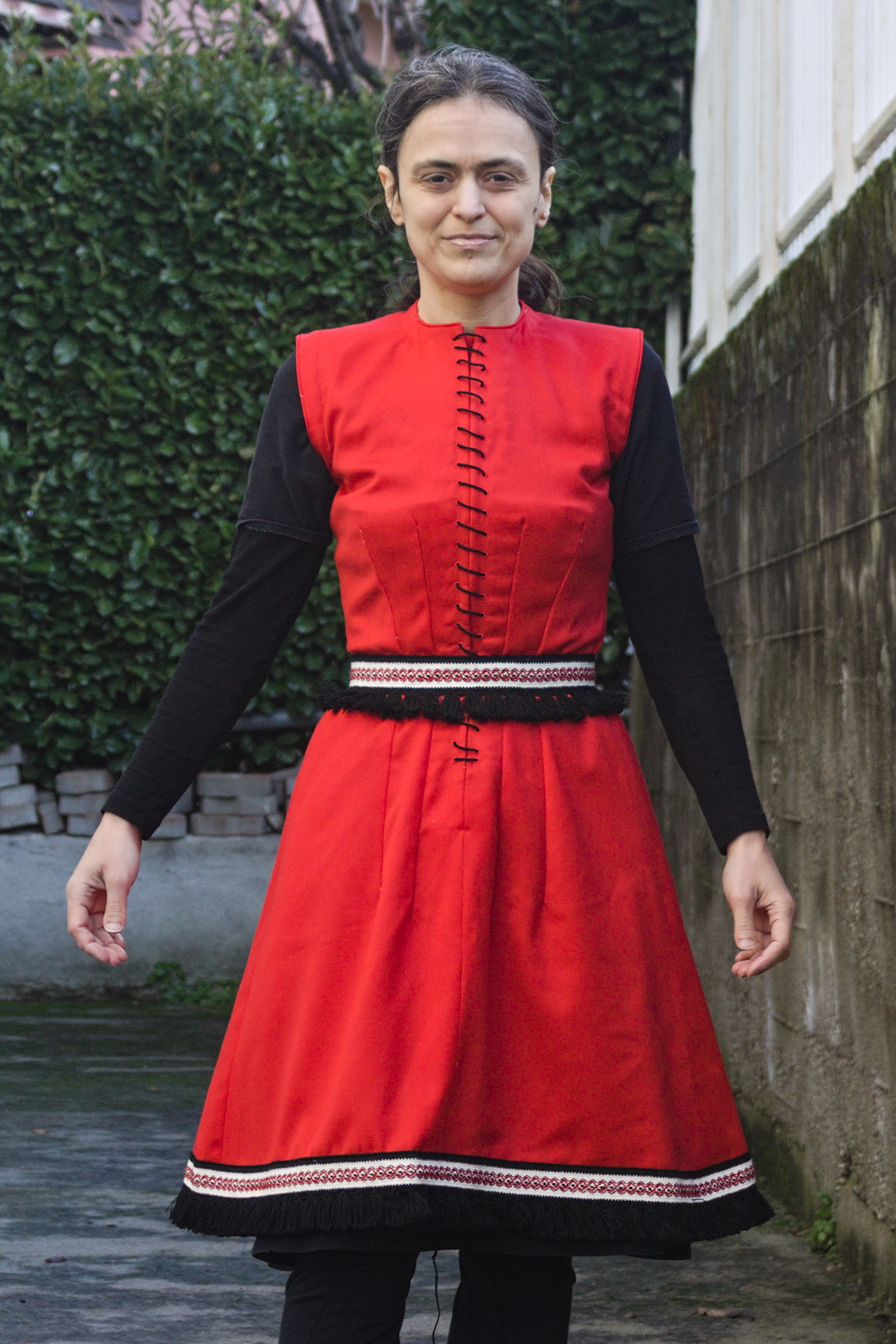
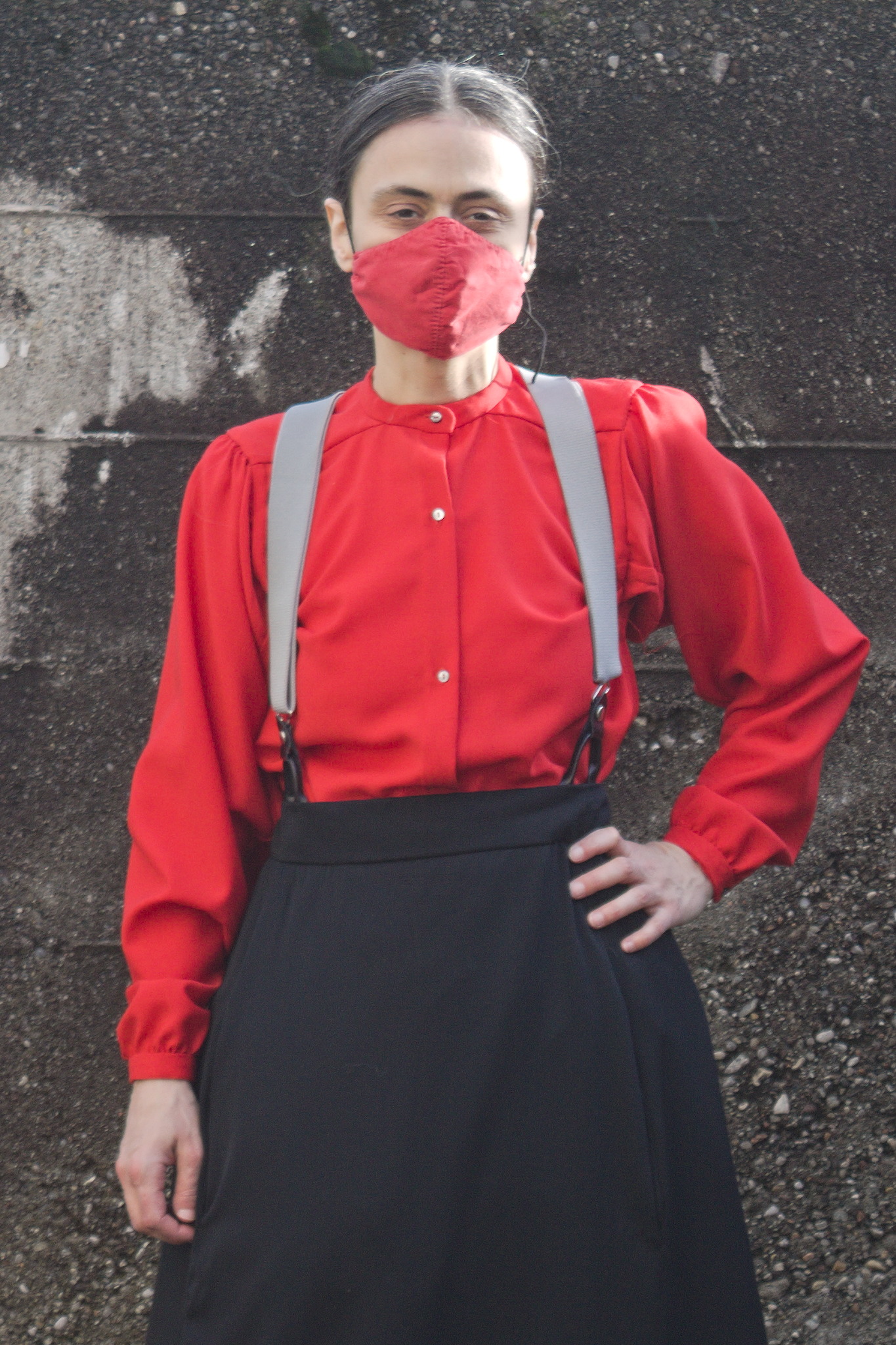 Anyway, my brain suddenly decided that I needed a red wool dress, fitted
enough to give some bust support. I had already made a
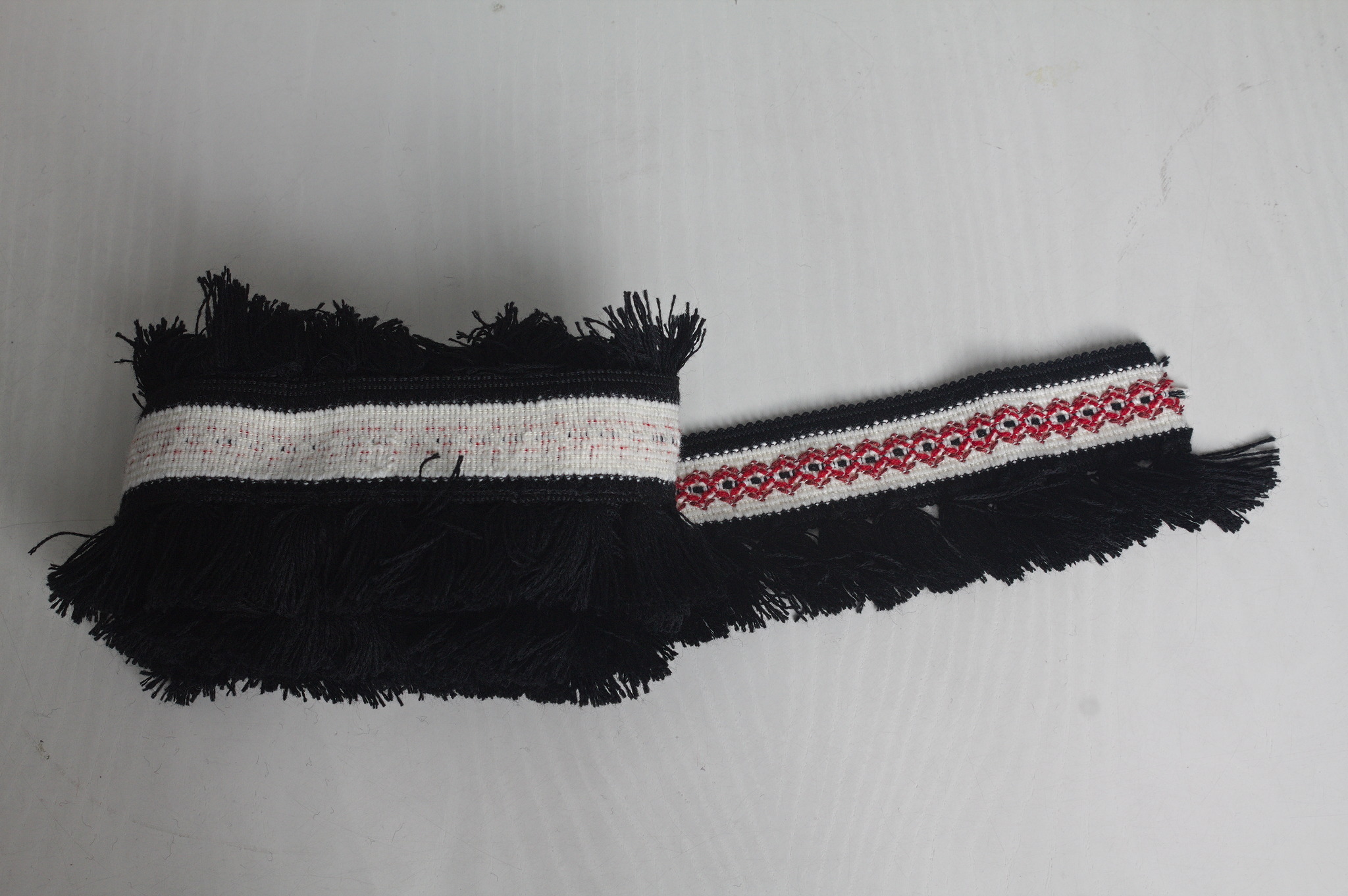 I knew that I didn t have enough fabric to add a flounce to the hem, as
in the cotton dress, but then I remembered that some time ago I fell for
a piece of fringed trim in black, white and red. I did a quick check
that the red wasn t clashing (it wasn t) and I knew I had a plan for the
hem decoration.
Then I spent a week finishing other projects, and the more I thought
about this dress, the more I was tempted to have spiral lacing at the
front rather than buttons, as a nod to the kirtle inspiration.
It may end up be a bit of a hassle, but if it is too much I can always
add a hidden zipper on a side seam, and only have to undo a bit of the
lacing around the neckhole to wear the dress.
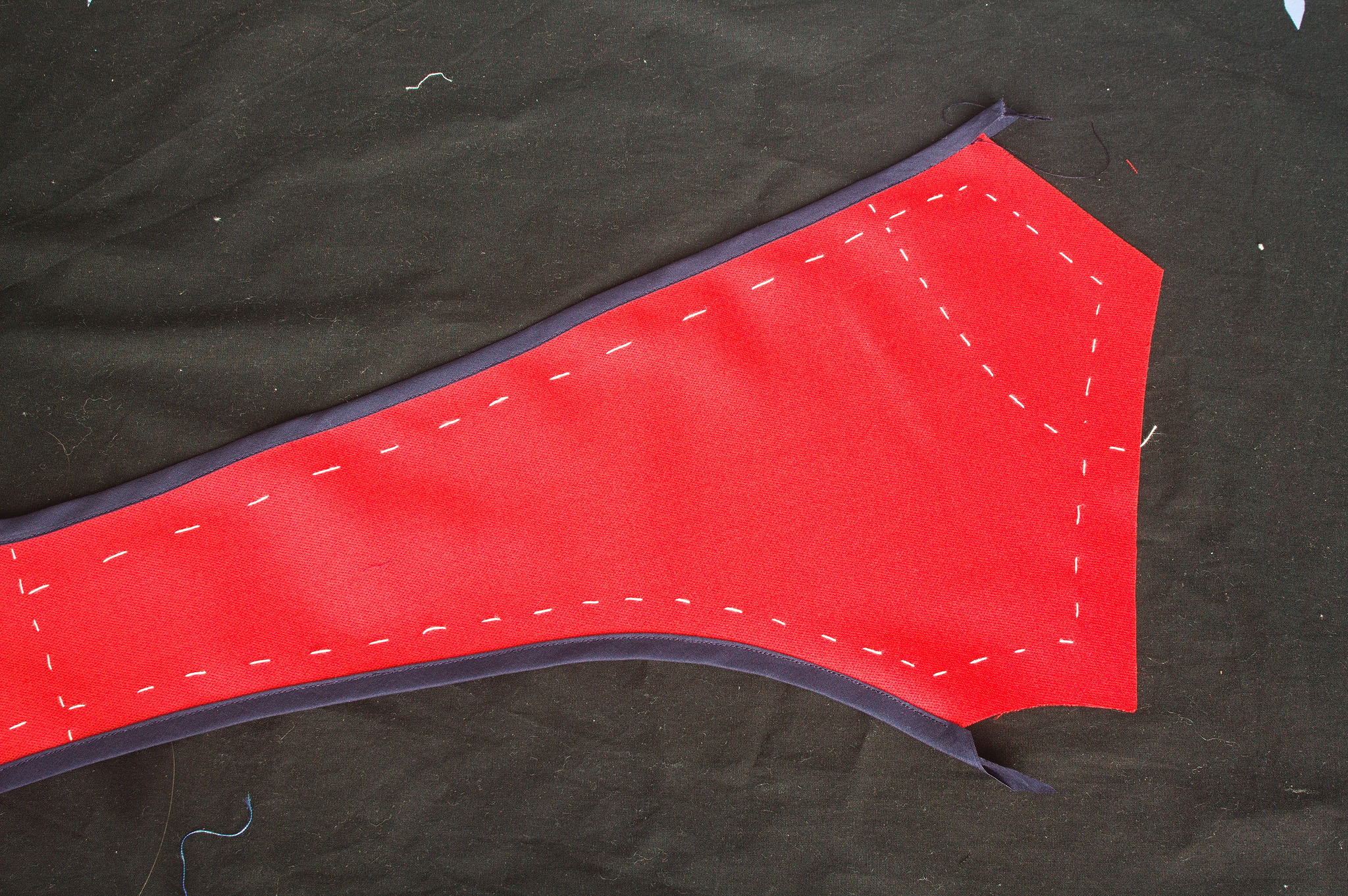
Finally, I could start working on the dress: I cut all of the main
pieces, and since the seam lines were quite curved I marked them with
tailor s tacks, which I don t exactly enjoy doing or removing, but are
the only method that was guaranteed to survive while manipulating this
fabric (and not leave traces afterwards).
 While cutting the front pieces I accidentally cut the high neck line
instead of the one I had used on the cotton dress: I decided to go for
it also on the back pieces and decide later whether I wanted to lower
it.
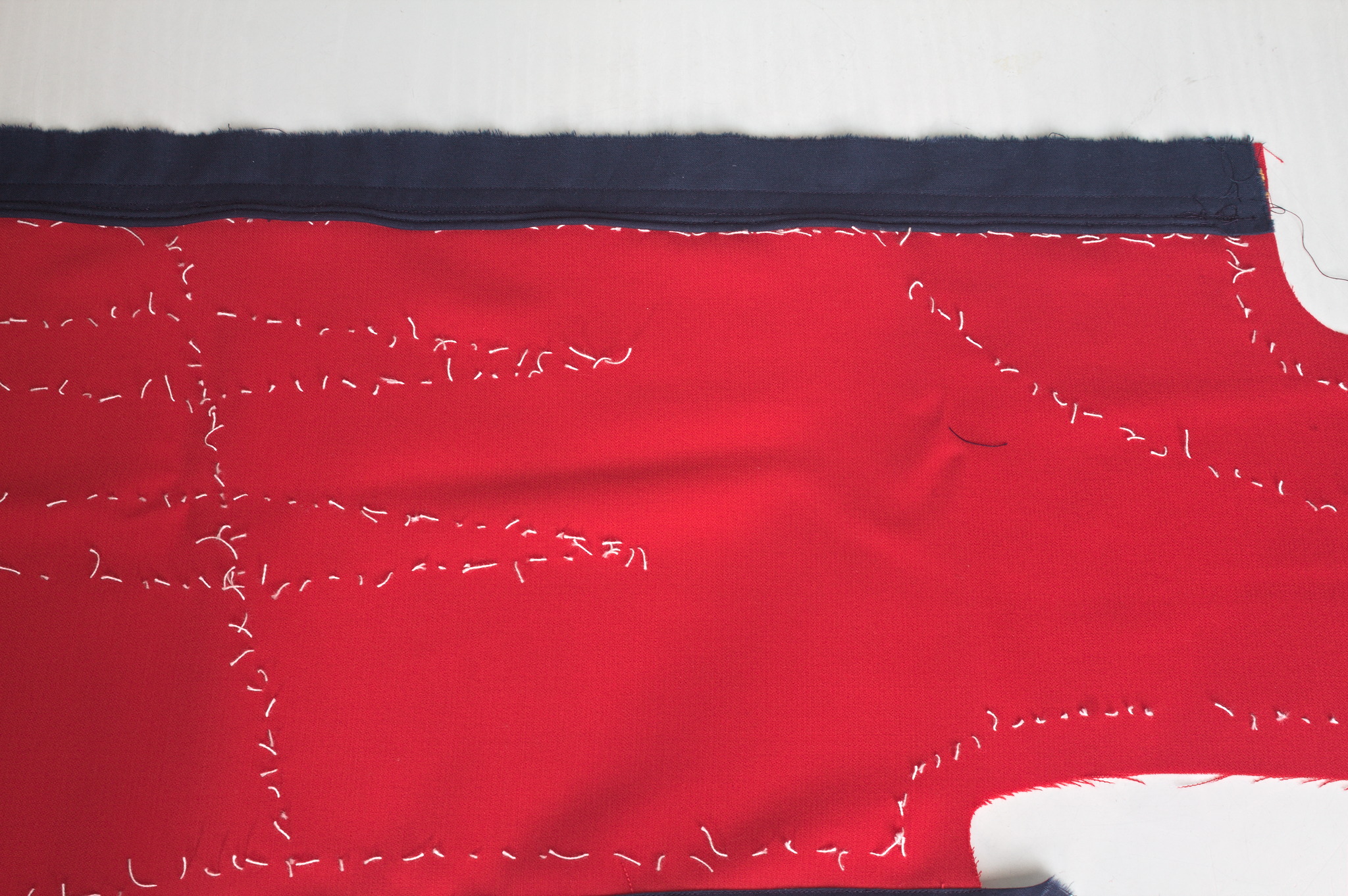
Since this is a modern dress, with no historical accuracy at all, and I
have access to a serger, I decided to use some dark blue cotton voile
I ve had in my stash for quite some time, cut into bias strip, to bind
the raw edges before sewing. This works significantly better than bought
bias tape, which is a bit too stiff for this.
 For the front opening, I ve decided to reinforce the areas where the
lacing holes will be with cotton: I ve used some other navy blue cotton,
also from the stash, and added two lines of cording to stiffen the front
edge.
So I ve cut the front in two pieces rather than on the fold, sewn the
reinforcements to the sewing allowances in such a way that the corded
edge was aligned with the center front and then sewn the bottom of the
front seam from just before the end of the reinforcements to the hem.
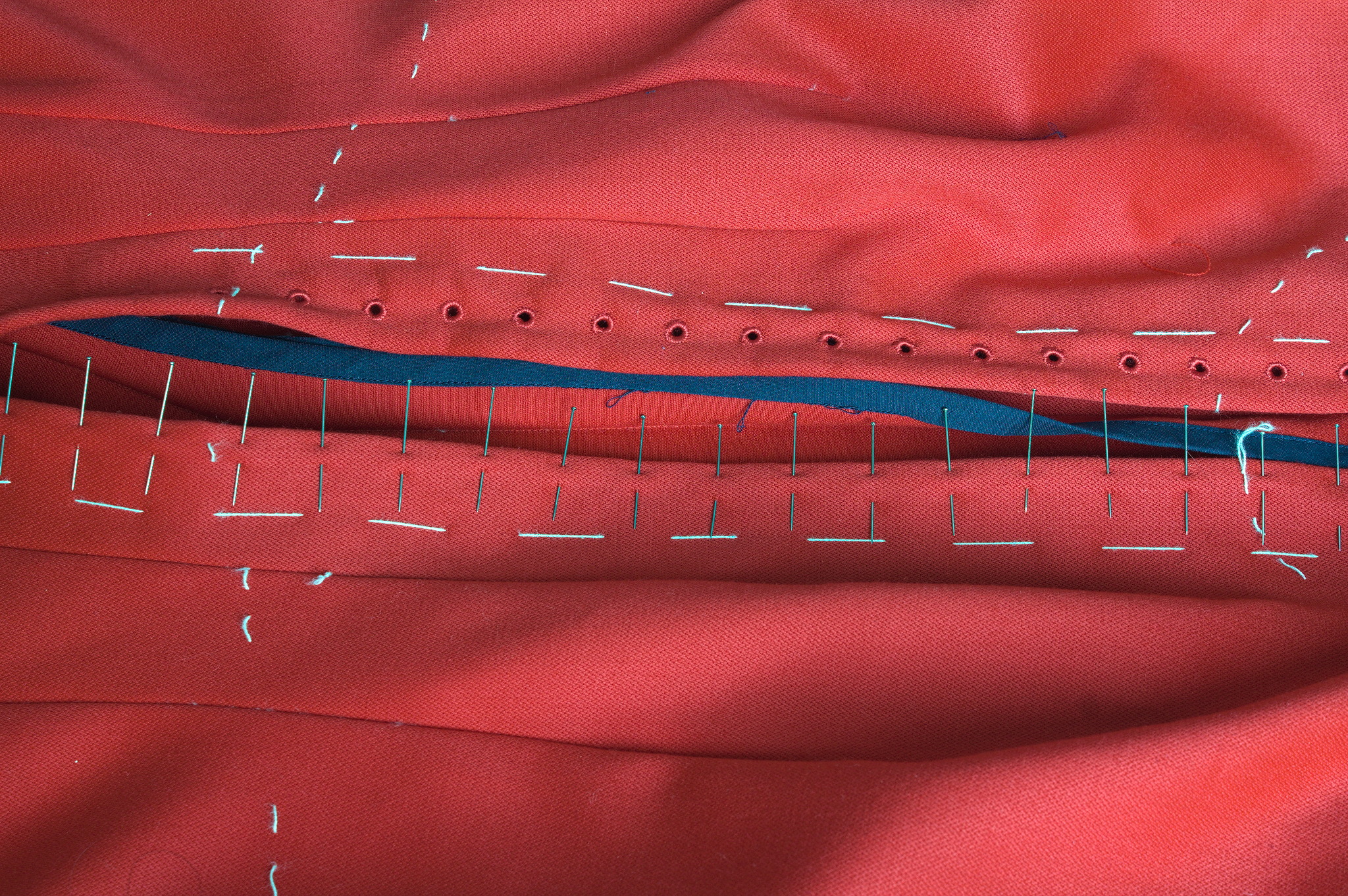 The allowances are then folded back, and then they are kept in place
by the worked lacing holes. The cotton was pinked, while for the wool I
used the selvedge of the fabric and there was no need for any finishing.
Behind the opening I ve added a modesty placket: I ve cut a strip of red
wool, a strip of cotton, folded the edge of the strip of cotton to the
center, added cording to the long sides, pressed the allowances of the
wool towards the wrong side, and then handstitched the cotton to the
wool, wrong sides facing. This was finally handstitched to one side of
the sewing allowance of the center front.
I ve also decided to add real pockets, rather than just slits, and for
some reason I decided to add them by hand after I had sewn the dress, so
I ve left opening in the side back seams, where the slits were in the
cotton dress. I ve also already worn the dress, but haven t added the
pockets yet, as I m still debating about their shape. This will be fixed
in the near future.
Another thing that will have to be fixed is the trim situation: I like
the fringe at the bottom, and I had enough to also make a belt, but this
makes the top of the dress a bit empty. I can t use the same fringe
tape, as it is too wide, but it would be nice to have something smaller
that matches the patterned part. And I think I can make something
suitable with tablet weaving, but I m not sure on which materials to
use, so it will have to be on hold for a while, until I decide on the
supplies and have the time for making it.
Another improvement I d like to add are detached sleeves, both matching
(I should still have just enough fabric) and contrasting, but first I
want to learn more about real kirtle construction, and maybe start
making sleeves that would be suitable also for a real kirtle.
Meanwhile, I ve worn it on Christmas (over my 1700s menswear shirt with
big sleeves) and may wear it again tomorrow (if I bother to dress up to
spend New Year s Eve at home :D )
 Read all parts of the series
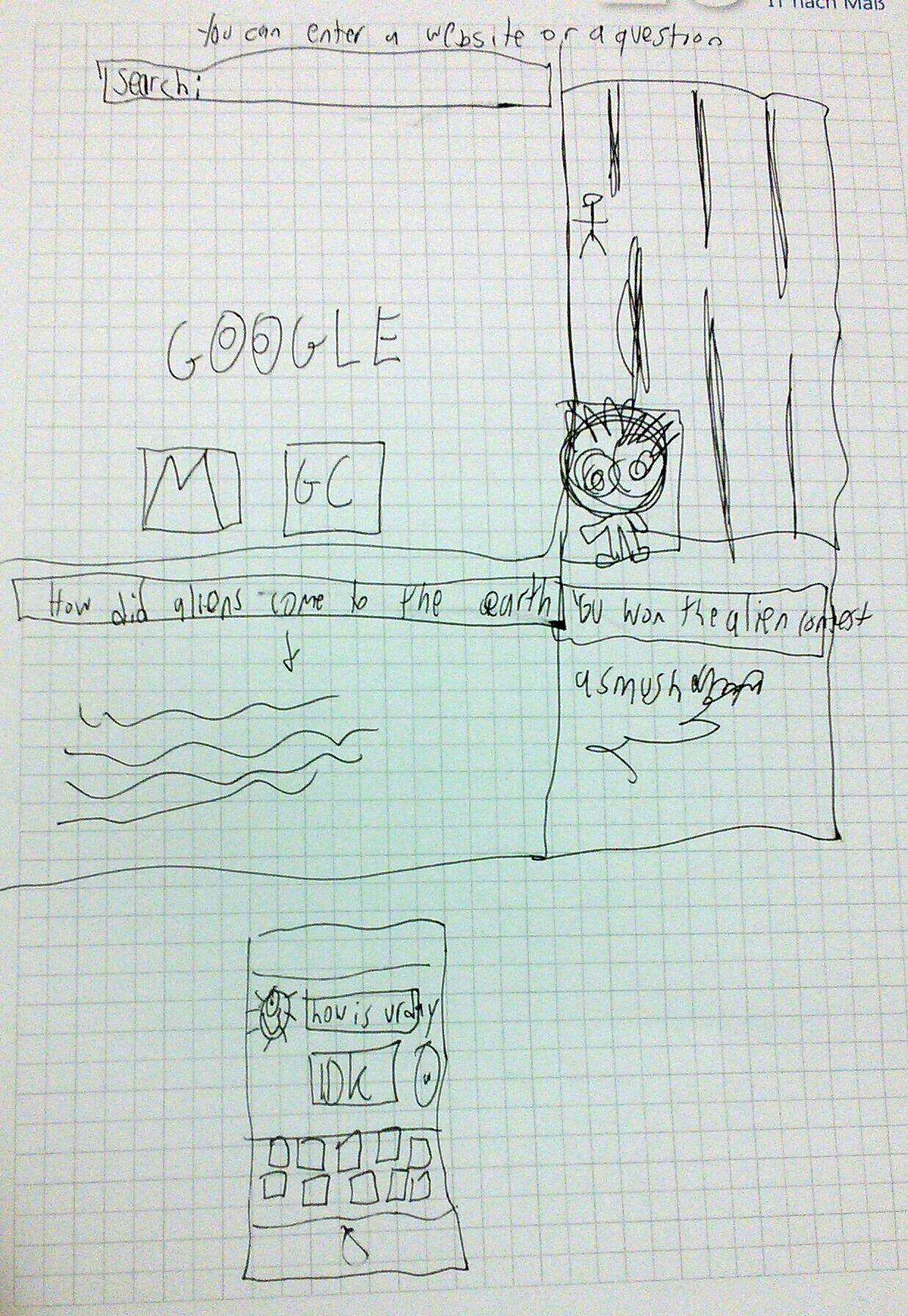 And here s what he explains about his drawing:
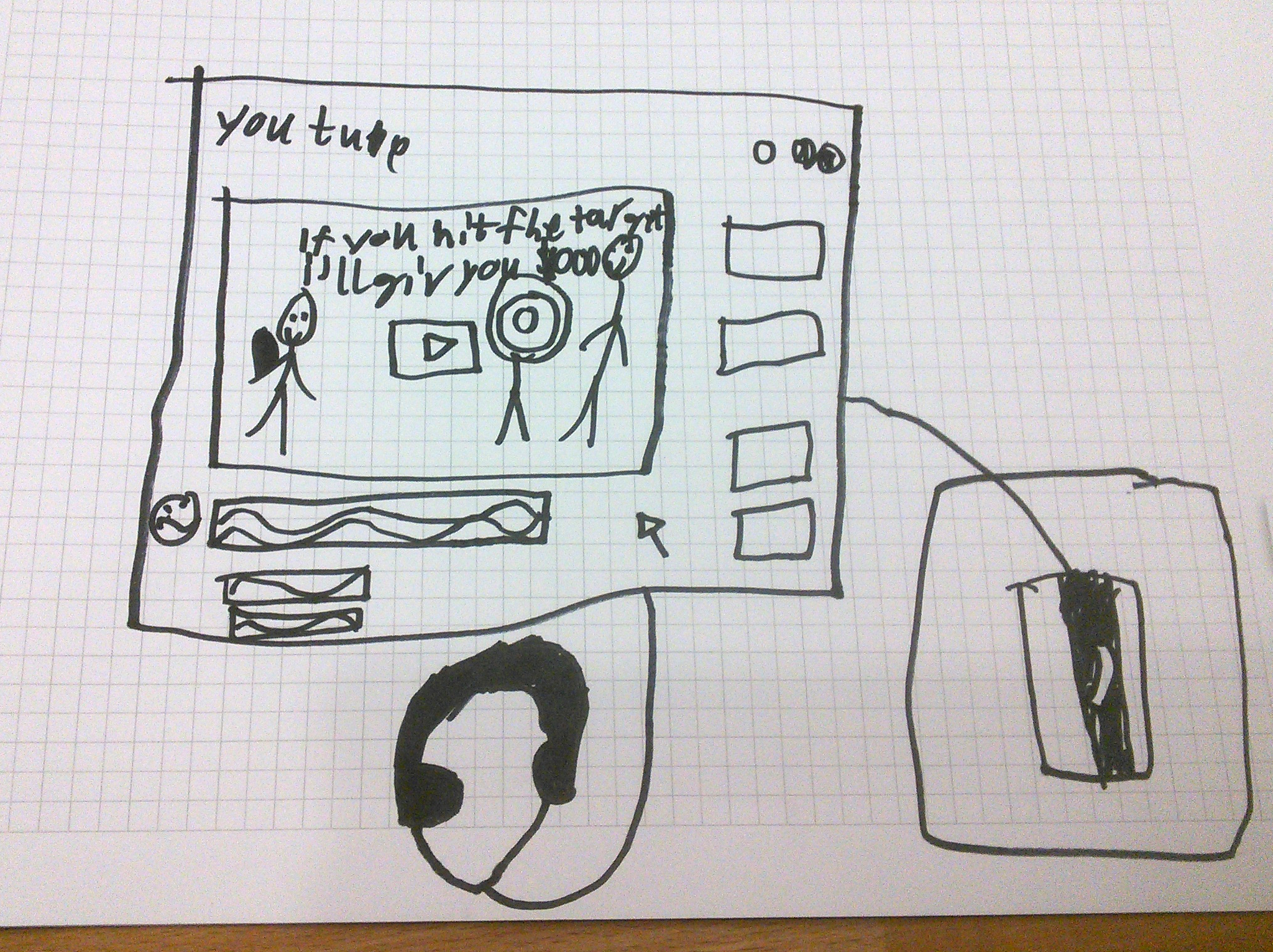 In their drawing we see a Youtube prank channel on a screen, an external
trackpad on the right (likely it s not a touch screen), and headphones.
Notice how there is no keyboard, or maybe it s folded away.
If you could ask a nice and friendly dragon anything you d like to
learn about the internet, what would it be?
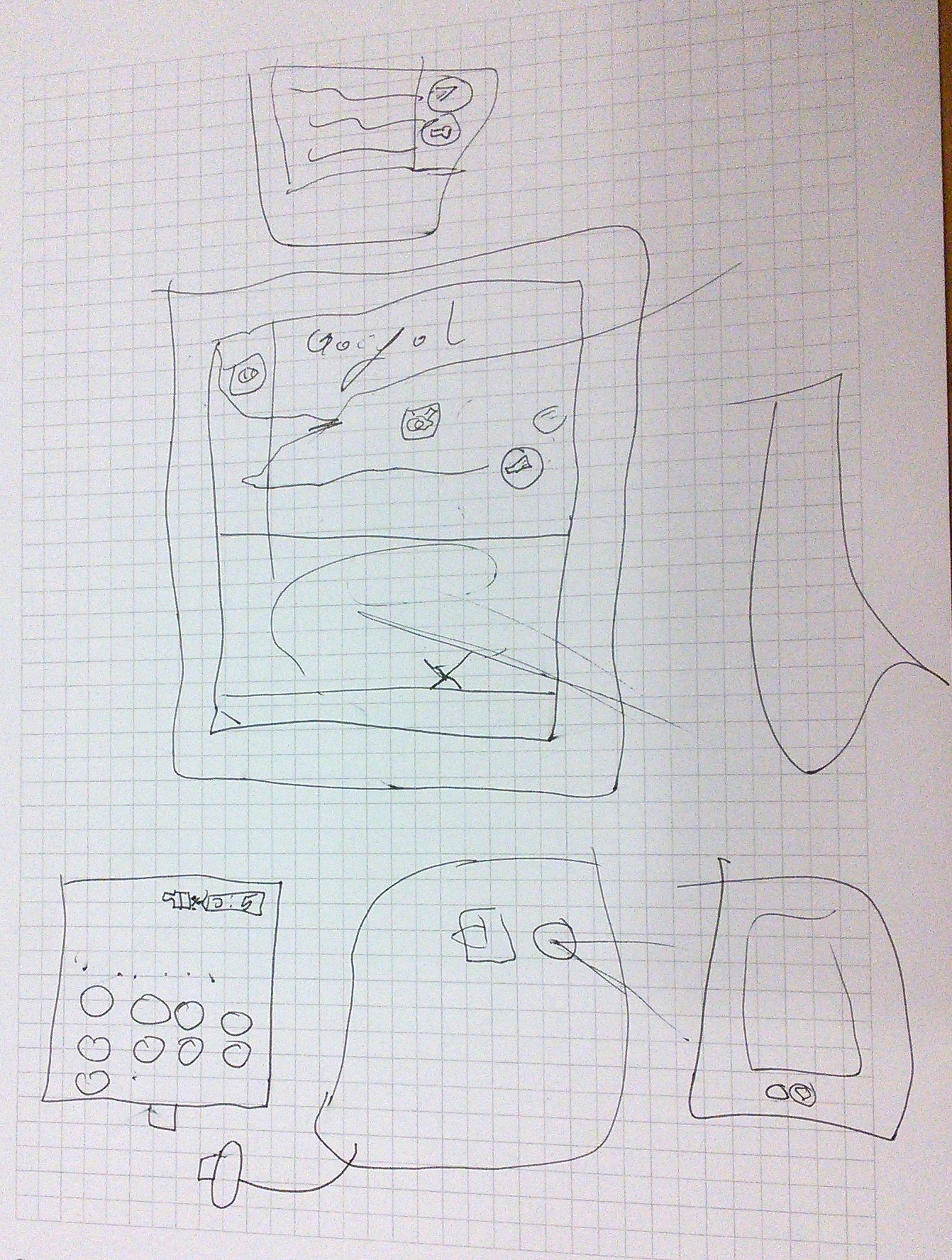 In her drawing, we see again Google - it s clearly everywhere - and also
the interfaces for calling and texting someone.
To explain what the internet is, besides the fact that one
can use it for calling and listening to music, she says:
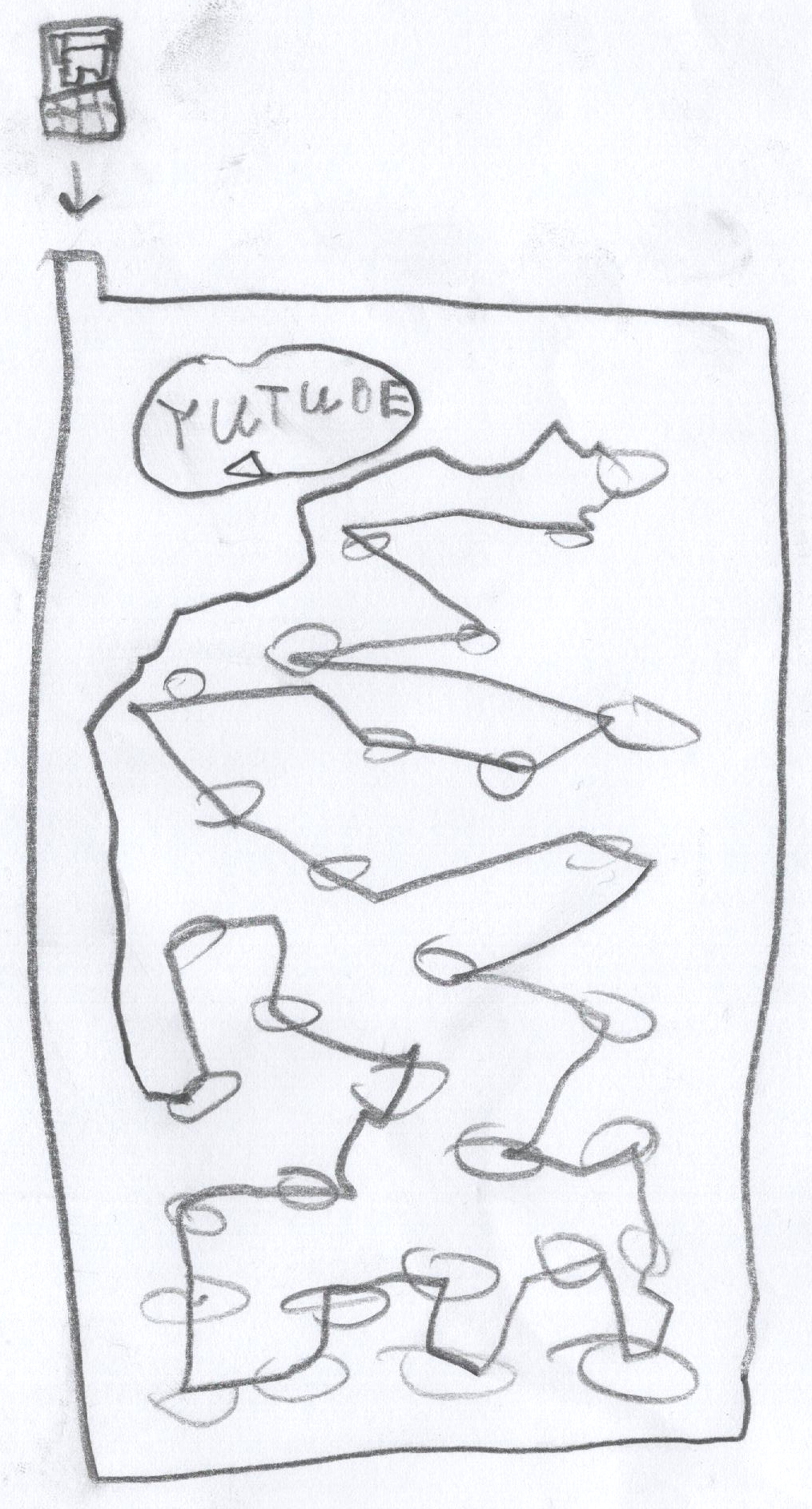 When I asked if he knew what actually happens between the device and a
website he visits, he put forth the hypothesis of the existence of some
kind of