Ian Jackson: The Rust Foundation's bad draft trademark policy
tl;dr
The Rust Foundation s proposed new trademark policy is far too restrictive, and will cause (more) drama unless it is substantially revised.
Process
Rust is a trademark owned by the Foundation.
The Rust Foundation still seems to be finding its feet. Evidently, one of the items on its backlog was to update the trademark policy. Apparently they have been working on this for some time, in an informal working group.
In August, there was a survey. (I saw it in This Week In Rust, the community-curated newsletter where most important stuff appears, and responded.) I don t think the results of this survey have been published anywhere.
Last week (12th April) the Foundation published an official Inside Rust blog post linking to a draft. They included a link to a feedback survey, closing on the 17th of April i.e., it was open for 5 days.
This is far too short a period for formal feedback on such a draft. Especially given that this process has apparently already been generating significant controversy within parts of the Rust community.
Substance
Overall, this policy is poor. It is far too restrictive.
It is likely to lead to (further) controversy and argument, including conflicts with Rust s downstreams. It does not serve the needs of the Rust community.
In particular, the Rust community does not need the trademark to:
 comments
- Maintain the quality of software called Rust.
- Prevent people distributing badly-modified versions of its software, even called Rust , provided that users know what they are getting.
- Prevent people impersonating the Rust Project (for example by registering competing domain names).
- Prevent people economically exploiting the value of the brand by holding shabby or vacuous conferences etc. (so requiring approval for e.g. conferences makes sense).
- Free Software distributions derived from official Rust software, provided it s recognisably similar. (I.e., you must change its name if you make other big changes too.)
- Free Software libraries written in Rust, or interfacing to Rust, in non-Rust-specific software repositories (including source hosting systems like gitlab, distro package managers e.g. Debian apt, and package managers for other languages e.g. npm).
rust-<name-of-crate> is probably in violation.
There are a number of more detailed problems with the wording.
Values
The policy has all the hallmarks of excessive influence from traditional trademark lawyers and not enough influence from the Free Software community.
I would like to remind the Free Software activists on the inside of this process that the lawyers are there to serve you and the community.
The values embodied in trademark law often conflict with the values of the Free Software community. The Rust Project should adopt a trademark policy which follows the community s values - even if that might weaken our ability to sue evildoers.
Next steps
The Foundation should take a step back and pause the process.
Then, the Foundation should restart the process from a much earlier stage, with much wider publicity. Each stage should be widely advertised to the whole community, with opportunities for feedback.
This should include publishing the results of the August 2022 survey. The Foundation should publish a sketch of the legal advice they have received, publicly say what the plausible options are and what their consequences might be (for the community, for downstreams, and for the Foundation s enforcement ability).
(Some of this will no doubt repeat the work that has been done in the informal trademark working group. That work wasn t widely enough advertised.)
Echoes of a dispute from 2006
Mozilla made a very similar mistake with Firefox in 2006.
The official policy stated that no-one was allowed to distribute Firefox with any patches, unless those patches had been pre-approved by Mozilla.
Debian is committed to Software Freedom. This must includes the freedom to modify the software as one sees fit, even if the original authors don t agree.
Now, overly-restrictive trademark policies are hardly new. Debian often takes the practical view that usually the upstream with such a policy doesn t really mean it.
But Mozilla decided they did mean it. They contacted Debian asking for Debian to get their patches approved.
Since that wasn t acceptable to Debian, they stopped using the word Firefox . For a decade, Debian s Firefox browser was called Iceweasel .
We don t want something similar happening to Rust . Previously, I explained

 I wrote the
 Wrong sort of shim, but canned language bindings would be handy
 This is what I imagine it looks like inside these libraries
 I've been pondering what should happen to personal websites once the owner has
passed, or otherwise "moved on". Some time ago I stumbled across a
 B chel Tivoli light that didn t work
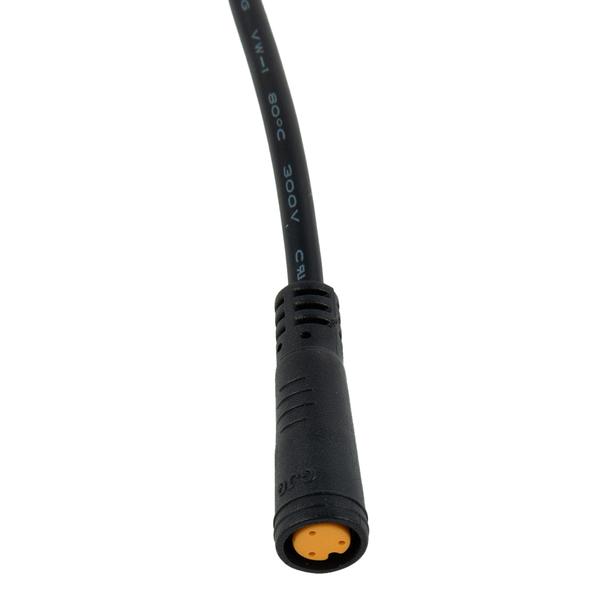 Cable for the throttle port
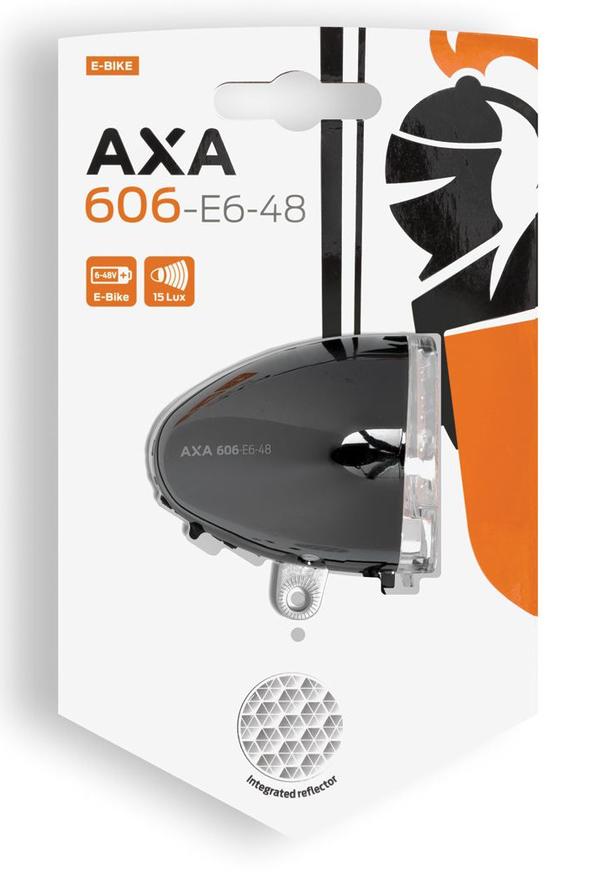 Axa 606 E6-48 light
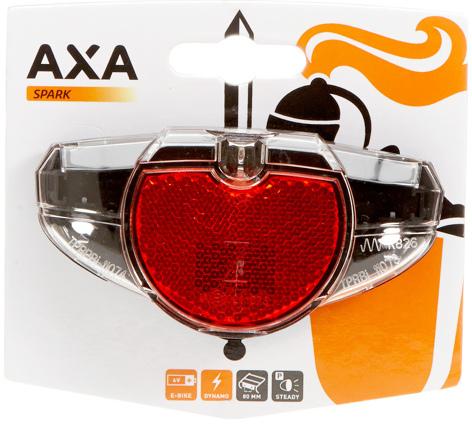 Axa Spark light
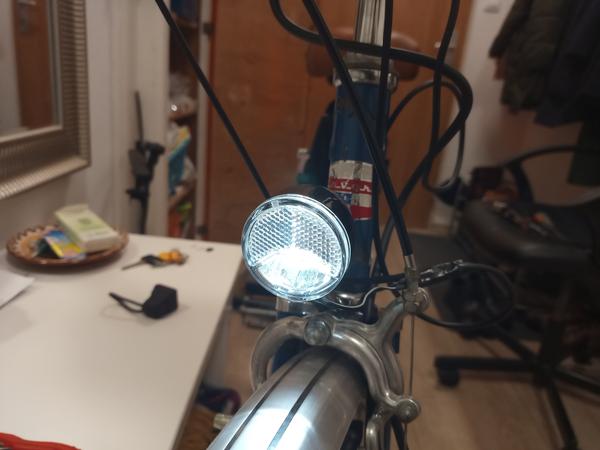 Front light
 Rear light

 I recently bought a
 While I am not the biggest fan of Docker, I must admit it has quite some reach across various service providers and can often be seen as an API for running things in isolated environments.
One such service provider is GitHub when it comes to their Actions service.
I have no idea what isolation technology GitHub uses on the outside of Actions, but inside you just get an Ubuntu system and can run whatever you want via Docker as that comes pre-installed and pre-configured. This especially means you can run things inside vanilla Debian containers, that are free from any GitHub or Canonical modifications one might not want ;-)
So, if you want to run, say,
 Nesse ano a MiniDebConf Brasil est de volta! A comunidade brasileira de
usu rios(as) e desenvolvedores(as) Debian convida a todos(as) a participarem da
