This is a post describing my involvement with the
Debian GNU/Linux port for
RISC-V (unofficial and not endorsed by Debian
at the moment) and announcing the availability of the repository (still very
much WIP) with packages built for this architecture.
If not interested in the story but you want to check the repository, just jump to the bottom.
Roots
A while ago, mostly during 2014, I was involved in the
Debian port for OpenRISC
(or1k)
about which I posted (by coincidence) exactly 2 years ago.
The two of us working on the port stopped in August or September of that year,
after knowing that the copyright of the code to add support for this
architecture in GCC would not be assigned to the
FSF, so
it would never be added to GCC upstream unless the original authors changed
their mind (which they didn't) or there was a clean-room reimplementation (which
didn't happen so far).
But a few other key things contributed to the decision to stop working on that
port, which bear direct relationship to this story.
One thing that particularly influenced me to stop working on it was a sense of
lack of purpose, all things considered, for the OpenRISC port that we were
working on.
For example, these chips are sometimes used as part of bigger devices by Samsung
to control or wake up other chips; but it was not clear whether there would ever
be devices with OpenRISC as the main chip, specially in devices powerful enough
to run Linux or similar kernels, and Debian on top. One can use FPGAs to
synthesise OpenRISC or1k, but these are slow, and expensive when using lots of
memory.
Without prospects of having hardware easily available to users, there's not much
point in having a whole Debian port ready to run on hardware that never comes to
be.
Yeah, sure, it's fun to create such a port, but it's tons of work to maintain
and keep it up to-date forever, and with close to zero users it's very
unrewarding.
Another thing that contributed to decide to stop is that, at least in my
opinion, 32-bit was not future-proof enough for general purpose computing,
specially for new devices and ports
starting to take off on that time and age.
There was some incipient work to create another OpenRISC design for 64-bits, but
it was still in an early phase.
My secret hope and ultimate goal was to be able to run as much a free-ish
computer as possible
as my main system. Still today many people are buying
and using 32-bit devices, like small boards; but very few use it as their main
computer or servers for demanding workloads or complex services. So for me,
even if feasible if one is very austere and dedicated, OpenRISC or1k failed that
test.
And lastly, another thing happened at the time...
Enter RISC-V
In August 2014, at the point when we were fully acknowledging the problem of
upstreaming (or rather, lack thereof) the support for OpenRISC in GCC,
RISC-V was announced to the world, bringing along papers
with suggestive titles such as
Instruction Sets Should Be Free: The Case For
RISC-V
(
pdf) and
articles like
RISC-V: An Open Standard for SoCs - The case for an open
ISA in EE
Times.
RISC-V (as the previous RISC-n
marks) had been designed (or rather,
was being
designed, because it
was and
is an as yet unfinished standard) by people
from UC Berkeley, including
David
Patterson,
the pioneer of RISC computer designs and co-author of the seminal book
Computer Architecture: A Quantitative Approach . Other very capable people
are also also leading the project, doing the design and legwork to make it
happen see the list of
contributors.
But, apart from throwing names, the project has many other merits.
Similarly to OpenRISC, RISC-V is an open instruction set architecture (ISA), but
with the advantage of being designed in more recent times (thus avoiding some
mistakes and optimising for problems discovered more recently, as technology
evolves); with more resources; with support for instruction widths of 32, 64 and
even 128 bits; with a clean set of standard but optional extensions (atomics,
float, double, quad, vector, ...); and with reserved space to add new extensions
in ordered and compatible ways.
In the view of some people in the OpenRISC community, this unexpected
development in a way made irrelevant the ongoing update of OpenRISC for 64-bits,
and from what I know and for better or worse, all efforts on that front stopped.
Also interestingly (if nothing else, for my purposes of running as much a free
system as possible), was that the people behind RISC-V had strong intentions to
make it useful to create modern hardware, and were pushing heavily towards it
from the beginning.
And together with this announcement or soonly after, it came the promise of
free-ish hardware in the form of the
lowRISC project.
Although still today it seems to be a long way from actually shipping hardware,
at least there was some prospect of getting it some day.
On top of all that, about the freedom aspect, both the Berkeley and lowRISC
teams engaged since very early on with the free hardware community, including
attending and presenting at OpenRISC events; and lowRISC intended to have as
much free hardware as possible in their planned SoC.
Starting to work on the Debian port, this time for RISC-V
So in late 2014 I
slowly started to prepare the Debian port, switching on and
off.
The Userland spec was frozen in 2014 just before the announcement, the Privilege
one is still not frozen today, so there was no need to rush.
There were plans to upstream the support in the toolchain for RISC-V (GNU
binutils,
glibc and
GCC;
Linux and other useful software like
Qemu) in
2015, but sadly these did not materialise until late 2016 and 2017. One of the
main reasons for the delay was due to the slowness to sort out the copyright
assignment of the code to the FSF (again). Still today, only
binutils and
GCC are upstreamed, and
Linux and
glibc depend on the Privilege spec being
finished, so it will take a while.
After the experience with OpenRISC and the support in GCC, I didn't want to
invest too much time, lest it all became another dead-end due to lack of
upstreaming so I was just cross-compiling here and there, testing
Qemu
(which still today is very limited for this architecture, e.g. no network
support and very limited character and block devices) and trying to find and
report bugs in the implementations, and send patches (although I did not
contribute much in the end).
Incompatible changes in the toolchain
In terms of compiling packages and building-up a repository, things were
complicate, and less mature and stable than the OpenRISC ones were even back in
2014.
In theory, with the Userland spec being frozen, regular programs (below the
Operating System level) compiled at any time could have run today; but in
practice what happened is that there were several rounds of profound or, at
least, disrupting changes in the toolchain before and while being upstreamed,
which made the binary packages that I had built to not work at all (changes in
dynamic loader, registers where arguments are stored when jumping functions,
etc.).
These major breakages happened several times already, and kind of unexpectedly
at least for the people not heavily involved in the implementation.
When the different pieces are upstreamed it is expected that these breakages
won't happen; but still there's at least the fundamental bit of
glibc, which
will probably change things once again in incompatible ways before or while
being upstreamed.
Outside Debian but within the FOSS / Linux world, the main project that I know
of is that some people from Fedora also started a port in mid 2016 and did great
advances, but from what I know they put the project in the freezer in late
2016 until all such problems are resolved they don't want to spend time
rebootstrapping again and again.
What happened recently on the Debian front
In early 2016 I created the page for
RISC-V in
the Debian wiki, expecting that things were at last fully stable and the
important bits of the toolchain upstreamed during that year I was too
optimistic.
Some other people (including Debian folks) have been contributing for a while,
in the wiki, mailing lists and IRC channels, and in the RISC-V project mailing
lists you will see their names everywhere.
However, due to the combination of lack of hardware, software not upstreamed and
shortcomings of emulators (chiefly
Qemu) make contributions hard and very
tedious, nothing much happened recently visible to the outside world in terms of
software.
The private repository-in-the-making
In late 2015 and beginning of 2016, having some free time in my hands and
expecting that all things would coalesce quickly, I started to build a
repository of binary packages in a more systematic way, with most of the basic
software that one can expect in a basic Debian system (including things common
to all Linux systems, and also specific Debian software like
dpkg or
apt,
and even
aptitude!).
After that I also built many others outside the basic system (more than 1000
source packages and 2000 or 3000 arch-dependent binary packages in total),
specially popular libraries (e.g.
boost,
gtk+ version 2 and 3), interpreters
(several versions of
lua,
perl and
python, also version 2 and 3) and in
general packages that are needed to build many other packages (like
doxygen).
Unfortunately, some of these most interesting packages do not compile cleanly
(more because of obscure or silly errors than proper porting), so they are not
included at the moment.
I intentionally avoided trying to compile thousands of packages in the archive
which would be of nobody's use at this point; but many more could be compiled
without much effort.
About the
how, initially I started cross-compiling and using
rebootstrap, which was of
great help in the beginning. Some of the packages that I cross-compiled had
bugs that I did not know how to debug without a live and native (within
emulators) system, so I tried to switch to natively built packages very early
on. For that I needed many packages built natively (like
doxygen or
cmake)
which would be unnecessary if I remained cross-compiling the host tools would
be used in that case.
But this also forced me to
eat my own dog food, which even if much slower and
tedious, it was on the whole a more instructive experience; and above all, it
helped to test and make sure that the the tools and the whole stack was working
well enough to build hundreds of packages.
Why the repository-in-the-making was private
Until now I did not attempt to make the repository available on-line, for
several reasons.
First because it would be kind of useless to publish files that were not working
or would soon not work, due to the incompatible changes in the toolchain,
rendering many or most of the packages built useless. And because, for many
months now, I expected that things would stabilise and to have something stable
really soon now but this didn't happen yet.
Second because of lack of resources and time since mid 2016, and because I got
some packages only compiled thanks to (mostly small and unimportant, but
undocumented and unsaved) hacks, often working around temporary bugs and thus
not worth sending upstream; but I couldn't share the binaries without sharing
the full source and fulfill licenses like the
GNU
GPL. I did a new round of clean
rebuilds in the last few weeks, just finished, the result is close to 1000
arch-dependent packages.
And third, because of lack of demand. This changed in the last few weeks, when
other people started to ask me to share the results even if incomplete or not
working properly (I had one request in the past, but couldn't oblige
in time
at the time).
Finally, the work so far: repository now on-line
So finally, with the great help from Kurt Keville from MIT, and Bytemark
sponsoring a machine where most of the packages were built, here we have the
repository:
The lines for
/etc/apt/sources.list are:
 deb [ arch=riscv64 signed-by=/usr/share/keyrings/debian-keyring.gpg ] http://riscv.mit.edu/debian unstable main
 deb-src [ signed-by=/usr/share/keyrings/debian-keyring.gpg ] http://riscv.mit.edu/debian unstable main
The repository is signed with my key as Debian Developer, contained in the file
/usr/share/keyrings/debian-keyring.gpg, which is part of the package
debian-keyring (available from Debian and derivatives).
WARNING!!
This repository, though, is very much WIP, incomplete (some package
dependencies cannot be fulfilled, and it's only a small percentage of the Debian
archive, not trying to be comprehensive at the moment) and probably does not
work at all in your system at this point, for the following reasons:
- I did not create Debian packages for fundamental pieces like
glibc, gcc,
linux, etc.; although I hope that this happens soon after the next stable
release (Stretch) is out of the door and the remaining pieces are upstreamed
(help welcome).
- There's no base system image yet, containing the software above plus a boot
loaders and sequence to set up the system correctly. At the moment you have
to provide your own or use one that you can find around the net. But
hopefully we will provide an image soon. (Again, help welcome).
- Due to ongoing changes in the toolchain, if the version of the toolchain in
your image is very new or very old, chances are that the binaries won't work
at all. The one that I used was the master branch on 20161117 of their fork
of the toolchain:
https://github.com/riscv/riscv-gnu-toolchain
The combination of all these shortcomings is specially unfortunate, because
without
glibc provided it will be difficult that you can get the binaries to
run at all; but there are some packages that are arch-dependent but not too tied
to libc or the dynamic loader will not be affected.
At least you can try one the few static packages present in Debian, like the one
in the package
bash-static. When one removes moving parts like the
dynamic loader and libc, since the basic machine instructions are stable for
several years now, it should work, but I wouldn't discard some dark magic that
prevents even static binaries from working.
Still, I hope that the respository in its current state is useful to some
people, at least for those who requested it. If one has the environment set-up,
it's easy to unpack the contents of the
.deb files and try out the software
(which often is not trivial or very slow to compile, or needs lots of
dependencies to be built first first).
... and finally, even if not useful at all for most people at the moment, by
doing this I also hope that efforts like this spark your interest to contribute
to free software, free hardware, or both! :-)

 I was in two minds when I read Ritesh s
 with quite a few citation needed tags as well


 What is your view on the Fellowship and FSFE structure?
Several candidates made comments about the Fellowship program and the way individual members and volunteers are involved in FSFE governance. This is not a new topic. Debate about this topic is very welcome and I would be particularly interested to hear any concerns or ideas for improvement that people may contribute. One of the best places to share these ideas would be through the
 Before I start, debconf registration
 To put things into perspective, I had gone to a friend s place at Market Yard and came to know of a local cricket league which is being played in the city on the likes/basis of the
 Apart from the conference, I have shared about the northern lights and the snacks on stand thing, there is one thing more to explore and that is the


 The motor drive attaches to the camera using the tripod socket, a replacement tripod socket is provided on the base of plate. There s also a metal plate with the bottom of the hand grip attached to it held on to the base plate with a thumb screw. When this is released it gives access to the screw holding in the battery compartment which (very conveniently) takes 6 AA batteries. This also provides power to the camera body when attached.
 On the back of the base of the camera there s a button with a red LED next to it which illuminates slightly when the button is pressed (it s visible in low light only). I m not 100% sure what this is for, I d have guessed a battery check if the light were easier to see.
 On the top of the camera there is a hot shoe (with a plastic blanking plate, a nice touch), a mode selector and two buttons. The larger button on the front replicates the shutter release button on the body (which continues to function as well) while the smaller button to the rear of the camera controls the motor depending on the current state of the camera it cocks the shutter, winds the film and resets the mirror when it is locked up. The mode dial offers three modes: off, S and C. S and C appear to correspond to the S and C modes of the main camera, single and continuous mirror lockup shots.
Overall with this grip fitted and a prism attached the camera operates very similarly to a 35mm SLR in terms of film winding and so on. It is of course heavier (the whole setup weighs in at 2.5kg) but balanced very well and the grip is very comfortable to use.

 I've heard about 3d-printing a lot in the past, although the hype seems to have mostly died down. My view has always been "That seems cool", coupled with "Everybody says making the models is very hard", and "the process itself is fiddly & time-consuming".
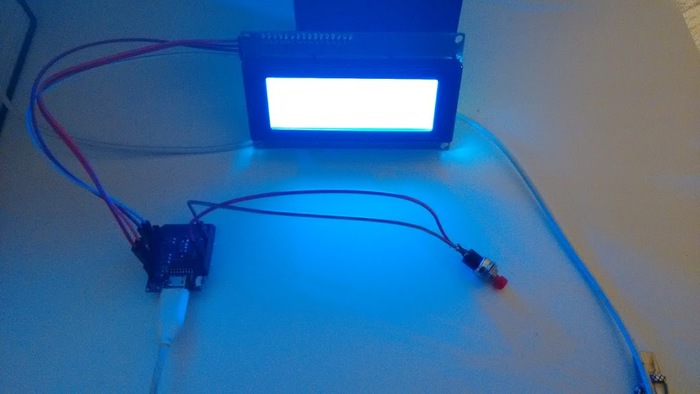
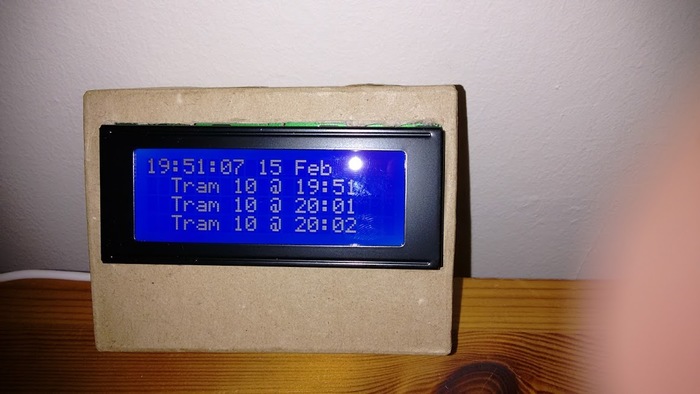
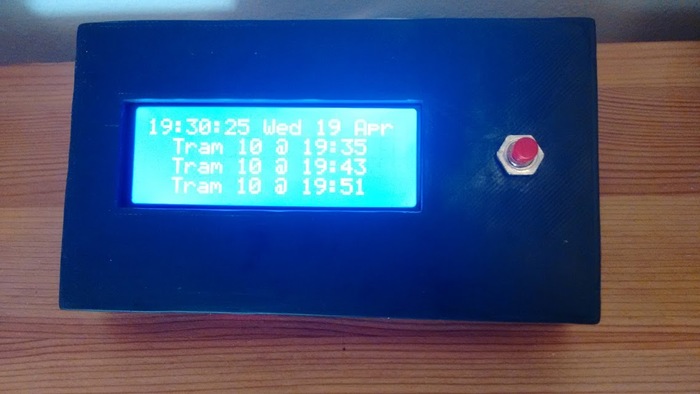
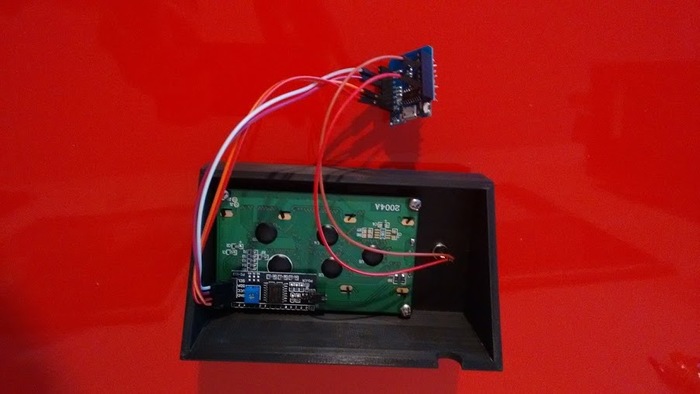
I've been sporadically working on a project for a few months now which displays tram-departure times, this is part of

 Balasaheb Thakre/Thackeray founded the Shiv Sena in/around 1966. While he was cartoonist by trade, most of his cartoons were anti-migrant in nature. The target was the urban, unemployed Marathi youth based mostly in Mumbai and the suburbs. The Shiv Sena vandalized properties run by South Indian businessman, Gujaratis. The Shiv Sena and Balasaheb Thackeray were also responsible in part due to the massive closure of cloth mills in South Mumbai. While the workers struggled to make ends meet, some whose wife and children died, fell into prostitution, drugs or whatever they could to make ends meet while the party and more important Mr. Balasahab Thackeray prospered. In spite of the many threats, there are and were many South Indians who prospered inspite of Shiv Sena s threats. Gujaratis on the other hand went back to Gujarat and now Surat rivals Mumbai. Another decade or so and Surat and not Mumbai would be the financial capital of India, the way Gujaratis are working towards it.
Then in the 90 s people from U.P. and Bihar came in search of livelihood, again the same rhetoric and even attacks were done against people from U.P. and Bihar. The only thing that was missing for all these people is a domicile certificate which you can get only after living 15 years in Mumbai.
The only thing that they and other political parties have been successful is murdering journalists. I m sad to report that Maharashtra, my home state has a very bad report card in preventing such murders. And it s both the State and the Centre who have to share the blame equally.
Come to 2017 and Shiv Sena doesn t have a leg to stand on. Balasaheb Thackeray is no more, his son didn t inherit Balasaheb s fiery character and the nephew has now another outfit called Maha Navnirman Sena. Also, all those who were one-time outsiders are now residents of Mumbai (with the domicile certificate) and hence registered voters.
There is another angle to it as well, Marathas for far too long thought that people they will elect from their community will do something from their community just like auto rickshaw drivers thought that educated unemployed youth from their community would be better than the agents who rip them off whenever they have some work in the local R.T.O. (Road Transport Office) . Similar to auto rickshaw drivers, the Marathas realized that none of the leaders whom they elected would ever do the work. This is why when last year there were huge Maratha rallies all over the



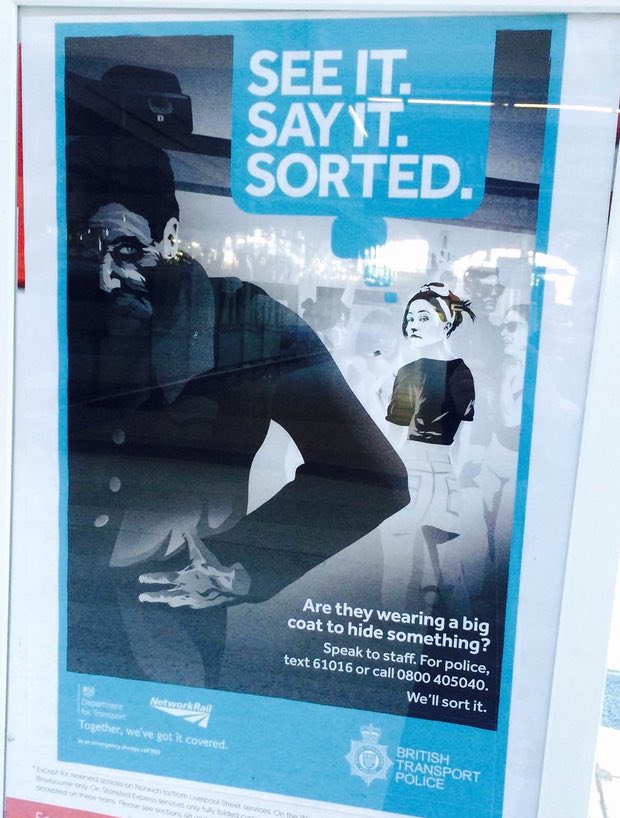 Many people have noticed that these latest UK Government posters portray foreigners, Muslims and basically anybody who is not white
 Do the people who create such propaganda appear to have any concern whatsoever for the people they hurt? How would Alan Turing have felt when he encountered propaganda like that from the Sunday Mirror? Do posters like these encourage us to judge people by their gifts in science, the arts or sporting prowess or do they encourage us to lump them all together based on their physical appearance?
It is a basic expectation of scientific methodology that when you repeat the same experiment, you should get the same result. What type of experiment are Theresa May and Nigel Farage conducting and what type of result would you expect?
Playing ping-pong with children
If anybody has any doubt that this evil comes from the top, take a moment to contemplate the 3,000 children who were baited with the promise of resettlement from the Calais "jungle" camp into the UK under the