Search Results: "spa"

9 September 2023

Dirk Eddelbuettel: Carmageddon by Daniel Knowles: A Brief Review

Carmageddon Daniel Knowles Carmageddon: How Cars Make Life Worse and What to Do About It is an entertaining, lucid, and well-written manifesto (to borrow a term from the author) aiming to get us all thinking a bit more about what cars do to society, and how to move on to a better outcome for all. The book alternates between historical context and background, lived experience (as the author is a foreign correspondent who had the opportunity to travel), and researched content. It is refreshingly free of formalities (no endless footnotes or endnotes with references, though I would have liked occassional references but hey we all went to school long enough to do a bit of research given a pointer or two). I learned or relearned a few things as I was for example somewhat unaware of the air pollution (micro-particle) impact stemming from tires and brake abrasions for which electronic vehicles do zilch, and for which the auto-obesity of ever larger and heavier cars is making things much worse. And some terms (even when re-used by Knowles) are clever such bionic duckweed. But now you need to read the book to catch up on it. Overall, the book argues its case rather well. The author brings sufficient evidence to make the formal guilty charge quite convincing. It is also recent having come out just months ago, making current figures even more relevant. I forget the exact circumstance but I think I came across the author in the context of our joint obsession with both Chicago and cycling (as there may have been a link from a related social media post) and/or the fact that I followed some of his colleagues at The Economist on social media. Either way, the number of Chicago and MidWest references made for some additional fun when reading the book over a the last few days. And for me another highlight was the ode to Tokyo which I wholeheartedly agree with: on my second trip to Japan I spent a spare day cycling across the city as the AirBnB host kindly gave me access to his bicycles. Great weather, polite drivers, moderate traffic, and just wicked good infrastructure made me wonder why I did not see more cyclists. I have little to criticize beyond the lack of any references. The repeated insistence on reminding us that Knowles comes from Birmingham gets a little old by the fifth or sixth repetition. It is all a wee bit anglo- or UK-centric. It obviously has a bit on France, Paris, and all the recent success of Anne Hidalgo (who, when I was in graduate school in France, was still a TV person rather than the very successful mayor she is now) but then does not mention the immense (and well known) success of the French train system which lead to a recent dictum to no longer allow intra-Frace air travel if train rides of under 2 1/2 hours are available which is rather remarkable. (Though in fairness that may have been enacted once the book was finished.) Lastly, the book appears to have a few sections available via Google Books. My copy will good back from one near-west suburban library to the neighbouring one. Overall a strong recommendation for a very good and timely book.

Dirk Eddelbuettel: RcppFarmHash 0.0.3 on CRAN: Small Update

A minor maintenance release of the RcppFarmHash package is now on CRAN as version 0.0.3. RcppFarmHash wraps the Google FarmHash family of hash functions (written by Geoff Pike and contributors) that are used for example by Google BigQuery for the FARM_FINGERPRINT digest. This releases farms out the conversion to the integer64 add-on type in R to the new package RcppInt64 released a few days ago and adds some minor maintenance on continuous integration and alike. The brief NEWS entry follows:

Changes in version 0.0.3 (2023-09-09)
  • Rely on new RcppInt64 package and its header for conversion
  • Minor updates to continuous integration and README.md

If you like this or other open-source work I do, you can sponsor me at GitHub.

This post by Dirk Eddelbuettel originated on his Thinking inside the box blog. Please report excessive re-aggregation in third-party for-profit settings.

Bits from Debian: DebianDay Celebrations and comments

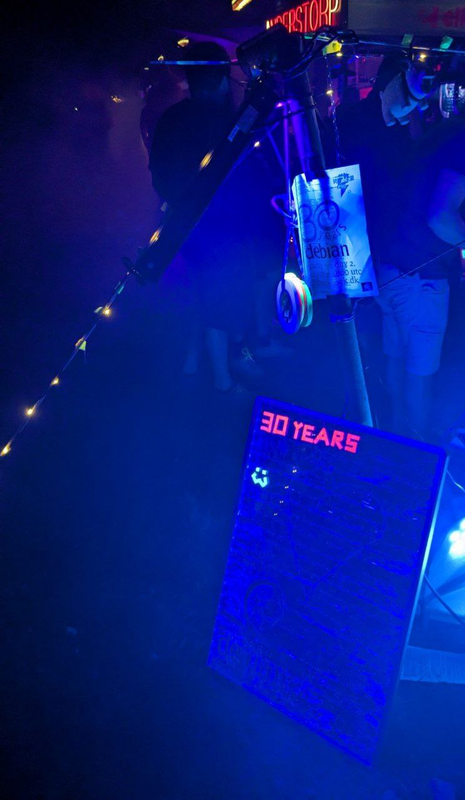
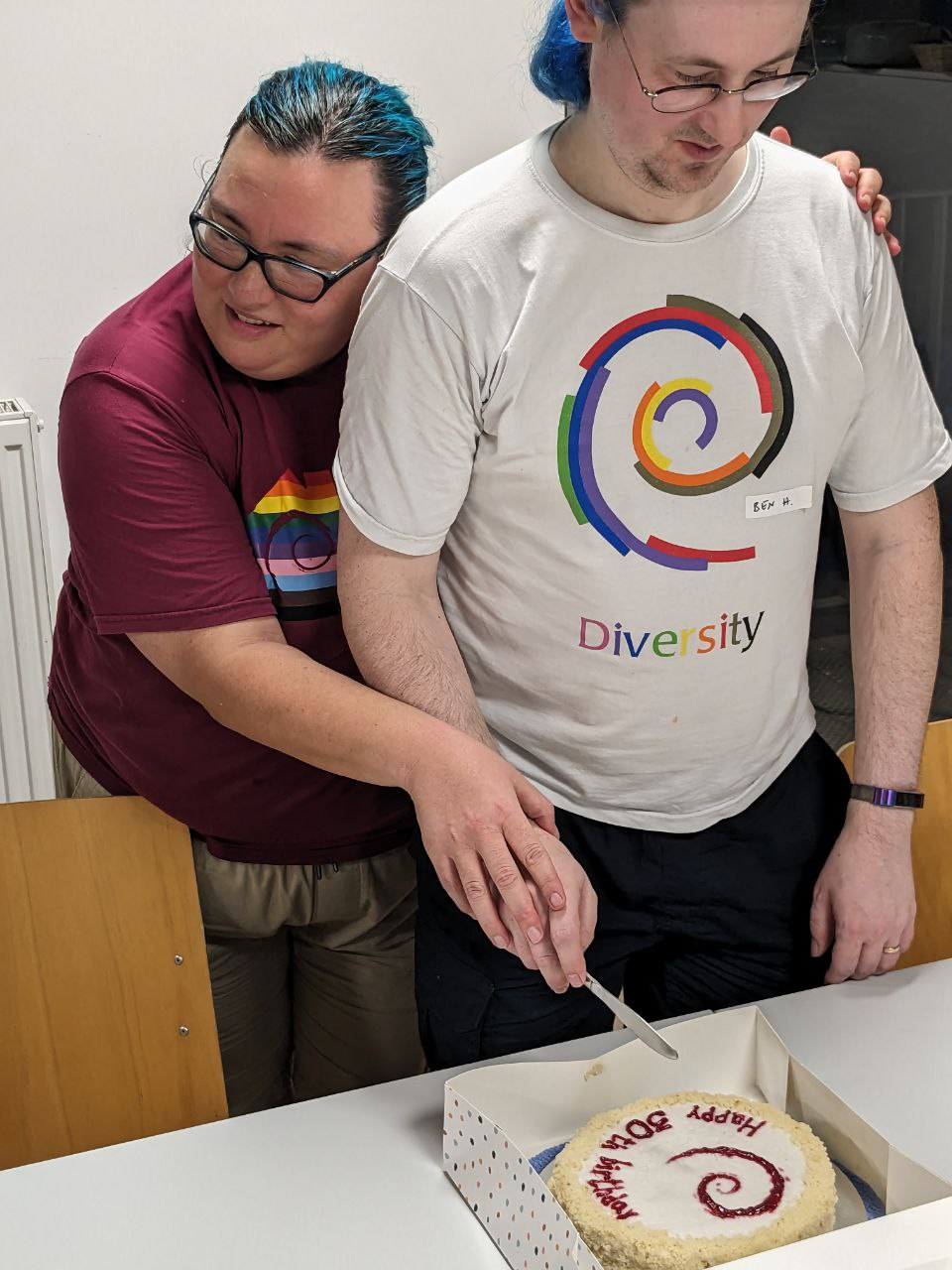
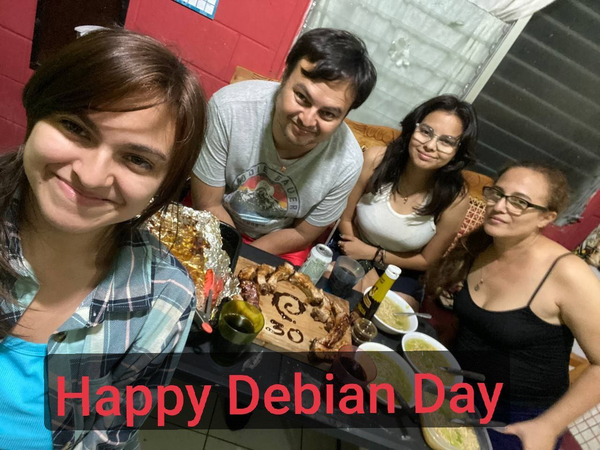
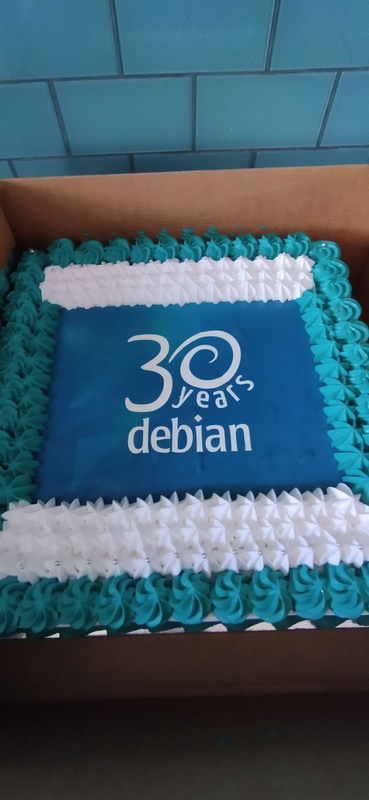
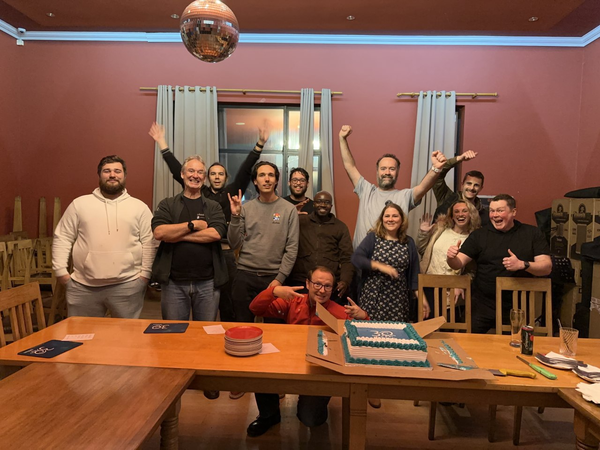
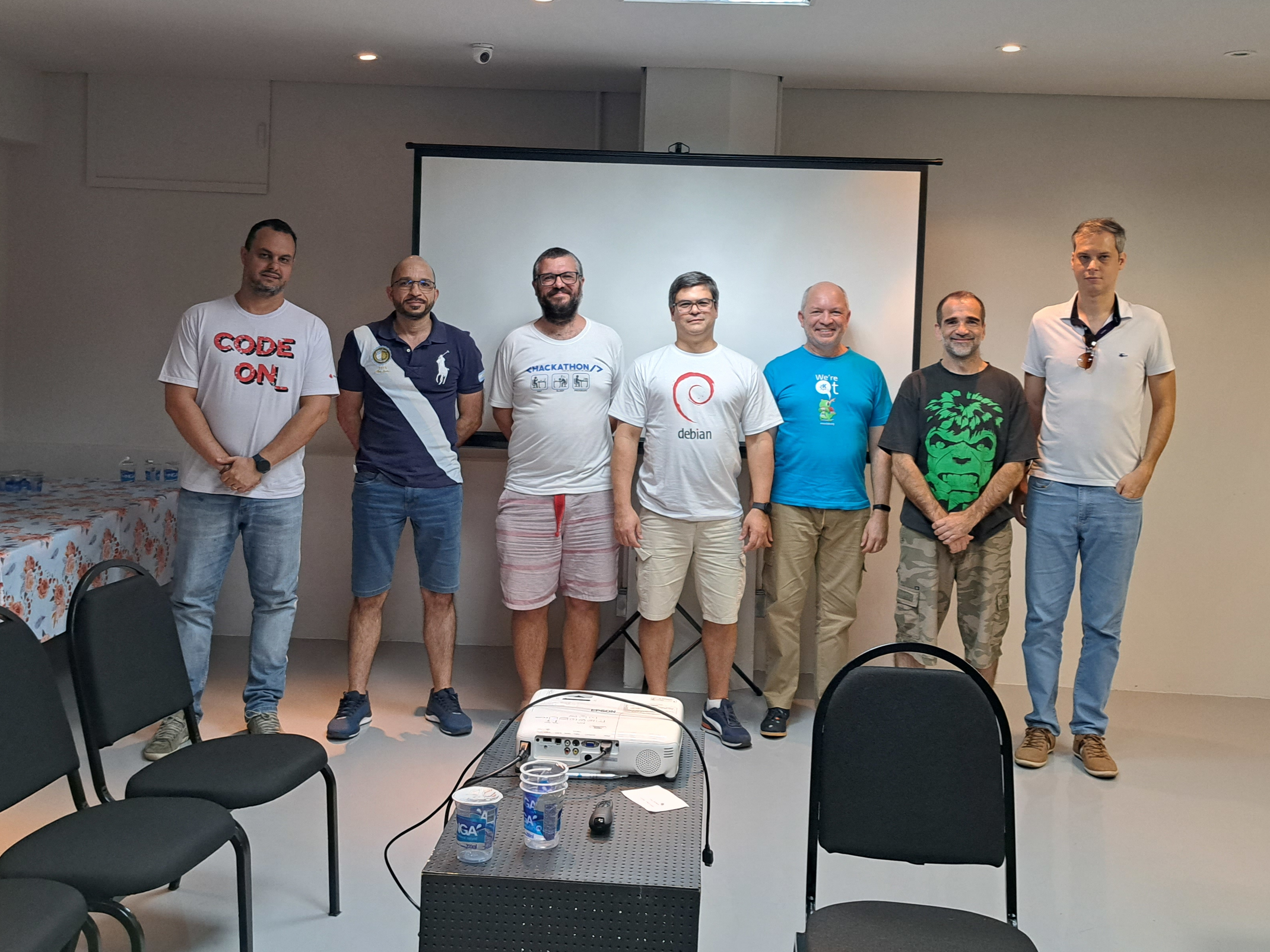
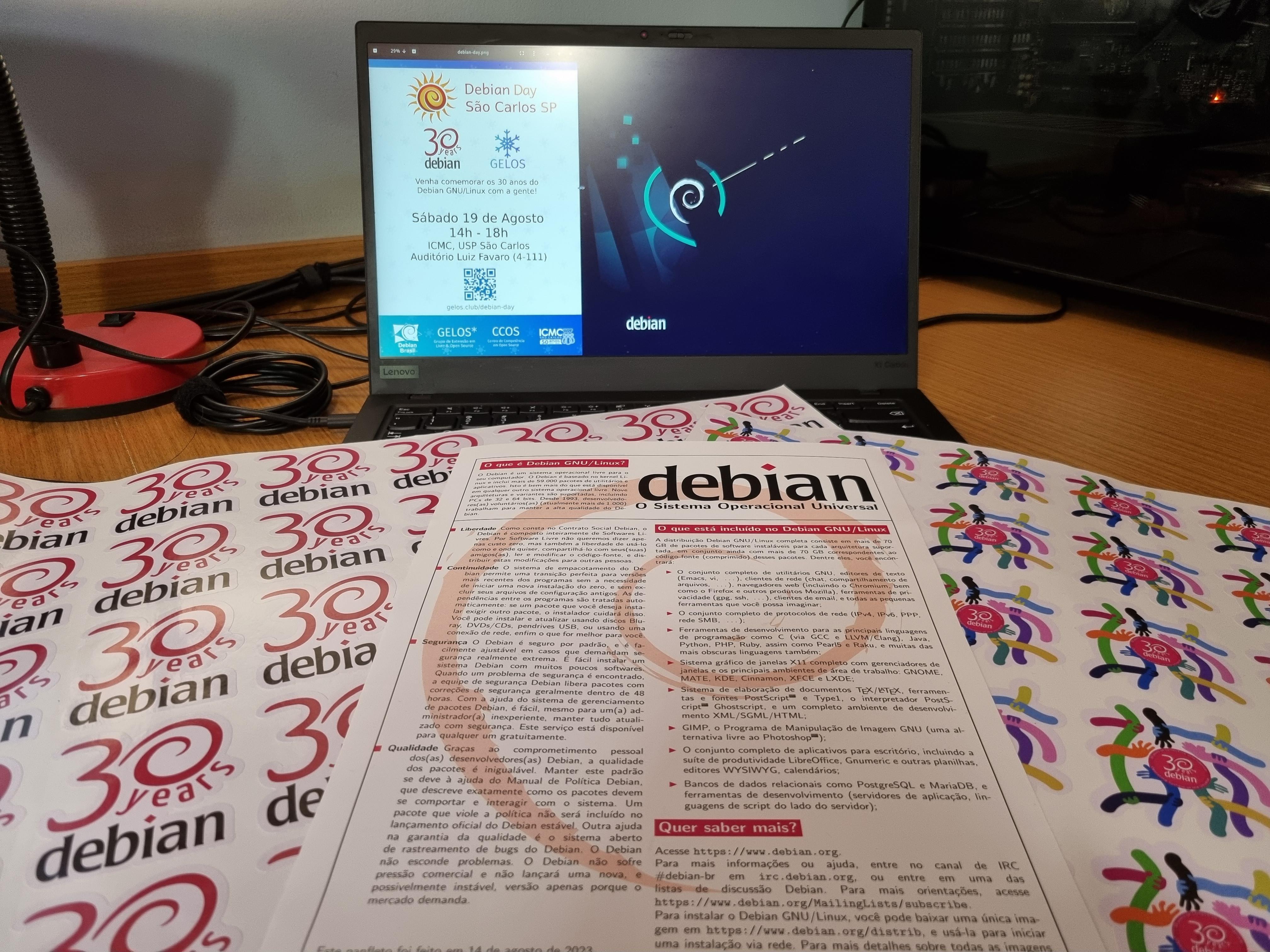
Debian Celebrates 30 years! We celebrated our birthday this year and we had a great time with new friends, new members welcomed to the community, and the world. We have collected a few comments, videos, and discussions from around the Internet, and some images from some of the DebianDay2023 events. We hope that you enjoyed the day(s) as much as we did! Maqsuel Maqson

"Debian 30 years of collective intelligence" -Maqsuel Maqson Brazil Thiago Pezzo

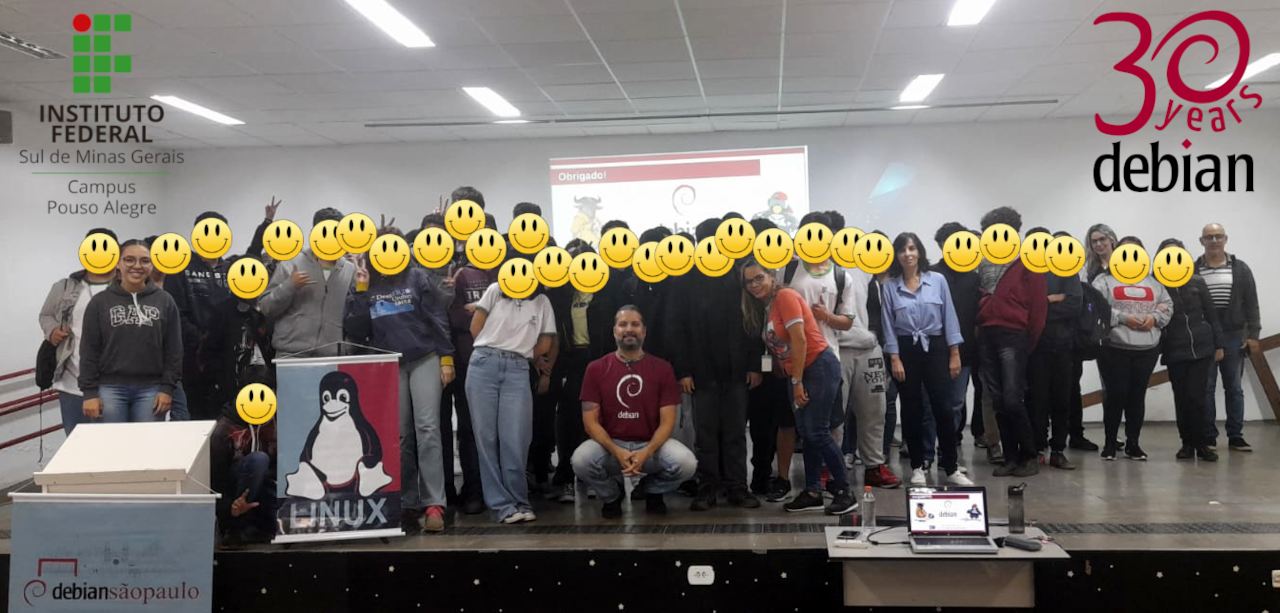
Pouso Alegre, Brazil Daniel Pimentel

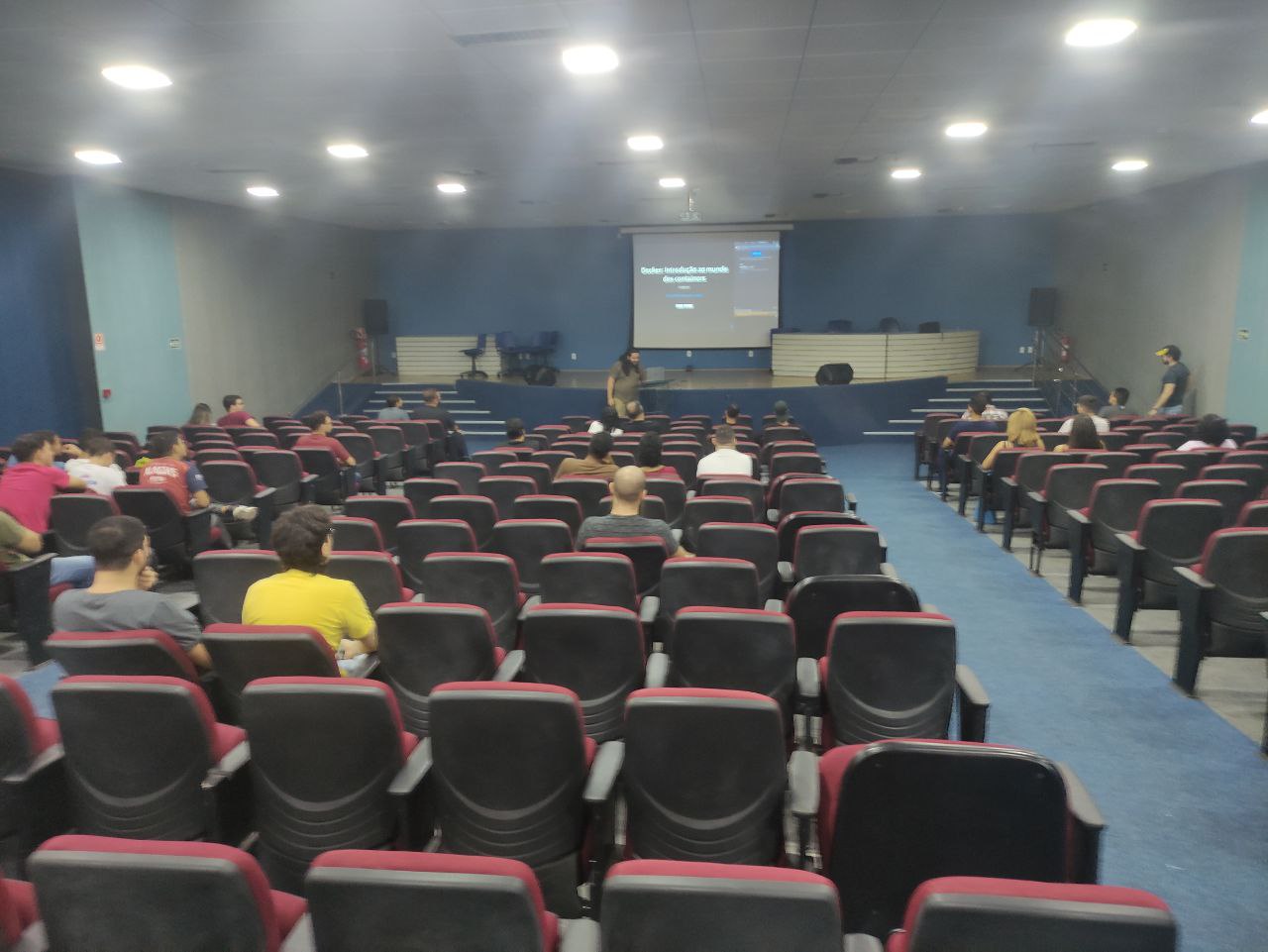
Macei , Brazil Daniel Lenharo

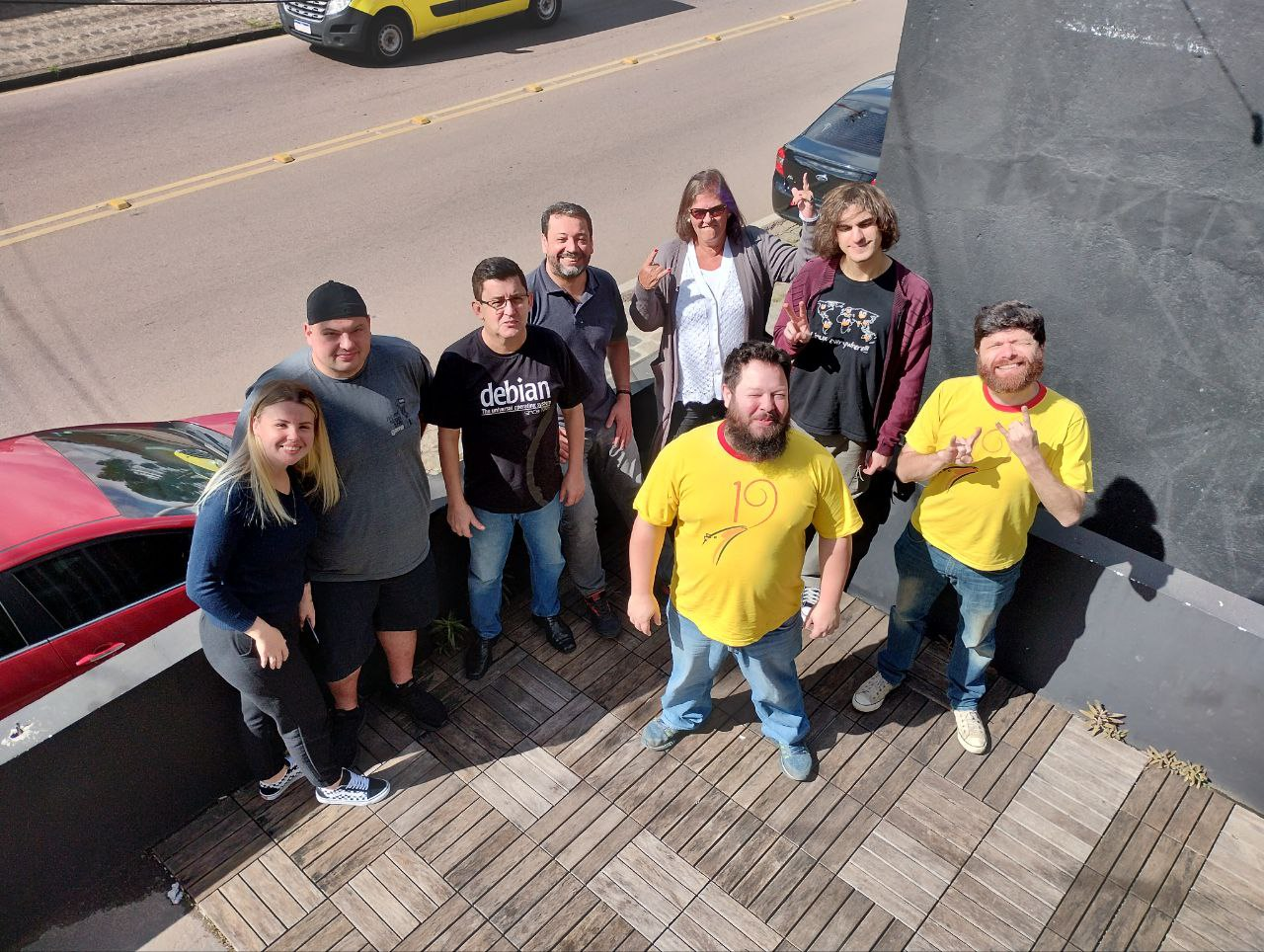
Curitiba, Brazil Daniel Lenharo

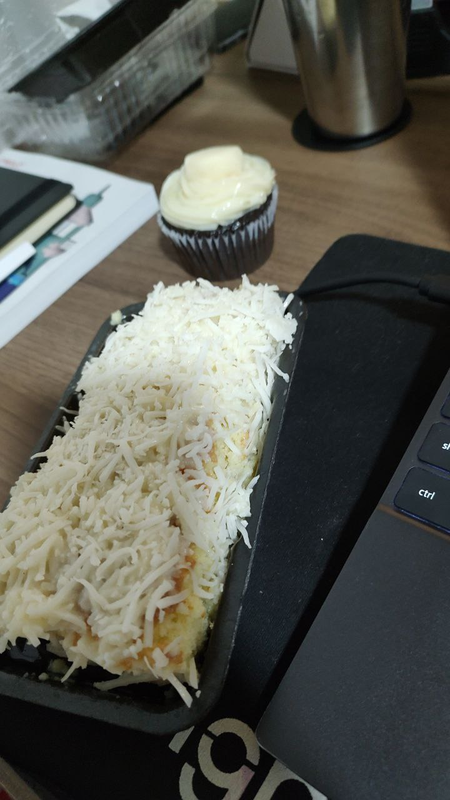
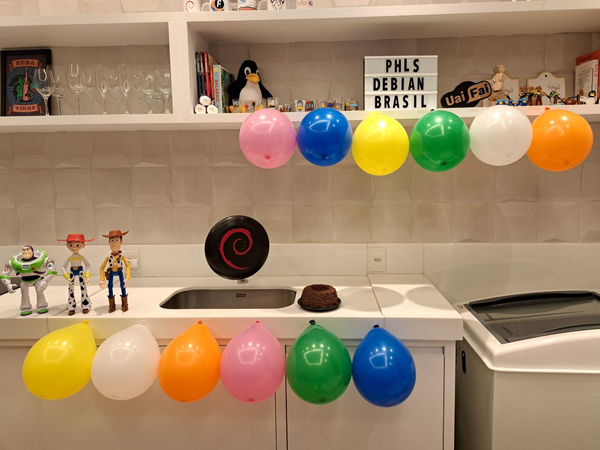
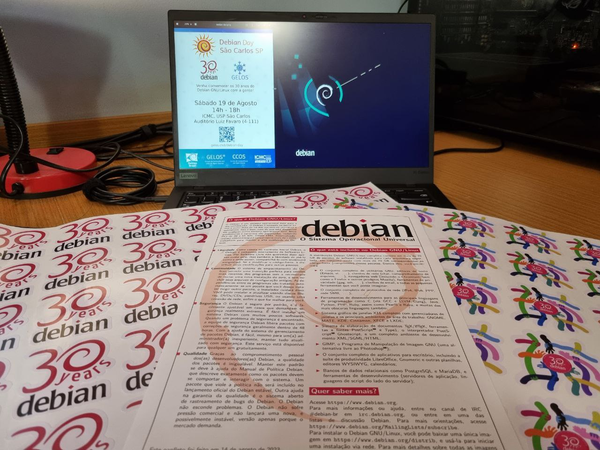
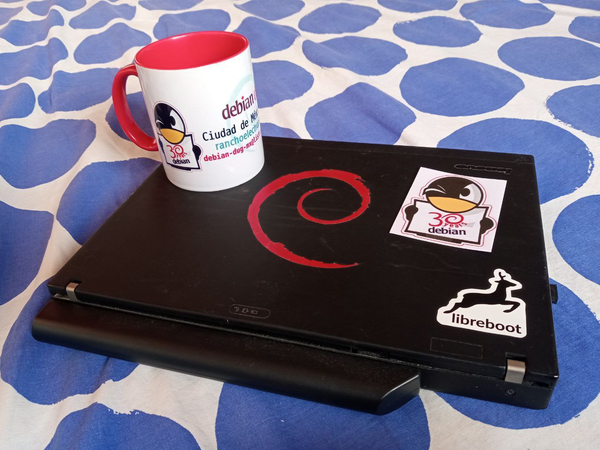
The cake is there. :) phls Honorary Debian Developers: Buzz, Jessie, and Woody welcome guests to this amazing party. Carlos Melara Sao Carlos, state of Sao Paulo, Brazil Carlos Melara Stickers, and Fliers, and Laptops, oh my! phls Belo Horizonte, Brazil sergiosacj Bras lia, Brazil sergiosacj Bras lia, Brazil Mexico Jathan 30 a os! Jathan A quick Selfie Jathan We do not encourage beverages on computing hardware, but this one is okay by us. Germany h01ger

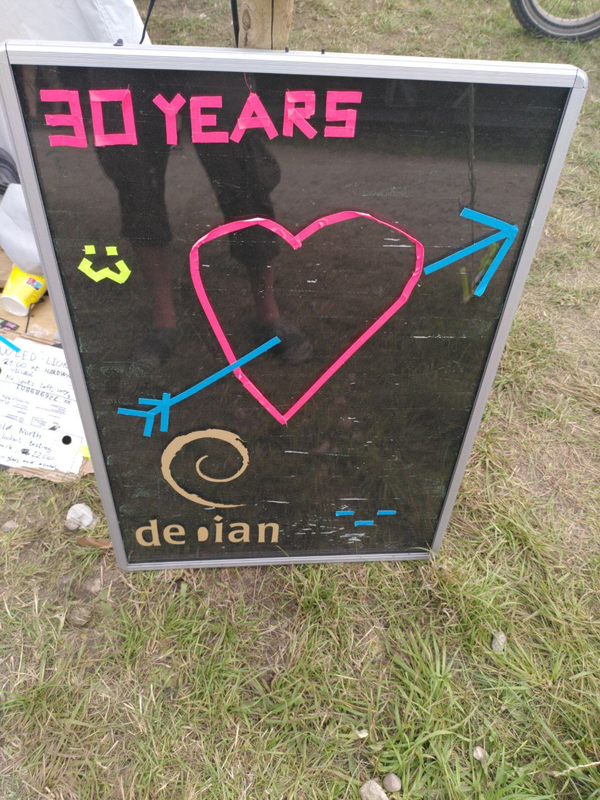
30 years of love h01ger

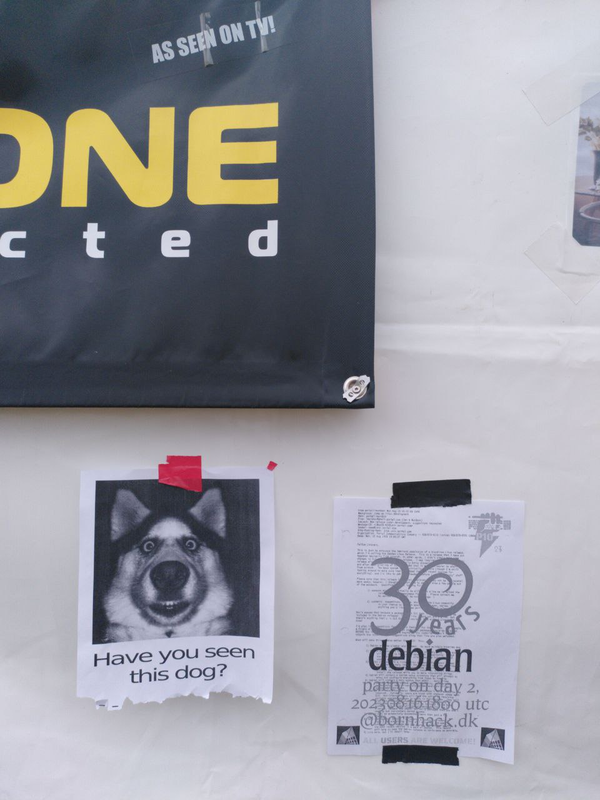
The German Delegation is also looking for this dog who footed the bill for the party, then left mysteriously. h01ger

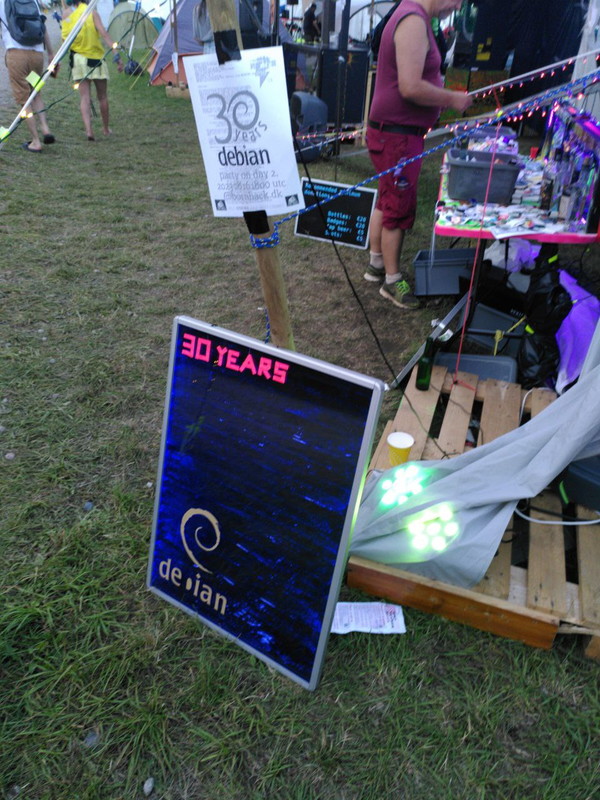
We took the party outside Stefano Rivera

We brought the party back inside at CCCamp Belgium Stefano Rivera

Cake and Diversity in Belgium El Salvador Gato Barato Canel n Pulgosky

Food and Fellowship in El Salvador South Africa highvoltage

Debian is also very delicious! highvoltage

All smiles waiting to eat the cake Reports Debian Day 30 years in Macei - Brazil Debian Day 30 years in S o Carlos - Brazil Debian Day 30 years in Pouso Alegre - Brazil Debian Day 30 years in Belo Horizonte - Brazil Debian Day 30 years in Curitiba - Brazil Debian Day 30 years in Bras lia - Brazil Debian Day 30 years online in Brazil Articles & Blogs Happy Debian Day - going 30 years strong - Liam Dawe Debian Turns 30 Years Old, Happy Birthday! - Marius Nestor 30 Years of Stability, Security, and Freedom: Celebrating Debian s Birthday - Bobby Borisov Happy 30th Birthday, Debian! - Claudio Kuenzier Debian is 30 and Sgt Pepper Is at Least Ninetysomething - Christine Hall Debian turns 30! -Corbet Thirty years of Debian! - Lennart Hengstmengel Debian marks three decades as 'Universal Operating System' - Sam Varghese Debian Linux Celebrates 30 Years Milestone - Joshua James 30 years on, Debian is at the heart of the world's most successful Linux distros - Liam Proven Looking Back on 30 Years of Debian - Maya Posch Cheers to 30 Years of Debian: A Journey of Open Source Excellence - arindam Discussions and Social Media Debian Celebrates 30 Years - Source: News YCombinator Brand-new Linux release, which I'm calling the Debian ... Source: News YCombinator Comment: Congrats @debian !!! Happy Birthday! Thank you for becoming a cornerstone of the #opensource world. Here's to decades of collaboration, stability & #software #freedom -openSUSELinux via X (formerly Twitter) Comment: Today we #celebrate the 30th birthday of #Debian, one of the largest and most important cornerstones of the #opensourcecommunity. For this we would like to thank you very much and wish you the best for the next 30 years! Source: X (Formerly Twitter -TUXEDOComputers via X (formerly Twitter) Happy Debian Day! - Source: Reddit.com Video The History of Debian The Beginning - Source: Linux User Space Debian Celebrates 30 years -Source: Lobste.rs Video Debian At 30 and No More Distro Hopping! - LWDW388 - Source: LinuxGameCast Debian Celebrates 30 years! - Source: Debian User Forums Debian Celebrates 30 years! - Source: Linux.org

5 September 2023

Russ Allbery: Review: Before We Go Live

Review: Before We Go Live, by Stephen Flavall
Publisher: Spender Books
Copyright: 2023
ISBN: 1-7392859-1-3
Format: Kindle
Pages: 271
Stephen Flavall, better known as jorbs, is a Twitch streamer specializing in strategy games and most well-known as one of the best Slay the Spire players in the world. Before We Go Live, subtitled Navigating the Abusive World of Online Entertainment, is a memoir of some of his experiences as a streamer. It is his first book. I watch a lot of Twitch. For a long time, it was my primary form of background entertainment. (Twitch's baffling choices to cripple their app have subsequently made YouTube somewhat more attractive.) There are a few things one learns after a few years of watching a lot of streamers. One is that it's a precarious, unforgiving living for all but the most popular streamers. Another is that the level of behind-the-scenes drama is very high. And a third is that the prevailing streaming style has converged on fast-talking, manic, stream-of-consciousness joking apparently designed to satisfy people with very short attention spans. As someone for whom that manic style is like nails on a chalkboard, I am therefore very picky about who I'm willing to watch and rarely can tolerate the top streamers for more than an hour. jorbs is one of the handful of streamers I've found who seems pitched towards adults who don't need instant bursts of dopamine. He's calm, analytical, and projects a relaxed, comfortable feeling most of the time (although like the other streamers I prefer, he doesn't put up with nonsense from his chat). If you watch him for a while, he's also one of those people who makes you think "oh, this is an interestingly unusual person." It's a bit hard to put a finger on, but he thinks about things from intriguing angles. Going in, I thought this would be a general non-fiction book about the behind-the-scenes experience of the streaming industry. Before We Go Live isn't really that. It is primarily a memoir focused on Flavall's personal experience (as well as the experience of his business manager Hannah) with the streaming team and company F2K, supplemented by a brief history of Flavall's streaming career and occasional deeply personal thoughts on his own mental state and past experiences. Along the way, the reader learns a lot more about his thought processes and approach to life. He is indeed a fascinatingly unusual person. This is to some extent an expos , but that's not the most interesting part of this book. It quickly becomes clear that F2K is the sort of parasitic, chaotic, half-assed organization that crops up around any new business model. (Yes, there's crypto.) People who are good at talking other people out of money and making a lot of big promises try to follow a startup fast-growth model with unclear plans for future revenue and hope that it all works out and turns into a valuable company. Most of the time it doesn't, because most of the people running these sorts of opportunistic companies are better at talking people out of money than at running a business. When the new business model is in gaming, you might expect a high risk of sexism and frat culture; in this case, you would not be disappointed. This is moderately interesting but not very revealing if one is already familiar with startup culture and the kind of people who start businesses without doing any of the work the business is about. The F2K principals are at best opportunistic grifters, if not actual con artists. It's not long into this story before this is obvious. At that point, the main narrative of this book becomes frustrating; Flavall recognizes the dysfunction to some extent, but continues to associate with these people. There are good reasons related to his (and Hannah's) psychological state, but it doesn't make it easier to read. Expect to spend most of the book yelling "just break up with these people already" as if you were reading Captain Awkward letters. The real merit of this book is that people are endlessly fascinating, Flavall is charmingly quirky, and he has the rare mix of the introspection that allows him to describe himself without the tendency to make his self-story align with social expectations. I think every person is intriguingly weird in at least some ways, but usually the oddities are smoothed away and hidden under a desire to present as "normal" to the rest of society. Flavall has the right mix of writing skill and a willingness to write with direct honesty that lets the reader appreciate and explore the complex oddities of a real person, including the bits that at first don't make much sense. Parts of this book are uncomfortable reading. Both Flavall and his manager Hannah are abuse survivors, which has a lot to do with their reactions to their treatment by F2K, and those reactions are both tragic and maddening to read about. It's a good way to build empathy for why people will put up with people who don't have their best interests at heart, but at times that empathy can require work because some of the people on the F2K side are so transparently sleazy. This is not the sort of book I'm likely to re-read, but I'm glad I read it simply for that time spent inside the mind of someone who thinks very differently than I do and is both honest and introspective enough to give me a picture of his thought processes that I think was largely accurate. This is something memoir is uniquely capable of doing if the author doesn't polish all of the oddities out of their story. It takes a lot of work to be this forthright about one's internal thought processes, and Flavall does an excellent job. Rating: 7 out of 10

1 September 2023

Paul Wise: FLOSS Activities August 2023

Focus This month I didn't have any particular focus. I just worked on issues in my info bubble.

Changes

Debugging
  • Investigated test failures after Debian pybuild distutils update

Issues

Review
  • Debian BTS usertags: changes for the month

Administration
  • Debian IRC: rescue an alternate channel and make it harder to join accidentally
  • Debian wiki: unblock IP addresses, approve accounts, update emails for accounts

Communication
  • Respond to queries from Debian users and contributors on the mailing lists and IRC

Sponsors The libpst work was sponsored. All other work was done on a volunteer basis.

31 August 2023

Russell Coker: Links August 2023

This is an interesting idea from Bruce Schneier, an AI Dividend paid to every person for their contributions to the input of ML systems [1]. We can t determine who s input was most used so sharing the money equally seems fair. It could end up as yet another justification for a Universal Basic Income. The Long Now foundation has an insightful article about preserving digital data [2]. It covers the history of lost data and the new challenges archivists face with proprietary file formats. Tesla gets fined for having special Elon mode [3], turns out that being a billionaire isn t an exemption from road safety legislation. Wired has an interesting article about the Olympics Destroyer malware that Russia used to attack the 2018 Olympics [4]. Wired has an interesting article about Marcus Hutchins, how he prevented a serious bot attack and how he had a history in crime when he was a teenager [5]. It s good to see that some people can reform. The IEEE has a long and informative article about what needs to be done to transition to electric cars [6]. It s a lot of work and we should try and do it as fast as possible. Linux Tech Tips has an interesting video about a new cooling system for laptops (and similar use cases for moving tens of watts from a thin space) [7]. This isn t going to be useful for servers or desktops as big heavy heatsinks work well for them. But for something to put on top of a laptop CPU or to have several of them connected to a laptop CPU by heat pipes it could be very useful. The technology of piezo electric cooling devices is interesting on it s own, I expect we will see more of that in future.

30 August 2023

Andrew Cater: Building a mirror of various Red Hat oriented "stuff"

Building a mirror for rpm-based distributions.
I've already described in brief how I built a mirror that currently mirrors Debian and Ubuntu on a daily basis. That was relatively straightforward given that I know how to install Debian and configure a basic system without a GUI and the ftpsync scripts are well maintained, I can pull some archives and get one pushed to me such that I've always got up to date copies of Debian and Ubuntu.I wanted to do something similar using Rocky Linux to pull in archives for Almalinux, Rocky Linux, CentOS, CentOS Stream and (optionally) Fedora.(This was originally set up using Red Hat Enterprise Linux on a developer's subscription and rebuilt using Rocky Linux so that the machine could be passed on to someone else if necessary. Red Hat 9.1 has moved to x86_64v2 - on the machine I have (HP Microserver gen 8) 9.1 it fails immediately. It has been rebuilt to use Rocky 8.8).This is a minimal install of Rocky as console only - the machine it's on only has 4G of memory so won't run a GUI reliably. It will run Cockpit so can be remotely administered. One user to run everything - mirror.
Minimal install of Rocky 8.7 from DVD .iso. SELinux is enabled, SSH works for remote access. SELinux had to be tweaked to allow /srv/ the appropriate permissions to be served by nginx. /srv is a large LVM volume rather than a RAID 6 - I didn't have enough disks
Adding nginx, enabling Cockpit and editing the Rocky Linux mirroring scripts resulted in something straightforward to reproduce.

nginx

I cheated and stole large parts of my Debian config. The crucial part to remember is that there is no autoindexing by default and I had to dig to find the correct configuration snippet.

# Load configuration files for the default server block.

include /etc/nginx/default.d/*.conf;

location /
autoindex on;
autoindex_exact_size off;
autoindex_format html;
autoindex_localtime off;
# First attempt to serve request as file, then
# as directory, then fall back to displaying a 404.
try_files $uri $uri/ =404;

Rocky Linux mirroring scripts

Systemd unit file for service

[Unit]
Description=Rocky Linux Mirroring script

[Service]
Type=simple
User=mirror
Group=mirror
ExecStart=/usr/local/bin/rockylinux

[Install]
WantedBy=multi-user.target

Rocky linux timer file
[Unit]
Description=Run Rocky Linux mirroring script daily

[Timer]
OnCalendar=*-*-* 08:13:00
OnCalendar=*-*-* 22:13:00
Persistent=true

[Install]
WantedBy=timers.target

Mirror script

#!/bin/env bash
#
# mirrorsync - Synchronize a Rocky Linux mirror
# By: Dennis Koerner <koerner@netzwerge.de>
#

# The latest version of this script can be found at:
# https://github.com/rocky-linux/rocky-tools
#
# Please read https://docs.rockylinux.org/en/rocky/8/guides/add_mirror_manager
# for further information on setting up a Rocky mirror.
#
# Copyright (c) 2021 Rocky Enterprise Software Foundation

This is a very long script in total.
Crucial parts I changed only listed the mirror to pull from and the place to put it.

# A complete list of mirrors can be found at
# https://mirrors.rockylinux.org/mirrormanager/mirrors/Rocky
src="mirrors.vinters.com::rocky"

# Your local path. Change to whatever fits your system.
# $mirrormodule is also used in syslog output.
mirrormodule="rocky-linux"
dst="/srv/$ mirrormodule "

filelistfile="fullfiletimelist-rocky"
lockfile="/home/mirror/rocky.lockfile"
logfile="/home/mirror/rocky.log"

Logfile looks something like this: the single time spec file is used to check whether another rsync needs to be run
deleting 9.1/plus/x86_64/os/repodata/3585b8b5-90e0-4856-9df2-95f646bc62c7-PRIMARY.xml.gz

sent 606,565 bytes received 38,808,194,155 bytes 44,839,746.64 bytes/sec
total size is 1,072,593,052,385 speedup is 27.64
End: Fri 27 Jan 2023 08:27:49 GMT
fullfiletimelist-rocky unchanged. Not updating at Fri 27 Jan 2023 22:13:16 GMT
fullfiletimelist-rocky unchanged. Not updating at Sat 28 Jan 2023 08:13:16 GMT
It was essentially easier to store fullfiletimelist-rocky in /home/mirror than anywhere else.

Very similar small modifications to the Rocky mirroring scripts were used to mirror the other distributions I'm mirroring. (Almalinux, CentOS, CentOS Stream, EPEL and Rocky Linux).

Dirk Eddelbuettel: RcppArmadillo 0.12.6.3.0 on CRAN: New Upstream Bugfix

armadillo image Armadillo is a powerful and expressive C++ template library for linear algebra and scientific computing. It aims towards a good balance between speed and ease of use, has a syntax deliberately close to Matlab, and is useful for algorithm development directly in C++, or quick conversion of research code into production environments. RcppArmadillo integrates this library with the R environment and language and is widely used by (currently) 1092 other packages on CRAN, downloaded 30.3 million times (per the partial logs from the cloud mirrors of CRAN), and the CSDA paper (preprint / vignette) by Conrad and myself has been cited 549 times according to Google Scholar. This release brings bugfix upstream release 12.6.3. We skipped 12.6.2 at CRAN (as discussed in the previous release notes) as it only affected Armadillo-internal random-number generation (RNG). As we default to supplying the RNGs from R, this did not affect RcppArmadillo. The bug fixes in 12.6.3 are for csv reading which too will most likely be done by R tools for R users, but given two minor bugfix releases an update was in order. I ran the full reverse-depenency check against the now more than 1000 packages overnight: no issues. armadillo processing CRAN processed the package fully automatically as it has no issues, and nothing popped up in reverse-dependency checking. The set of changes for the last two RcppArmadillo releases follows.

Changes in RcppArmadillo version 0.12.6.3.0 (2023-08-28)
  • Upgraded to Armadillo release 12.6.3 (Cortisol Retox)
    • Fix for corner-case in loading CSV files with headers
    • For consistent file handling, all .load() functions now open text files in binary mode

Changes in RcppArmadillo version 0.12.6.2.0 (2023-08-08)
  • Upgraded to Armadillo release 12.6.2 (Cortisol Retox)
    • use thread-safe Mersenne Twister as the default RNG on all platforms
    • use unique RNG seed for each thread within multi-threaded execution (such as OpenMP)
    • explicitly document arma_rng::set_seed() and arma_rng::set_seed_random()
  • None of the changes above affect R use as RcppArmadillo connects the RNGs used by R to Armadillo

Courtesy of my CRANberries, there is a diffstat report relative to previous release. More detailed information is on the RcppArmadillo page. Questions, comments etc should go to the rcpp-devel mailing list off the Rcpp R-Forge page. If you like this or other open-source work I do, you can sponsor me at GitHub.

This post by Dirk Eddelbuettel originated on his Thinking inside the box blog. Please report excessive re-aggregation in third-party for-profit settings.

29 August 2023

Andrew Cater: 20230828 - OMGWTFBBQ - Breakfast is happening more or less

And nothing changes: rediscovered from past Andrew at his first Cambridge BBQ and almost the first blog post here:

"House full of people I knew only from email, some very old friends. Wires and leads filling the front room floor - laptops _everywhere_ .

...

Thirty second rule on sofa space - if you left for more than about 30 seconds you had to sit on the floor when you got back (I jammed myself onto a corner of the sofa once I realised I'd barely get through the crush :) )
[Forget students in a mini / UK telephone box - how many DDs can you fit into a very narrow kitchen :) ]

It's a huge, dysfunctional family with its own rules, geeky humour and in-jokes but it's MINE - it's the people I want to hang out with and, as perverse as it sounds, just being there gave me a whole new reaffirmed sense of identity and a large amount of determination to carry on "wasting my time with Linux" and Debian"

The *frightening* thing - this is from August 31st 2009 ... where have the years gone in between.

27 August 2023

Shirish Agarwal: FSCKing /home

There is a bit of context that needs to be shared before I get to this and would be a long one. For reasons known and unknown, I have a lot of sudden electricity outages. Not just me, all those who are on my line. A discussion with a lineman revealed that around 200+ families and businesses are on the same line and when for whatever reason the electricity goes for all. Even some of the traffic lights don t work. This affects software more than hardware or in some cases, both. And more specifically HDD s are vulnerable. I had bought an APC unit several years for precisely this, but over period of time it just couldn t function and trips also when the electricity goes out. It s been 6-7 years so can t even ask customer service to fix the issue and from whatever discussions I have had with APC personnel, the only meaningful difference is to buy a new unit but even then not sure this is an issue that can be resolved, even with that. That comes to the issue that happens once in a while where the system fsck is unable to repair /home and you need to use an external pen drive for the same. This is my how my hdd stacks up
/ is on dev/sda7 /boot is on /dev/sda6, /boot/efi is on /dev/sda2 and /home is on /dev/sda8 so theoretically, if /home for some reason doesn t work I should be able drop down on /dev/sda7, unmount /dev/sda8, run fsck and carry on with my work. I tried it number of times but it didn t work. I was dropping down on tty1 and attempting the same, no dice as root/superuser getting the barest x-term. So first I tried asking couple of friends who live nearby me. Unfortunately, both are MS-Windows users and both use what are called as company-owned laptops . Surfing on those systems were a nightmare. Especially the number of pop-ups of ads that the web has become. And to think about how much harassment ublock origin has saved me over the years. One of the more interesting bits from both their devices were showing all and any downloads from fosshub was showing up as malware. I dunno how much of that is true or not as haven t had to use it as most software we get through debian archives or if needed, download from github or wherever and run/install it and you are in business. Some of them even get compiled into a good .deb package but that s outside the conversation atm. My only experience with fosshub was few years before the pandemic and that was good. I dunno if fosshub really has malware or malwarebytes was giving false positives. It also isn t easy to upload a 600 MB+ ISO file somewhere to see whether it really has malware or not. I used to know of a site or two where you could upload a suspicious file and almost 20-30 famous and known antivirus and anti-malware engines would check it and tell you the result. Unfortunately, I have forgotten the URL and seeing things from MS-Windows perspective, things have gotten way worse than before. So left with no choice, I turned to the local LUG for help. Fortunately, my mobile does have e-mail and I could use gmail to solicit help. While there could have been any number of live CD s that could have helped but one of my first experiences with GNU/Linux was that of Knoppix that I had got from Linux For You (now known as OSFY) sometime in 2003. IIRC, had read an interview of Mr. Klaus Knopper as well and was impressed by it. In those days, Debian wasn t accessible to non-technical users then and Knoppix was a good tool to see it. In fact, think he was the first to come up with the idea of a Live CD and run with it while Canonical/Ubuntu took another 2 years to do it. I think both the CD and the interview by distrowatch was shared by LFY in those early days. Of course, later the story changes after he got married, but I think that is more about Adriane rather than Knoppix. So Vishal Rao helped me out. I got an HP USB 3.2 32GB Type C OTG Flash Drive x5600c (Grey & Black) from a local hardware dealer around similar price point. The dealer is a big one and has almost 200+ people scattered around the city doing channel sales who in turn sell to end users. Asking one of the representatives about their opinion on stopping electronic imports (apparently more things were added later to the list including all sorts of sundry items from digital cameras to shavers and whatnot.) The gentleman replied that he hopes that it would not happen otherwise more than 90% would have to leave their jobs. They already have started into lighting fixtures (LED bulbs, tubelights etc.) but even those would come in the same ban  The main argument as have shared before is that Indian Govt. thinks we need our home grown CPU and while I have no issues with that, as shared before except for RISC-V there is no other space where India could look into doing that. Especially after the Chip Act, Biden has made that any new fabs or any new thing in chip fabrication will only be shared with Five Eyes only. Also, while India is looking to generate about 2000 GW by 2030 by solar, China has an ambitious 20,000 GW generation capacity by the end of this year and the Chinese are the ones who are actually driving down the module prices. The Chinese are also automating their factories as if there s no tomorrow. The end result of both is that China will continue to be the world s factory floor for the foreseeable future and whoever may try whatever policies, it probably is gonna be difficult to compete with them on prices of electronic products. That s the reason the U.S. has been trying so that China doesn t get the latest technology but that perhaps is a story for another day.

HP USB 3.2 Type C OTG Flash Drive x5600c For people who have had read this blog they know that most of the flash drives today are MLC Drives and do not have the longevity of the SLC Drives. For those who maybe are new, this short brochure/explainer from Kingston should enhance your understanding. SLC Drives are rare and expensive. There are also a huge number of counterfeit flash drives available in the market and almost all the companies efforts whether it s Kingston, HP or any other manufacturer, they have been like a drop in the bucket. Coming back to the topic at hand. While there are some tools that can help you to figure out whether a pen drive is genuine or not. While there are products that can tell you whether they are genuine or not (basically by probing the memory controller and the info. you get from that.) that probably is a discussion left for another day. It took me couple of days and finally I was able to find time to go Vishal s place. The journey of back and forth lasted almost 6 hours, with crazy traffic jams. Tells you why Pune or specifically the Swargate, Hadapsar patch really needs a Metro. While an in-principle nod has been given, it probably is more than 5-7 years or more before we actually have a functioning metro. Even the current route the Metro has was supposed to be done almost 5 years to the date and even the modified plan was of 3 years ago. And even now, most of the Stations still need a lot of work to be done. PMC, Deccan as examples etc. still have loads to be done. Even PMT (Pune Muncipal Transport) that that is supposed to do the last mile connections via its buses has been putting half-hearted attempts

Vishal Rao While Vishal had apparently seen me and perhaps we had also interacted, this was my first memory of him although we have been on a few boards now and then including stackexchange. He was genuine and warm and shared 4-5 distros with me, including Knoppix and System Rescue as shared by Arun Khan. While this is and was the first time I had heard about Ventoy apparently Vishal has been using it for couple of years now. It s a simple shell script that you need to download and run on your pen drive and then just dump all the .iso images. The easiest way to explain ventoy is that it looks and feels like Grub. Which also reminds me an interaction I had with Vishal on mobile. While troubleshooting the issue, I was unsure whether it was filesystem that was the issue or also systemd was corrupted. Vishal reminded me of putting fastboot to the kernel parameters to see if I m able to boot without fscking and get into userspace i.e. /home. Although journalctl and systemctl were responding even on tty1 still was a bit apprehensive. Using fastboot was able to mount the whole thing and get into userspace and that told me that it s only some of the inodes that need clearing and there probably are some orphaned inodes. While Vishal had got a mini-pc he uses that a server, downloads stuff to it and then downloads stuff from it. From both privacy, backup etc. it is a better way to do things but then you need to laptop to access it. I am sure he probably uses it for virtualization and other ways as well but we just didn t have time for that discussion. Also a mini-pc can set you back anywhere from 25 to 40k depending on the mini-pc and the RAM and the SSD. And you need either a lappy or an Raspberry Pi with some kinda visual display to interact with the mini-pc. While he did share some of the things, there probably could have been a far longer interaction just on that but probably best left for another day. Now at my end, the system I had bought is about 5-6 years old. At that time it only had 6 USB 2.0 drives and 2 USB 3.0 (A) drives.
The above image does tell of the various form factors. One of the other things is that I found the pendrive and its connectors to be extremely fiddly. It took me number of times fiddling around with it when I was finally able to put in and able to access the pen drive partitions. Unfortunately, was unable to see/use systemrescue but Knoppix booted up fine. I mounted the partitions briefly to see where is what and sure enough /dev/sda8 showed my /home files and folders. Unmounted it, then used $fsck -y /dev/sda8 and back in business. This concludes what happened. Updates Quite a bit was left out on the original post, part of which I didn t know and partly stuff which is interesting and perhaps need a blog post of their own. It s sad I won t be part of debconf otherwise who knows what else I would have come to know.
  1. One of the interesting bits that I came to know about last week is the Alibaba T-Head T-Head TH1520 RISC-V CPU and saw it first being demoed on a laptop and then a standalone tablet. The laptop is an interesting proposition considering Alibaba opened up it s chip thing only couple of years ago. To have an SOC within 18 months and then under production for lappies and tablets is practically unheard of especially of a newbie/startup. Even AMD took 3-4 years for its first chip.It seems they (Alibaba) would be parceling them out by quarter end 2023 and another 1000 pieces/Units first quarter next year, while the scale is nothing compared to the behemoths, I think this would be more as a matter of getting feedback on both the hardware and software. The value proposition is much better than what most of us get, at least in India. For example, they are doing a warranty for 5 years and also giving spare parts. RISC-V has been having a lot of resurgence in China in part as its an open standard and partly development will be far cheaper and faster than trying x86 or x86-64. If you look into both the manufacturers, due to monopoly, both of them now give 5-8% increment per year, and if you look back in history, you would find that when more chips were in competition, they used to give 15-20% performance increment per year.
2. While Vishal did share with me what he used and the various ways he uses the mini-pc, I did have a fun speculating on what he could use it. As shared by Romane as his case has shared, the first thing to my mind was backups. Filesystems are notorious in the sense they can be corrupted or can be prone to be corrupted very easily as can be seen above  . Backups certainly make a lot of sense, especially rsync. The other thing that came to my mind was having some sort of A.I. and chat server. IIRC, somebody has put quite a bit of open source public domain data in debian servers that could be used to run either a chatbot or an A.I. or both and use that similar to how chatGPT but with much limited scope than what chatgpt uses. I was also thinking a media server which Vishal did share he does. I may probably visit him sometime to see what choices he did and what he learned in the process, if anything. Another thing that could be done is just take a dump of any of commodity markets or any markets and have some sort of predictive A.I. or whatever. A whole bunch of people have scammed thousands of Indian users on this, but if you do it on your own and for your own purposes to aid you buy and sell stocks or whatever commodity you may fancy. After all, nowadays markets themselves are virtual. While Vishal s mini-pc doesn t have any graphics, if it was an AMD APU mini-pc, something like this he could have hosted games in the way of thick server, thin client where all graphics processing happens on the server rather than the client. With virtual reality I think the case for the same case could be made or much more. The only problem with VR/AR is that we don t really have mass-market googles, eye pieces or headset. The only notable project that Google has/had in that place is the Google VR Cardboard headset and the experience is not that great or at least was not that great few years back when I could hear and experience the same. Most of the VR headsets say for example the Meta Quest 2 is for around INR 44k/- while Quest 3 is INR 50k+ and officially not available. As have shared before, the holy grail of VR would be when it falls below INR 10k/- so it becomes just another accessory, not something you really have to save for. There also isn t much content on that but then that is also the whole chicken or egg situation. This again is a non-stop discussion as so much has been happening in that space it needs its own blog post/article whatever. Till later.

24 August 2023

Debian Brasil: Debian Day 30 years in Belo Horizonte - Brazil

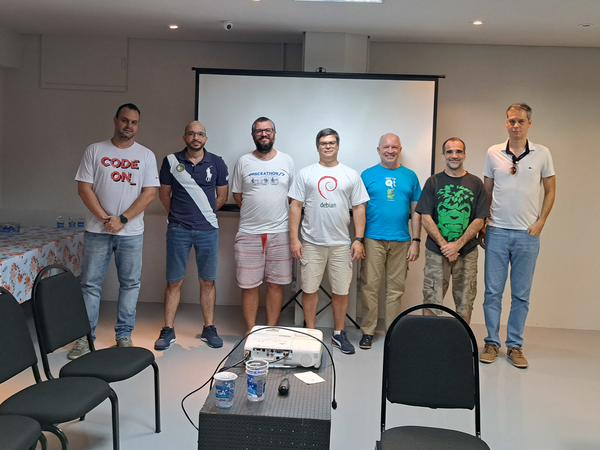
For the first time, the city of Belo Horizonte held a Debian Day to celebrate the anniversary of the Debian Project. The communities Debian Minas Gerais and Free Software Belo Horizonte and Region felt motivated to celebrate this special date due the 30 years of the Debian Project in 2023 and they organized a meeting on August 12nd in UFMG Knowledge Space. The Debian Day organization in Belo Horizonte received the important support from UFMG Computer Science Department to book the room used by the event. It was scheduled three activities: In total, 11 people were present and we took a photo with those who stayed until the end. Presentes no Debian Day 2023 em BH

Debian Brasil: Debian Day 30 anos em Belo Horizonte

Pela primeira vez a cidade de Belo Horizonte realizou um Debian Day para celebrar o anivers rio do Projeto Debian. As comunidades Debian Minas Gerais e Software Livre de BH e Regi o se sentiram motivadas para celebrar esta data especial devido aos 30 anos do Projeto Debian em 2023 e organizou um encontro no dia 12 de agosto dentro Espa o do Conhecimento da UFMG. A organiza o do Debian Day em Belo Horizonte recebeu o importante apoio do Departamento de Ci ncia da Computa o da UFMG para reservar a sala que foi utilizada para o evento. A programa o contou com tr s atividades: No total etiveram presentes 11 pessoas e fizemos uma foto com as que ficaram at o final. Presentes no Debian Day 2023 em BH

Lukas M rdian: Netplan v0.107 is now available

I m happy to announce that Netplan version 0.107 is now available on GitHub and is soon to be deployed into a Linux installation near you! Six months and more than 200 commits after the previous version (including a .1 stable release), this release is brought to you by 8 free software contributors from around the globe.

Highlights Highlights of this release include the new configuration types for veth and dummy interfaces:
network:
  version: 2
  virtual-ethernets:
    veth0:
      peer: veth1
    veth1:
      peer: veth0
  dummy-devices:
    dm0:
      addresses:
        - 192.168.0.123/24
      ...
Furthermore, we implemented CFFI based Python bindings on top of libnetplan s API, that can easily be consumed by 3rd party applications (see full cffi-bindings.py example):
from netplan import Parser, State, NetDefinition
from netplan import NetplanException, NetplanParserException

parser = Parser()
# Parse the full, existing YAML config hierarchy
parser.load_yaml_hierarchy(rootdir='/')
# Validate the final parser state
state = State()
try:
    # validation of current state + new settings
    state.import_parser_results(parser)
except NetplanParserException as e:
    print('Error in', e.filename, 'Row/Col', e.line, e.column, '->', e.message)
except NetplanException as e:
    print('Error:', e.message)
# Walk through ethernet NetdefIDs in the state and print their backend
# renderer, to demonstrate working with NetDefinitionIterator &
# NetDefinition
for netdef in state.ethernets.values():
    print('Netdef', netdef.id, 'is managed by:', netdef.backend)
    print('Is it configured to use DHCP?', netdef.dhcp4 or netdef.dhcp6)

Changelog:

Bug fixes:

Debian Brasil: Debian Day 30 years at IF Sul de Minas, Pouso Alegre - Brazil

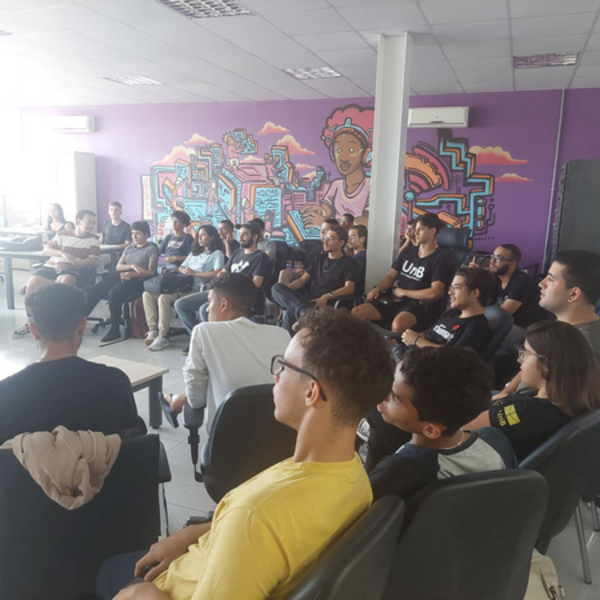
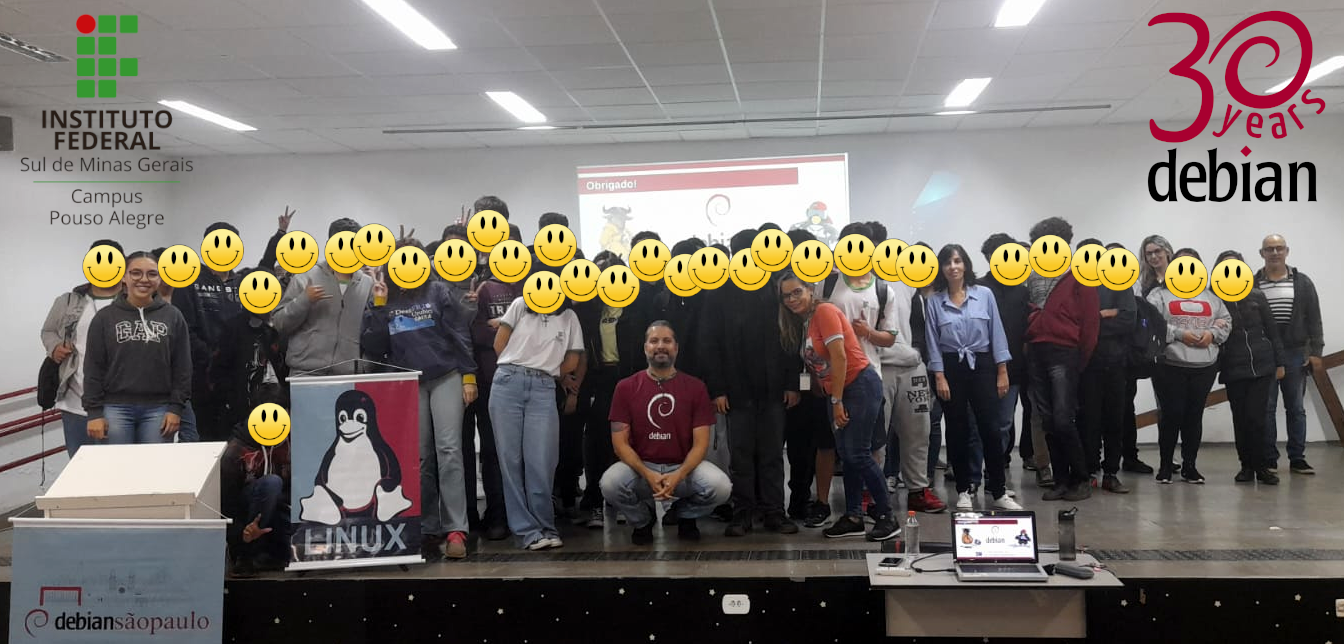
by Thiago Pezzo, Debian contributor, pt_BR localization team This year's Debian Day was a pretty special one, we are celebrating 30 years! Giving the importance of this event, the Brazilian community planned a very special week. Instead of only local gatherings, we had a week of online talks streamed via Debian Brazil's youtube channel (soon the recordings will be uploaded to our team's peertube instance). Nonetheless the local celebrations happened around the country and one was organized in Pouso Alegre, MG, Brazil, at the Instituto Federal de Educa o, Ci ncia e Tecnologia do Sul de Minas Gerais (IFSULDEMINAS - Federal Institute of Education, Science and Technology of the South of Minas Gerais). The Institute, as many of its counterparts in Brazil, specializes in professional and technological curricula to high school and undergraduate levels. All public, free and quality education! The event happened on the afternoon of August 16th at the Pouso Alegre campus. Some 30 students from the High School Computer Technician class attended the presentation about the Debian Project and the Free Software movement in general. Everyone had a great time! And afterwards we had some spare time to chat. I would like to thank all people who helped us: Here goes our group photo: Presentation at IFSULDEMINAS Pouso Alegre campus

21 August 2023

Melissa Wen: AMD Driver-specific Properties for Color Management on Linux (Part 1)

TL;DR: Color is a visual perception. Human eyes can detect a broader range of colors than any devices in the graphics chain. Since each device can generate, capture or reproduce a specific subset of colors and tones, color management controls color conversion and calibration across devices to ensure a more accurate and consistent color representation. We can expose a GPU-accelerated display color management pipeline to support this process and enhance results, and this is what we are doing on Linux to improve color management on Gamescope/SteamDeck. Even with the challenges of being external developers, we have been working on mapping AMD GPU color capabilities to the Linux kernel color management interface, which is a combination of DRM and AMD driver-specific color properties. This more extensive color management pipeline includes pre-defined Transfer Functions, 1-Dimensional LookUp Tables (1D LUTs), and 3D LUTs before and after the plane composition/blending.
The study of color is well-established and has been explored for many years. Color science and research findings have also guided technology innovations. As a result, color in Computer Graphics is a very complex topic that I m putting a lot of effort into becoming familiar with. I always find myself rereading all the materials I have collected about color space and operations since I started this journey (about one year ago). I also understand how hard it is to find consensus on some color subjects, as exemplified by all explanations around the 2015 online viral phenomenon of The Black and Blue Dress. Have you heard about it? What is the color of the dress for you? So, taking into account my skills with colors and building consensus, this blog post only focuses on GPU hardware capabilities to support color management :-D If you want to learn more about color concepts and color on Linux, you can find useful links at the end of this blog post.

Linux Kernel, show me the colors ;D DRM color management interface only exposes a small set of post-blending color properties. Proposals to enhance the DRM color API from different vendors have landed the subsystem mailing list over the last few years. On one hand, we got some suggestions to extend DRM post-blending/CRTC color API: DRM CRTC 3D LUT for R-Car (2020 version); DRM CRTC 3D LUT for Intel (draft - 2020); DRM CRTC 3D LUT for AMD by Igalia (v2 - 2023); DRM CRTC 3D LUT for R-Car (v2 - 2023). On the other hand, some proposals to extend DRM pre-blending/plane API: DRM plane colors for Intel (v2 - 2021); DRM plane API for AMD (v3 - 2021); DRM plane 3D LUT for AMD - 2021. Finally, Simon Ser sent the latest proposal in May 2023: Plane color pipeline KMS uAPI, from discussions in the 2023 Display/HDR Hackfest, and it is still under evaluation by the Linux Graphics community. All previous proposals seek a generic solution for expanding the API, but many seem to have stalled due to the uncertainty of matching well the hardware capabilities of all vendors. Meanwhile, the use of AMD color capabilities on Linux remained limited by the DRM interface, as the DCN 3.0 family color caps and mapping diagram below shows the Linux/DRM color interface without driver-specific color properties [*]: Bearing in mind that we need to know the variety of color pipelines in the subsystem to be clear about a generic solution, we decided to approach the issue from a different perspective and worked on enabling a set of Driver-Specific Color Properties for AMD Display Drivers. As a result, I recently sent another round of the AMD driver-specific color mgmt API. For those who have been following the AMD driver-specific proposal since the beginning (see [RFC][V1]), the main new features of the latest version [v2] are the addition of pre-blending Color Transformation Matrix (plane CTM) and the differentiation of Pre-defined Transfer Functions (TF) supported by color blocks. For those who just got here, I will recap this work in two blog posts. This one describes the current status of the AMD display driver in the Linux kernel/DRM subsystem and what changes with the driver-specific properties. In the next post, we go deeper to describe the features of each color block and provide a better picture of what is available in terms of color management for Linux.

The Linux kernel color management API and AMD hardware color capabilities Before discussing colors in the Linux kernel with AMD hardware, consider accessing the Linux kernel documentation (version 6.5.0-rc5). In the AMD Display documentation, you will find my previous work documenting AMD hardware color capabilities and the Color Management Properties. It describes how AMD Display Manager (DM) intermediates requests between the AMD Display Core component (DC) and the Linux/DRM kernel interface for color management features. It also describes the relevant function to call the AMD color module in building curves for content space transformations. A subsection also describes hardware color capabilities and how they evolve between versions. This subsection, DC Color Capabilities between DCN generations, is a good starting point to understand what we have been doing on the kernel side to provide a broader color management API with AMD driver-specific properties.

Why do we need more kernel color properties on Linux? Blending is the process of combining multiple planes (framebuffers abstraction) according to their mode settings. Before blending, we can manage the colors of various planes separately; after blending, we have combined those planes in only one output per CRTC. Color conversions after blending would be enough in a single-plane scenario or when dealing with planes in the same color space on the kernel side. Still, it cannot help to handle the blending of multiple planes with different color spaces and luminance levels. With plane color management properties, userspace can get a more accurate representation of colors to deal with the diversity of color profiles of devices in the graphics chain, bring a wide color gamut (WCG), convert High-Dynamic-Range (HDR) content to Standard-Dynamic-Range (SDR) content (and vice-versa). With a GPU-accelerated display color management pipeline, we can use hardware blocks for color conversions and color mapping and support advanced color management. The current DRM color management API enables us to perform some color conversions after blending, but there is no interface to calibrate input space by planes. Note that here I m not considering some workarounds in the AMD display manager mapping of DRM CRTC de-gamma and DRM CRTC CTM property to pre-blending DC de-gamma and gamut remap block, respectively. So, in more detail, it only exposes three post-blending features:
  • DRM CRTC de-gamma: used to convert the framebuffer s colors to linear gamma;
  • DRM CRTC CTM: used for color space conversion;
  • DRM CRTC gamma: used to convert colors to the gamma space of the connected screen.

AMD driver-specific color management interface We can compare the Linux color management API with and without the driver-specific color properties. From now, we denote driver-specific properties with the AMD prefix and generic properties with the DRM prefix. For visual comparison, I bring the DCN 3.0 family color caps and mapping diagram closer and present it here again: Mixing AMD driver-specific color properties with DRM generic color properties, we have a broader Linux color management system with the following features exposed by properties in the plane and CRTC interface, as summarized by this updated diagram: The blocks highlighted by red lines are the new properties in the driver-specific interface developed by me (Igalia) and Joshua (Valve). The red dashed lines are new links between API and AMD driver components implemented by us to connect the Linux/DRM interface to AMD hardware blocks, mapping components accordingly. In short, we have the following color management properties exposed by the DRM/AMD display driver:
  • Pre-blending - AMD Display Pipe and Plane (DPP):
    • AMD plane de-gamma: 1D LUT and pre-defined transfer functions; used to linearize the input space of a plane;
    • AMD plane CTM: 3x4 matrix; used to convert plane color space;
    • AMD plane shaper: 1D LUT and pre-defined transfer functions; used to delinearize and/or normalize colors before applying 3D LUT;
    • AMD plane 3D LUT: 17x17x17 size with 12 bit-depth; three dimensional lookup table used for advanced color mapping;
    • AMD plane blend/out gamma: 1D LUT and pre-defined transfer functions; used to linearize back the color space after 3D LUT for blending.
  • Post-blending - AMD Multiple Pipe/Plane Combined (MPC):
    • DRM CRTC de-gamma: 1D LUT (can t be set together with plane de-gamma);
    • DRM CRTC CTM: 3x3 matrix (remapped to post-blending matrix);
    • DRM CRTC gamma: 1D LUT + AMD CRTC gamma TF; added to take advantage of driver pre-defined transfer functions;
Note: You can find more about AMD display blocks in the Display Core Next (DCN) - Linux kernel documentation, provided by Rodrigo Siqueira (Linux/AMD display developer) in a 2021-documentation series. In the next post, I ll revisit this topic, explaining display and color blocks in detail.

How did we get a large set of color features from AMD display hardware? So, looking at AMD hardware color capabilities in the first diagram, we can see no post-blending (MPC) de-gamma block in any hardware families. We can also see that the AMD display driver maps CRTC/post-blending CTM to pre-blending (DPP) gamut_remap, but there is post-blending (MPC) gamut_remap (DRM CTM) from newer hardware versions that include SteamDeck hardware. You can find more details about hardware versions in the Linux kernel documentation/AMDGPU Product Information. I needed to rework these two mappings mentioned above to provide pre-blending/plane de-gamma and CTM for SteamDeck. I changed the DC mapping to detach stream gamut remap matrixes from the DPP gamut remap block. That means mapping AMD plane CTM directly to DPP/pre-blending gamut remap block and DRM CRTC CTM to MPC/post-blending gamut remap block. In this sense, I also limited plane CTM properties to those hardware versions with MPC/post-blending gamut_remap capabilities since older versions cannot support this feature without clashes with DRM CRTC CTM. Unfortunately, I couldn t prevent conflict between AMD plane de-gamma and DRM plane de-gamma since post-blending de-gamma isn t available in any AMD hardware versions until now. The fact is that a post-blending de-gamma makes little sense in the AMD color pipeline, where plane blending works better in a linear space, and there are enough color blocks to linearize content before blending. To deal with this conflict, the driver now rejects atomic commits if users try to set both AMD plane de-gamma and DRM CRTC de-gamma simultaneously. Finally, we had no other clashes when enabling other AMD driver-specific color properties for our use case, Gamescope/SteamDeck. Our main work for the remaining properties was understanding the data flow of each property, the hardware capabilities and limitations, and how to shape the data for programming the registers - AMD color block capabilities (and limitations) are the topics of the next blog post. Besides that, we fixed some driver bugs along the way since it was the first Linux use case for most of the new color properties, and some behaviors are only exposed when exercising the engine. Take a look at the Gamescope/Steam Deck Color Pipeline[**], and see how Gamescope uses the new API to manage color space conversions and calibration (please click on the image for a better view): In the next blog post, I ll describe the implementation and technical details of each pre- and post-blending color block/property on the AMD display driver. * Thank Harry Wentland for helping with diagrams, color concepts and AMD capabilities. ** Thank Joshua Ashton for providing and explaining Gamescope/Steam Deck color pipeline. *** Thanks to the Linux Graphics community - explicitly Harry, Joshua, Pekka, Simon, Sebastian, Siqueira, Alex H. and Ville - to all the learning during this Linux DRM/AMD color journey. Also, Carlos and Tomas for organizing the 2023 Display/HDR Hackfest where we have a great and immersive opportunity to discuss Color & HDR on Linux.

Russ Allbery: Review: Some Desperate Glory

Review: Some Desperate Glory, by Emily Tesh
Publisher: Tordotcom
Copyright: 2023
ISBN: 1-250-83499-6
Format: Kindle
Pages: 438
Some Desperate Glory is a far-future space... opera? That's probably the right genre classification given the setting, but this book is much more intense and character-focused than most space opera. It is Emily Tesh's first novel, although she has two previous novellas that were published as books. The alien majo and their nearly all-powerful Wisdom have won the war by destroying Earth with an antimatter bomb. The remnants of humanity were absorbed into the sprawling majo civilization. Gaea Station is the lone exception: a marginally viable station deep in space, formed from a lifeless rocky planetoid and the coupled hulks of the last four human dreadnoughts. Gaea Station survives on military discipline, ruthless use of every available resource, and constant training, raising new generations of soldiers for the war that it refuses to let end. While Earth's children live, the enemy shall fear us. Kyr is a warbreed, one of a genetically engineered line of soldiers that, following an accident, Gaea Station has lost the ability to make except the old-fashioned way. Among the Sparrows, her mess group, she is the best at the simulated combat exercises they use for training. She may be the best of her age cohort except her twin Magnus. As this novel opens, she and the rest of the Sparrows are about to get their adult assignments. Kyr is absolutely focused on living up to her potential and the attention of her uncle Jole, the leader of the station. Kyr's future will look nothing like what she expects. This book was so good, and I despair of explaining why it was so good without unforgivable spoilers. I can tell you a few things about it, but be warned that I'll be reduced to helpless gestures and telling you to just go read it. It's been a very long time since I was this surprised by a novel, possibly since I read Code Name: Verity for the first time. Some Desperate Glory follows Kyr in close third-person throughout the book, which makes the start of this book daring. If you're getting a fascist vibe from the setup, you're not wrong, and this is intentional on Tesh's part. But Kyr is a true believer at the start of the book, so the first quarter has a protagonist who is sometimes nasty and cruel and who makes some frustratingly bad decisions. Stay with it, though; Tesh knows exactly what she's doing. This is a coming of age story, in a way. Kyr has a lot to learn and a lot to process, and Some Desperate Glory is about that process. But by the middle of part three, halfway through the book, I had absolutely no idea where Tesh was going with the story. She then pulled the rug out from under me, in the best way, at least twice more. Part five of this book is an absolute triumph, the payoff for everything that's happened over the course of the novel, and there is no way I could have predicted it in advance. It was deeply satisfying in that way where I felt like I learned some things along with the characters, and where the characters find a better ending than I could possibly have worked out myself. Tesh does use some world-building trickery, which is at its most complicated in part four. That was the one place where I can point to a few chapters where I thought the world-building got a bit too convenient in order to enable the plot. But it also allows for some truly incredible character work. I can't describe that in detail because it would be a major spoiler, but it's one of my favorite tropes in fiction and Tesh pulls it off beautifully. The character growth and interaction in this book is just so good: deep and complicated and nuanced and thoughtful in a way that revises reader impressions of earlier chapters. The other great thing about this book is that for a 400+ page novel, it moves right along. Both plot and character development is beautifully paced with only a few lulls. Tesh also doesn't belabor conversations. This is a book that provides just the right amount of context for the reader to fully understand what's going on, and then trusts the reader to be following along and moves straight to the next twist. That makes it propulsively readable. I had so much trouble putting this book down at any time during the second half. I can't give any specifics, again because of spoilers, but this is not just a character story. Some Desperate Glory has strong opinions on how to ethically approach the world, and those ethics are at the center of the plot. Unlike a lot of books with a moral stance, though, this novel shows the difficulty of the work of deriving that moral stance. I have rarely read a book that more perfectly captures the interior experience of changing one's mind with all of its emotional difficulty and internal resistance. Tesh provides all the payoff I was looking for as a reader, but she never makes it easy or gratuitous (with the arguable exception of one moment at the very end of the book that I think some people will dislike but that I personally needed). This is truly great stuff, probably the best science fiction novel that I've read in several years. Since I read it (I'm late on reviews again), I've pushed it on several other people, and I've not had a miss yet. The subject matter is pretty heavy, and this book also uses several tropes that I personally adore and am therefore incapable of being objective about, but with those caveats, this gets my highest possible recommendation. Some Desperate Glory is a complete story in one novel with a definite end, although I love these characters so much that I'd happily read their further adventures, even if those are thematically unnecessary. Content warnings: Uh, a lot. Genocide, suicide, sexual assault, racism, sexism, homophobia, misgendering, and torture, and I'm probably forgetting a few things. Tesh doesn't linger on these long, but most of them are on-screen. You may have to brace yourself for this one. Rating: 10 out of 10

20 August 2023

Dirk Eddelbuettel: RcppRedis 0.2.4 on CRAN: Maintenance

Another minor release, now at 0.2.4, of our RcppRedis package arrived on CRAN yesterday. RcppRedis is one of several packages connecting R to the fabulous Redis in-memory datastructure store (and much more). RcppRedis does not pretend to be feature complete, but it may do some things faster than the other interfaces, and also offers an optional coupling with MessagePack binary (de)serialization via RcppMsgPack. The package has carried production loads on a trading floor for several years. It also supports pub/sub dissemination of streaming market data as per this earlier example. This update is (just like the previous one) fairly mechanical. CRAN noticed a shortcoming of the default per-package help page in a number of packages, in our case it was matter of adding one line for a missing alias to the Rd file. We also demoted the mention of the suggested (but retired) rredis package to a mere mention in the DESCRIPTION file as a formal Suggests: entry, even with an added Additional_repositories, create a NOTE. Life is simpler without those, The detailed changes list follows.

Changes in version 0.2.4 (2023-08-19)
  • Add missing alias for RcppRedis-package to rhiredis.Rd.
  • Remove Suggests: rredis which triggers a NOTE nag as it is only on an Additional_repositories .

Courtesy of my CRANberries, there is also a diffstat report for this this release. More information is on the RcppRedis page. If you like this or other open-source work I do, you can sponsor me at GitHub.

This post by Dirk Eddelbuettel originated on his Thinking inside the box blog. Please report excessive re-aggregation in third-party for-profit settings.

Debian Brasil: Debian Day 30 years in Brazil

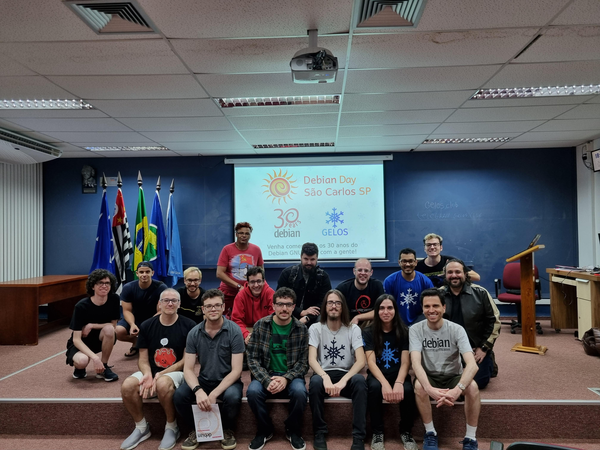
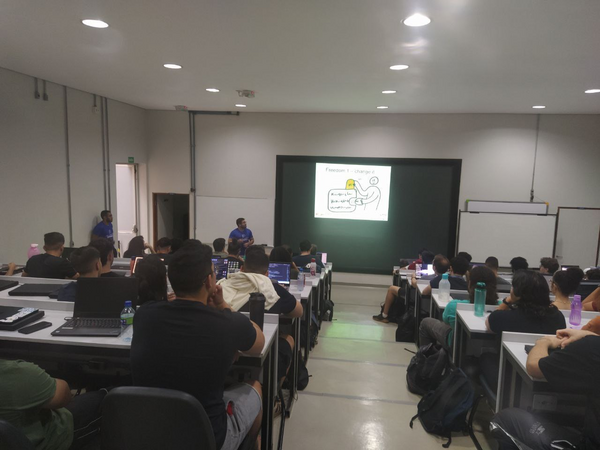
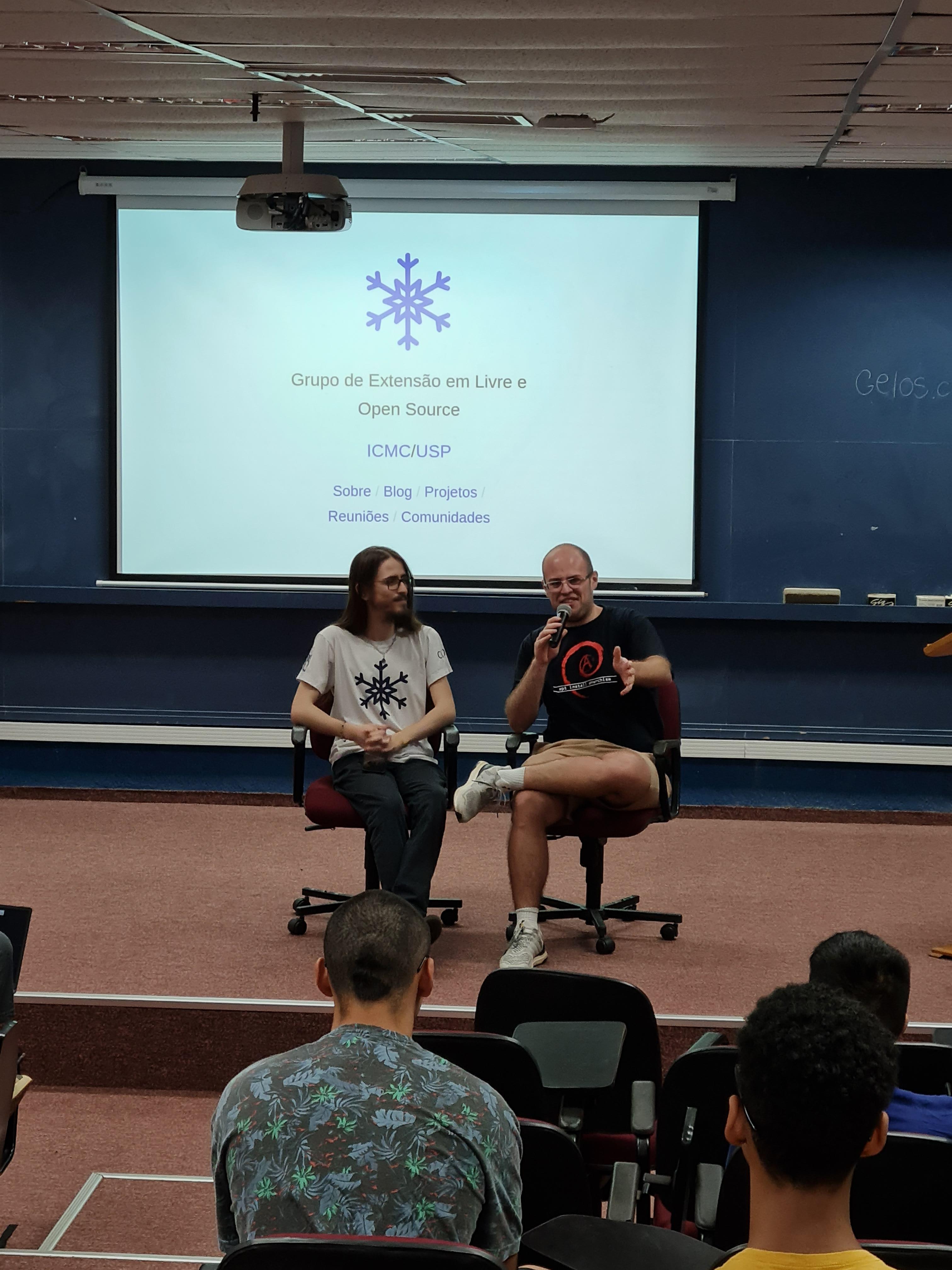
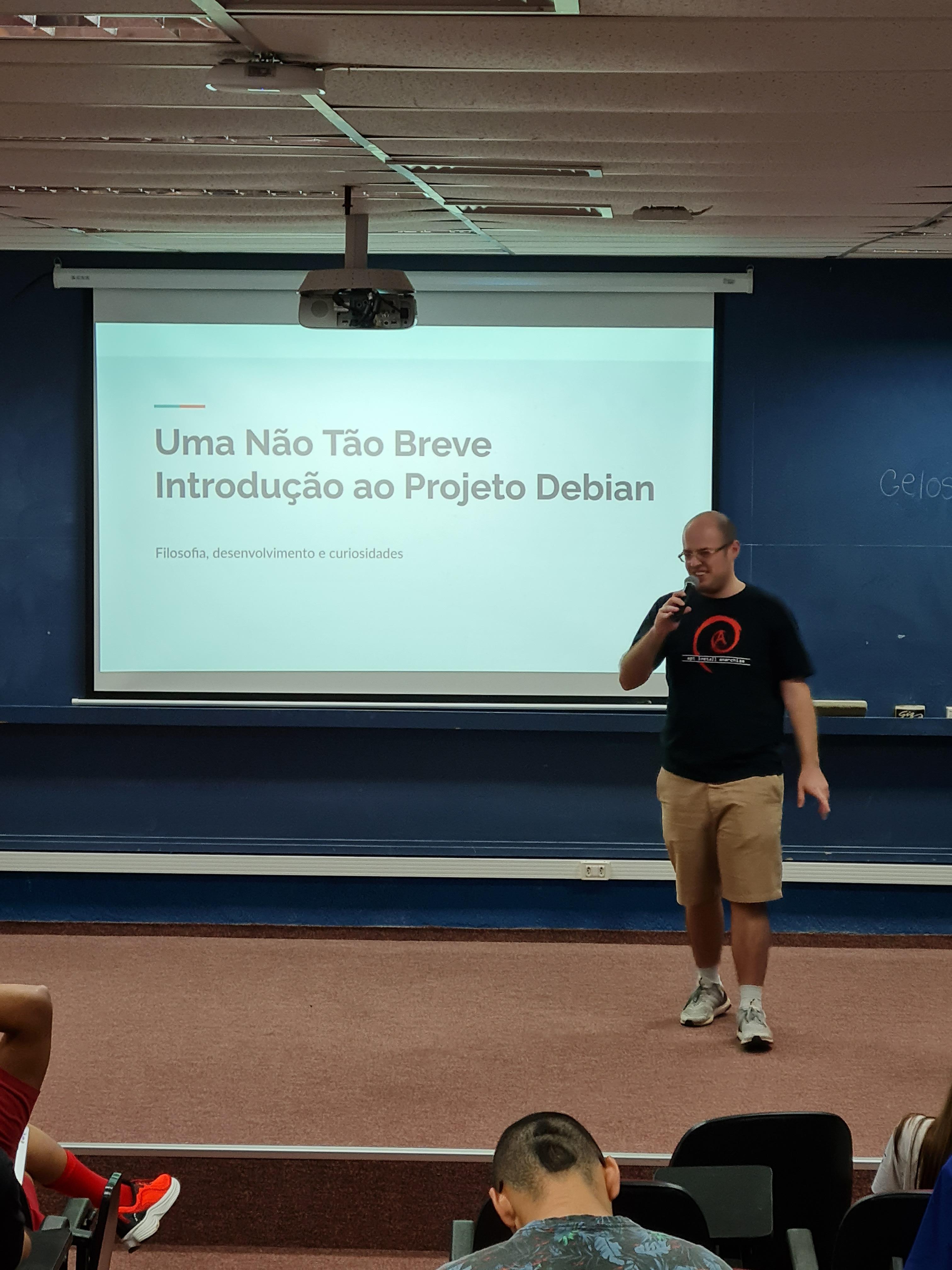
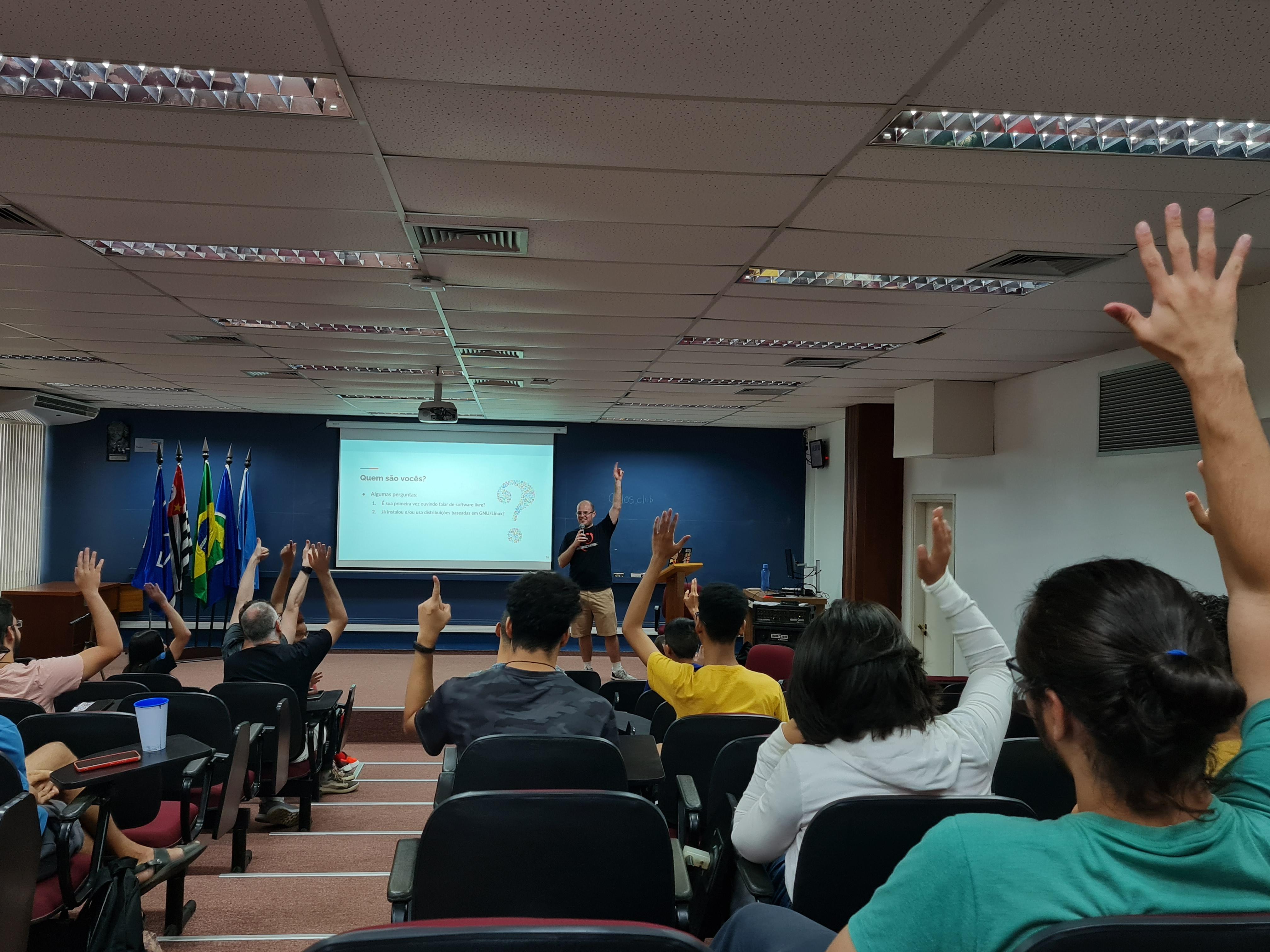
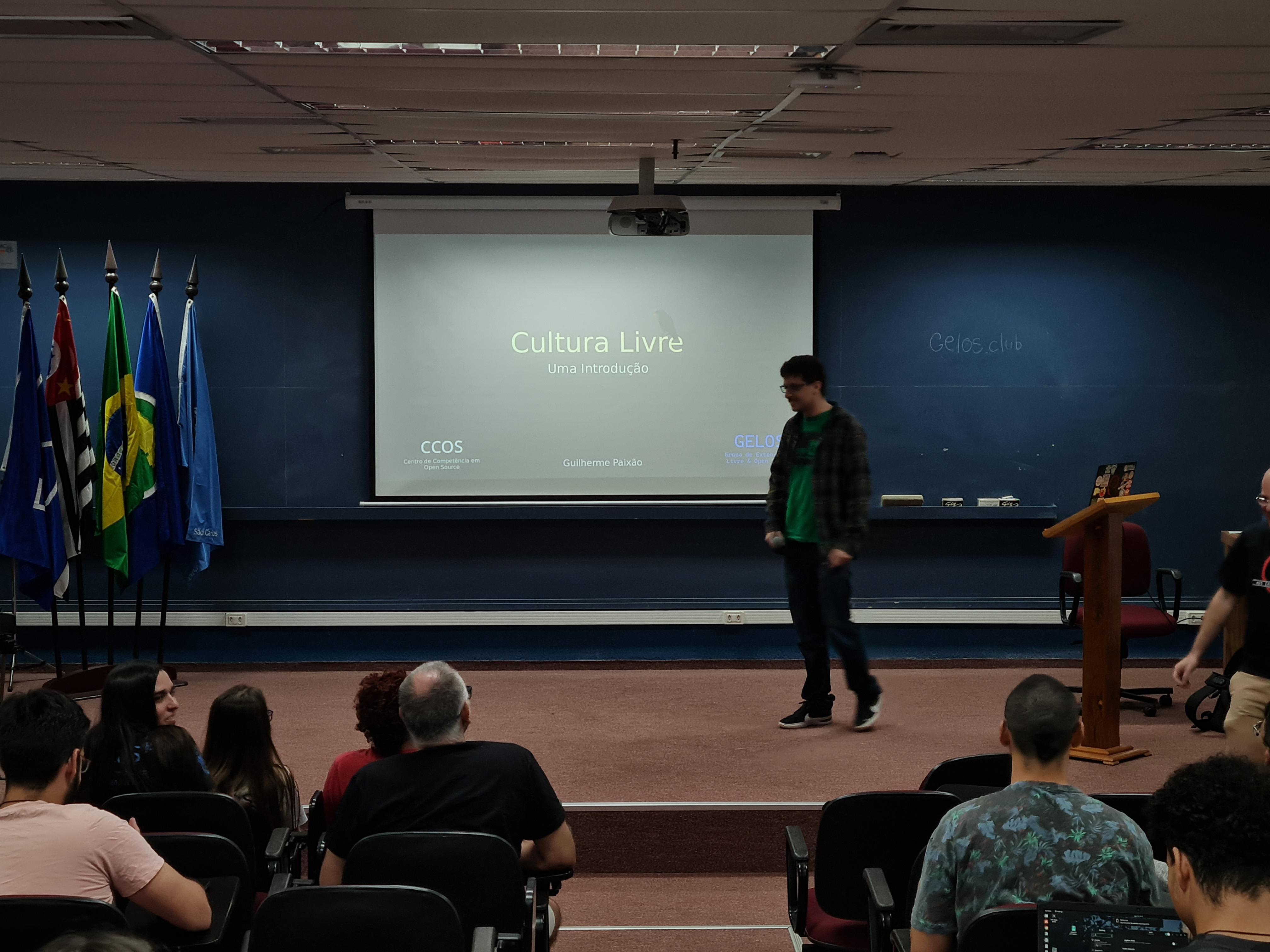
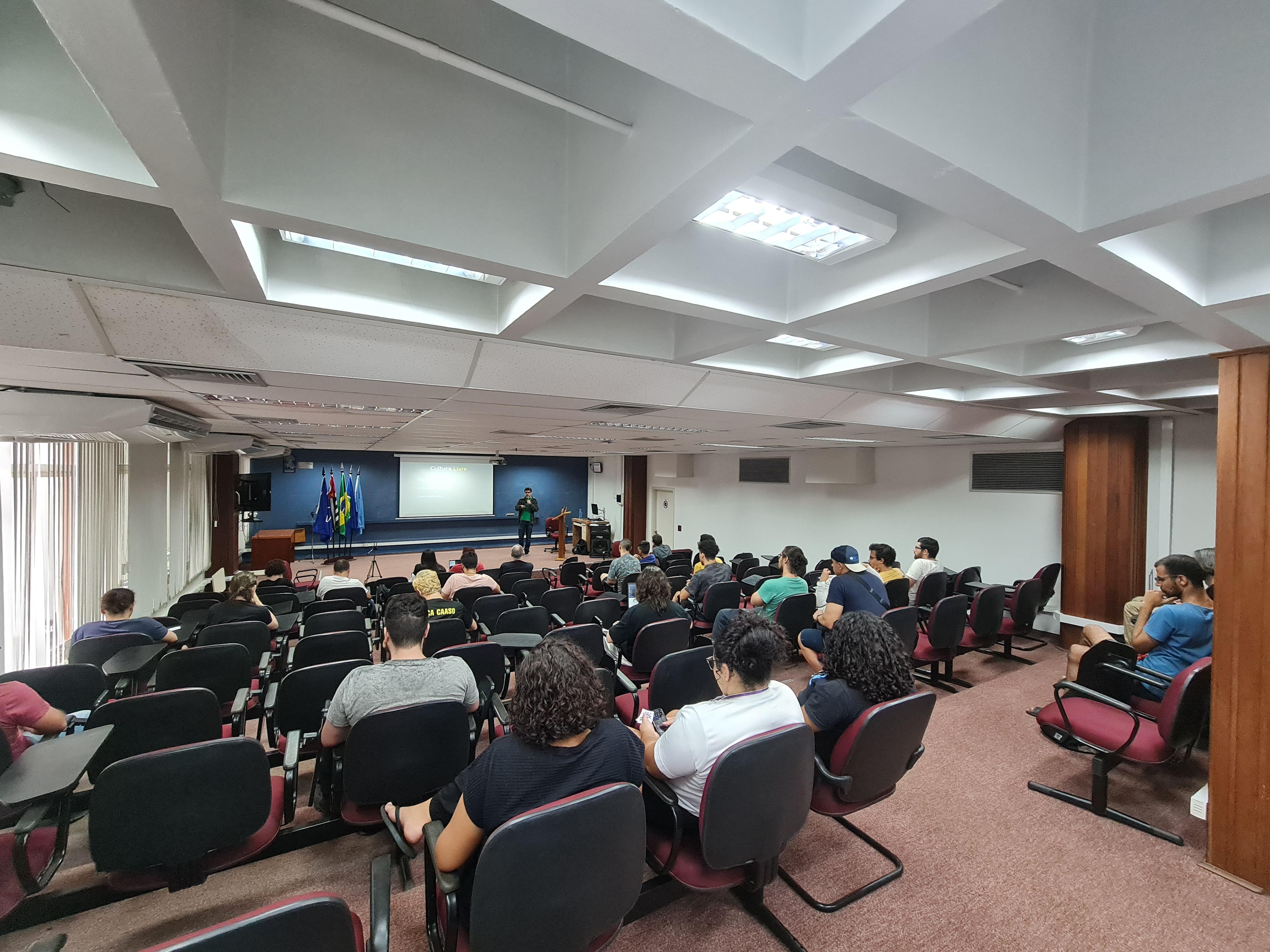
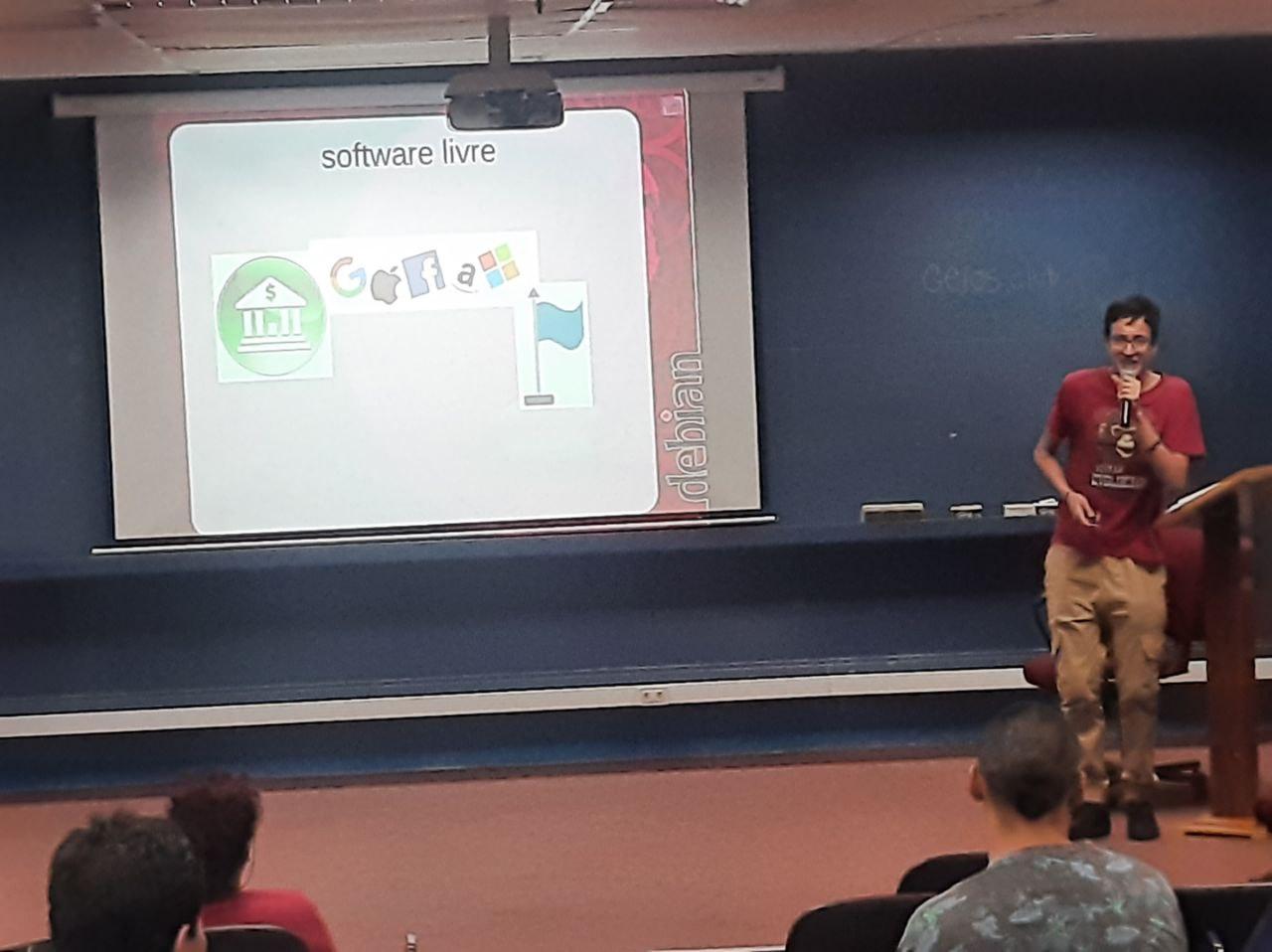
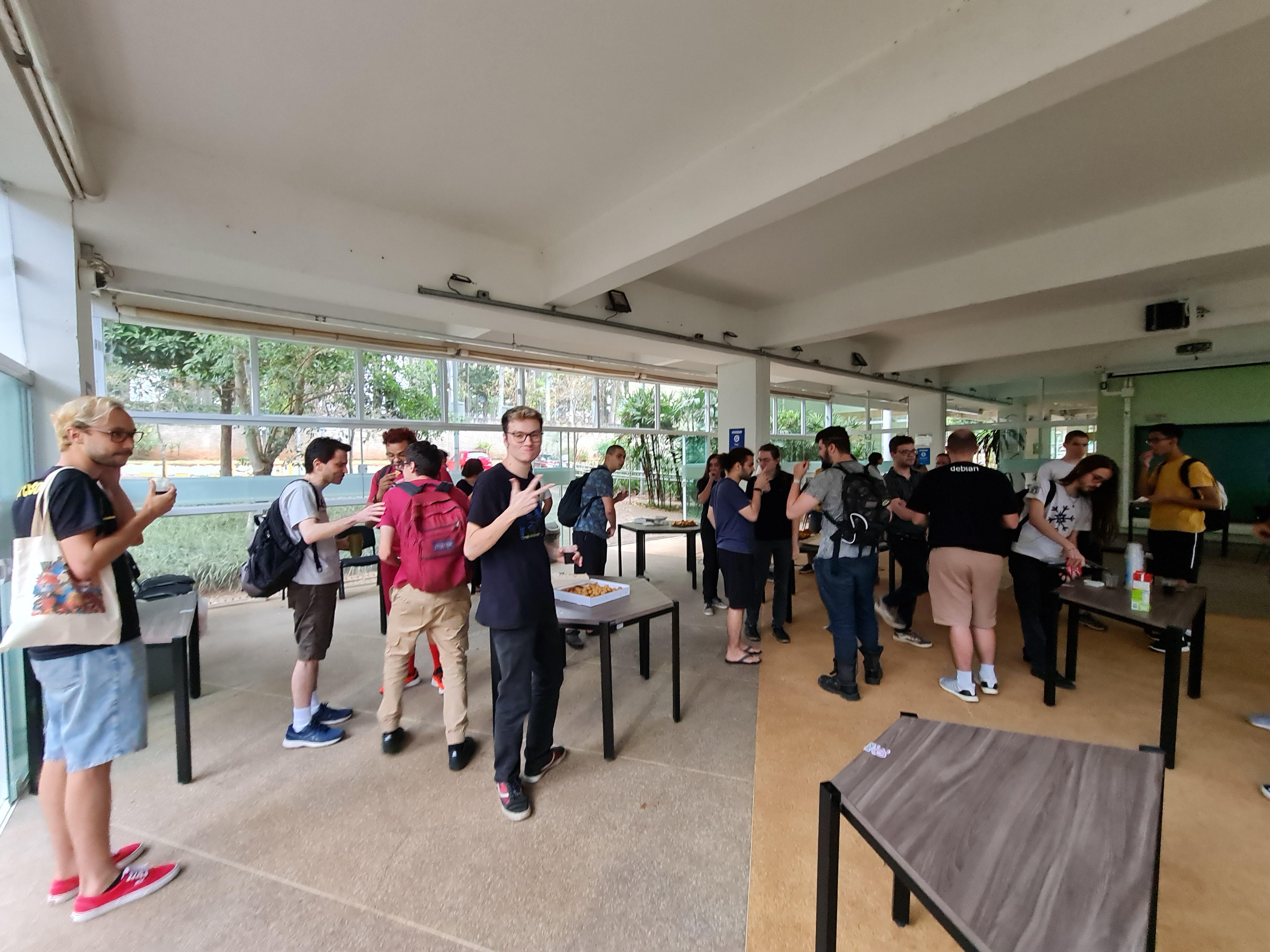
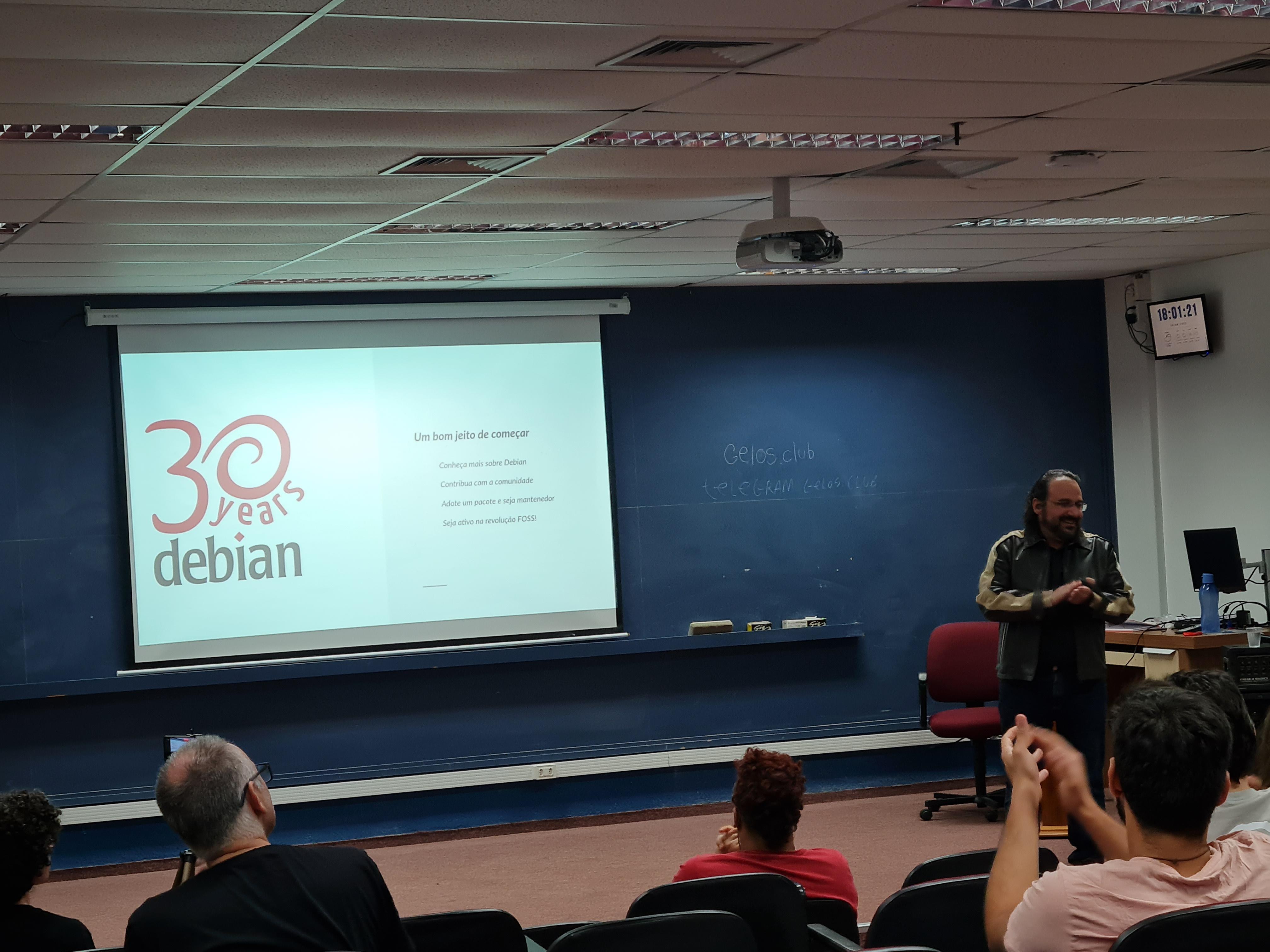
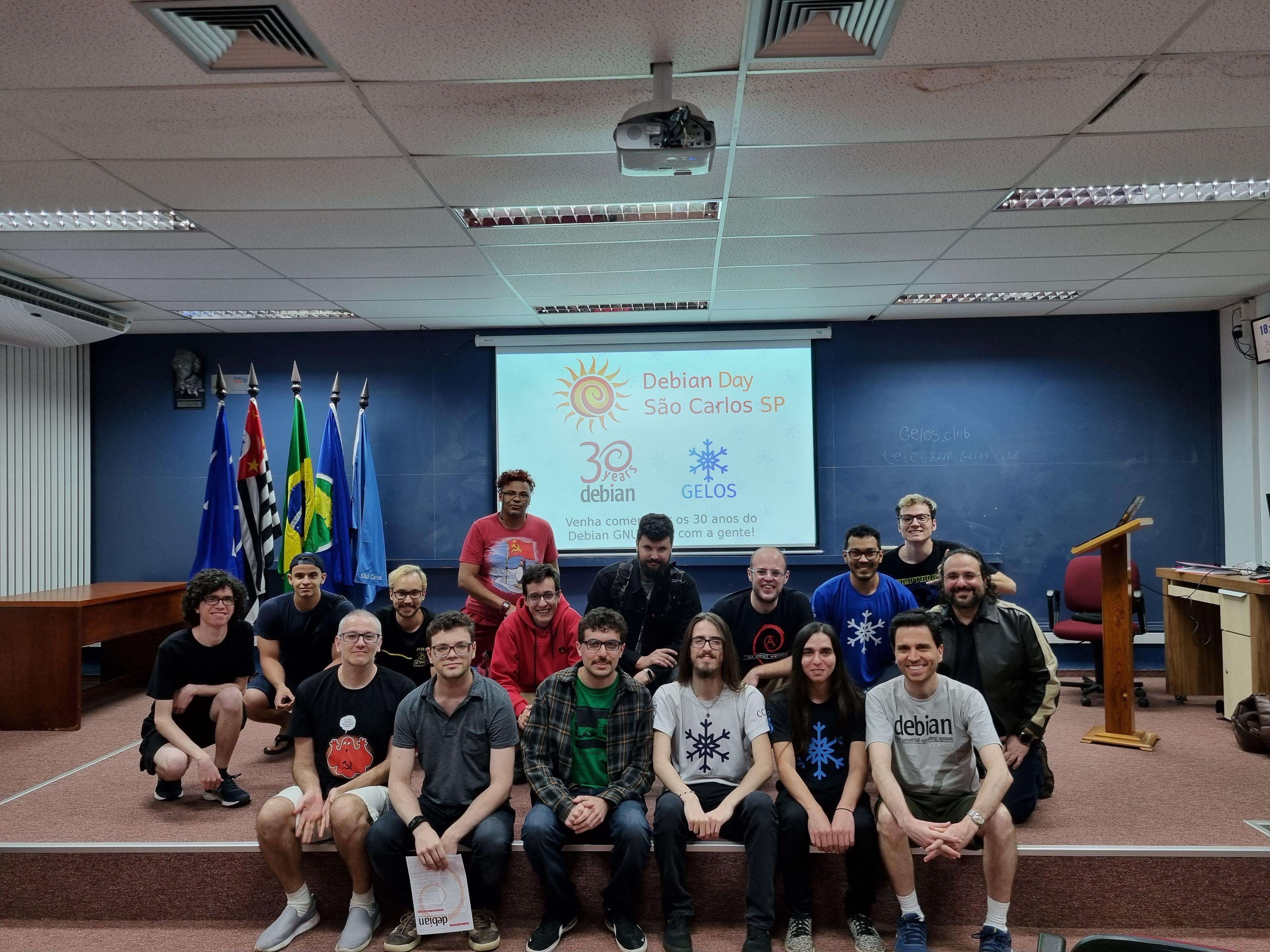
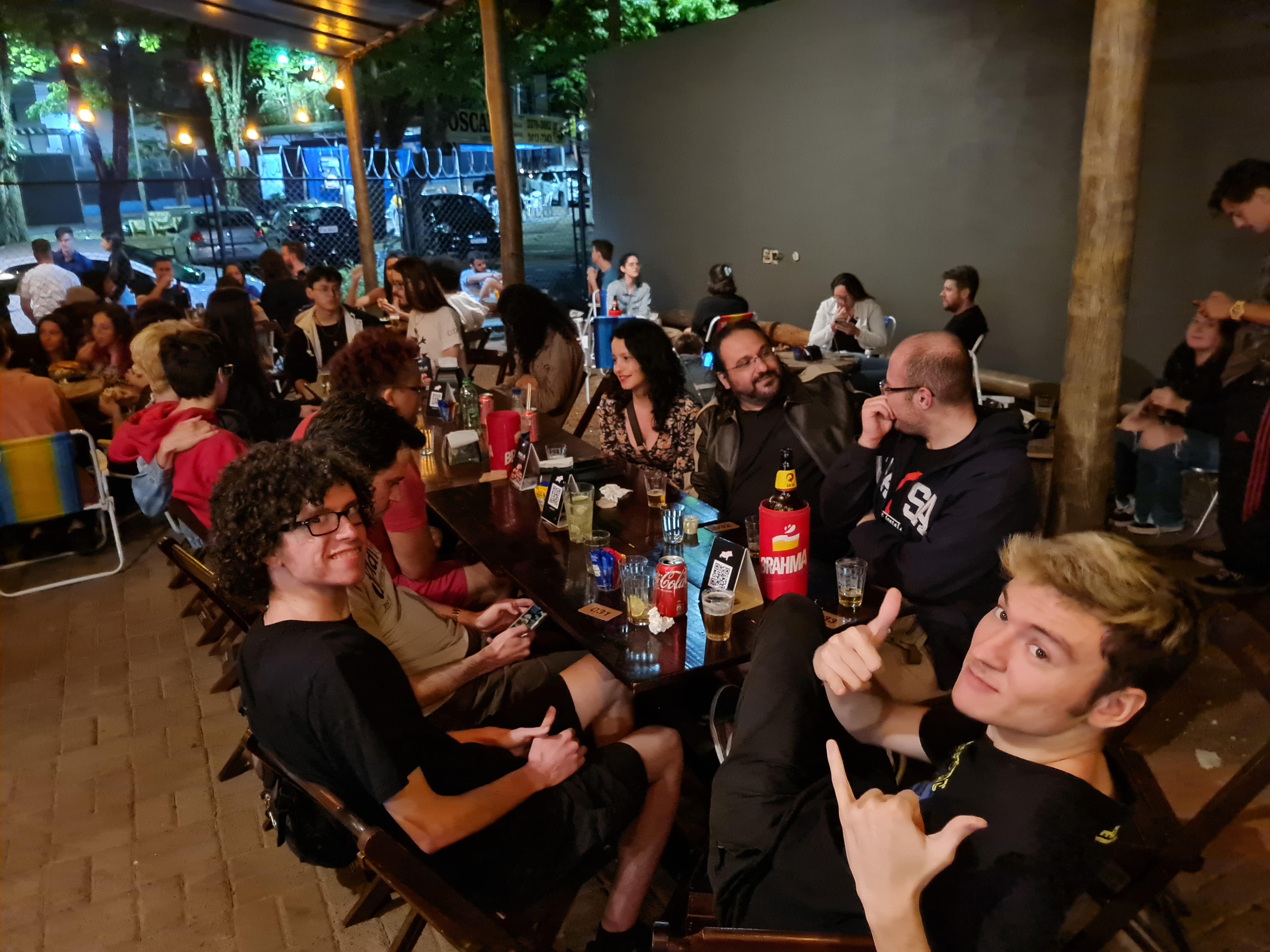
This year's Debian day was a pretty special one, we are celebrating 30 years! Giving the importance of this event, the Brazilian community planned a very special week. Instead of only local gatherings, we had a week of online talks streamed via Debian Brazil's youtube channel (soon the recordings will be uploaded to Debian's peertube instance). Nonetheless the local celebrations happened around the country and I've organized one in S o Carlos with the help of GELOS, the FLOSS group at University of S o Paulo. The event happened on August 19th and went on the whole afternoon. We had some talks about Debian and free software (see table below), a coffee break where we had the chance to talk, and finished with a group photo (check this one and many others below). Actually, it wasn't the end, we carried on the conversation about Debian and free software in a local bar :-) We had around 30 people in the event and reached a greater audience via the announcements across the university's press releases and emails sent to our Brazilian mailing lists. You can check some of them below. Below you can check the list of talks.
Time Author Title
14:10 GELOS Intro to GELOS
14:30 Carlos Melara (Charles) A not so Brief Introdution to the Debian Project
15:15 Guilherme Paix o Debian and the Free Culture
15:45 z Free Software: the paths to a free life
16:15 -- Coffee Break
17:15 Prof. Dr. Francisco Jos Monaco The FOSS Ecosystem and You
Here are some photos taken during the event! Preparation for Debian Day
Getting things ready for the event. Intro to GELOS
Intro to GELOS talk. Debian intro
A not so Brief Introdution to the Debian Project talk. Everyone knows Debian
Everyone already knew Debian! Free software
Debian and the Free Culture talk Auditorium
People in the auditorium space. Free software
Free Software: the paths to a free life talk Coffee Break
Coffee Break. FOSS Ecosystem
The FOSS Ecosystem and You talk. Group photo
Group photo. Celebration afterwards
Celebration goes on in the bar.

18 August 2023

Dirk Eddelbuettel: #43: r2u Faster Than the Alternatives

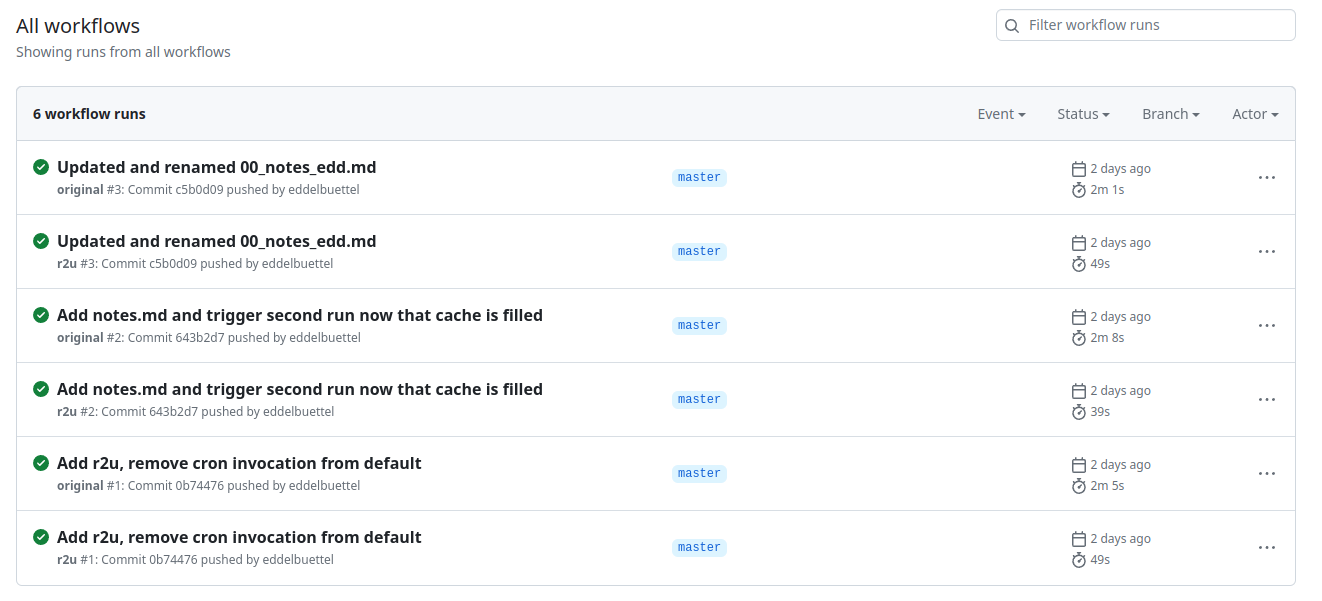
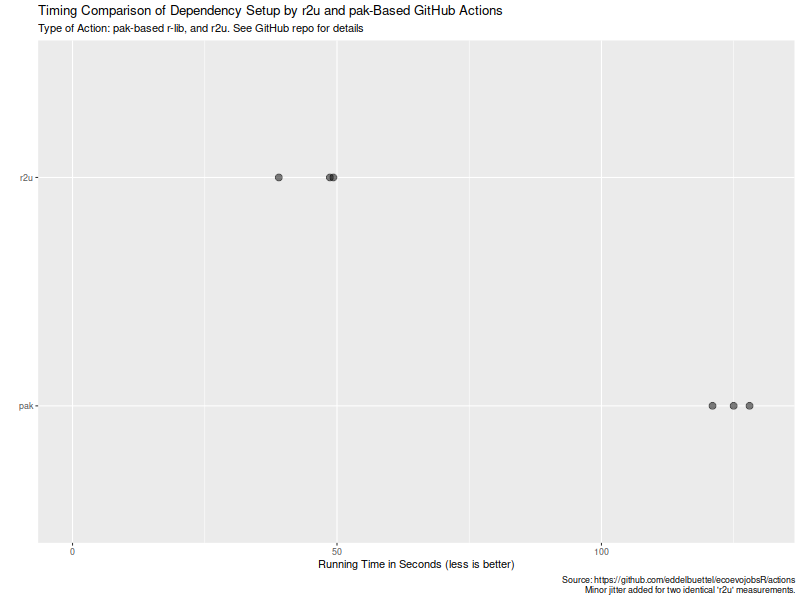
Welcome to the 43th post in the $R^4 series. And with that, a good laugh. When I set up Sunday s post, I was excited enough about the (indeed exciting !!) topic of r2u via browser or vscode that I mistakenly labeled it as the 41th post. And overlooked the existing 41th post from July! So it really is as if Douglas Adams, Arthur Dent, and, for good measure, Dirk Gently, looked over my shoulder and declared there shall not be a 42th post!! So now we have two 41th post: Sunday s and July s. Back the current topic, which is of course r2u. Earlier this week we had a failure in (an R based) CI run (using a default action which I had not set up). A package was newer in source than binary, so a build from source was attempted. And of course failed as it was a package needing a system dependency to build. Which the default action did not install. I am familiar with the problem via my general use of r2u (or my r-ci which uses it under the hood). And there we use a bspm variable to prefer binary over possibly newer source. So I was curious how one would address this with the default actions. It so happens that the same morning I spotted a StackOverflow question on the same topic, where the original poster had suffered the exact same issue! I offered my approach (via r2u) as a comment and was later notified of a follow-up answer by the OP. Turns our there is a new, more powerful action that does all this, potentially flipping to a newer version and building it, all while using a cache. Now I was curious, and in the evening cloned the repo to study the new approach and compare the new action to what r2u offers. In particular, I was curious if a use of caches would be benficial on repeated runs. A screenshot of the resulting Actions and their times follows. Turns out maybe not so much (yet ?). As the actions page of my cloned comparison repo shows in this screenshot, r2u is consistently faster at always below one minute compared to new entrant at always over two minutes. (I should clarify that the original actions sets up dependencies, then scrapes, and commits. I am timing only the setup of dependencies here.) We can also extract the six datapoints and quickly visualize them. Now, this is of course entirely possibly that not all possible venues for speedups were exploited in how the action setup was setup. If so, please file an issue at the repo and I will try to update accordingly. But for now it seems that a default of setup r2u is easily more than twice as fast as an otherwise very compelling alternative (with arguably much broader scope). However, where r2u choses to play, on the increasingly common, popular and powerful Ubuntu LTS setup, it clearly continues to run circles around alternate approaches. So the saying remains: r2u: fast, easy, reliable. If you like this or other open-source work I do, you can now sponsor me at GitHub.
This post by Dirk Eddelbuettel originated on his Thinking inside the box blog. Please report excessive re-aggregation in third-party for-profit settings.

Originally posted 2023-08-13, minimally edited 2023-08-15 which changed the timestamo and URL.

16 August 2023

Sam Hartman: A First Exercise with AI Training

Taking a hands-on low-level approach to learning AI has been incredibly rewarding. I wanted to create an achievable task that would motivate me to learn the tools and get practical experience training and using large language models. Just at the point when I was starting to spin up GPU instances, Llama2 was released to the public. So I elected to start with that model. As I mentioned, I m interested in exploring how sex-positive AI can help human connection in positive ways. For that reason, I suspected that Llama2 might not produce good results without training: some of Meta s safety goals run counter to what I m trying to explore. I suspected that there might be more attention paid to safety in the chat variants of Llama2 rather than the text generation variants, and working against that might be challenging for a first project, so I started with Llama-2-13b as a base. Preparing a Dataset I elected to generate a fine tuning dataset using fiction. Long term, that might not be a good fit. But I ve always wanted to understand how an LLM s tone is adjusted how you get an LLM to speak in a different voice. So much of fine tuning focuses on examples where a given prompt produces a particular result. I wanted to understand how to bring in data that wasn t structured as prompts. The Huggingface course actually gives an example of how to adjust a model set up for masked language modeling trained on wikitext to be better at predicting the vocabulary of movie reviews. There though, doing sample breaks in the dataset at movie review boundaries makes sense. There s another example of training an LLM from scratch based on a corpus of python code. Between these two examples, I figured out what I needed. It was relatively simple in retrospect: tokenize the whole mess, and treat everything as output. That is, compute loss on all the tokens. Long term, using fiction as a way to adjust how the model responds is likely to be the wrong starting point. However, it maximized focus on aspects of training I did not understand and allowed me to satisfy my curiosity. Rangling the Model I decided to actually try and add additional training to the model directly rather than building an adapter and fine tuning a small number of parameters. Partially this was because I had enough on my mind without understanding how LoRA adapters work. Partially, I wanted to gain an appreciation for the infrastructure complexity of AI training. I have enough of a cloud background that I ought to be able to work on distributed training. (As it turned out, using BitsAndBytes 8-bit optimizer, I was just able to fit my task onto a single GPU). I wasn t even sure that I could make a measurable difference in Llama-2-13b running 890,000 training tokens through a couple of training epochs. As it turned out I had nothing to fear on that front. Getting everything to work was more tricky than I expected. I didn t have an appreciation for exactly how memory intensive training was. The Transformers documentation points out that with typical parameters for mixed-precision training, it takes 18 bytes per model parameter. Using bfloat16 training and an 8-bit optimizer was enough to get things to fit. Of course then I got to play with convergence. My initial optimizer parameters caused the model to diverge, and before I knew it, my model had turned to NAN, and would only output newlines. Oops. But looking back over the logs, watching what happened to the loss, and looking at the math in the optimizer to understand how I ended up getting something that rounded to a divide by zero gave me a much better intuition for what was going on. The results. This time around I didn t do anything in the way of quantitative analysis of what I achieved. Empirically I definitely changed the tone of the model. The base Llama-2 model tends to steer away from sexual situations. It s relatively easy to get it to talk about affection and sometimes attraction. Unsurprisingly, given the design constraints, it takes a bit to get it to wonder into sexual situations. But if you hit it hard enough with your prompt, it will go there, and the results are depressing. At least for prompts I used, it tended to view sex fairly negatively. It tended to be less coherent than with other prompts. One inference managed to pop out in the middle of some text that wasn t hanging together well, Chapter 7 - Rape. With my training, I did manage to achieve my goal of getting the model to use more positive language and emotional signaling when talking about sexual situations. More importantly, I gained a practical understanding of many ways training can go wrong. A lot of articles I ve been reading about training make more sense. I have better intuition for why you might want to do training a certain way, or why mechanisms for countering some problem will be important. Future Activities:

comment count unavailable comments

Next.

Previous.