Reproducible builds folks: Reproducible Builds: week 98 in Stretch cycle
Here's what happened in the Reproducible Builds effort between Sunday March 5 and Saturday March 11 2017:
Upcoming events
- On March 23rd Holger Levsen will give a talk at the German Unix User Group's "Fr hjahrsfachgespr ch" called Reproducible Builds everywhere.
- Verifying Software Freedom with Reproducible Builds will be presented by Vagrant Cascadian at Libreplanet2017 in Boston, March 25th.
- You, too, can write reproducible software! workshop by Ximin Luo, Vagrant Cascadian and Valerie Young at Libreplanet2017 in Boston, March 25th.
- #856834 filed against tendermint-go-rpc.
- #856860 filed against archvsync.
- #857122 filed against python-gdata (sent upstream)
- #857313 filed against cylc.
- #857454 filed against qtltools.
- Guillem Jover uploaded
dpkg1.18.23 to unstable, declaring.buildinfoformat 1.0 as "stable". - Jams McCoy uploaded
devscripts2.17.2 to unstable addingd support for.buildinfofiles to thedebsignutility via patches from Ximin Luo and Guillem Jover. - Hans-Christoph Steiner noted that the first reproducibility-related patch in the Android SDK was marked as confirmed.
- Chris Lamb (2)
- Chris Lamb:
- Holger Levsen:
- Hans-Christoph Steiner gave a progress report on testing F-Droid: we now have a complete vagrant workflow working in nested KVM! So we can provision a new KVM guest, then package it using
vagrant boxall inside of a KVM guest (which is a profitbricks build node). So we finally have a working setup onjenkins.debian.net. Next up is fixing bugs in our libvirt snapshoting support. - Then Hans-Christoph was also able to enable building of all F-Droid apps in our setup, though this is still work in progress
- Daniel Shahaf spotted a subtile error in our FreeBSD sudoers configuration and as a result the FreeBSD reproducibility results are back.
- Holger once again adjusted the Debian armhf scheduling frequency, to cope with the ever increasing amount of armhf builds.
- Mattia spotted a refactoring error which resulted in no maintenance mails for a week.
- Holger also spent some time on improving IRC notifications further, though there is still some improvements to be made.
 I ve been playing in a 5e campaign for around two months now. In the
past ten days or so I ve been reading various source books and
Internet threads regarding the design of 5th edition. I d like to
draw some comparisons and contrasts between 5th edition, and the 3rd
edition family of games (DnD 3.5e and Paizo s Pathfinder, which may be
thought of as 3.75e).
The first thing I d like to discuss is that wizards and clerics are no
longer
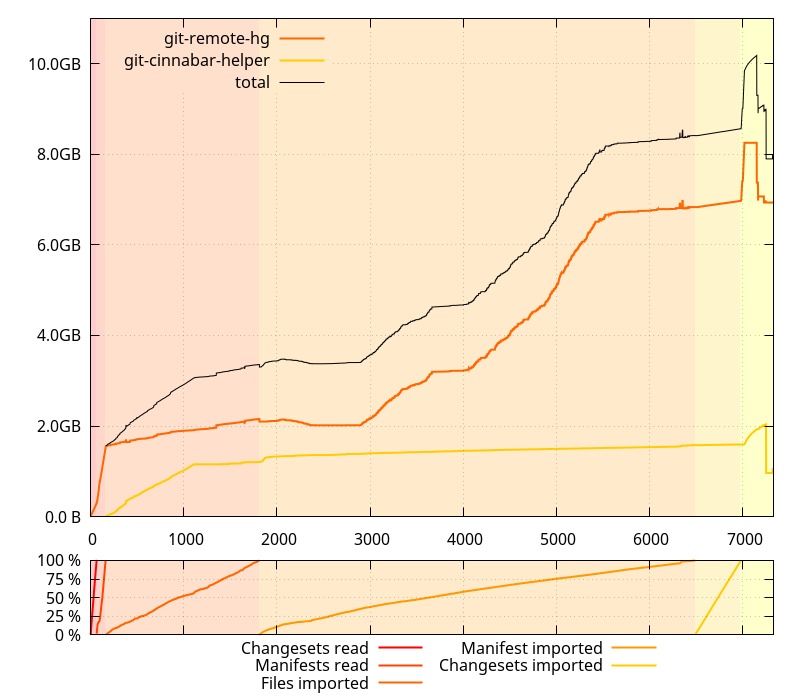 (Note, those memory sizes are RSS, minus shared )
It also was taking an unexpected long time, but then, I hadn t cloned a large repository like mozilla-central from scratch in a while, so I wasn t sure if it was just related to its recent growth in size or otherwise. So I collected data on 0.4.0 as well.
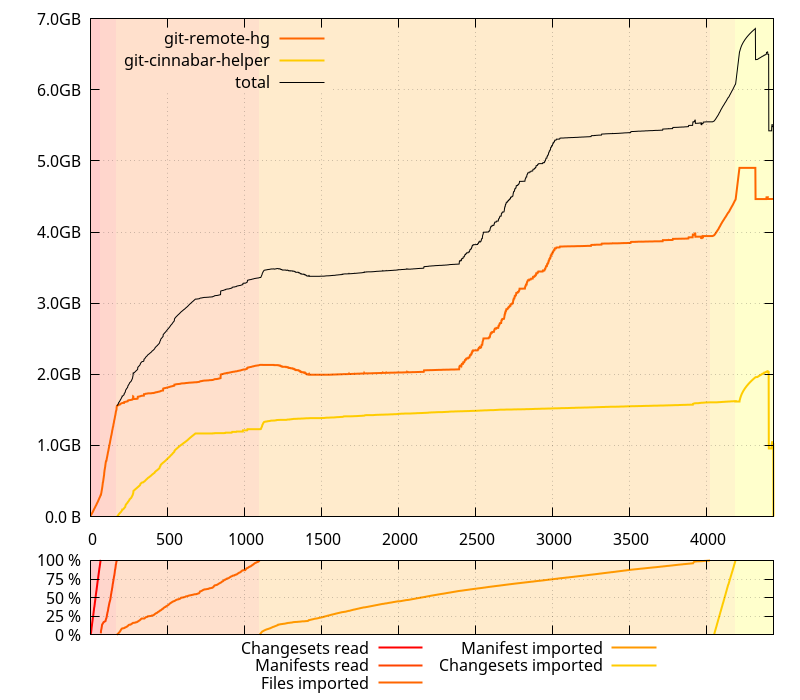 Less time spent, less memory usage ok. There s definitely something wrong on master. But wait a minute, that slope from ~2GB to ~4GB on the git-remote-hg process doesn t actually make any kind of sense. I mean, I d understand it if it were starting and finishing with the Import manifest phase, but it starts in the middle of it, and ends long before it finishes. WTH?
First things first, since RSS can be a variety of things, I checked
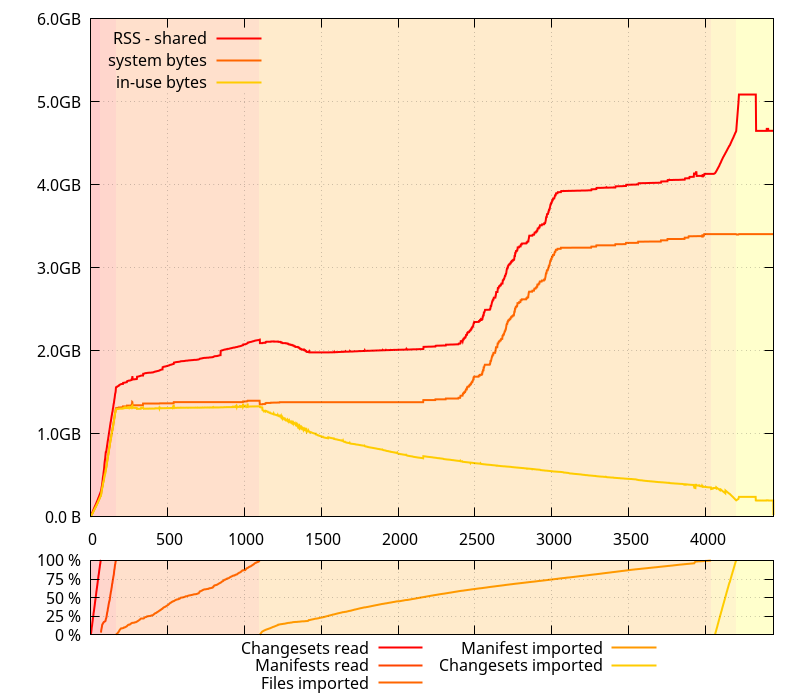 There are two things of note on this data:
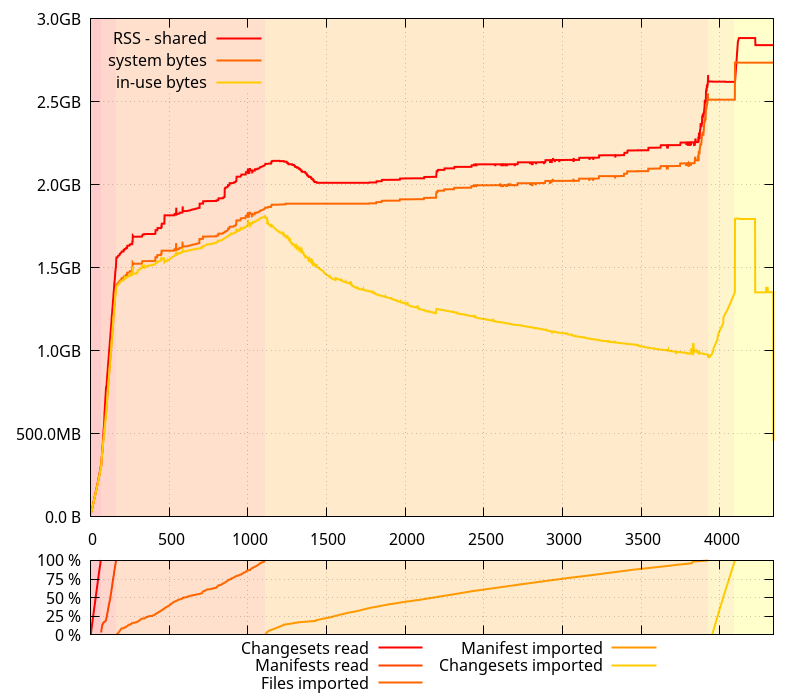 Aha! I thought. That definitely looks much better. Less gap between what glibc says it requested from the system and the RSS size. And, more importantly, no runaway increase of memory usage in the middle of nowhere.
I was preparing myself to write a post about how mixing allocators could have unintended consequences. As a comparison point, I went ahead and ran another test, with the
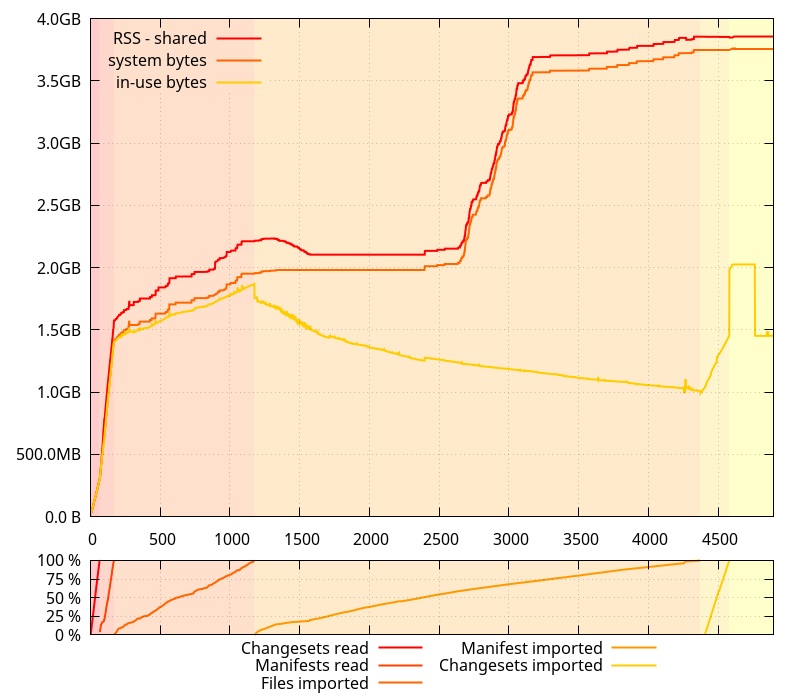 Heh. It turns out glibc was acting up all alone. So much for my (plausible) theory. (I still think mixing allocators can have unintended consequences.)
(Note, however, that the reason why the python allocator exists is valid: without it, the overall clone took almost 10 more minutes)
And since I had been getting all this data with 0.4.0, I gathered new data without the python allocator with the master branch.
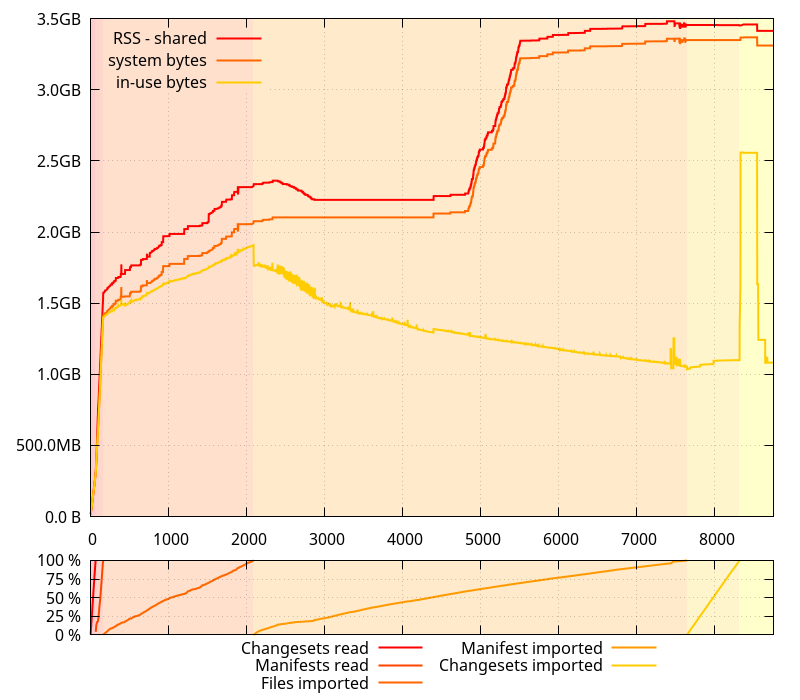 This paints a rather different picture than the original data on that branch, with much less memory use regression than one would think. In fact, there isn t much difference, except for the spike at the end, which got worse, and some of the noise during the Import manifests phase that got bigger, implying larger amounts of temporary memory used. The latter may contribute to the allocation patterns that throw glibc s memory allocator off.
It turns out tracking memory usage in python 2.7 is rather painful, and not all the tools paint a complete picture of it. I hear python 3.x is somewhat better in that regard, and I hope it s true, but at the moment, I m stuck with 2.7. The most reliable tool I ve used here, it turns out, is

 Debian LTS
February marked the 22nd month I contributed to

 Just over 2 years ago, I
 Here is my monthly update covering what I have been doing in the free software world (
 France passed a law about right to disconnect (more info

 Before I start, I would like to point out
 I asked why can t the city follow the Chennai model. Chennai, not so long ago was at the same place where Pune is, especially in relation to water. What happened next, in 2001 has been beautifully chronicled in
 Which brings me to my second conundrum, most of the people believe that it s the Government s job to provide jobs to its people. India has been experiencing jobless
 Even International businesses has been found wanting. The latest example has been Uber and Ola. There have been



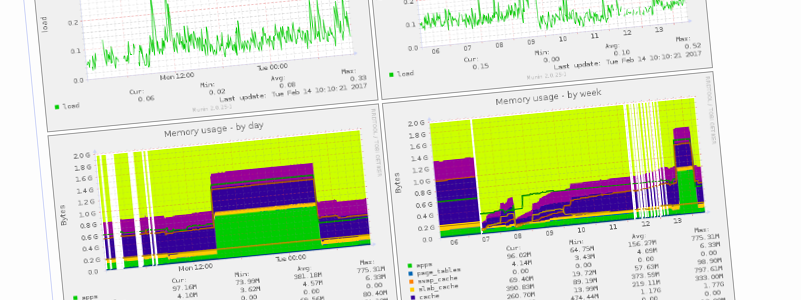 The other day I had to deal with an outage in one of our LDAP servers,
which is running the old Debian Wheezy (yeah, I know, we should update it).
We are running openldap, the slapd daemon. And after searching the log files,
the cause of the outage was obvious:


 More and more packages, be it for